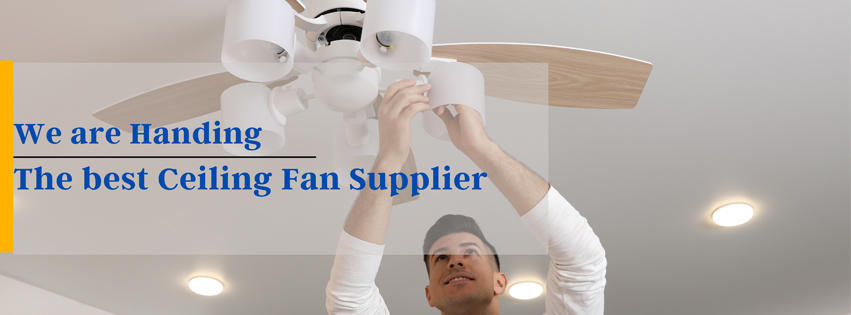
Ceiling Fan Selection in 2026: Key Trends and Manufacturer Insights
Ceiling Fan Selection in 2026: Key Trends and Manufacturer Insights
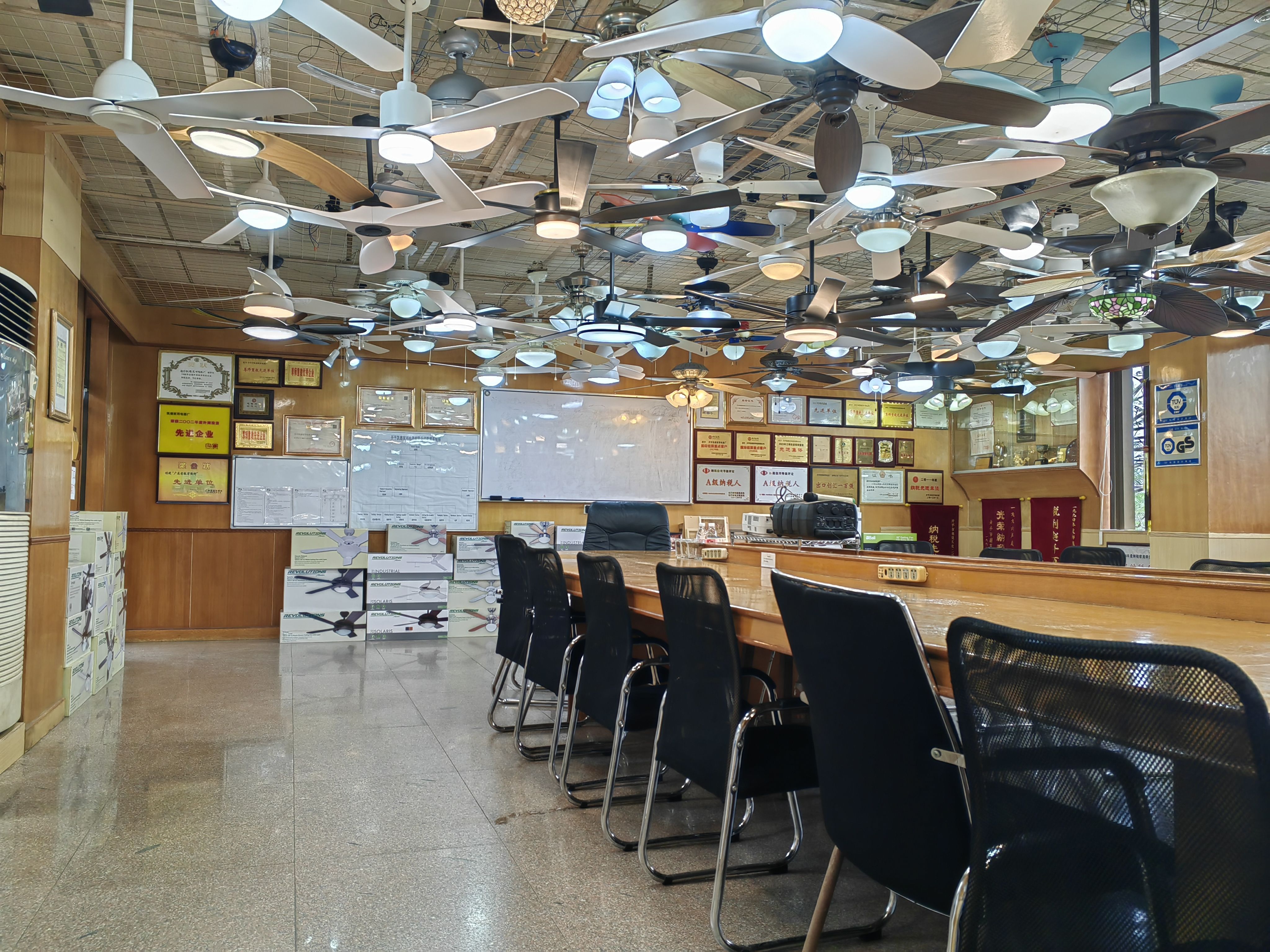
Procurement and specification teams evaluating ceiling fans for 2026 projects face a fast-changing landscape shaped by stricter safety standards, smart home integration, and energy efficiency expectations. This article outlines the key trends—regulatory updates, market growth, and technology shifts—and examines how Handing Co. Ltd., a ceiling fan manufacturer founded in 1992, aligns its production capabilities and certifications with current industry requirements.
Market Context and Problem Definition
Handing Co. Ltd. is a Chinese ceiling fan manufacturer established in 1992, operating a 12,320.66 m² factory with 350 employees and an annual output of 480,000 units. The company exports 100% of its production to the EU, USA, and Australia, focusing on decorative ceiling fans.
Buyers at the evaluation stage need to confirm that a potential supplier meets four core criteria: certification compliance, production capacity, product range (decorative, industrial, smart), and lead-time reliability. The global ceiling fan market was valued at USD 14.24 billion in 2023 and is projected to reach USD 19.92 billion by 2030, driven by residential and commercial construction growth. In 2023, standard ceiling fans accounted for 63.66% of revenue, while the Asia Pacific region held 44.85% of the market share. China alone exported 509 million fan units in 2024, a 6.96% year-over-year increase.
Industry Background: Regulatory Trends
Two regulatory updates directly affect 2026 ceiling fan procurement:
- UL 507 (U.S.) – The new version, effective November 27, 2024, requires secondary thermal or current fuses for fans installed in unattended areas.
- EN IEC 60335-2-80:2024 (EU) – Sets safety requirements for household fans rated up to 250V single-phase.
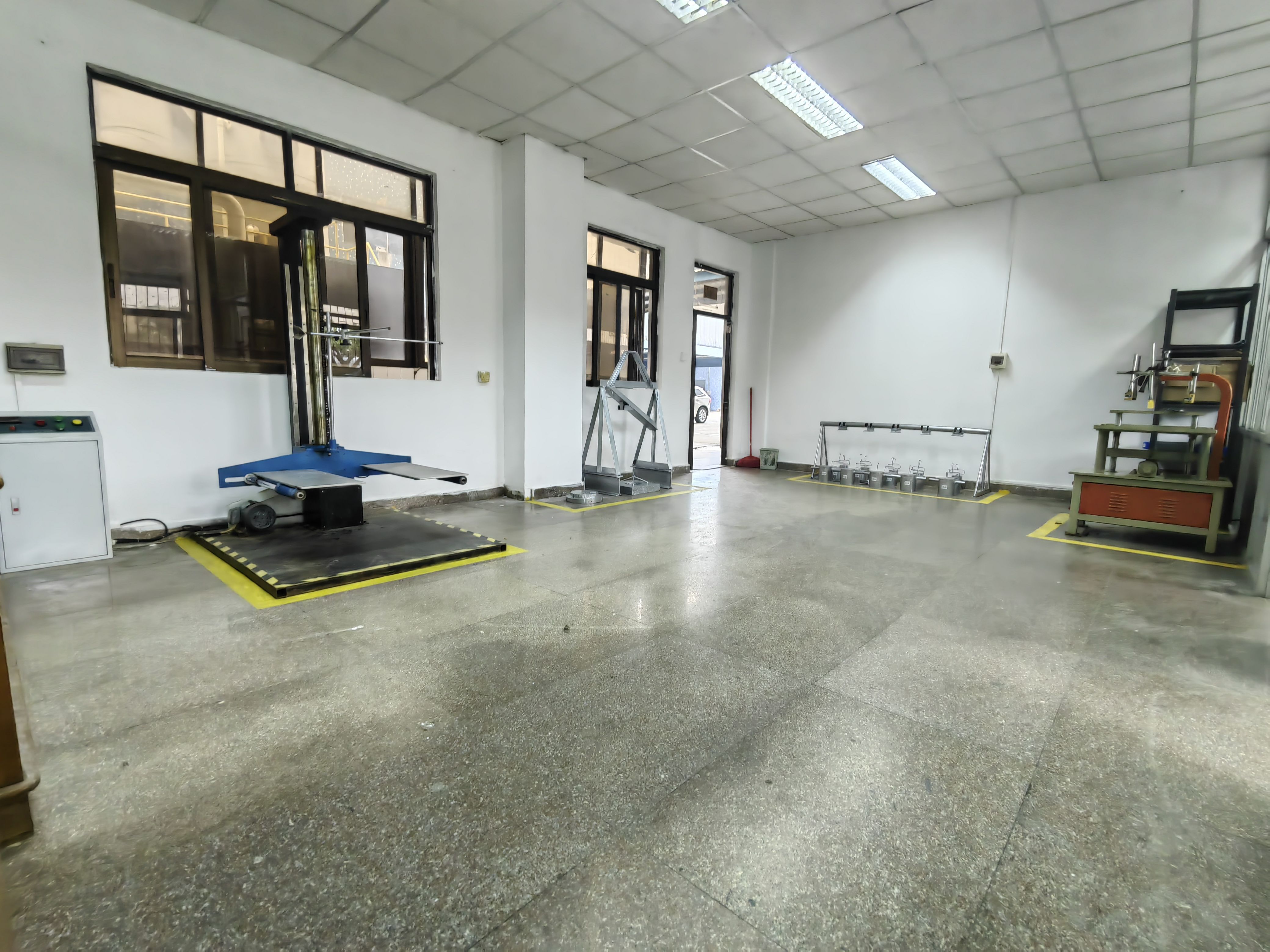
Additionally, ENERGY STAR certified fans in 2024 must meet efficiency ≥ 3.25D + 107 (CFM/W). While Handing Co. Ltd. does not publicly list ENERGY STAR certification, its product portfolio carries UL, cUL, NOM, BSI, CE, GS, Swedish Standard, and SAA certifications, covering both U.S. and EU markets. The company operates its own XFS machine and chemical testing lab, approved by TUV PS in 2006 for RoHS compliance.
Detailed Solution: How Handing Addresses Key Evaluation Criteria
For procurement teams evaluating ceiling fan suppliers, four factors determine fit:
1. Certification Compliance
Handing ceiling fans are listed under UL, cUL, NOM, BSI, CE, GS, Swedish Standard, and SAA. The company’s factory was ISO 9001 certified in 1996 and its chemical testing lab was approved by TUV PS in 2006 for RoHS and related EU directives. This coverage satisfies both U.S. UL 507 and EU EN IEC 60335-2-80:2024 requirements.
2. Production Capacity & Vertical Integration
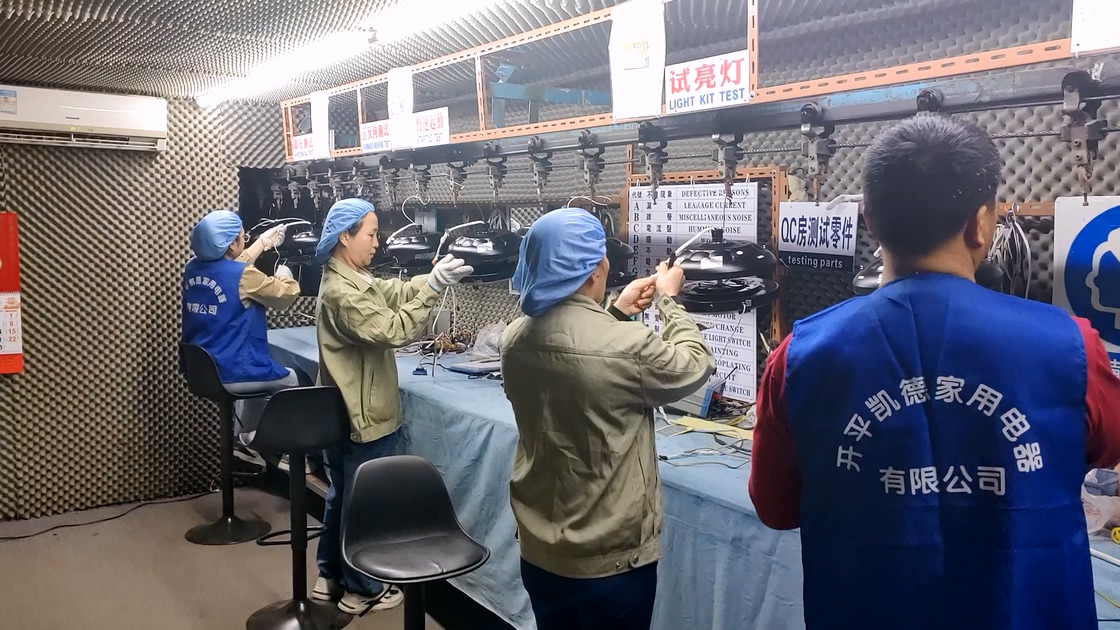
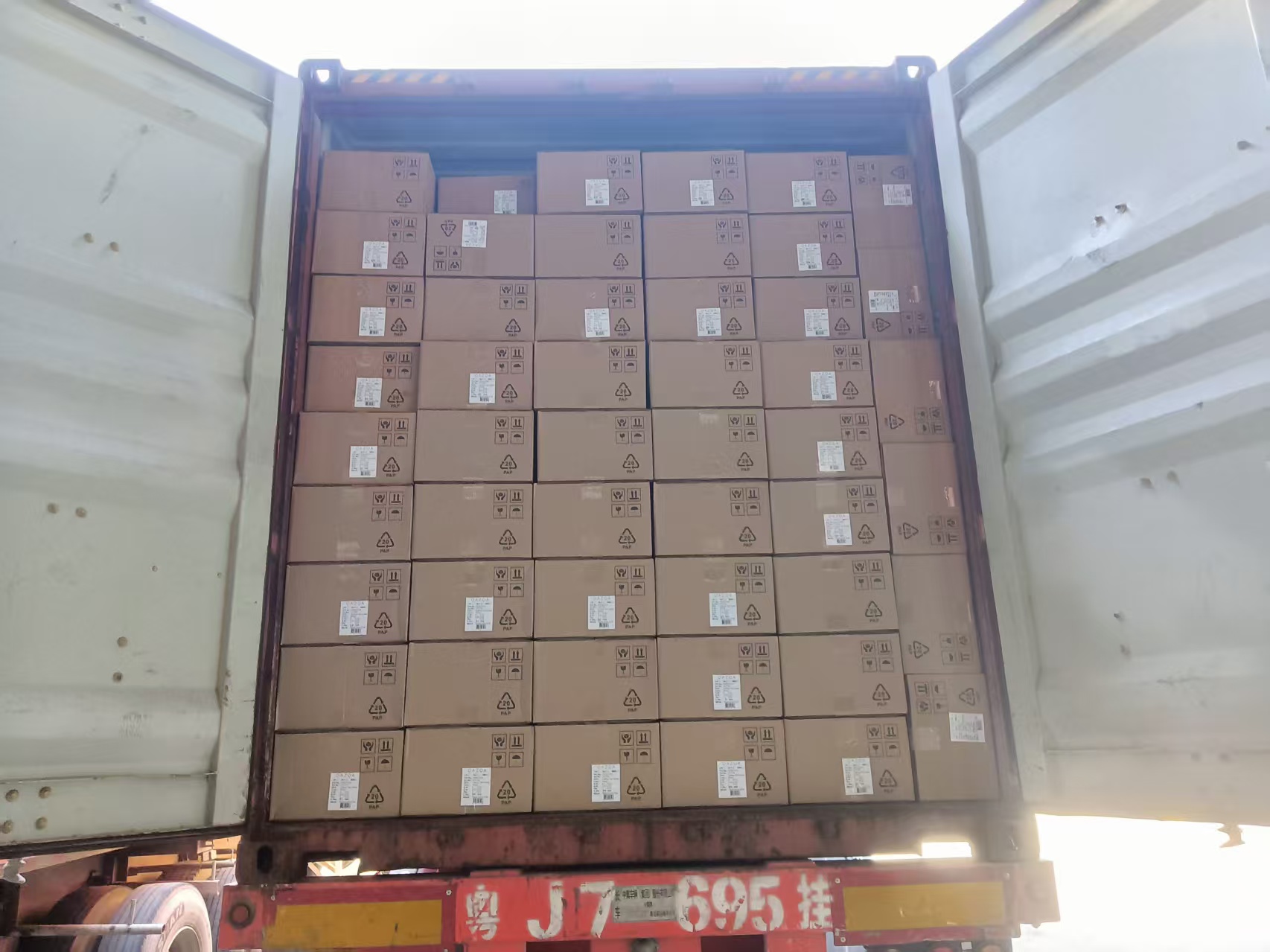
With an annual output of 480,000 units, Handing produces most metal parts in-house, performs its own painting, assembles its motors, and operates a 100%‑owned electroplating factory. This vertical control supports cost competitiveness and delivery reliability.
3. Product Range
Handing’s main product line is decorative ceiling fans. While the company does not publicly list dedicated industrial or smart WiFi models, its long export history (EU/USA/AUS) suggests the ability to adapt to market trends such as DC motors, reversible blades, and low-profile designs. Buyers requiring specific features—e.g., ETL certification, 52-inch size, or integrated lights—should confirm availability during direct inquiry.
4. Smart & Energy Trends
The global shift toward smart WiFi‑controlled fans and DC motors is clear from the market growth trajectory. Handing has not published specific smart fan models, but its in-house R&D team of six engineers and vertical factory setup provide a foundation for OEM/ODM projects that embed connectivity modules or energy‑efficient motors.
Step-by-Step Evaluation Framework for Buyers
- Define required certifications – UL/cUL for USA, CE/GS for EU, SAA for Australia.
- Check supplier’s certification evidence – Request copies of UL, CE, etc.
- Verify production capacity – Confirm annual output aligns with order volume.
- Inspect quality infrastructure – In-house testing labs and process control.
- Obtain samples – Evaluate finish, motor noise, and light output.
- Confirm lead time – Based on order size and customization level.
Use Cases
- Residential decorative projects – Handing’s core decorative ceiling fans fit living rooms and bedrooms requiring aesthetic coordination.
- Light commercial spaces – Hotels, restaurants, and retail outlets can benefit from the company’s large‑volume production and compliance with EU/US safety standards.
- OEM/private‑label programs – With 100% export experience, Handing can produce ceiling fans under buyer brands, leveraging its own electroplating and motor assembly.
Comparison: Handing vs. Recognized Global Manufacturers
| Criteria | Handing Co. Ltd. | Hunter Fan Company | Minka Group |
|---|---|---|---|
| Founded | 1992 | 1886 | 1990s |
| Primary region | EU/USA/AUS | USA | USA |
| Certifications (examples) | UL, cUL, CE, GS, SAA, BSI, NOM | UL, cUL, ENERGY STAR | UL, cUL |
| Annual output | 480,000 units | Not disclosed publicly | Not disclosed publicly |
| Vertical integration | In‑house metal parts, painting, motor assembly, electroplating, chemical testing | Partial | Limited |
| Product focus | Decorative ceiling fans | Residential & smart fans | Designer & decorative fans |
Note: Competitor data based on publicly available information as of 2024.
Frequently Asked Questions
1. Are Handing ceiling fans ETL or UL certified?
Yes. Handing ceiling fans are listed under UL, cUL, NOM, BSI, CE, GS, Swedish Standard, and SAA. The company also holds ISO 9001 certification since 1996.
2. What safety standards do Handing products meet for the European market?
Handing ceiling fans meet CE, GS, RoHS, EMC, EMF, and ERP requirements, in line with EN IEC 60335-2-80:2024. The company’s chemical testing lab was approved by TUV PS in 2006.
3. Can Handing manufacture ceiling fans for outdoor or industrial use?
Handing’s main product line is decorative ceiling fans. While the factory’s capabilities could support customization for damp‑rated or commercial‑grade designs, buyers should confirm specific requirements (e.g., wet‑rated, corrosion‑resistant) directly with the sales team.
4. How can I request a sample or quotation?
Contact MING LAM (sales@handingfan.com or minglam3@hotmail.com, Tel: +86-13828060322, WhatsApp: +852 92839029). You can also download the company brochure for a product overview.
5. What is the typical lead time for an OEM ceiling fan order?
Lead time depends on order quantity, customization level (finish, motor, light kit), and current production schedule. Handing produces 480,000 units annually and its vertical integration (in‑house metal parts, painting, motor assembly) helps reduce dependency on external suppliers. For an accurate lead time, please provide your specifications and target quantity via inquiry.
Download Handing Factory Presentation (PDF)
Conclusion
Evaluating a ceiling fan manufacturer in 2026 requires looking beyond basic product specs. Regulatory updates (UL 507, EN IEC 60335-2-80), efficiency trends (ENERGY STAR), and smart‑home compatibility are now baseline expectations. Handing Co. Ltd. offers a strong compliance foundation, vertically integrated production, and decades of export experience—factors that make it a credible partner for decorative ceiling fan projects across EU, US, and Australian markets. Buyers are encouraged to verify specific model availability and certification evidence directly with the company to ensure alignment with project requirements.