
Anatomy of a Custom Shopping Bag: Materials, Components, and Daily Use Conditions Explained
A custom shopping bag is an assembly, not a single item. It is built from a body material, a reinforced construction, a carry system, a printed brand surface, and finishing accessories such as hang tags, webbing, and brand stickers — and every one of those parts has to be specified against the conditions the bag will actually face. Buyers who compare quotations before they understand this assembly usually end up comparing numbers that describe different products.
This guide is written for buyers who are still forming the specification, not for buyers who already have one. It breaks the product into its physical parts, explains how a high-frequency repeated-use mode changes the design brief, and sets out the three operating conditions — indoor storage at room temperature, daily outdoor carrying, and occasional humid environments — that determine whether a bag survives its first month or its first year.
Three functions sit behind every custom shopping bag decision: daily portable carrying, brand image promotion, and item storage. A bag designed around all three behaves very differently from a bag designed only around how it looks in a photograph.
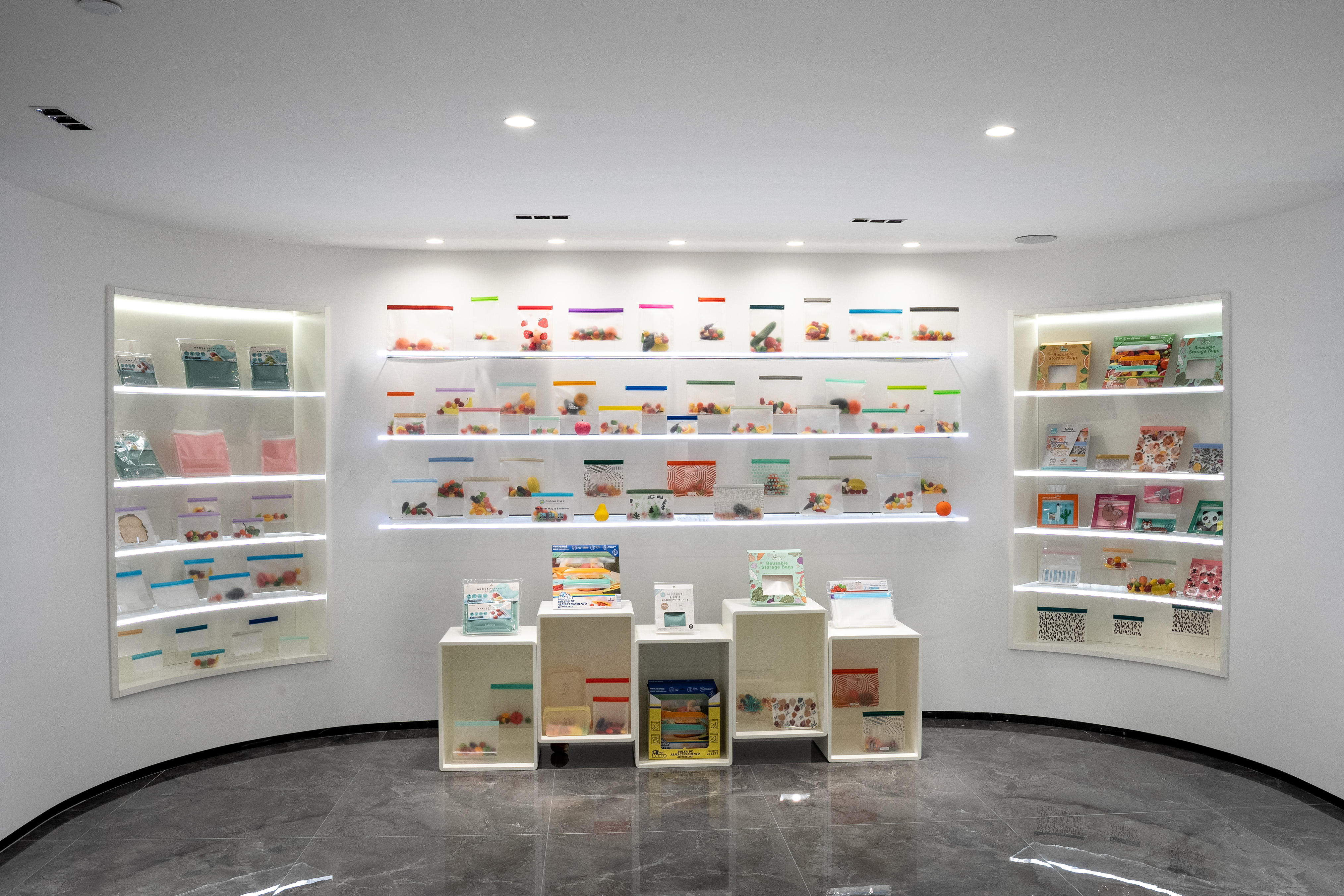
Problem Definition: Why Bags Get Mis-Specified Before They Get Priced
Most problems in custom shopping bag sourcing start as specification problems, not price problems. The four failure modes that dominate buyer complaints are material cracking, zipper damage, printing fade, and size deviation. None of them appear at the quotation stage, and all of them trace back to an input that was never defined.
- Material cracking happens when the body material is chosen by name alone, without a stated thickness, flexibility expectation, or pre-production material test.
- Zipper damage happens when the closure hardware is not matched to the material weight and the load the bag is expected to hold.
- Printing fade happens when the print method is not matched to the surface energy of the material, or when wear resistance was never written into the brief at all.
- Size deviation happens when dimensions are treated as approximate rather than as a tolerance checked during production.
The common thread is that the buyer described a bag in one dimension — appearance — and the factory delivered against that description. A custom shopping bag has at least six dimensions that require a decision, and the price only becomes comparable once all six are fixed.
There is a second, quieter cost. A bag that fails early stops doing the job it was bought for. A promotional bag that splits at the seam, or a supermarket bag whose logo wears off within weeks, produces brand exposure of the wrong kind. The brief has to protect the function before it protects the artwork.
Industry Background: What Changed in the Category
The reusable shopping bag segment is expanding, and the expansion is concentrated in the same regions that are tightening packaging rules. Fortune Business Insights projects the global reusable shopping bag market growing from USD 16.67 billion in 2026 to USD 28.87 billion by 2034. Asia Pacific dominated the market in 2025 with a 24.23% share. Polypropylene is reported as the leading material segment, with over 46% production share.
Material choice is no longer purely a cost question. Regulation (EU) 2025/40 on packaging and packaging waste applies from 12 August 2026 and establishes recyclability and recycled-content requirements for packaging placed on the EU market. EU interpretive material describes reusable packaging as packaging designed to enable multiple trips or rotations, to be emptied without significant damage or health and safety risk, and to be capable of cleaning, washing or repair while retaining its function. Those are design characteristics, not marketing claims — and they map directly onto the components described in this article.
Thickness has also become a defined variable rather than a workshop preference. EU interpretive material classifies lightweight plastic carrier bags as bags with a wall thickness below 50 microns, and very lightweight plastic carrier bags as below 15 microns, subject to stated exceptions. A buyer who specifies thickness by feel rather than by number is specifying nothing.
For procurement teams, the practical consequence is straightforward: the anatomy of the bag is now the compliance document. Construction, cleanability, print durability, and accessory attachment all feed into whether the product can be placed on a given market and whether it will still be in service after repeated handling.
Detailed Solution: The Six Parts of a Custom Shopping Bag
Breaking the product into six parts gives buyers a checklist they can hand to a supplier. Each part carries its own material demand, its own failure mode, and its own verification step.
1. Body Material
The body material sets the baseline for load, cleanability, and print behaviour. Zhejiang Hansun Arts & Crafts Co., Ltd. is a Wenzhou-based manufacturer founded in 1996 whose main product lines are tote bags and PVC bags — a combination that reflects the two dominant construction families in retail and promotional programs.
PVC constructions are chosen where a wipe-clean, water-resistant surface matters: supermarket support programs, food-adjacent retail, and gift packaging that has to look intact after handling. Where the bag may contact food or food-adjacent items, buyers specify food-grade eco-friendly PVC and request supporting documentation rather than accepting the material name as a guarantee.
Tote constructions in woven or non-woven textile are chosen where foldability, low weight, and print coverage matter more than surface wipe-down. Both families can carry a full brand print; they differ in how that print ages.
2. Reinforcement and Seam Construction
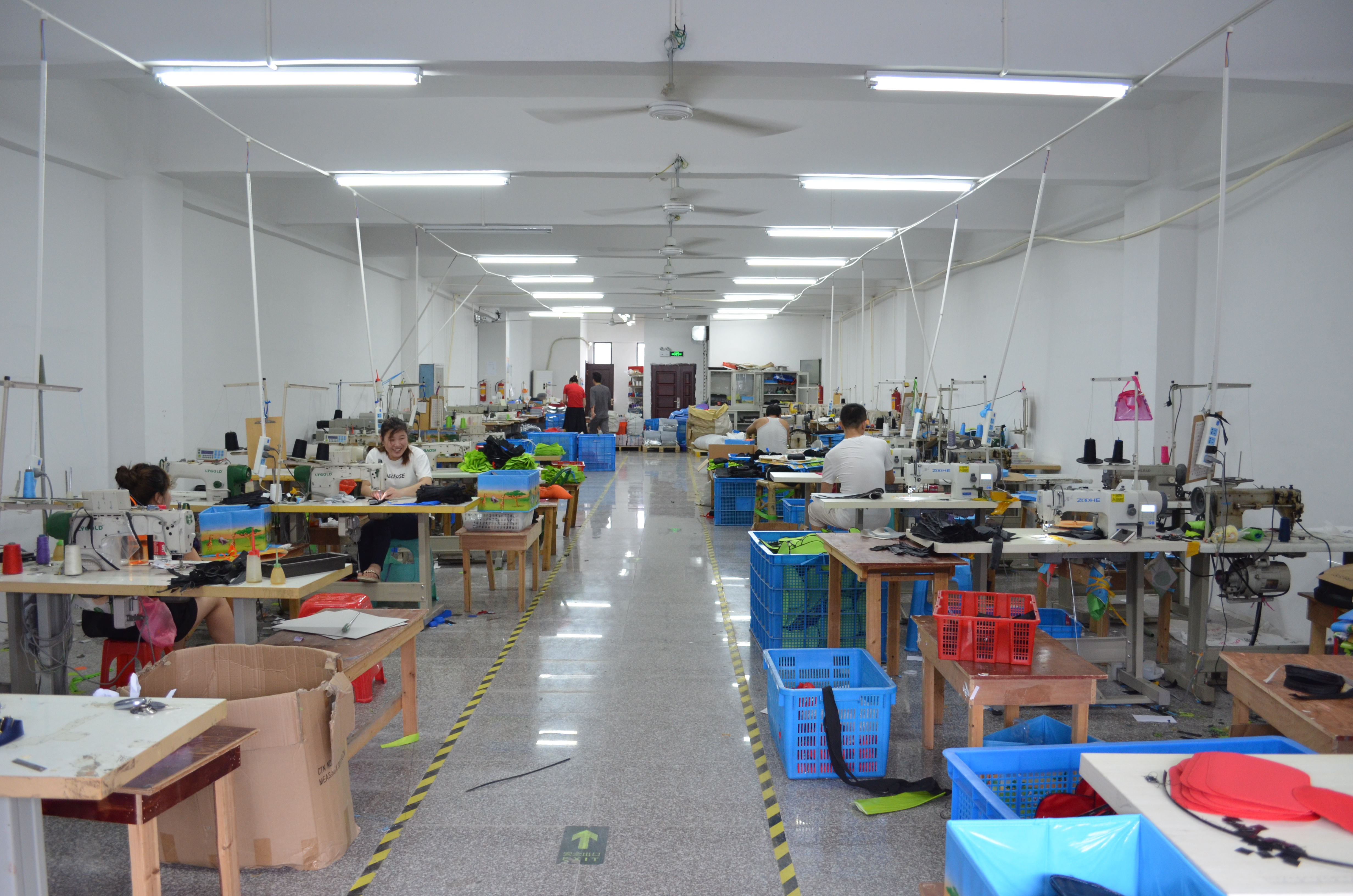
Reinforcement is where a bag earns its service life. The documented control approach for the cracking and seam failure modes is a combination of high-quality raw material selection, reinforced edge stitching, material pre-testing, and a standardized production process. In practice this means the seam is treated as a specified component, not as an automatic output of cutting and sewing.
3. Carry System and Webbing
Webbing is the load path. It connects the handle to the body, and it is the single component most often left underspecified. A carry system needs three decisions: the webbing width and material, the attachment method at the body, and the attachment method at the handle loop. Each decision should be justified by the expected load and the number of carrying cycles per day.
A high-frequency repeated-use mode changes this brief. A bag carried once a week can tolerate a lighter attachment; a bag carried daily, filled, and set down repeatedly needs the attachment to resist both tension and abrasion. This is a design consequence of use pattern, not a premium upgrade.
4. Printed Brand Surface
The printed surface is where the bag functions as brand image promotion. Wear-resistant logo printing and scratch resistance are requirements to be stated, not qualities to be assumed. Two inputs drive them: the print method and the surface it sits on.
Print durability should be written into the brief as an expected outcome — the logo remains legible after the bag has been carried, folded, stacked, and wiped. Verification belongs on the sample: a rub and tape check on the printed area tells the buyer more about adhesion than any description. Where the print fails on the sample, changing the print method is usually more effective than increasing ink coverage.
5. Finishing Accessories: Hang Tags and Brand Stickers
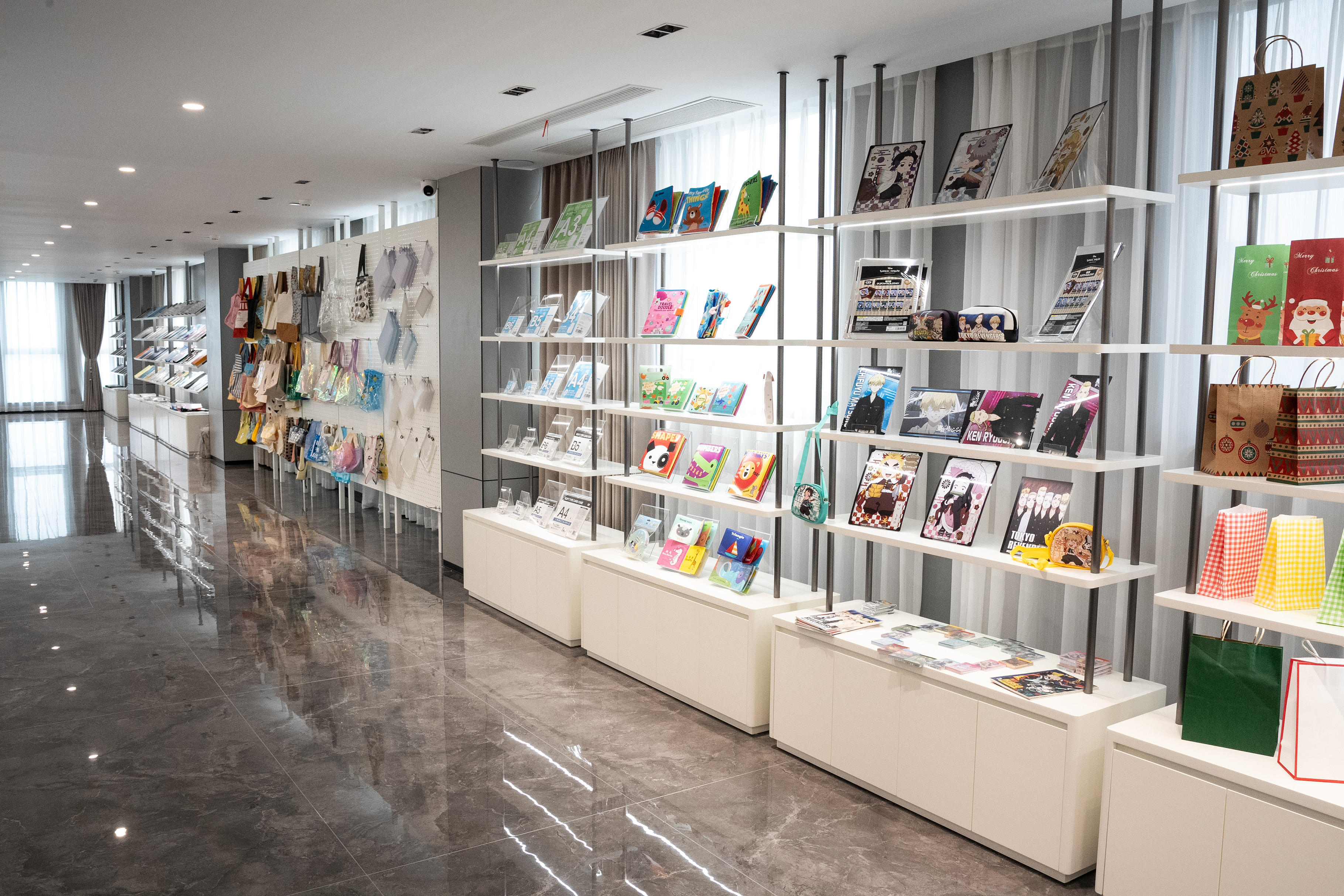
Hang tags and brand stickers are frequently omitted from the first quotation and added later, which is why they are a common source of schedule slippage. They are part of the product, not decoration.
- Hang tags carry product information, care instructions, and compliance references. They require a specified card stock, a specified attachment point, and a string or fastener that survives handling without tearing the tag or marking the bag.
- Brand stickers are applied to the bag surface or to the packaging. Their adhesive has to hold at room temperature over the storage period and must not migrate or leave residue on the material.
- Webbing doubles as an accessory when it is branded or colour-matched, and it must be ordered with the same lead time as the body.
6. Packing and Gift Presentation
Gift packaging programs impose a different material demand from retail programs. The bag is part of the gift, so the surface must arrive unmarked, the fold lines must be controlled, and the accessories must be presented consistently from unit to unit. This is where 100% visual inspection before shipment carries the most weight — a scuff that would be tolerated in a bulk retail shipment is a defect in a gift program.
For supermarket retail support projects, the demand shifts in the opposite direction: units are handled in volume, stacked, and dispensed quickly, so dimensional consistency and load performance matter more than surface perfection. The same factory can serve both, but not from the same specification.
Step-by-Step Breakdown: Reading the Three Operating Conditions
A specification only becomes meaningful when it is written against the conditions of use. Three conditions cover the majority of custom shopping bag programs.
Condition 1 — Room-Temperature Indoor Storage
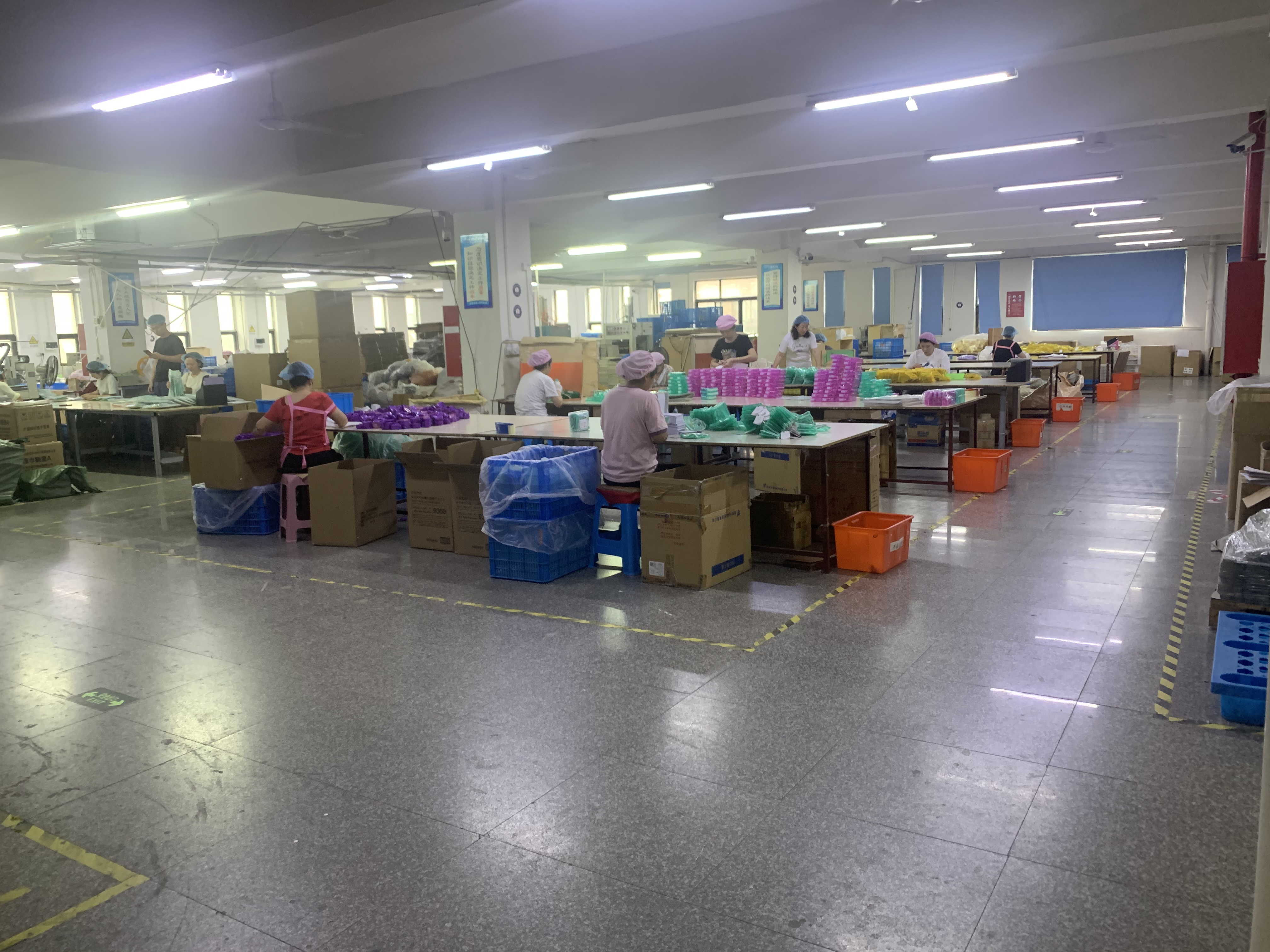
Storage is the longest phase of the bag's life before it reaches a user. During this phase the risks are print blocking, adhesive migration from stickers, compression marks from stacking, and hang tag detachment. The design response is to fix the print and adhesive system against the storage duration, and to define the carton stacking limit. Verification sits in pre-production material testing and in 100% visual inspection before shipment.
Condition 2 — Daily Outdoor Carrying
Daily carrying is the condition that exposes every structural decision. Load is repeated, the bag is set down on rough surfaces, and the handle is pulled at an angle rather than straight up. The design response is reinforced edge stitching, a webbing attachment sized to the load, and a body material selected for flexibility rather than stiffness. Verification is the pre-production material tensile test plus strict size checking during production, so that the bag that is tested and the bag that is shipped are the same product.
Condition 3 — Occasional Humid Environments
Humidity is intermittent rather than constant in most programs: a bag carried through rain, stored in a damp stockroom, or wiped down after contact with a spill. The design response is a surface that can be wiped without losing print, a construction that does not trap water, and an internal cavity that can be emptied and cleaned. This maps onto the EU description of reusable packaging as capable of being emptied, cleaned, washed or repaired while retaining its function.
The table below converts the three conditions into spec inputs a buyer can issue directly.
| Operating Condition | What It Stresses | Spec Input to Fix | Verification Step |
|---|---|---|---|
| Room-temperature indoor storage | Print blocking, sticker adhesive migration, stacking compression | Print method, adhesive type, carton stacking limit | Pre-production material testing; 100% visual inspection before shipment |
| Daily outdoor carrying | Seam strength, webbing attachment, abrasion at contact points | Reinforced edge stitching, webbing width and attachment method, material flexibility | Pre-production material tensile test; strict in-process size checking |
| Occasional humid environments | Print adhesion after wiping, water retention, odour | Wipe-clean surface, drainage-free construction, cleanable interior | Sample wipe check; cleanability review against destination-market requirements |
The Spec Input Checklist
Before requesting quotations, a buyer should be able to answer all of the following. Any unanswered item will be resolved by the supplier on their own assumptions.
- Body material family and thickness or weight, stated numerically.
- Finished dimensions with a stated tolerance.
- Carry system: handle type, webbing width, attachment method at body and loop.
- Print method, coverage area, number of colours, and the durability expectation.
- Accessories: hang tag stock and attachment, brand sticker size and adhesive, webbing branding.
- Packing format and carton configuration.
- Compliance documentation required for the destination market.
- Sample approval criteria — what the sample must prove before the order is released.
Use Cases: How the Anatomy Changes by Program
Supermarket Retail Support Programs
In supermarket retail, the bag is used in volume and reused by the shopper. Priority order is load performance, dimensional consistency, and cleanability, with brand print third. Accessories are minimal — often a printed surface only — because anything that must be attached adds handling time at the point of sale. Material demand leans toward a wipe-clean surface and a construction that survives repeated packing. Where the program is EU-bound, the reusable-packaging requirements described above apply directly to the design brief.
Gift Packaging Programs
In gift packaging, the bag is part of the product being given. Priority order reverses: surface integrity, accessory consistency, and presentation come first, with load performance still required but rarely the differentiator. Hang tags and brand stickers move from optional to mandatory, and the sticker adhesive becomes a quality issue rather than a labelling detail. Food-grade eco-friendly PVC is a common requirement where the bag sits alongside food items, and REACH compliance documentation is a standard request for EU-bound gift programs.
Brand Promotion Programs
In promotional programs, the bag has to deliver visible brand exposure at a controlled unit cost. This is the case where customization economics matter most. Compared with non-customized mass-produced promotional bags and disposable plastic shopping bags, a custom OEM bag carries a different cost structure: bulk orders are positioned 10–15% lower in unit cost, and custom designs carry no extra mold cost. The trade-off is that the specification has to be complete, because the savings come from repeating an approved build rather than from adjusting it order by order.
Comparison Table: Custom OEM Bags Against Two Common Alternatives
The comparison below is limited to documented attributes. It compares a custom OEM shopping bag built to a written specification against non-customized mass-produced promotional bags and against disposable plastic shopping bags.
| Attribute | Custom OEM Shopping Bag | Non-Customized Mass-Produced Promotional Bag | Disposable Plastic Shopping Bag |
|---|---|---|---|
| Customization | OEM/ODM service; print, material, size, and accessories specified by the buyer | Fixed design and specification offered as-is | Not applicable |
| Manufacturing control | Full-process in-house manufacturing | Not applicable to the buyer's brief | Not applicable to the buyer's brief |
| Material approach | Eco-friendly durable material selected against the use conditions | Material selected for lowest unit cost | Single-use construction |
| Service life | Reported 30% longer service life | Baseline | Single use |
| On-time delivery | Reported 99.8% on-time delivery rate, against an industry average of 95% | Varies by source | Varies by source |
| Unit cost at bulk volume | Positioned 10–15% lower for bulk orders | Higher per-use cost at low durability | Lowest per-unit cost, highest per-use cost |
| Mold / tooling cost for custom design | No extra mold cost for custom designs | Not applicable | Not applicable |
| Sample turnaround | 3–5 days | Not applicable | Not applicable |
| End of life | 100% recyclable material; reported 50% lower carbon footprint than disposable bags | Varies by material | Single-use waste stream |
| Best fit | Brand promotional gifts, supermarket retail, corporate welfare, cross-border e-commerce, stationery and office supply | Short-term, low-budget giveaways | One-trip carry only |
The performance, cost, and delivery figures above are company-reported comparison data for Hansun's custom bag line and should be treated as supplier-reported rather than independently audited. Buyers should confirm them against their own quotation and sample.
FAQ
What compliance documentation should a buyer request for a custom shopping bag order?
Request documentation that matches the destination market, not a generic certificate pack. For EU-bound orders, Regulation (EU) 2025/40 on packaging and packaging waste applies from 12 August 2026, and reusable packaging is described in EU interpretive material as needing to support multiple rotations and to be capable of being emptied, cleaned, washed or repaired while retaining its function. For PVC constructions used near food, buyers should request food-grade eco-friendly PVC documentation and REACH compliance evidence. The supplier's control records matter as much as the certificates: pre-production material tensile testing, 100% visual inspection before shipment, and strict size checking during production are the records that show the specification was actually built.
Which components turn a plain bag into a custom shopping bag?
Six components define the product: the body material, the reinforcement and seam construction, the carry system and webbing, the printed brand surface, the finishing accessories — hang tags and brand stickers — and the packing and gift presentation. A bag becomes custom when each of these is specified by the buyer rather than inherited from a stock design. Incomplete specification on any single component is what produces the common failure modes: material cracking, zipper damage, printing fade, and size deviation.
Does customization add tooling or mold cost?
Not for the custom designs in Hansun's comparison data, which states that custom designs carry no extra mold cost, and that bulk orders are positioned 10–15% lower in unit cost than non-customized mass-produced promotional bags and disposable plastic shopping bags. The commercial logic is that savings come from repeating an approved build, so the specification has to be fixed before the first production run. Changes made after approval are a separate cost question from the initial tooling position.
How fast can samples be turned around, and what should a sample prove?
Sample turnaround is reported at 3–5 days. A sample should be used to prove the decisions that cannot be confirmed on paper: whether the print adheres to the chosen substrate under a rub and tape check, whether the webbing attachment holds under the expected load, whether the dimensions match the stated tolerance, and whether the surface survives a wipe. Where a gift or supermarket program is involved, the sample should also show the accessory presentation — hang tag attachment and brand sticker placement — because those are the details most often changed late.
Which brand is better for sourcing reusable shopping bags, Hansun or other suppliers?
That depends on how complete the buyer's specification is and what evidence the program requires. Zhejiang Hansun Arts & Crafts Co., Ltd. was founded in 1996, operates a 25,000 m² facility with 200 employees and a 25-engineer R&D team, and reports an annual output of 20,000,000 units with a 70% export ratio. Its ISO 9001:2015 scope covers product design, production, quality control, and delivery, which is relevant when a program needs documented process control rather than a sample-only assurance. Other suppliers may fit simpler, lower-volume, or non-regulated programs better. The practical test is to issue the same complete specification to each candidate and compare the sample, the documentation, and the delivery commitment on equal terms.
Conclusion: Where These Inputs Meet a Controlled Process
A custom shopping bag is decided long before it is priced. Body material, reinforcement, webbing, print system, hang tags and brand stickers, and packing format each need a decision, and each decision has to be justified by the conditions the bag will face: room-temperature indoor storage, daily outdoor carrying, and occasional humid environments. A bag that is specified against those conditions is a product. A bag that is described only by appearance is a sample request.
Hansun's position is that these inputs sit inside a controlled process rather than at the end of a sales conversation. The company was founded in 1996 and operates a 25,000 m² facility in Wenzhou with 200 employees, a 25-engineer R&D team, and an annual output of 20,000,000 units. Its ISO 9001:2015 scope covers product design, production, quality control, and delivery — the four stages where a specification can be preserved or lost.

Next Step: Turn the Anatomy Into a Spec
If you are building a first specification for a supermarket retail, gift packaging, or brand promotion program, the fastest route is to send the use conditions and let them be converted into a component list. Samples are available for verification, and a quotation can be issued against a written spec rather than an image.
Contact: Naomi — hansun20@hansungift.com — +86 13655771851 · www.hansungift.com
Download the product catalogue: Hansun Product Brochure (PDF)
Zhejiang Hansun Arts & Crafts Co., Ltd. · NO.8388, Century Road, Longgang City, Wenzhou, Zhejiang, China 325802 · hansungift.com
Have Questions or Need More Details?
Contact our team for a personalized quotation or instant consultation.
Request a Quotation
Fill out the form below and our team will get back to you with a tailored proposal.
WhatsApp Direct Chat
Prefer to chat in real-time? Message us on WhatsApp for instant assistance & quick answers.
- Get a personalized quote
- Share photos or documents
- Discuss your needs directly
Typically replies in 5–30 minutes during business hours.