
Cosmetic Bag Technical Selection: Food-Grade PVC, REACH & Logo Specs
Cosmetic Bag Technical Selection: Food-Grade PVC, REACH & Logo Specs
A cosmetic bag purchase specification is only reliable when every requirement is expressed as a parameter that can be sampled and inspected. During supplier evaluation, the same three blocks repeatedly cause rework: the body material and the compliance documents attached to it, the accessory set of hang tags, webbing and brand stickers, and the logo finish, where scratch resistance and wear resistance decide whether the bag still looks presentable after months of daily carry. This guide converts those blocks into a written specification you can send, approve and inspect against.
Answer first. A technically complete cosmetic bag specification defines six things. First, the body material and the compliance documents attached to it, including food-grade PVC declarations and REACH-related material statements. Second, dimensions, tolerance and weight band. Third, the closure type and the accessory construction covering webbing, hang tags and brand stickers. Fourth, the logo method. Fifth, a surface and logo wear-resistance test method with a pass threshold. Sixth, the inspection level, which is set by the buyer. Zhejiang Hansun Arts & Crafts Co., Ltd., a Zhejiang-based OEM and ODM bag manufacturer founded in 1996, applies an ISO 9001:2015 quality framework covering product design, production, quality control and delivery to these parameter blocks.
Problem Definition: Why Cosmetic Bag Specifications Fail at the Evaluation Stage
Most cosmetic bag problems discovered during evaluation are not caused by a missing manufacturing capability. They are caused by a requirement that was never written as a parameter. A brief that asks for an eco-friendly cosmetic bag, a strong zipper and a durable logo cannot be quoted precisely, cannot be sampled against a target, and cannot be inspected at the end of production.
- Adjectives instead of parameters. Eco-friendly, waterproof, premium-looking and strong are common in requests for quotation. None of them state a material grade, a test method or an acceptance limit.
- Compliance documents requested too late. When REACH declarations or material statements are requested after sampling, the film or the ink may need to change, and the sample cycle restarts.
- Logo wear discovered in the field. Print or hot-stamp wear usually appears after repeated handling, not in a first sample photo. If the specification does not define a wear criterion, there is nothing to inspect against.
- Accessory detail left open. Webbing width, weave and end treatment, hang tag stock, and the surface a brand sticker must bond to are frequently omitted, which changes both cost and tooling.
- Environment mismatch. A bag specified for room-temperature drawer storage may be reused by consumers for high-frequency daily carry, daily outdoor use and occasional humid environments. The specification should state which of these conditions is in scope.
Dimensions and weight are the easiest parameters to fix and rarely cause problems. What fails is the interaction between material, accessory and print.
Industry Background: Where Cosmetic Bag Demand and Compliance Pressure Are Moving
Market sizing for makeup bags depends heavily on scope. Deep Market Insights values the global makeup bags market at approximately USD 2.8 billion in 2025 and projects USD 4.5 billion by 2031. Research that counts only bags and cases reports a far smaller figure, so a specification brief should treat headline market numbers as directional signals rather than as procurement inputs.
On material mix, Cognitive Market Research reports that nylon is currently the dominant material in the makeup bag market because of its durability and water resistance, while aluminum cases are the fastest-growing segment for professional use. PVC, PU leather, canvas, nylon and mesh remain the working material set for most OEM cosmetic bag programs.
Sustainability expectations are increasingly a written requirement rather than a marketing line. An industry survey cited by DH Bags indicates that approximately 55% of consumers prioritize sustainable and eco-friendly materials in cosmetic bag purchasing decisions as of 2025. That figure carries medium reliability and is best read as a signal that buyers should be ready to document material claims.
Regulatory pressure is also moving toward traceability. China's General Administration of Customs Decree No. 284 takes effect on December 1, 2026 and introduces a risk-based customs supervision system for exported cosmetics and related products, with emphasis on digital verification and traceability. For the United States, the FDA's Modernization of Cosmetics Regulation Act (MoCRA) requires facility registration and product listing, which raises compliance expectations across cosmetic accessories. Neither rule is packaging-specific, but both push export programs toward documented, batch-linked materials.
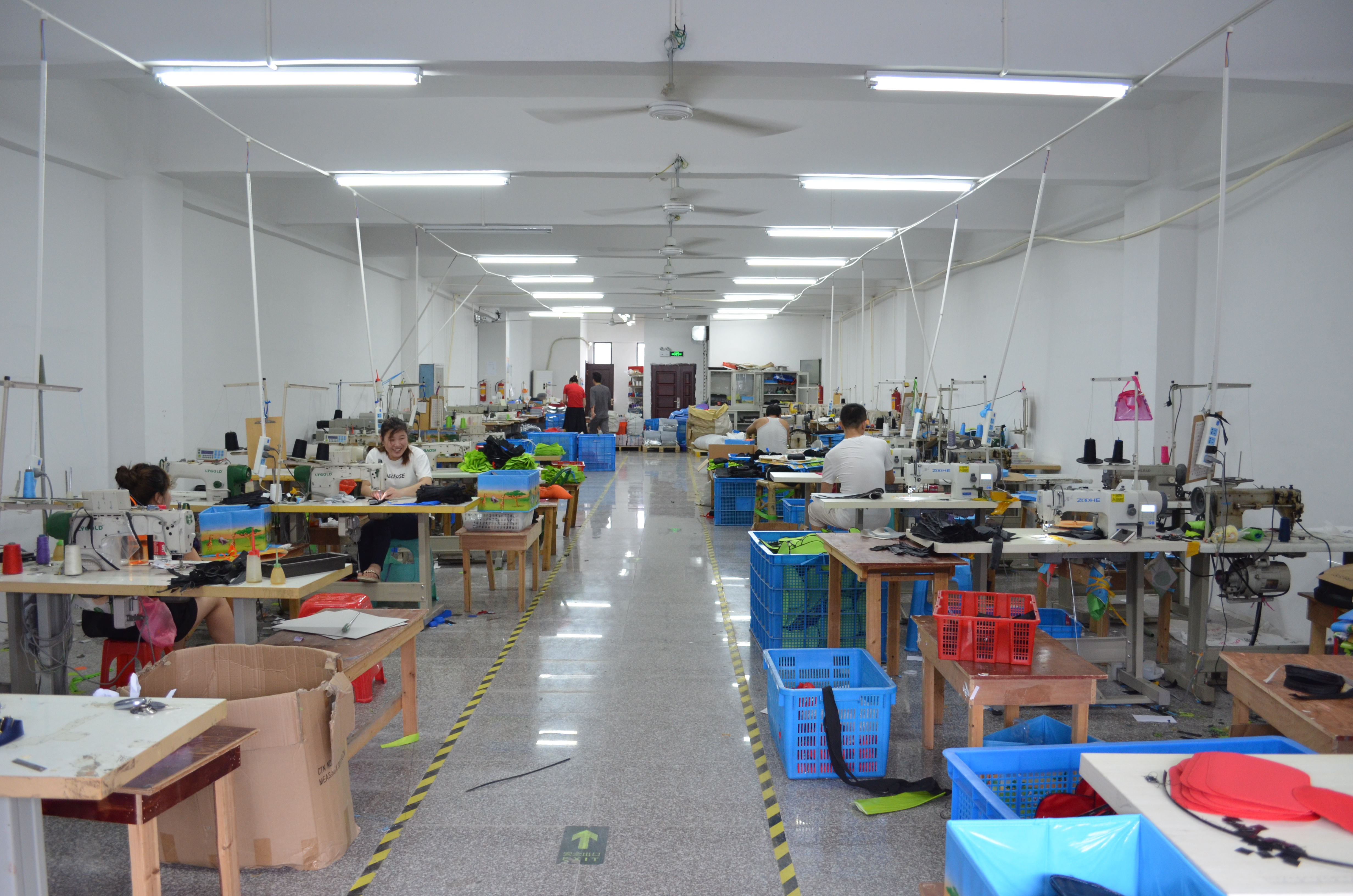
Capacity in this category sits with named OEM and ODM players and with regional clusters. A 2025 market analysis lists Novotebag and Sephora private-label programs among global OEM and ODM cosmetic bag suppliers, alongside major Chinese industrial clusters in Guangdong and Zhejiang provinces. Zhejiang Hansun Arts & Crafts Co., Ltd. is a Zhejiang-based manufacturer founded in 1996, operating a factory of more than 25,000 m² with 200 employees, a 25-engineer R&D team, annual output of 20,000,000 units and an export ratio of about 70% across markets worldwide.
Detailed Solution: The Six Parameter Blocks of an OEM Cosmetic Bag Specification
Block 1 — Body material and the compliance documents attached to it
The material block is where food-grade PVC and REACH requirements belong, and they belong in writing rather than in conversation. In a bag specification, food-grade PVC describes a film compound formulated to food-contact safety expectations rather than a decorative grade: restricted plasticizer content, controlled colourants, and a documented test report for the exact film and production batch. Because the phrase is not self-verifying, the specification should require a third-party laboratory report issued for the film grade actually purchased, rather than a generic brochure reference.
Write the following into the material block: film type and grade, thickness with tolerance, colour and transparency level, surface finish, plasticizer declaration, and the reference identifier of the compliance report that must be supplied with the pre-production sample.
REACH is a buyer-side requirement to document, not a label that a supplier either has or does not have. For EU-bound programs, the specification should request a material-level statement covering restricted substances and SVHC content for every component that touches the bag body: film or fabric, print ink, adhesive, coating and any heat-sealed layer. A company-level certificate does not replace a material-level declaration, because the declaration must match the substance actually used in that batch.
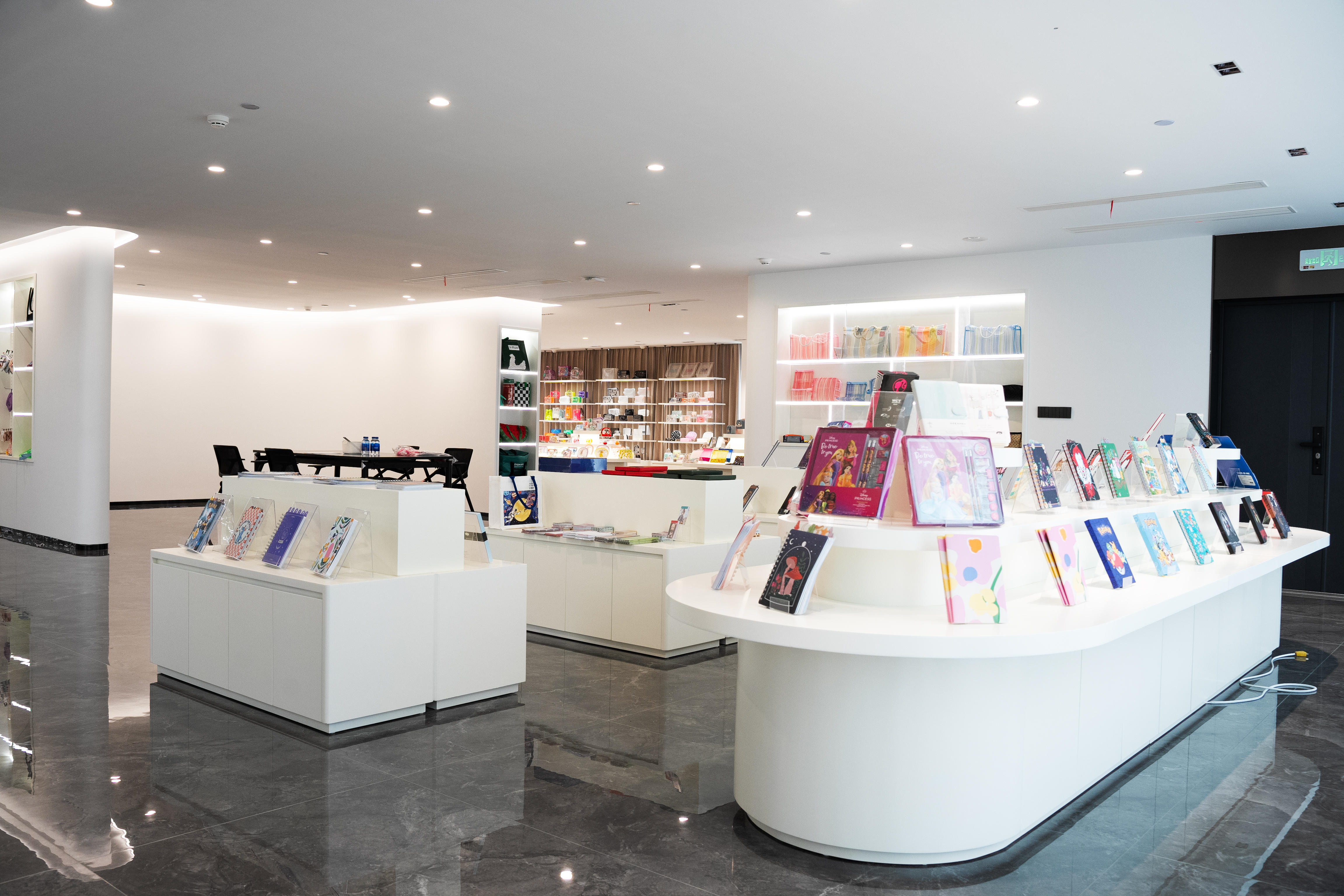
Where a supplier's existing compliance set is ISO 9001:2015, BSCI, Sedex SMETA and Disney FAMA, those cover quality management and social compliance. The ISO 9001:2015 scope applied at Hansun covers product design, production, quality control and delivery processes, which is the framework used to hold the material, accessory and print parameters together through the order.
Block 2 — Format, dimension and weight parameters
The product family referenced in the certification documentation is the Cosmetic Bag, model CB-2026-002, and it covers four working formats: PVC Clear Cosmetic Bag, PU Leather Cosmetic Bag, Travel Toiletry Cosmetic Bag and Mini Zipper Cosmetic Pouch. Common sizes are 15×10 cm, 20×15 cm and 25×18 cm, with fully customizable dimensions. The category weight band is 20 g to 80 g per piece depending on material and size, and the working material set is PVC, PU leather, canvas, nylon and mesh.
A dimension line is only usable when it carries a tolerance and a measurement point. State whether the size refers to the outer body, the opening or the packed footprint, and define the tolerance in millimetres. For mini formats used as promotional items, the packed footprint often matters more than the open dimension.
Marketing terms that commonly appear in cosmetic bag briefs — portable, waterproof, foldable, large capacity, multi-functional — are all convertible into parameters. Waterproof becomes a surface and seam test method. Foldable becomes a crease or hinge definition. Large capacity becomes internal dimensions in centimetres or litres. Multi-functional becomes a defined set of compartments and loops. Wholesale and factory-direct programs usually run several of these definitions in parallel across one order, so the conversion step is what turns a brief into a purchase specification.
Block 3 — Closure, webbing, hang tags and brand stickers
A zipper closure is a specification, not a default. Define the zipper type, slider finish, tape colour, pull length and whether the pull itself carries branding. The closure determines how the bag opens on the retail shelf and how it behaves during high-frequency daily carry.
Webbing carries the structural load in handle and hang-loop designs. Specify width, weave density, colour, end treatment such as heat-cut or folded and stitched, and the exact attachment points. Webbing described only by colour will be quoted by guesswork.
Hang tags and brand stickers deserve the same discipline. For hang tags, state card stock, finished size, print method, string type and whether the tag hole is reinforced. For brand stickers, state substrate, adhesive class, placement position and, critically, the surface the sticker must bond to. A glossy PVC film and an embossed PU leather panel behave differently under the same adhesive, so one sticker specification applied across both surfaces is a common source of failure.
Block 4 — Logo method and wear-resistant logo printing
The logo and decoration methods available for this product family are hot stamping, UV printing, embossing and heat sealing. Each method interacts differently with the substrate, so the specification should always pair a method with a surface. A logo method chosen without naming the surface cannot be evaluated for wear resistance.
Write three lines into the specification for every logo: the method, the substrate it is applied to, and the wear-resistance criterion. The criterion should describe the abrasion condition, the number of cycles and the visual standard the logo must still meet afterwards. Without that third line, wear resistance becomes a subjective judgement made differently by the factory, the buyer and the end customer.
Block 5 — Scratch resistance and surface validation
Scratches appear where the bag is handled and where panels rub: corners, panel faces and any transparent window. Because exposure points differ by format, the scratch-resistance requirement should be written per surface rather than per product.
A practical validation block contains four items: the surface being tested, the abrasion or rub method, the number of cycles, and the pass criterion expressed as a visual comparison against an approved reference sample. The approved reference sample is the anchor, because it is what makes the criterion reproducible across production lots.
The inspection level sits in the same block. For Hansun OEM programs, quality control is executed according to customer requirements, which means the buyer defines the inspection level, the sampling plan and the defect classification. A specification that leaves inspection undefined transfers that decision to the production floor.
Block 6 — Quality framework, capacity and lead time
Commercial parameters belong in the same document as the technical ones, because they determine whether the specification can be executed. Hansun operates OEM and ODM production with customization of logo, size and material, a monthly capacity of 1,500,000 units, a minimum order quantity of 3,000 pieces, and a production lead time of 30–45 days. After-sales support is provided remotely.
Field evidence for this framework comes from an OEM and ODM program for a Japanese client covering 1,000,000 units of promotional and daily-use bags. The documented project highlights were eco-friendly material, strict quality control and on-time delivery. The measured results were a 99.7% product qualification rate, zero delivery delay, and repeated orders from the client for three consecutive years.

Ranking Four Cosmetic Bag Formats by Technical Fit
Ranking here is a fit ranking for one defined set of conditions — high-frequency daily carry, room-temperature storage, daily outdoor use and occasional humid environments — not a quality ranking of the formats themselves. All four formats belong to the same product family and can be specified with the same compliance and print blocks.
- 1. PVC Clear Cosmetic Bag. Clear PVC film gives a visible interior, which shortens packing time and makes soil or leakage immediately obvious. Its wipe-down surface suits occasional humid environments and daily outdoor use, and the format takes hot stamping, UV printing and heat-sealed seams. The trade-off is appearance: a transparent panel shows internal scratches more readily, so the scratch-resistance criterion matters most here.
- 2. Travel Toiletry Cosmetic Bag. A larger travel format absorbs the multi-item load of toiletries and cosmetics, and it is the format most exposed to humid conditions. Specify closure strength and seam construction carefully, because the opening carries more weight than on mini formats.
- 3. Mini Zipper Cosmetic Pouch. The mini pouch is the strongest fit for promotional and gift-with-purchase programs. It has a low unit weight, packs compactly, and a single logo placement is usually enough. Because it is carried loose inside a larger bag, edge abrasion rather than panel abrasion is the main wear risk.
- 4. PU Leather Cosmetic Bag. PU leather delivers the most retail-ready surface and works well with embossing and hot stamping. Its main specification risk is the logo wear criterion: embossed or foil decoration on a leather-look surface needs an abrasion criterion agreed at sampling, and brand sticker adhesion must be tested against the specific PU finish used.
Step-by-Step: How to Lock a Cosmetic Bag Specification
- Define the use conditions first. State whether the bag is for room-temperature storage, high-frequency daily carry, daily outdoor use, occasional humid environments, or a combination. This single decision drives material, coating and wear criteria.
- Fix format, dimensions and weight band. Choose PVC Clear, PU Leather, Travel Toiletry or Mini Zipper, then set dimensions with tolerance and confirm the expected weight inside the 20–80 g per piece category band.
- Write the material block. Name the film or fabric grade, thickness, colour, finish and plasticizer declaration, and list the compliance documents required with the pre-production sample.
- Attach the compliance list. For EU-bound programs, request material-level REACH statements covering film, ink, adhesive and coating. For US-bound programs, confirm that MoCRA-related facility registration and product listing requirements are handled by the brand owner. For China export documentation, plan for the traceability expectations introduced by GACC Decree No. 284 from December 1, 2026.
- Specify the accessory set. Zipper type and slider finish, webbing width, weave, end treatment and attachment points, hang tag stock and string, sticker substrate and target surface.
- Pair each logo with a surface and a wear criterion. Hot stamping, UV printing, embossing and heat sealing are not interchangeable across substrates. Record the method, the substrate and the abrasion criterion in the same line.
- Write the surface test protocol and the inspection level. Define the tested surface, the method, the cycle count, the pass criterion against an approved reference sample, and the sampling plan with defect classification.
- Approve the sample against the document. Review the sample with the written specification open. Confirm the 3,000-piece minimum order quantity, the 30–45 day production window against a monthly capacity of 1,500,000 units, and the documentation package that ships with the goods.
Use Cases
- Beauty brand gift-with-purchase. A Mini Zipper Cosmetic Pouch with a single hot-stamped logo, specified for room-temperature storage and short handling. Priority parameters: logo wear criterion and edge abrasion.
- Hotel amenity and travel kits. A Travel Toiletry Cosmetic Bag with a reinforced closure and sealed seams, specified for occasional humid environments. Priority parameters: closure strength, seam construction and wipe-down surface.
- Retail and chain promotion programs. A PVC Clear Cosmetic Bag specified for daily outdoor use, where interior visibility supports fast packing and quick inspection. Priority parameters: transparency level, scratch-resistance criterion and brand sticker adhesion on glossy film.
- Wholesale and factory-direct multi-format programs. A mixed order across formats sharing one logo system and one accessory set. Priority parameters: consistency of the logo method across substrates and a single inspection definition covering every format in the order.
Comparison Table: Format Fit Against Specification Priorities
| Format | Body material | Typical function | Best-fit conditions | Specification priority |
|---|---|---|---|---|
| PVC Clear Cosmetic Bag | PVC | Cosmetic storage; beauty brand giveaway | Daily outdoor use; occasional humid environments | Scratch-resistance criterion; sticker adhesion on glossy film |
| PU Leather Cosmetic Bag | PU leather | Beauty brand giveaway; retail presentation | Room-temperature storage; presentation-led retail | Logo wear criterion; embossing definition; sticker adhesion on PU finish |
| Travel Toiletry Cosmetic Bag | PVC; PU leather; canvas; nylon; mesh | Travel toiletry; hotel amenities | Occasional humid environments; multi-item travel load | Closure strength; seam construction; wipe-down surface |
| Mini Zipper Cosmetic Pouch | PVC; PU leather; canvas; nylon; mesh | Promotional gift; gift-with-purchase | Room-temperature storage; high-frequency daily carry | Edge abrasion; size tolerance; single-logo placement |
Note: dimensions are customizable; common category sizes are 15×10 cm, 20×15 cm and 25×18 cm, and the category weight band is 20–80 g per piece. The logo and decoration methods available across the family are hot stamping, UV printing, embossing and heat sealing; the method-to-substrate pairing is a decision made per surface, not a fixed material property.
Accessory and detail checklist
| Accessory or detail | Parameters to write | Why it decides the outcome |
|---|---|---|
| Zipper closure | Zipper type, slider finish, tape colour, pull length, branded puller yes or no | Determines opening behaviour during daily carry and handling on the retail shelf |
| Webbing | Width, weave, colour, end treatment (heat-cut or folded and stitched), attachment points | Carries the structural load in handle and hang-loop designs |
| Hang tags | Card stock, finished size, print method, string type, hole reinforcement | Controls brand visibility at retail and attachment durability |
| Brand stickers | Substrate, adhesive class, placement position, target surface | Adhesion differs between glossy PVC film and embossed PU leather |
| Logo and decoration | Method (hot stamping, UV printing, embossing, heat sealing), substrate, wear-resistance criterion | Wear resistance cannot be inspected without a written criterion and an approved reference sample |
FAQ
Does an OEM cosmetic bag need REACH documentation, and what exactly should the supplier provide?
For EU-bound programs, yes, and the requirement should be written into the specification. What you need is a material-level statement rather than a company-level certificate: restricted substances and SVHC content for the film or fabric, the print ink, the adhesive, and any coating or heat-sealed layer. The statement must match the grade actually purchased and the batch used for your order. The same logic applies to a food-grade PVC claim, where a third-party laboratory report should be requested for the specific film grade. Where a supplier's portfolio includes ISO 9001:2015 with a scope covering product design, production, quality control and delivery, that framework governs how the material, accessory and print parameters are controlled through the order, while social compliance is addressed separately through schemes such as BSCI, Sedex SMETA and Disney FAMA. From December 1, 2026, China's GACC Decree No. 284 adds risk-based customs supervision with digital verification and traceability for exported cosmetics and related products, so batch-linked documentation is worth planning for now.
Can one supplier handle food-grade PVC, webbing, hang tags and branded logo work in a single OEM program?
A single-supplier program is realistic when the supplier's customization scope covers logo, size and material, which is the case for Hansun OEM and ODM production. The four formats — PVC Clear Cosmetic Bag, PU Leather Cosmetic Bag, Travel Toiletry Cosmetic Bag and Mini Zipper Cosmetic Pouch — sit in one product family, model CB-2026-002, so accessories and logo methods can be standardized across formats. The practical limits are the decoration methods available (hot stamping, UV printing, embossing and heat sealing) and the surface each method is applied to. A logo can only be standardized across formats if the wear criterion is agreed per substrate.
What drives the cost of a custom cosmetic bag, and where should a budget be protected?
Cost concentrates in four decisions: the material grade and whether a food-grade PVC or specific compliance documentation is required; the number and complexity of accessories such as webbing, hang tags and brand stickers; the logo method and its coverage area; and the order quantity against a 3,000-piece minimum order quantity. Quantity also interacts with capacity, and Hansun's monthly capacity is 1,500,000 units. The most effective place to protect a budget is the sampling stage, because changing a material grade or a logo method after sample approval resets tooling and re-inspection rather than adjusting a variable cost.
How should scratch resistance and logo wear be validated before mass production?
Validate on the pre-production sample against a written criterion. Define four items in the specification: the surface being tested, the abrasion method, the cycle count, and the pass criterion expressed as a visual comparison against the approved reference sample. Then record the method and substrate for every logo, because hot stamping, UV printing, embossing and heat sealing behave differently on glossy PVC film compared with embossed PU leather. The approved reference sample becomes the production anchor. Because quality control at Hansun is executed according to customer requirements, the buyer defines the inspection level, sampling plan and defect classification against which the validation is measured.
What lead time and order quantity should be planned for an OEM cosmetic bag program?
Plan around a 30–45 day production lead time after sample approval, a minimum order quantity of 3,000 pieces, and a monthly capacity of 1,500,000 units, which allows repeat programs to be scheduled. Add the sample approval cycle before production starts, and allow time for compliance documents to be issued for the specific material grade. For a program with documented performance, an OEM and ODM project of 1,000,000 units for a Japanese client recorded a 99.7% product qualification rate and zero delivery delay, with repeated orders for three consecutive years based on eco-friendly material, strict quality control and on-time delivery. If you want to test these parameters against your own specification, request a sample or a quotation and send your draft spec to the Hansun team.
Conclusion
The difference between a cosmetic bag that survives supplier evaluation and one that does not is rarely the material itself. It is whether the material, accessory and logo parameters were written before sampling began. Lock six blocks: material and the compliance documents attached to it; dimension, tolerance and weight; closure and accessory construction; logo method paired with a substrate and a wear criterion; the surface scratch-resistance protocol with an inspection level; and the commercial parameters of minimum order quantity, capacity and lead time. Food-grade PVC and REACH documentation are two entries inside the first block, not substitutes for the other five.
Zhejiang Hansun Arts & Crafts Co., Ltd. produces the Cosmetic Bag family, model CB-2026-002, across PVC Clear, PU Leather, Travel Toiletry and Mini Zipper formats, with customization of logo, size and material, a 3,000-piece minimum order quantity, a 30–45 day lead time and a monthly capacity of 1,500,000 units, under an ISO 9001:2015 framework covering product design, production, quality control and delivery. Further detail on the manufacturer and its product range is available at hansungift.com.
Next step: test your specification on a real sample
Send your draft specification — material grade, dimensions, accessory list and logo method — and the Hansun team will review it against production parameters and return a sample and a quotation. Minimum order quantity is 3,000 pieces and production runs 30–45 days after sample approval.
Product catalogue download: Hansun cosmetic bag brochure (PDF)
Email: hansun20@hansungift.com | Tel: +86 13655771851 | WhatsApp: +60 10-8838562

Hansun OEM and ODM team, Longgang City, Wenzhou, Zhejiang, China.
Have Questions or Need More Details?
Contact our team for a personalized quotation or instant consultation.
Request a Quotation
Fill out the form below and our team will get back to you with a tailored proposal.
WhatsApp Direct Chat
Prefer to chat in real-time? Message us on WhatsApp for instant assistance & quick answers.
- Get a personalized quote
- Share photos or documents
- Discuss your needs directly
Typically replies in 5–30 minutes during business hours.