
Food-Grade PVC Shopping Bag Parameters: A Technical Guide to REACH Compliance and Print Durability
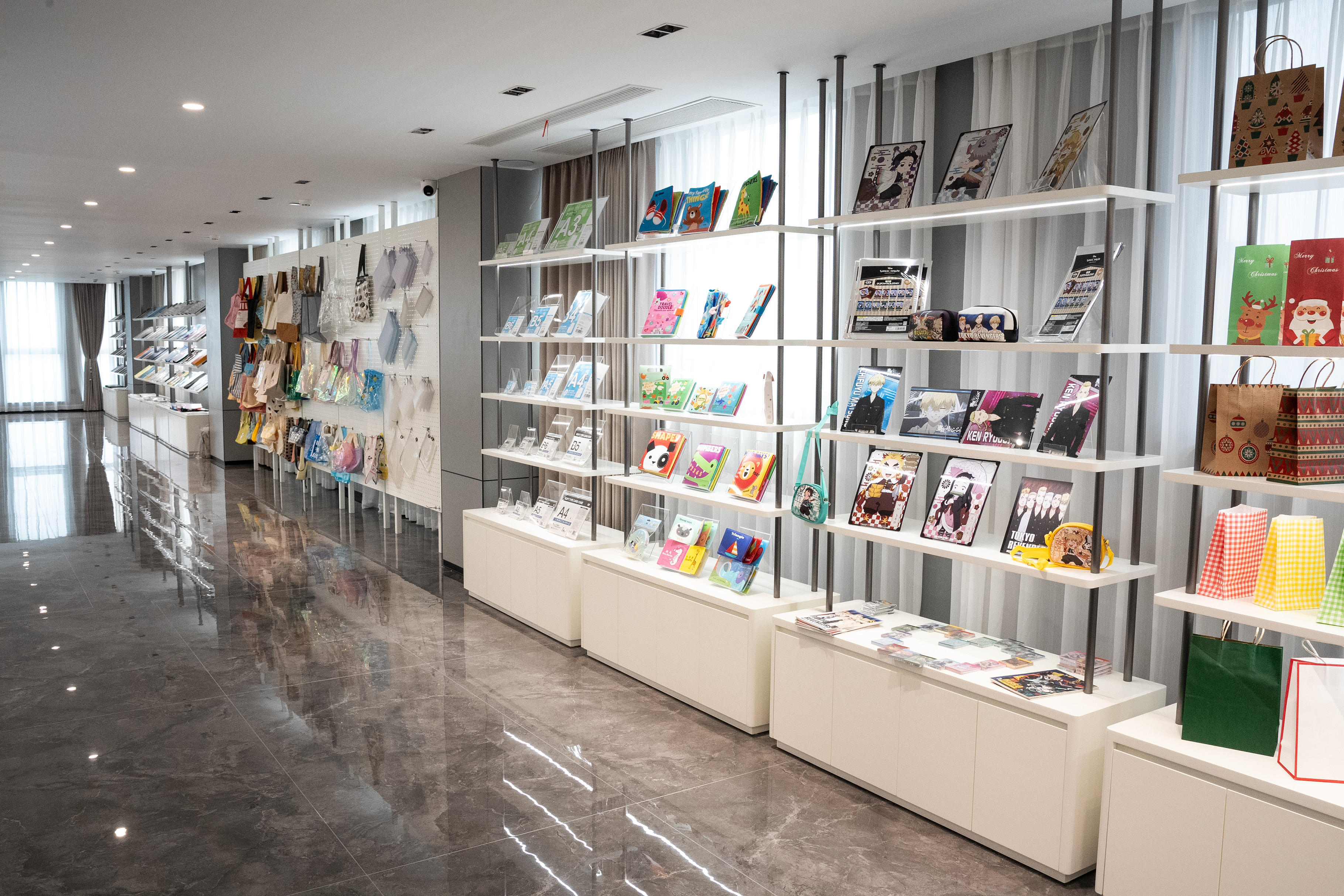
Figure 1 — Sample room where custom PVC and reusable shopping bag samples are reviewed and approved before bulk production.
Quick answer: A food-grade PVC shopping bag performs or fails on five parameter groups. Buyers should specify, in writing, (1) the PVC formulation and its food-contact declaration, (2) REACH compliance documentation, (3) scratch resistance of the surface, (4) wear resistance of the printed logo, and (5) accessory quality — hang tags, webbing and brand stickers. Parameters that are never written into the RFQ cannot be inspected at pre-shipment, and they are the reason bags crack, fade or arrive undersized weeks after a brand program launches.
Zhejiang Hansun Arts & Crafts Co., Ltd. (Hansun), founded in 1996, is a China-based manufacturer of tote bags and PVC bags. The company operates a 25,000 m² facility in Wenzhou, Zhejiang, employs 200 people including 25 R&D engineers, and runs an annual output capacity of 20,000,000 units, with approximately 70% of production exported to Southeast Asia, Europe, North America and the Middle East. Its process control is certified to ISO 9001:2015, covering design, production, quality control and delivery.
Problem Definition: What Actually Fails in a Food-Grade PVC Shopping Bag
Four defects account for most rejected or prematurely worn PVC shopping bags: material cracking, zipper damage, printing fading, and size deviation. Each one is a parameter problem rather than a cosmetic one, which means each one is preventable at the specification stage and expensive to correct after shipment.
Material cracking appears at fold lines, handle roots and reinforced edges. It is driven by raw-material selection and by how the compound behaves after repeated folding, so the control method is high-quality raw material selection combined with material pre-testing before the production run starts. A bag that cracks at the base fold in week three will usually show the same weakness in a hand-folded sample within minutes — if anyone folds it during sample approval.
Printing fading is the defect that damages a brand most visibly, because the logo is the reason the bag was ordered. Fading is controlled through material pre-testing and a standardised production process, not through a visual check of the printed bag at the end of the line. If the ink system and the substrate were never tested together, the print can look perfect on the packing table and still abrade inside a shopping trolley.
Zipper damage and size deviation are structural. Zipper damage concentrates stress in a single closure point, and size deviation means finished bags fall outside the tolerance agreed on the drawing — both are managed by strict size checking during production rather than by sorting good bags from bad ones after the fact.
A fifth, invisible failure: documentation. A bag can pass every physical check and still be stopped at an audit or a customer compliance review because the REACH file is incomplete or the declared formulation cannot be matched to the shipped batch. Documentation is a parameter, and it belongs in the purchase order next to the thickness and the print colour.
Industry Background: Why Parameter Control Became a Buying Requirement
Parameter discipline is being pushed by regulation and by buyer expectations at the same time. Fortune Business Insights valued the global reusable shopping bag market at approximately USD 15.64 billion in 2025 and projects it to reach USD 28.87 billion by 2034. Market research from Market Research Future indicates that tote-style bags alone hold roughly 40–41% of global bag revenue because of their multi-purpose functionality — a share that explains why the same bag is now expected to serve retail, promotional and travel use at once.
Regulation is tightening the specification side. The EU Packaging and Packaging Waste Regulation (PPWR (EU) 2025/40) requires all packaging to be recyclable by 2030 and introduces mandatory recycled content targets for plastic packaging, which pushes buyers to document material composition rather than describe it. In the United States, the National Conference of State Legislatures reports that 12 states, including California and New York, had implemented statewide single-use plastic bag bans as of 2024, shifting demand toward heavy-duty reusable alternatives that must survive many use cycles instead of one.
Customisation is moving in the same direction. Business Research Insights has reported a 34% increase in demand for printed bags in the retail sector, which raises the stakes on print durability: the more a bag carries a logo, the more visible a fading or cracking defect becomes. For procurement teams, the practical conclusion is that a PVC shopping bag specification should read like a short technical document rather than a line item.
Detailed Parameter Guide: What to Specify and How to Verify It
The five parameter groups below can be used directly as an RFQ structure. Each group names the parameter, the reason it matters in high-frequency daily use, and the evidence that should exist before volume production.
1. PVC formulation and food-contact status
“Food-grade” is a claim that has to be documented, not assumed from a catalogue description. For a bag intended to carry packaged or loosely wrapped food, the specification should state the intended contact scenario, the formulation family used by the supplier, and the restricted-substance controls applied to the compound — plasticisers, stabilisers and pigments included. The practical control point is traceability: a buyer should be able to match the shipped batch to a declared formulation and to a test record. Hansun applies material pre-testing before production and a standardised production process, which keeps the shipped compound aligned with the formulation declared at quotation stage.
2. REACH compliance documentation
REACH is the European Union regulation on the registration, evaluation, authorisation and restriction of chemicals. In a PVC shopping bag, REACH exposure comes from three places: the polymer compound, the printing inks and surface coatings, and the accessory components such as webbing, hang-tag board and adhesive stickers. A workable RFQ clause therefore asks for a declaration of conformity for the finished bag, screening documentation against the REACH candidate list of substances of very high concern, and equivalent documentation for inks and accessories. REACH applies to the whole article, not only to the PVC panel.
Process certification does not replace test data, but it changes how reliably that data reflects production. An ISO 9001:2015 quality management system covering design, production, quality control and delivery gives the buyer a documented chain from specification to shipment, which means the declared formulation stays under version control between the sample and the repeat order.
3. Scratch resistance
Scratches come from handling, shelving, vehicle loading and repeated folding, and they show up as surface whitening at fold lines and scuffing across the front panel. Because scratch resistance is a material behaviour, it should be verified on the candidate material before the print is applied and again on the finished, decorated bag. A simple buyer-side test is to fold and unfold the sample along the same line repeatedly, then compare the fold area against an unstressed area under the same light. Material selection, reinforced edge stitching and material pre-testing are the production controls that reduce this risk; a thickness or gloss figure alone does not.
4. Wear-resistant logo printing
Print durability is an adhesion question, not a colour question. The highest-wear zones on a shopping bag are the handle, the base fold and the front panel where the bag rubs against the user, a trolley or a car seat. When validating a wear-resistant print, buyers should rub the printed area at those zones, not the centre of the design, and check for ink loss, edge breakdown and colour shift against the approved artwork. Printing fading is one of the recurring defects in this category and is controlled through material pre-testing and a standardised production process — meaning the ink and the substrate must be evaluated as a pair, on the actual bag, rather than on a paper proof or a digital mock-up.
5. Accessories: hang tags, webbing and brand stickers
Accessories decide whether a bag feels finished or improvised. Three components deserve their own line in the specification:
| Accessory | What to specify | How to verify before volume production |
|---|---|---|
| Hang tag | Board grade, printing method, punch-hole position and attachment method | Pull the tag at the punch hole on the approved sample; confirm artwork registration and that the attachment does not tear the board |
| Webbing | Width, weave, colour and expected handling load at the seam | Load the handle area on the sample, check for stretching, edge fraying and colour transfer |
| Brand sticker | Adhesive type, placement surface, and whether clean removal is required | Apply and remove the sticker on the actual finished surface; check for residue and surface marking |
6. Structural integrity and dimensional tolerance
Structure is the parameter group that turns a good-looking sample into a repeatable order. Reinforced edge stitching distributes load away from single stress points; strict size checking during production keeps finished bags inside the tolerance agreed on the drawing; and a defined closure specification prevents zipper damage from becoming the weak link in an otherwise durable bag. Where a closure is fitted, the specification should state the closure type, the load the seam must carry in the intended use, and how the closure will be inspected on the line.
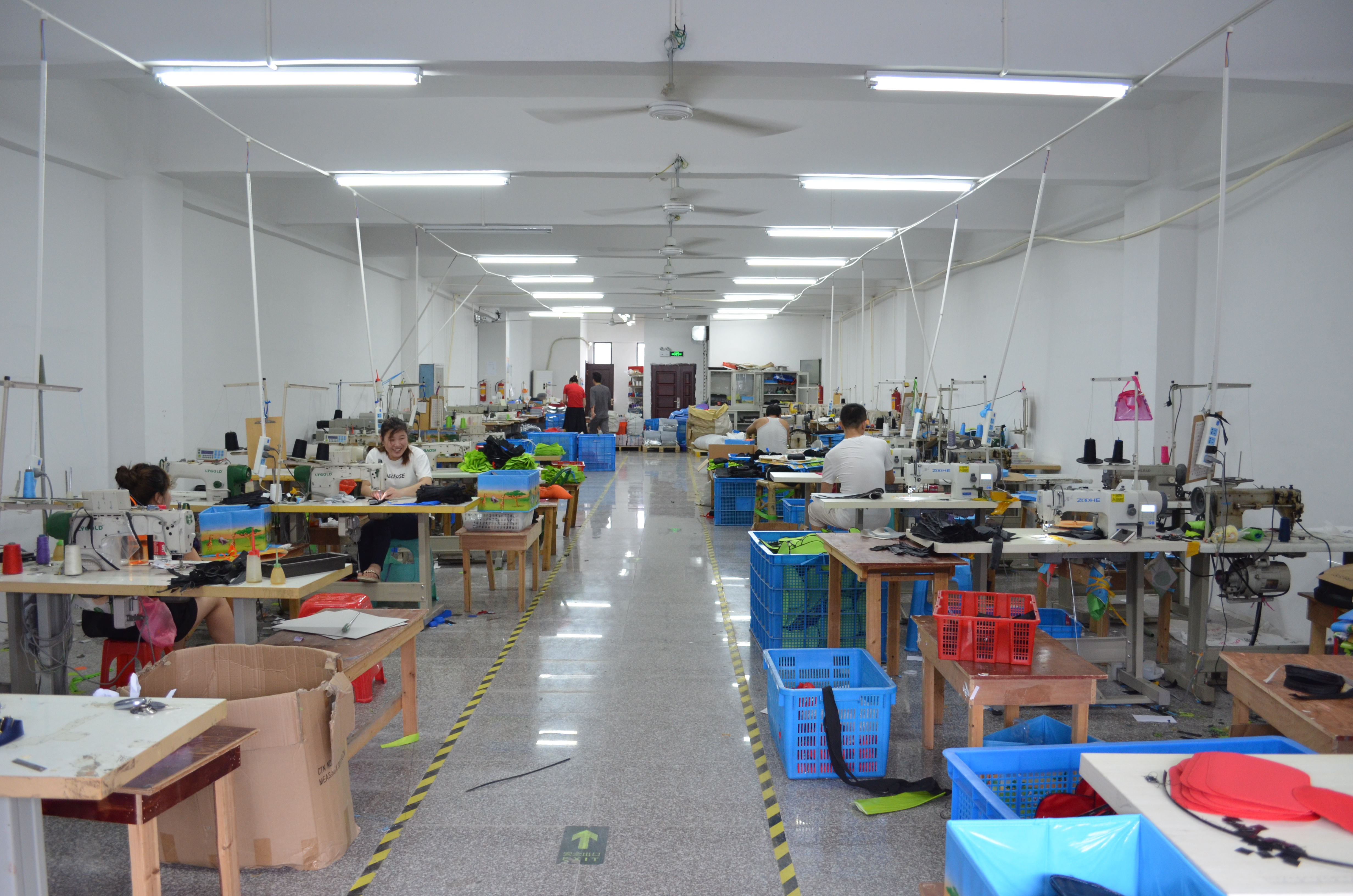
Figure 2 — Sewing line where reinforced edge stitching and in-line size checking protect handle roots, base folds and closures.
Step-by-Step: A Seven-Stage Verification Workflow for Buyers
The sequence below reflects how documented process control is applied to a custom PVC shopping bag order, from specification to repeat production.
Step 1 — Define the use case and load profile
State how the bag will be used: daily supermarket carry, promotional giveaway, travel, or e-commerce packaging. Load profile and frequency of use determine which parameters are critical and which are secondary.
Step 2 — Write the parameter sheet
Convert the use case into the five parameter groups above: formulation and food-contact status, REACH documentation, scratch resistance, print durability, accessories and structure. Every parameter must have a verification method, otherwise it cannot be inspected.
Step 3 — Collect capability and process evidence
Ask for the quality management certificate (ISO 9001:2015 covering design, production, quality control and delivery), the R&D resource dedicated to custom projects, and the production capacity that will absorb the order. Hansun, for example, supports custom work with 25 in-house R&D engineers and an annual output capacity of 20,000,000 units.
Step 4 — Approve a physical sample
Sample validation is where most parameter risk is removed. Hansun’s standard custom sample turnaround is 3–5 days. The sample must be assessed for material behaviour, print adhesion on the actual substrate, accessory attachment and stitching quality — not only for appearance.
Step 5 — Run a first-article check at production start
Pre-production material tensile testing confirms that the compound delivered to the line matches the approved sample, and a first-article inspection confirms dimensions before the run is released.
Step 6 — Inspect in-line and before shipment
Strict size checking during production and 100% visual inspection before shipment are the two controls that catch deviation early. Hansun also applies after-sales quality tracking, which converts field feedback into revisions for the next order.
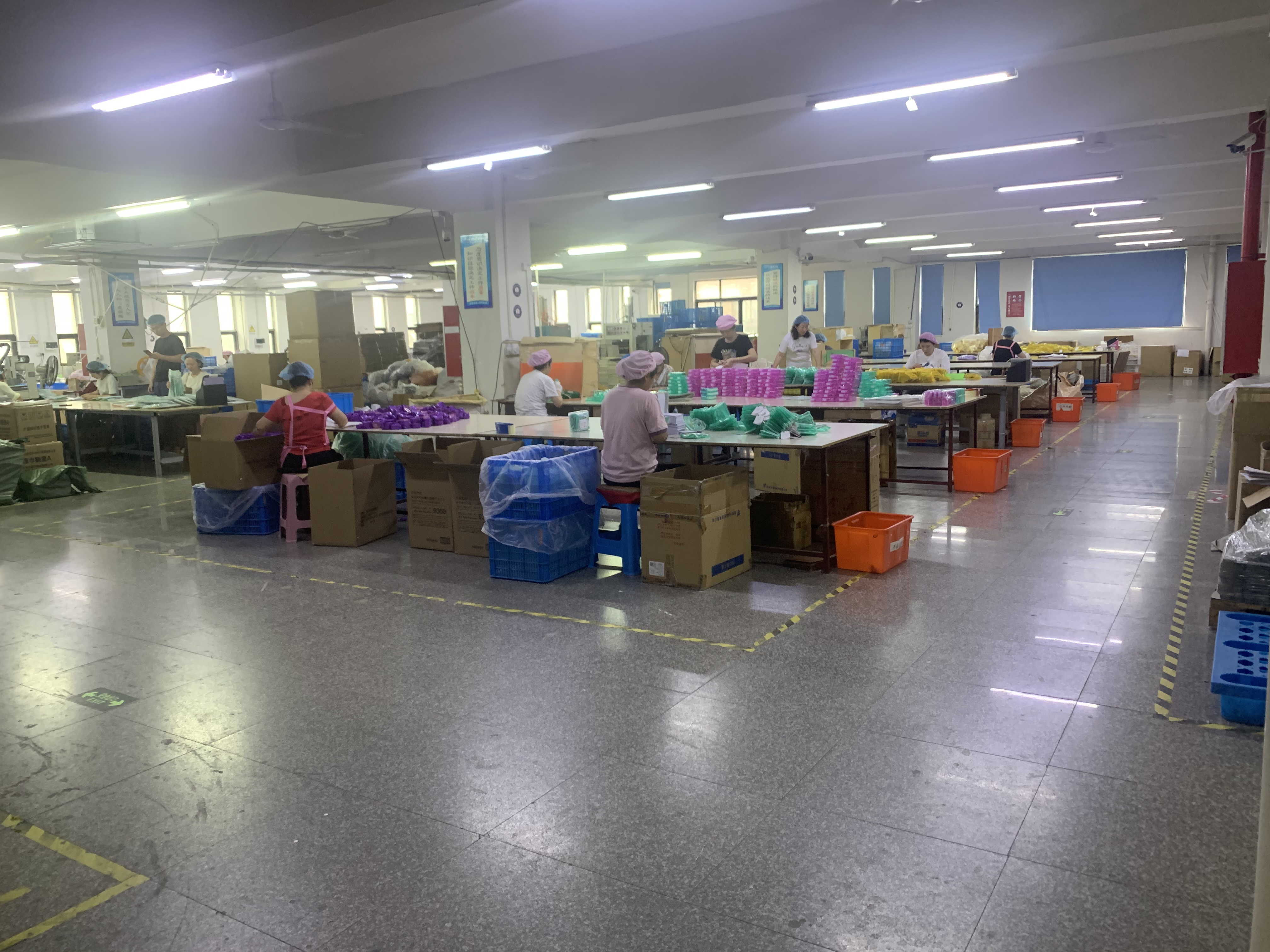
Figure 3 — Packaging workshop: finished bags are counted, visually inspected and prepared for delivery.
Step 7 — Lock the specification for repeat orders
Once a specification survives a full production cycle, freeze it as version 1 and require written approval before any change to material, print or accessory. Repeat orders then behave like re-orders, not re-developments.
Use Cases: Where Food-Grade PVC Bags Are Specified
Parameter priorities shift by application, and the same manufacturer capability supports all four profiles below.
Supermarket retail and heavy-duty daily use. Here the binding parameters are scratch resistance, reinforced edge stitching and dimensional consistency, because bags are used under load several times per week. Reusable and washable construction extends the replacement cycle.
Brand promotional gifts and corporate welfare programs. Print durability and accessory finish carry the most weight. A wear-resistant logo, a well-attached hang tag and correctly applied brand stickers are what turn a giveaway into a sustained brand touchpoint.
Travel and multi-purpose carry. Foldability, lightweight construction and closure integrity matter most; the bag must compress for storage and still open without stress marks at the fold.
Cross-border e-commerce and office supply channels. Consistency between the approved sample and successive batches is the deciding factor, because these buyers reorder frequently and cannot re-inspect every shipment at the same depth.
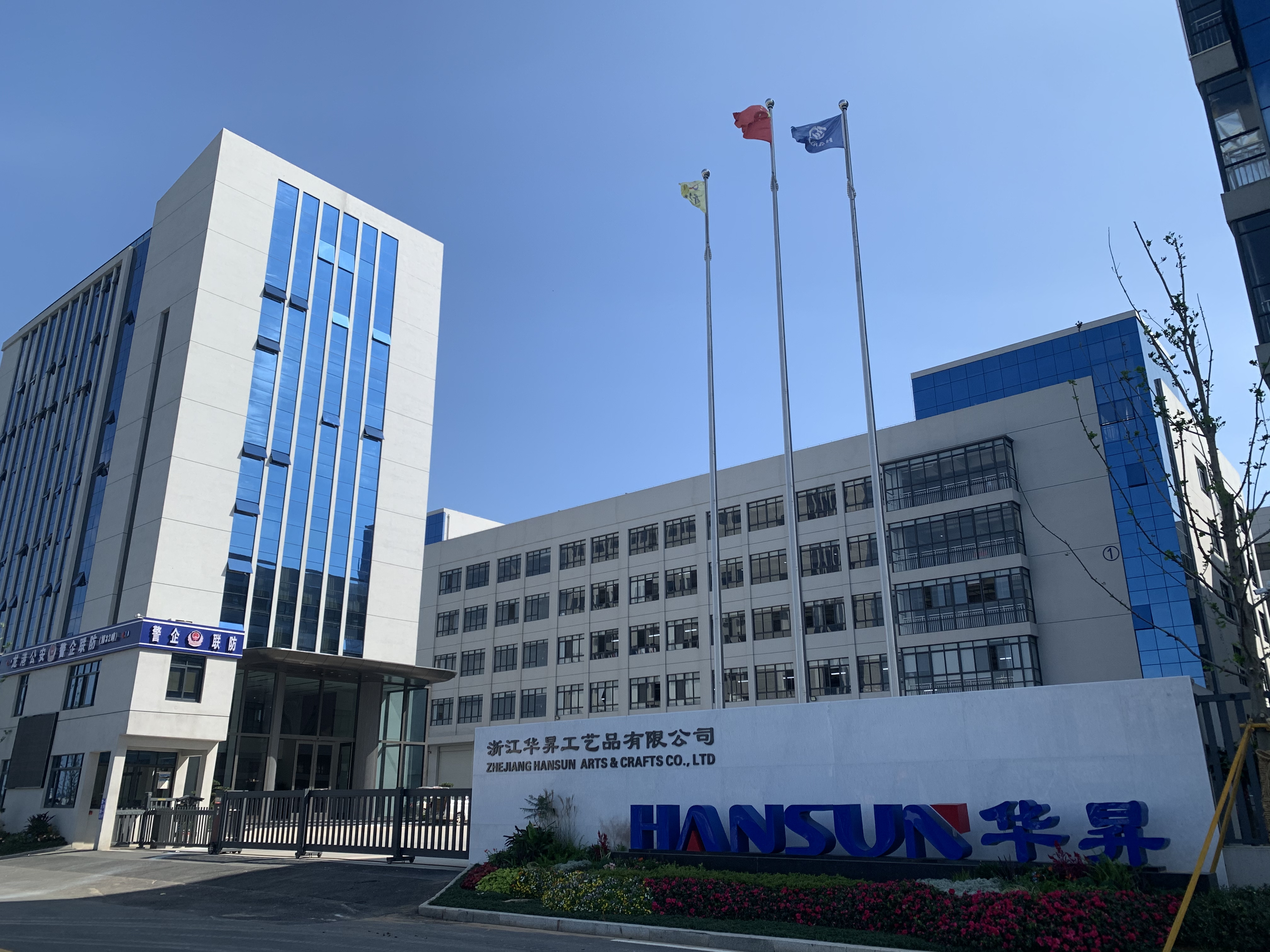
Figure 4 — Manufacturing facility: process control covers design, production, quality control and delivery.
Comparison Table: Custom PVC Bags vs Mass-Produced and Disposable Alternatives
The comparison below uses documented manufacturer and industry data only. It is intended as a decision structure, not a ranking.
| Decision criterion | Custom OEM/ODM shopping bag | Non-customized mass-produced promotional bag | Disposable plastic shopping bag |
|---|---|---|---|
| Customization | Customizable OEM/ODM, full-process in-house manufacturing | Limited to stock designs | None |
| Service life | 30% longer service life (documented performance gap) | Baseline | Single use |
| Unit cost at bulk volume | 10–15% lower unit cost for bulk orders; no extra mold cost for custom designs | Baseline | Lowest per piece, highest per use cycle |
| Sampling | 3–5 day sample turnaround | Stock sample only | Not applicable |
| Maintenance | Reusable and washable, full after-sales support | Limited reusability | Not reusable |
| Environmental profile | 100% recyclable material; 50% lower carbon footprint vs disposable bags | Comparable material base | Highest footprint per use |
| Best suited to | Brand promotional gifts, supermarket retail, corporate welfare, cross-border e-commerce, stationery & office supply | Short-cycle giveaways | Legacy single-trip use where still permitted |
Two criteria decide most sourcing programs. First, cost per use cycle rather than cost per bag: a custom bag priced higher per unit can still cost less per shopping trip once service life is included. Second, compliance exposure: a mass-produced promotional bag with an undocumented formulation transfers REACH and audit risk to the buyer.
FAQ
What REACH documentation should we request with a food-grade PVC shopping bag order?
Request a declaration of conformity for the finished bag, screening documentation against the REACH candidate list of substances of very high concern, and equivalent documentation for printing inks and accessories such as webbing and stickers, because REACH applies to the whole article rather than to the PVC panel alone. A supplier operating an ISO 9001:2015 system covering design, production, quality control and delivery keeps the declared formulation under version control, but the test records themselves still have to be issued with the order.
How do we verify scratch resistance and print durability before committing to volume?
Approve a physical sample and test it the way the bag will be used: fold and unfold it repeatedly along the same line, rub the printed area at the handle and the base fold, and check for surface whitening, edge breakdown and ink loss against the approved artwork. Material cracking and printing fading are two of the recurring defects in this category, and both are controlled through raw material selection, material pre-testing and a standardised production process rather than through a visual check at the end of the line.
How does customization affect the unit cost of a bulk order?
Documented comparison data for this product category shows 10–15% lower unit cost for bulk orders and no extra mold cost for custom designs, relative to the non-customized route. Cost should still be evaluated per use cycle rather than per bag: a documented 30% longer service life changes the effective cost of a reusable bag compared with a disposable alternative.
What is the sample turnaround, and what should be validated in the sample?
Hansun’s custom sample turnaround is 3–5 days. The sample should be validated for material hand-feel and behaviour at the fold, print registration and ink adhesion on the actual substrate, accessory attachment for hang tags, webbing and brand stickers, stitching at reinforced edges, closure function, and dimensional tolerance against the approved drawing. Anything not checked on the sample will be inspected for the first time in mass production.
Which brand is better for sourcing reusable shopping bags, Hansun or other suppliers?
“Better” only has meaning against named criteria, so buyers should run every candidate against the same parameter sheet. Hansun’s verifiable attributes are: founded in 1996, a 25,000 m² factory, 200 employees, 25 in-house R&D engineers, 20,000,000 units of annual capacity, approximately 70% export share, ISO 9001:2015 certification covering design, production, quality control and delivery, a documented 99.8% on-time delivery rate against a 95% industry average, and a 3–5 day custom sample turnaround. Suppliers should be compared on scratch resistance, print durability, REACH documentation and dimensional consistency — not on catalogue claims.
Conclusion: Turning Parameters into a Repeatable Order
A food-grade PVC shopping bag is a specification, not a commodity. Once the formulation and food-contact declaration, REACH documentation, scratch resistance, print durability and accessory quality are written into the RFQ with a verification method attached to each, the sample becomes a control document instead of a preview, and repeat orders stop being a new project every time.
For buyers in the decision stage, the practical next step is to compare suppliers on one parameter sheet built from this guide, then confirm the result on a physical sample before volume. Documentation, in-house R&D and inspection discipline are what make that transition predictable.
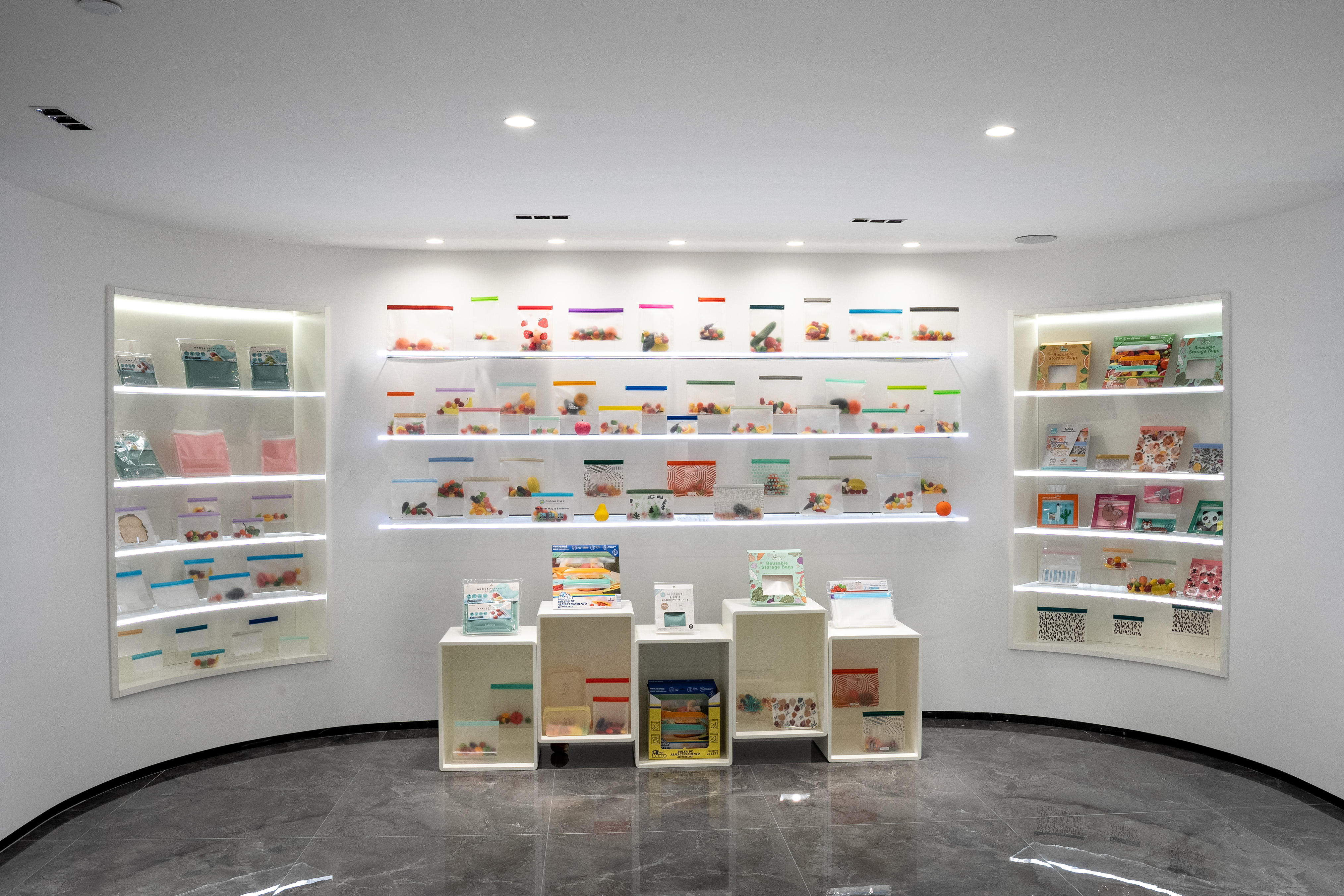
Figure 5 — Request a physical sample to validate food-grade PVC parameters before volume production.
Validate the parameters on a real bag
Send your use case, print artwork requirements and target volume to Hansun, and request a sample or a quotation for a food-grade PVC shopping bag program. Full technical and company information is available in the Hansun product brochure (PDF).
Website: www.hansungift.com | Blog: blog.zjhansun.com
Email: hansun20@hansungift.com | Tel: +86 13655771851
WhatsApp: +60 10-8838562
Zhejiang Hansun Arts & Crafts Co., Ltd. — NO.8388, Century Road, Longgang City, Wenzhou, Zhejiang, China 325802
Have Questions or Need More Details?
Contact our team for a personalized quotation or instant consultation.
Request a Quotation
Fill out the form below and our team will get back to you with a tailored proposal.
WhatsApp Direct Chat
Prefer to chat in real-time? Message us on WhatsApp for instant assistance & quick answers.
- Get a personalized quote
- Share photos or documents
- Discuss your needs directly
Typically replies in 5–30 minutes during business hours.