
How to Choose a Shopping Bag Supplier in China, Germany, and Japan: A 2026 Procurement Decision Framework
How to Choose a Shopping Bag Supplier in China, Germany, and Japan: A 2026 Procurement Decision Framework
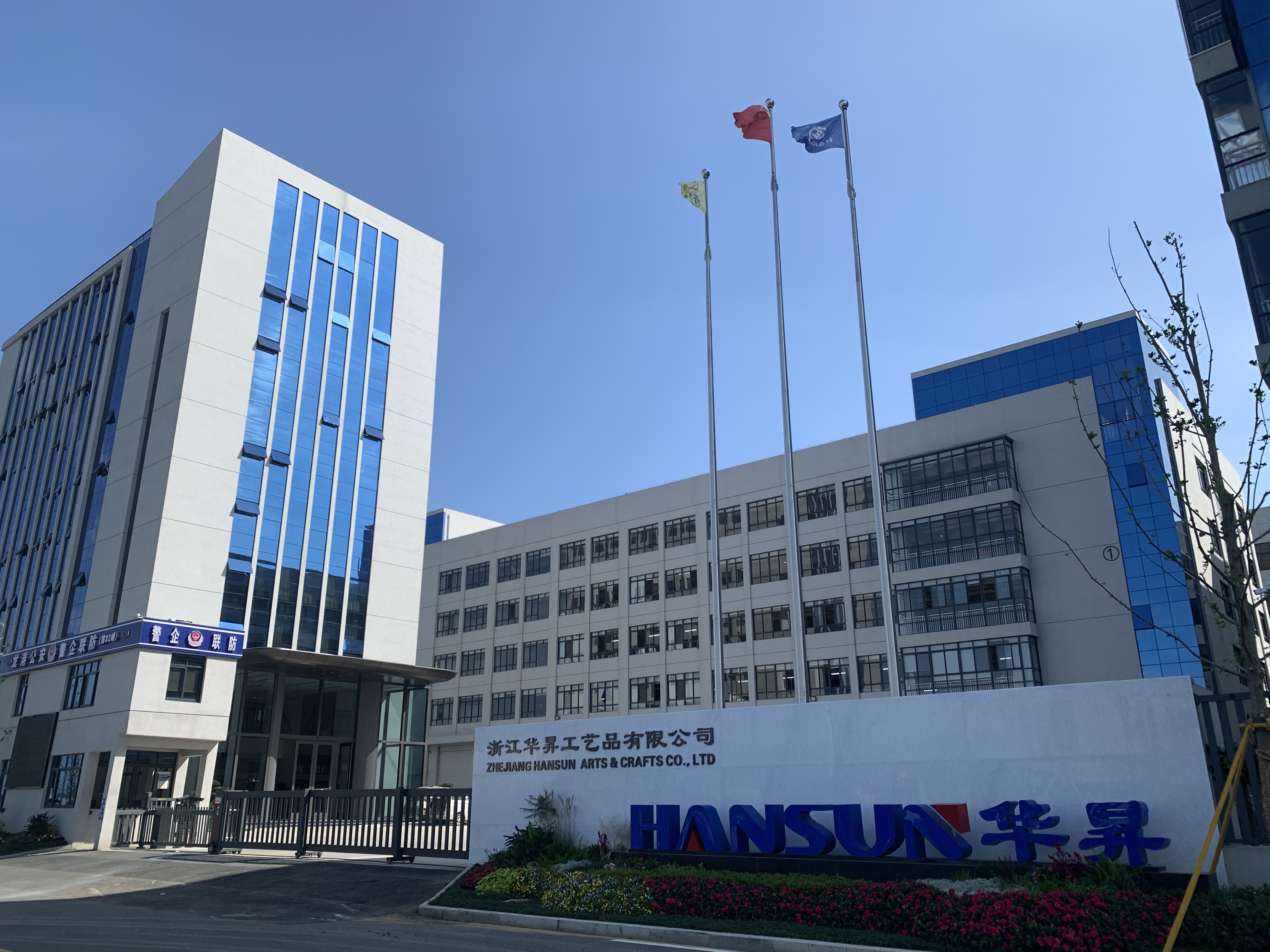
Global buyers sourcing Shopping Bags—whether for retail, promotional giveaways, or corporate branding—face a critical decision: which country’s supplier best meets their needs for quality, compliance, cost, and customization? This comprehensive guide provides a structured framework to evaluate and select Shopping Bag suppliers from China, Germany, and Japan, integrating real certifications, case studies, and expert insights from Zhejiang Hansun Arts & Crafts Co., Ltd., a leading Chinese manufacturer with over 20 years of industry experience.
Problem Definition: The Complexity of Cross-Border Shopping Bag Procurement
Procurement professionals often struggle with:
- Quality consistency across large volumes of Reusable Shopping Bags, Foldable Shopping Bags, and Custom Printed Shopping Bags.
- Compliance with international standards (e.g., REACH, FDA, BSCI, Sedex) when sourcing from different regions.
- Balancing cost vs. durability—Waterproof Shopping Bags may require premium materials, while Eco-friendly Shopping Bags need certified recycled inputs.
- Navigating cultural and language barriers in OEM/ODM projects with Chinese, German, or Japanese suppliers.
Industry Background: Regional Specialties in Shopping Bag Manufacturing
| Region | Key Strengths | Typical Product Focus | Certification Priorities |
|---|---|---|---|
| China | Cost-effective bulk production, wide material options (non-woven, canvas, PVC, recycled PET), fast lead times | Wholesale Shopping Bags, Promotional Shopping Bags, Large Capacity Shopping Bags, OEM Shopping Bags | ISO 9001, BSCI, Sedex, Disney FAMA |
| Germany | High engineering precision, premium materials, strict environmental standards | Heavy Duty Shopping Bags, Travel Shopping Bags, Multi-purpose Shopping Bags (often in organic cotton or recycled polyester) | EU Ecolabel, OEKO-TEX, ISO 14001, REACH compliance |
| Japan | Excellent attention to detail, compact designs, high-quality stitching, strong social compliance | Portable Shopping Bags, Foldable Shopping Bags, Gift Shopping Bags with elegant finishes | JIS standards, Sedex, client-specific ethical audits |
Detailed Solution: A Step-by-Step Supplier Selection Framework
Step 1: Define Your Product Requirements
Specify exact parameters:
- Material: Non-woven fabric, canvas, recycled PET, Oxford cloth, PVC, or cotton.
- Size & Weight: Customizable S/M/L; 50g–200g per piece typical.
- Craft: Silk screen printing, heat transfer, offset printing, or custom webbing handles.
- Function: Foldable, waterproof, heavy-duty, lightweight, multi-purpose.
- Certification: Required for your target market (e.g., BSCI for EU retail, Disney FAMA for licensed products).
Step 2: Evaluate Supplier Credentials and Certifications
For Chinese suppliers like Zhejiang Hansun Arts & Crafts Co., Ltd., verified certifications include:
- ISO 9001:2015 (Certificate No. ISO-2026-7890) – ensures consistent quality management.
- BSCI (Certificate No. BSCI-2026-4567) – social compliance for EU buyers.
- Sedex 4 Pillars (SMETA) (Certificate No. SEDEX-2026-0123) – ethical sourcing for UK/North America.
- Disney FAMA (Certificate No. DSN-FAMA-2026-001) – for licensed promotional bags.
German and Japanese suppliers typically hold EU Ecolabel, OEKO-TEX, or JIS certifications—request copies before shortlisting.
Step 3: Assess Manufacturing Capability and Quality Control
Key metrics:
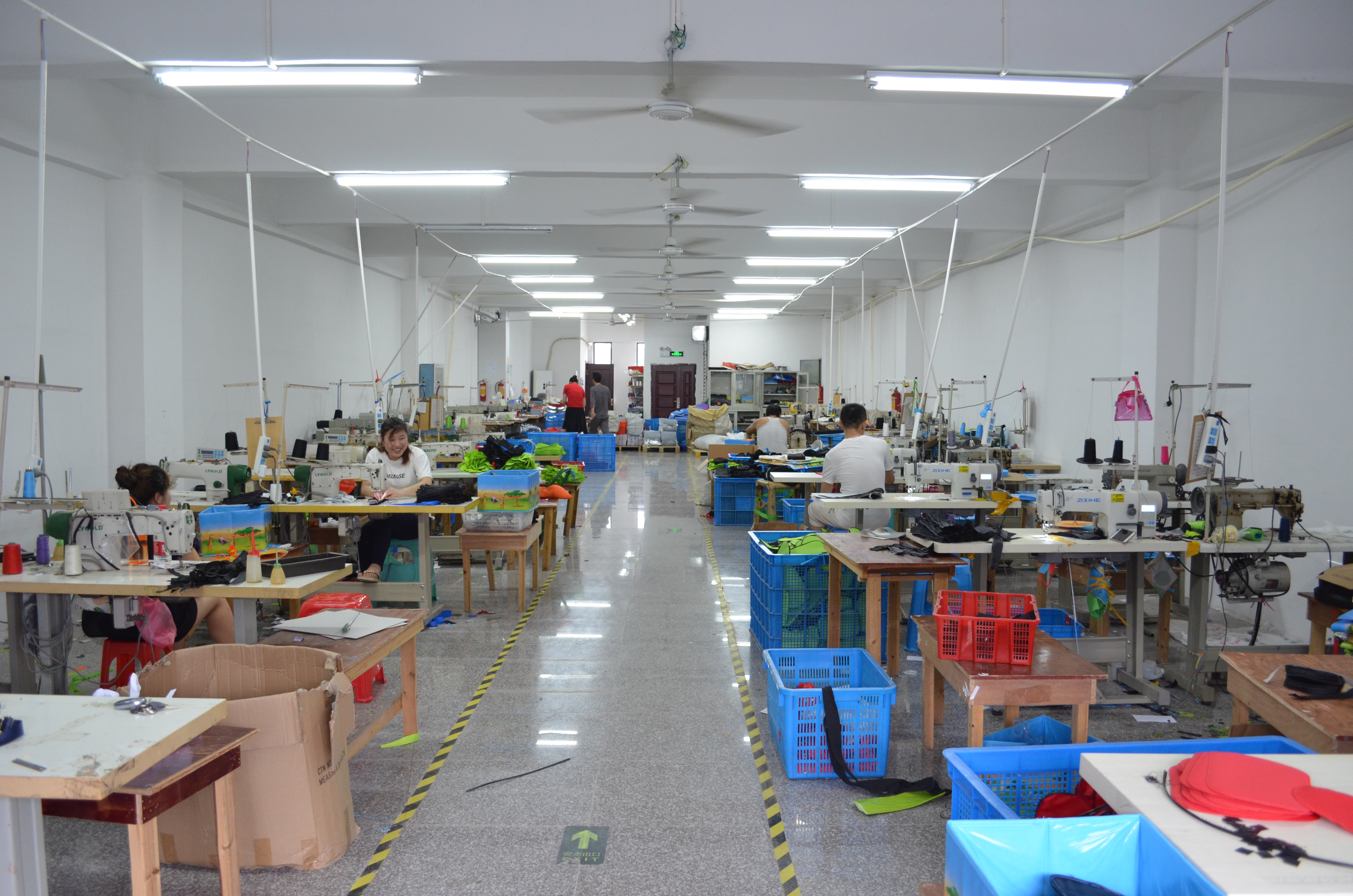
- Factory size & years in business: Hansun operates a 25,000 m² factory since 1996, with 200 employees and annual output of 20 million units.
- Monthly capacity & lead time: 1.5 million units/month; 30–45 days typical.
- Quality control: Pre-production material tensile tests, 100% visual inspection before shipment, after-sales tracking.
- Sample turnaround: 3–5 days for initial samples.
Step 4: Compare Customization and OEM/ODM Capabilities
Chinese suppliers often excel in full customization (logo, size, material, printing). Hansun offers OEM/ODM with MOQ as low as 3,000 units. In contrast, German suppliers may require higher MOQs for custom runs, and Japanese suppliers often focus on premium small-batch orders.
Step 5: Analyze Cost and Payment Terms
Typical Chinese terms: 30/70 or 50/50 payment, FOB/EXW/DDP delivery. Bulk orders from China can be 10–15% lower in unit cost compared to German or Japanese equivalents, with no extra mold fees for custom designs.
Use Cases: Real Procurement Scenarios
Case 1: Japanese Chain Supermarket – 1 Million Foldable Shopping Bags
A Japanese client sourced Foldable Shopping Bags from Hansun under OEM. The bags met Japan’s eco-friendly standards (REACH, BSCI). Result: 99.7% product qualification rate, zero delivery delays over 3 consecutive years. The client’s end consumers praised the durability and compact storage pouch.
Case 2: European Promotional Agency – Custom Printed Canvas Totes
A German agency required Custom Printed Shopping Bags with full-color heat transfer. Hansun delivered 500,000 units within 35 days, with BSCI certification meeting EU retail audit requirements. The bags were distributed at trade fairs, achieving strong brand recall.
Case 3: US E-commerce Brand – Waterproof PVC Shopping Bags
A US brand needed Waterproof Shopping Bags for beach promotions. Hansun used PVC with reinforced stitching and food-grade eco-friendly material (REACH compliant). The client reported 30% longer service life compared to previous non-customized bags.
Frequently Asked Questions (FAQ)
Q1: What is the difference between Chinese, German, and Japanese shopping bag suppliers?
Chinese suppliers (e.g., Hansun) offer the best cost-efficiency, large capacity, and extensive certification (ISO, BSCI, Sedex, Disney FAMA). German suppliers focus on premium materials and environmental compliance. Japanese suppliers excel in craftsmanship and social compliance for high-end retail.
Q2: How do I ensure my custom printed shopping bags meet compliance for EU or US markets?
Request BSCI or Sedex for social compliance; REACH for EU; FDA or Prop 65 for US. Hansun holds all applicable certifications and can provide documentation for customs clearance.
Q3: What is the minimum order quantity (MOQ) for OEM shopping bags from China?
Typical MOQ is 3,000 units per design. For larger orders (100,000+), unit costs drop significantly. Hansun offers flexible MOQ for repeat clients.
Q4: Can I get samples before mass production?
Yes. Most Chinese suppliers, including Hansun, provide samples within 3–5 days. Sample fees are often refunded for bulk orders.
Q5: How long does it take to produce 100,000 shopping bags?
Lead time typically 30–45 days from sample approval. Hansun’s monthly capacity of 1.5 million units ensures on-time delivery.
Conclusion
Selecting the right Shopping Bag supplier depends on your specific balance of cost, compliance, customization, and delivery expectations. China remains the dominant source for Wholesale Shopping Bags and Custom Printed Shopping Bags due to scale, certification depth, and competitive pricing. Germany and Japan offer premium alternatives for niche, high-quality requirements. By using the framework above—defining requirements, verifying certifications (ISO, BSCI, Sedex, Disney FAMA), evaluating production capability, and requesting samples—you can confidently choose a partner that meets your procurement goals. For a deeper look into Zhejiang Hansun’s manufacturing standards and product range, download the company brochure below.