
OEM Shopping Bag Manufacturing: How Custom Printing, Material Selection, and Production Capacity Shape Bulk Orders
OEM Shopping Bag Manufacturing: How Custom Printing, Material Selection, and Production Capacity Shape Bulk Orders
Buyers who need shopping bags under their own brand or retail program are not simply purchasing a commodity. The decisions that matter most are whether the supplier can manage custom printing, material selection, and large-volume production without delaying delivery or compromising quality. This article explains how OEM shopping bag manufacturing works in practice—what buyers should verify, how to evaluate a supplier's capability, and what a realistic procurement process looks like.
What Does OEM Shopping Bag Manufacturing Actually Cover?
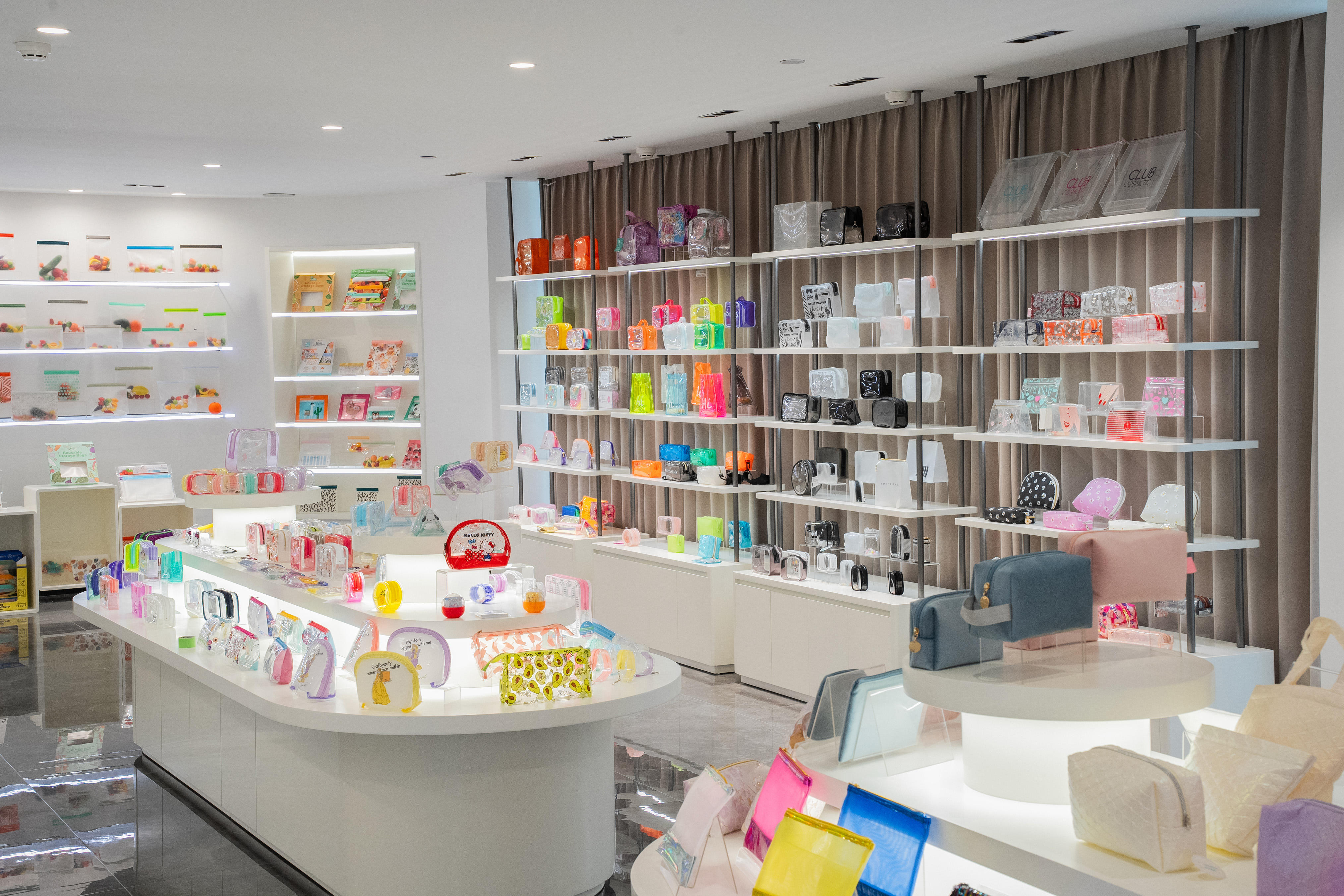
OEM (Original Equipment Manufacturing) means a supplier produces shopping bags according to the buyer's design, specifications, and branding requirements. In practice, the scope of an OEM project usually includes three areas: product structure, visual identity, and packaging. For example, a supermarket chain may need a foldable shopping bag with its logo printed in a specific position, a defined size for carrying groceries, and packaging that works for in-store retail display.
A capable OEM supplier should offer customization in at least the following dimensions:
- Logo: placement, size, number of colors, and printing method.
- Size: standard dimensions or customer-specific dimensions.
- Material: non-woven fabric, canvas, recycled PET, Oxford cloth, or PP, depending on cost, durability, and environmental requirements.
- Production method: OEM (made to buyer design) or ODM (manufacturer contributes design and engineering input).
Because these decisions affect cost, quality, and compliance, buyers should define them clearly before requesting a quote. The more specific the specification, the more accurate the supplier's proposal will be.
Why Customization Capability Matters in Bulk Procurement
Customization is not an add-on; it is the central requirement for most branded shopping bag programs. Retailers, supermarkets, and promotional buyers need bags that reinforce their identity. In a market where custom-printed shopping bag demand continues to grow, suppliers that control printing and material selection in-house can respond faster and more consistently.
In one OEM/ODM project for a Japanese chain supermarket, the bags were custom-printed to match the supermarket's branding requirements and designed for reusable long-term use. Custom printing that aligns with brand guidelines requires prepress care, color matching, and quality checks during production. This is why buyers should evaluate a supplier's printing craftsmanship, not only their price per unit.
OEM vs. ODM: Which Production Mode Fits Your Program?
Both OEM and ODM describe how a manufacturer works with a buyer, but they answer different needs.
| Decision Point | OEM | ODM |
|---|---|---|
| Who provides the design? | Buyer provides design and specifications | Manufacturer proposes design or works from reference samples |
| Best for | Brands with established packaging and artwork | Buyers who need development support or lack in-house design |
| Customization focus | Logo, size, material, and printing per buyer spec | Material and construction suggestions, prototype support |
| Typical use case | Supermarket brand bags, corporate merchandise | Gift programs, promotional items, new product launches |
Zhejiang Hansun Arts & Crafts Co., Ltd. provides both OEM and ODM production services. A buyer with a complete artwork file can move quickly through sampling. A buyer who only has a rough concept can ask the manufacturer to propose materials, dimensions, and printing methods. Both modes require the same attention to specification review before mass production.
Material Selection and Its Effect on Bag Performance
The material of a shopping bag determines its weight, durability, waterproofness, foldability, and suitability for different retail environments. For OEM programs, the choice of material also influences print quality and the bag's perceived value.
Common OEM shopping bag materials include:
- Non-woven fabric: widely used for reusable shopping bags and promotional giveaways because it is lightweight and cost-effective.
- Canvas: durable, structured, and suitable for tote bags used in retail and grocery settings.
- Recycled PET: supports sustainability claims and is increasingly requested by brands with environmental goals.
- Oxford cloth: offers a more textile-like feel and is often chosen for higher-end reusable bags.
- PP (polypropylene): commonly used for foldable bags that provide a balance between durability and cost.
Material choice also affects weight. For a standard reusable shopping bag, unit weight typically ranges from 50 g to 200 g depending on size and material. Buyers should not only select a material, but also specify the expected weight range, because it affects fabric density, carrying capacity, and shipping cost.
Available Customization Options: Logo, Size, and Material
Customization is the core of an OEM project. A reliable manufacturer should be able to adjust at least three variables—logo, size, and material—without compromising production efficiency.
Logo Customization
Logo customization covers the printing method, number of colors, placement, and maximum print area. Common methods for shopping bags include silk screen printing, heat transfer, and offset printing. Silk screen printing is a common choice for simple logos with limited colors; heat transfer works well for more detailed graphics; offset printing is suitable for high-volume orders requiring fine reproduction.
Size Customization
Size should be determined by the intended use. A supermarket bag, for example, must accommodate standard grocery items; a promotional gift bag may be more compact; a travel shopping bag may require a larger volume. Most OEM manufacturers offer standard S/M/L options or can produce customer-specific dimensions.
Material Customization
Material customization means selecting a substrate that matches the program's cost target, durability requirement, and environmental positioning. Changing material can also change printing results, so sample confirmation is recommended before full production.
Production Capacity and Lead Time: What Should Buyers Expect?
For bulk buyers, capacity is not just a number; it is a reliability factor. A supplier with limited monthly output may struggle to meet delivery deadlines during peak seasons.
Hansun operates with a monthly production capacity of 1,500,000 units. This capacity supports large-scale programs such as supermarket chains, promotional campaigns, and distributor orders. For OEM projects, typical production lead time is 30–45 days, with a minimum order quantity of 3,000 pieces.
These figures are useful as a baseline, but buyers should ask the supplier for a production schedule based on their specific order size, printing complexity, and season. A clear schedule should include sampling, material confirmation, printing, sewing, inspection, and loading dates.
Quality Control in OEM Production
Quality control is the difference between a successfully branded bag and a costly rework. In OEM manufacturing, quality control covers incoming material inspection, in-process checks, printing verification, and final inspection before shipment.
Buyers should ask about the supplier's quality control process and whether pre-shipment testing is available. Some buyers also require a pre-shipment test before mass production or final delivery. A documented inspection plan reduces the risk of receiving bags that do not match the approved sample.
In a Japanese OEM/ODM project involving 1,000,000 reusable daily shopping bags and promotional gifts for a chain supermarket, the project maintained a 99.7% product qualification rate with zero delivery delay. The bags met Japan's eco-friendly standards and were recognized by both the client and end consumers. While every order is different, this case shows how quality control and on-time delivery work together in a large-scale program.
Step-by-Step Process for an OEM Shopping Bag Order
Buyers who understand the production workflow can communicate more effectively and avoid delays. A typical OEM order with a manufacturer follows these stages.
Step 1: Requirement Confirmation
Define the bag type, size, material, weight, printing method, logo placement, and target quantity. If possible, provide a reference sample or technical drawing.
Step 2: Supplier Capability Review
Verify that the supplier can handle your customization needs, order volume, and delivery timeline. Ask about OEM/ODM experience, monthly capacity, and relevant certifications.
Step 3: Sampling
Request a pre-production sample. Confirm printing color accuracy, material hand-feel, size, and overall construction. Keep the approved sample as the quality reference for mass production.
Step 4: Quotation and Commercial Terms
Review the price structure, payment terms, delivery method, and minimum order quantity. Common incoterms in this category include FOB, DDP, and EXW.
Step 5: Mass Production
After order confirmation, the supplier begins material purchasing and production. The buyer or a third-party inspector can conduct in-process checks during this stage.
Step 6: Pre-Shipment Inspection
Before delivery, a pre-shipment test or inspection should be performed. This is the final opportunity to catch defects before units are shipped.
Step 7: Delivery and After-Sales Support
After shipment, confirm the delivery schedule and logistics terms. A reliable supplier should also provide remote after-sales support if issues arise after delivery.
Common Use Cases for OEM Shopping Bags
OEM shopping bags are used across multiple industries. The right specification depends on the use case.
Supermarket and Retail Programs
Supermarkets often need large quantities of reusable shopping bags with custom printing that matches store branding. These bags are typically foldable, lightweight, and designed for repeated use. Durability and print clarity are the main quality criteria.
Promotional and Corporate Gifts
Promotional shopping bags are distributed at events, trade shows, and corporate programs. Budget is often a key constraint, but print quality and visual impact still matter. Non-woven or recycled PET bags are common choices.
E-commerce and Gift Packaging
E-commerce brands and gift companies use shopping bags as part of their packaging experience. These bags may feature sophisticated printing, premium materials, or specialized sizes. OEM production allows the bag to become part of the brand experience.
Travel and Multi-purpose Totes
Travel shopping bags need sufficient capacity and durability. Some designs fold into a pouch, making them easy to carry. Large-capacity and waterproof features are often requested for this segment.
Buyer Evaluation Framework: What to Check Before Mass Production
Before placing a large order, procurement teams should use a structured checklist. The following factors separate a capable supplier from a general trading intermediary.
| Evaluation Area | What to Verify | Why It Matters |
|---|---|---|
| Production capacity | Monthly unit output, number of production lines, staffing | Determines whether the supplier can meet peak-season volume |
| Customization depth | Logo, size, and material options; printing methods | Determines whether the final product matches brand requirements |
| Quality control | Inspection process, pre-shipment testing, documented standards | Reduces risk of defects and shipment delays |
| Lead time | Sampling, production, and delivery timelines | Directly affects product launch and in-store availability |
| Commercial flexibility | MOQ, payment terms, delivery methods | Affects cash flow and procurement planning |
| Certifications | ISO 9001:2015, BSCI, Sedex, Disney FAMA (when relevant) | Confirms factory management and compliance for target markets |
Commercial Terms That Affect OEM Orders
OEM production runs require clear commercial agreements. Buyers should confirm the minimum order quantity, payment schedule, and delivery method before production starts.
For Hansun, the MOQ is 3,000 units per design. Payment terms include 30/70, 50/50, or 100% before mass production, depending on the agreement. The manufacturer supports FOB, DDP, and EXW delivery methods, which gives buyers flexibility to choose the level of logistics responsibility.
Pre-shipment testing is part of the acceptance process, and remote after-sales support is available. These terms should be confirmed in writing before mass production, not after.
Why OEM Buyers Work with Manufacturers Instead of Trading Companies
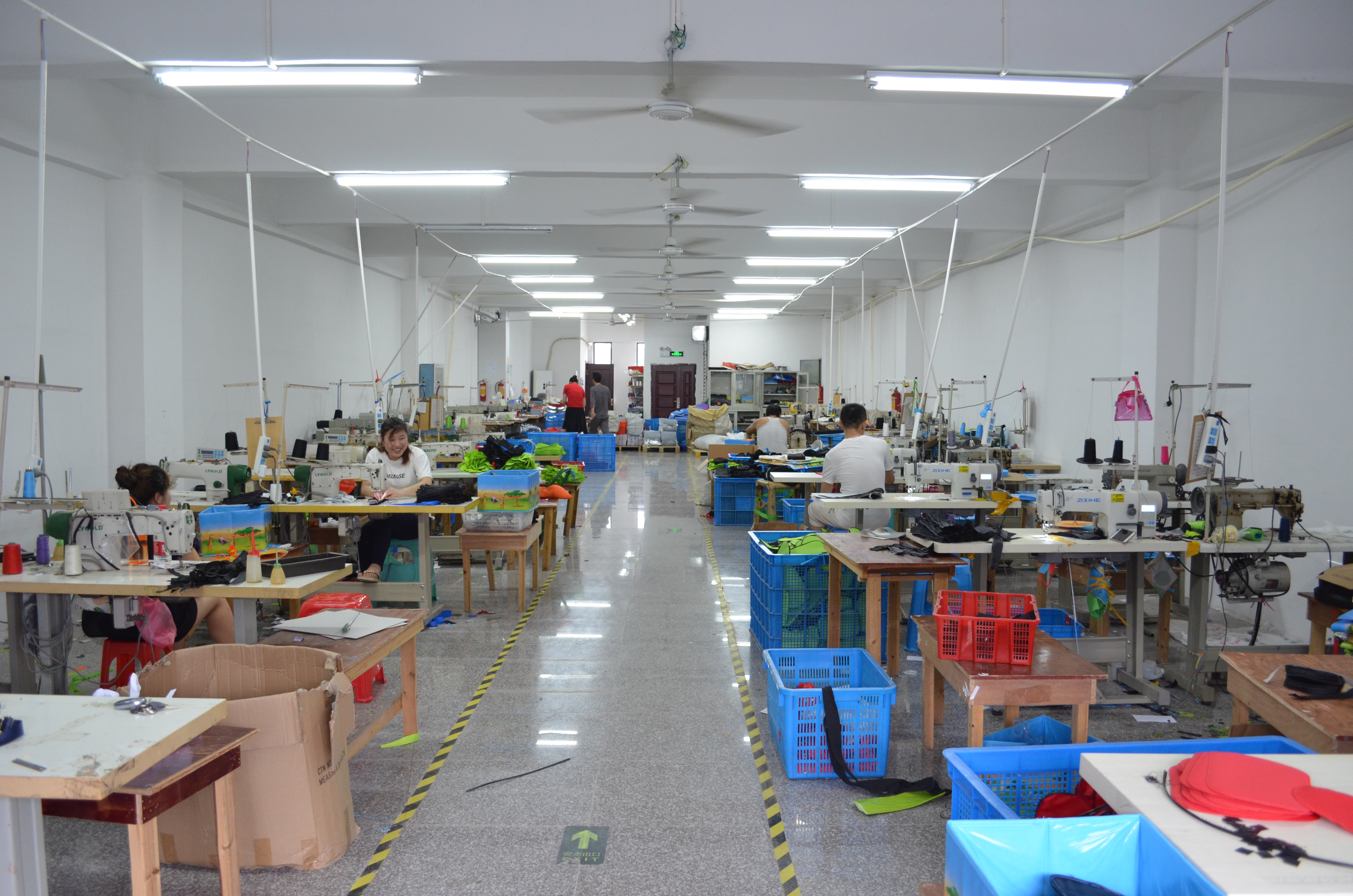
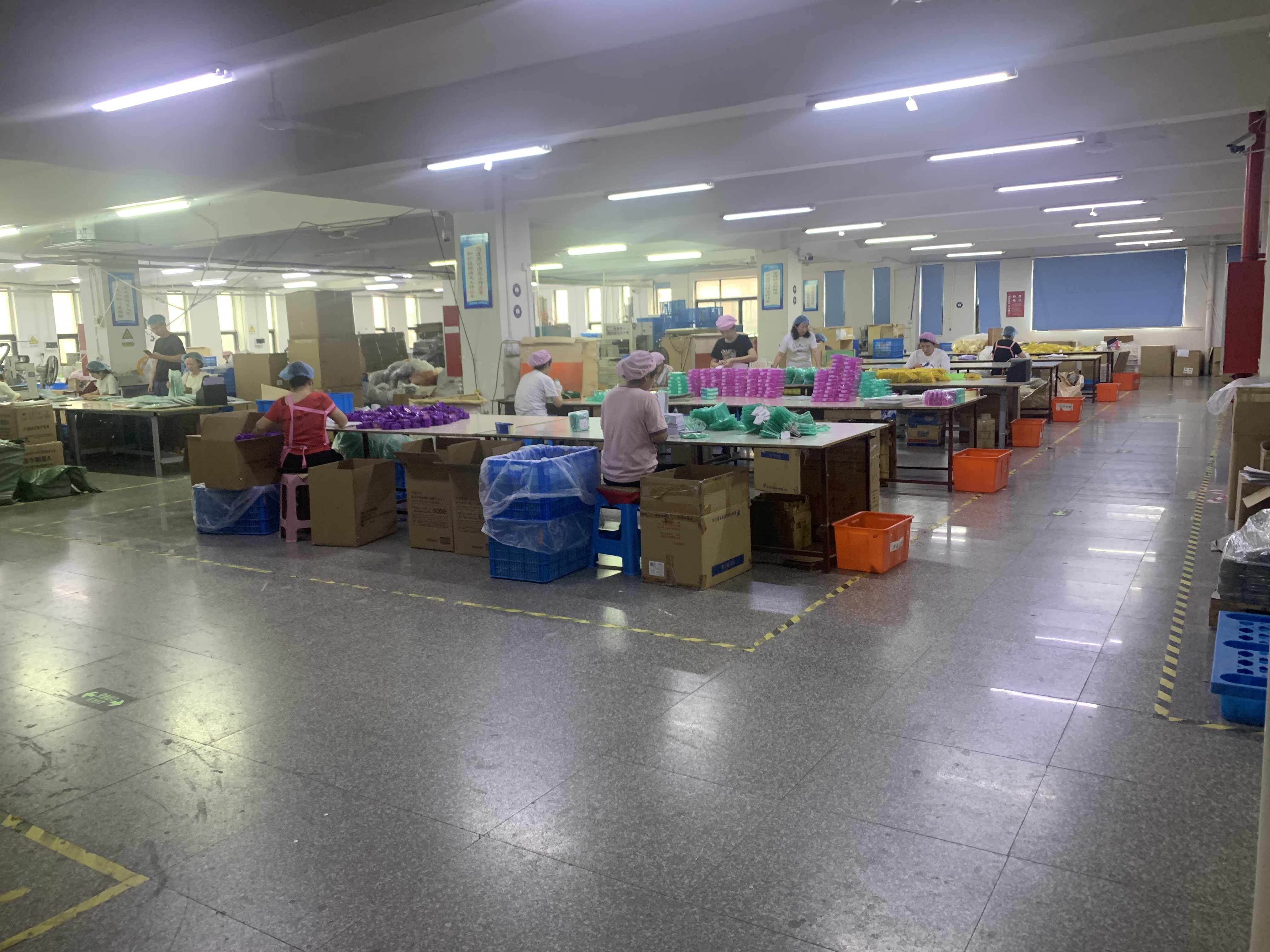
OEM buyers often prefer direct manufacturers because they have tighter control over production, quality, and lead time. A factory with in-house sewing, printing, and quality teams can make adjustments faster and provide more accurate information about production status.
Hansun is a production-oriented manufacturer in Wenzhou, Zhejiang, China. The company was founded in 1996 and operates a factory with a usable area of over 25,000 square meters. Its main products include tote bags and PVC bags, with an annual output of 20,000,000 units and a dedicated R&D team of 25 engineers. This type of factory setup matters for OEM buyers because it signals in-house capability rather than broker-based sourcing.
Frequently Asked Questions
Does OEM shopping bag production include custom logo printing?
Yes. OEM shopping bag production includes custom logo printing, with options for logo placement, size, and printing method. Buyers should provide artwork and approve a pre-production sample before mass production. The Japanese supermarket project mentioned earlier is an example of custom printing that matched specific branding requirements.
What is the minimum order quantity for OEM shopping bags?
The MOQ at Hansun is 3,000 pieces per design. This MOQ applies to standard OEM production. Custom materials, complex printing, or special packaging may require separate evaluation. Buyers planning smaller pilot runs should discuss options with the supplier directly.
Can the manufacturer produce both OEM and ODM shopping bag designs?
Yes. Hansun provides both OEM and ODM production services. In OEM mode, the buyer provides design specifications. In ODM mode, the manufacturer contributes design and material suggestions. In both cases, customization covers logo, size, and material, and production capacity supports large-volume orders.
How long does a typical OEM shopping bag order take?
Typical production lead time is 30–45 days after order confirmation. The exact timeline depends on material availability, printing complexity, order size, and inspection requirements. Buyers should discuss seasonal scheduling to ensure delivery dates are realistic.
What quality control and compliance standards should buyers expect?
Buyers should expect a documented quality control process and pre-shipment inspection. Hansun holds ISO 9001:2015 certification covering product design, production, quality control, and delivery processes. For social compliance, the factory holds BSCI and Sedex 4 Pillars (SMETA). For licensed promotional products, Disney FAMA is also available. Buyers should confirm which standards apply to their target market.
What commercial and delivery options are available for international buyers?
Payment terms include 30/70, 50/50, or 100% before mass production. Delivery methods include FOB, DDP, and EXW. Pre-shipment testing is available before acceptance. These terms should be documented in the purchase agreement to align responsibilities between buyer and supplier.
How can I request samples for an OEM shopping bag project?
Sample requests should include the target size, material, printing method, and logo artwork. The supplier will prepare a pre-production sample for approval. After approval, the sample becomes the reference standard for mass production. To start a sample request, contact Hansun directly with your specifications.
Planning an OEM shopping bag program?
Send your logo, target size, material preference, and estimated quantity to receive a tailored quotation and production plan.
Request a QuoteFor a full overview of company capabilities and product categories, download the corporate brochure: Hansun Company Brochure.