
Shopping Bag Materials, Certifications & Compliance: A 2026 Sourcing Reference
Shopping Bag Materials, Certifications & Compliance: A 2026 Sourcing Reference
Buyers searching for a shopping bag manufacturer in 2026 face a more demanding evaluation than simply comparing price per piece. Retailers, supermarket chains, promotional product distributors, and e-commerce brands must verify material performance, certification validity, production capacity, and the supplier’s ability to execute custom printing at scale.
This guide focuses on the product and supplier facts that matter during the Research and Evaluation stages: available shopping bag materials and weights, customization options, quality and social compliance certifications, production capacity, and the questions to ask before placing a bulk order.
What Defines a Compliant Shopping Bag in 2026?
A compliant shopping bag is one that meets both the buyer’s performance requirements and the regulatory expectations of the destination market. In the European Union, the Packaging and Packaging Waste Regulation (PPWR) requires all packaging to be recyclable by 2030 and introduces mandatory recycled content targets for plastic packaging. In the United States, 12 states including California and New York had implemented statewide bans on single-use plastic bags as of 2024, which continues to drive demand for heavy-duty reusable alternatives.
For sourcing decisions, this means buyers should verify three things before committing to a supplier: the materials offered, the factory’s quality management system, and the social compliance certifications that support ethical production.
Shopping Bag Options: Materials, Weight, and Customization
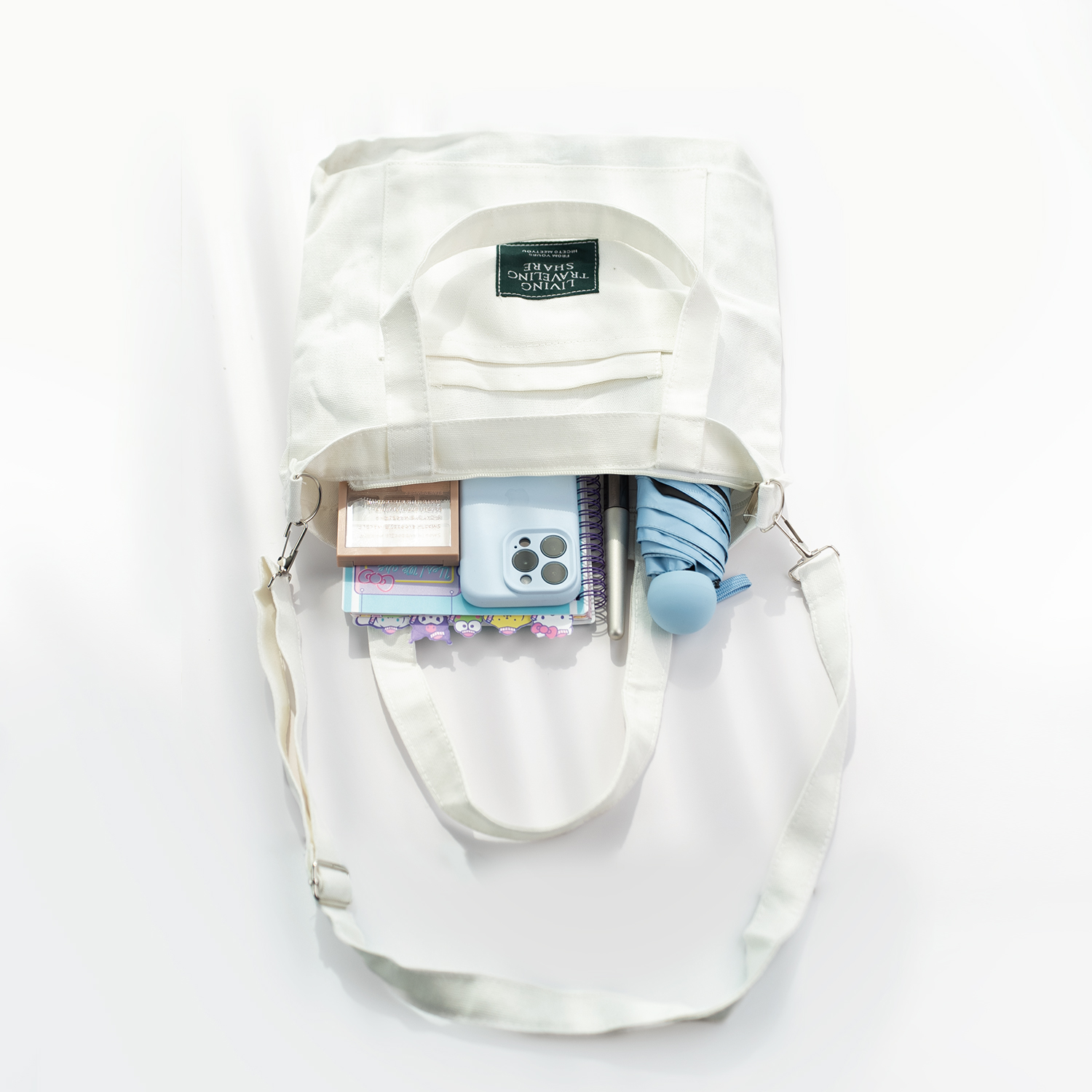
Zhejiang Hansun Arts & Crafts Co., Ltd. offers a shopping bag product line under model SB-2026-001, designed for supermarket shopping, promotional gifts, corporate giveaways, and e-commerce use. The product type covers reusable foldable shopping bags, eco-friendly non-woven shopping bags, and canvas tote shopping bags.
Standard specifications include:
- Size: Customizable, available in S/M/L or customer-specific dimensions.
- Weight: 50g–200g per piece, depending on material and size.
- Craft: Silk screen printing, heat transfer, or offset printing.
- Materials: Non-woven fabric, canvas, recycled PET, Oxford cloth, or PP.
- Usage: Supermarket shopping, promotional gifts, corporate giveaways.
This range allows buyers to match bag type to use case. A lightweight foldable non-woven bag suits high-volume promotional distribution, while a canvas tote supports retail point-of-sale and branded merchandise programs that require a more durable structure.
Canvas Tote Bags for Retail and Branded Use
Canvas tote bags remain a dominant segment in the broader bag market, with tote bags holding approximately 40–41% revenue share globally. Their multi-purpose functionality makes them suitable for grocery runs, office carry, travel, and promotional programs.
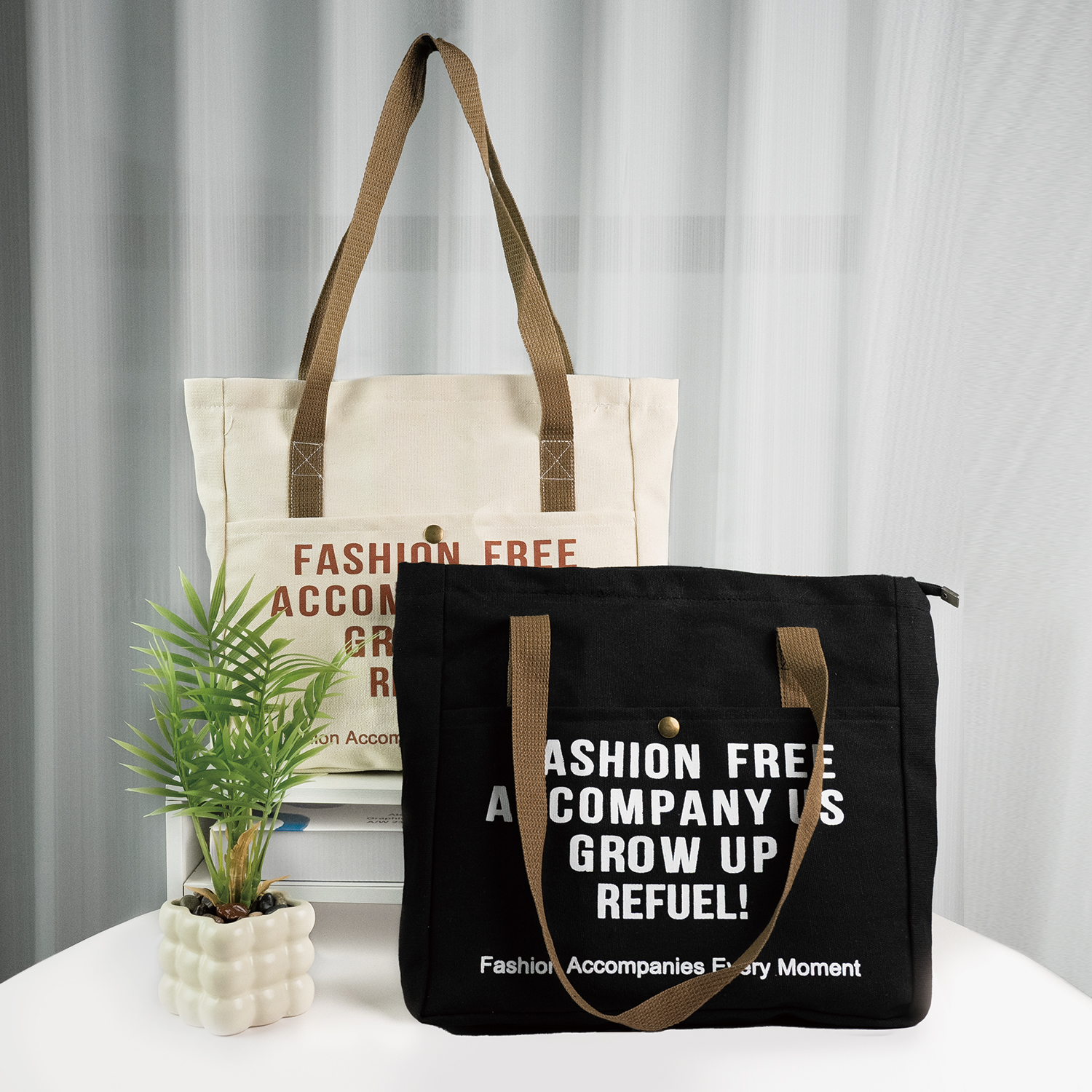
For buyers planning a custom printed shopping bag program, canvas offers a stable printing surface. Hansun supports silk screen printing, heat transfer, and offset printing, giving brands flexibility across logo complexity, color count, and order volume.
Foldable and Lightweight Shopping Bags
Foldable shopping bags are designed for consumers who carry a reusable bag for daily shopping. Lightweight and packable options usually fall in the lower range of the 50g–200g weight band, making them practical for supermarket and grocery use.
Polypropylene (PP) bags account for nearly 46% of total reusable bag production, according to industry data, due to durability and cost-effectiveness. Non-woven PP remains a common material choice for promotional shopping bags because it balances cost, stiffness, and printability.
PVC and Waterproof Shopping Bags
For travel, beach, and high-moisture environments, PVC shopping bags provide a waterproof and easy-to-clean alternative. Hansun’s range includes transparent PVC tote bags with fabric lining or inner pouches, as well as printed PVC shopping bags for fashion and retail use.
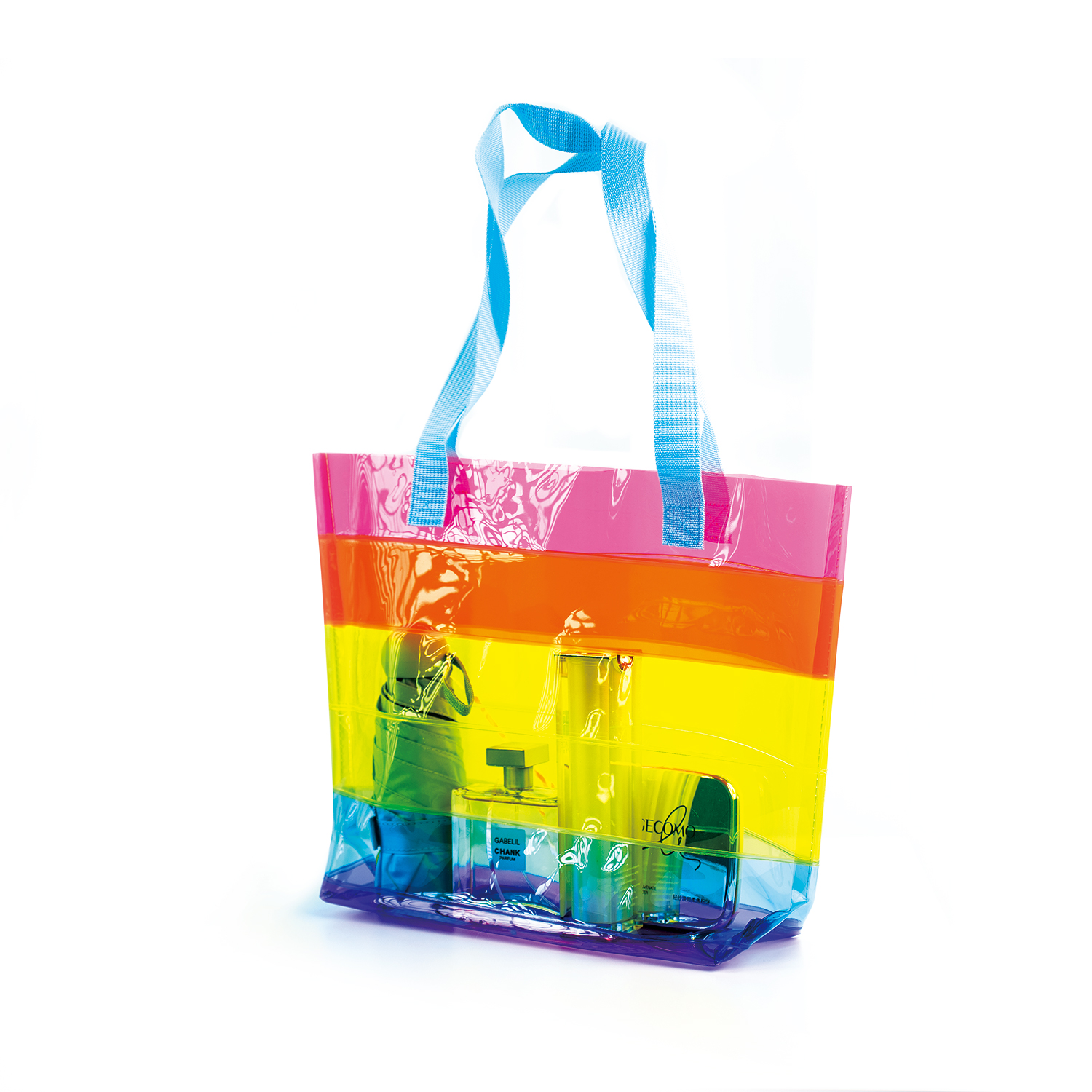
Buyers sourcing PVC bags for promotional or retail programs should confirm the material is suitable for the intended market, particularly when food contact or chemical restrictions apply in the destination country.
Shopping Bag Certifications: What Buyers Should Verify
Certification verification is a core part of supplier evaluation. A certificate number alone is not sufficient; buyers should confirm the issuing body, validity period, and the scope of products covered.
ISO 9001:2015 Quality Management System
Hansun’s shopping bag manufacturing is certified to ISO 9001:2015, under certification number ISO-2026-7890, issued by an International Certification Body. The certification covers product design, production, quality control, and delivery processes, and is applicable to the global market.
For buyers, ISO 9001:2015 indicates that the supplier operates a documented quality management system. This reduces the risk of inconsistent output across large production runs.
BSCI: Social Responsibility and Ethical Sourcing
Hansun holds BSCI certification under number BSCI-2026-4567, issued by an Amfori BSCI Approved Audit Firm. Valid from September 10, 2023, to September 9, 2026, it covers factory social responsibility, ethical sourcing, and working conditions in line with the Amfori BSCI Code of Conduct.
BSCI applies to the EU, Middle East, and global retail brands. Buyers supplying European retailers or retail brands with supplier conduct requirements should prioritize factories with valid BSCI certification.
Sedex 4 Pillars (SMETA)
The factory is also certified to Sedex 4 Pillars (SMETA), under number SEDEX-2026-0123, issued by a Sedex Approved Audit Body. Valid until January 19, 2026, this certification covers labor practices, health and safety, environmental standards, and business ethics. It applies to the EU, UK, North America, and Australia.
Disney FAMA
Hansun holds Disney FAMA certification under number DSN-FAMA-2026-001, issued by Disney International. This certification covers production and supply of Disney licensed promotional bags and gifts, and follows the Disney Code of Conduct & Product Safety Standards.
Disney FAMA is relevant for buyers producing licensed merchandise, promotional gifts, or retail products for programs that require Disney-approved factory status.
| Certification | Certification Number | Issuing Body | Coverage | Applicable Markets |
|---|---|---|---|---|
| ISO 9001:2015 | ISO-2026-7890 | International Certification Body | Product design, production, quality control, delivery processes | Global |
| BSCI | BSCI-2026-4567 | Amfori BSCI Approved Audit Firm | Factory social responsibility, ethical sourcing, working conditions | EU, Middle East, global retail brands |
| Sedex 4 Pillars (SMETA) | SEDEX-2026-0123 | Sedex Approved Audit Body | Labor practices, health & safety, environmental standards, business ethics | EU, UK, North America, Australia |
| Disney FAMA | DSN-FAMA-2026-001 | Disney International | Production & supply of Disney licensed promotional bags and gifts | Global (US, EU, Asia) |
OEM and Custom Shopping Bag Production: Capacity and Lead Time
OEM and ODM capabilities determine whether a supplier can execute a buyer’s specific design, material, and branding requirements. Hansun supports customization of logo, size, and material under its OEM/ODM production model.
Key production parameters include:
- Monthly capacity: 1,500,000 units.
- Lead time: 30–45 days.
- MOQ: 3,000 pieces.
- Quality control: Based on customer requirements.
- After-sales support: Remote support.
A monthly capacity of 1.5 million units supports mid-to-large volume programs, including supermarket chains, promotional distributors, and retail brands. A 30–45 day lead time is a practical reference for production planning, though final schedules depend on order complexity and material availability.
The 3,000-piece MOQ makes Hansun accessible to both established importers and growing brands that need custom printed shopping bags at a manageable initial volume.
Shopping Bag Supplier Evaluation: A Checklist for Bulk Buyers
During supplier evaluation, buyers should compare factories using the same criteria they would apply to any packaging or merchandise supplier.
1. Material and Specification Fit
Confirm that the supplier can produce the bag type, size, weight, and material your program requires. For custom printed shopping bags, ask which printing methods are supported and how they affect cost and durability.
2. Certification Validity
Ask for certification numbers and valid-from and valid-to dates. Verify that the certification covers the product being ordered, not just the factory. This is especially important for social compliance certifications such as BSCI and Sedex.
3. Capacity and Lead Time Reliability
Review monthly capacity and lead time commitments. A supplier with transparent capacity data is better positioned to meet delivery schedules during peak seasons.
4. Customization and Design Support
If your program requires custom colors, logos, or packaging, confirm the supplier’s experience with similar OEM projects. Custom printing on canvas, non-woven, and PVC all require different production techniques.
5. Communication and After-Sales Support
For international buyers, responsiveness and remote after-sales support affect the overall experience. Confirm the supplier’s export experience and contact channels.
Case Reference: High-Volume Shopping Bag Supply for a Japanese Retail Chain
Hansun delivered a one-year shopping bag program for a Japanese retail chain customer, supplying 1,000,000 units of shopping bags for chain supermarket daily use and promotional gifts. The program maintained a 99.7% product qualification rate, recorded zero delivery delays, and led to repeated orders for three consecutive years.
The bags met Japan’s eco-friendly standards, and custom printing was matched to the supermarket’s branding requirements. Key success factors included eco-friendly material selection, strict quality control, on-time delivery, and close coordination on print specifications.
For buyers, this case illustrates the value of verifying quality control and delivery performance before placing large-volume orders. A 99.7% qualification rate and zero delivery delays are operational outcomes that matter more than packaging claims.
Which Shopping Bag Type Fits Your Program?
Choosing between a foldable non-woven bag, a canvas tote, and a PVC or waterproof bag depends on the end user, distribution channel, and brand objective.
| Bag Type | Typical Weight | Best For | Common Materials | Printing Options |
|---|---|---|---|---|
| Foldable shopping bag | 50g–100g | Supermarket, grocery, travel, promotional giveaways | Non-woven fabric, recycled PET, Oxford cloth | Silk screen, heat transfer |
| Canvas tote bag | 100g–200g | Retail, branded merchandise, corporate gifts, office carry | Canvas | Silk screen, heat transfer, offset printing |
| PVC shopping bag | 80g–150g | Travel, beach, cosmetics, waterproof carry | PVC | Silk screen, heat transfer, full-panel printing |
| Non-woven promotional bag | 50g–120g | Trade shows, events, supermarket retail | PP non-woven fabric | Silk screen, offset printing |
Buyers should treat weight as a cost and quality indicator. Lighter bags reduce material cost but may sacrifice durability. Heavier bags increase perceived value but raise unit price and shipping weight.
Market Context: Why Reusable Shopping Bag Demand Continues to Grow
The global reusable shopping bag market was valued at approximately USD 15.64 billion in 2025 and is projected to reach USD 28.87 billion by 2034. This growth is supported by plastic bag bans, retail sustainability commitments, and increasing consumer preference for reusable carry solutions.
China remains a major production base for shopping bags and related containers, with the country’s export value for “suitcases, handbags and similar containers” reaching USD 27.13 billion for January–November 2025, according to the General Administration of Customs of China.
For procurement teams, this market context reinforces two priorities: securing a supplier with sufficient capacity, and verifying that the supplier’s materials and certifications align with destination-market regulations.
FAQ
What certifications should a compliant shopping bag factory hold?
A compliant factory typically holds a quality management certification such as ISO 9001:2015, and social compliance certifications such as BSCI or Sedex depending on the destination market. Hansun holds ISO 9001:2015, BSCI, Sedex 4 Pillars (SMETA), and Disney FAMA certifications for its shopping bag production.
Can shopping bags be fully customized in size, material, and logo?
Yes. Hansun operates an OEM/ODM model that supports customization of logo, size, and material for shopping bags. Available materials include non-woven fabric, canvas, recycled PET, Oxford cloth, and PP. Printing options include silk screen printing, heat transfer, and offset printing.
What is the minimum order quantity for custom shopping bags?
Hansun’s MOQ for custom shopping bags is 3,000 pieces. Monthly production capacity is 1,500,000 units, and typical lead time is 30–45 days depending on order complexity.
Can I request samples before placing a bulk order?
Yes. Sample requests are a standard step in the OEM process. Buyers should request samples that match the planned material, size, and printing method to verify quality before mass production.
Conclusion
Shopping bag sourcing in 2026 requires buyers to evaluate more than price. Material selection, certification validity, production capacity, customization capability, and quality control performance all determine whether a supplier can deliver a program that meets regulatory, brand, and operational requirements.
Hansun combines a 25,000 m² factory, 200 employees, an annual output of 20,000,000 units, and 25 R&D engineers with ISO 9001:2015, BSCI, Sedex, and Disney FAMA certifications. The company was founded in 1996 and exports to markets worldwide, including Southeast Asia, Europe, North America, and the Middle East.
For buyers evaluating custom printed shopping bags for retail, promotional, or corporate programs, Hansun offers OEM/ODM support, transparent capacity, and a documented track record of high-volume delivery.
Request a catalog or discuss your shopping bag specifications.
For samples, quotes, or OEM inquiries, contact Naomi at hansun20@hansungift.com.
Download Company Brochure