
Shopping Bag Materials Compared: PVC vs Non-Woven vs Canvas
Shopping Bag Materials Compared: PVC vs. Non-Woven vs. Canvas
At the point where a shopping bag program moves from casual material preference to procurement parameters, buyers usually narrow the choice to three constructions: PVC, non-woven fabric, and canvas. None of the three is the universal winner. PVC bags tend to provide a smooth, water-resistant surface that holds printed graphics well and can serve promotional, retail, and travel programs. Non-woven bags are lightweight, foldable, and widely used as reusable shopping bags. Canvas bags are the heavy-duty option for shoppers who expect large capacity and long service life. The right material depends on how frequently the bag will be used, what the printed branding has to survive, which carrying conditions are normal, and which compliance rules apply in the destination market.
This guide compares PVC, non-woven, and canvas shopping bags across the three factors buyers ask about most: durability in high-frequency daily use, print quality over the life of the bag, and environmental compliance. It also explains how Hansun, a China-based bag manufacturer with more than twenty years of production experience, supports OEM and ODM shopping bag programs from material choice through bulk delivery.
Why Shopping Bag Material Choice Is a Decision Problem
An everyday shopping bag is not stored in a gift box. It is folded and unfolded continuously, loaded with supermarket goods, exposed to chilled food condensation, placed in car trunks, and sometimes caught in rain. In humid environments the bag may stay damp for a while before it dries. Under those conditions, a shopping bag can fail in several visible ways: handles tear, seams split, printed logos crack or peel, fabric develops odor, or the base loses its shape.
The difficulty for retail buyers, brand owners, and procurement teams is that each material solves one part of the problem but introduces another. A very lightweight bag may be easy to carry but weak under heavy loads. A waterproof material may handle humidity but require closer attention to plastic compliance. A sturdy fabric bag may offer premium aesthetics but absorb moisture and dry slowly. Buyers therefore need a comparison method, not a single promotional claim.
Industry Context: Reusable Shopping Bags and Compliance Pressure
The commercial context for shopping bag material selection is shaped by regulation and market growth. Third-party data used in this article comes from published industry and government sources available as of 2026.
- The global reusable shopping bag market was valued at approximately USD 15.64 billion in 2025 and is projected to reach USD 28.87 billion by 2034, according to Fortune Business Insights.
- Polypropylene (PP) bags account for nearly 46% of total reusable bag production, mainly because PP materials offer durability and cost efficiency, according to Business Research Insights.
- Tote bags dominate the bag category with about 40-41% of global bag revenue because of their multi-purpose functionality, according to an industry report cited by Market Research Future.
- In the United States, 12 states including California and New York had implemented statewide bans on single-use plastic bags as of 2024, based on the National Conference of State Legislatures.
- In the European Union, the Packaging and Packaging Waste Regulation (PPWR) requires all packaging to be recyclable by 2030 and introduces mandatory recycled content targets for plastic packaging.
These signals explain why PVC, non-woven PP, and canvas are often compared through an eco-compliance lens rather than only through appearance. Buyers must also respond to rising demand for customized shopping bags; a Business Research Insights report notes that printed garment bags in the retail sector have seen a 34% increase in demand, indicating that decoration quality is now a core buying criterion rather than an add-on.
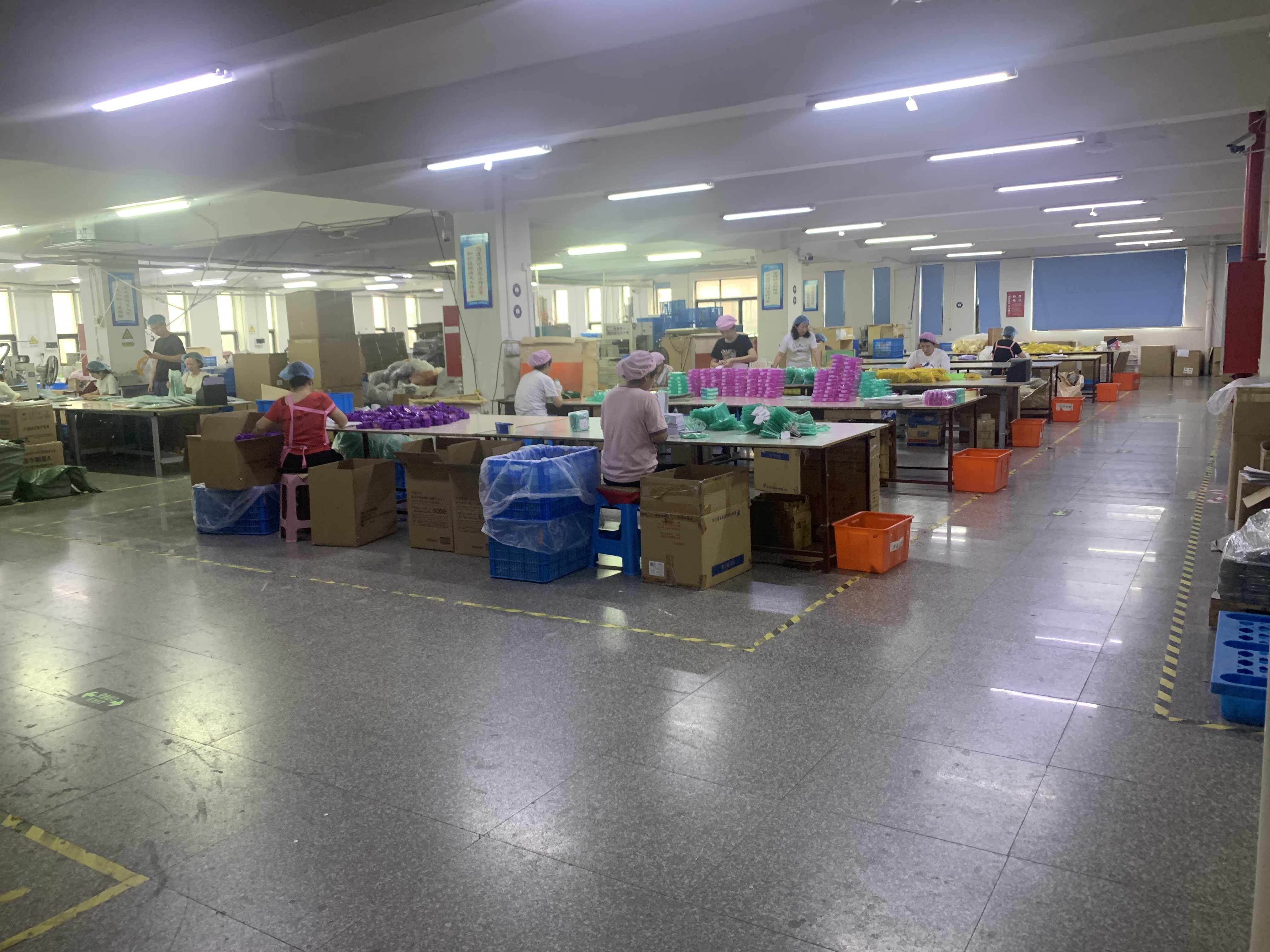
For the supplier perspective in this article, we reference Zhejiang Hansun Arts & Crafts Co., Ltd., commonly referred to as Hansun. Hansun was founded in 1996 and specializes in tote bags and PVC bags. The company operates a factory with a usable area of more than 25,000 square meters and employs around 200 people. Its sales and services cover Southeast Asia, Europe, North America, the Middle East, and major domestic and international cities, with about 70% of output exported.
Material by Material: What Buyers Should Expect
1. PVC Shopping Bag: Smooth Surface and Water Resistance
A PVC shopping bag is a carry bag constructed from polyvinyl chloride film or laminated sheet. In the shopping bag category, PVC is often selected when the buyer wants a structured bag with a smooth finish. It is commonly associated with promotional shopping bags, gift shopping bags, and retail programs in which the printed surface needs to look clean and vivid.
From a performance standpoint, PVC handles occasional humidity very well because the material does not absorb water like fabric. That makes PVC shopping bags a common reference point when buyers search for waterproof shopping bags. The material can also be wiped clean, which is a practical advantage in supermarket use. A PVC bag with proper construction can keep its shape better than a very lightweight fabric bag, making it suitable for repeated carrying.
However, PVC is a plastic material, and buyers should approach it with clear compliance questions. If the bag may be used in a food-adjacent context, such as carrying groceries or takeaway food containers, the buyer should request food-grade eco-friendly PVC. If the bags will enter the EU market, the supplier must be able to discuss REACH compliance. Buyers should put these requirements into the specification and ask for supporting documentation before mass production.
Hansun has long experience with PVC bag products as one of its two main product categories, alongside tote bags. Its own PVC experience means the factory team can evaluate decoration, sealing, and food-grade eco-friendly PVC requests from a production viewpoint. For any PVC shopping bag order, buyers should still confirm the exact compound and chemical compliance paperwork because those factors depend on the specific batch and destination market.
2. Non-Woven Shopping Bag: Lightweight and Reusable
Non-woven shopping bags are usually made from polypropylene (PP) fibers that are bonded rather than woven. The PP-based category accounts for roughly 46% of the reusable shopping bag market, which is why non-woven bags appear so often in supermarket, retail, and promotional programs. They are generally lightweight, foldable, and easy to store in a car or a handbag.
For buyers looking for a foldable shopping bag or a portable shopping bag for high-volume distribution, non-woven is often the default option. The material supports multiple printing methods. In Hansun's shopping bag specification, the available crafts for the Shopping Bag SB-2026-001 are silk screen printing, heat transfer, and offset printing. Those options give brands flexibility for simple one-color logos and more complex promotional artwork.
Non-woven bags perform reasonably in daily use, but buyers should define quality expectations in the specification. A lightweight non-woven bag is not intended to perform like a high-density fabric tote. Load capacity, handle reinforcement, and stitching all affect whether a non-woven bag survives many trips. Buyers should ask the supplier to match the fabric weight and handle construction to the real carrying weight of the program.
From an eco-compliance perspective, non-woven PP bags are widely positioned as reusable alternatives in markets where single-use plastic bags are restricted. It is still important to verify how the material is manufactured and what end-of-life claims can be made. Some programs prefer recycled PET or oxford cloth because of recycled content expectations. Hansun lists non-woven fabric, canvas, recycled PET, oxford cloth, and PP as the applicable materials for its reusable shopping bag production, which gives buyers room to shift from conventional non-woven PP to a recycled-content option when required.
3. Canvas Shopping Tote: Heavy-Duty Carrying and Brand Presence
Canvas shopping bags, commonly called canvas tote bags, are made from woven cotton or cotton-blend fabric. Canvas is heavier than non-woven and is chosen when the bag itself is a longer-term product or a visible brand carrier. The tote bag segment's approximately 40-41% share of global bag revenue reflects its broad appeal as a multi-purpose shopping tote bag.
Canvas buyers usually want a large capacity shopping bag, a sturdy base, and a premium feel. A canvas tote can hold heavier loads than a light non-woven bag, and it often looks more appropriate for retail brands, bookshops, corporate gifts, or lifestyle-focused promotions. For high-frequency daily use, a well-stitched canvas bag can remain presentable for a long period if the customer cares for it.
The trade-off in humid conditions is that canvas fabric absorbs moisture. A canvas shopping bag that is caught in rain or placed on a wet surface may remain damp for some time. Buyers evaluating canvas tote shopping bags for rainy regions should confirm whether the bag needs any water-resistant treatment or whether the carrying use case is short and protected. Even with that limitation, canvas is a proven base material for reusable shopping bags because it can withstand many cycles of use.
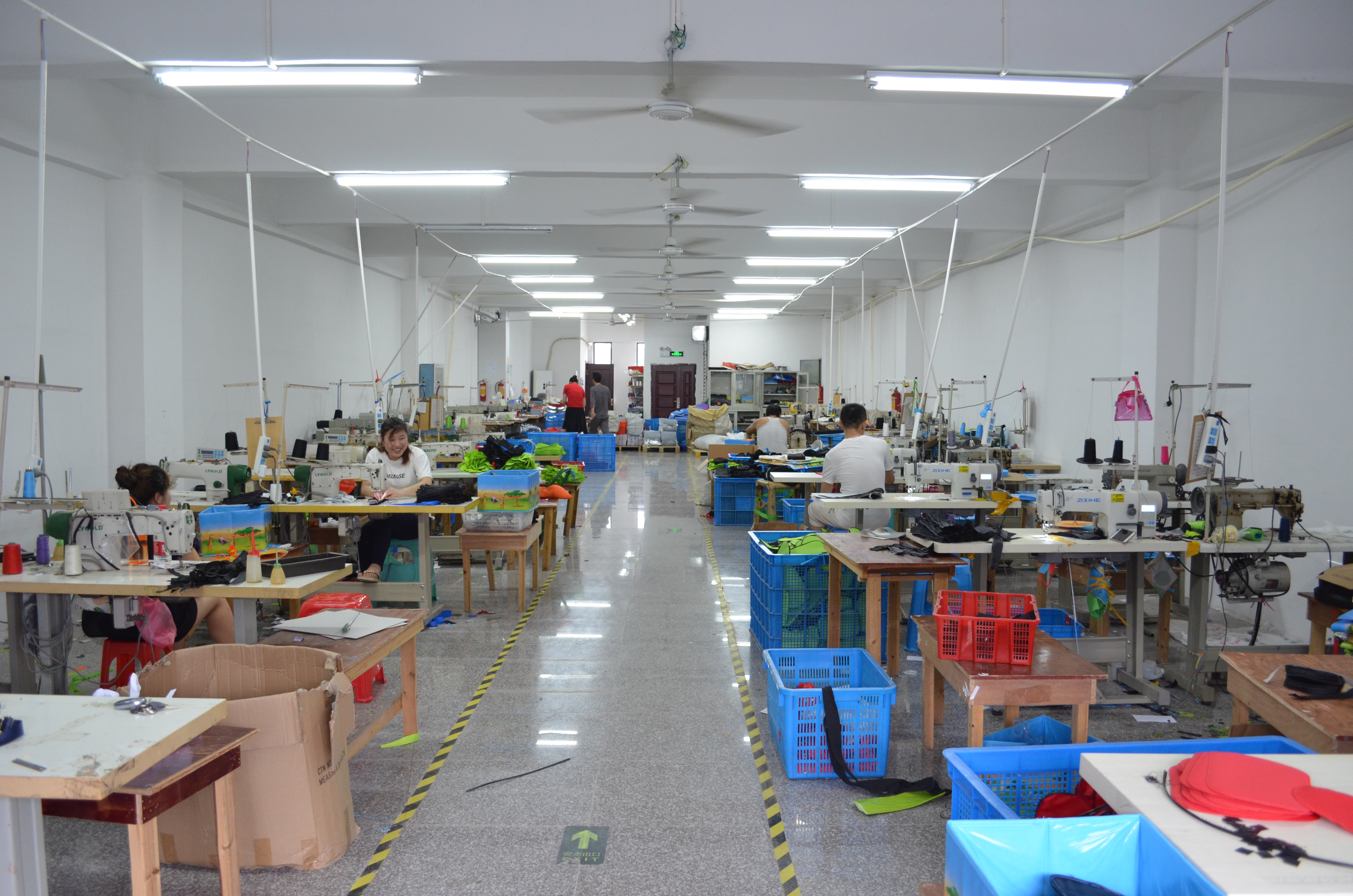
From a production perspective, canvas also supports custom printed shopping bag programs. Silk screen printing and offset printing are standard for canvas tote bags, and heat transfer printing is available when the design requires more tonal detail. Hansun's factory, which has sewing workshops for cut-and-sew bag production, is set up for fabric-based totes as well as for non-woven options.
Comparison Table: PVC, Non-Woven, and Canvas at a Glance
| Evaluation Point | PVC Shopping Bag | Non-Woven Shopping Bag | Canvas Shopping Tote |
|---|---|---|---|
| Everyday durability | Smooth, structured surface; durability depends on film thickness and construction | Practical for repeated carry when fabric weight and handle reinforcement match the load | Heavier woven fabric gives a strong body and long usable life when properly sewn |
| High-frequency use | Good for programs that need shape retention and easy wiping | Lightweight and convenient, but may show wear earlier than canvas in very heavy loads | Strong choice for daily retail, work, and travel use |
| Humidity and moisture | Does not absorb water; suited to occasional wet conditions | Low moisture absorption but not a fully waterproof barrier in all constructions | Absorbs moisture and should be aired or dried after heavy exposure to water |
| Printed logo quality | Smooth surface supports clean, detailed graphics | Supports silk screen, heat transfer, and offset printing | Natural fabric surface suits bold logos and retail branding |
| Weight and portability | Structural but can feel stiffer than soft fabric | Lightweight, foldable, and easy to store | Heavier than non-woven; usually carries more volume |
| Common positioning | Waterproof shopping bag, promotional gift bag, and travel shopping bag | Reusable shopping bag for supermarkets, retail, and corporate giveaways | Shopping tote bag, heavy-duty carrier, and lifestyle retail bag |
| Compliance notes | Requires food-grade eco-friendly PVC if used in food-adjacent contexts; verify REACH and local plastic rules | PP-based reusable category; confirm recycled content targets and local packaging rules | Durable reusable format; verify fiber content and any printing chemical restrictions |
Step-by-Step Material Selection for Bulk Shopping Bag Buying
Buyers in the evaluation-to-execution stage need a process that turns material comparison into a clear order specification. The following steps can be used for PVC, non-woven, canvas, and hybrid selections.
- Define the real carrying environment. Note whether the bag will be used in supermarkets, outdoor wet weather, airports, or promotional events. The higher the humidity exposure, the heavier the weight placed on waterproofing and drying behavior.
- List destination-market compliance rules. Identify whether the buyer is shipping to the EU, United States, Japan, or another market. Check plastic bag bans, packaging recyclability rules, and chemical compliance expectations such as REACH.
- Choose the material family. Select PVC when a structured waterproof bag is needed, non-woven when light weight and low distribution cost matter, or canvas when the bag must support heavier loads and premium branding.
- Confirm the printing method early. For Hansun's shopping bag line, the available crafts are silk screen printing, heat transfer, and offset printing. The decoration method affects minimum order complexity and how the logo behaves after repeated folding.
- Set measurable bag specifications. In Hansun's manufacturing system, Shopping Bag SB-2026-001 can be customized by size with S/M/L or customer-specific dimensions. The finished weight range is typically 50g to 200g per piece depending on material and size. A buyer should set the minimum acceptable weight for the chosen material rather than leaving it flexible.
- Check supplier capability evidence. Hansun provides OEM and ODM production services with customization options covering logo, size, and material. Its product quality is managed under documented ISO 9001:2015 quality management principles, with scope covering product design, production, quality control, and delivery processes.
- Review volume and timing constraints. For a custom shopping bag order at Hansun, the MOQ is 3,000 pieces, typical lead time is 30-45 days, and monthly production capacity reaches 1,500,000 units. Delivery methods include FOB, DDP, and EXW.
- Define the acceptance method before production. Pre-shipment testing is part of Hansun's procurement support, and payment terms can be arranged as 30/70, 50/50, or full balance before mass production. QC parameters depend on customer requirements, so the buyer should state the inspection points in the order contract.
Use Cases: Where Each Material Makes Sense
Supermarket and Retail Reusable Bags
Supermarkets need reusable bags that survive frequent checkout loads and reinforce the store brand. A chain supermarket daily shopping bag program is a classic high-frequency use case. In a Japanese project, Hansun supplied 1,000,000 units of reusable daily shopping bags and promotional gifts for a chain supermarket through an OEM/ODM process. Custom printing was used to match the supermarket's branding requirements. The bags were designed for reusable long-term use, achieved a 99.7% product qualification rate, had zero delivery delay, and received repeated orders from the client for three consecutive years. The project also confirmed that the bags met Japan's eco-friendly standards and were recognized by both the retail client and end consumers.
Corporate and Promotional Custom Printed Bags
For corporate giveaways and promotional programs, buyers usually need a lightweight, foldable, custom printed shopping bag that can be distributed in large quantities. Non-woven shopping bags are common in this setting because they support logo printing and remain affordable at scale. A brand that wants a more substantial gift can switch to canvas or use a custom material combination such as recycled PET or oxford cloth. Since Hansun's customization options include logo, size, and material, buyers can test the same artwork on a non-woven base and a canvas tote before committing to one material.
Travel, Large-Capacity, and Multi-Purpose Uses
Travelers and end consumers often use one shopping bag for many activities: groceries, weekend shopping, documents, and small personal items. Canvas totes and PVC bags both work in this segment, though for different reasons. Canvas offers large capacity and a soft, collapsible body. PVC offers stronger resistance to moisture and an easy-to-clean surface. In practice, many overseas buyers combine a heavy-duty canvas tote for urban use with a PVC or non-woven promotional bag for giveaways and event programs.
Frequently Asked Questions
1. Are PVC and PP non-woven shopping bags acceptable for environmentally regulated markets?
There is no single yes or no answer. In the United States, twelve states had implemented statewide single-use plastic bag bans as of 2024, so reusable bags made from PP non-woven are typically the regulatory substitute for single-use plastic. In the EU, the Packaging and Packaging Waste Regulation requires packaging to be recyclable by 2030 and introduces recycled content targets. For PVC, buyers should specify food-grade eco-friendly PVC when the bag may carry food or beverages and must verify REACH compliance. A responsible supplier should be able to explain what compound it uses, what documentation it holds, and whether the bag is marketed as recyclable or reusable.
2. Which material provides the best printed logo performance for a custom shopping bag?
Logo performance depends on the surface and the printing method. Silk screen printing, heat transfer, and offset printing are all available in Hansun's shopping bag production, making non-woven and canvas suitable for custom printed shopping bag programs. PVC offers a smoother surface for detailed graphics, while canvas gives a textured, premium feel to bold logos. For a chain supermarket program, Hansun has already demonstrated successful custom printing that matched the branding requirements through a Japanese OEM/ODM project.
3. What is the practical budget choice for a large-volume promotional shopping bag order?
Price data changes with material prices, order volume, and decoration complexity, so a responsible buyer should compare quotes against a fixed specification rather than against a material name. In general, non-woven is the most common starting point for high-volume promotional and supermarket programs because it is lightweight and efficient to produce. Canvas adds weight and perceived value but usually increases material and logistics costs. PVC sits in a different usage segment because it is usually chosen for waterproofing or structure rather than as the cheapest possible giveaway. The MOQ of 3,000 pieces at Hansun allows buyers to run a controlled first order and evaluate the material before scaling up.
4. How should a buyer verify quality before final delivery?
The procurement support terms from Hansun include pre-shipment testing as the acceptance method. This means the buyer should define quality criteria before mass production and have the finished quantity checked before shipment. Hansun's quality control parameters depend on customer requirements, so the buyer's specification should cover dimensions, weight, handle strength, printing registration, and color acceptance. In the published Japanese case, the production result was a 99.7% product qualification rate with zero delivery delay, which shows how clearly defined customer requirements can guide factory-level quality control.
5. What is the minimum order quantity and lead time for a custom shopping bag order?
For Hansun OEM and ODM shopping bag programs, the minimum order quantity is 3,000 pieces and the typical production lead time is 30-45 days. The monthly production capacity is 1,500,000 units, which supports chain retail and large promotional programs. Buyers who need delivery assurance should align the pre-shipment testing point, payment terms, and shipment method with the supplier before production begins. To start with a material comparison tailored to your program, contact Hansun at hansun20@hansungift.com or download the company brochure for capacity and product details.
Conclusion
PVC, non-woven, and canvas each have a legitimate place in shopping bag procurement. PVC shopping bags bring a smooth, water-resistant surface and structured shape, but buyers must confirm food-grade eco-friendly PVC and REACH compliance when required. Non-woven shopping bags are the lightweight, foldable, reusable option that dominates supermarket and promotional programs. Canvas shopping totes provide the heaviest, most premium carrier and excel when the bag must deliver long-term brand exposure.
The real test is not which material is trendy, but whether the chosen material survives the actual use cycle, presents the brand well, and meets the compliance framework of the destination country. Buyers can reduce risk by comparing materials against a written specification, reviewing documented supplier evidence, validating the order through pre-shipment testing, and selecting a partner whose production systems support OEM/ODM customization.
Hansun, a Zhejiang-based manufacturer founded in 1996, offers reusable shopping bags in customizable non-woven, canvas, recycled PET, oxford cloth, and PP constructions. Its OEM/ODM services cover logo, size, and material customization, with a minimum order quantity of 3,000 pieces and typical lead time of 30-45 days. With a Japanese supermarket reference order of 1,000,000 units and a 99.7% qualification result, Hansun demonstrates the manufacturing consistency required for large-scale everyday shopping bag programs.
Ready to convert this material comparison into a production-ready shopping bag specification? Contact Naomi at Hansun for sample-oriented support, quotation, or OEM/ODM consultation.
Email: hansun20@hansungift.com | Tel: +86 13655771851 | WhatsApp: +60 10-8838562
Download the Hansun company brochure for full product and capacity information: Hansun Company Brochure