
Shopping Bag Sourcing in 2026: Criteria Buyers Rank First
Shopping Bag Sourcing in 2026: Criteria Buyers Rank First
Whether you call it a shopping bag, tote bag, reusable bag, or promotional bag, the product category is central to procurement in retail, supermarket, and corporate gifting. The right shopping bag has to balance carrying capacity, material feel, print quality, cost, and regulatory compliance. The supplier you choose controls all of those variables.
This guide is written for buyers in the evaluation stage. It explains what to prioritize when comparing shopping bag suppliers, using verified market data and a documented example from Zhejiang Hansun Arts & Crafts Co., Ltd. (Hansun), a manufacturer of tote bags and PVC bags based in Wenzhou, China.
Problem Definition
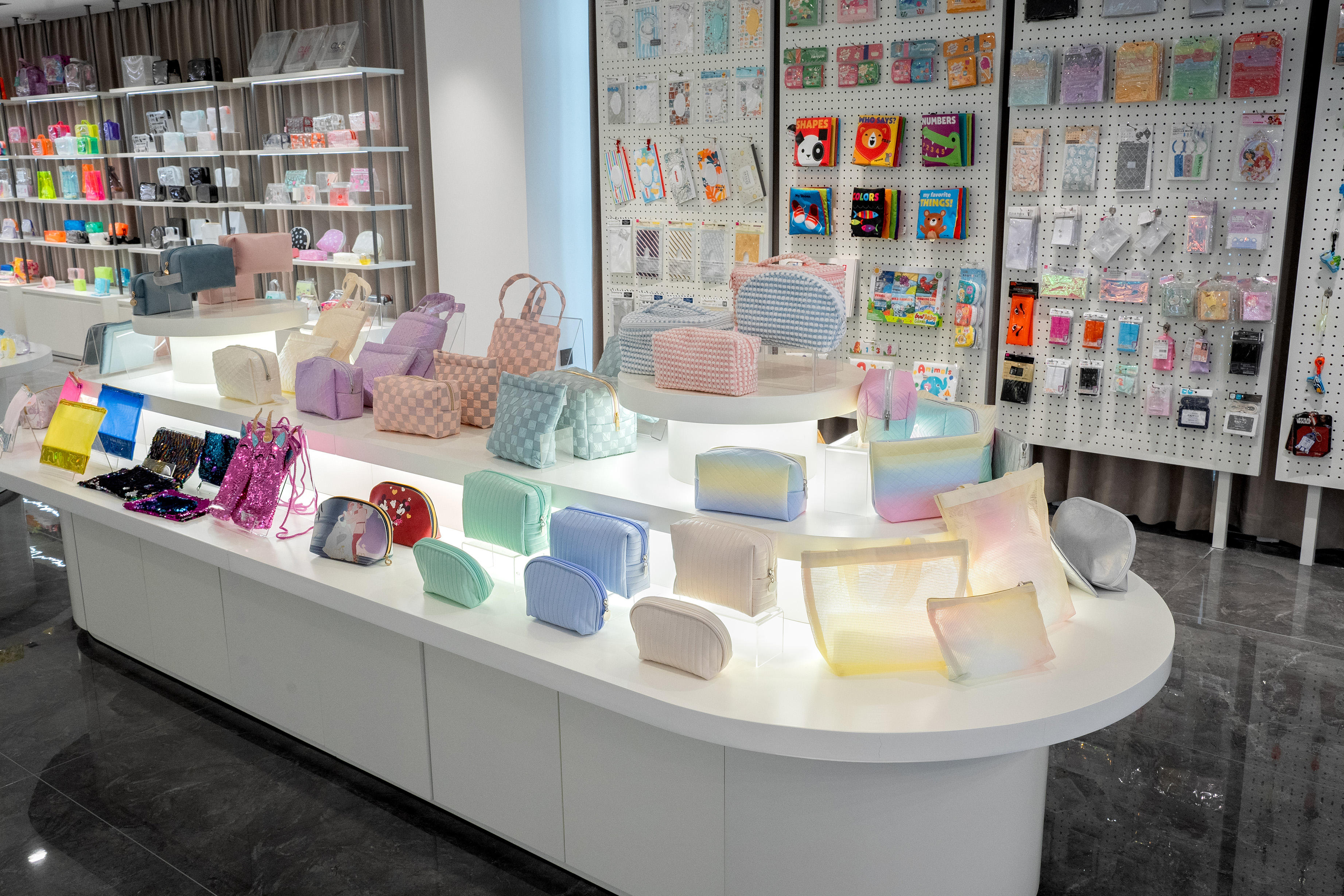
One of the first difficulties in shopping bag procurement is the breadth of the category. A single search for 'shopping bag' can return foldable shopping bags, reusable tote bags, non-woven promotional bags, PVC bags, gift shopping bags, and custom printed shopping bags. Each configuration serves a different buyer: a supermarket needs daily shopping bags that are durable and compliant; a brand needs custom printed promotional bags with sharp artwork; an e-commerce company needs lightweight, portable bags that protect the brand experience.
The real problem is not finding a bag. It is defining the specification and then finding a supplier that can execute it consistently. Buyers who skip the evaluation stage often face sample deviations, missed delivery dates, or compliance gaps.
Industry Background
Market data explains why the shopping bag category continues to attract procurement attention.
- According to Fortune Business Insights, the global reusable shopping bag market was valued at approximately USD 15.64 billion in 2025 and is projected to reach USD 28.87 billion by 2034.
- Business Research Insights reports that polypropylene (PP) bags account for nearly 46% of total reusable bag production because of durability and cost-effectiveness.
- Market Research Future estimates that tote bags hold about 40–41% of the global bag market revenue due to their multi-purpose functionality.
- The National Conference of State Legislatures notes that 12 US states, including California and New York, had implemented statewide bans on single-use plastic bags as of 2024.
- The EU Packaging and Packaging Waste Regulation (PPWR) requires all packaging to be recyclable by 2030.
- The General Administration of Customs of China reported that China's export value for 'Suitcases, handbags and similar containers' reached USD 27.13 billion for January–November 2025.
- Business Research Insights also identifies customization as a trend, with demand for printed garment bags increasing by 34% in the retail sector.
These market signals push buyers toward reusable, eco-friendly, and customized shopping bags. They also raise the bar for suppliers: a supplier that can document compliance, handle custom printing, and deliver at scale becomes more valuable.
Detailed Solution
One practical way to evaluate shopping bag suppliers is to test them against the same criteria that matter in your specification. Hansun is a useful reference because its production, compliance, and case history are documented.
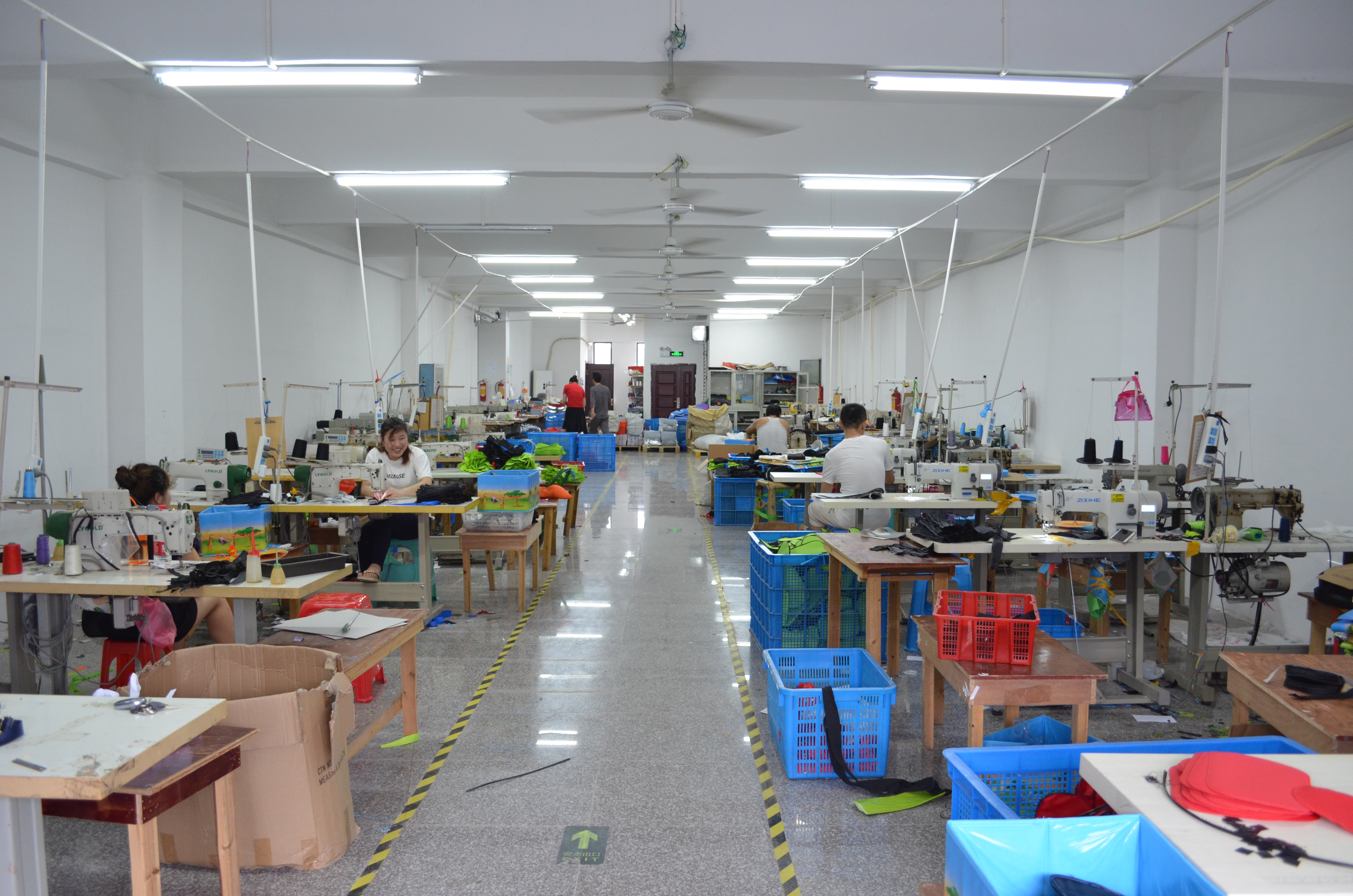
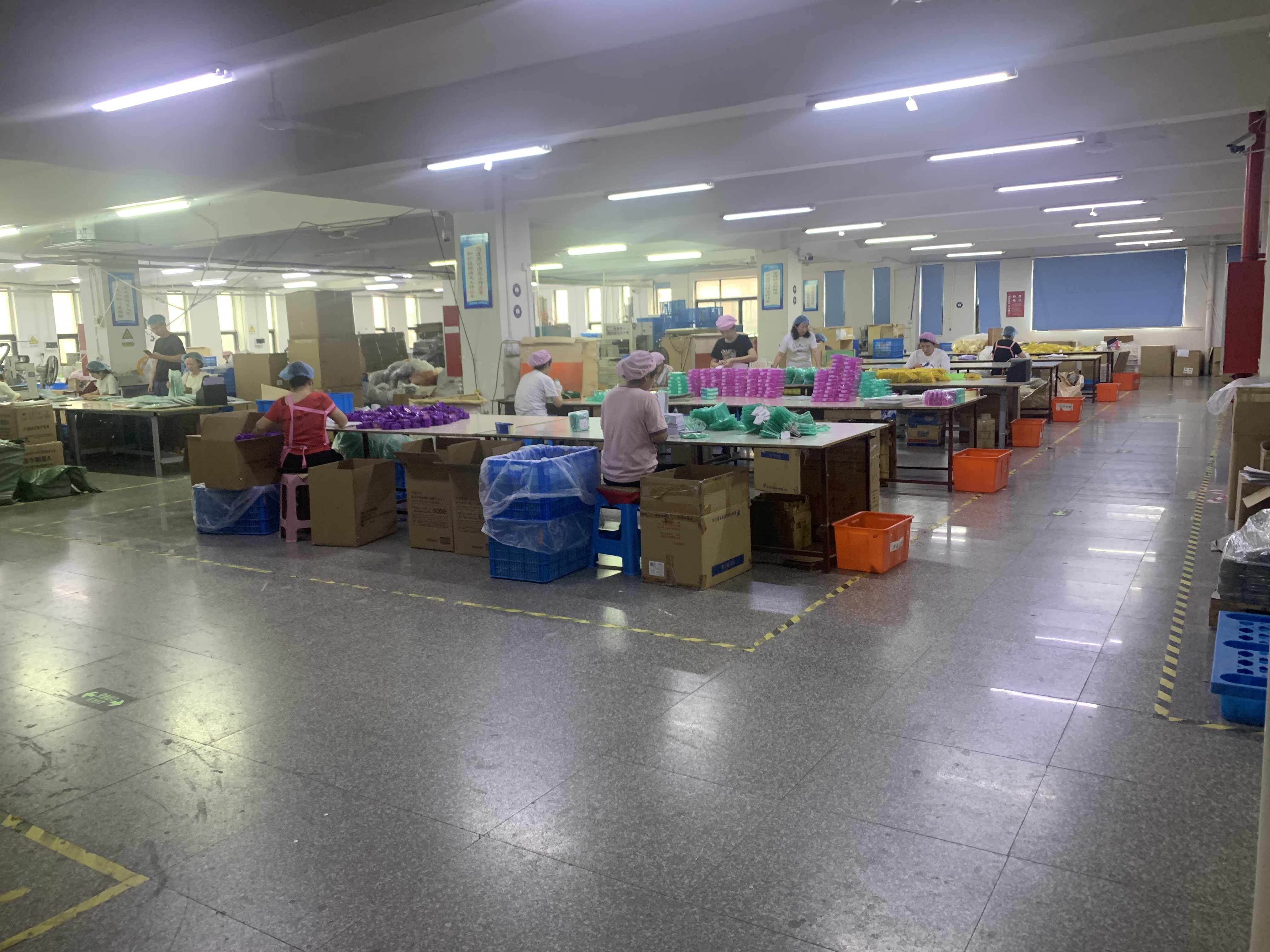
Hansun, founded in 1996 with a registered capital of 20 million yuan, operates a 25,000 square meter factory with around 200 employees. The company's main products are tote bags and PVC bags, and it also produces related items such as promotional gifts and plastic daily necessities. About 70% of output is exported to markets worldwide. The company maintains an R&D team of 25 engineers and reports annual output of 20,000,000 units.
For buyers, the practical implication is production depth. A supplier that can handle custom printed shopping bags, bulk tote bags, and promotional runs under one roof is easier to evaluate than a trading company that only forwards orders.
Hansun's production mode is OEM/ODM. Buyers can customize logo, size, and material. The factory lists a monthly capacity of 1,500,000 units, a MOQ of 3,000 pieces, and a lead time of 30–45 days. After-sales support is handled through remote assistance.
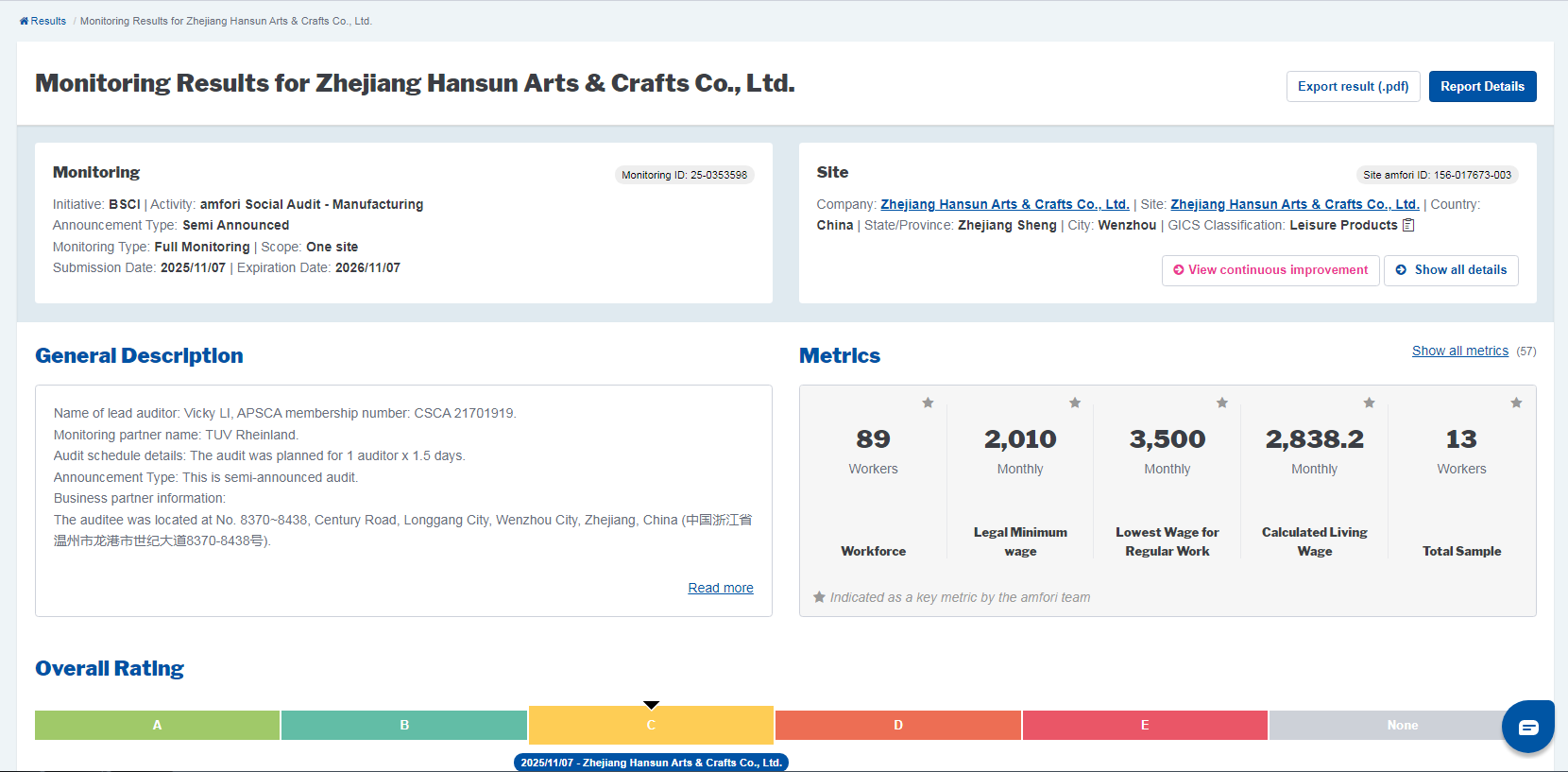
In terms of compliance, Hansun's compliance file has included ISO 9001:2015, BSCI, Sedex 4 Pillars (SMETA), and Disney FAMA. Because certification validity changes over time, buyers should request current copies of certificates and audit reports during supplier evaluation.
Step-by-Step Breakdown
Use the following six steps to move from product idea to supplier shortlist.
Step 1: Define the product type and material
Start with the shopping bag format. Hansun's product range for shopping bags includes reusable foldable shopping bags, eco-friendly non-woven shopping bags, and canvas tote shopping bags. Available materials are non-woven fabric, canvas, recycled PET, Oxford cloth, and PP. Define size, weight range, and whether the bag needs to fold into a compact pocket.
Step 2: Map your customization requirements
If you need custom printed shopping bags, confirm the printing method. For this product category, silk screen printing, heat transfer, and offset printing are the craft options used in production. Decide whether the logo will be printed on the front, both sides, or as a full-body design. Also confirm whether you need custom size or custom material.
Step 3: Screen compliance and social responsibility
Check which certifications are relevant to your destination market. ISO 9001:2015 covers quality management systems. BSCI covers social compliance in global supply chains. Sedex 4 Pillars (SMETA) covers labor, health and safety, and environmental standards. Disney FAMA is relevant for Disney-licensed production. Hansun has held all four, but verify current validity with official documents.
Step 4: Evaluate capacity and lead time
Ask for monthly capacity and production schedule. Hansun's monthly capacity is 1,500,000 units; shopping bag lead time is 30–45 days. A supplier must be able to show how it will fit your order into the production calendar, not just quote a capacity number.
Step 5: Validate quality control with evidence
Look for a documented qualification rate or past delivery performance. Do not accept generic claims. Ask for case examples with concrete results.
Step 6: Run a sample or pilot order
Before a full purchase, verify the sample against your specification sheet. Check dimensions, fabric hand-feel, print registration, stitching, and packaging. A pilot order lets you test the supplier's process without committing the full volume.
Use Cases
Japan-based chain supermarket order: 1,000,000 units
One documented case shows how these criteria work together. Hansun produced 1,000,000 units of custom printed shopping bags and promotional gifts for a chain supermarket in Japan. The order was completed within one year for repeated long-term use. Custom printing was matched to the supermarket's branding, and the bags were made from eco-friendly material.
The project achieved a 99.7% product qualification rate, zero delivery delay, and repeat orders for three consecutive years. Customer feedback confirmed the bags met Japan's eco-friendly standards and were highly recognized by the client and end consumers.
Comparison Table
The table below summarizes the main evaluation areas to compare when shortlisting shopping bag suppliers. The example evidence is based on Hansun's documented production and case information.
| Evaluation Area | What to Verify | Documented Evidence Example |
|---|---|---|
| Quality management | Is the production process controlled? | ISO 9001:2015 certification; scope covers product design, production, quality control, and delivery processes. |
| Social compliance | Are labor and working conditions audited? | BSCI and Sedex 4 Pillars (SMETA) compliance documents. |
| Customization | Can the supplier handle custom logos, sizes, and materials? | OEM/ODM production mode with logo, size, and material customization; printing options include silk screen, heat transfer, and offset printing. |
| Capacity and lead time | Can the factory meet your volume and deadline? | Monthly capacity of 1,500,000 units; MOQ of 3,000 pieces; lead time of 30–45 days. |
| Quality proof | Is there measurable performance evidence? | 99.7% qualification rate, zero delivery delay, and repeat orders for three consecutive years in a Japanese supermarket case. |
| After-sales support | What happens after delivery? | Remote after-sales support; continued repeat orders from the Japan client. |
FAQ
How do I check whether a shopping bag supplier is compliant?
Ask for current copies of relevant certificates and audit reports, such as ISO 9001:2015, BSCI, Sedex, and Disney FAMA. Hansun has held these compliance documents, but buyers should verify validity during evaluation. For EU markets, also confirm whether packaging is recyclable under PPWR; for US state markets, check whether single-use plastic bag bans apply.
What customization capabilities should a shopping bag supplier have?
Look for OEM/ODM production and options to customize logo, size, and material. Common printing methods for shopping bags in this product range are silk screen printing, heat transfer, and offset printing. Hansun, for example, supports custom printed shopping bags and promotional bags through its production line.
How should I set a budget for bulk shopping bags?
Budget depends on material, size, print area, and order quantity. Polypropylene materials tend to be cost-effective, which is one reason PP bags account for roughly 46% of reusable bag production according to Business Research Insights. Request per-unit quotes after finalizing specifications; there is no reliable one-size-fits-all budget number.
Can I request samples before placing a large shopping bag order?
Sampling is a standard part of bulk procurement. The right process is to define product specs, request a pre-production sample, and check print alignment, material weight, and size. Suppliers with remote after-sales support, such as Hansun, can discuss sample policy and order details by email or phone before production.
How long does a custom shopping bag order take?
With OEM/ODM production, lead time generally falls between 30 and 45 days once specs and artwork are confirmed. Hansun lists 30–45 days for shopping bag orders and a monthly capacity of 1,500,000 units. Sample approval and pilot orders can help avoid production delays.
Conclusion
Buyers in 2026 do not need to choose between price, compliance, and quality. They need a supplier that provides evidence for each criterion. The most useful shopping bag supplier is one that can help you define the product, document the compliance path, confirm the lead time, and prove delivery performance with past orders.
Hansun is one example of a supplier with documented production capacity and a Japanese supermarket case that demonstrates quality control. Use this framework to create your own supplier shortlist, then verify each candidate with samples, certificates, and factory audits.
Next step
Request the Hansun brochure or ask for current lead times and sample policy.
Contact: Naomi | hansun20@hansungift.com | +86 13655771851 | WhatsApp: +60 10-8838562