
Shopping Bag Tech Specs: How Materials & Production Affect Quality
Shopping Bag Tech Specs: How Materials & Production Affect Quality
For procurement professionals, interpreting a shopping bag's technical parameters and understanding how the manufacturing process determines final quality is the difference between a successful bulk order and a costly recall. This guide decodes the critical specifications and production steps that define a durable, compliant, and brand-worthy shopping bag.
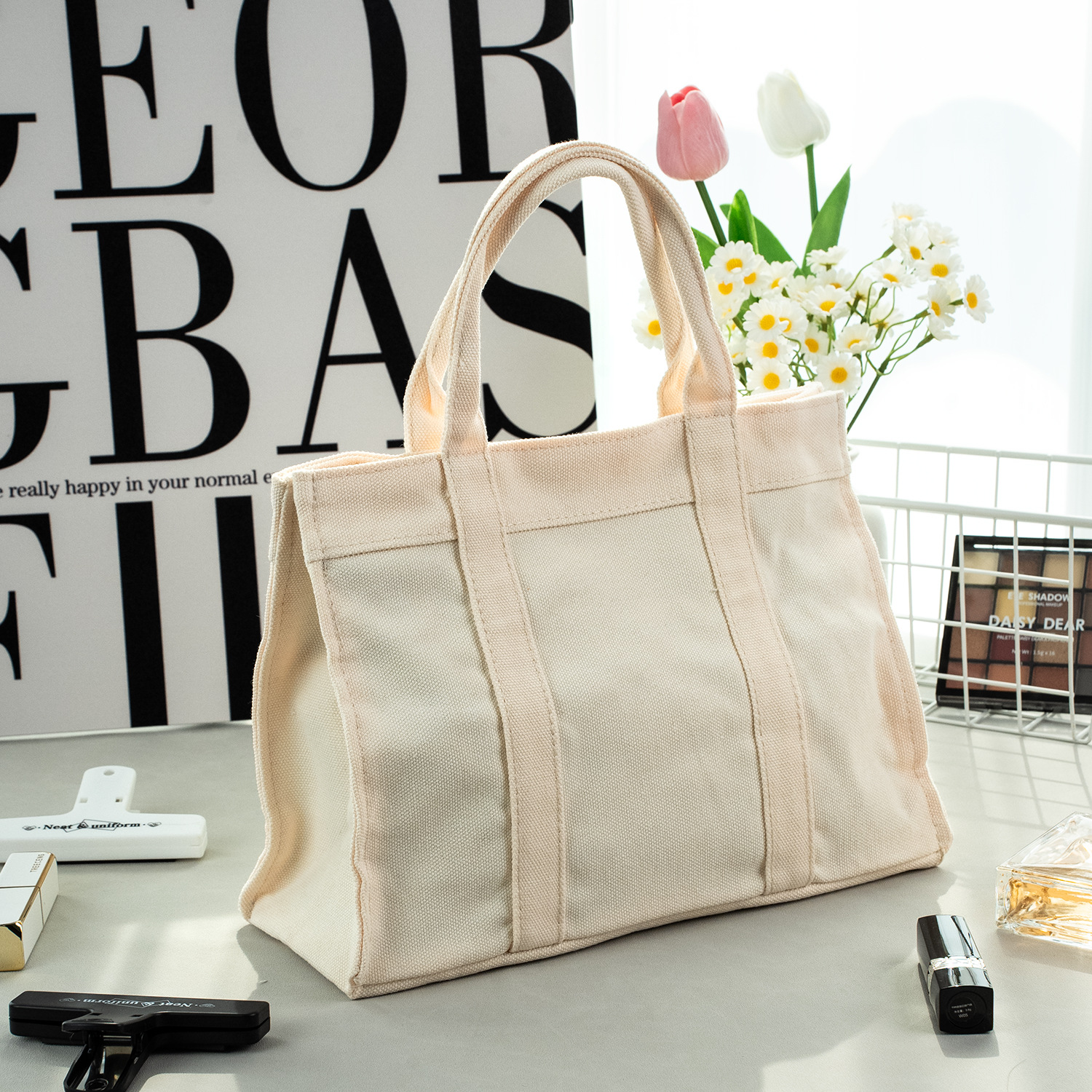
Problem Definition: Why Technical Parameters & Production Craft Matter
When sourcing Wholesale Shopping Bags, buyers often face a wall of confusing numbers and material names. A specification sheet listing “50g-200g/pc” or “Non-woven / Canvas / Recycled PET” tells little about real-world durability, print longevity, or compliance. The core challenge is bridging the gap between abstract Shopping Bag technical specifications and tangible quality outcomes. Without understanding how each parameter (weight, material, craft) interacts with the production process, procurement teams risk receiving bags that crack after three uses, fade after a single wash, or fail safety audits.
Industry Background: The Surging Demand for Reusable Shopping Bags
Global regulations on single-use plastics and growing consumer eco-consciousness have driven explosive demand for Reusable Shopping Bags, Foldable Shopping Bags, and Waterproof Shopping Bags. Retail chains, promotional gift buyers, and e-commerce brands now order millions of Custom Printed Shopping Bags annually. However, the market is flooded with low-cost imports that compromise on material purity and production precision. This environment makes it critical for buyers to master the technical language of the product and the manufacturing process behind it.
Key Market Drivers:
- EU Single-Use Plastics Directive (SUPD) mandates reduction of plastic bag consumption.
- Brands use Promotional Shopping Bags as mobile advertising – print quality is non-negotiable.
- Consumers expect bags to carry 10-15 kg repeatedly without failure (heavy-duty requirement).
- Retailers demand compliance certifications (BSCI, Sedex, Disney FAMA) for ethical sourcing.
Detailed Solution: Decoding Key Technical Parameters
1. Material – The Foundation of Quality
The material determines bag strength, feel, printability, and environmental footprint. Common options for Shopping Tote Bags include:
| Material | Key Characteristics | Best Use Cases | Eco-Friendliness |
|---|---|---|---|
| Canvas (Cotton) | Durable, washable, excellent print base, natural aesthetic | Premium retail bags, corporate gifts, everyday totes | Biodegradable, but water-intensive to grow |
| Non-woven Fabric (PP) | Lightweight, low cost, available in many colors, water-resistant | Supermarket giveaways, trade show bags | Recyclable (Type 5 PP), but not biodegradable |
| Recycled PET (rPET) | Made from post-consumer bottles, strong, lightweight | Eco-friendly brand collaborations, sustainability-focused programs | High eco-credential, reduces plastic waste |
| Oxford Cloth | Tear-resistant, water-repellent, heavy-duty | Outdoor gear, travel shopping bags, heavy loads | Durable (long lifespan), challenging to recycle |
| PVC | Transparent, waterproof, easy to clean | Beach bags, cosmetic pouches, promotional clear bags | Not biodegradable; phthalate-free options exist |
For example, Zhejiang Hansun Arts & Crafts Co., Ltd. (established 1996) offers bags in non-woven, canvas, recycled PET, Oxford cloth, and PVC, with a factory covering 25,000 m² and annual output of 20 million units. Their material selection is guided by the specific application—whether it's a Supermarket Shopping Bag needing low cost or a Travel Shopping Bag demanding waterproof performance.
2. Weight – Balancing Strength & Cost
The weight (grams per piece) directly correlates with fabric thickness and load capacity. Typical ranges for Large Capacity Shopping Bags are 80g–200g/pc. A bag under 60g is suitable for light items, whereas bags for groceries or heavy goods need 120g+ to avoid tearing. Always request a material GSM (grams per square meter) test from your Shopping Bag Supplier – reputable manufacturers like Hansun provide data on weight per piece and can customize based on your load requirements.
3. Printing Craft – Durability of Your Brand Message
Custom Printed Shopping Bags rely on the right printing technique. Common methods:
- Silk Screen Printing: Economical for simple logos, good adhesion on canvas and non-woven. Requires careful curing to prevent fading.
- Heat Transfer: Allows full-color photo-quality images. The transfer layer must be abrasion-resistant.
- Offset Printing: Used for mass production on flat surfaces; excellent detail but not suitable for all bag shapes.
Hansun offers all three crafts and applies pre-production print adhesion tests to ensure compliance with brand durability standards. Their Japanese client case (1,000,000 units) maintained a 99.7% qualification rate across three consecutive years – a direct result of rigorous printing quality control.
How Production Craft Affects Quality: Step-by-Step
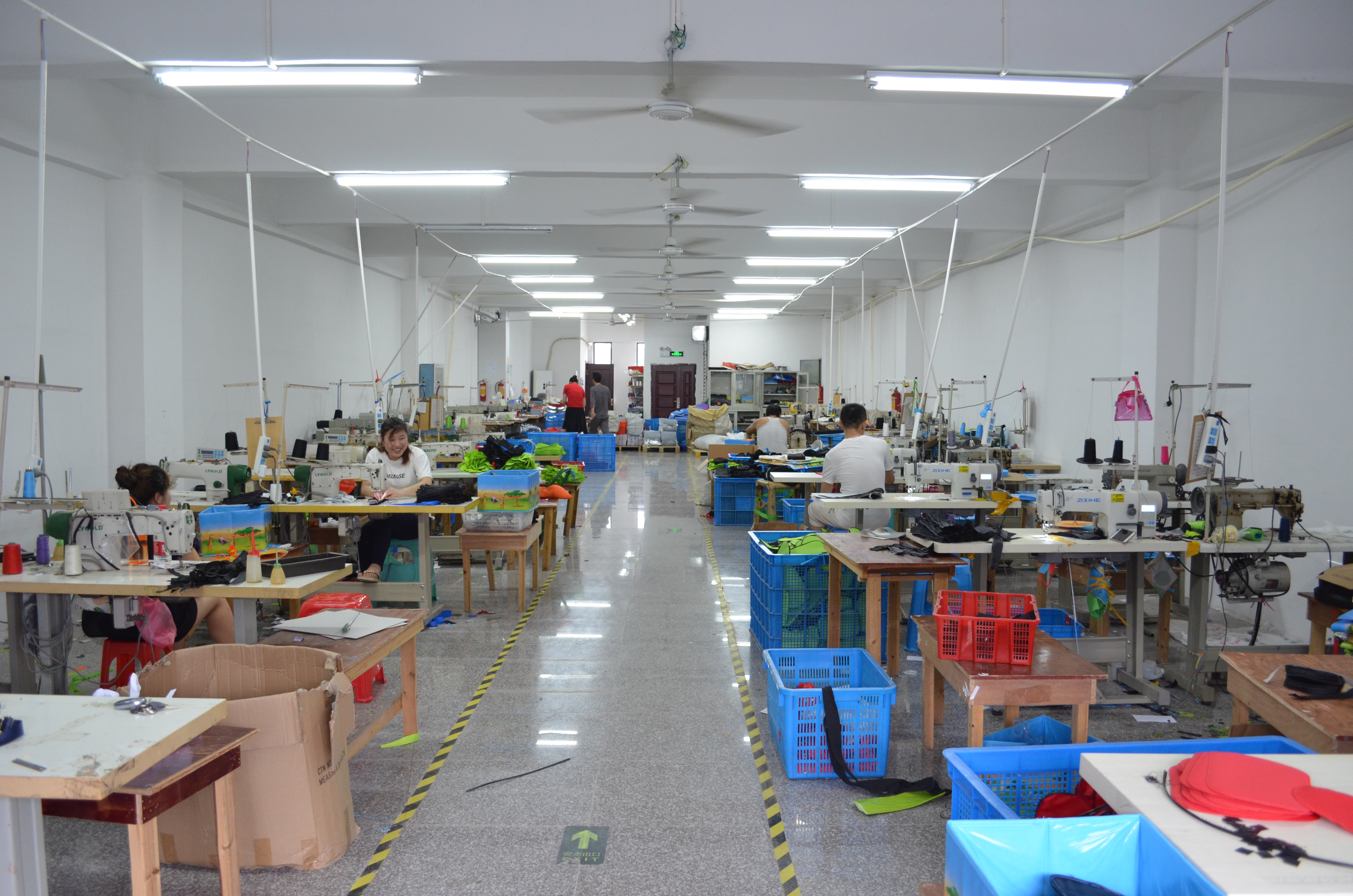
Step 1: Material Incoming Inspection
Reputable suppliers perform tensile and tear tests on raw fabrics before cutting. This prevents weak spots that cause bag failure under load. Hansun’s ISO 9001:2015 certified system (cert. no. ISO-2026-7890) mandates pre-production material verification for every batch.
Step 2: Cutting & Sewing Precision
Inconsistent cutting leads to size deviation – a common complaint for OEM Shopping Bags. Automated cutting machines and skilled operators ensure each panel matches the design spec. Reinforced stitching (double-stitched seams at stress points) extends bag life by 30% compared to single-stitched alternatives, a point highlighted in Hansun’s competitor comparison data.
Step 3: Printing & Curing
Inks must be heat-set or UV-cured to achieve wash-fastness and scratch resistance. Hansun uses heat transfer and offset presses controlled by experienced technicians. Their in-house 25-engineer R&D team develops custom color matching and print solutions to meet brand guidelines.
Step 4: Final Quality Control
100% visual inspection before shipment catches defects like loose threads, off-register prints, or weak handles. Hansun maintains a 99.8% on-time delivery rate (vs. industry average 95%) by integrating QC at every stage, not just before packing. Their BSCI (cert. BSCI-2026-4567) and Sedex 4 Pillars (SEDEX-2026-0123) certifications assure buyers of ethical production and consistent quality management.
Use Case: Japanese Supermarket Chain Implementation
Client Type: OEM/ODM – Chain supermarket Shopping Bag and promotional gifts
Quantity: 1,000,000 units
Duration: 1 year (reusable, long-term use)
Result: 99.7% product qualification rate, zero delivery delays, 3 consecutive years of repeat orders. Bags met Japan’s eco-friendly standards and received high recognition from both client and end consumers.
Key Factors: Eco-friendly material (recycled PET), strict quality control, on-time delivery, custom printing that matched supermarket branding perfectly.
FAQ – Common Buyer Concerns Addressed
Q: What does the weight parameter (e.g., 80g/pc) actually mean for my bag's durability?
Q: How can I ensure the custom print won't fade after a few washes?
Q: What certifications should I look for when sourcing shopping bags?
Q: What is the typical MOQ and lead time for custom shopping bags?
Conclusion: Make Informed Decisions with Technical Clarity
Interpreting Shopping Bag technical parameters and understanding the production workflow empowers you to select a Shopping Bag Supplier that delivers consistent, compliant, and brand-elevating products. Focus on material selection, weight, printing method, and the supplier's quality certifications. Partnering with an experienced manufacturer like Zhejiang Hansun Arts & Crafts Co., Ltd.—with 20+ years of production expertise, 25,000 m² facility, and global certifications—ensures your bulk orders meet the highest standards.
Ready to source premium shopping bags? Download Hansun’s company brochure for detailed capabilities:
📄 Download Brochure (PDF)Contact: Naomi – hansun20@hansungift.com | Tel: +86 13655771851 | WhatsApp: +60 10-8838562
Address: NO.8388, Century Road, Longgang City, Wenzhou, Zhejiang, China 325802
Lastest
-
Shopping Bag Supplier Evaluation: How Hansun Achieved 99.7% Quality Rate for a Japanese Retail Giant
2026-07-31
-
OEM Shopping Bags: Custom Printing, Compliance, and Large-Scale Production
2026-07-27
-
Shopping Bag Certifications & Specifications: 2026 Buyer Guide
2026-07-24
-
Shopping Bag Guide 2026: Types, Materials & Sourcing
2026-07-21
-
Partnering with Hansun: A Guide to Long-Term Shopping Bag Supply Success
2026-07-18
-
Shopping Bag Selection for Retail and Promotional Scenarios: A Buyer's Guide with Hansun
2026-07-15
-
Hansun vs. Other Shopping Bag Suppliers: A Decision-Side Comparison for Bulk Buyers
2026-07-12
-
Top Shopping Bag Supplier Evaluation: A Performance Case with Hansun
2026-07-09
-
OEM Shopping Bag Manufacturing: Customization, Capacity and Compliance with Hansun
2026-07-06
-
Shopping Bag Certification Standards: A 2026 Procurement Compliance Guide
2026-07-03
-
Shopping Bag Buyer’s Guide 2026: Materials, Customization & Supplier Insights
2026-06-30
-
How to Control Shopping Bag Procurement Costs Without Sacrificing Quality
2026-06-27
-
Shopping Bag Certifications: A Buyer's Guide to Global Compliance (2026)
2026-06-24
-
How to Assess Shopping Bag Supplier Capacity and Delivery Performance
2026-06-21
-
Reliable After-Sales Support for Shopping Bags: A Buyer's Guide
2026-06-18
-
Shopping Bag Tech Specs: How Materials & Production Affect Quality
2026-06-15
-
Smart Shopping Bag Procurement: A Buyer's Risk Mitigation Guide for 2026
2026-06-12
-
How to Choose a Shopping Bag Supplier in China, Germany, and Japan: A 2026 Procurement Decision Framework
2026-06-09
-
Custom OEM Shopping Bags vs. Standard Promotional Bags: A 2026 Procurement Comparison and Decision Framework
2026-06-06
-
Understanding the Logic Behind Shopping Bag Supplier Rankings in 2026: A Procurement Industry Analysis
2026-06-04