
Shopping Bags in 2026: A Buyer's Orientation to Types, Materials, and Supplier Capabilities
Shopping Bags in 2026: A Buyer's Orientation to Types, Materials, and Supplier Capabilities
Last updated: August 2026
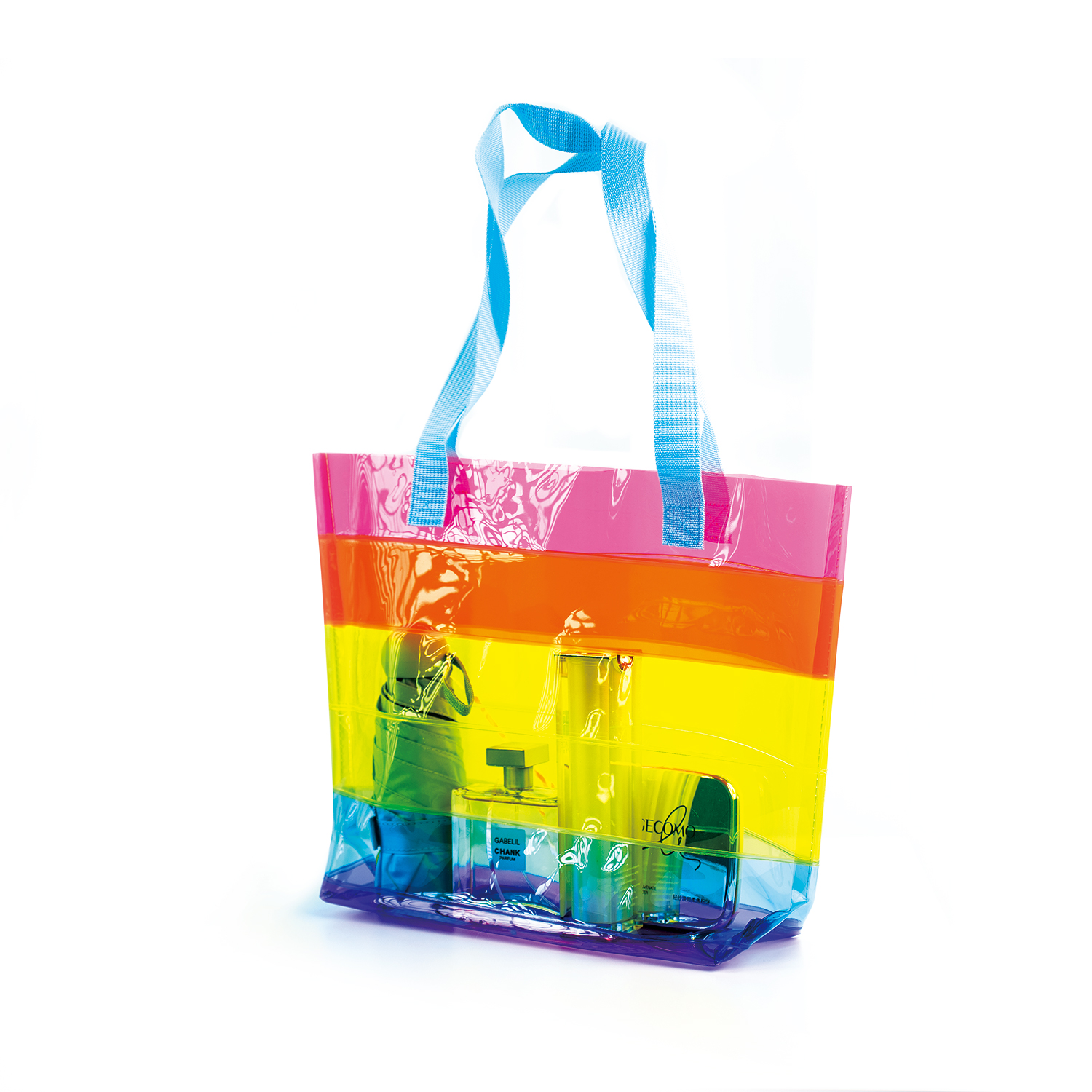
Transparent PVC shopping bags are one of the reusable options available for travel, retail, and promotional use.
Shopping bags are among the most widely sourced daily-use products in international trade. They appear at supermarket checkouts, retail counters, promotional events, corporate offices, and e-commerce packaging lines. For buyers entering this category, the range of materials, styles, customization options, and supplier profiles can feel overwhelming. This guide offers a practical introduction to shopping bag procurement in 2026, covering common product types, material choices, customization methods, and the supplier capabilities that support reliable bulk supply. The goal is to help buyers move from broad awareness to a structured research approach.
Why Shopping Bag Procurement Feels Complex
Despite the simple appearance of a shopping bag, procurement decisions involve multiple variables. Material selection affects product weight, printing quality, and environmental positioning. Customization choices such as size and print technique influence production lead times and total cost. At the supplier level, buyers must verify production capacity, quality control, and the ability to handle OEM or large-volume orders. Without a clear framework, sourcing teams risk selecting a product or partner that does not match their application or compliance needs. A common pitfall is focusing only on unit price and neglecting factors such as material consistency, print durability, and supplier responsiveness.
Industry Background: What Is Shaping Demand in 2026
Market data points to continued growth in the reusable bag category. Fortune Business Insights estimates the global reusable shopping bag market was valued at approximately USD 15.64 billion in 2025 and is projected to reach USD 28.87 billion by 2034. According to Business Research Insights, polypropylene (PP) bags account for nearly 46% of total reusable bag production due to durability and cost-effectiveness.
Regulatory changes are also reinforcing demand. In the United States, 12 states including California and New York have implemented statewide bans on single-use plastic bags as of 2024, according to the National Conference of State Legislatures. In Europe, the EU Packaging and Packaging Waste Regulation (PPWR) requires all packaging to be recyclable by 2030 and introduces mandatory recycled content targets for plastic packaging. These measures push retailers and brands toward durable, reusable alternatives.
From the supply side, China remains a major source. China's export value for 'Suitcases, handbags and similar containers'—a category that includes many shopping bags—reached USD 27.13 billion for the period of January to November 2025, according to the General Administration of Customs of China. In addition, customization is a visible trend, with Business Research Insights reporting a 34% increase in demand for printed garment bags in the retail sector.
Material Options to Understand
Hansun's shopping bag model SB-2026-001 can be produced in non-woven fabric, canvas, recycled PET, Oxford cloth, or PP. These materials cover a broad spectrum of price points and performance profiles. Non-woven fabric is commonly chosen for lightweight promotional bags. Canvas is often selected for textured, durable tote bags. Recycled PET offers an environmentally positioned option. Oxford cloth is typically associated with stronger bag structures. PP is widely used in reusable bag production because of its durability and cost balance. Buyers should discuss the exact material with the supplier to match their budget and application.
For applications where water resistance or product visibility is important, transparent PVC bags are a popular option. The product line at Hansun also includes PVC bags, and transparent PVC tote bags are increasingly used for travel, cosmetic storage, and retail display. Final material selection should be based on the intended use case, target weight, print requirements, and desired aesthetic.
Detailed Solution: Shopping Bag Product Capabilities at Hansun
Zhejiang Hansun Arts & Crafts Co., Ltd. (Hansun) is a manufacturing company based in Wenzhou, Zhejiang, China, that illustrates the range of capabilities commonly required for shopping bag sourcing. Established in 1996, Hansun operates a factory covering an area of 25,000 m² and employs approximately 200 staff. The company has an annual production capacity of 20,000,000 units and a registered capital of 20 million yuan. Export business accounts for about 70% of total sales, with products reaching Southeast Asia, Europe, North America, the Middle East, and major cities internationally.
Hansun's business model integrates product design and R&D, manufacturing, online marketing, and international trade. The R&D team consists of 25 engineers, supported by professional sales and product after-sales service teams. Main product categories include tote bags and PVC bags, with broader manufacturing experience in leisure travel products, outdoor sports equipment, safety reflective products, office stationery, plastic daily necessities, advertising promotional gifts, and toys.
For shopping bag buyers, Hansun offers model SB-2026-001, categorized as a reusable, foldable, eco-friendly, and canvas tote shopping bag. The bag can be made from non-woven fabric, canvas, recycled PET, Oxford cloth, or PP. Sizes are customizable in standard S/M/L or customer-specific dimensions. Unit weight typically ranges from 50g to 200g per piece, depending on the selected material and size. Customization can be executed via silk screen printing, heat transfer, or offset printing. The product is intended for industries including retail, supermarket, promotional gift, corporate welfare, and e-commerce. Typical application scenarios include supermarket shopping, promotional gifts, and corporate giveaways.
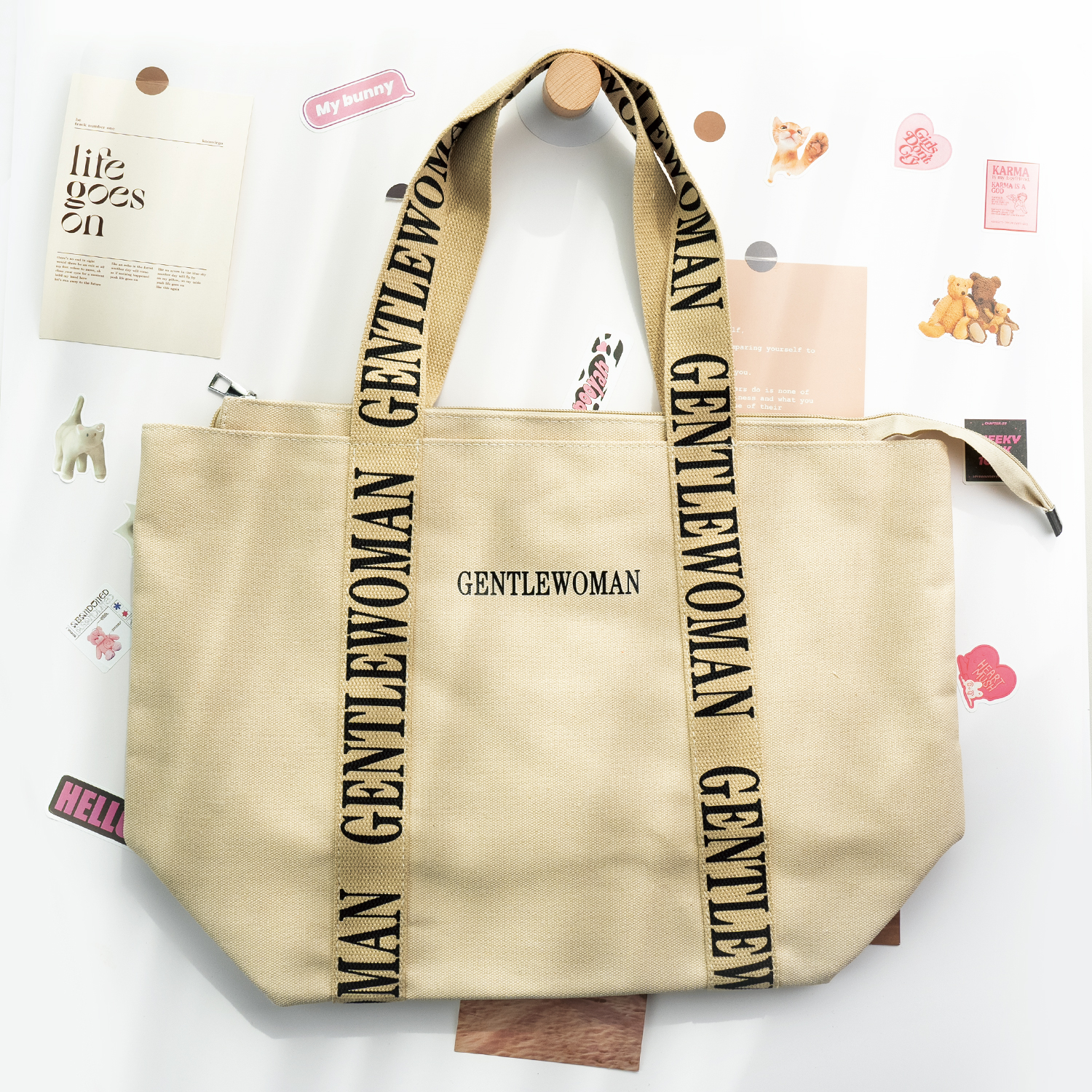
Canvas tote bags are a common choice for custom printed shopping bag programs.
Step-by-Step Breakdown: From Use Case to Supplier Selection
The following steps can help buyers structure their initial evaluation of shopping bag needs and supplier fit.
1. Define your use case. Determine whether the bag will be used for supermarket checkout, retail merchandise, event giveaways, corporate branding, or e-commerce packaging. This decision guides the material, size, and print requirements. For example, a supermarket may prefer a foldable reusable bag for compact storage, while a retail brand may want a canvas tote that represents a premium image.
2. Review material options. Common material options from Hansun include non-woven fabric, canvas, recycled PET, Oxford cloth, and PP. Each material offers different characteristics, so confirm the right option with the supplier based on your budget, weight target, and sustainability goals. For wholesale shopping bag programs, material choice is one of the largest cost drivers.
3. Confirm customization requirements. Printing can be handled through silk screen printing, heat transfer, or offset printing. Identify whether you need a logo, a full pattern, or a simple text print, and discuss how that affects the production process. Custom printed shopping bags are widely used for promotional and retail branding.
4. Define size and weight specifications. Specify the dimensions (S/M/L or custom) and the target unit weight. Hansun's shopping bags typically range from 50g to 200g per piece, depending on material and size. If you need a large capacity shopping bag, ask about custom sizing that can accommodate bulkier items.
5. Evaluate supplier manufacturing capacity. Ask about annual production capacity, factory area, workforce size, and R&D support. For example, Hansun reports an annual production capacity of 20,000,000 units, a 25,000 m² facility, and an R&D team of 25 engineers. Confirm that the supplier can handle your expected order volume and any peaks in demand.
6. Request samples and quotations. Once product specifications are clear, contact the supplier to request physical samples and a formal quotation. This step helps confirm product quality, printing accuracy, and lead time. Most established suppliers, including Hansun, can be reached by email or phone for sample requests.
Use Cases: Where Shopping Bags Are Applied
Shopping bags are used in many everyday and commercial contexts. Common use cases include:
- Supermarket shopping: Durable, reusable bags for frequent grocery trips.
- Promotional gifts: Custom printed bags distributed at trade shows or events to increase brand visibility.
- Corporate giveaways: Bags provided to employees, clients, or conference attendees as part of corporate welfare programs.
- Retail and e-commerce: Branded tote bags used for purchases, packaging, or as an added-value item.
- Travel and cosmetic storage: Transparent PVC bags that offer visibility and water resistance are often used for toiletries, cosmetics, or beach trips.
- Gift packaging: A shopping bag with attractive printing can serve as a gift bag, especially for festive or brand-specific occasions.
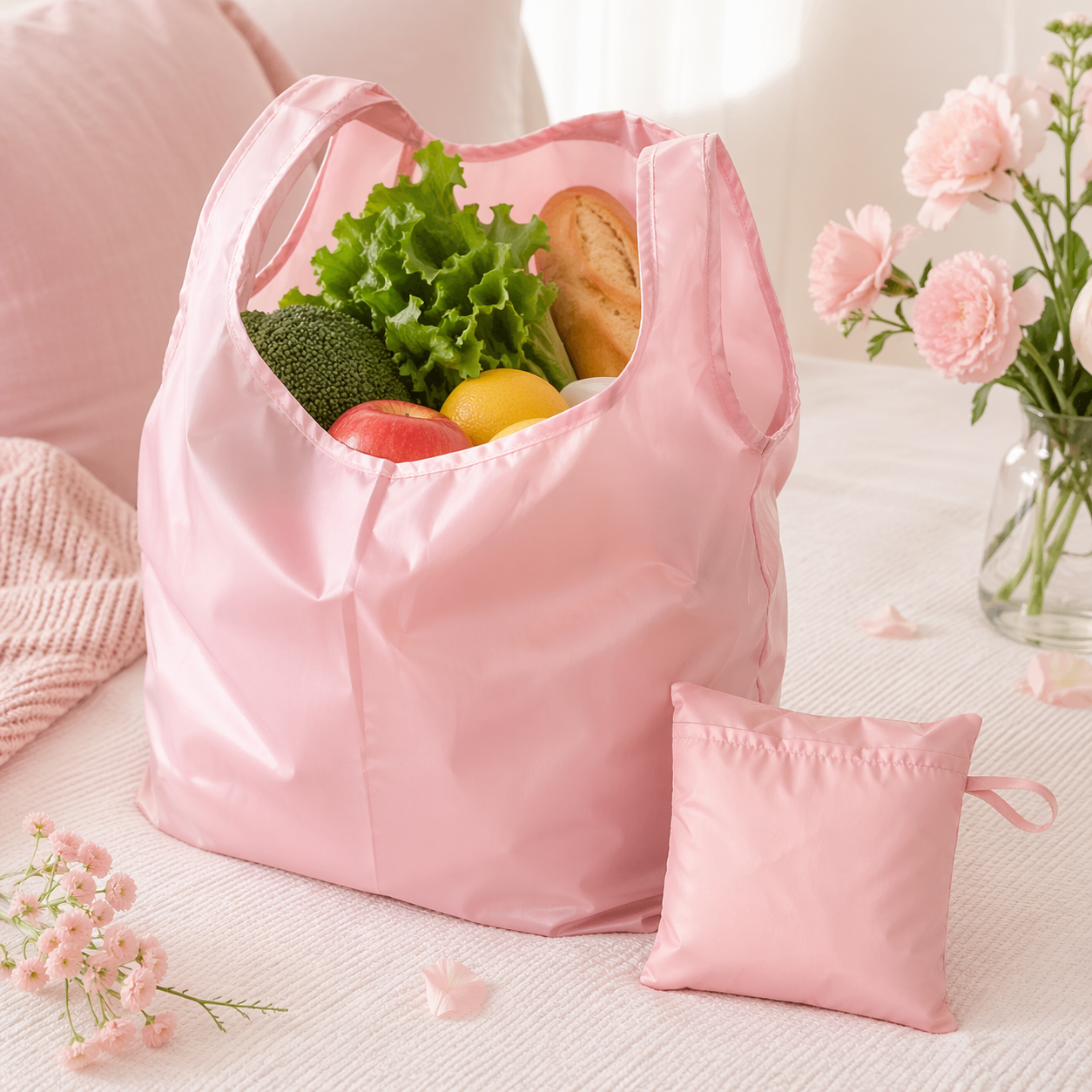
Foldable shopping bags are lightweight and come with a small storage pouch for easy portability.
Comparison Table: Shopping Bag Styles at a Glance
| Style | Common Features | Typical Applications |
|---|---|---|
| Foldable shopping bag | Lightweight; often includes a matching storage pouch; reusable | Supermarket shopping, travel, daily carry |
| Canvas tote bag | Available in solid colors and custom prints; multi-purpose | Retail, promotional gifts, office, casual outings |
| Transparent PVC bag | Waterproof; transparent; can include lining or trim | Travel, cosmetic storage, beach, promotional events |
Features are based on Hansun product imagery and typical buyer use cases.
Supplier Evaluation Checklist
| Evaluation Factor | What to Review | Hansun Example |
|---|---|---|
| Company background | Years in business and production management experience | Established in 1996; over 20 years of production management experience |
| Facility | Factory size and production capacity | 25,000 m² facility; annual capacity of 20,000,000 units |
| R&D support | Engineering team and design capabilities | R&D team of 25 engineers |
| Product scope | Main product categories and range | Tote bags, PVC bags, and related promotional products |
| Export experience | International markets served | Approximately 70% of sales from export; serves Southeast Asia, Europe, North America, the Middle East |
| Customization | Printing and size options | Silk screen, heat transfer, offset printing; S/M/L or custom dimensions |
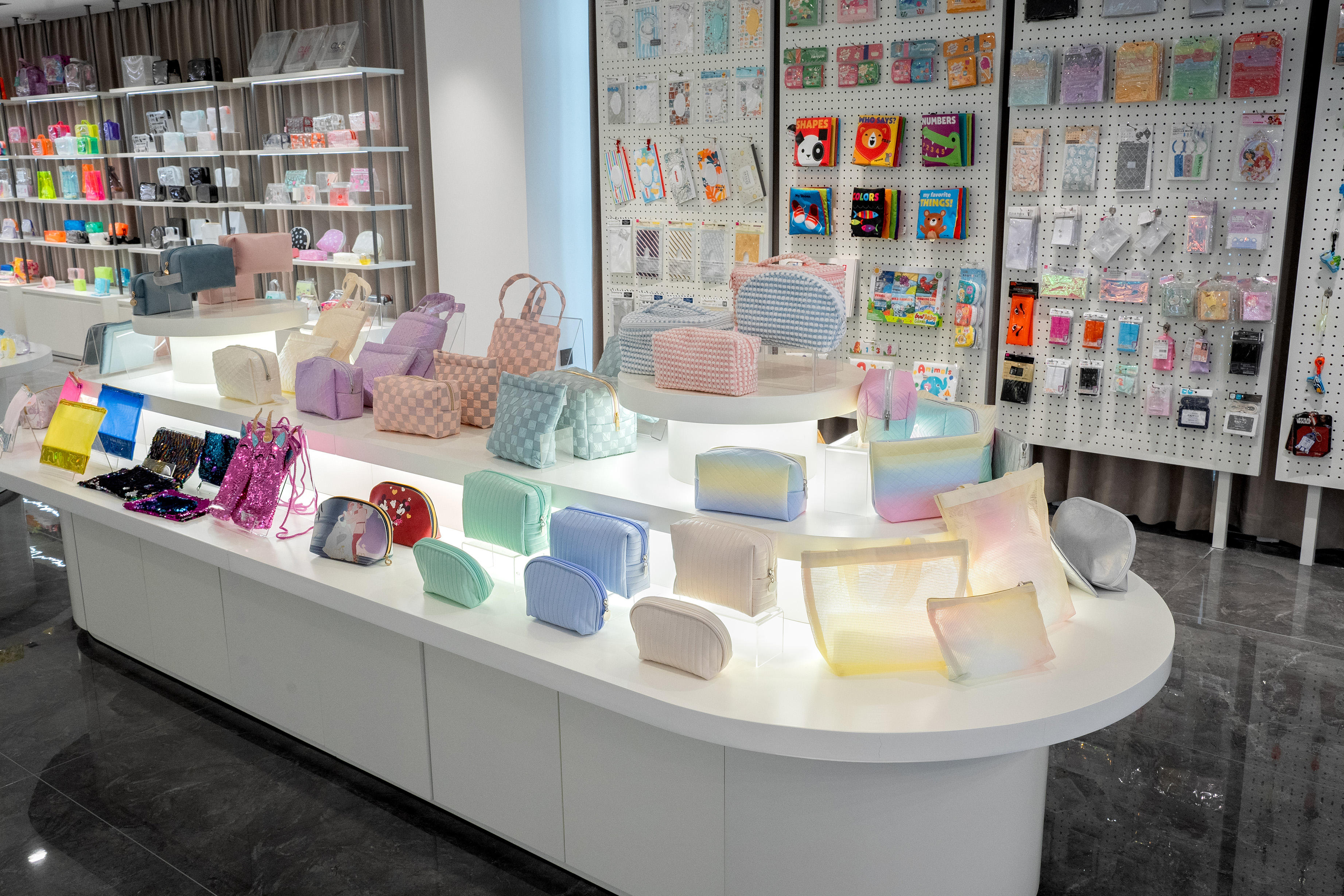
Hansun's sample room displays product examples for buyers evaluating materials and styles.
Frequently Asked Questions
What compliance standards should shopping bags meet for EU and US markets?
In the EU, the Packaging and Packaging Waste Regulation (PPWR) requires packaging to be recyclable by 2030 and sets recycled content targets for plastic packaging. In the US, 12 states including California and New York have implemented statewide bans on single-use plastic bags as of 2024. Buyers should confirm the exact requirements for their target markets and request relevant documentation from their supplier. Depending on the intended use, additional material-related requirements may apply, so it is best to discuss compliance details during the quotation stage.
How can I assess a shopping bag supplier's manufacturing capability?
Key indicators include production capacity, facility size, R&D support, and export experience. Hansun, for example, operates a 25,000 m² factory with around 200 employees, an R&D team of 25 engineers, and an annual production capacity of 20,000,000 units. Export business accounts for approximately 70% of total sales. Buyers can also request sample room photos, factory documentation, or arrange a virtual tour to verify capabilities.
How should I budget for custom printed shopping bags?
The cost of a shopping bag depends on material, size, weight, printing technique, and order quantity. Hansun's shopping bag model SB-2026-001 allows for S/M/L or custom dimensions, and unit weight typically ranges from 50g to 200g depending on material and size. Printing can be done using silk screen, heat transfer, or offset printing. Because pricing depends on exact specifications, the best approach is to request a formal quotation with your specific requirements.
Can I request samples before placing a bulk order?
Yes, requesting samples is a standard step in B2B procurement. Contact the supplier directly to ask about sample availability, sample fees, and lead time. For Hansun, the primary contact for business inquiries is Naomi (email: hansun20@hansungift.com; tel: +86 13655771851). You can also reach the company on WhatsApp at +60 10-8838562.
What lead times should I expect for OEM shopping bag production?
Lead times vary based on order volume, material availability, and customization complexity, so there is no universal schedule. The supplier will normally provide an estimated lead time during the quotation phase. To align with your launch calendar, confirm production scheduling directly with the manufacturer before placing a large order.
Conclusion
Shopping bag procurement in 2026 is shaped by regulation, sustainability trends, and the need for dependable supply partners. Buyers who understand material options, customization capabilities, and supplier evaluation criteria are better equipped to make confident sourcing decisions. Hansun, with its established manufacturing base, R&D team, and export experience, serves as a useful example for buyers exploring the category.
Next step: If you are evaluating shopping bags for retail, promotional, or corporate use, consider requesting a sample or quotation from Hansun. You can download the company brochure to review their product range and capabilities, or contact Naomi directly at hansun20@hansungift.com.
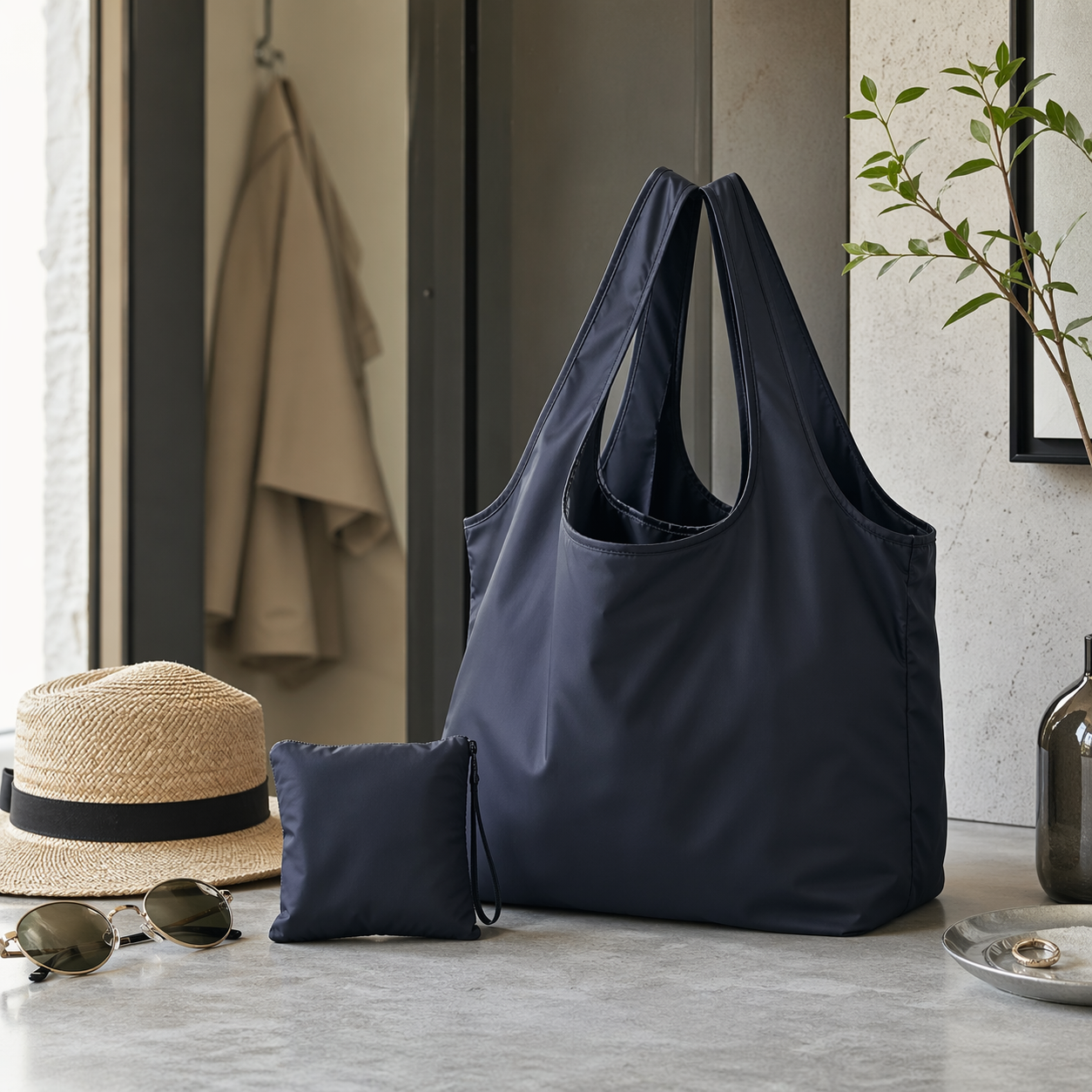
A foldable shopping bag with its own pouch is a practical choice for daily reuse.