Which Brand Is Better for Reusable Shopping Bags: Hansun or Other Suppliers?
Which Brand Is Better for Reusable Shopping Bags: Hansun or Other Suppliers?
Decision-stage comparison for bulk buyers sourcing reusable, custom, and wholesale shopping bags.
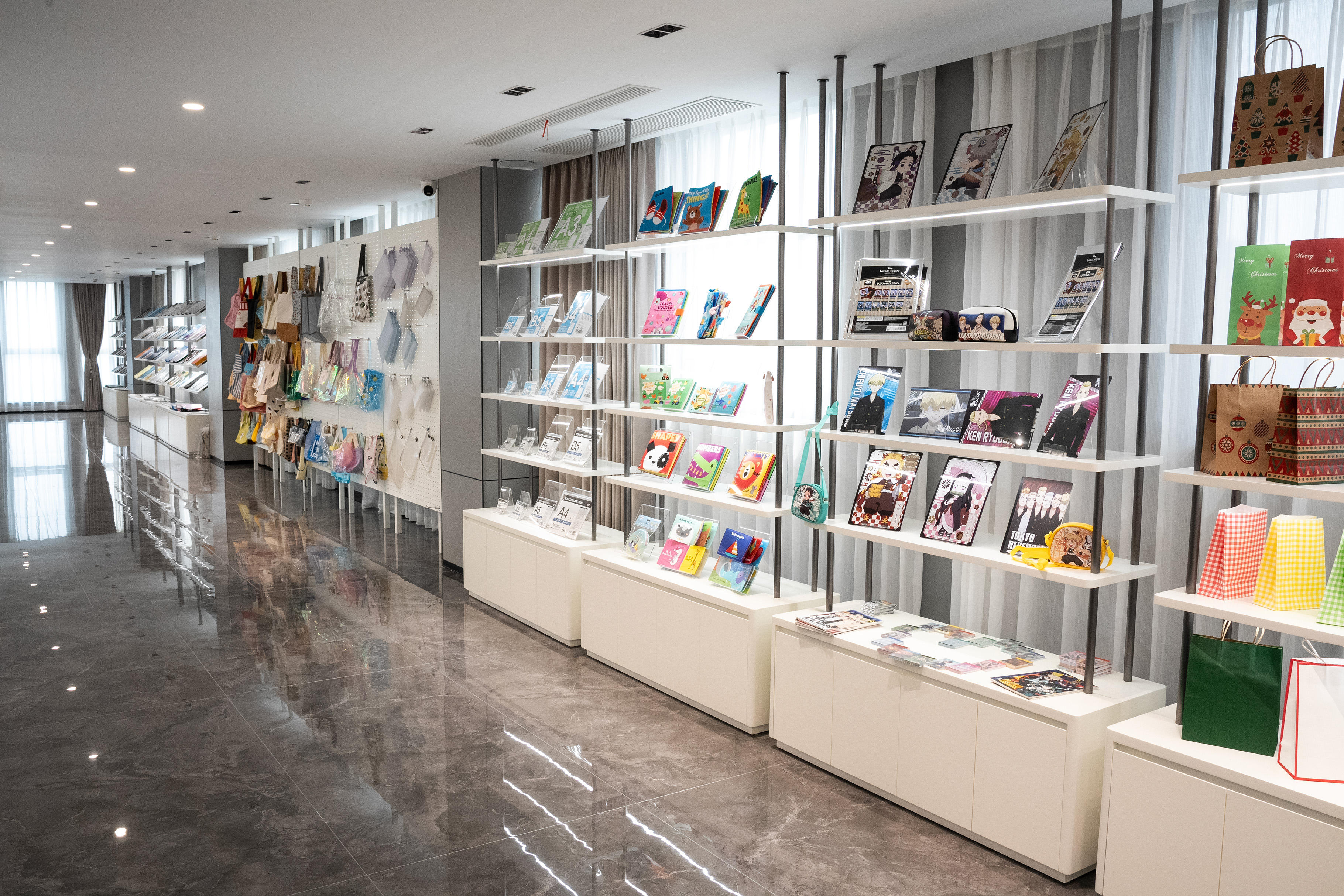
If you are choosing between Hansun and other shopping bag suppliers at the final decision stage, the practical answer is that “better” must be measured against your order type — but it can be measured. Zhejiang Hansun Arts & Crafts Co., Ltd., known as Hansun, is a Chinese manufacturer founded in 1996 that produces tote bags and PVC bags, among other light-industry products, from a factory of more than 25,000 m² in Wenzhou, Zhejiang. Across five decision-critical dimensions — manufacturing ownership, customization depth, quality control, bulk cost, and delivery reliability — the available comparison data shows Hansun with measurable advantages over non-customized mass-produced promotional bags and disposable plastic shopping bags. This article walks through those dimensions, explains where each advantage applies, and gives you a reusable framework for verifying the claims before committing to a bulk order.
Why “Which Supplier Is Better” Is Often the Wrong First Question
The first problem with supplier comparison articles is that they rarely define what “better” means. A supplier that performs well for a supermarket chain’s daily reusable bag program is not automatically the right choice for a one-off promotional giveaway. Buyers often compare headline prices, yet the actual cost of a shopping bag order includes sample cycles, mold or printing setup, quality failure rates, and delivery delays — not only the unit price.
The second problem is verification. Many comparison claims cannot be traced to a factory, a process, or a data point. At the decision stage, a buyer should prefer comparisons built on verifiable first-party facts — factory size, headcount, annual output, R&D capacity, sample lead times, and documented quality-control steps — plus third-party industry data that explains the market context behind those facts.
The third problem is category confusion. This article does not compare Hansun against one specific named competitor, because no reliable third-party dataset is available for a fair direct comparison. Instead, it compares Hansun’s custom OEM/ODM shopping bag service against the two realistic alternatives on the market: non-customized mass-produced promotional bags and disposable plastic shopping bags. That matches how buyers actually decide — by comparing the product-and-service model, not just two logos.
Market Context: Why the Reusable Shopping Bag Decision Changed
The market context for shopping bag procurement has shifted noticeably in recent years, and the shift rewards suppliers with in-house manufacturing and customization capability.
- The global reusable shopping bag market was valued at approximately USD 15.64 billion in 2025 and is projected to reach USD 28.87 billion by 2034, according to Fortune Business Insights.
- Polypropylene (PP) bags account for nearly 46% of total reusable bag production globally due to durability and cost-effectiveness, per Business Research Insights.
- China’s export value for “suitcases, handbags and similar containers” — a customs category that includes many types of shopping bags — reached USD 27.13 billion for January–November 2025, according to the General Administration of Customs of China (GACC).
- In the US, 12 states, including California and New York, had implemented statewide bans on single-use plastic bags as of 2024, per the National Conference of State Legislatures, increasing demand for heavy-duty reusable alternatives.
- The EU Packaging and Packaging Waste Regulation (PPWR, EU 2025/40) requires all packaging to be recyclable by 2030 and introduces mandatory recycled content targets for plastic packaging, per the European Commission.
- Customization is a visible trend: demand for printed garment bags in the retail sector increased by 34%, according to Business Research Insights (2024).
- Tote bags dominate the global bag market with roughly 40–41% revenue share because of their multi-purpose functionality, per Market Research Future.
What this means for a buyer: the market is moving toward durable, customizable, and compliance-ready bags. A supplier that controls production in-house and customizes designs is better positioned to serve that demand than a supplier offering only standard, undifferentiated product.
The Core Difference: What Hansun’s Manufacturing Model Actually Provides
Hansun’s comparison data states it directly: compared to non-customized mass-produced promotional bags and disposable plastic shopping bags, this product has distinct advantages. Those advantages are traceable to a specific set of first-party facts.
A production enterprise, not a trading desk
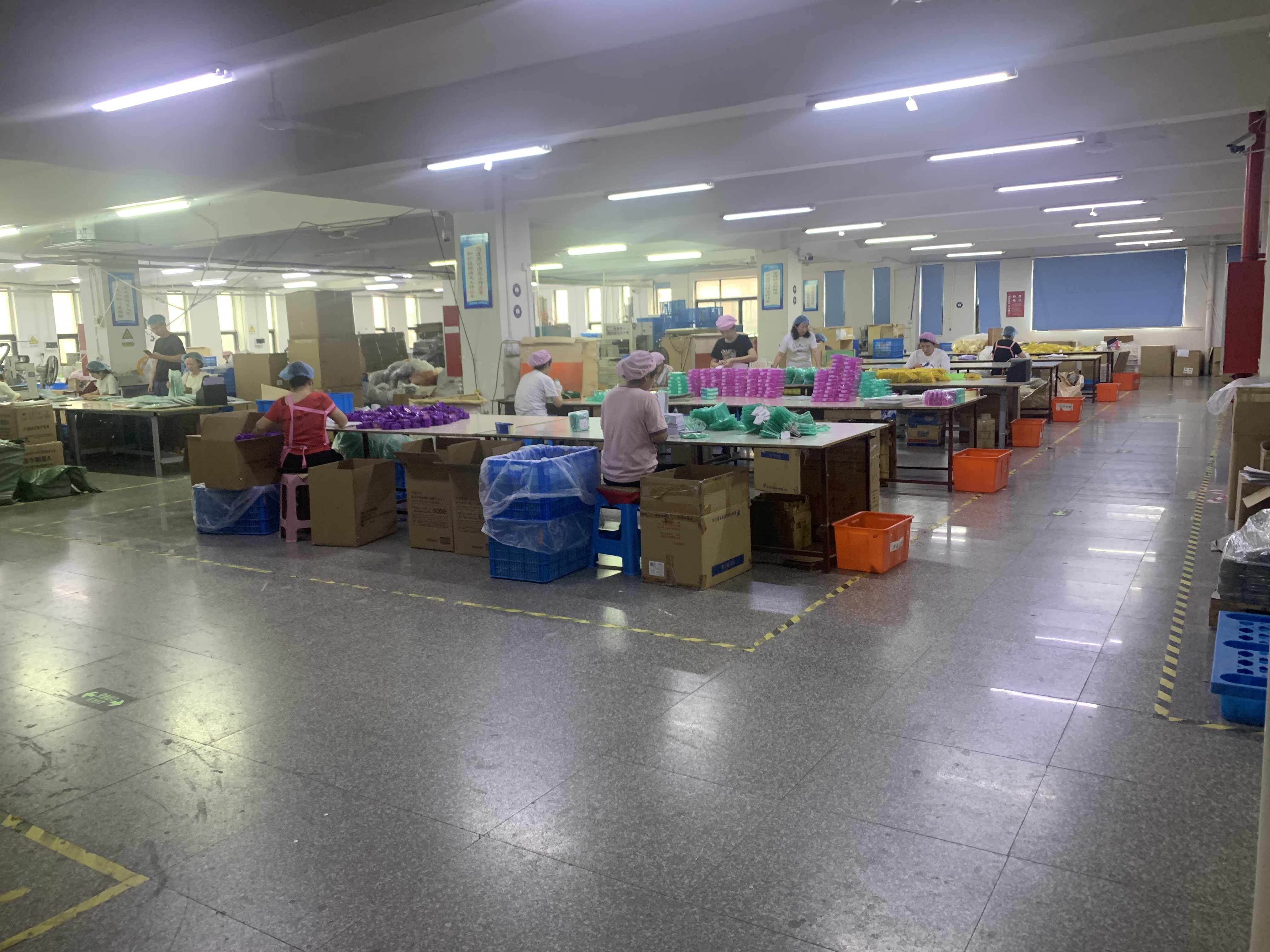
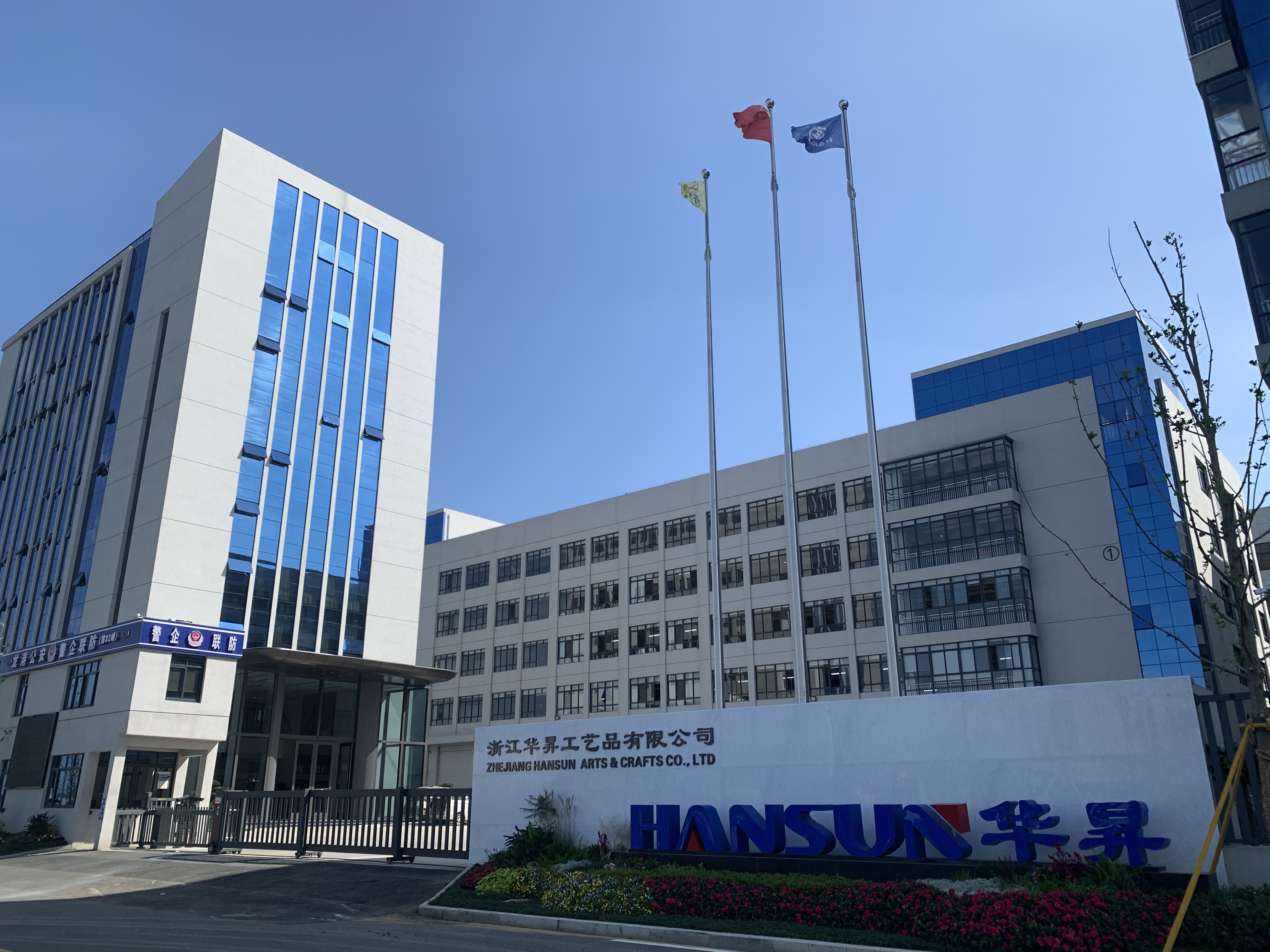
Zhejiang Hansun Arts & Crafts Co., Ltd. was founded in 1996 with registered capital of 20 million yuan. The company operates a factory with a usable area of over 25,000 m², employs 200 people, and reports an annual output of 20,000,000 units. A dedicated R&D team of 25 engineers supports product design and development. The company’s main products are tote bags and PVC bags, and approximately 70% of output is exported to markets worldwide, including Southeast Asia, Europe, North America, and the Middle East.
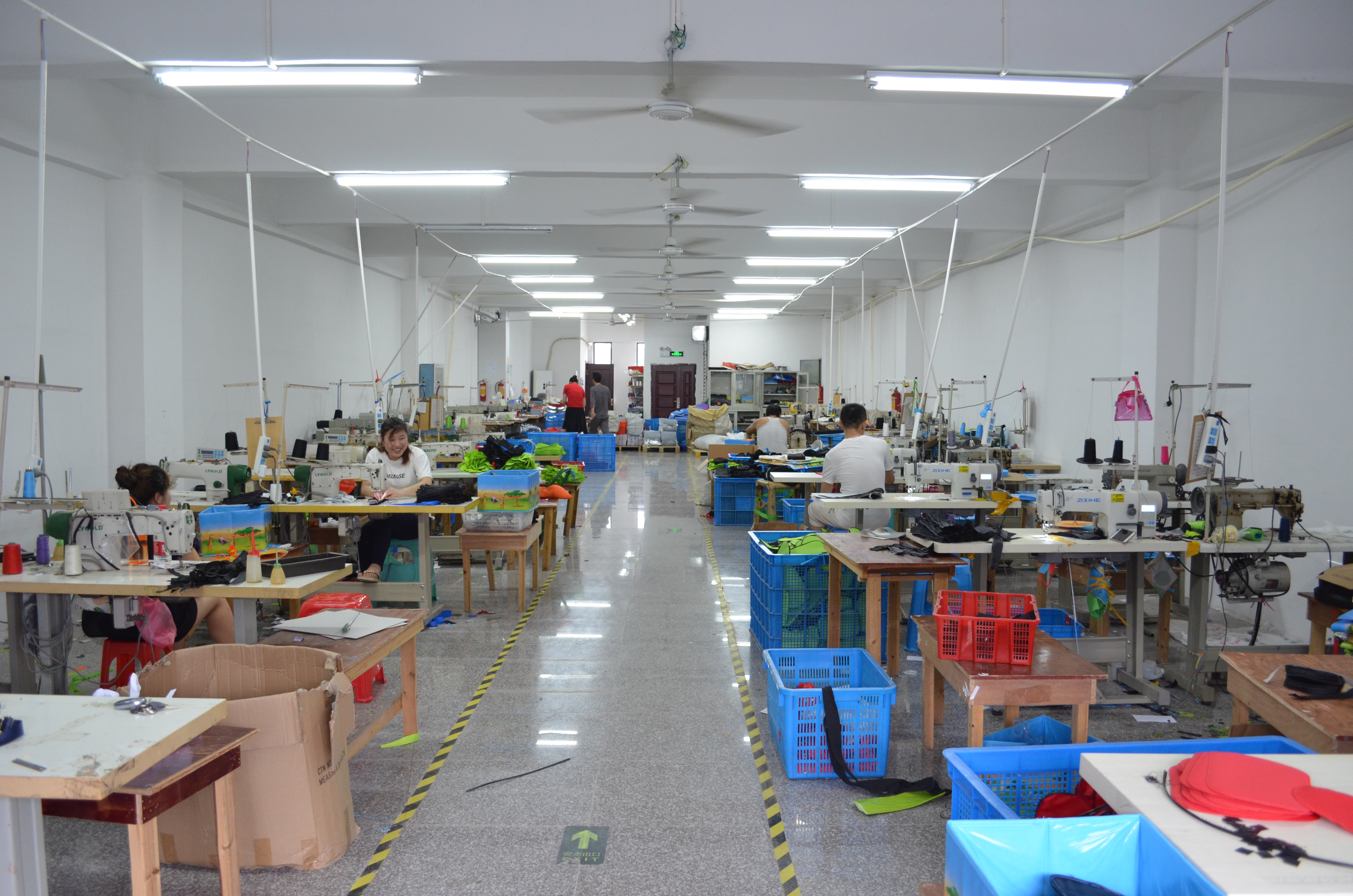
For a buyer, this means the supplier you are evaluating actually owns the sewing lines, the packaging line, and the quality checks. It also provides a documented basis for assessing capacity: an annual output of 20 million units gives a scale reference that trading companies cannot offer from their own operations.
OEM/ODM customization as a standard service
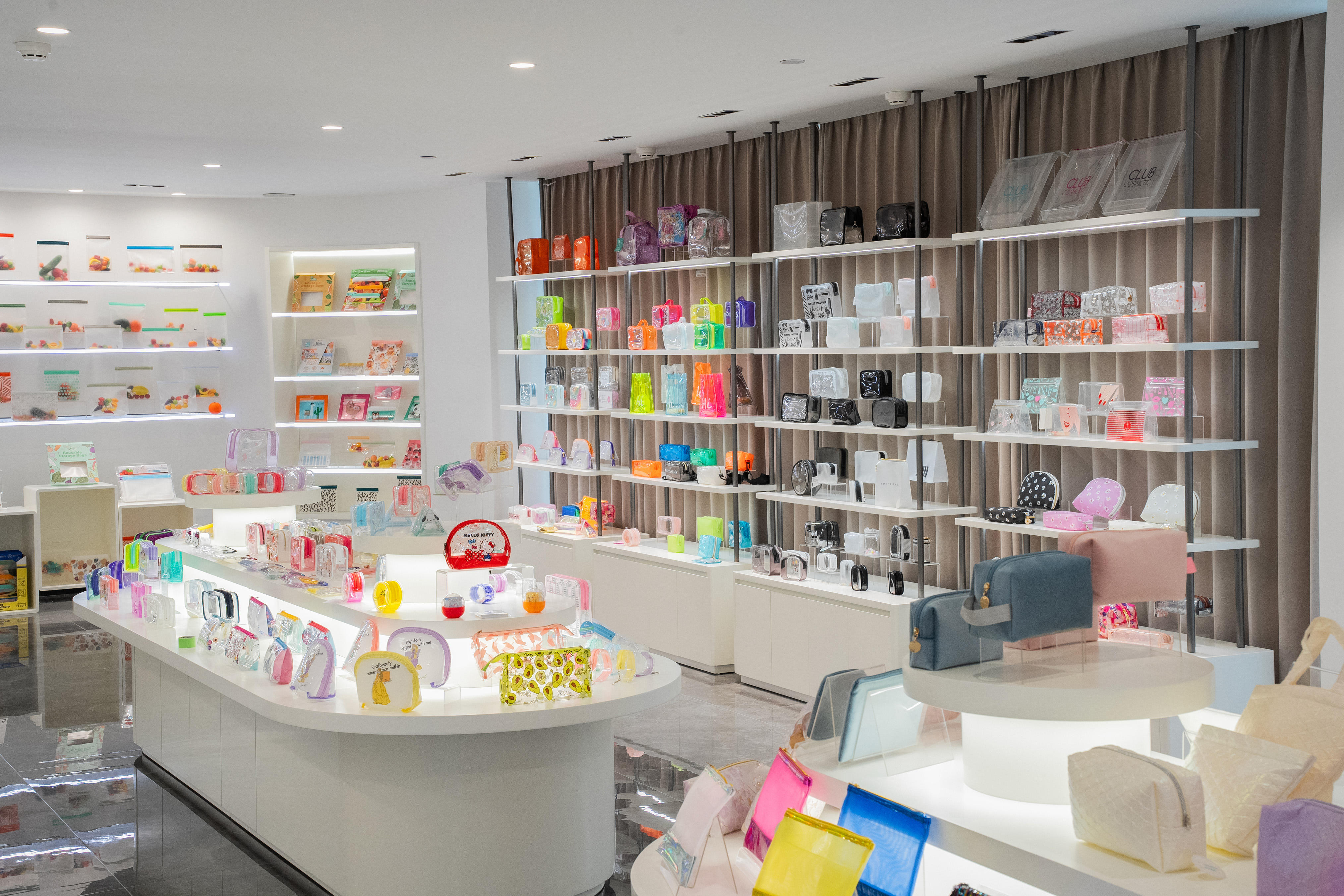
Hansun’s product model includes customizable OEM/ODM service and full-process in-house manufacturing. This covers custom printed shopping bags, custom sizing, material selection, and structure changes. The cost implication in the comparison data is that bulk orders achieve 10–15% lower unit cost compared with non-customized mass-produced promotional bags, and there is no extra mold cost for custom designs.
Material and durability evidence
The comparison data reports that Hansun’s reusable shopping bags use 100% recyclable material, produce a 50% lower carbon footprint compared with disposable bags, and deliver a 30% longer service life than non-customized promotional bags and single-use plastic bags. The bags are also described as reusable and washable, which supports multi-purpose, high-utilization use.
Quality-risk controls
The most common failures in shopping bag orders are material cracking, zipper damage, printing fading, and size deviation. Hansun’s documented control methods include high-quality raw material selection, reinforced edge stitching, material pre-testing, and standardized production processes. Specifically, the company performs pre-production material tensile tests, enforces strict size checking during production, and completes 100% visual inspection before shipment, followed by after-sales quality tracking.
Delivery and after-sales performance
On-time delivery is one of the strongest measurable differences in the comparison data: Hansun reports a 99.8% on-time delivery rate, versus an industry average of 95%. Sample turnaround is 3–5 days, and after-sales support is provided by an in-house product after-sales service team.
Step-by-Step: How to Compare Shopping Bag Suppliers at the Decision Stage
Use this six-step framework when evaluating Hansun or any other shopping bag supplier. It converts a subjective “which is better” question into a documented decision.
Step 1 — Verify who actually manufactures
Confirm the supplier owns a factory and can show you the production floor. Ask for factory size, staff count, and annual output. A manufacturer that controls sewing and packaging in-house can act faster on quality problems than a trading company that coordinates multiple subcontractors.
Step 2 — Stress-test customization capability
Ask whether OEM/ODM customization is a standard part of the offer. Can the supplier handle custom printing, custom dimensions, and material changes without charging a separate mold fee? Is there an in-house R&D team? Hansun’s data, for example, shows 25 R&D engineers and full-process in-house manufacturing.
Step 3 — Demand material and durability evidence
Ask what material the bags are made of and whether the material is recyclable. Request the expected service life compared with disposable alternatives, and check whether the bag is washable and suited to repeated use. These factors determine the real cost per use, not the first invoice.
Step 4 — Compare total cost, not unit price
For bulk orders, include mold or setup cost, sample cost, and the cost of quality failures. If a supplier’s custom service removes mold costs and reduces unit cost at scale — as Hansun’s data indicates — the total cost comparison changes even when the headline unit price looks similar.
Step 5 — Audit quality control and inspection steps
Ask for concrete quality measures: material pre-testing, in-line size checks, and final inspection before shipment. A 100% visual inspection before shipment is a strong signal; random inspection alone is weaker.
Step 6 — Confirm delivery and after-sales behavior
Check the supplier’s on-time delivery record, sample turnaround time, and after-sales process. If the data is not available, request a reference order or a small pilot batch first.
Use Cases: Where Custom OEM Shopping Bags Fit — and Where They Do Not
Hansun’s comparison data lists the strongest application scenarios for custom shopping bags: brand promotional gifts, supermarket retail, corporate welfare, cross-border e-commerce, and stationery & office supply. These are scenarios where the bag carries a brand, appears in front of customers repeatedly, or needs consistent quality across a large quantity.
- Brand promotional gifts: custom printed shopping bags act as a mobile advertisement. The 34% increase in demand for printed bags in retail supports this use.
- Supermarket retail: heavy-duty reusable bags must survive repeated checkout use. Longer service life and washability directly reduce replacement frequency.
- Corporate welfare: employee or client gifts need consistent print quality and durable construction.
- Cross-border e-commerce: buyers shipping to regulated markets benefit from recyclable materials and specifications aligned with the EU PPWR recyclability timeline and US state-level plastic bag bans.
- Stationery & office supply: multi-purpose tote-style bags fit office storage, document carrying, and staff use.
Limitations should be acknowledged. For a one-time event where cost is the only criterion and the bag will be discarded after a single use, a disposable plastic bag is still a cheaper upfront purchase in markets without regulation. And for a buyer who needs only standard, non-branded bags with no customization, a manufacturer’s OEM advantages matter far less. The comparison is most meaningful when the order includes branding, durability, or compliance considerations.
Comparison Table: Hansun Custom Bags vs. Mass-Produced Promotional Bags vs. Disposable Plastic Bags
| Criterion | Hansun Custom Shopping Bags | Non-Customized Mass-Produced Promotional Bags | Disposable Plastic Shopping Bags |
|---|---|---|---|
| Customization | OEM/ODM service; custom printing, sizing, and material selection without extra mold cost | Limited — standard catalog designs only | None |
| Manufacturing model | Full-process in-house manufacturing (25,000 m² factory; 200 employees; 20,000,000 units annual output) | Mass production without integrated customization | Mass production; single-use design |
| Service life | 30% longer service life vs. alternatives | Baseline | Short; intended for single use |
| Bulk unit cost | 10–15% lower unit cost for bulk orders; no extra mold fee | Standard pricing | Lowest upfront price |
| Sample turnaround | 3–5 days | Varies by supplier | Not applicable |
| On-time delivery | 99.8% (industry average 95%) | Varies by supplier | Varies by supplier |
| Quality control | Pre-production material tensile test; strict size checking; 100% visual inspection before shipment | Standard production checks | Minimal |
| Material & environment | 100% recyclable material; 50% lower carbon footprint vs. disposable bags | Depends on material chosen | Single-use; higher disposal burden |
| After-sales support | Full after-sales support and quality tracking | Limited | None |
All quantitative rows in this table come from Hansun’s first-party comparison data or from the third-party industry sources cited earlier. Qualitative rows use general industry distinctions between customizable, mass-produced, and single-use product categories.
FAQ
What compliance requirements apply to reusable shopping bags, and how does Hansun support export orders?
For reusable shopping bags exported to the EU, the Packaging and Packaging Waste Regulation (PPWR, EU 2025/40) requires all packaging to be recyclable by 2030 and introduces mandatory recycled content targets for plastic packaging. In the US, 12 states including California and New York had statewide bans on single-use plastic bags as of 2024, which pushes buyers toward heavy-duty reusable alternatives. Hansun exports approximately 70% of its output to markets worldwide, including Europe, North America, and Southeast Asia. Buyers should confirm the specific compliance documents required for their destination market and verify them during the sample stage before mass production.
Can Hansun handle custom OEM or ODM shopping bag orders at scale?
Yes. Hansun is a production-oriented manufacturer founded in 1996, operating a factory of over 25,000 m² with 200 employees and an annual output of 20,000,000 units. It has a dedicated R&D team of 25 engineers, and its product model includes customizable OEM/ODM service with full-process in-house manufacturing. This means custom printed shopping bags, size changes, and material selection are handled within the same factory rather than outsourced to multiple subcontractors.
Are custom shopping bags from Hansun more expensive than standard promotional bags?
According to Hansun’s comparison data, bulk orders of custom shopping bags cost 10–15% less per unit than non-customized mass-produced promotional bags, and there is no extra mold cost for custom designs. The reason given is full-process in-house manufacturing. Buyers should still compare total cost — including samples, shipping, and quality-failure cost — rather than only the unit price.
How fast can Hansun provide samples before a bulk order?
Hansun’s sample turnaround time is 3–5 days. At the decision stage, a pre-production sample lets you verify material, printing, size, and stitch quality before committing to a full production run. The company also performs pre-production material tensile testing, so the sample stage is also the moment to confirm material compliance for your destination market.
What delivery reliability and quality control can buyers expect from Hansun on bulk orders?
Hansun’s comparison data reports a 99.8% on-time delivery rate versus an industry average of 95%, and a 30% longer service life for its bags compared with non-customized promotional bags and disposable alternatives. Quality control includes pre-production material tensile tests, strict size checking during production, and 100% visual inspection before shipment, followed by after-sales quality tracking. If you are at the final decision stage, the fastest way to validate these figures for your own order is to request a quotation or a pre-production sample from Hansun’s sales team at hansun20@hansungift.com.
Conclusion: How to Use This Comparison in Your Decision
The question “Hansun or another supplier?” cannot be answered by a single ranking, but it can be answered by a documented comparison. Hansun’s first-party data shows a manufacturer with a clear production model: in-house manufacturing, OEM/ODM customization, recyclable washable materials, 30% longer service life, 10–15% lower bulk unit cost, 3–5-day sampling, 100% pre-shipment inspection, and 99.8% on-time delivery. These claims are specific enough to be verified — and verifying them is exactly what the decision stage is for.
If your order involves branding, durability, or compliance requirements, Hansun’s model is a candidate worth verifying. The next step is to test the comparison against your own order data. You can download Hansun’s company brochure, contact the sales team (Naomi: hansun20@hansungift.com, +86 13655771851), or send a WhatsApp message to request a sample and a bulk quotation.