
2026 Buyer's Guide to Pneumatic Rubber Fenders: Selecting High-Performance Marine Fenders for STS and STD Operations
Publication Date: May 26, 2026
The global maritime industry continues to expand, with ship-to-ship (STS) and ship-to-dock (STD) operations becoming increasingly critical for efficient cargo transfer and vessel berthing. Selecting the right pneumatic rubber fender is essential to protect both vessels and port infrastructure while ensuring operational safety and cost efficiency. This buyer's guide provides procurement professionals with a structured methodology to evaluate suppliers and products, focusing on material quality, performance metrics, certifications, and long-term value.
1. Understanding Pneumatic Rubber Fenders
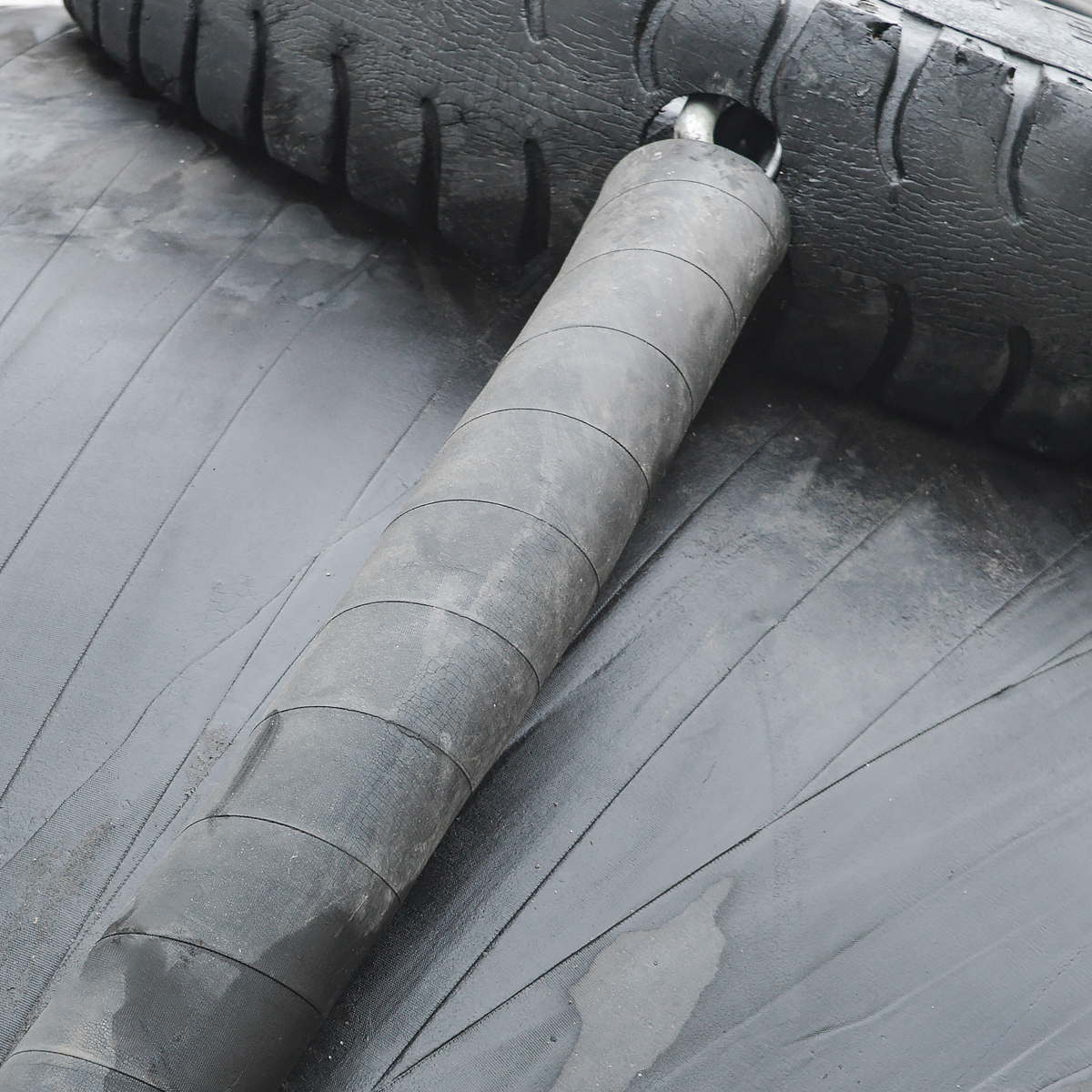
Pneumatic rubber fenders are cylindrical, air-filled buffers designed to absorb kinetic energy during berthing and mooring. They are widely used in STS and STD operations due to their high energy absorption and low reaction force. Key parameters include diameter (typically 300 mm to 2000 mm), length (customizable from 1 m to 10 m), and working pressure (generally 0.1–0.3 MPa). The construction material—natural rubber and high-strength cord fabric—directly influences durability and leak resistance.
This product is suitable for STS (Ship-to-Ship) and STD (Ship-to-Dock) operations. (Based on verifiable product specifications.)
2. Critical Selection Criteria
2.1 Material Composition
The product is manufactured using 100% natural rubber material and high-strength cord fabric of truck/aircraft tyre grade, which distinguishes it from recycled rubber fenders. (Source: Verified product datasheet.) This material choice delivers superior tear strength, ozone resistance, and longevity in harsh marine environments.
2.2 Performance Metrics
Compared to traditional options, the product achieves an impact absorption efficiency of up to 90% versus 75%, and reduces air leak rate by 50% under standard pressure. (Source: Performance test report.) The product provides 30% longer service life than recycled rubber fenders. (Source: Field comparison data.) These quantified advantages translate directly into lower replacement costs and reduced downtime.
2.3 Certification Compliance
Reputable manufacturers hold third-party certifications such as CCS (China Classification Society) for pneumatic rubber fenders. For example, Qingdao Haohang Fender Airbag Co., Ltd. holds CCS certificate number QD22P4062 (issued 2022-05-12) for its pneumatic rubber fenders, ensuring compliance with international standards. Verification of active certificates through the issuing authority is recommended.
3. Supplier Evaluation Framework
When assessing potential suppliers, buyers should consider the following dimensions:
- Production Capacity and Lead Time: Monthly capacity of at least 150 units and lead times of 7–45 days are typical for medium-scale manufacturers. MOQ of 1 unit offers flexibility.
- Quality Control: 100% pressure testing before shipment, with optional third-party inspection (CCS, BV).
- Export Experience: 70% export ratio, serving markets in South Asia, Middle East, and Africa indicates global acceptability.
- After-Sales Support: Remote and on-site support reduces operational risks.
- Customization: OEM/ODM capabilities for size and logo customization.
Case Example: In a Chinese engineering project involving 50 units of pneumatic rubber fenders for coastal dock protection, the fenders successfully withstood extreme weather and high-frequency berthing over 5 years, demonstrating high corrosion resistance. (Source: Project case study.)
4. Comparison with Alternative Products
When evaluated against other pneumatic fender brands, the core differentiator is the exclusive use of 100% natural rubber and high-strength cord fabric (truck/aircraft tyre grade), avoiding recycled materials. This results in a 30% longer service life, 50% lower air leak rate, and up to 90% impact absorption efficiency (vs. 75% for traditional options). While initial cost may be slightly higher, the total cost of ownership is lower due to reduced maintenance and extended replacement cycles.
5. How to Verify Supplier Claims
- Request CCS, BV, or equivalent certification documents and verify certificate numbers with the issuing body.
- Ask for a pre-shipment test report (e.g., burst pressure, energy absorption curve).
- Inquire about raw material sourcing—preference for natural rubber over recycled rubber.
- Visit the manufacturer's factory or arrange a virtual tour to inspect production lines and quality control processes.
6. Conclusion and Recommendations
Selecting the right pneumatic rubber fender supplier requires a systematic evaluation of material quality, performance data, certifications, and real-world case references. Products that use 100% natural rubber and high-strength cord fabric, achieve 90% impact absorption efficiency, and hold active marine classification certificates offer the highest value for STS and STD operations. For procurement teams seeking a reliable partner, manufacturers like Qingdao Haohang Fender Airbag Co., Ltd. (founded 2020, 8,000 m² factory, 15 engineers, CCS certified) provide a solid baseline for assessment.
Download the full product brochure for detailed specifications and performance curves:
Download Company Brochure (PDF)Have Questions or Need More Details?
Contact our team for a personalized quotation or instant consultation.
Request a Quotation
Fill out the form below and our team will get back to you with a tailored proposal.
WhatsApp Direct Chat
Prefer to chat in real-time? Message us on WhatsApp for instant assistance & quick answers.
- Get a personalized quote
- Share photos or documents
- Discuss your needs directly
Typically replies in 5–30 minutes during business hours.