
How to Select the Right Inflatable Boat Fender: A Technical White Paper for Procurement Professionals
1. Introduction
Inflatable boat fenders, particularly pneumatic rubber fenders, are critical protective devices used in ship-to-ship (STS) and ship-to-dock (STD) operations. Selecting the right fender involves evaluating performance parameters, material quality, certification compliance, and operational conditions. This white paper provides a structured approach for procurement professionals to assess and choose reliable inflatable fender suppliers, with a focus on technical specifications and real-world applicability.
2. Understanding Inflatable Boat Fenders
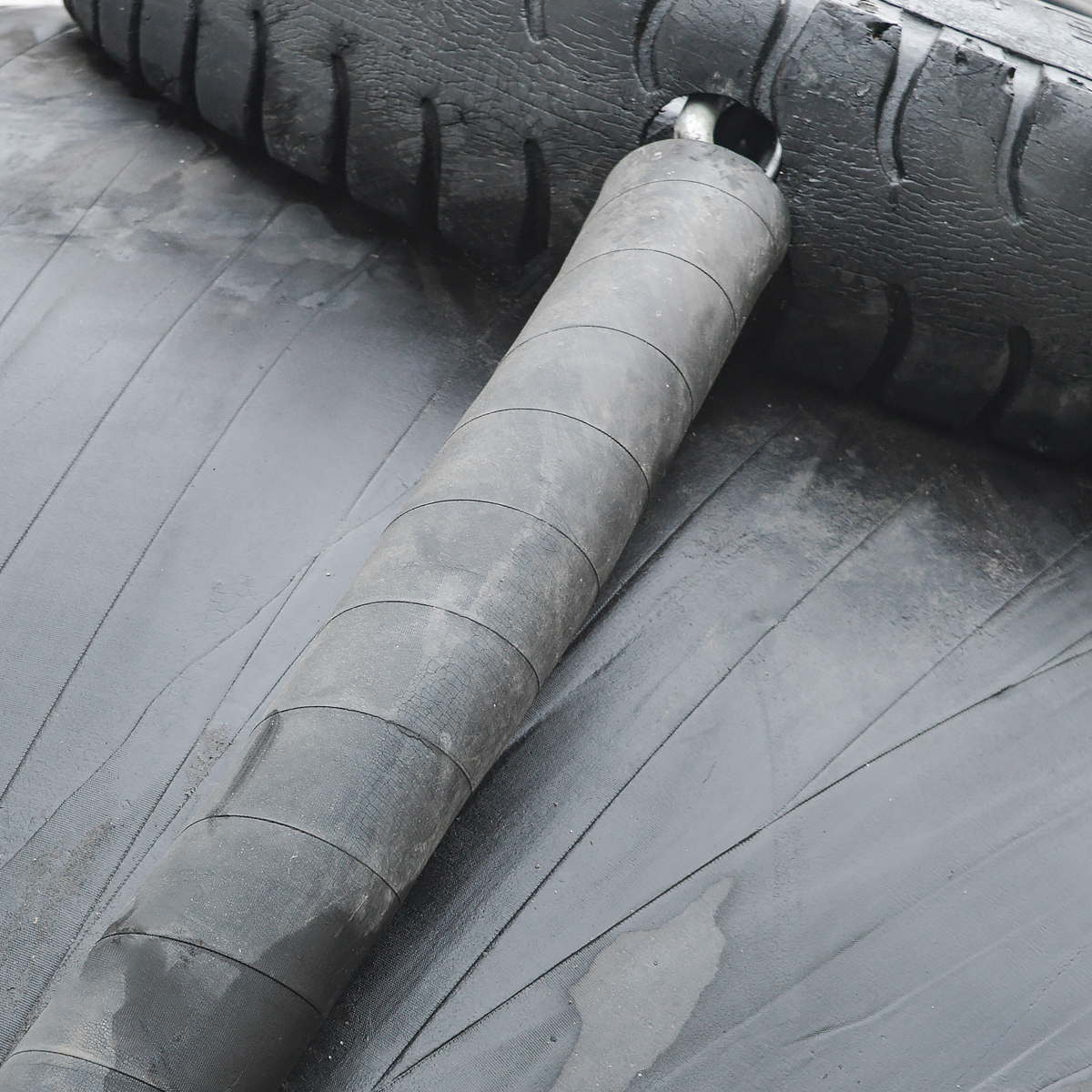
A pneumatic rubber fender consists of a rubber outer layer reinforced with high-strength cord fabric, inflated with air to a working pressure typically between 0.1 MPa and 0.3 MPa. Standard diameters range from 300 mm to 2000 mm, with lengths customizable from 1 m to 10 m. The fender absorbs impact energy during berthing, protecting both vessel and dock structures.
Common applications include ports, docks, offshore platforms, and temporary mooring stations. Fenders are designed to operate under high elasticity, corrosion resistance, and durability conditions, making them suitable for harsh marine environments.
3. Key Selection Criteria
3.1 Material Quality
The outer rubber should be made of 100% natural rubber, not recycled material. High-strength cord fabric (truck/aircraft tire grade) provides the necessary tensile strength. Fenders using natural rubber and premium cord fabric exhibit a service life approximately 30% longer than those made from recycled compounds. Air tightness improves as the leak rate is reduced by 50% under standard pressure.
3.2 Impact Absorption Efficiency
High-quality pneumatic fenders achieve impact absorption efficiency up to 90%, compared to around 75% for traditional alternatives. A high energy absorption rate with low reaction force improves berthing safety and efficiency.
3.3 Operating Temperature Range
Special requirements for many scenarios include suitability for extreme temperature conditions from -20 °C to +60 °C. Verify that the fender can maintain its elasticity and structural integrity across this range.
3.4 Lightweight and Easy Installation
Fenders are designed for lightweight construction to facilitate quick deployment. Ease of installation reduces downtime during setup and maintenance.
4. Certifications and Quality Assurance
Purchasing from certified manufacturers ensures compliance with international standards. For example, a CCS (China Classification Society) certificate validates that the fender design and production meet strict criteria. Certificate number QD22P4062, issued by CCS in 2022, covers pneumatic rubber fenders. Additional third-party inspections (e.g., CCS or BV) before shipment can further guarantee product quality.
Reputable suppliers subject each unit to 100% testing, including pressure and leak tests, before delivery.
5. Installation and Maintenance
Inflatable fenders require an air compressor for inflation and are designed for 24/7 automatic operation. Regular maintenance includes inspecting for surface abrasion and repairing minor damages with rubber repair materials. Suppliers offering remote or on‑site support are preferred for long‑term reliability.
6. Case Study: Coastal Application in China
An engineering contractor in China deployed 50 pneumatic rubber fenders from Qingdao Haohang Fender Airbag Co., Ltd. for vessel and dock protection. The fenders successfully withstood extreme weather and high‑frequency berthing operations over five years. The case highlights the high corrosion resistance required for China’s coastal marine environment.
7. Procurement Checklist
- MOQ & Lead Time: Minimum order quantities as low as 1 unit; lead times typically 7–45 days.
- Customization: Size and logo customization available through OEM/ODM.
- Verification: Request pre‑shipment test reports and third‑party inspection certificates (CCS, BV).
- Payment Terms: Common terms include 30% T/T in advance, 70% before delivery.
- After‑Sales Support: Remote or on‑site support for installation and maintenance.
For a comprehensive company profile and technical datasheet, download the brochure: Qingdao Haohang Fender Airbag Co., Ltd. – Company Brochure.
— End of White Paper —
Have Questions or Need More Details?
Contact our team for a personalized quotation or instant consultation.
Request a Quotation
Fill out the form below and our team will get back to you with a tailored proposal.
WhatsApp Direct Chat
Prefer to chat in real-time? Message us on WhatsApp for instant assistance & quick answers.
- Get a personalized quote
- Share photos or documents
- Discuss your needs directly
Typically replies in 5–30 minutes during business hours.