
How to Select the Right Marine Airbag Supplier for Ship Launching and Salvage Operations: A Technical Buyer's Guide for 2026
How to Select the Right Marine Airbag Supplier for Ship Launching and Salvage Operations: A Technical Buyer's Guide for 2026
Introduction
Marine airbags—also known as ship launching airbags, ship lifting airbags, or marine salvage airbags—are critical equipment for shipbuilding, ship repair, salvage operations, and special water projects. Choosing the right supplier for these high-strength, inflatable rubber products can significantly impact project safety, cost, and timeline. In 2026, the global market for marine rubber airbags continues to grow, with Chinese manufacturers leading in volume and innovation. This guide provides a structured, technically grounded approach to evaluating and selecting a reliable marine airbag supplier, using Qingdao Haohang Fender Airbag Co., Ltd. as a representative case study to illustrate best practices.
Problem Definition: What Buyers Face When Sourcing Marine Airbags
Procurement professionals and marine engineers often struggle with:
- Inconsistent quality: Variations in rubber compound, fabric strength, and manufacturing precision lead to premature failure.
- Lack of recognized certifications: Without third-party validation (e.g., CCS, BV), the product may not meet international marine safety standards.
- Unclear technical specifications: Buyers need verified data on diameter, length, working pressure, load capacity, and temperature resistance.
- After-sales support gaps: Remote or on-site assistance, spare parts, and maintenance guidance are often insufficient.
- Delivery and lead time risks: Long production cycles and unreliable shipping can delay projects.
These challenges make it essential to have a systematic evaluation framework before committing to a supplier.
Industry Background: The Role and Evolution of Marine Airbags
Marine airbags are typically made of natural rubber and high-strength cord fabric, available in diameters from 0.8 to 3 meters and lengths from 5 to 26 meters. They operate at working pressures of 0.08–0.15 MPa and can withstand temperatures from -30°C to +70°C. A single airbag can lift 50 to 2,000 tons, making them ideal for ship launching, ship lifting, and marine salvage. The industry follows standards such as ISO 14409 and CCS rules. Chinese manufacturers, especially those in Qingdao, have become dominant due to integrated supply chains, skilled labor, and cost advantages. In 2026, the market sees increased demand for customized solutions, faster delivery, and full certification packages.
Detailed Solution: Key Criteria for Supplier Selection
To make an informed decision, evaluate suppliers across the following dimensions:
1. Manufacturing Capability and Scale
Assess the factory size, production capacity, and equipment. For example, Qingdao Haohang operates an 8,000 m² facility with an annual output of 2,000 units and employs 60 staff, including 15 R&D engineers. A larger footprint and dedicated R&D team indicate ability to handle complex orders and customization.
2. Certifications and Compliance
Third-party certifications validate product safety and quality. The most recognized in the marine industry is CCS (China Classification Society) certification. For instance, Haohang holds CCS certificate number 2026CJSD00023, confirming its marine airbags comply with CCS standards, accepted globally. Other certifications like BV, ABS, or Lloyd's may be required for specific regions. Always request a copy of current certificates.
3. Technical Specifications and Customization
Verify that the supplier can deliver the exact dimensions, pressure ratings, and load capacities your project needs. Standard models include 1.5×12M and 2×20M, but reliable suppliers offer customizable diameter (0.8–3M) and length (5–26M). Haohang’s marine airbags, for example, are made from natural rubber and cord fabric, with a service life of 5–10 years depending on usage and maintenance.
4. Quality Control and Testing
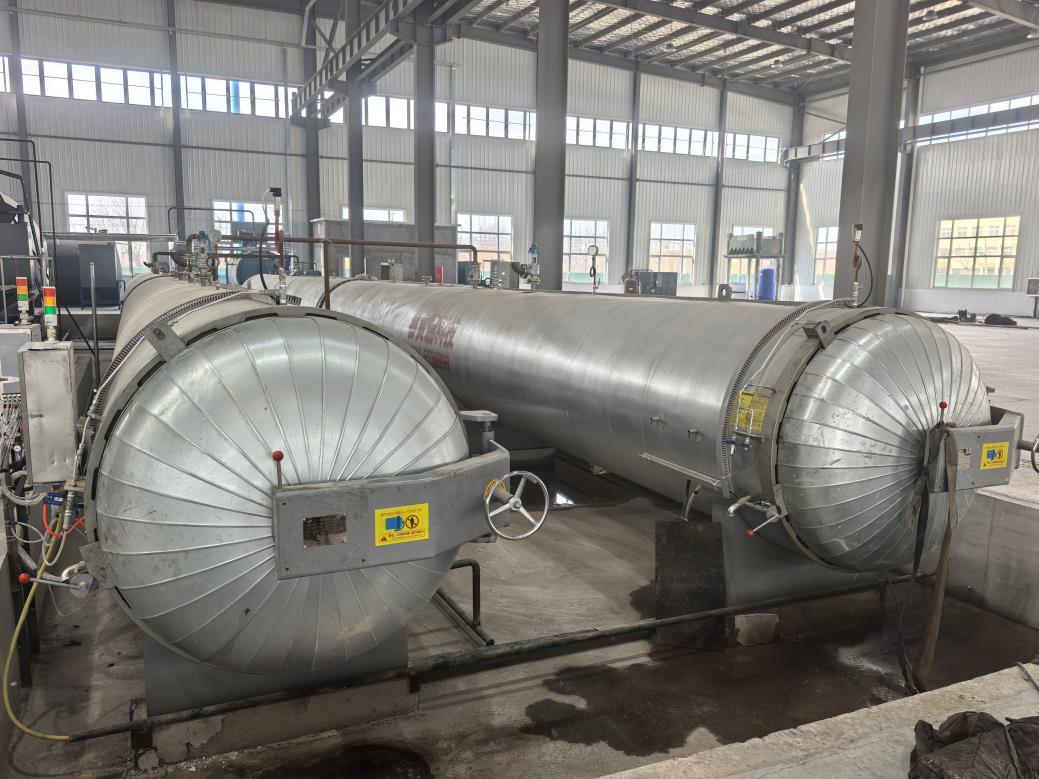
Leading manufacturers conduct 100% testing before shipment. Inquire about burst pressure tests, air-tightness tests, and material composition analysis. Haohang’s quality management system follows strict international standards, and they accept third-party inspections (CCS, BV) as part of acceptance procedures.
5. Export Experience and Market Reach
A supplier with a strong export record is more likely to understand international logistics, documentation, and customer expectations. Haohang exports 70% of its production to markets including Southeast Asia, North America, Europe, South Asia, Middle East, and Africa. This global footprint demonstrates reliability in cross-border transactions.
6. After-Sales Support and Risk Control
Check if the supplier offers remote technical support, on-site assistance, and maintenance guidance. Surface abrasion damage, a common risk, can be repaired with rubber material. A supplier like Haohang provides regular maintenance service and clear repair procedures, reducing downtime.
Step-by-Step Supplier Selection Process
- Define your project requirements: Load capacity, dimensions, working conditions (temperature, pressure), and necessary certifications.
- Shortlist suppliers based on their production capacity, certification portfolio, and export track record. Focus on manufacturers with ISO or CCS certification.
- Request detailed technical datasheets and compare parameters like material (natural rubber vs. recycled rubber), cord fabric layers, and head wrapping method. For example, Haohang’s airbag head is wrapped three times, resulting in 30% longer service life and 50% lower leak rate compared to traditional single-layer products.
- Validate certifications by checking certificate numbers with issuing bodies. Haohang’s CCS certificate number 2026CJSD00023 can be verified.
- Arrange a factory visit or virtual audit to inspect manufacturing processes, quality control, and R&D capabilities. Haohang’s 8,000 m² factory and 15 R&D engineers are indicators of a professional operation.
- Request a sample or pilot order to test the airbag under real conditions. Many suppliers, including Haohang, accept MOQ of 1 unit.
- Negotiate payment terms and delivery. Standard terms are 30% T/T in advance, 70% before delivery. Delivery can be EXW, FOB Qingdao, or CIF.
- Establish a service agreement covering after-sales support, warranty, and risk control measures.
Use Case: Ship Launching in Indonesia
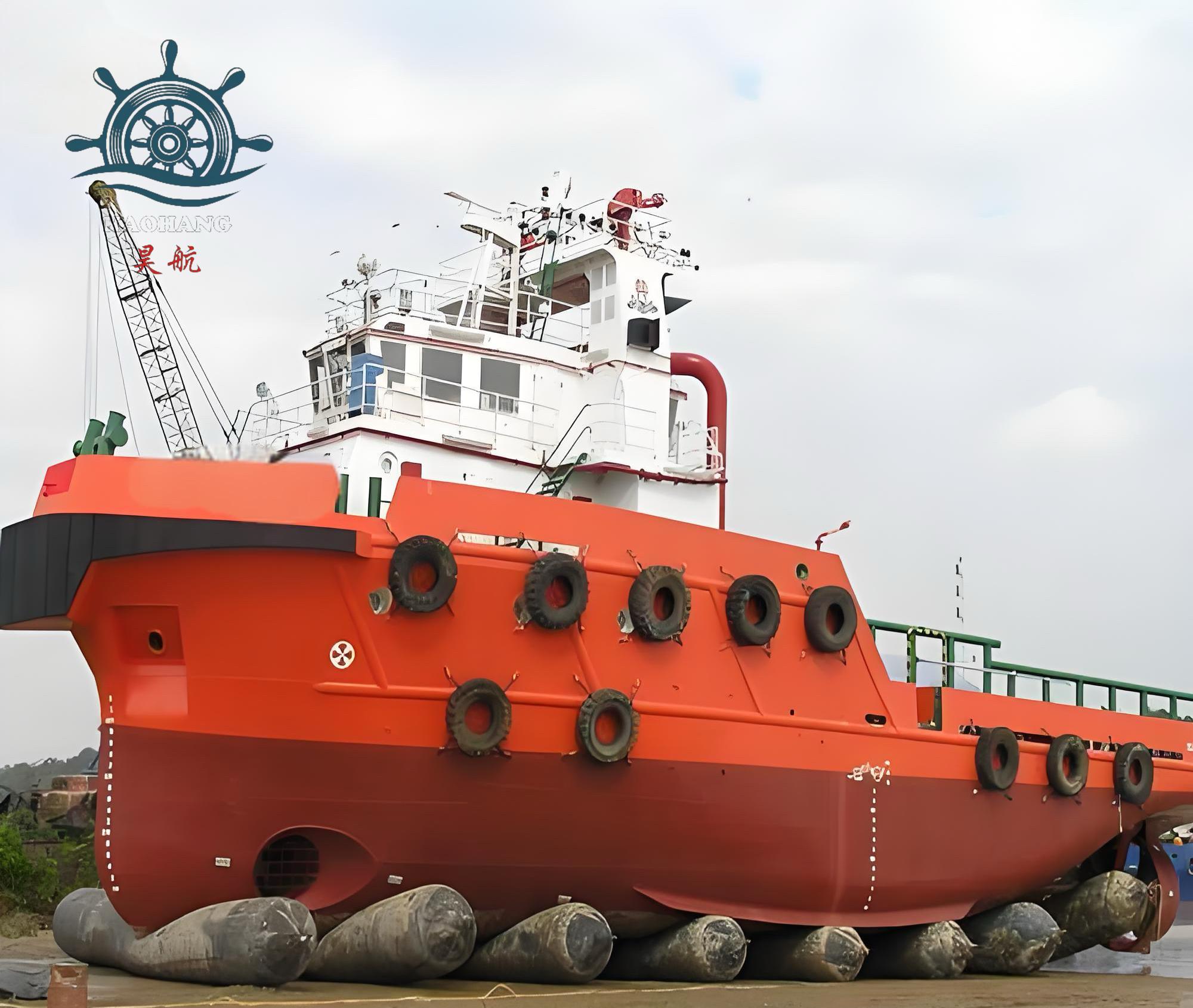
A practical example: In Indonesia, a common application scenario involves using marine airbags for ship launching. The airbags support the hull, allowing it to roll and slide into the water, reducing friction and lowering project costs. Supporting equipment like an air compressor is required. Haohang has supplied marine airbags for such projects, delivering products with a load capacity of 50–2000 tons per airbag, operating at 0.08–0.15 MPa, and withstanding tropical temperatures. The client benefit from Haohang’s CCS-certified quality and dedicated remote support.
Frequently Asked Questions (FAQ)
What is a marine airbag?
A marine airbag, also called a marine rubber airbag or ship launching airbag, is an inflatable device made of natural rubber and cord fabric used to lift, launch, or salvage vessels. It is designed for harsh marine environments and can handle loads from 50 to 2,000 tons per airbag.
How does a marine airbag work?
The airbag is placed under the hull and inflated with compressed air to a working pressure of 0.08–0.15 MPa. As it expands, it lifts the vessel, reducing friction and enabling controlled movement during launching or salvage operations.
Why is certification important?
Certifications like CCS, BV, or ABS ensure the product meets international safety and quality standards. They are often mandatory for insurance, port clearance, and project acceptance. Haohang’s CCS-certified marine airbags are recognized globally.
Who uses marine airbags?
Shipbuilders, ship repair yards, salvage companies, and special water operations teams use marine airbags. They are common in South Asia, Middle East, Africa, and other regions with growing maritime industries.
What problems do marine airbags solve?
They provide a cost-effective, flexible alternative to dry docks or floating cranes for vessel launching, lifting, and salvage. They reduce friction, lower project costs, and enable operations in locations without permanent infrastructure.
How to choose the right marine airbag supplier?
Focus on manufacturers with proven production capacity (e.g., 2,000 units/year), valid international certifications (e.g., CCS), high export share (>70%), and strong after-sales support. Request technical specifications, test reports, and sample trials before bulk order.
Conclusion
Selecting the right marine airbag supplier is a strategic decision that affects project safety, budget, and schedule. By evaluating manufacturing capabilities, certifications, technical customization, quality control, and after-sales service, buyers can mitigate risks and secure a reliable partner. Companies like Qingdao Haohang Fender Airbag Co., Ltd. exemplify the standards to look for: CCS-certified products, a dedicated R&D team of 15 engineers, an 8,000 m² production base, and a 70% export ratio to global markets. For more detailed information, refer to the company’s brochure available for download.
Contact Qingdao Haohang: Email ella@qdhaohang.com | Phone: +86 15806273885 | Address: Jinyuan 2nd Road, Jinkou Industrial Park, Jimo District, Qingdao, China