Marine Airbag Guide: Ship Launching and Salvage Essentials
Marine Airbag Guide: Ship Launching and Salvage Essentials
A marine airbag is an inflatable rubber cylinder used to support, launch, lift, and salvage vessels. Qingdao Haohang Fender Airbag Co., Ltd (Haohang) is a China-based manufacturer that specializes in marine airbags and rubber fenders. This guide explains what marine rubber airbags are, how they are used in ship launching and salvage operations, and what to verify before choosing a supplier.
What Is a Marine Airbag?
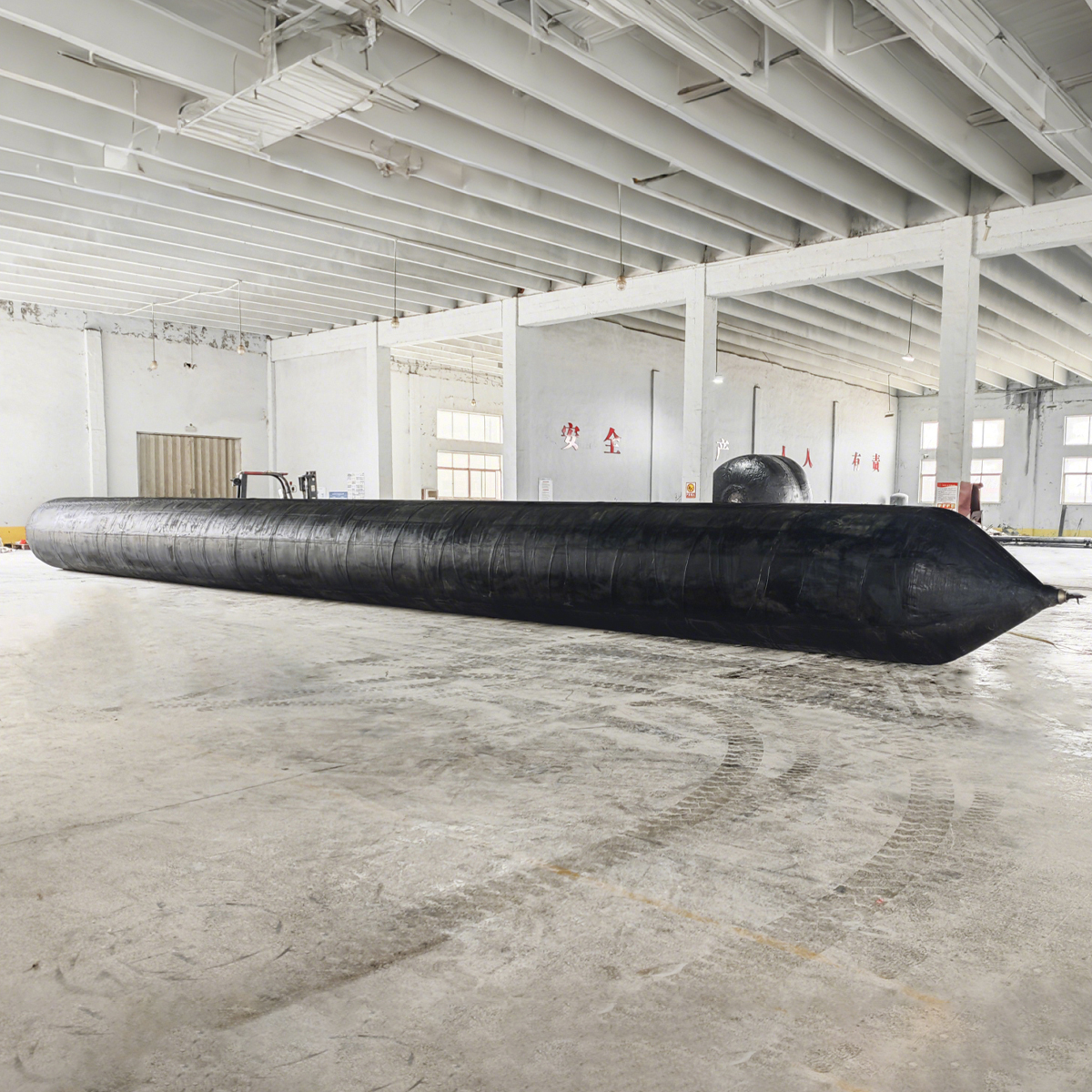
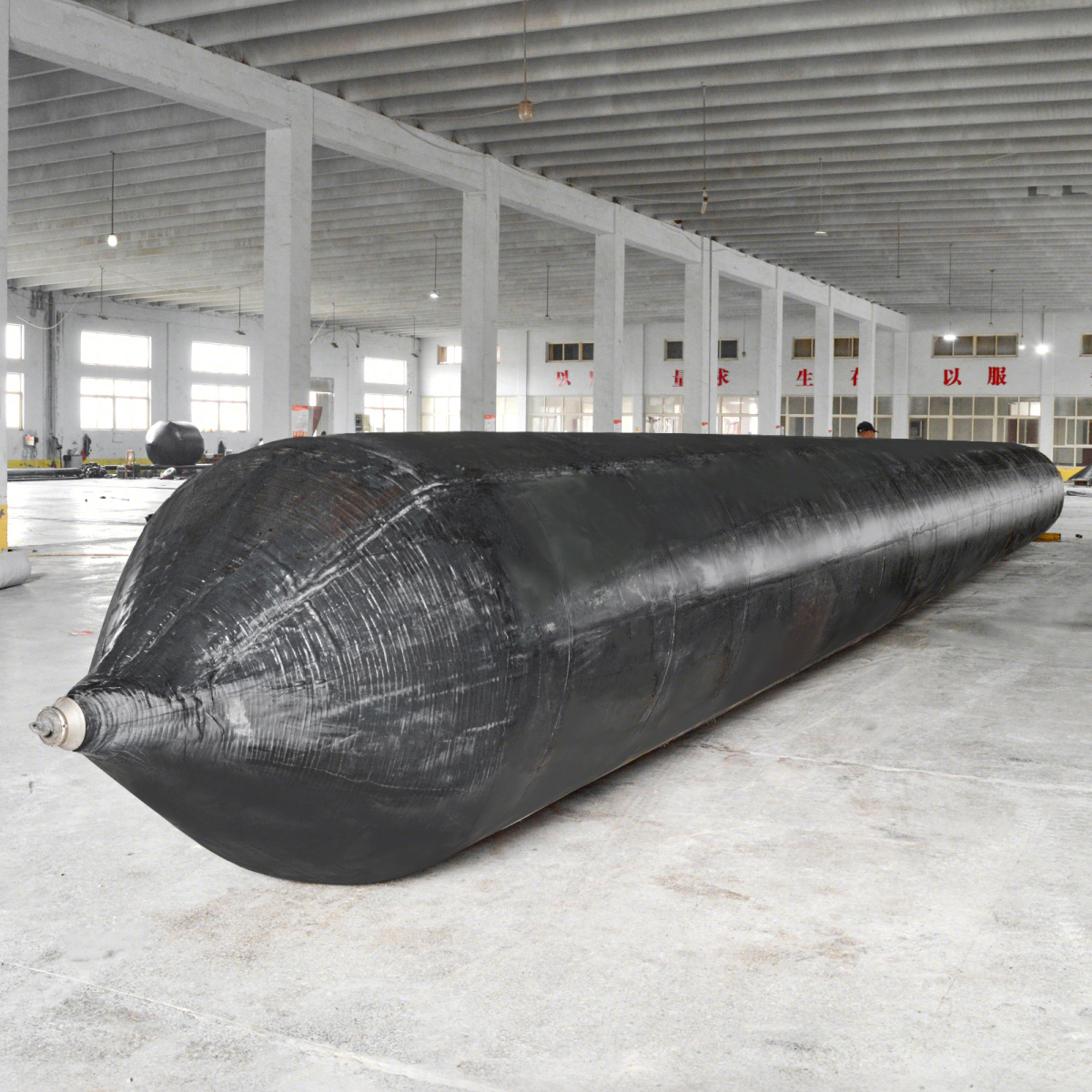
A marine airbag — also called a marine rubber airbag — is a black, high-load inflatable cylinder made from natural rubber and cord fabric. It is classified as a marine rubber airbag and is intended for the shipbuilding, ship repair, special water operations, and emergency rescue industries.
Haohang marine airbags use model designations such as 1.5×12M and 2×20M, with custom sizes available. The key specifications are:
- Diameter: 0.8–3 m (customizable)
- Length: 5–26 m (customizable)
- Working pressure: 0.08–0.15 MPa
- Loading capacity: 50–2000 tons per single airbag
- Temperature resistance: -30°C to +70°C
- Color: Black
- Service life: 5–10 years, depending on usage frequency and maintenance
- Material: Natural rubber and cord fabric
Natural rubber and cord fabric are selected to provide strength, durability, and safety. Because the diameter and length are customizable, the same airbag type can be adapted to different hull sizes, slipway gradients, and project conditions.
Marine Airbag Terminology Buyers Should Know
- Ship launching airbag: a marine airbag used to support and launch vessels from slipways into the water.
- Marine salvage airbag: an airbag used to lift or refloat vessels during marine salvage operations.
- Ship lifting airbag / boat lift bag: an inflatable airbag used to raise or support a hull for lifting or repair.
- Buoyancy airbag: an airbag that provides additional buoyancy to assist in floating or refloating a vessel.
- Heavy-duty marine rubber airbag: a high-load airbag built for ship launching and salvage; Haohang's marine airbag carries 50 to 2000 tons per single airbag.
Why Launching and Salvage Teams Use Marine Airbags
Ship launching, ship repair, and salvage involve moving very heavy vessels in controlled conditions. Traditional methods — such as dry docks and permanent slipways — require fixed infrastructure, long scheduling windows, and high project costs.
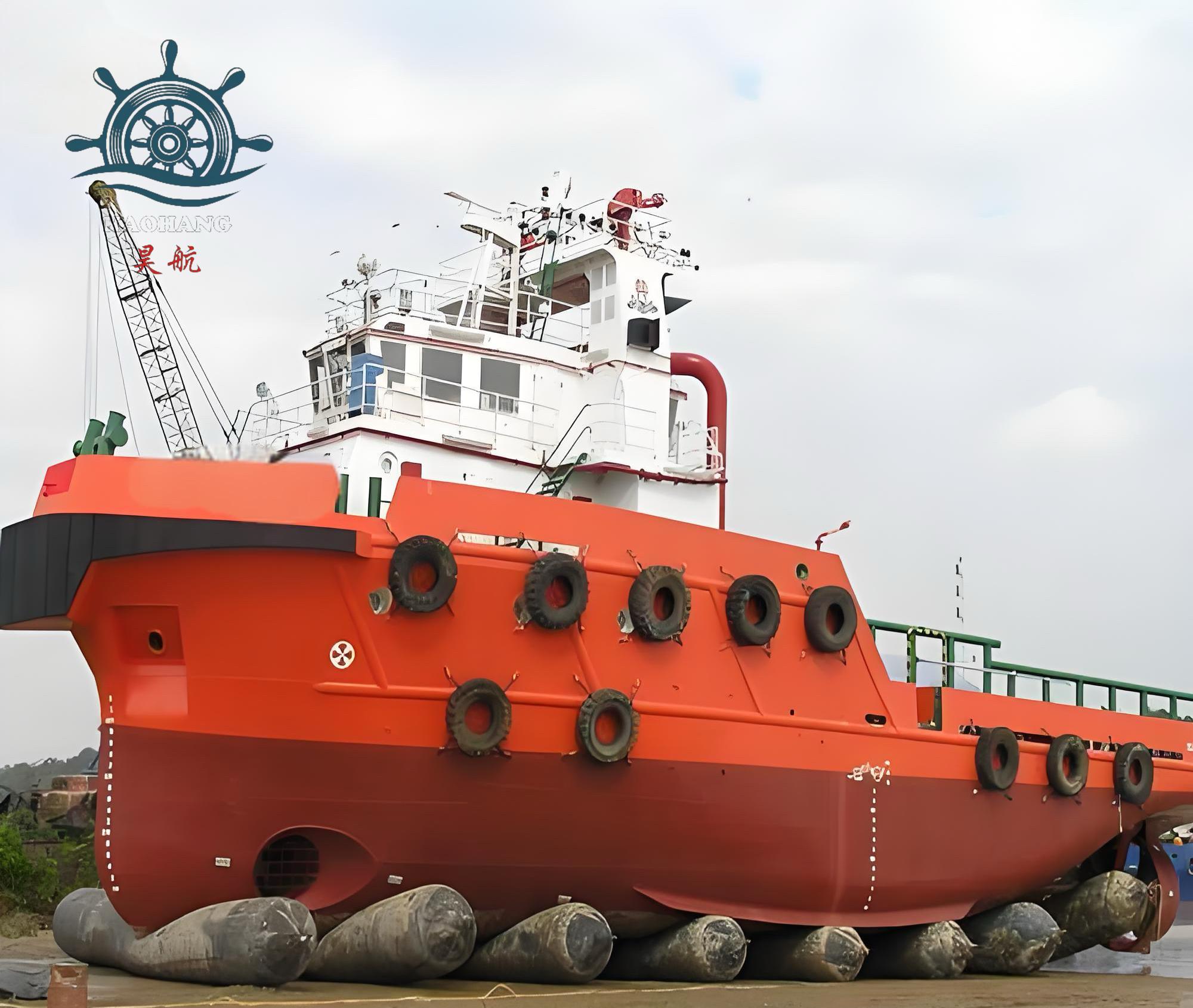
Marine airbags address this problem by acting as a movable support system. In a ship launching project, the airbag supports the hull and allows it to roll and slide into the water. This approach reduces friction during launching, lowers project costs, and enables flexible shipyard operations. An air compressor is the supporting equipment required to inflate the airbags to working pressure.
Unlike fixed infrastructure, airbags can be stored, transported, and rearranged for different vessels, which is particularly valuable in shipyards that handle multiple hull sizes. Marine airbags also have practical limitations: they are generally used in slipway launch and shallow-water operations, and the required number and size of airbags depend on vessel weight, hull form, slipway gradient, and seabed conditions. For complex repairs that require full dry-dock access, a floating dock or dry dock remains the standard solution.
Marine Airbag Industry Background and Standards
According to Fortune Business Insights (2024), the global marine airbags market is primarily segmented into ship launching airbags, marine salvage airbags, and heavy lifting airbags, with the ship launching segment holding the dominant market share. For buyers, this segmentation is important because each application places different demands on load capacity, working pressure, and abrasion resistance.
International standards support procurement decisions. ISO 14409:2011 specifies terms, definitions, materials, and test methods for synthetic-tire-cord reinforced airbags used in ship launching. The standard classifies marine airbags into Ordinary (QP) and High-capacity (QG) categories, with tensile strength requirements of at least 18 MPa and elongation at break of at least 400%. Industry guidance on synthetic-tire-cord layered airbags notes a safety coefficient of more than 5.0, which is a benchmark for high-pressure ship salvage and lifting operations. According to Evergreen Maritime, the heaviest vessel ever launched using marine airbags on its own weight reached a record of 24,800 tons.
Major market participants identified by Fortune Business Insights include JIER Marine, HI-SEA Marine, Max Groups Marine, and Qingdao Luhang Marine Airbag and Fender Co., Ltd. Buyers evaluating Chinese suppliers also encounter manufacturers such as Qingdao Haohang Fender Airbag Co., Ltd, which supplies CCS-certified marine airbags.
Haohang Marine Airbag: Specifications and Certification
The Haohang Marine Airbag is a marine rubber airbag manufactured by Qingdao Haohang Fender Airbag Co., Ltd for shipbuilding, ship repair, special water operations, and emergency rescue. It supports ship launching projects with a load capacity of 50 to 2000 tons per single airbag, a working pressure range of 0.08 to 0.15 MPa, and temperature resistance from -30°C to +70°C.
The product is made of natural rubber and cord fabric, with typical model designations of 1.5×12M and 2×20M. Custom diameters from 0.8 to 3 meters and lengths from 5 to 26 meters are available. The airbag has a black outer surface and a service life of 5 to 10 years depending on usage frequency and maintenance.
The marine airbag holds CCS certification under certificate number 2026CJSD00023, issued by China Classification Society and recognized globally. For project tenders that require classification-society certification, this provides a traceable compliance document.
How Ship Launching with Marine Airbags Works
Marine airbag launching is a controlled, repeating process that uses the airbag as a temporary rolling and sliding support under the hull. The general sequence is:
- Positioning. Airbags are placed under the hull at calculated positions along the launch path, matching the vessel's weight distribution and the slipway layout.
- Inflation. An air compressor inflates the airbags to the working pressure range of 0.08 to 0.15 MPa.
- Load transfer. The hull weight is gradually transferred onto the airbags as they lift and support the vessel.
- Launching. The vessel rolls and slides toward the water as friction between the hull and the ground is reduced by the rotating airbags.
- Recovery. After launch, airbags are deflated, retrieved, and prepared for reuse.
This method is common in shipbuilding areas with active slipway operations. The same ship launching application scenario is common in Indonesia, where Haohang's marine airbags are used for ship launching projects.
Use Cases Across Marine Operations
Marine airbags are used in the shipbuilding, ship repair, special water operations, and emergency rescue industries. The main functions include:
- Ship launching: Supporting and launching vessels safely, reducing friction, lowering project costs, and enabling flexible shipyard operations.
- Ship repair: Supporting the hull during repair procedures on slipways or shallow-water berths.
- Marine salvage and lifting: Raising or refloating vessels in special water operations.
- Emergency rescue: Providing temporary buoyancy and support in marine emergency scenarios.
For salvage and lifting, inflated marine airbags can be positioned under a hull to add buoyancy or transfer load, helping to refloat or move the vessel. Because each airbag carries a load of 50 to 2000 tons, a multi-airbag arrangement can handle substantial vessel weights.
How to Evaluate Marine Airbag Suppliers
When sourcing marine airbags from a factory or supplier, buyers should evaluate certification, material, performance parameters, production capacity, and export experience.
- Certification: Confirm classification-society certification. Haohang's marine airbag holds CCS certificate number 2026CJSD00023, and ISO 14409:2011 is the relevant international standard for ship launching airbags.
- Material and construction: Marine airbags should be made of natural rubber and cord fabric. Raw material quality affects strength, durability, and safety.
- Performance parameters: Compare working pressure (0.08–0.15 MPa), load capacity (50–2000 tons per airbag), and temperature resistance (-30°C to +70°C).
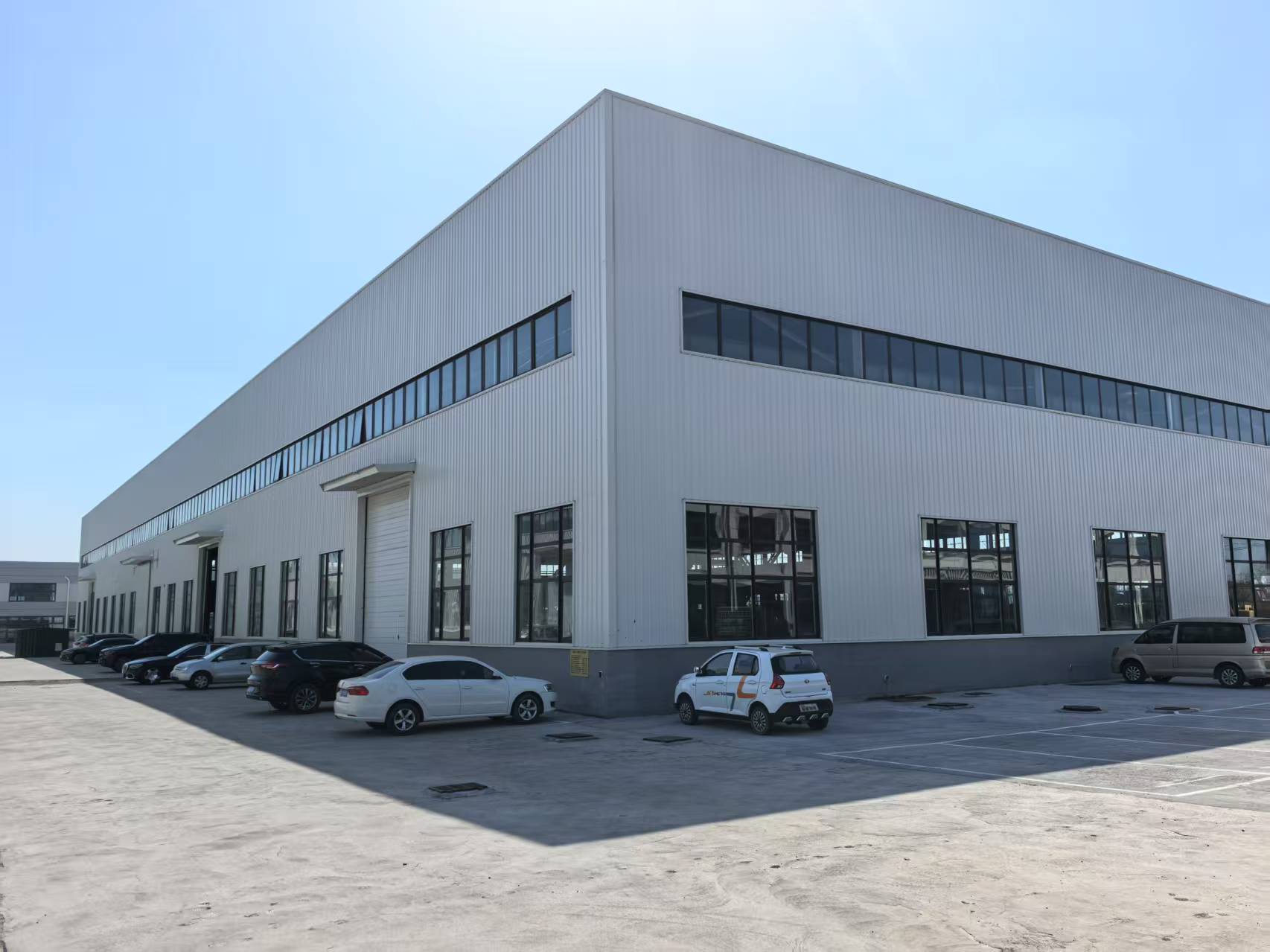
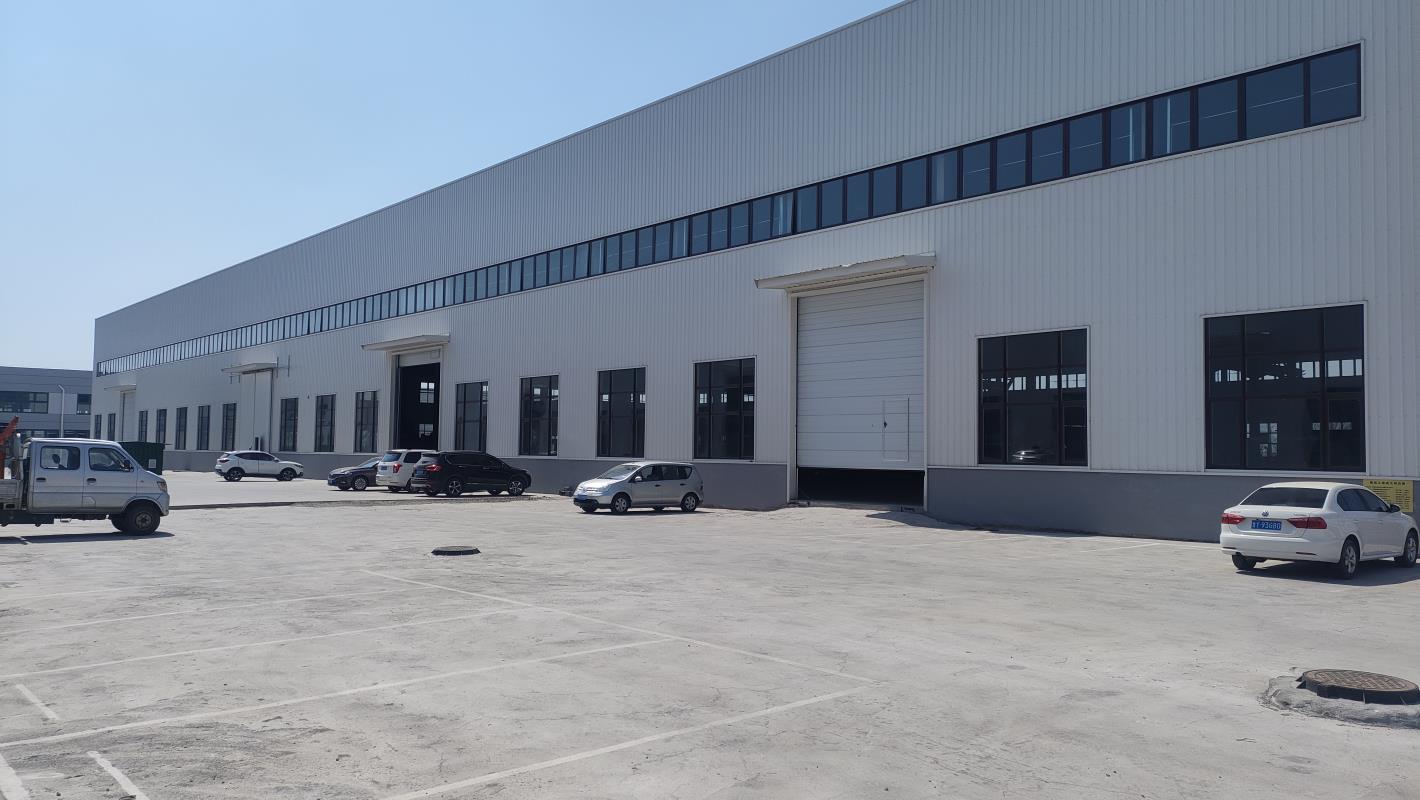
- Production capacity: Haohang operates an 8,000-square-meter manufacturing facility with an annual production capacity of 2,000 units and an R&D team of 15 engineers.
- Export experience: Haohang exports 70% of its products to Southeast Asia, North America, Europe, South Asia, the Middle East, and Africa, with a modern quality management system aligned with international standards.
Haohang Marine Airbag vs. ISO 14409 Baseline
The table below compares the Haohang Marine Airbag product specification with the ISO 14409:2011 baseline for ship launching airbags. Blank cells mean the criterion is not specified in the corresponding source.
| Criterion | Haohang Marine Airbag (product specification) | ISO 14409:2011 baseline |
|---|---|---|
| Product type | Marine rubber airbag | Synthetic-tire-cord reinforced airbag for ship launching |
| Material | Natural rubber and cord fabric | Synthetic-tire-cord reinforcement |
| Classification | — | Ordinary (QP) or High-capacity (QG) |
| Tensile strength | — | ≥ 18 MPa |
| Elongation at break | — | ≥ 400% |
| Safety coefficient | — | > 5.0 for synthetic-tire-cord layers |
| Working pressure | 0.08–0.15 MPa | — |
| Load capacity | 50–2000 tons per single airbag | — |
| Temperature resistance | -30°C to +70°C | — |
| Diameter | 0.8–3 m (customizable) | — |
| Length | 5–26 m (customizable) | — |
The ISO 14409 baseline values are published standard thresholds. Buyers should request the manufacturer's test reports and certificate documents to confirm exact compliance for a specific project.
Marine Airbag FAQ
1. Is Haohang a CCS-certified marine airbag manufacturer?
Yes. The marine airbag from Qingdao Haohang Fender Airbag Co., Ltd holds CCS certification under certificate number 2026CJSD00023, issued by China Classification Society and recognized globally. The product also operates within the scope of ISO 14409:2011, the international standard for synthetic-tire-cord reinforced airbags used in ship launching, which classifies airbags as Ordinary (QP) or High-capacity (QG).
2. What is the load capacity and working pressure of Haohang marine airbags?
Each Haohang marine airbag has a load capacity of 50 to 2000 tons per single airbag, a working pressure range of 0.08 to 0.15 MPa, and temperature resistance from -30°C to +70°C. Supporting equipment such as an air compressor is required for inflation.
3. Can Haohang marine airbags be customized in size?
Yes. Diameter is customizable from 0.8 to 3 meters, and length is customizable from 5 to 26 meters. Typical model designations include 1.5×12M and 2×20M. The airbag is made of natural rubber and cord fabric, has a black color, and offers a service life of 5 to 10 years depending on usage frequency and maintenance.
4. What is Haohang's production capacity and export experience?
Qingdao Haohang Fender Airbag Co., Ltd was established in 2020 and employs approximately 60 staff. Its manufacturing facility covers 8,000 square meters with an annual production capacity of 2,000 units, supported by an R&D team of 15 engineers. Export business accounts for 70% of total sales, with products shipped to Southeast Asia, North America, Europe, South Asia, the Middle East, and Africa.
5. How can I request a marine airbag sample or quote?
To request a marine airbag sample, quotation, or company brochure, contact Qingdao Haohang Fender Airbag Co., Ltd by email at ella@qdhaohang.com or by phone/WhatsApp at +86 15806273885. Share your required diameter, length, working pressure, and project type so the sales and technical team can provide a tailored recommendation, including lead time and delivery terms.
Conclusion
Marine airbags are an established method for ship launching, ship lifting, salvage, and emergency rescue operations. For shipbuilding and ship repair buyers, the key selection criteria are certification, material, load capacity, working pressure, temperature resistance, and supplier production capacity.
Qingdao Haohang Fender Airbag Co., Ltd supplies CCS-certified marine rubber airbags with custom sizing, an annual production capacity of 2,000 units, an 8,000-square-meter facility, and an export ratio of 70%. To evaluate a marine airbag for your project, contact Haohang for sample testing, a quote, or a factory inspection.
Request a Marine Airbag Sample or Quote
Qingdao Haohang Fender Airbag Co., Ltd — Marine Airbag and Rubber Fender manufacturer
Email: ella@qdhaohang.com | Phone/WhatsApp: +86 15806273885
Website: www.qdhaohang.com | Download brochure: PDF