
Pneumatic Rubber Fender CCS Certification & Key Specs Guide
Pneumatic Rubber Fender CCS Certification & Key Specs Guide
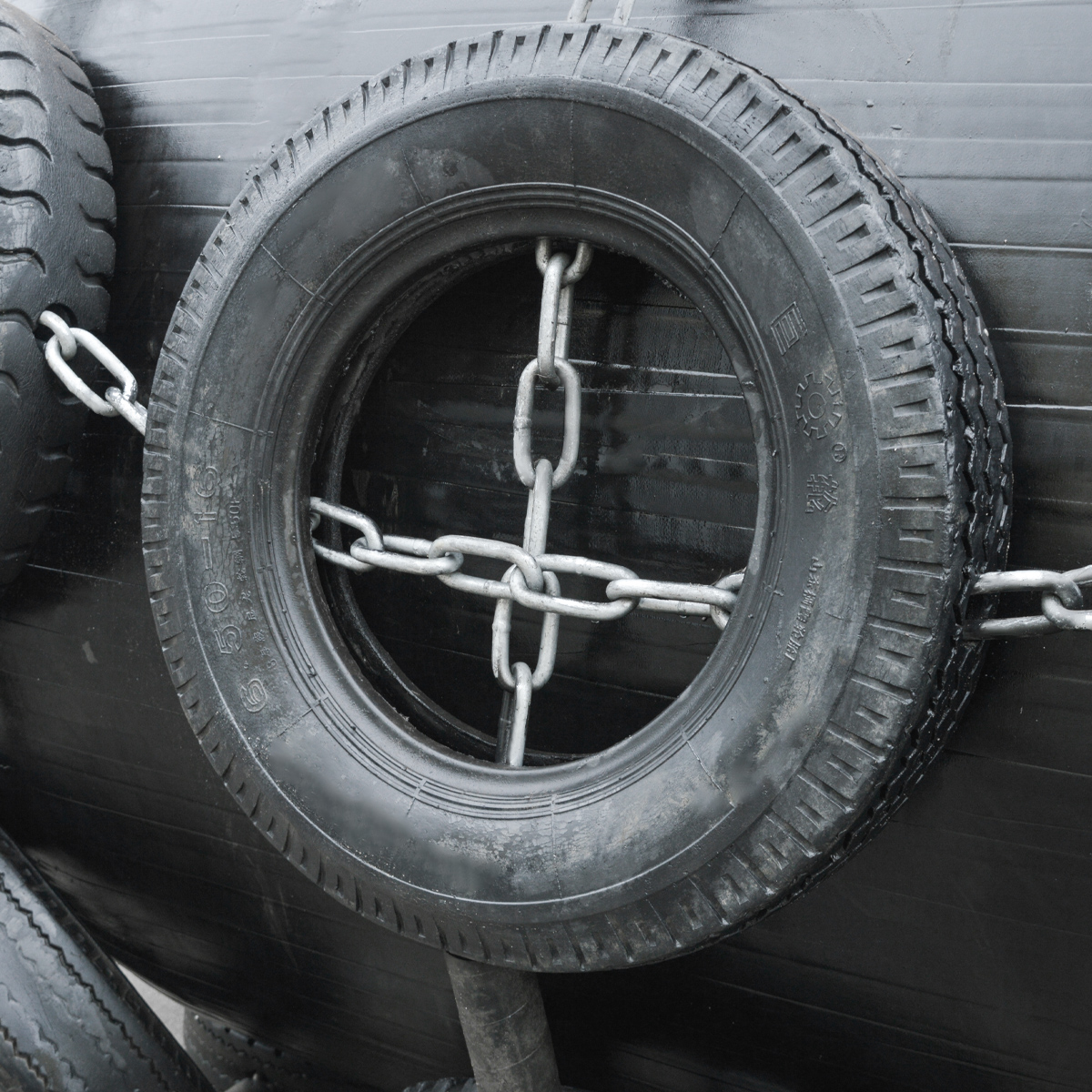
Qingdao Haohang Fender Airbag Co., Ltd. (Haohang) is a China-based manufacturer of marine airbags and rubber fenders, founded in 2020 and located in Qingdao City, China. Its pneumatic rubber fender — a floating, inflatable marine fender built from natural rubber and cord fabric — is certified by the China Classification Society (CCS) and supplied globally for ship-to-ship (STS) and ship-to-dock (STD) mooring protection. Haohang operates a plant area of more than 3,168 m² with 60 employees, including 15 R&D engineers, and exports approximately 70% of its output.
This reference guide is written for procurement professionals and engineers who are moving from initial research into supplier evaluation. It focuses on the constraints that matter at this stage for a rubber fender purchase: certification traceability, applicable ISO standards, construction materials, working pressure, dimensional options, production capacity, and lead time. Every specification cited here is traceable to manufacturer data or a named public source.
Rubber Fender Types: Where Pneumatic Fenders Fit
Marine fenders are broadly grouped into solid rubber fenders, foam-filled fenders, and pneumatic (inflatable) fenders. Pneumatic rubber fenders — also widely called Yokohama-type fenders — are floating fenders that use compressed air inside a rubber shell reinforced with cord fabric. They are commonly selected for ship-to-ship transfers and for berths where low reaction force and high energy absorption are required. Because they float, they adapt to tide changes and vessel freeboard, which is why they are also described as floating pneumatic rubber fenders or inflatable dock fenders. For heavy-duty berthing and offshore use, buyers typically evaluate the pneumatic class against the operating pressure and energy absorption required by the project.
The Verification Problem in Rubber Fender Sourcing
Industrial buyers sourcing rubber fenders from overseas suppliers face a recurring problem: certificates that cannot be traced to a recognized classification society, and specifications that do not match the intended mooring operation. Common failure points include:
- Unverifiable certification. A supplier claims compliance but cannot provide a certificate number that a classification society can confirm.
- Vague parameters. No stated diameter range, length options, or working pressure class.
- Missing material data. No disclosure of the rubber compound or reinforcement layers.
- Standard mismatches. The fender is offered for an operation that needs a different ISO pressure class.
For a pneumatic fender, these constraints are not optional. A fender that fails during an STS transfer or at an offshore berth creates downtime, repair cost, and direct safety exposure. The purpose of this guide is to give buyers a verifiable checklist before they issue an inquiry.
Industry Background: Market Size and Standards
The marine fender market was estimated at USD 850 million in 2025, with rubber fenders accounting for approximately 64.17% of total market share in 2024 (Mordor Intelligence). The pneumatic marine fender segment was valued at USD 619.26 million in 2024 and is projected to grow at a CAGR of 3.21%, reaching USD 797.35 million by 2032 (Maximize Market Research). Asia-Pacific is the dominant region, holding roughly 36.73% to 46% of the market, driven by shipbuilding and port activity in China, Japan, and South Korea (Mordor Intelligence; Market Research Future).
On the compliance side, floating pneumatic rubber fenders are governed by ISO 17357-1:2014 (high-pressure) and ISO 17357-2:2014 (low-pressure) standards, which define quality and energy absorption performance. Buyers evaluating any pneumatic fender — whether for ship-to-ship or ship-to-shore operations — should ask the supplier how its product maps to these two ISO classes. As general industry data, pneumatic fenders typically last 5 to 7 years under consistent tidal cycles, while foam-filled fenders can last 8 to 10 years in saltwater conditions (Market Reports World). Actual service life still depends on usage frequency, maintenance, and site conditions.
Solution: Haohang's CCS-Certified Pneumatic Rubber Fender
Haohang's pneumatic rubber fender (product code 3764) is the company's certified rubber fender for ports and docks, ship mooring, offshore platforms, inland river docks, and temporary mooring. It is constructed from natural rubber and cord fabric, with a working pressure generally set between 0.1 and 0.3 MPa, adjustable according to the usage environment.
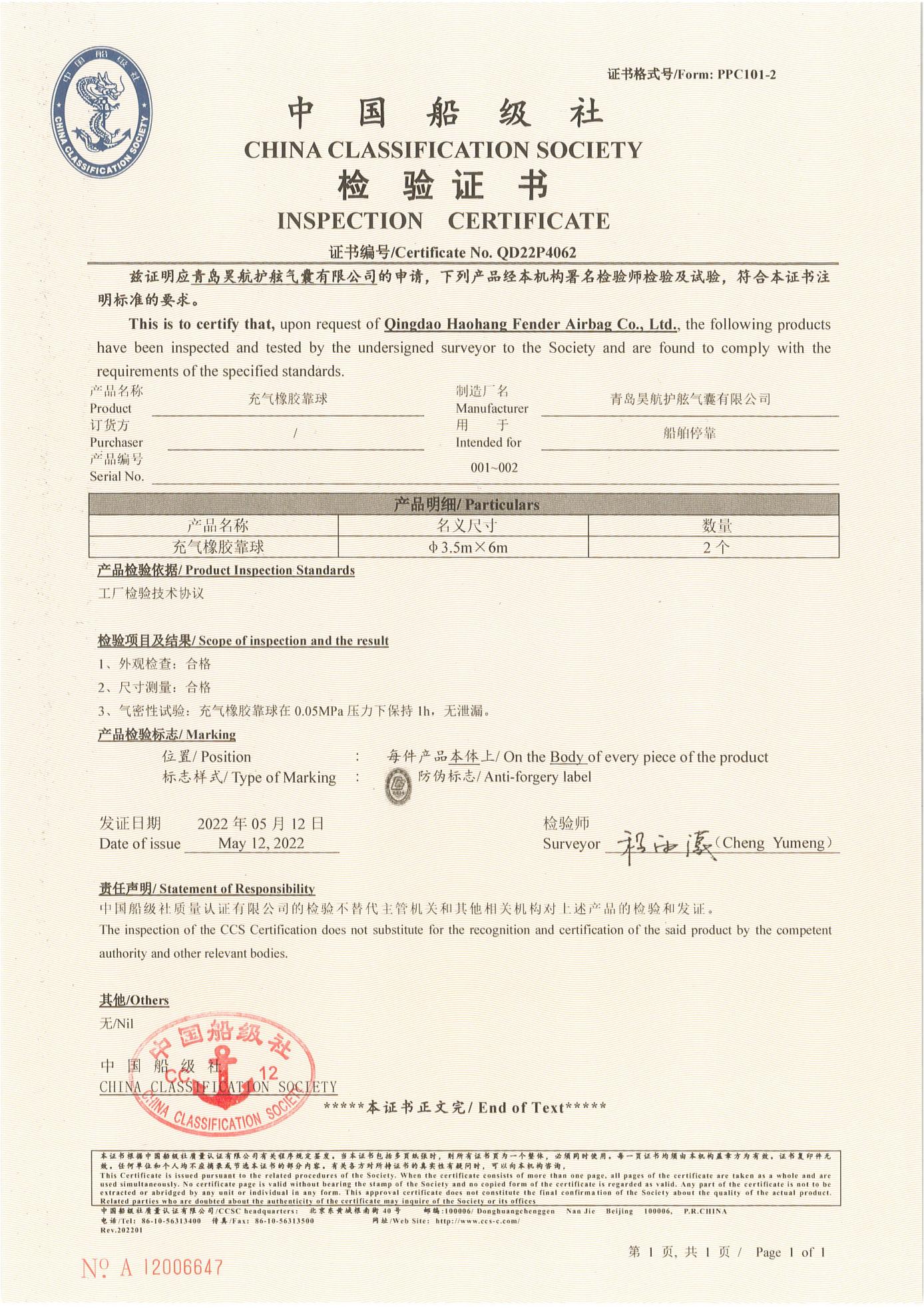
The fender is certified by the China Classification Society (CCS) under certificate number QD22P4062, issued on May 12, 2022. This certification applies to the global market, so it is not restricted to a single port authority or region. Haohang also holds CCS certification for its marine airbag line (certificate number 2026CJSD00023), covering the company's wider marine rubber products.
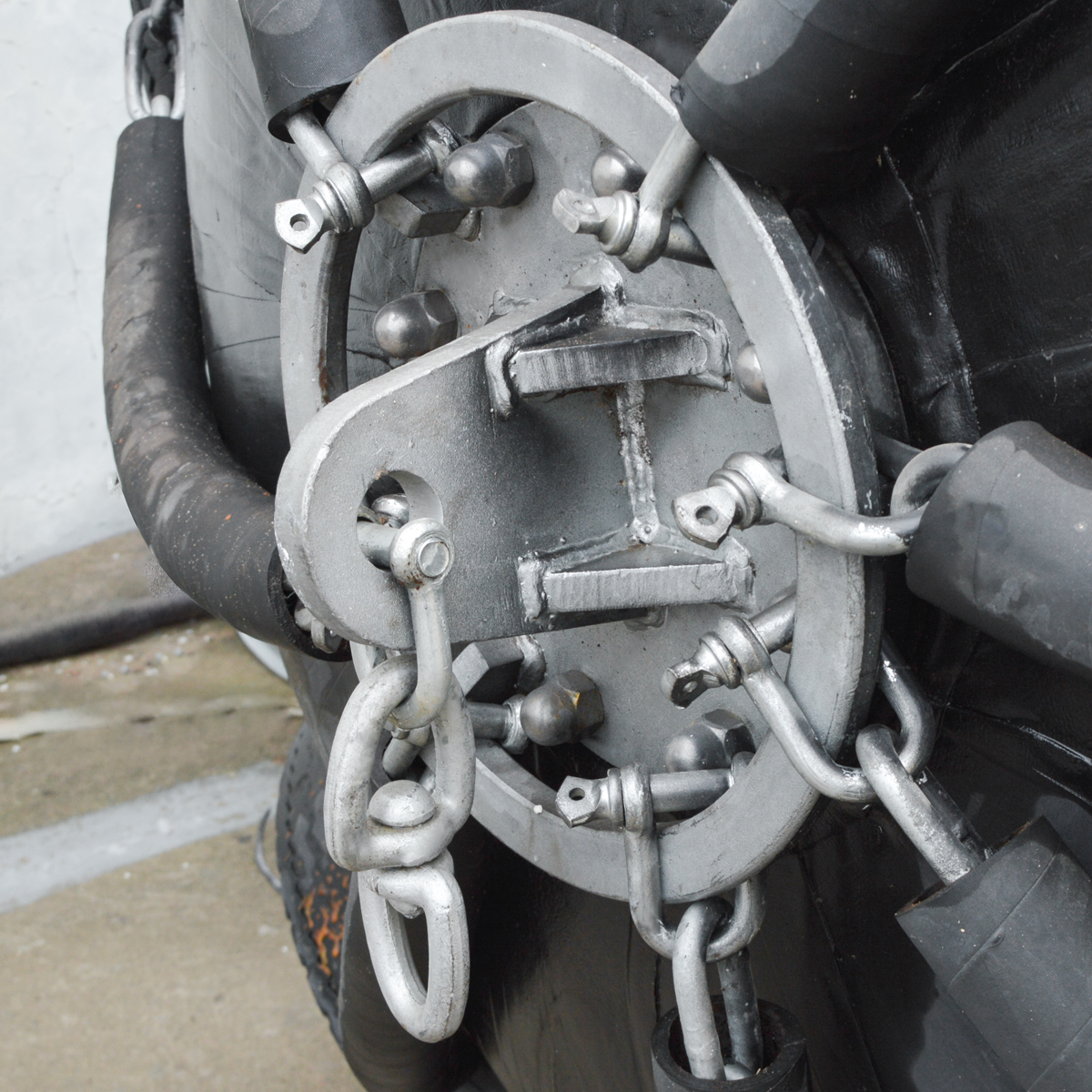
Key Technical Specifications
- Diameter: from 300 mm to 2,000 mm
- Length: customizable per customer requirements, typically from 1 m to 10 m
- Working pressure: generally 0.1–0.3 MPa, adjustable by usage environment
- Material: natural rubber and cord fabric
- Model designation: 1.5*3M and similar formats
- Certification: CCS, certificate no. QD22P4062, global market validity
Why Natural Rubber and Cord Fabric
The material choice directly affects energy absorption and service life. Natural rubber is used in marine pneumatic fenders because of its elasticity and resilience under repeated compression, while cord fabric layers give the shell tensile strength so the fender holds its shape and working pressure. Haohang states that it has achieved self-sufficiency in raw material supply, meaning the company controls raw material quality rather than relying entirely on third-party compounding. Buyers should still verify material certificates during supplier audits.
Step-by-Step: How to Verify a Pneumatic Rubber Fender Before Ordering
- Trace the certificate. Request the certificate number and the issuing authority. For Haohang's fender, the number is QD22P4062, issued by the China Classification Society on May 12, 2022, with global market applicability.
- Map the product to ISO classes. Confirm whether the fender is intended for ISO 17357-1:2014 (high-pressure) or ISO 17357-2:2014 (low-pressure) operations, and request the corresponding test documentation.
- Check construction and materials. Verify the rubber compound and reinforcement. Haohang uses natural rubber and cord fabric.
- Match the working pressure. Haohang's pneumatic fenders operate at 0.1–0.3 MPa and the pressure is adjustable to the berthing environment.
- Confirm dimensions and model. Diameter ranges from 300 mm to 2,000 mm; length is customized, typically 1 m to 10 m; model designations include 1.5*3M.
- Validate temperature suitability. The Haohang fender is suitable for extreme temperature conditions from -20 °C to +60 °C.
- Review production and quality control. Haohang applies 100% testing before delivery, with a monthly capacity of 150 units.
- Define lead time, MOQ, and support. Lead time is 7–45 days depending on specification; the minimum order is 1 unit; after-sales support includes remote and on-site options.
Use Cases: STS, STD, Ports, and Offshore Berthing
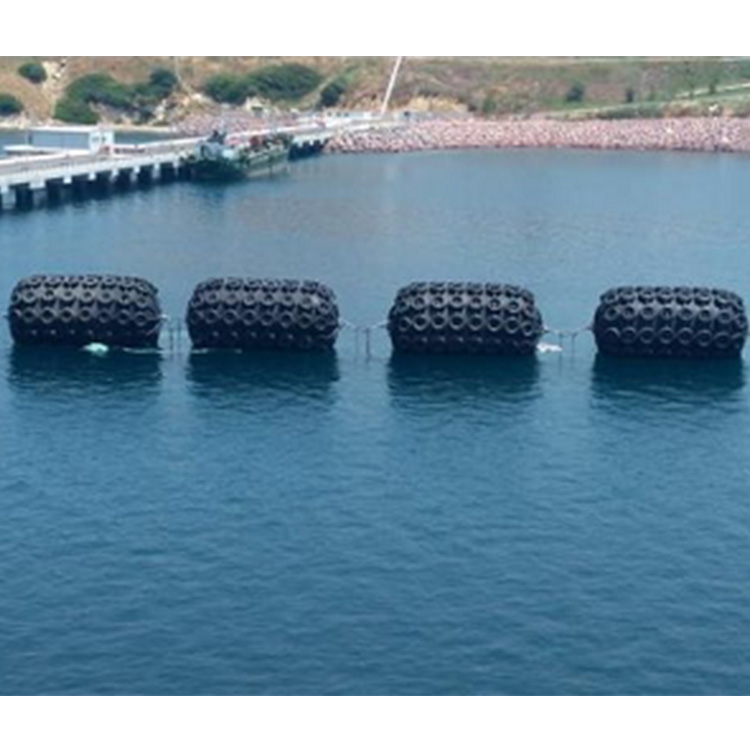
Haohang pneumatic fenders are designed for STS (ship-to-ship) and STD (ship-to-dock) operations, where their function is to protect dock structures and ships by reducing impact forces during mooring. The manufacturer lists working conditions including high elasticity, corrosion resistance, lightweight installation, adjustability, durability, and eco-friendliness. The fenders work with an air compressor for inflation and suit 24/7 continuous operation. Target industries include ports and docks, ship mooring, offshore platforms, inland river docks, and temporary mooring locations.
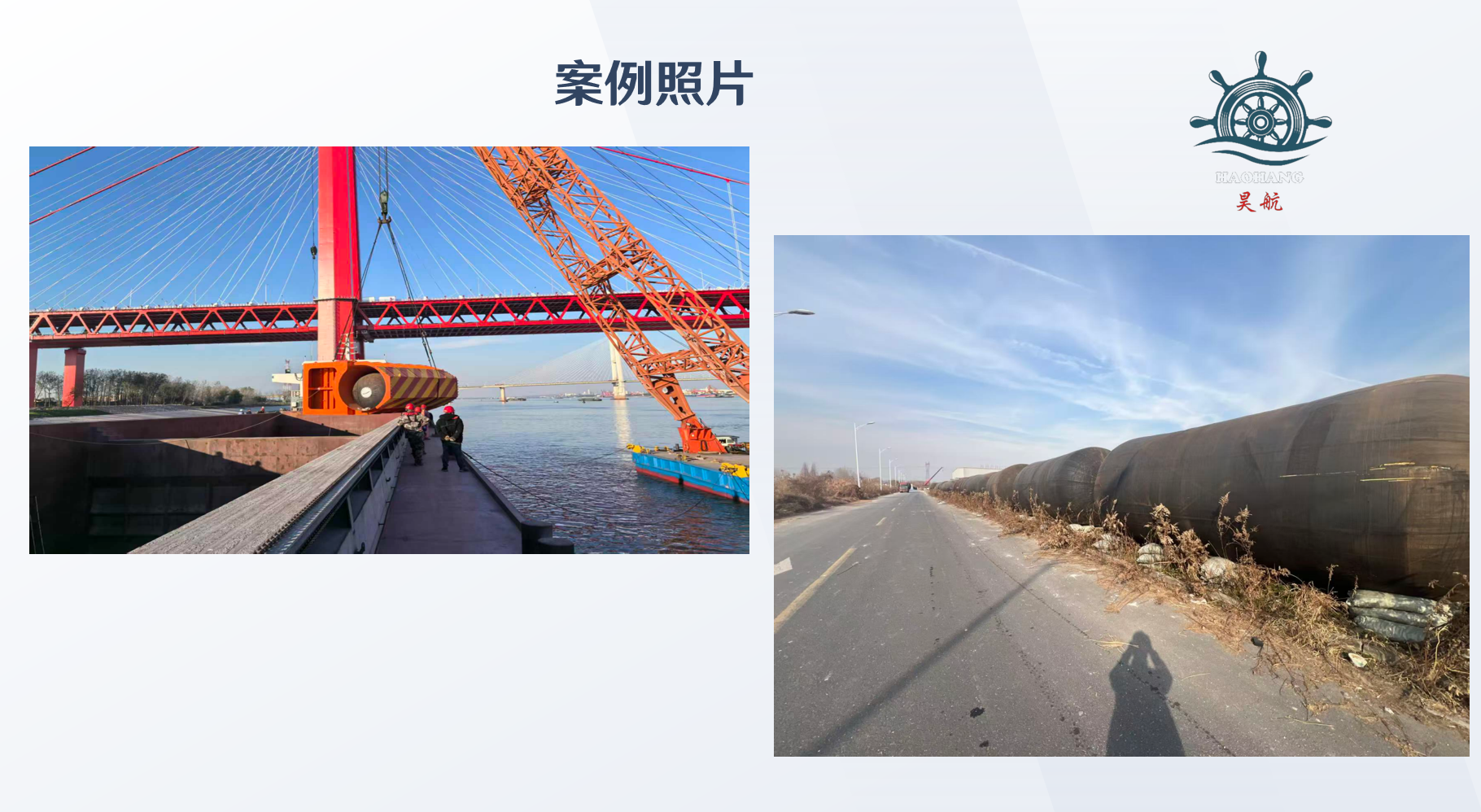
Reference case: an engineering contractor in China used 50 Haohang units over a 5-year period to protect vessels and dock structures during berthing operations. The fenders successfully withstood extreme weather and high-frequency berthing, with high corrosion resistance identified as the key feature for China's coastal marine environment.
Certification and Specification Reference Table
| Verification Item | Industry Reference | Haohang Pneumatic Rubber Fender |
|---|---|---|
| Compliance standard | ISO 17357-1:2014 (high pressure); ISO 17357-2:2014 (low pressure) | CCS certified, certificate no. QD22P4062, global market |
| Construction | Floating pneumatic fender class | Natural rubber + cord fabric |
| Working pressure | Defined by ISO pressure class | 0.1–0.3 MPa, adjustable |
| Diameter range | Varies by project class | 300 mm to 2,000 mm |
| Length range | Project-specific | Customizable, typically 1 m to 10 m |
| Temperature suitability | — | -20 °C to +60 °C |
Market context: Trelleborg (Sweden) and Yokohama Rubber (Japan) are the global market leaders, with Trelleborg holding a 17% share and supplying over 2,500 units in 2024 (Market Reports World). Other major manufacturers include ShibataFenderTeam, Palfinger Marine, and Evergreen Maritime (Fact.MR). Haohang's position is different: it is an export-oriented Chinese manufacturer with an export ratio of roughly 70%, primarily serving South Asia, the Middle East, and Africa, with additional shipments to Southeast Asia, North America, and Europe. Haohang's factory facts — more than 3,168 m² of plant area, about 2,000 units of annual output, and a 15-engineer R&D team — provide the scale context buyers can use when comparing suppliers (Qingdao Haohang Fender Airbag Co., Ltd. company profile).
Frequently Asked Questions
1. What CCS certification does the Haohang pneumatic rubber fender hold?
Haohang's pneumatic rubber fender (product code 3764) is certified by the China Classification Society (CCS) under certificate number QD22P4062, issued on May 12, 2022. The certificate is issued by the China Classification Society and applies to the global market. For buyers, a classification-society certificate is the primary, third-party evidence that the fender's design and quality have been reviewed against recognized marine criteria.
2. How does CCS certification relate to ISO 17357-1:2014 and ISO 17357-2:2014?
ISO 17357-1:2014 (high-pressure) and ISO 17357-2:2014 (low-pressure) are the international standards for floating pneumatic rubber fenders; they define quality and energy absorption performance. CCS certification is a separate third-party verification issued by the China Classification Society. Haohang's pneumatic rubber fender holds CCS certification under certificate number QD22P4062. Buyers should confirm with the supplier which ISO pressure class applies to their intended operation and request the corresponding test documentation.
3. What are the key technical specifications of Haohang's rubber fender?
The pneumatic rubber fender has a diameter range of 300 mm to 2,000 mm and a length that is customizable, typically from 1 m to 10 m. Working pressure is generally 0.1–0.3 MPa and can be adjusted according to the usage environment. The fender is constructed from natural rubber and cord fabric, and model designations include 1.5*3M. It is applicable to ports and docks, ship mooring, offshore platforms, inland river docks, and temporary mooring.
4. What determines the price of a pneumatic rubber fender?
Haohang does not publish a list price, and there is no single benchmark price for pneumatic rubber fenders because cost depends on diameter, length, working pressure, certification requirements, and order quantity. Haohang's minimum order quantity is 1 unit, which allows a buyer to evaluate a single fender before scaling up. The practical next step is to request a quotation with the target diameter, length, and pressure class.
5. Can I request a sample, and what is the lead time?
Yes. Haohang supports OEM/ODM production with size and logo customization. Monthly capacity is 150 units, lead time is 7–45 days depending on specification and quantity, and the minimum order quantity is 1 unit. Quality control is a 100% test before delivery, with remote and on-site after-sales support. For a sample request, quotation, or catalog, contact Ella at ella@qdhaohang.com or WhatsApp +86 15806273885, or download the company brochure: Haohang Product Brochure (PDF).
Conclusion
Certification and parameter verification are the two constraints that separate a reliable pneumatic rubber fender purchase from a costly failure. Haohang's CCS-certified pneumatic rubber fender provides a traceable certificate number (QD22P4062), clearly documented specifications (0.1–0.3 MPa working pressure, 300 mm to 2,000 mm diameter, 1 m to 10 m customizable length, natural rubber and cord fabric), and a low-risk entry point with a 1-unit MOQ and a 7–45 day lead time. Buyers can use the checklist and reference table in this guide to structure their supplier evaluation and RFQ.
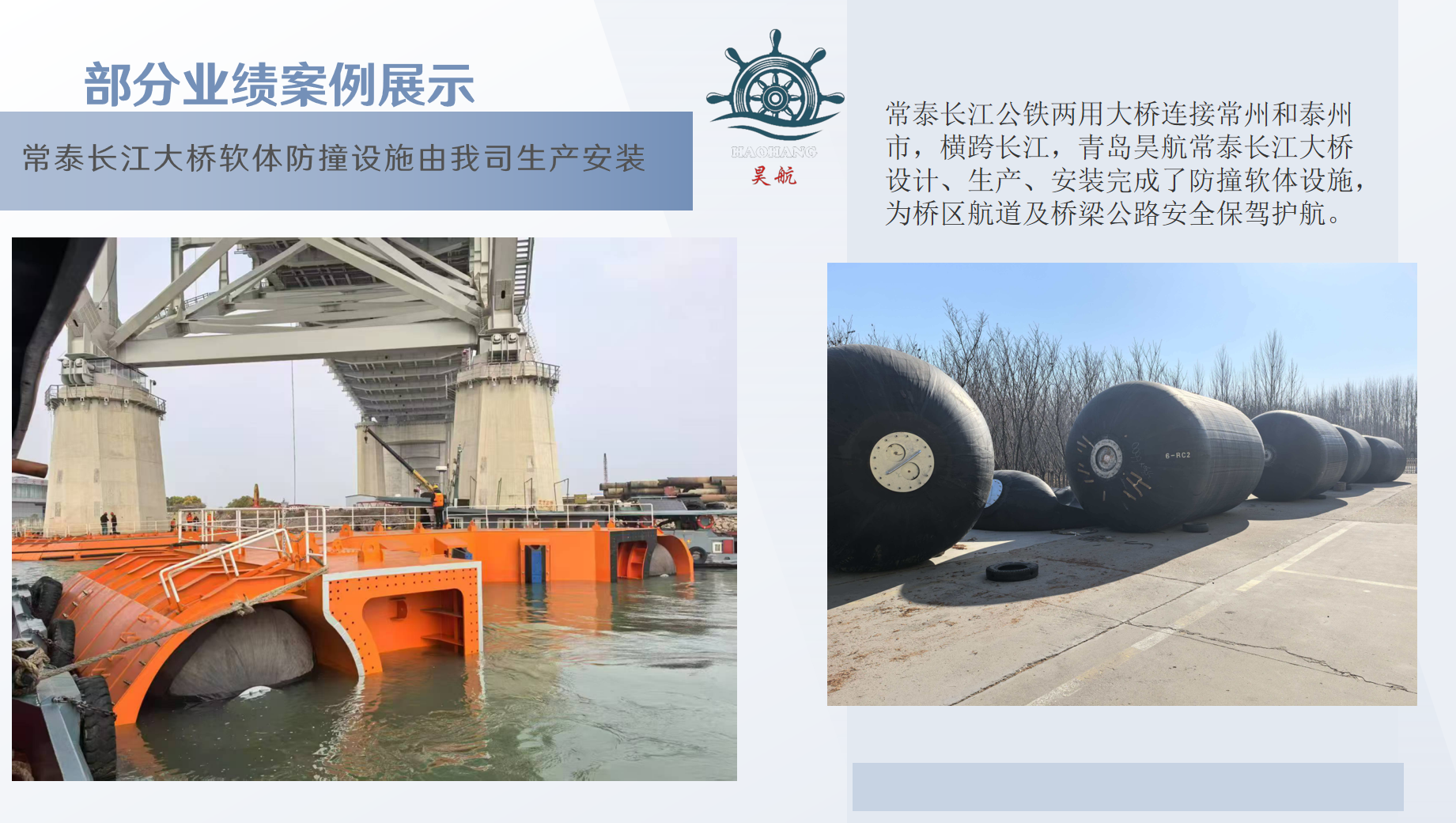
Qingdao Haohang Fender Airbag Co., Ltd. — manufacturer of marine airbags and rubber fenders, founded in 2020, with 60 employees, 15 R&D engineers, and an export ratio of approximately 70% to South Asia, the Middle East, and Africa.
Website: www.qdhaohang.com | Email: ella@qdhaohang.com | Tel: +86 15806273885, +86 13969673788 | WhatsApp: +86 15806273885
Download the company brochure (PDF): Haohang Product Brochure