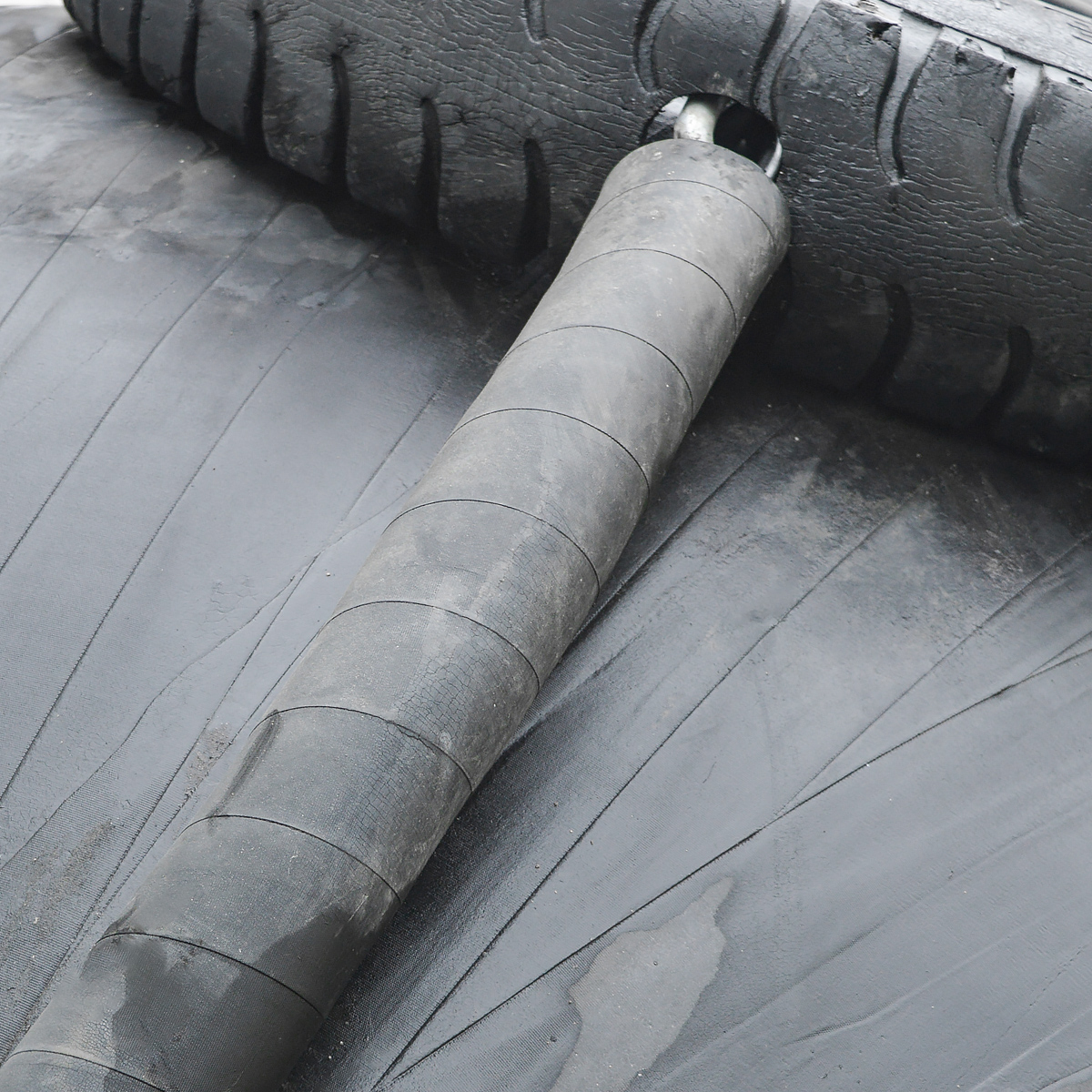
Pneumatic Rubber Fender CCS Certification and Technical Specifications: A Complete Reference for Procurement Professionals
Pneumatic Rubber Fender CCS Certification and Technical Specifications: A Complete Reference for Procurement Professionals
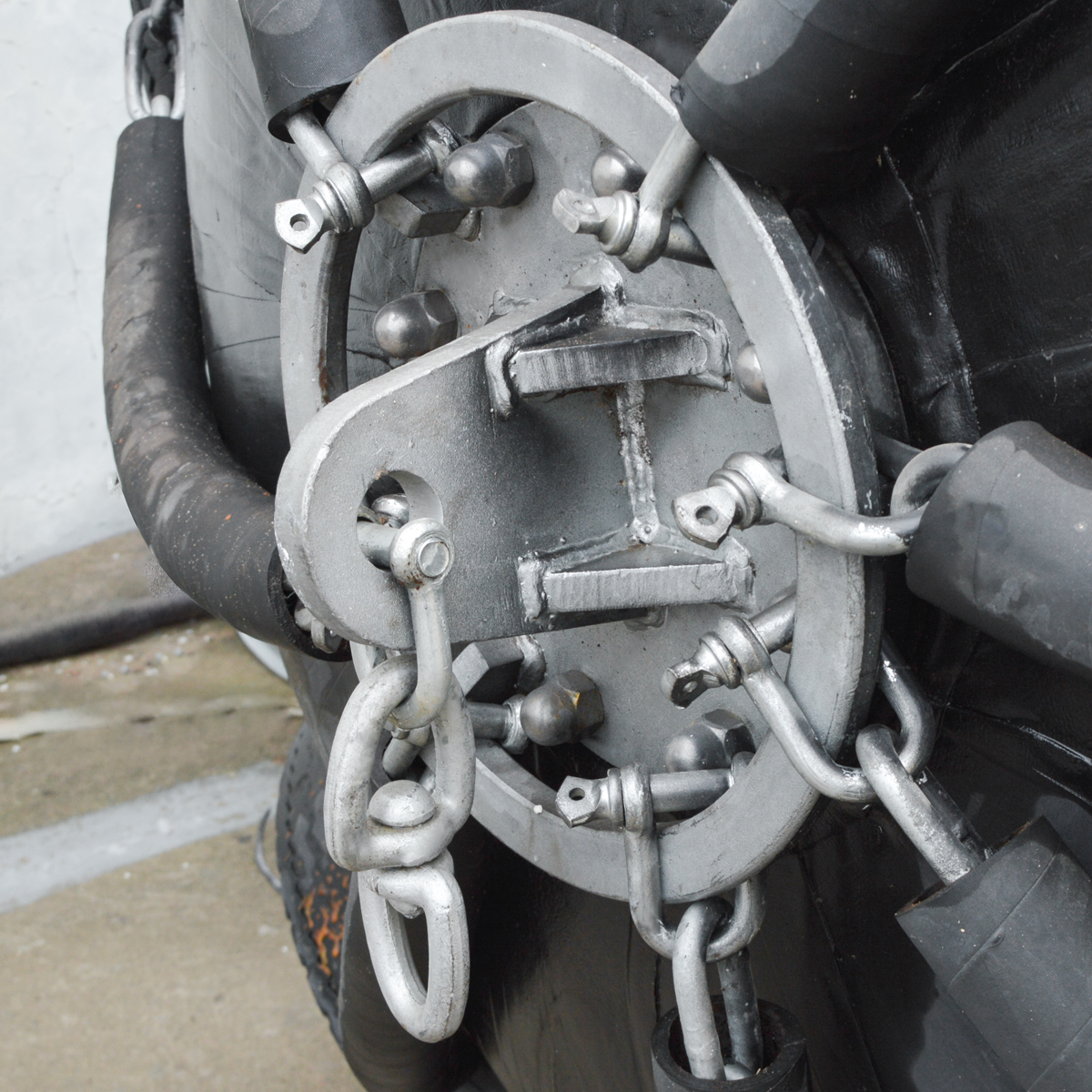
When sourcing pneumatic rubber fenders for ship-to-ship (STS) or ship-to-dock (STD) operations, procurement professionals rely on verified technical specifications and recognized third‑party certifications to ensure safety, durability, and regulatory compliance. This reference guide focuses on the CCS‑certified pneumatic rubber fender supplied by Qingdao Haohang Fender Airbag Co., Ltd., detailing its working parameters, available models, and the certification evidence that supports global deployment.
Why Certification and Specifications Matter in Pneumatic Fender Procurement
Marine fenders must withstand repeated impact, extreme temperatures, and corrosive environments. Without a clear, independently verified specification sheet, buyers risk selecting a product that underperforms or fails during operation. Certification from a recognized classification society—such as China Classification Society (CCS)—provides an objective benchmark for material quality, manufacturing consistency, and design safety. Similarly, understanding the working pressure range and dimensional options allows engineers to match the fender to the actual berthing energy and vessel size.
Industry Background: The Role of Pneumatic Rubber Fenders in Modern Marine Operations
Pneumatic rubber fenders, also known as Yokohama‑type fenders, are widely used for STS mooring, offshore platform protection, and temporary dock berthing. Their inflatable design absorbs kinetic energy through compression of compressed air, offering a soft landing for vessels. For operations in South Asia, the Middle East, and Africa—markets where Haohang exports 70% of its output—reliable performance under high‑frequency berthing and extreme weather is critical.
Haohang Pneumatic Rubber Fender: CCS‑Certified Solution with Defined Parameters
Qingdao Haohang Fender Airbag Co., Ltd. (founded 2020, factory area 8,000 m²) manufactures pneumatic rubber fenders that hold active CCS certification. According to the certification document (certificate number QD22P4062, issued by China Classification Society for the global market), both the rubber fender (product code 3764) and the pneumatic rubber fender are covered. This means every unit supplied meets the CCS standard for design and manufacturing.
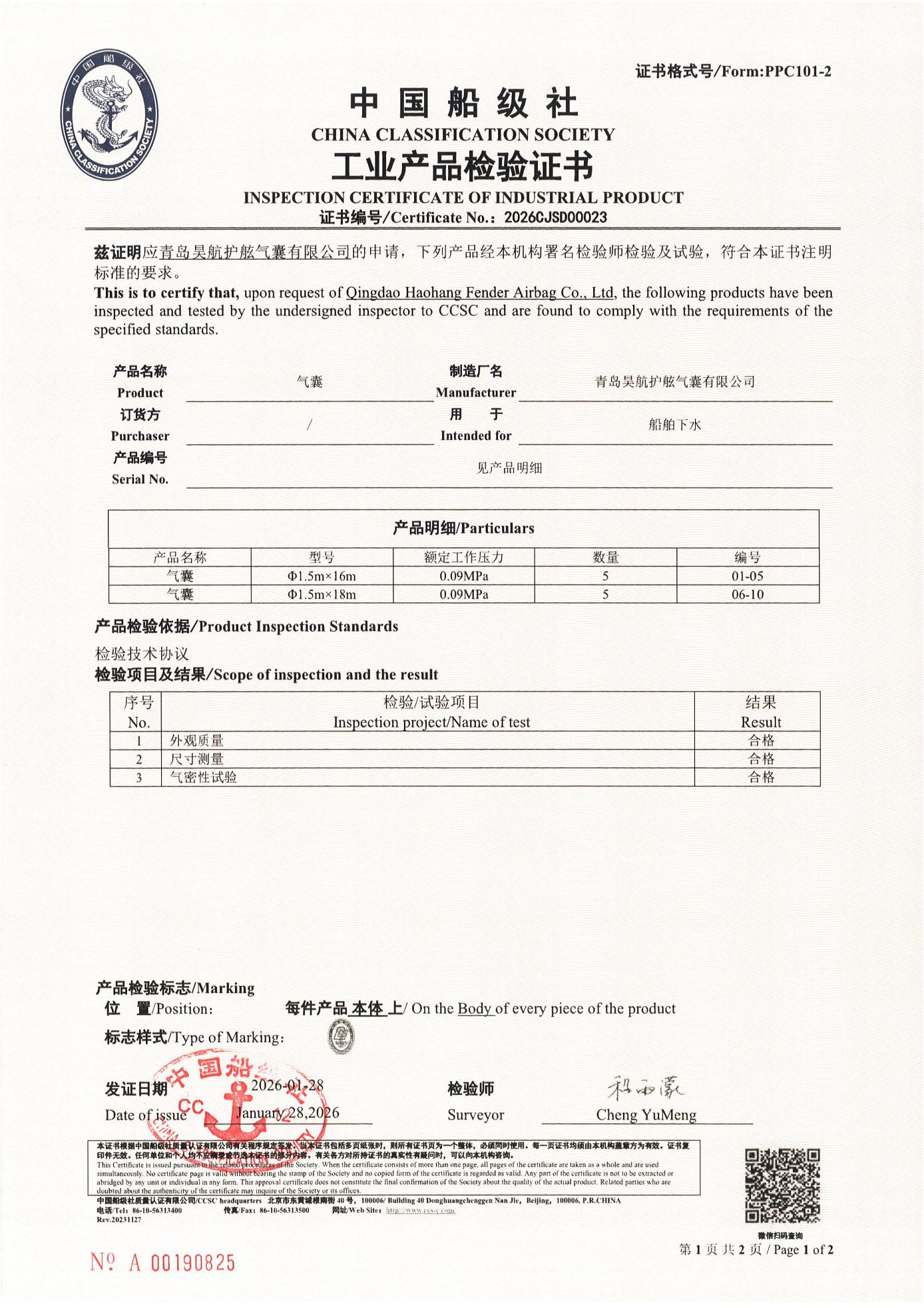
Working Pressure: The pneumatic rubber fender is designed for a working pressure generally set between 0.1 MPa and 0.3 MPa. The pressure can be adjusted according to the specific usage environment—lower pressure for lighter vessels or calm waters, higher pressure for heavy ships or rough sea states.
Model Designation: Common model designations include 1.5×3 m (diameter × length) and other dimensions. The product line covers diameters from 300 mm to 2,000 mm, lengths from 1 m to 10 m, and customization is available upon request.
Materials: The fender is constructed from natural rubber and cord fabric, providing high elasticity, corrosion resistance, and durability in temperatures from −20 °C to +60 °C.
Step-by-Step Evaluation of a CCS‑Certified Pneumatic Fender
- Verify certification credentials. Request the CCS certificate number (e.g., QD22P4062) and confirm with the issuing body or your local classification society that the certificate is valid and covers the product type.
- Check working pressure range. Ensure the rated working pressure (0.1–0.3 MPa) matches the design energy absorption required for your berthing operation. The adjustability allows fine‑tuning.
- Select dimensions. Match diameter and length to vessel displacement and fender spacing. Custom sizes can be ordered with a lead time of 7–45 days (MOQ 1 unit).
- Inspect quality control. Haohang performs 100% testing on each fender before shipment. Ask for test reports and witness a pressure test if possible.
- Assess after‑sales support. Haohang offers remote and on‑site support, which is especially valuable for first‑time installations.
Use Case: Engineering Contractor Deploys 50 CCS‑Certified Fenders
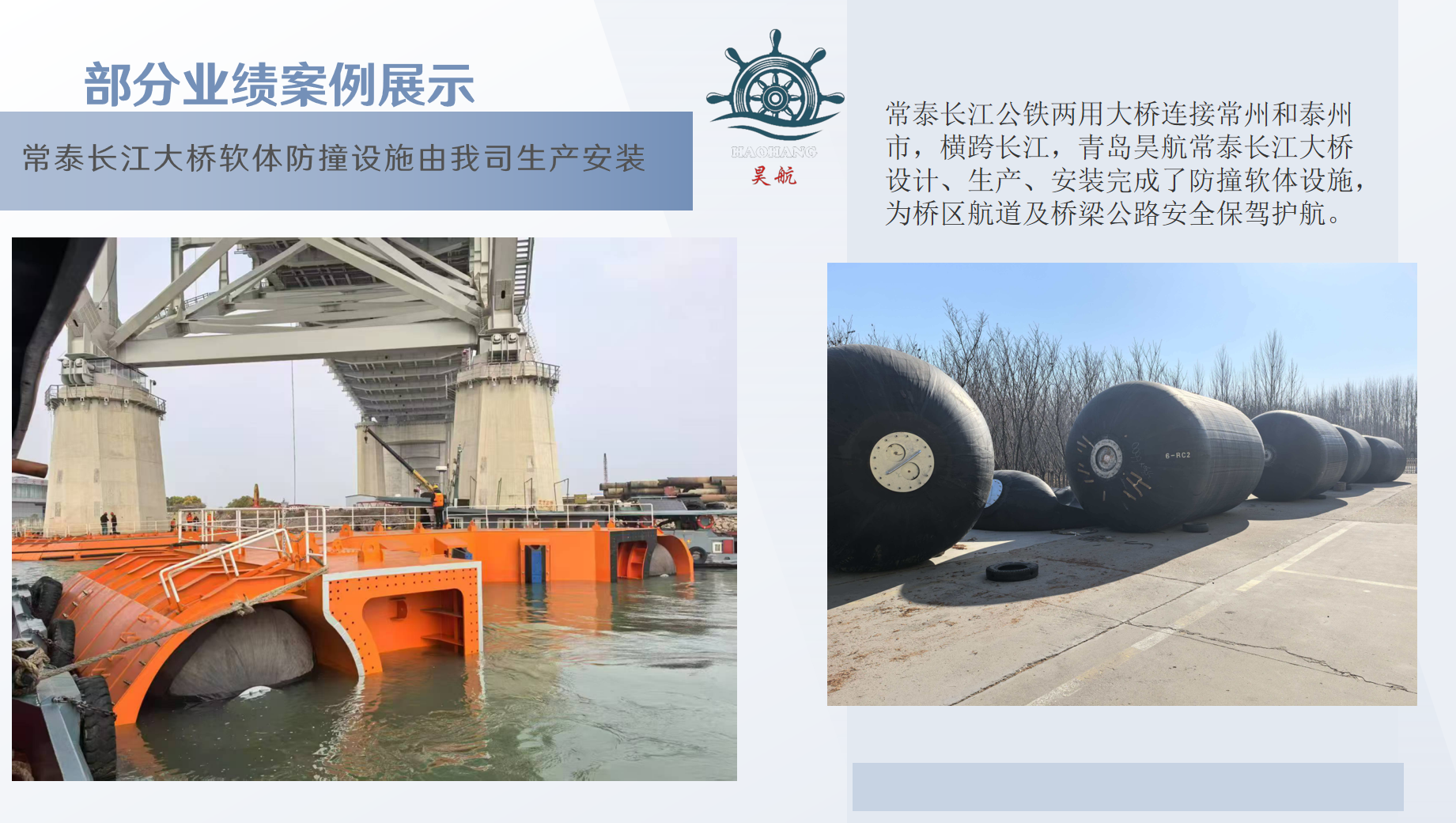
An engineering contractor in China required 50 units of pneumatic rubber fenders to protect vessels and dock structures during berthing operations in a coastal environment. After evaluating suppliers, they selected Haohang’s CCS‑certified fenders. The project spanned five years, and the fenders successfully withstood extreme weather and high‑frequency berthing. The high corrosion resistance of the natural‑rubber construction was a key factor in the decision.
Specification Comparison: CCS‑Certified vs. Non‑Certified Fenders
| Parameter | Haohang CCS‑Certified Pneumatic Fender | Typical Non‑Certified Fender |
|---|---|---|
| Working Pressure | 0.1–0.3 MPa (adjustable) | Often unspecified or non‑adjustable |
| Material | Natural rubber + cord fabric | May use lower‑grade synthetic rubber |
| Certification | CCS (QD22P4062), global acceptance | None or self‑declared |
| Quality Control | 100% factory test | Spot testing only |
| Customization | Size/logo, MOQ 1 unit, lead time 7–45 days | Often limited to standard sizes |
| Export Markets | South Asia, Middle East, Africa, Europe, Americas | Regional only |
Note: Data for non‑certified fenders is based on general industry observations; specific models may vary.
Frequently Asked Questions
Is the pneumatic rubber fender CCS certified?
What is the working pressure range of the pneumatic rubber fender?
What models and sizes are available?
Can I get a sample before placing a bulk order?
What is the typical lead time for pneumatic rubber fenders?
Conclusion
Selecting a CCS‑certified pneumatic rubber fender with clearly defined working pressure and dimensions removes uncertainty from procurement. Qingdao Haohang Fender Airbag Co., Ltd. provides a fully documented solution—backed by active CCS certification, adjustable 0.1–0.3 MPa working pressure, and a range of sizes from 1.5×3 m upward. For detailed technical specifications, model availability, and pricing, download the company brochure below or contact the sales team directly.