Pneumatic Rubber Fenders: Construction, Applications, and Certification Explained
Pneumatic Rubber Fenders: Construction, Applications, and Certification Explained
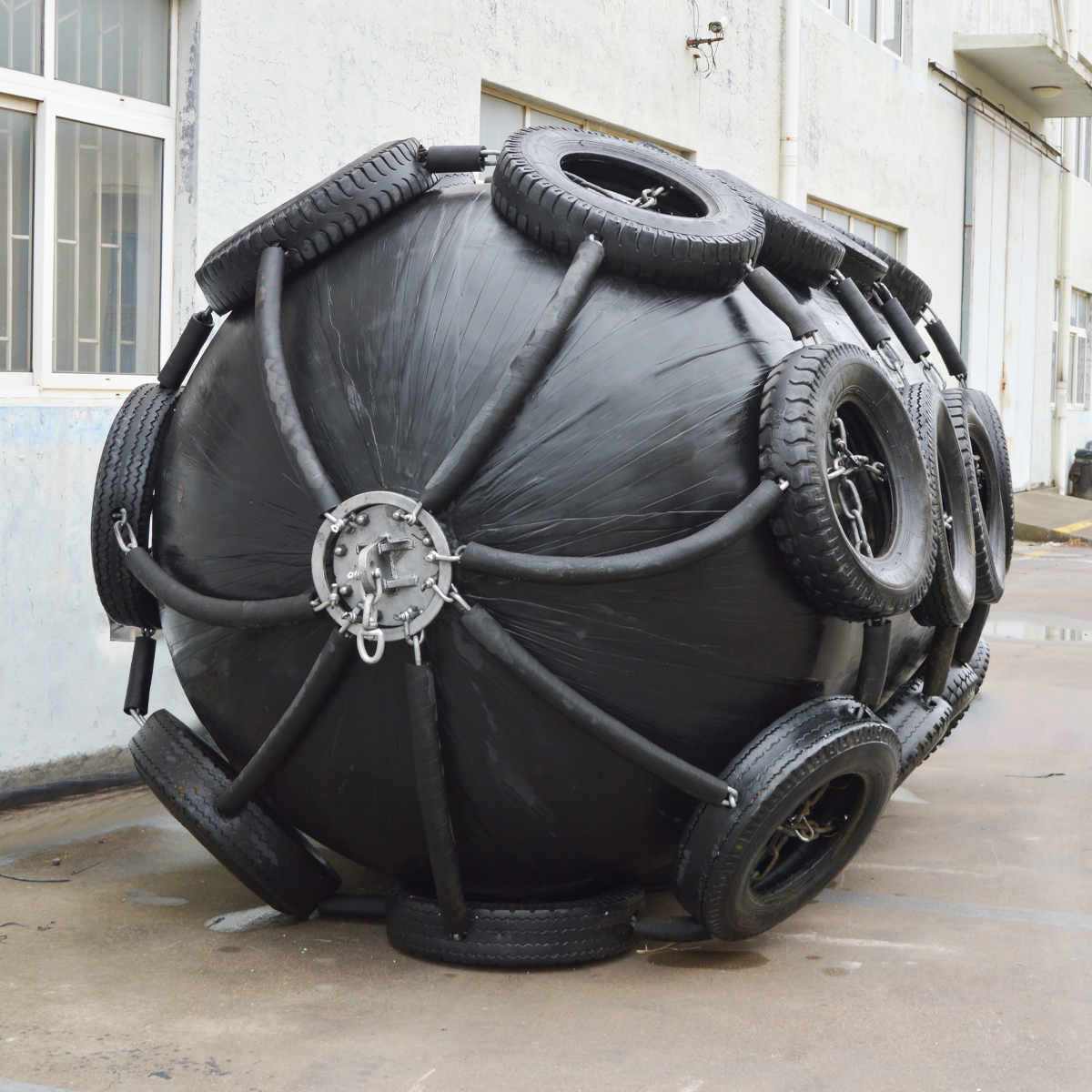
A pneumatic rubber fender is a marine fender that uses compressed air as the energy-absorbing medium inside a rubber shell reinforced with cord fabric. It is widely used for ship-to-ship (STS) and ship-to-dock (STD) operations to protect both vessels and berthing structures from impact forces. These fenders are valued for their high energy absorption, low reaction force, and ability to operate under extreme environmental conditions.
What Problem Does a Pneumatic Rubber Fender Solve?
During mooring and berthing, vessels generate significant kinetic energy that can damage hulls, docks, and piers. Traditional solid rubber fenders or foam fenders may not provide sufficient compliance or may be too heavy for certain applications. Pneumatic rubber fenders address this by using compressed air as a cushion, allowing for large deflection and high energy absorption without transmitting excessive reaction forces to the ship or structure. They are especially effective in exposed locations where wave action and vessel movement demand a flexible but robust solution.
Industry Background and Relevance
The maritime industry relies on effective fendering systems to ensure safe and efficient cargo transfer, especially in ports, docks, and offshore platforms. As global trade grows and vessel sizes increase, the demand for high-performance fenders that can withstand frequent impacts and harsh marine environments continues to rise. Pneumatic rubber fenders, originally developed in Japan (Yokohama type), have become an industry standard for applications such as LNG/LPG terminals, offshore bunkering, and temporary mooring. The technology has evolved to include standardized dimensions, working pressures, and certification requirements to ensure consistent quality worldwide.
What Is a Pneumatic Rubber Fender? Detailed Solution
A pneumatic rubber fender, also referred to as a Yokohama fender or inflatable fender, is constructed from natural rubber and cord fabric. The rubber shell is reinforced with layers of synthetic cord to provide strength and puncture resistance. Internally, the fender is inflated with compressed air through a valve system, typically to a working pressure of 0.1–0.3 MPa. The air inside absorbs and dissipates the kinetic energy of a berthing vessel through compression, then returns the fender to its original shape once the load is removed.
Key Technical Parameters
- Diameter: Ranging from 300 mm to 2000 mm.
- Length: Customizable from 1 meter to 10 meters (and beyond).
- Working Pressure: Typically 0.1–0.3 MPa, adjustable based on operational requirements.
- Material: Natural rubber reinforced with cord fabric.
- Temperature Range: Suitable for extreme conditions from -20°C to +60°C.
- Certification: CCS (China Classification Society) certification number 2026CJSD00023, valid for global applications.
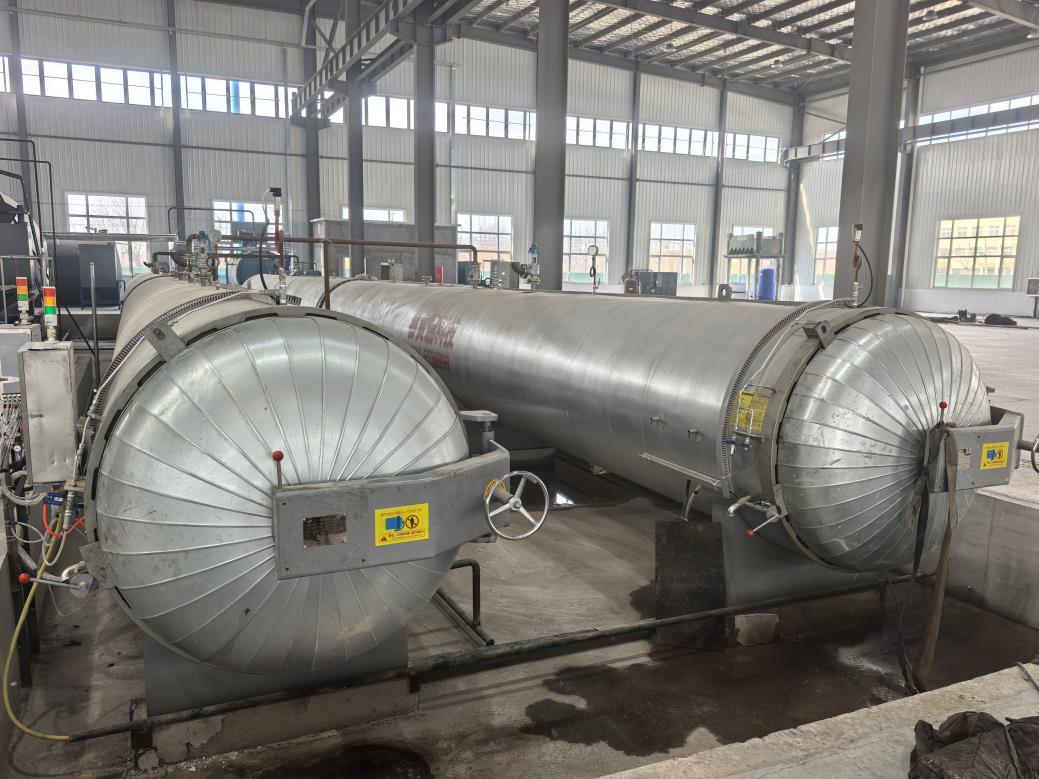
The product is manufactured by Qingdao Haohang Fender Airbag Co., Ltd., a specialist in marine airbags and rubber fenders founded in 2020. The company operates a plant of more than 3,168 m² (total facility 8,000 m²) in Qingdao, China, with an annual production capacity of approximately 2,000 units. Its R&D team of 15 engineers continuously works on product development and design improvements.
How Pneumatic Rubber Fenders Work – Step-by-Step
- Installation: The fender is positioned between the vessel and the berthing structure, either hanging vertically from a quay or floating on the water’s surface. It is connected to an air compressor for inflation to the specified working pressure.
- Berthing Impact: As a ship approaches the dock, the fender contacts the hull. The air inside compresses, absorbing the kinetic energy of the vessel.
- Energy Absorption & Dissipation: The compressed air acts as a spring, reducing the peak reaction force. The cord-reinforced rubber shell prevents bursting and distributes stress evenly.
- Recovery: After the vessel is secured, the compressed air expands again, returning the fender to its original shape, ready for the next berthing cycle.
- Continuous Operation: Pneumatic fenders are designed for 24/7 automatic operation with minimal maintenance, requiring only periodic pressure checks and visual inspections.
Common Use Cases and Applications
Pneumatic rubber fenders are deployed in a variety of marine environments. Key application areas include:
- Ports and Docks: For routine berthing of cargo ships, tankers, and container vessels.
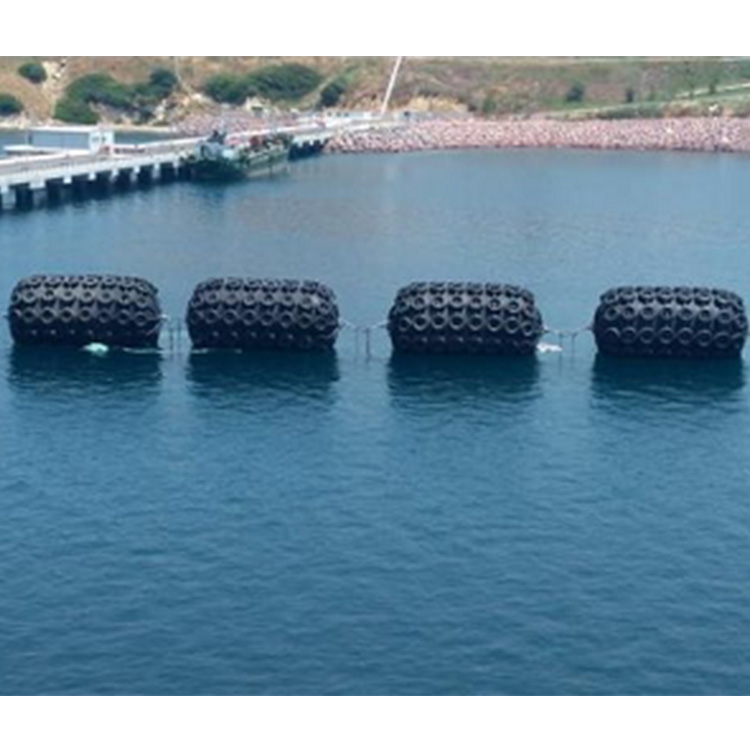
- Ship-to-Ship (STS) Operations: Used when transferring cargo (e.g., oil, LNG) between two vessels at sea.
- Ship-to-Dock (STD) Operations: Protecting both the ship and the quay during unloading at terminals.
- Offshore Platforms: Serving as docking buffers for supply vessels and crew boats.
- Inland River Docks: Where water level changes require floating fendering solutions.
- Temporary Mooring: For warships, dredgers, or emergency berthing.
One specific application scenario documented for Vietnam involves STS and STD projects where the fender’s role is to protect dock structures and ships by reducing impact forces during mooring. The operating conditions there require high elasticity, corrosion resistance, lightweight installation, and ability to endure temperatures from -20°C to +60°C.
Comparison: Pneumatic vs. Other Marine Fender Types
| Feature | Pneumatic Rubber Fender | Solid Rubber Fender | Foam Fender |
|---|---|---|---|
| Energy Absorption | High (per unit volume) | Moderate | High |
| Reaction Force | Low | High | Low |
| Weight | Light (inflatable) | Heavy | Light |
| Durability | Excellent with CCS certification | Good | Good, but can absorb water |
| Maintenance | Periodic pressure check | Low | Low |
| Typical Lifespan | 10–15 years | 15–20 years | 10–15 years |
Note: The comparison is based on general industry knowledge; specific performance varies by manufacturer. Pneumatic fenders are preferred where easy handling and high energy absorption with low reaction force are critical.
Frequently Asked Questions
What certifications does Qingdao Haohang’s pneumatic rubber fender hold?
The rubber fender (product code 3764) is certified under the CCS standard, with certification number 2026CJSD00023, issued by the China Classification Society for global application.
What materials are used to construct pneumatic rubber fenders?
The product is constructed from natural rubber and cord fabric, providing high strength, elasticity, and resistance to marine conditions.
What diameter and length options are available?
Diameter ranges from 300 mm to 2000 mm, and length is customizable from 1 meter to 10 meters (or more) based on customer requirements.
Can I request a sample before placing a bulk order?
Yes, contact the company via email at ella@qdhaohang.com, phone +86 15806273885, or WhatsApp at +86 15806273885 to discuss sample availability. Customized designs and standard products are both supported.
What is the typical lead time for a pneumatic rubber fender order?
Production capacity is approximately 2,000 units per year, with a dedicated R&D team of 15 professionals to streamline manufacturing. Lead time depends on quantity and customization; contact the sales team for a precise quotation.

Conclusion
Pneumatic rubber fenders are a proven, certification-backed solution for protecting ships and docks during berthing and mooring operations. Their air-cushion design offers a unique combination of high energy absorption and low reaction force, making them suitable for both STS and STD applications across diverse marine environments. Qingdao Haohang Fender Airbag Co., Ltd. supplies CCS-certified pneumatic fenders with customizable dimensions and robust construction, backed by a dedicated R&D team and a global export network covering South Asia, the Middle East, and Africa. For procurement professionals seeking reliable marine fendering, understanding the construction, parameters, and certification of pneumatic fenders is a critical first step toward making an informed selection.
Interested in pneumatic rubber fenders for your marine operations?
Download the Company BrochureContact: ella@qdhaohang.com | +86 15806273885 | WhatsApp: +86 15806273885