
Rubber Fender Comparison: Pneumatic vs. Recycled Rubber
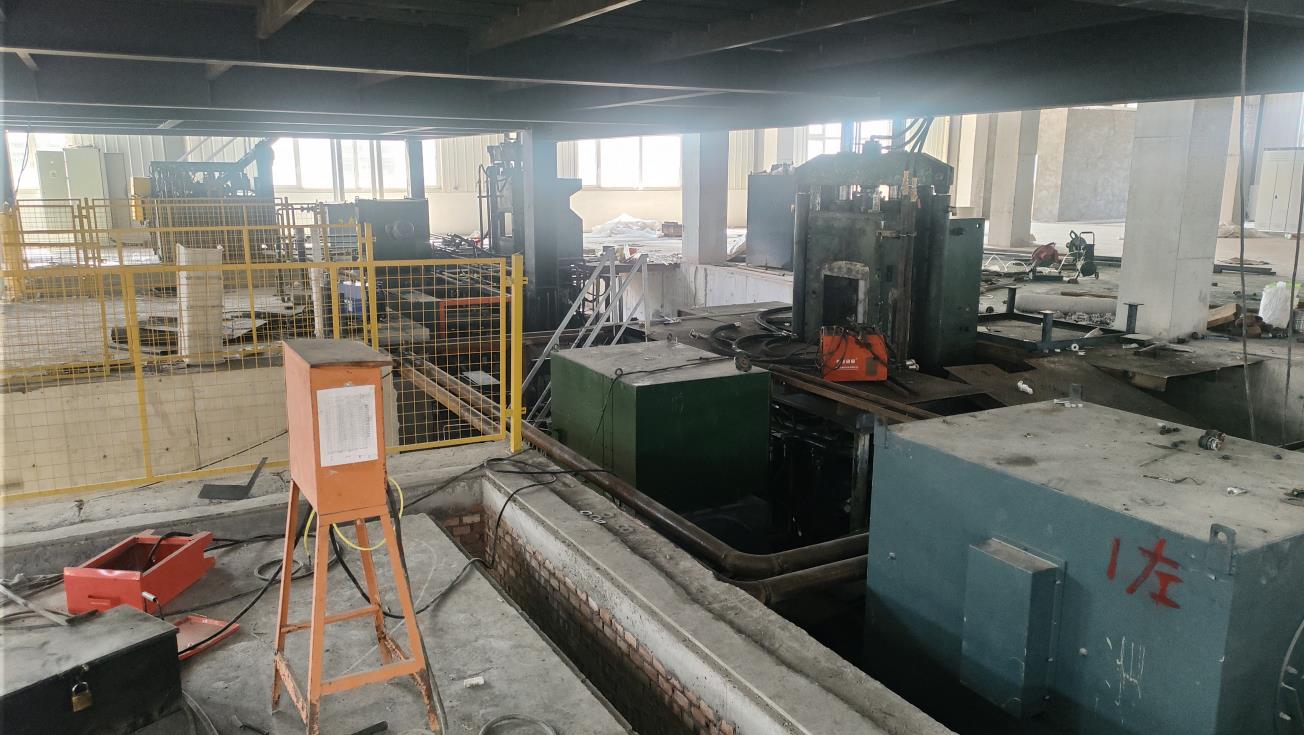
Factory equipment used for rubber fender manufacturing at Qingdao Haohang.
Choosing the right rubber fender is a decision that affects vessel safety, berthing efficiency, and long-term operating costs. For ship-to-ship (STS) and ship-to-dock (STD) operations, the most important comparison is often between pneumatic rubber fenders built with virgin natural rubber and lower-cost products made with recycled rubber. The performance gap is measurable: pneumatic rubber fenders using 100% natural rubber can achieve impact absorption efficiency of up to 90%, reduce air leak rate by 50% under standard pressure, and provide 30% longer service life than recycled rubber fenders.
This article helps industrial buyers compare rubber fender options during the final procurement stage. It covers the market context for marine fenders, the technical difference between natural and recycled rubber construction, a step-by-step selection framework, typical STS and STD use cases, and a comparison table that can be used to structure supplier evaluations.
Why Rubber Fender Comparison Matters at the Decision Stage
At the decision stage, buyers already know that they need a marine fender. The remaining question is which one. Many procurement teams struggle because rubber fender price lists do not reflect real lifetime performance. A recycled rubber fender can look attractive at first, but the cost per operational year may be higher if the fender wears faster, leaks air more quickly, or absorbs less impact energy.
The data behind this comparison is directly related to a common purchasing question: how do different rubber fender formulations affect durability and safety? The core trade-off is material quality. Pneumatic fenders used for STS and STD operations need high-strength fabric, stable air retention, and efficient energy absorption. These properties depend on the rubber compound and the cord fabric used in the fender body.
Industry Background: Pneumatic Rubber Fenders in the Marine Market
The broader marine fender market provides useful context for procurement decisions. According to Mordor Intelligence, the global marine fender market was estimated at USD 850 million in 2025, with rubber fenders accounting for approximately 64.17% of the total market share in 2024. This confirms that rubber fenders are the dominant category in berthing protection.
Within this category, pneumatic marine fenders represent a substantial segment. Maximize Market Research valued the pneumatic marine fender segment at USD 619.26 million in 2024, and projects growth at a CAGR of 3.21% to reach USD 797.35 million by 2032. Asia-Pacific is the dominant region for marine fenders, holding approximately 36.73% to 46% of the market share, according to Mordor Intelligence and Market Research Future. Major suppliers include Trelleborg Marine Systems, Yokohama Rubber Co., ShibataFenderTeam, Palfinger Marine, and Evergreen Maritime.
Buyers often search for terms such as 'Yokohama fender', 'Yokohama pneumatic fender', or 'floating pneumatic rubber fender' when looking for this type of product. From a technical standpoint, these searches usually refer to the same category: a pneumatic rubber fender that floats and absorbs berthing energy during STS or STD operations.
Technical Comparison: Natural Rubber vs. Recycled Rubber Construction
The central comparison for a pneumatic rubber fender is not only between brands, but also between material grades. Qingdao Haohang Fender Airbag Co.,Ltd, a manufacturer based in Qingdao, China, explicitly differentiates its pneumatic rubber fenders through the use of 100% natural rubber material and high-strength cord fabric of truck/aircraft tyre grade. These two material choices are the foundation of the product's performance claims.
The measurable differences are provided in the product reference data:
- Impact absorption efficiency: up to 90%, compared with 75% for traditional options.
- Air leak rate: reduced by 50% under standard pressure compared with traditional options.
- Service life: 30% longer than recycled rubber fenders.
- Maintenance: less maintenance required.
For an STS operation, where two vessels are moored side by side in open water, high energy absorption means the fender can handle the relative motion of the hulls without transferring excessive force to the ship structure. For a ship-to-dock operation, a lower air leak rate helps the fender retain its internal pressure and shape over long periods of constant contact.
The product is more suitable for STS and STD operations, according to the technical reference. Buyers should compare this type of fender with recycled rubber alternatives based on energy absorption, air retention, fabric strength, and expected service life.
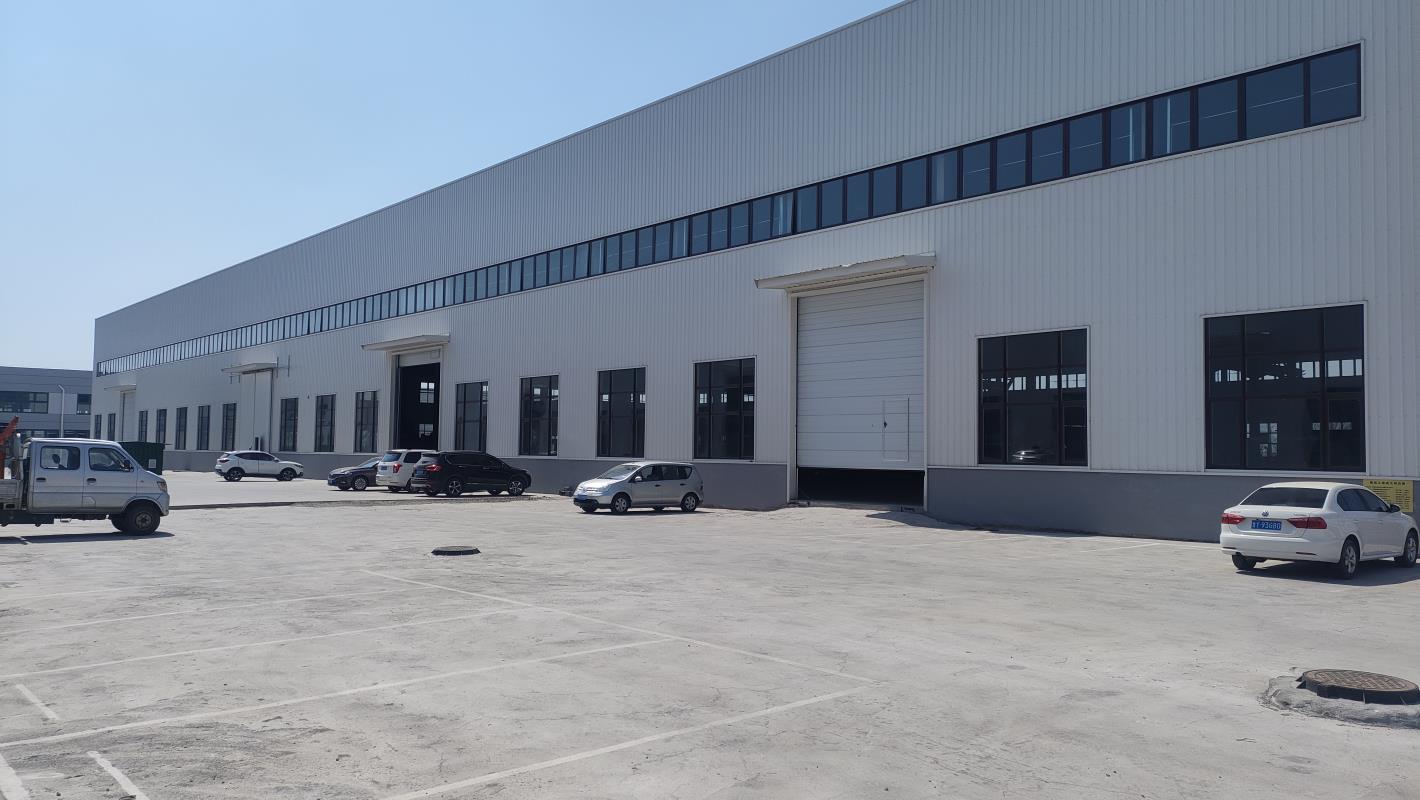
Factory facility of Qingdao Haohang Fender Airbag Co.,Ltd.
Step-by-Step Breakdown for Comparing Rubber Fenders
The following decision framework helps procurement teams compare rubber fenders in a structured way. The goal is to turn technical specifications into purchasing criteria.
Step 1: Define the Operating Profile
Identify whether the fender will be used for ship-to-ship (STS) or ship-to-dock (STD) operations, or both. Define vessel sizes, maximum approach speed, tidal conditions, and the frequency of berthing. These factors determine the required energy absorption and fender dimensions. This step is standard marine engineering practice and should be confirmed with the fender supplier.
Step 2: Compare Material and Construction
Check whether the rubber compound is made of 100% natural rubber or recycled rubber. Confirm the type of cord fabric. A high-strength cord fabric of truck/aircraft tyre grade is a meaningful construction advantage because it affects resistance to tearing, puncture, and pressure-induced stress.
Step 3: Evaluate Performance Evidence
Look for measurable performance claims. Useful indicators include impact absorption efficiency, air leak rate under standard pressure, and service life. For example, comparing a product with up to 90% impact absorption efficiency against a traditional option with 75% gives a clear mathematical advantage in berthing safety. A 50% reduction in air leak rate under standard pressure indicates better air retention.
Step 4: Assess Manufacturing Capability
Verify whether the manufacturer has the production capacity and quality control systems to support consistent output. Qingdao Haohang Fender Airbag Co.,Ltd was founded in 2020 and operates in Qingdao, China, with a plant area of more than 3,168 square meters and a general investment of RMB 20,000,000. The company has 60 employees, including 15 engineers focused on product development and design, quality control, and inspection. Its stated annual output capacity is 2,000 units. It also reports self-sufficiency in raw material supply, which reduces variability in rubber compound quality.
Step 5: Consider Maintenance and After-Sales Support
Surface abrasion is a common form of rubber fender damage. The recommended repair method is to repair the damaged area with rubber material. Buyers should confirm whether the manufacturer offers regular maintenance service. This is especially important for heavy-duty pneumatic fenders used in STS and STD operations, where downtime is expensive.
Step 6: Request Documentation and Samples
Before confirming an order, request the company brochure, technical specifications, and available test data. If feasible, arrange a factory inspection. For pneumatic fenders used in STS and STD operations, direct verification of production capability is often more useful than marketing claims.
Use Cases for Pneumatic Rubber Fenders
Ship-to-Ship (STS) Operations
STS operations involve transferring cargo or personnel between two vessels moored alongside each other. The relative motion between hulls creates significant impact energy, especially in open water. A heavy-duty pneumatic rubber fender, sometimes categorized as a Yokohama-type fender, is designed to absorb this energy while reducing reaction force on both hulls. This makes it suitable for ship-to-ship pneumatic fender applications.
Ship-to-Dock (STD) Operations
STD operations include berthing at quays, jetties, and terminals. Vessels berthing in port need a marine fender that can handle repeated impacts without losing air pressure. A floating pneumatic rubber fender meets this requirement by combining high elasticity with low maintenance. Buyers may also classify these as ship-to-shore pneumatic fenders.
Other Marine Applications
Beyond large vessels, inflatable rubber fenders are also used for boats, tugs, barges, and floating docks. Inflatable boat fenders, inflatable dock fenders, and inflatable fender systems all rely on the same principle: compressed air inside a rubber shell absorbs impact energy. The size, pressure point, and cord fabric change depending on the application, but the material comparison remains the same.
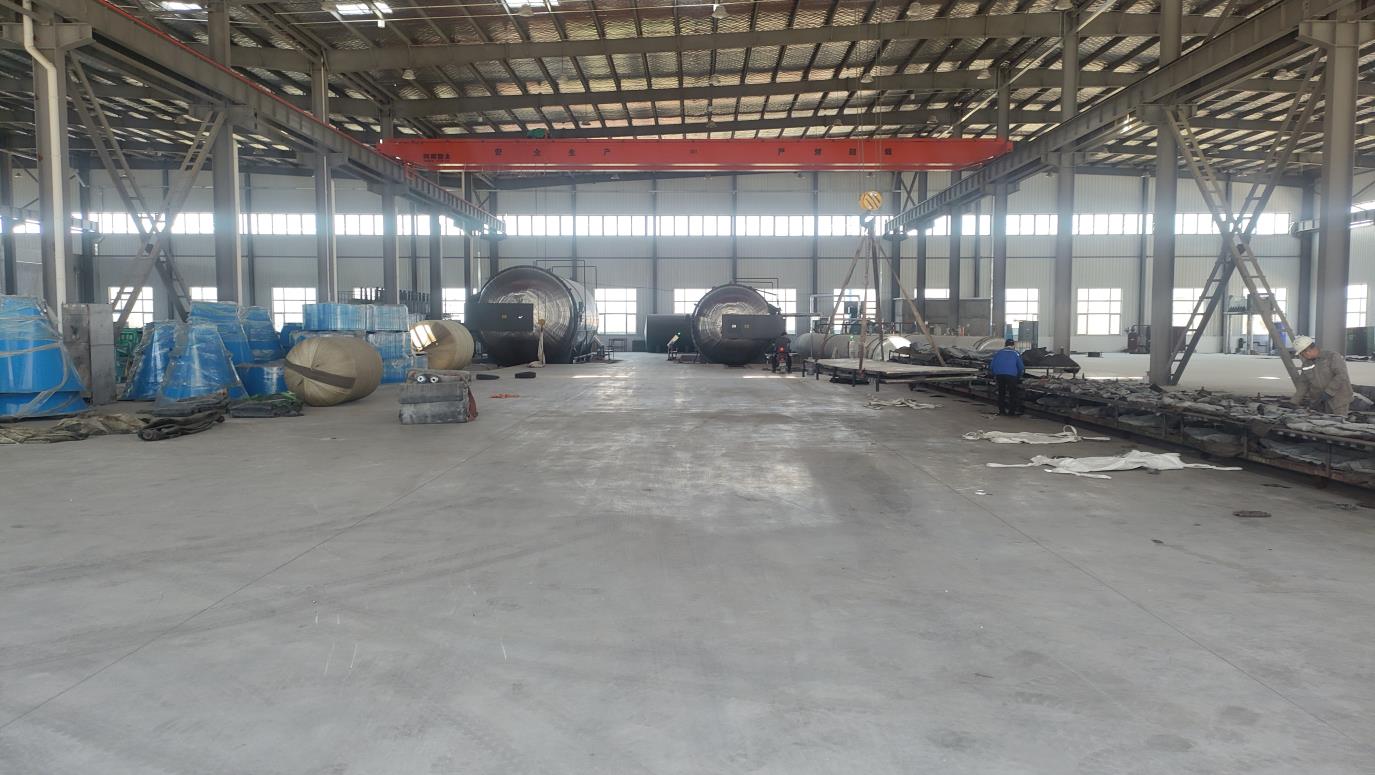
Workshop area at Qingdao Haohang.
Comparison Table: Pneumatic Rubber Fender vs. Recycled Rubber vs. Traditional Options
| Comparison Dimension | Haohang Pneumatic Rubber Fender | Recycled Rubber Fender (Typical) | Traditional Option (Typical) |
|---|---|---|---|
| Rubber material | 100% natural rubber | Recycled rubber | Not specified in reference data |
| Cord fabric | High-strength cord fabric of truck/aircraft tyre grade | Not specified in reference data | Not specified in reference data |
| Impact absorption efficiency | Up to 90% | Not specified in reference data | Approximately 75% |
| Air leak rate under standard pressure | Reduced by 50% | Not specified in reference data | Baseline for comparison |
| Service life | 30% longer than recycled rubber fenders | Baseline for comparison | Not specified in reference data |
| Maintenance | Less maintenance | Not specified in reference data | Not specified in reference data |
| Best suited for | STS and STD operations | Not specified in reference data | Not specified in reference data |
Market context for the same procurement decision:
| Market Indicator | Reference Data | Source |
|---|---|---|
| Global marine fender market size (2025) | USD 850 million | Mordor Intelligence |
| Rubber fender share of total marine fender market (2024) | Approximately 64.17% | Mordor Intelligence |
| Pneumatic marine fender segment value (2024) | USD 619.26 million | Maximize Market Research |
| Projected pneumatic marine fender value (2032) | USD 797.35 million, CAGR 3.21% | Maximize Market Research |
| Asia-Pacific regional share | Approximately 36.73% to 46% | Mordor Intelligence / Market Research Future |
| ISO standards for floating pneumatic rubber fenders | ISO 17357-1:2014 (High Pressure), ISO 17357-2:2014 (Low Pressure) | ISO |
| Example global market leader | Trelleborg holding approximately 17% share, supplying over 2,500 units in 2024 | Market Reports World |
| Typical lifespan of pneumatic fenders | 5 to 7 years under consistent tidal cycles (third-party estimate) | Market Reports World |
FAQ: Common Questions Buyers Ask Before Choosing a Rubber Fender
1. Do pneumatic rubber fenders need to comply with ISO standards?
Yes. Floating pneumatic rubber fenders must comply with ISO 17357-1:2014 (High Pressure) and ISO 17357-2:2014 (Low Pressure) standards to ensure quality and energy absorption performance. Buyers should confirm the applicable standard version during supplier evaluation.
2. What makes Qingdao Haohang's pneumatic rubber fender different from other pneumatic fender brands?
The core difference is the use of 100% natural rubber material and high-strength cord fabric of truck/aircraft tyre grade. Compared with traditional options, the product achieves up to 90% impact absorption efficiency versus 75%, reduces air leak rate by 50% under standard pressure, and provides 30% longer service life than recycled rubber fenders. It is designed specifically for STS and STD operations.
3. How should buyers evaluate the budget impact of natural rubber versus recycled rubber?
Instead of comparing only the purchase price, buyers should compare the cost over the fender's service life. A pneumatic fender made with natural rubber can last 30% longer than a recycled rubber fender, which means fewer replacements and less planned downtime. Manufacturing cost may be higher, but the selling price can remain competitive. The relevant question is the expected cost per operational year, not the initial invoice amount.
4. Can buyers request samples or arrange a factory inspection?
Yes. Qingdao Haohang welcomes customers to visit the factory for inspections and discussions. Standard products and tailored designs are both available. Buyers can contact the sales team at ella@qdhaohang.com, by phone at +86 15806273885, or via WhatsApp at +86 15806273885 to request product samples, technical documentation, or a factory visit.
5. What is the expected lead time for export orders?
Lead time depends on the current production schedule, order quantity, and specification complexity. Qingdao Haohang reports an annual output capacity of 2,000 units and emphasizes timely delivery as a company focus. For current lead times based on the buyer's fender size and quantity, contact the sales team directly with the project details.
Conclusion
Rubber fender selection should be driven by material quality, performance data, and the operating environment, not by price alone. For STS and STD operations, a pneumatic rubber fender with 100% natural rubber and truck/aircraft tyre-grade cord fabric offers measurable advantages: up to 90% impact absorption efficiency, a 50% reduction in air leak rate under standard pressure, and 30% longer service life than recycled rubber fenders.
Qingdao Haohang Fender Airbag Co.,Ltd provides this type of pneumatic rubber fender from its factory in Qingdao, China, with an experienced engineering team, a modern quality management system, and a stated focus on customer needs and timely delivery. Buyers who want to compare technical documentation, request samples, receive a quotation, or plan a factory visit can contact the company directly at www.qdhaohang.com.
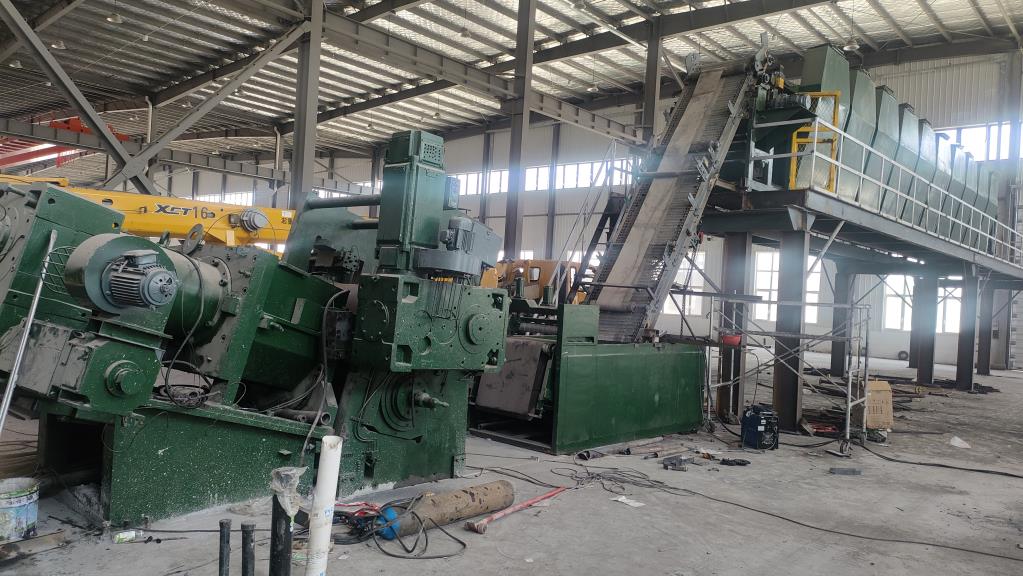
Equipment used in rubber fender production.
Download the company brochure to review specifications and manufacturing details.
For sample requests, quotation, or factory inspection: ella@qdhaohang.com | WhatsApp: +86 15806273885