Rubber Fender Manufacturing: OEM/ODM Essentials for Buyers
Rubber fenders are protective components widely used in ports, docks, ship mooring, offshore platforms, and temporary mooring sites. When buyers move from evaluation to execution, the key question is whether a manufacturer can deliver the exact specification with the right quality, certification, and delivery schedule. This article explains the manufacturing capabilities that matter most in rubber fender sourcing—OEM/ODM production, customization, quality control, certification, MOQ, lead time, and after-sales support—using Qingdao Haohang Fender Airbag Co.,Ltd as a reference example.
Problem Definition: The Real Challenge in Rubber Fender Procurement
Industrial buyers face several problems when buying rubber fenders beyond choosing a model from a catalog:
- Standard product sizes may not match the berthing structure or vessel profile.
- Customizing diameter, length, or logo can be difficult with rigid suppliers.
- Quality uncertainty remains when testing and inspection processes are not transparent.
- Missing certification can delay project approval or classification.
- Long lead times may conflict with project commissioning schedules.
- After-sales support, such as remote troubleshooting or on-site assistance, may not be available.
The value of a rubber fender depends not only on the product design but also on the supplier's manufacturing discipline, customization flexibility, and responsiveness. Therefore, a capability-based evaluation should happen before any order is placed.
Industry Background: A Maturing Market with Standardized Products
The global marine fender market was estimated at USD 850 million in 2025, with rubber fenders accounting for approximately 64.17% of the total market share in 2024. The pneumatic marine fender segment was valued at USD 619.26 million in 2024 and is projected to grow at a CAGR of 3.21% to reach USD 797.35 million by 2032. Asia-Pacific is the dominant region, holding approximately 36.73% to 46% of the market, driven by major shipbuilding and port activities in China, Japan, and South Korea.
Floating pneumatic rubber fenders must comply with ISO 17357-1:2014 (high pressure) and ISO 17357-2:2014 (low pressure) standards to ensure quality and energy absorption performance. The global competitive landscape includes established manufacturers such as Trelleborg Marine Systems, Yokohama Rubber Co., ShibataFenderTeam, Palfinger Marine, and Evergreen Maritime. Trelleborg is reported to hold a 17% share and supplied over 2,500 units in 2024.
For a buyer, this background signals that rubber fenders are a mature and standardized category. Performance differences come from execution, inspection discipline, and the ability to respond to project-specific requirements.
Detailed Solution: Matching Manufacturing Capability to Project Needs
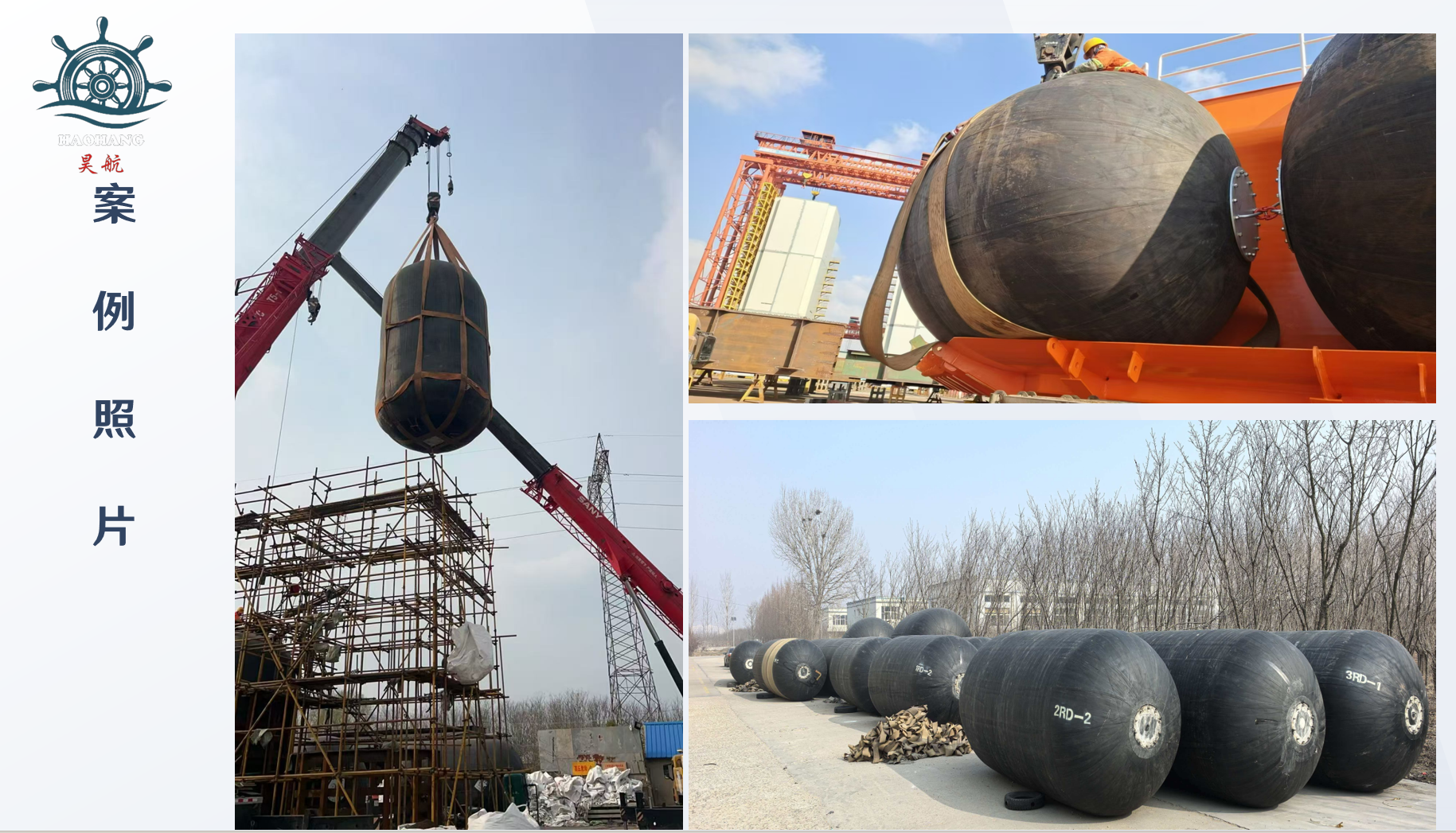
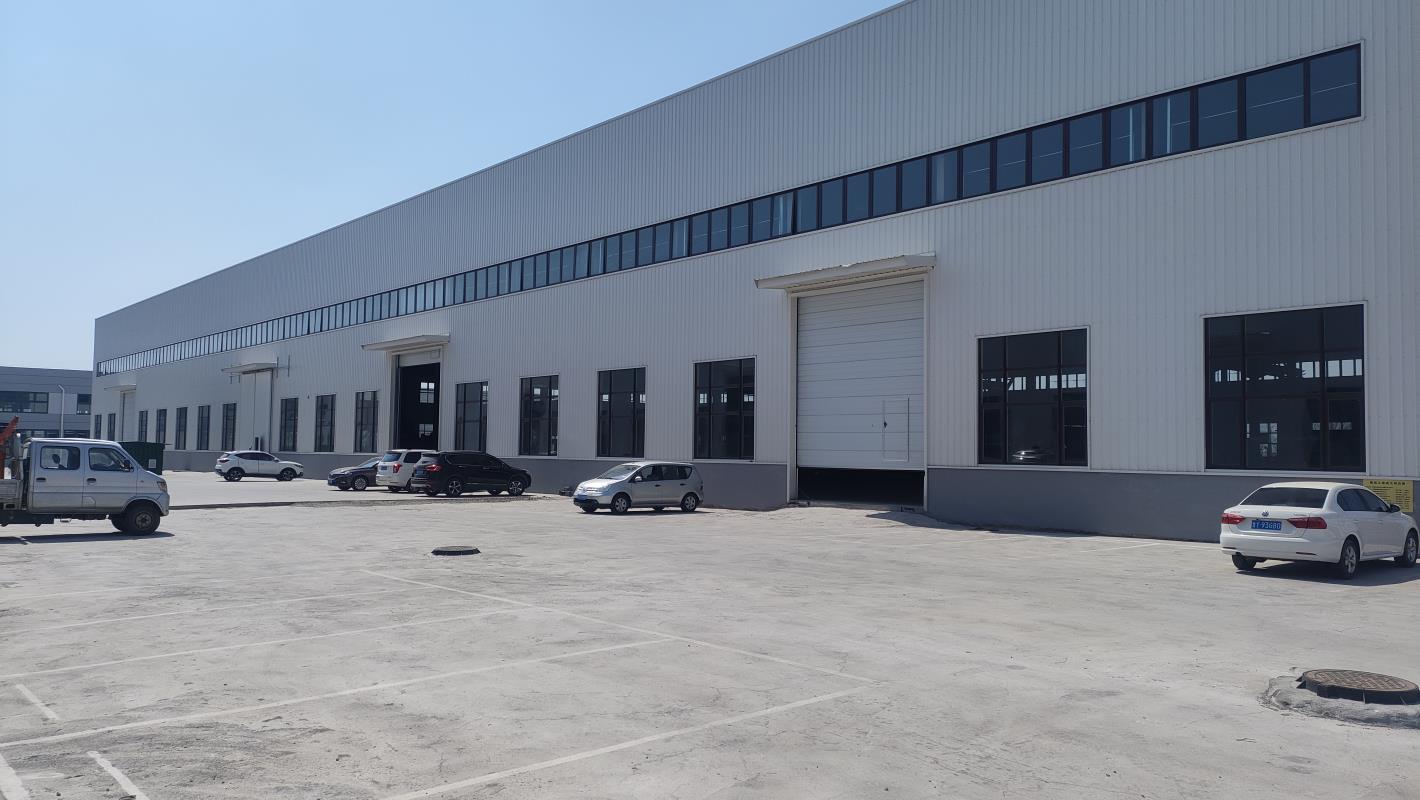
Qingdao Haohang Fender Airbag Co.,Ltd is a rubber fender and marine airbag manufacturer based in Qingdao, China. Founded in 2020, the company has a plant area of more than 3,168 square meters and employs around 60 people, including 15 engineers focused on product development and design. The company reports an annual output of 2,000 units and exports approximately 70% of its products, mainly to South Asia, the Middle East, and Africa. Its product portfolio includes marine airbags and rubber fenders.
Core Product Specifications
- Diameter: ranging from 300 mm to 2000 mm
- Length: customizable, typically from 1 meter to 10 meters
- Working pressure: generally 0.1–0.3 MPa
- Material: natural rubber and cord fabric
- Applicable industries: ports and docks, ship mooring, offshore platforms, inland river docks, temporary mooring
OEM/ODM and Customization
Qingdao Haohang provides OEM and ODM production services, with customization covering size and logo. This means the manufacturer can work from a buyer's specification rather than offering only standard models. For project-based procurement, the ability to adjust length or add a specific logo can make a significant difference in installation and fleet identification. The factory's monthly production capacity is 150 units, which supports both small trial orders and larger batches.
Quality Control and Certification
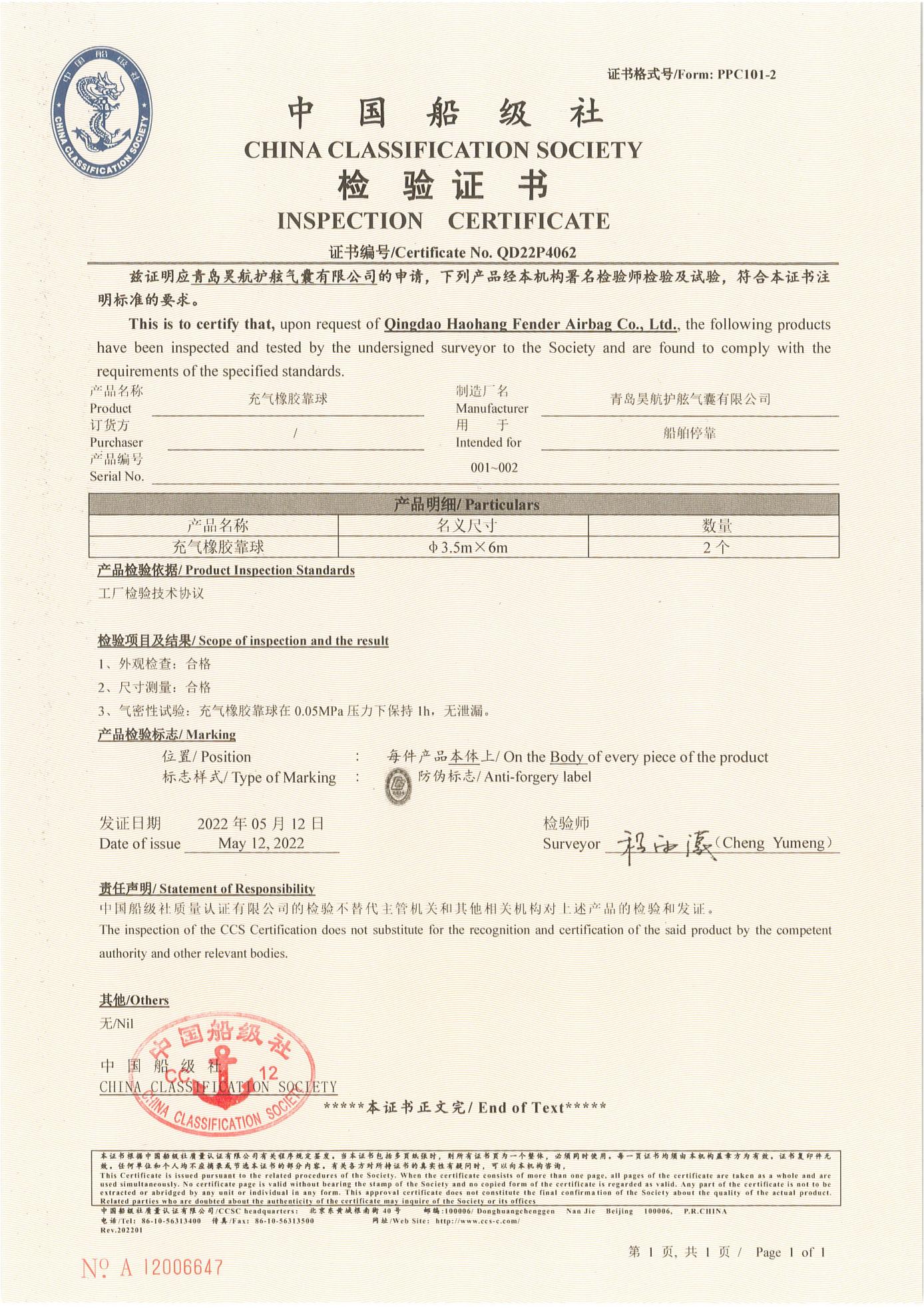
Quality control is a core part of the manufacturing system. Qingdao Haohang implements 100% testing on all units. In addition to internal testing, the procurement process can include pre-shipment testing and third-party inspection by recognized bodies such as CCS or BV. The company holds a CCS certificate (certificate number QD22P4062) issued by the China Classification Society on 2022-05-12, covering pneumatic rubber fenders for the global market.
Procurement Terms and Delivery
For buyers moving into execution, procurement terms matter as much as technical specifications. Qingdao Haohang's minimum order quantity (MOQ) is 1 unit, which reduces the risk of a first order. Typical lead times range from 7 to 45 days, depending on order size and specification. Delivery can be arranged as EXW, FOB Qingdao, or CIF. Payment terms are 30% T/T in advance and 70% T/T before delivery. The manufacturer also offers remote support and on-site support as after-sales services.
Step-by-Step Breakdown: A Capability-First Procurement Process
Step 1: Define the Technical Specification
Before contacting suppliers, confirm the working pressure, diameter, length, quantity, and application scenario. For example, pneumatic rubber fenders typically use a working pressure of 0.1–0.3 MPa. A diameter range of 300 mm to 2000 mm covers most standard needs, but the length should be matched to the vessel's contact profile and fender spacing.
Step 2: Evaluate OEM/ODM Capability
Check whether the manufacturer can produce to your specification, including non-standard lengths, logo marking, or custom design. A supplier with OEM/ODM services, such as Qingdao Haohang, is more likely to align with project-specific requirements instead of pushing pre-defined dimensions.
Step 3: Verify Certification and Quality Control
Ask for the relevant certificates and describe the testing process. For pneumatic rubber fenders, CCS certification indicates an independent review of the product. Confirm the certificate number and scope. Ask about 100% testing, pre-shipment inspection, and the possibility of third-party on-site inspection by CCS or BV.
Step 4: Align Procurement Terms
Review MOQ, lead time, incoterms, and payment schedule. A 7–45 day lead time with an MOQ of one unit gives flexibility for a first order. Delivery terms such as EXW, FOB Qingdao, or CIF affect logistics cost and responsibility. Payment terms of 30% T/T in advance and 70% T/T before delivery are commonly used in this category.
Step 5: Plan for Execution
Once the order is placed, maintain communication with the factory for production updates. Arrange pre-shipment testing and confirm the delivery documentation. After delivery, clarify the after-sales support method—remote support or on-site support—so any issues can be resolved quickly.
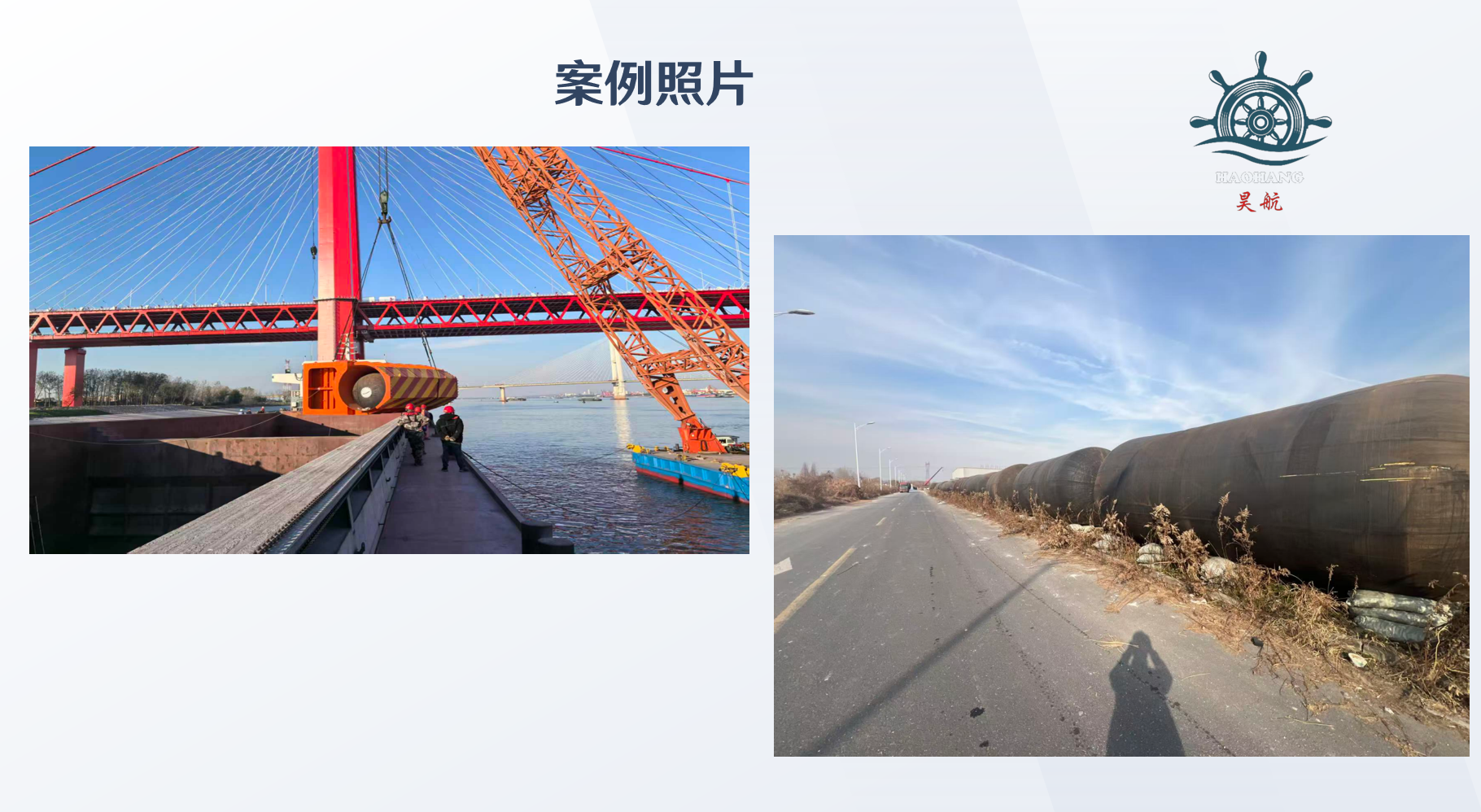
Use Cases: Real Performance in Coastal Marine Environments
A documented case from China illustrates how pneumatic rubber fenders perform in a coastal marine environment. An engineering contractor client installed 50 units of pneumatic rubber fenders for berthing operations at a site in China. The product was used to protect vessels and dock structures during berthing. Over a five-year period, the fenders successfully withstood extreme weather and high-frequency berthing. A key highlight of the case is the high corrosion resistance suitable for China's coastal marine environment.
For buyers, this case offers several insights:
- Scale: an order of 50 units demonstrates the ability to supply mid-sized projects.
- Durability in real conditions: five years of service with extreme weather verifies long-term performance.
- Material-environment matching: high corrosion resistance is important in saltwater environments.
This result is consistent with typical service life expectations for pneumatic fenders, often reported as 5 to 7 years under consistent tidal cycles.
Comparison Table: Supplier Capability Checklist
The following table compiles the capability indicators buyers can check during supplier evaluation, alongside the profile of Qingdao Haohang. Use this as a starting checklist for comparing rubber fender manufacturers.
| Evaluation Criterion | Why It Matters | Qingdao Haohang Profile |
|---|---|---|
| Production Mode | OEM/ODM flexibility determines whether the supplier can adapt to your design and branding needs | OEM and ODM production; customization of size and logo |
| Monthly Production Capacity | Shows whether the factory can handle your order volume within your timeline | 150 units |
| Lead Time | Directly affects project planning and commissioning | 7–45 days |
| Minimum Order Quantity | Low MOQ reduces initial risk and supports trial orders | 1 unit |
| Quality Control | Full testing reduces the chance of defective units reaching installation | 100% testing of all units |
| Certification | Independent assessment supports compliance with classification requirements | CCS certificate QD22P4062 |
| Third-Party Inspection | Allows buyers or project owners to involve independent verifiers | Pre-shipment test; third-party inspection (CCS, BV) |
| After-Sales Support | Determines how issues will be resolved after delivery | Remote support / on-site support |
| Export Experience | Relevant for cross-border procurement and international logistics | Approx. 70% export ratio; South Asia / Middle East / Africa |
Note: Data points are based on information provided by the manufacturer in public sourcing materials. Buyers should always request the latest certificate and test reports before placing an order.
FAQ
CCS certification is a recognized third-party certification for marine equipment. Qingdao Haohang Fender Airbag Co.,Ltd holds CCS certificate number QD22P4062, issued by the China Classification Society on 2022-05-12, covering pneumatic rubber fenders for the global market. Buyers should verify whether their project contract or flag state requires a specific class certificate. If other class certificates are needed, third-party inspection such as CCS or BV can be arranged as part of the procurement process.
A capable manufacturer should support OEM and ODM production. Qingdao Haohang provides OEM and ODM production services, including customization of size and logo. Buyers can request fenders that match their project dimensions and branding rather than being limited to a standard catalog. Confirm whether customization applies to technical parameters, appearance, and packaging before placing an order.
In the case of Qingdao Haohang, the minimum order quantity for rubber fenders is 1 unit, and monthly production capacity is 150 units. Price depends on the specific size, material, and quantity. Payment terms are 30% T/T in advance and 70% T/T before delivery, which supports cash flow planning. Customization of size and logo can affect cost, so the final price should be confirmed with the factory for the exact specification.
Yes. With an MOQ of 1 unit, a trial order is feasible. A common example model is 1.5*3M, and the available diameter range is 300 mm to 2000 mm with customizable length typically from 1 meter to 10 meters. Lead time ranges from 7 to 45 days, so a trial order can be completed within this window. Pre-shipment testing and third-party inspection (CCS or BV) can also be arranged to confirm quality before shipment.
The typical lead time is 7 to 45 days, depending on order size, specification, and production schedule. Standard models with minimal customization are closer to the shorter end of the range, while custom sizes or larger quantities increase lead time. The factory's monthly production capacity is 150 units, and the MOQ is 1 unit. Buyers can confirm lead time and delivery terms (EXW, FOB Qingdao, or CIF) before ordering.
Conclusion
Rubber fenders are engineered safety components that protect vessels, docks, and offshore assets. For buyers in the evaluation-to-execution phase, the decision should be based on the manufacturer's ability to customize, test, certify, and deliver in line with project requirements. Qingdao Haohang combines OEM/ODM production, size and logo customization, 100% testing, CCS certification, a low MOQ, and practical lead times in a single manufacturing system. These capabilities reduce procurement risk and make project planning more predictable.
Next step for procurement teams:
If you are evaluating a rubber fender manufacturer for an upcoming marine project, contact Qingdao Haohang directly to confirm current lead times, certification details, and pricing for your specification.
Contact: Ella
Email: ella@qdhaohang.com
Phone / WhatsApp: +86 15806273885
Address: Jinyuan 2nd Road, Jinkou Industrial Park, Jimo District, Qingdao City, China