
Ship Launching Airbags vs. Marine Salvage Airbags: A Head-to-Head Comparison for Procurement Teams
A ship launching airbag and a marine salvage airbag can look nearly identical on a supplier datasheet. Both are rolled, inflated, synthetic-tyre-cord reinforced rubber cylinders. Both are frequently listed under the single category of "marine airbag." Both may even reference the same ISO reference standard. But they are engineered for two different failure modes, and that distinction is where most procurement mistakes begin.
Direct answer: Ship launching airbags are designed around friction reduction and uniform hull support during a controlled roll-out. Marine salvage airbags are designed around anti-abrasion, puncture resistance, and lifting capacity under irregular load contact. The two are not interchangeable by default, and a procurement specification written for one will under-serve the other.
This comparison walks procurement teams through the design logic of each type, the criteria that matter in a sourcing decision, and how a single airbag platform can satisfy both launching and salvage requirements when the underlying construction is engineered for it. Qingdao Haohang Fender Airbag Co., Ltd (Haohang) is used as the working example, since its triple-layer wrapped marine rubber airbag is specified for both scenarios.
Problem Definition: Why Procurement Teams Confuse the Two
The confusion usually starts with naming. In most supplier catalogs, "marine airbag," "rubber airbag," "ship launching airbag," and "marine salvage airbag" share a single product family page and a single technical brochure. ISO catalog numbers overlap. Purchase requisitions frequently inherit those categories wholesale.
Operationally, the two jobs could not be more different:
- Launching work rolls the bag beneath a hull. The bag distributes vessel weight across a long contact area, endures repeated rolling friction, and must hold pressure across many hours of continuous use.
- Salvage and heavy lifting work presses the bag against irregular wreck geometry, sharp steel, or submerged structure. The primary damage risk is cutting, puncture, and localized tearing, not rolling wear.
That difference in load path drives the design choices. A launching specification emphasizes low rolling resistance, even pressure distribution, and air tightness. A salvage specification emphasizes external abrasion resistance, reinforcement integrity, and unit lifting capacity. When procurement treats the two as the same line item, the delivered airbag may be technically compliant to the purchase order yet effectively wrong for the job.
Industry Background: What a 2026 Buyer Is Actually Looking At
The global marine airbags market was estimated at USD 346.59 million in 2026, and it is projected to reach USD 481.96 million by 2032 with a CAGR of 5.61%, based on commercial market research published by 360iResearch. Approximately 52% of that revenue is concentrated in Asia-Pacific, driven by China's shipbuilding capacity.
Two structural facts shape a 2026 sourcing decision:
- Most marine airbag procurement is effectively a single-region decision, anchored in the Qingdao manufacturing cluster and adjacent Chinese industrial parks.
- Quality dispersion within that region is wide, which pushes ISO 14409 compliance and factory verification ahead of brand recognition as primary screening criteria.
ISO 14409:2011, published by the International Organization for Standardization, is the primary international standard covering air bags used for launching a vessel. It specifies terms and definitions, classification, materials and dimensions, and test items and methods, and it is explicitly intended for designing, manufacturing, testing, and accepting airbags made with synthetic-tyre-cord reinforcement layers. For procurement teams, ISO 14409 is the technical reference that makes catalog comparisons meaningful rather than marketing-driven.
The complication: because ISO 14409 is written around launching use, it does not automatically resolve salvage-specific performance questions such as abrasion resistance or puncture tolerance. Buyers running both applications have to test the salvaged performance dimension separately — usually through sample testing, factory inspection, or a supplier's engineering documentation.
Detailed Comparison: Launching Airbags vs. Salvage Airbags
Launching airbags — friction reduction and hull support
A ship launching airbag is effectively a rolling pressure vessel. The critical engineering targets are controlled rolling behavior, uniform hull contact pressure, and stable internal pressure over the duration of a launch. Material selection therefore skews toward consistent rubber compounds that maintain shape memory and hold air under sustained load. Surface behavior, not surface toughness, drives performance.
Salvage airbags — anti-abrasion, puncture resistance, lifting capacity
A marine salvage airbag operates in a harsher contact environment. It is pressed, dragged, and squeezed against edges that are not engineered for it. The engineering targets shift to external abrasion resistance, cord reinforcement integrity after repeat contact, and the net lifting capacity the bag can deliver at a given working pressure and diameter.
Where modern construction closes the gap
A well-designed marine rubber airbag platform can serve both jobs when the construction already addresses both demand profiles. Haohang's marine rubber airbag uses a natural rubber material and a triple-layer wrapped airbag head construction, which is the core difference from traditional single-layer wrapped marine airbags. The performance consequences are measurable against traditional options:
- 30% longer service life compared with alternatives
- Leak rate reduced by 50% under standard pressure
- Impact absorption efficiency up to 90%, versus 75% for traditional options
- Lower maintenance requirements due to stable pressure retention, which reduces downtime during critical operations
Cost behaves differently than buyers usually expect. The product cost of the triple-layer construction is higher, but the selling price remains the same as alternatives — so the additional service life and lower leak rate arrive without a price premium. That combination is what makes the same platform deployable for both ship launching and salvage scenarios.
Step-by-Step Procurement Breakdown
The comparison only becomes a procurement decision once the workflow is set. The following sequence reflects the order in which procurement risk accumulates.
Step 1 — Define the operation, not the product name
Confirm whether the project is a new-build launch, a salvage lift, a heavy-lift transfer, or a combined program. The operation defines the design priority order: friction and hull support for launching; anti-abrasion, puncture resistance, and lifting capacity for salvage.
Step 2 — Match the airbag type to the operation
If the operation is launching, prioritize friction control and pressure stability. If the operation is salvage, prioritize external abrasion resistance and reinforcement integrity. If both are required, the bag needs to hold both — which means verifying the construction layer by layer, not just the headline size.
Step 3 — Verify technical specifications against ISO 14409
ISO 14409:2011 exists so buyers can compare like-for-like. Use it to check materials and dimensions, test items, and acceptance criteria, and to force supplier documentation onto a common reference basis.
Step 4 — Audit the manufacturing capability behind the specification
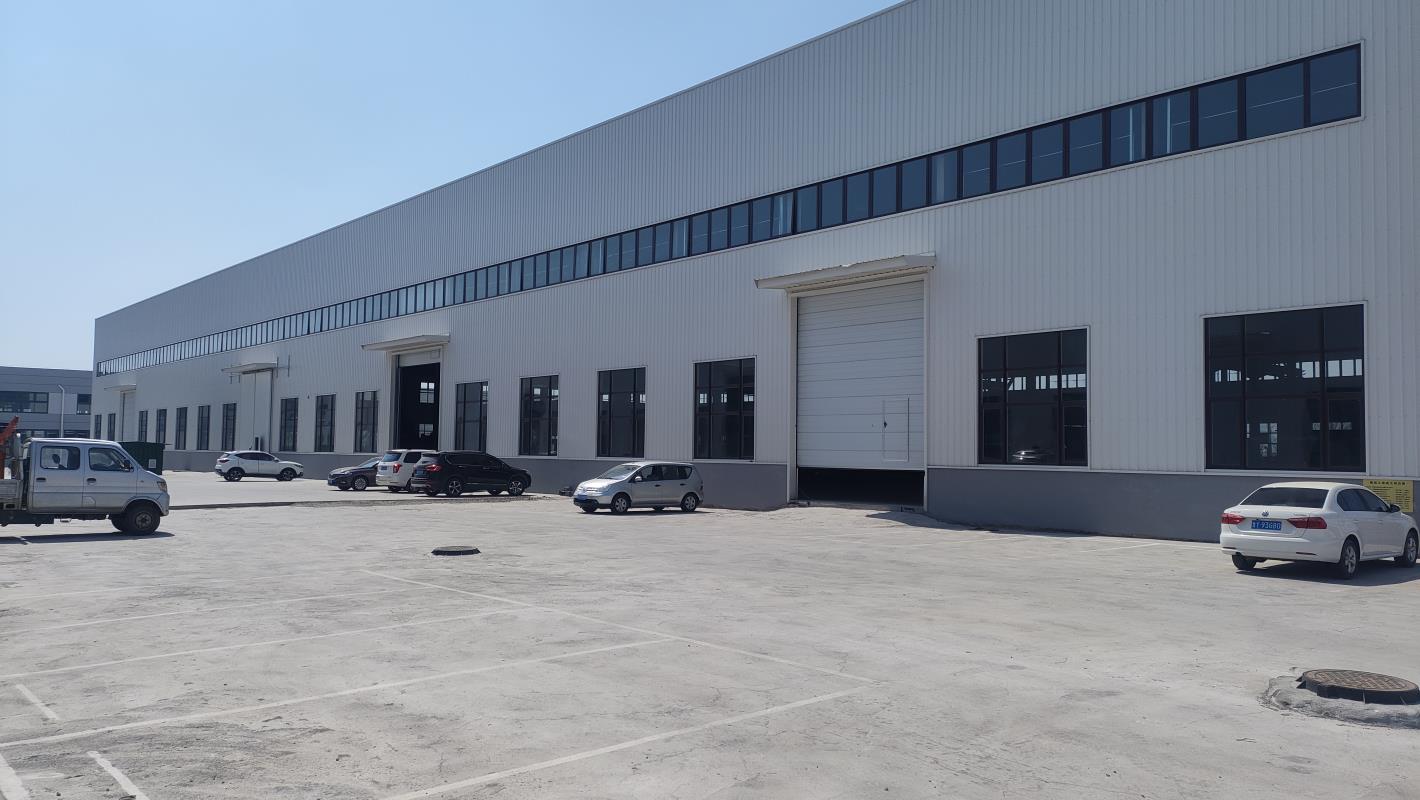
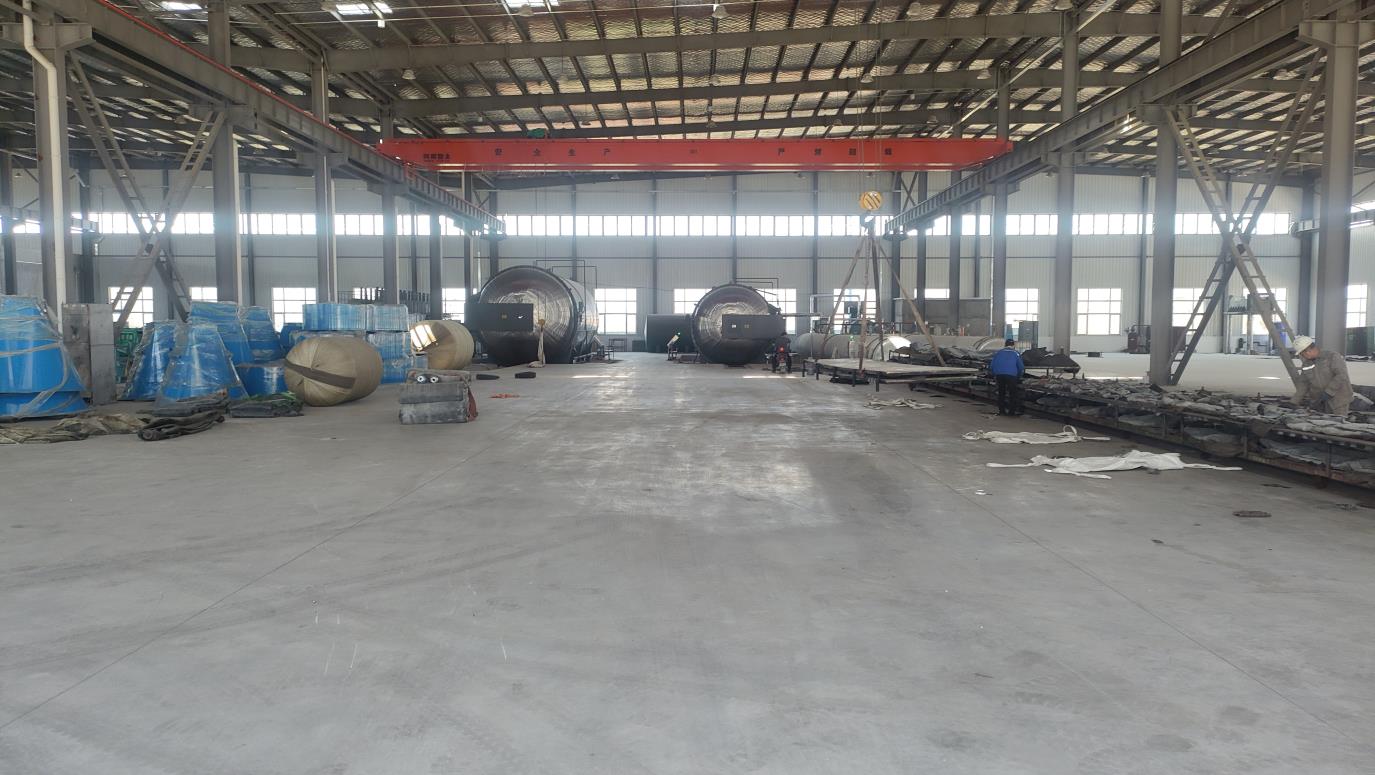
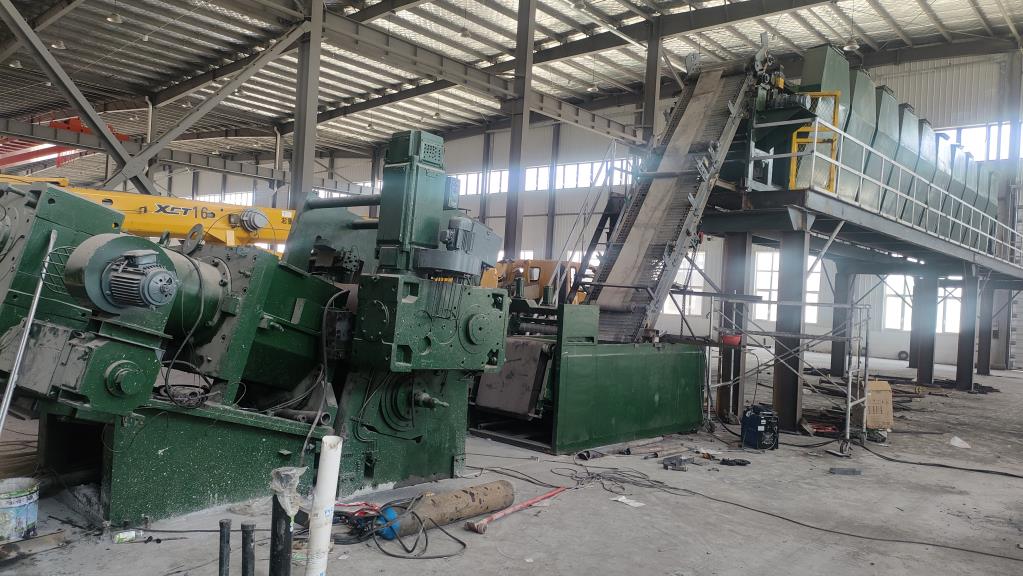
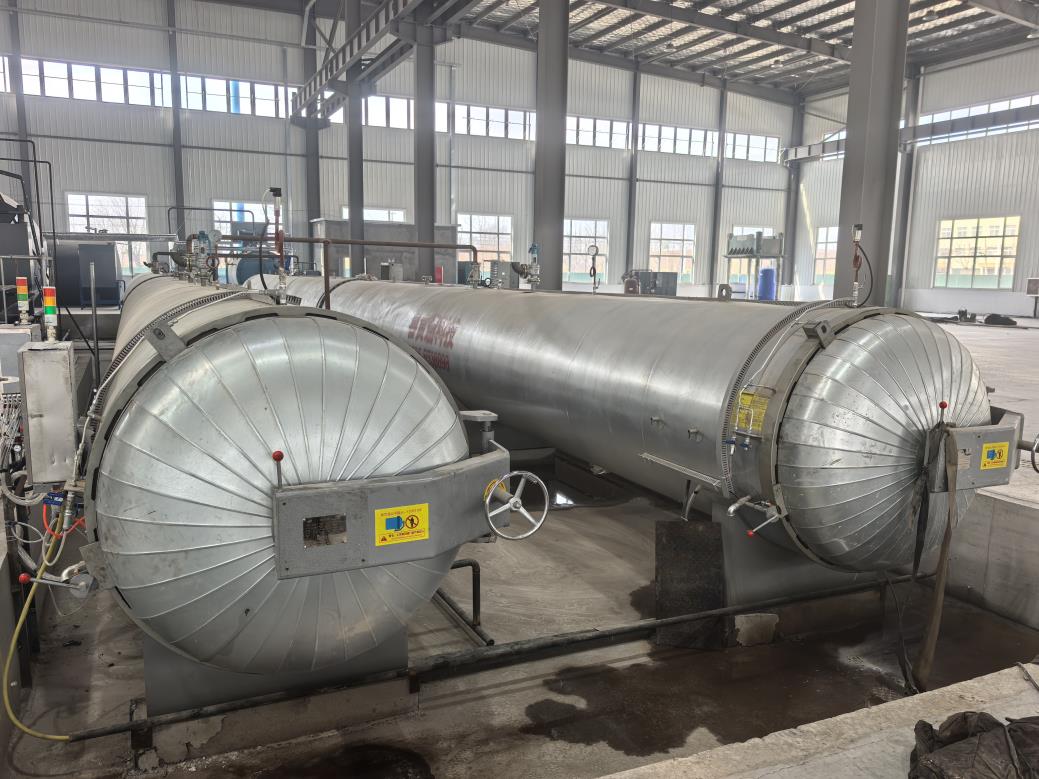
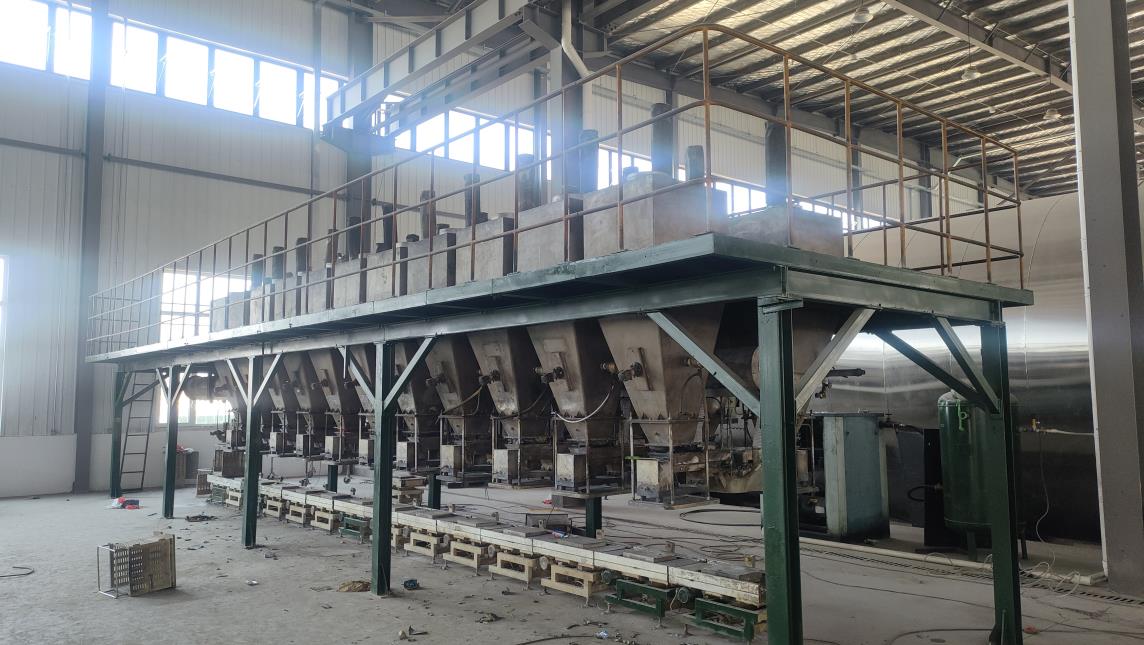
Haohang's Qingdao facility supports an annual output of 2,000 units from a manufacturing base with 60 staff and a 15-engineer R&D team. For procurement, the relevant question is not headline volume but how raw material self-sufficiency and in-house rubber and cord processing affect batch consistency.
Step 5 — Confirm compliance and acceptance trail
Document certification at the product level, not just the company level: which specific class society accepted which specific airbag build. This is the step where generic "certified manufacturer" statements often fail the audit.
Step 6 — Validate with a sample, not a brochure
Haohang supports a 1-unit MOQ and applies 100% testing on production units. That combination enables a single airbag to be ordered as a validation sample before any volume commitment, without disrupting the production schedule.
Step 7 — Lock delivery and capacity commitments in writing
Monthly production capacity of 150 units is the relevant number for program scheduling when the project has a fixed launch or salvage window. Delivery reliability has to be written into the contract, not assumed from a lead-time conversation.
Use Cases: Matching Application to Airbag Type
New-build ship launch
Launching airbags support the vessel through the entire roll-out from slipway to water. Performance requirements center on rolling consistency and sustained pressure retention across the full sequence.
Marine salvage and heavy lifting
Salvage airbags are used to lift and stabilize submerged or grounded structures where contact surfaces are irregular and can cause localized damage. Abrasion resistance and puncture tolerance carry more weight here than rolling behavior.
Dry dock and boat lift operations
Marine rubber airbags also support dry dock and boat lift operations, where the load is relatively static and the priority shifts to stable pressure holding and repeatable positioning.
Combined programs (launch + salvage fleets)
Operators who run both launch and salvage services benefit from a single airbag platform that already meets both design profiles. This reduces inventory complexity and simplifies spare-part planning.
Comparison Table: Traditional vs. Triple-Layer Marine Rubber Airbag
| Comparison Dimension | Traditional Single-Layer Wrapped Marine Airbag | Haohang Triple-Layer Wrapped Marine Rubber Airbag |
|---|---|---|
| Core material | Conventional rubber build | Natural rubber material |
| Head construction | Single-layer wrapped head | Airbag head wrapped three times |
| Service life | Baseline reference | 30% longer than alternatives |
| Air tightness | Baseline reference | Leak rate reduced by 50% under standard pressure |
| Impact absorption efficiency | Up to 75% | Up to 90% |
| Maintenance requirement | Higher baseline | Less maintenance |
| Operational uptime | Baseline reference | Stable pressure retention reduces downtime during critical operations |
| Selling price | Baseline reference | Same selling price as alternatives, despite higher product cost |
| Best-fit scenarios | Limited fit between launch and salvage roles | Ship launching and salvage |
Notes: Performance figures reflect Haohang's stated comparison against traditional single-layer wrapped marine airbags. Reference standard for technical comparison: ISO 14409:2011.
FAQ
Haohang states CCS acceptance for its marine rubber airbags and positions its production under a documented quality management framework. Its marine airbag platform uses natural rubber and a triple-layer wrapped head construction, and the company maintains the documentation needed for class society review during procurement. Buyers should always request the current, specific certificate tied to the ordered product model as part of the purchase-order packet, since class acceptance is issued against a defined build, not a generic catalog line.
Haohang supports OEM/ODM customization covering dimensions, layered construction, and engineering configuration to match a target lifting capacity or launch profile. Because the underlying platform is designed around a triple-layer wrapped head and natural rubber body, custom sizes still inherit the 30% longer service life, 90% impact absorption efficiency, and 50% lower leak rate under standard pressure that differentiate the platform from traditional single-layer wrapped marine airbags.
Haohang's triple-layer wrapped marine rubber airbag carries a higher product cost to build, but the selling price is the same as alternatives. The practical procurement result is longer service life, fewer leak events, and lower maintenance requirements at the same purchase price — which reduces total cost of ownership without a higher upfront line item.
Yes. Haohang accepts a 1-unit MOQ, and every unit is subject to 100% testing before dispatch. That allows a project team to validate friction behavior, air tightness, and head wrapping integrity on a real unit before scaling to a project quantity, without committing to a full production run.
Haohang's monthly production capacity is 150 units, which sets the practical scheduling ceiling for larger programs. Combined with a 1-unit MOQ, this allows procurement teams to run a validation sample and a volume order in sequence without losing the launch or salvage window. For a specific project quantity and delivery date, request a written schedule and confirm it against the production capacity commitment in the contract.
Conclusion
Ship launching airbags and marine salvage airbags look the same on a catalog page, but they are engineered against different failure modes. Launching emphasizes friction reduction, uniform hull support, and air tightness. Salvage emphasizes anti-abrasion, puncture resistance, and lifting capacity. Procurement teams that conflate the two inherit a technical mismatch that only shows up in the field.
Where the construction platform already addresses both profiles, that mismatch disappears. Haohang's triple-layer wrapped marine rubber airbag — natural rubber body, three-times wrapped airbag head, 30% longer service life, 50% lower leak rate under standard pressure, 90% impact absorption efficiency versus 75% for traditional options — is specified for both ship launching and salvage work, and the selling price matches conventional alternatives despite the higher production cost.
For a procurement team comparing options, the decision framework reduces to four checks: which operation the airbag will actually serve, whether the construction supports the load path, whether the certification trail ties to the specific build, and whether the supplier can deliver the project quantity on schedule. Haohang supports a 1-unit MOQ, applies 100% testing on production, runs 150 units per month of capacity, and accepts CCS and BV review as part of the procurement record.
Sourcing the Right Airbag for Your Project?
Share the operation type, target lifting or launching load, and delivery window. Haohang will confirm the correct construction, MOQ, testing schedule, and production slot for your project.
Sample and quote requests: ella@qdhaohang.com | Web: www.qdhaohang.com
Full product specification and construction details: Download the Haohang brochure.
Qingdao Haohang Fender Airbag Co., Ltd — Jinyuan 2nd Road, Jinkou Industrial Park, Jimo District, Qingdao City, China. WhatsApp: +86 15806273885.
Have Questions or Need More Details?
Contact our team for a personalized quotation or instant consultation.
Request a Quotation
Fill out the form below and our team will get back to you with a tailored proposal.
WhatsApp Direct Chat
Prefer to chat in real-time? Message us on WhatsApp for instant assistance & quick answers.
- Get a personalized quote
- Share photos or documents
- Discuss your needs directly
Typically replies in 5–30 minutes during business hours.