
The 2026 Procurement Blueprint for Pneumatic Rubber Fenders: Efficient Sourcing & Risk Mitigation
The 2026 Procurement Blueprint for Pneumatic Rubber Fenders: Efficient Sourcing & Risk Mitigation
As global maritime trade expands and offshore energy projects multiply, the demand for reliable marine fendering systems has never been higher. Pneumatic rubber fenders—also known as Yokohama fenders, inflatable boat fenders, or ship-to-ship (STS) fenders—play a critical role in protecting vessels and port infrastructure during berthing, mooring, and offshore operations. However, procurement professionals face mounting challenges: inconsistent quality across suppliers, hidden certification gaps, unpredictable lead times, and costly performance failures. This comprehensive guide delivers a structured, data-driven approach to sourcing pneumatic rubber fenders in 2026, enabling you to secure high-performance products while minimizing commercial and operational risks.
Problem Definition: Why Procurement of Pneumatic Fenders Often Goes Wrong
Purchasing pneumatic fenders is not a commodity buy. These engineered products must withstand extreme compression, dynamic impact, and harsh marine environments. Common pitfalls include:
- Material Substitution: Use of recycled rubber instead of 100% natural rubber reduces service life and energy absorption.
- Missing or Forged Certifications: Suppliers may claim compliance without recognized third-party approvals (e.g., CCS, BV, ABS).
- Inconsistent Manufacturing Quality: Weak cord fabric layers or poor vulcanization lead to early rupture or leakage.
- Unclear Trade Terms: Hidden costs for logistics, insurance, or customs can blow budgets.
- Inadequate After-Sales Support: No technical assistance for installation, repair, or replacement causes downtime.
Industry Background: The Critical Role of Pneumatic Rubber Fenders in 2026
The global marine fender market is projected to grow at a CAGR of 5.2% through 2030, driven by the expansion of LNG terminals, offshore wind farms, and large-scale port modernization in Asia, the Middle East, and Africa. Pneumatic rubber fenders, in particular, are favored for STS and ship-to-dock (STD) operations due to their high energy absorption (up to 90% efficiency), low reaction force, and ability to handle a wide range of vessel sizes. Modern applications demand fenders that operate reliably under extreme temperatures (-20°C to +60°C) and resist corrosion, UV, and abrasion. Industrial buyers must therefore prioritize suppliers that combine material science expertise, certified production, and responsive logistics.
Detailed Solution Explanation: A Step-by-Step Procurement Framework
To source pneumatic rubber fenders efficiently and mitigate risks, follow this proven seven-step process.
Step 1: Verify Third-Party Certifications
Certifications are the first line of defense against quality failures. Always request documentary proof from recognized classification societies. For example, Qingdao Haohang Fender Airbag Co., Ltd. holds a CCS Certificate (Certificate No. QD22P4062) for its pneumatic rubber fenders, issued by the China Classification Society (CCS). This certifies that the product meets international safety and performance standards. Inquire also about BV, ABS, or Lloyd's approvals depending on your target market.
Step 2: Inspect Material Composition
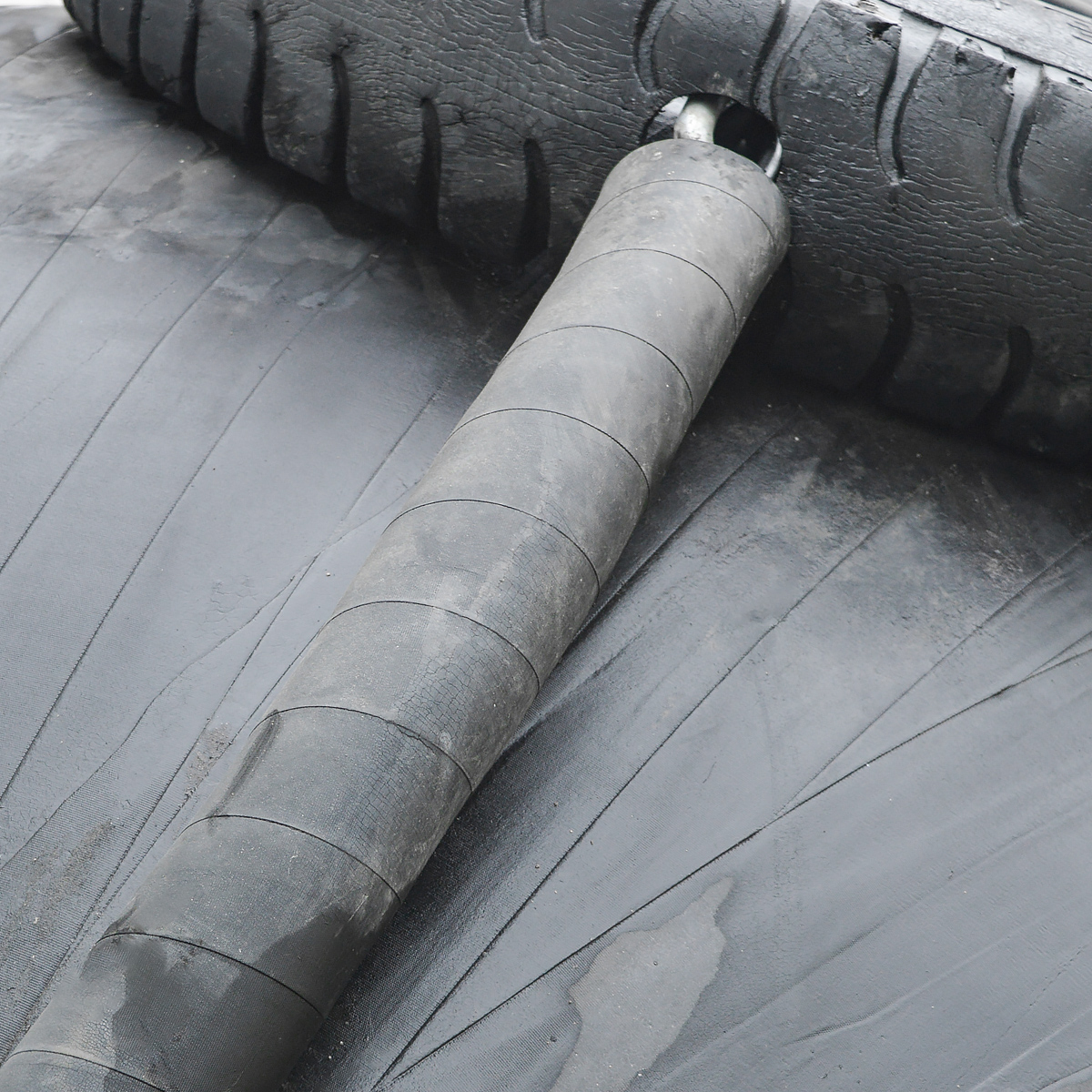
High-performance pneumatic fenders are built with 100% natural rubber and high-strength cord fabric (truck/aircraft tyre grade). Compared to fenders using recycled rubber, natural rubber variants deliver 30% longer service life and 50% lower air leak rates under standard pressure. Request material certificates and, if possible, perform spot checks on sample cross-sections.
Step 3: Evaluate Production Capacity & Lead Time
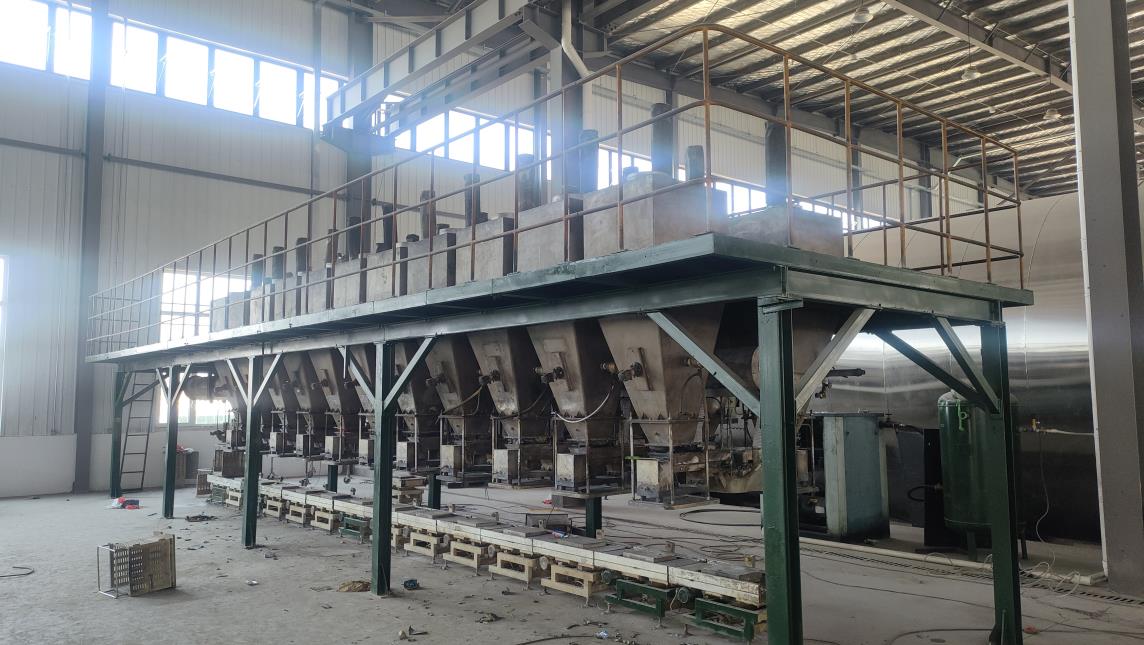
Reliable suppliers maintain a stable monthly output. Haohang, for instance, has a monthly capacity of 150 units and a lead time of 7–45 days depending on customization. With an 8,000 m² factory, 60 skilled employees, and 15 R&D engineers, they can handle OEM and ODM orders including custom size and logo. Check if the supplier has sufficient buffer capacity for urgent orders.
Step 4: Confirm Quality Control System
Rigorous quality assurance is non-negotiable. Reputable manufacturers perform 100% testing on every fender—including air tightness, burst pressure, and dimensional checks—before shipment. Third-party inspections (CCS, BV) can be arranged at buyer request. Haohang accepts pre-shipment testing and third-party certification to ensure full compliance.
Step 5: Understand Commercial Terms
Clear trade terms prevent cost overruns and delivery disputes. Standard offers for pneumatic fenders typically include:
| Parameter | Typical Terms (Haohang Example) |
|---|---|
| Minimum Order Quantity | 1 unit |
| Incoterms | EXW, FOB Qingdao, CIF |
| Payment | 30% T/T in advance, 70% T/T before delivery |
| Delivery | Per agreed incoterm (EXW/FOB/CIF) |
Always confirm the price validity period and whether the quoted price includes export packing, certificates, or special markings.
Step 6: Assess After-Sales Support & Risk Control
Even the best fenders may require maintenance. Ask about remote and on-site support, warranty terms, and repair procedures for surface abrasion or minor damage. Haohang offers regular maintenance service and can repair surface abrasion with rubber material. Ensure the supplier stocks spare parts (valves, chains, lifting lugs) for quick replacement.
Step 7: Validate with Real-World Case Studies
Request references or case studies from comparable projects. For example, Haohang supplied 50 pneumatic rubber fenders to an engineering contractor in China for berthing protection. After five years of service, the fenders continue to perform under high-frequency berthing and extreme coastal weather, demonstrating high corrosion resistance and durability. Such evidence validates the supplier’s claims.
Use Case: Successful STS Operation with Pneumatic Fenders
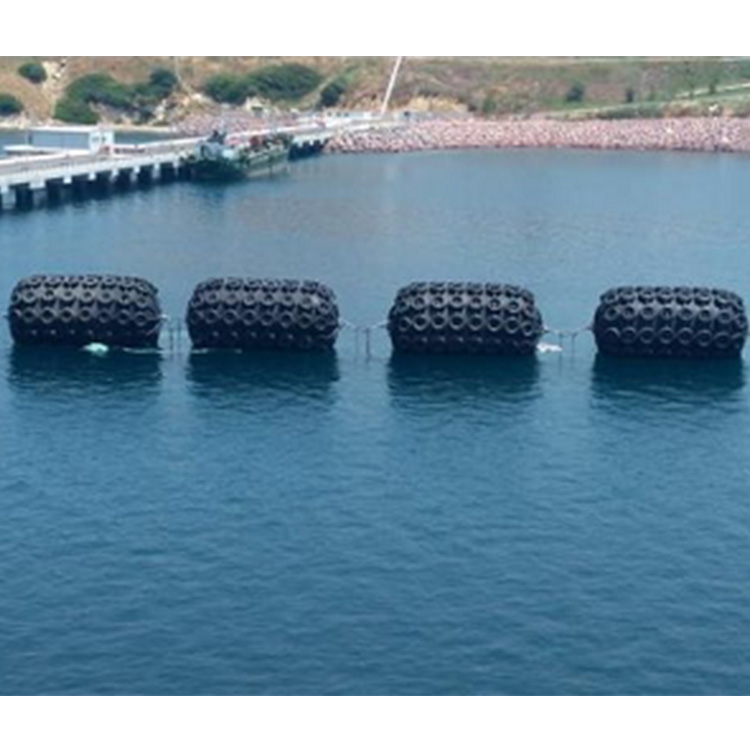
A Vietnamese port operator needed fenders for simultaneous ship-to-ship and ship-to-dock operations. They required high elasticity, corrosion resistance, and adaptability to monsoon conditions. After evaluating multiple suppliers, they chose Haohang’s pneumatic fenders made from 100% natural rubber with high-strength cord fabric. The fenders, with diameters from 1.0m to 2.0m, were customized for working pressure of 0.15–0.2 MPa. The result: smooth STS transfers, zero damage to hulls, and maintenance intervals extended by 40% compared to previous suppliers. This case confirms that certified, material-optimized fenders deliver measurable operational savings.
Frequently Asked Questions (FAQ)
A: The minimum order quantity is 1 unit. This allows buyers to test the product before committing to larger volumes.
(Source: Haohang standard terms)
A: Products are delivered via EXW, FOB Qingdao, or CIF methods, depending on the buyer's preference. Payment terms are 30% T/T in advance and 70% T/T before delivery.
(Source: Haohang trade terms)
A: Request the official certificate number (e.g., CCS QD22P4062) and validate it with the issuing authority. Reputable suppliers share certificates openly and allow third-party audits.
A: For surface abrasion, the fender can be repaired with rubber material. Manufacturers with responsive after-sales teams (like Haohang) provide remote support and spare repair kits.
A: Yes, most OEM/ODM-capable suppliers accept customization of dimensions and branding. Haohang, for example, offers customization in diameter (300mm–2000mm) and length (1m–10m).
Conclusion: Source Smart, Operate Safe
Procuring pneumatic rubber fenders doesn't have to be risky. By following a structured framework—verify certifications, inspect materials, evaluate production capacity, confirm quality control, negotiate clear trade terms, and validate with case studies—you can secure high-performance fenders that protect your assets and budget. Suppliers like Qingdao Haohang Fender Airbag Co., Ltd. exemplify the best practices outlined in this guide: CCS certified, 100% natural rubber, monthly capacity of 150 units, and flexible terms (MOQ 1, FOB/CIF, 30/70 payment).
For detailed product specifications and a downloadable company brochure, visit www.qdhaohang.com or contact Ella at ella@qdhaohang.com / WhatsApp: +86 15806273885.