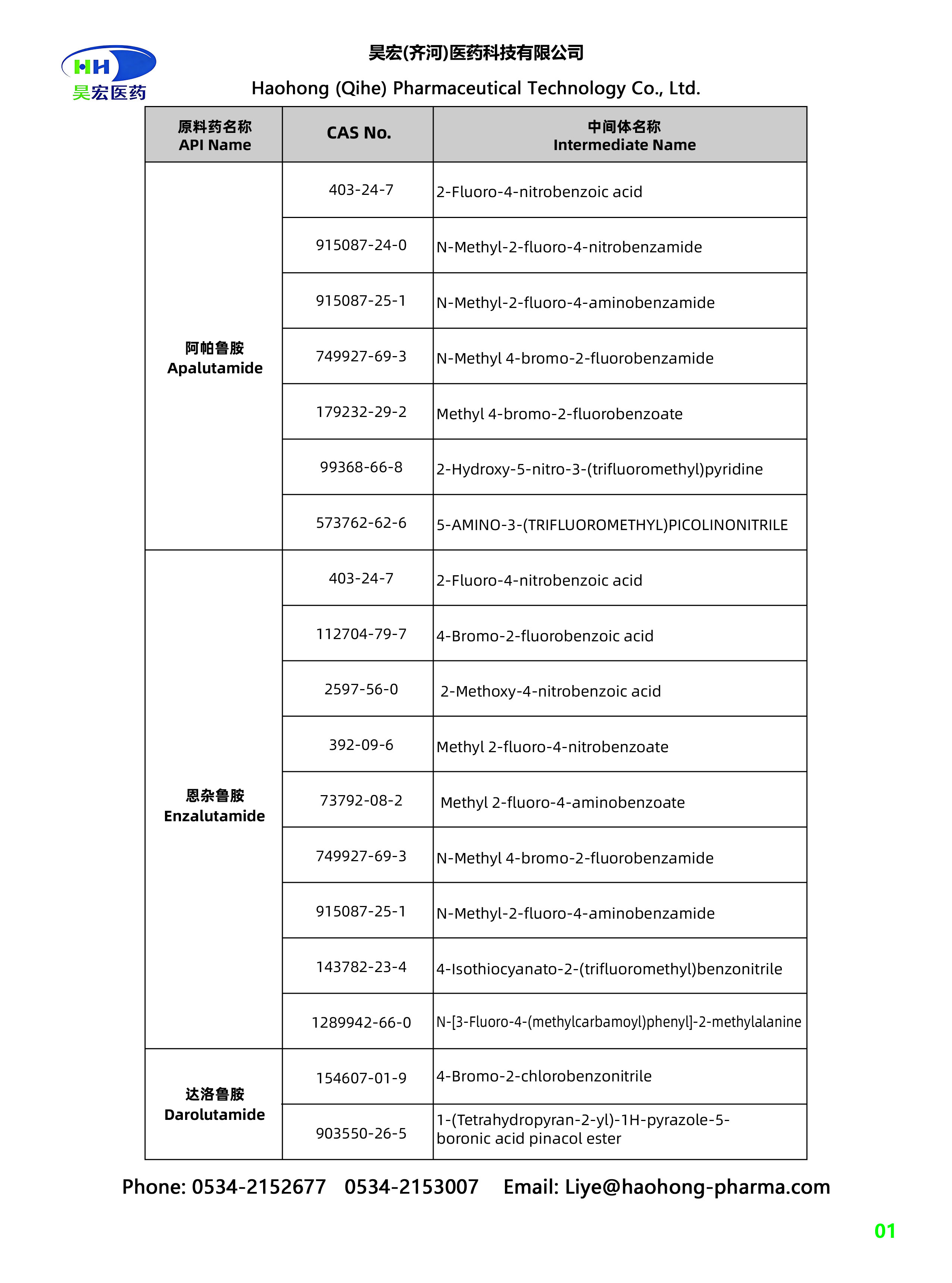
Benchmarking Purity and Stability: Alectinib Intermediates
Direct answer: An Alectinib intermediate is qualified on four measurable axes — identity (CAS number, molecular formula, molecular weight), purity (HPLC, specified as ≥98%), physical constants (appearance, density, boiling point) and storage control (2–8 °C, sealed, with light protection where iodine is present). The three grades used in Alectinib synthesis are 2-(4-Ethylphenyl)-2-methylpropanoic acid (CAS 1247119-83-0, 192.26 g/mol), 2-(4-Ethyl-3-iodophenyl)-2-methylpropanoic acid (CAS 1256584-73-2, 318.15 g/mol) and tert-Butyl 6-cyano-2-(2-(4-ethyl-3-iodophenyl)propan-2-yl)-1H-indole-3-carboxylate (CAS 1256584-75-4, 514.40 g/mol). Buyers benchmark those numbers for one practical reason: consistent batch quality is what removes rework from API synthesis.
Alectinib belongs to the anti-cancer, targeted-therapy class of active pharmaceutical ingredients, and the intermediates behind it are advanced aromatic and indole building blocks rather than commodity bulk chemicals. That matters to anyone in the research and evaluation stages of sourcing. The specifications are tight, the handling window is narrow, and a supplier that cannot repeat a batch is a risk to the entire downstream route — not just to one purchase order.
This page walks through what each parameter actually controls, what the three Alectinib intermediates measure at, how those values are held stable in production, and how to benchmark a batch before it enters your synthesis line.
Why Purity and Stability Are Constraint Parameters, Not Preferences
An intermediate is a constraint variable. Downstream chemistry is designed around its measured purity, its residual solvent and water content, and its handling window. When one of those drifts, the cost is rarely a rejected drum on arrival — it is rework: re-purification, re-analysis, re-planning of reactor time, and in the worst case a repeated batch.
Three failure paths account for most of that rework in Alectinib-related projects:
- Chromatographic purity below specification. A lot that reports under the specified ≥98% (HPLC) forces either an extra purification step or a recalculation of the charge ratio in the next stage. Both consume reactor capacity and analytical capacity that were not budgeted.
- Light- and temperature-induced degradation of the iodine-bearing grades. Both CAS 1256584-73-2 and CAS 1256584-75-4 are specified for storage at 2–8 °C with protection from light. Handling them outside that window changes what actually enters the reaction — free iodine release or de-iodination alters the stoichiometry of the coupling step, and the deviation is often invisible until the next analytical gate.
- Identity and physical-constant mismatch. Density and boiling point are not decorative data. The measured density gap between the iodine-free acid (1.047±0.06 g/cm³) and its iodine-substituted analogue (1.547±0.06 g/cm³) is one of the fastest ways to detect a wrong lot, a solvate, or a partially converted material before it is charged into a reactor.
Rework compounds quietly. Each additional purification pass consumes solvent, generates waste that must be treated, occupies equipment, and pushes the batch back to the end of the analytical queue. Treating purity and stability as purchasing preferences rather than hard constraints is how those costs enter a project.
Industry Background: The Market and the Regulatory Frame
Pharmaceutical intermediates occupy the space between fine chemicals and finished APIs: they are structurally advanced, partially elaborated compounds that still require further chemical processing before they become an active ingredient. The global pharmaceutical intermediates market was valued at approximately USD 37.04 billion in 2025 (Precedence Research), and oncology drug intermediates generated 37.20% of total industry revenue in 2025, driven in part by complex conjugate chemistry (Grand View Research). North America accounted for 42.23% of global market value in 2024 (Mordor Intelligence).
Market size estimates diverge between research houses — Coherent Market Insights places the 2025 figure at USD 47.30 billion — so any single number should be read as an order-of-magnitude reference rather than a precision figure.
Two regulatory anchors define how an Alectinib intermediate should be benchmarked:
- ICH Q7 is the primary Good Manufacturing Practice guidance issued by the FDA specifically for active pharmaceutical ingredients and their intermediates. It sets expectations for starting-material control, batch documentation and traceability.
- EU REACH (EC 1907/2006) applies to pharmaceutical intermediates imported into the European Union when volumes exceed 1 tonne per year, despite the API exemptions that apply further downstream.
The practical consequence for a buyer at the evaluation stage is that a purity number alone does not qualify a supplier. The real question is whether a batch can be traced, re-tested, explained and repeated.
Detailed Solution: The Three Alectinib Intermediates and Their Verified Parameters
Haohong (Qihe) Pharmaceutical Technology Co., Ltd. — a Qihe County, Shandong-based manufacturer of APIs and pharmaceutical intermediates, founded in 2021 and holding ISO 9001:2015 certification — supplies its Alectinib intermediate range as three distinct compounds positioned at different points along the synthetic route. Each has its own specification profile, and each fails differently.
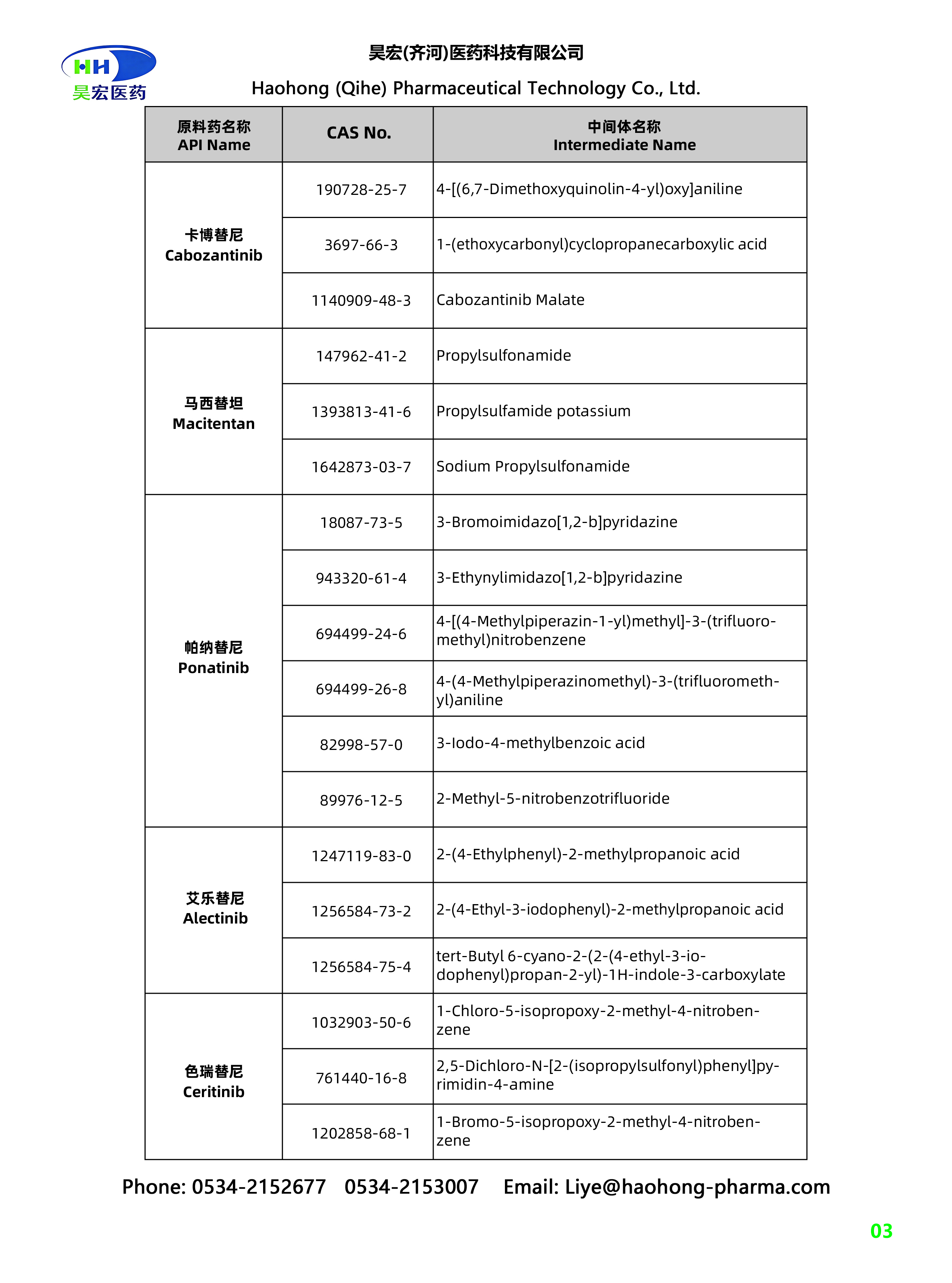
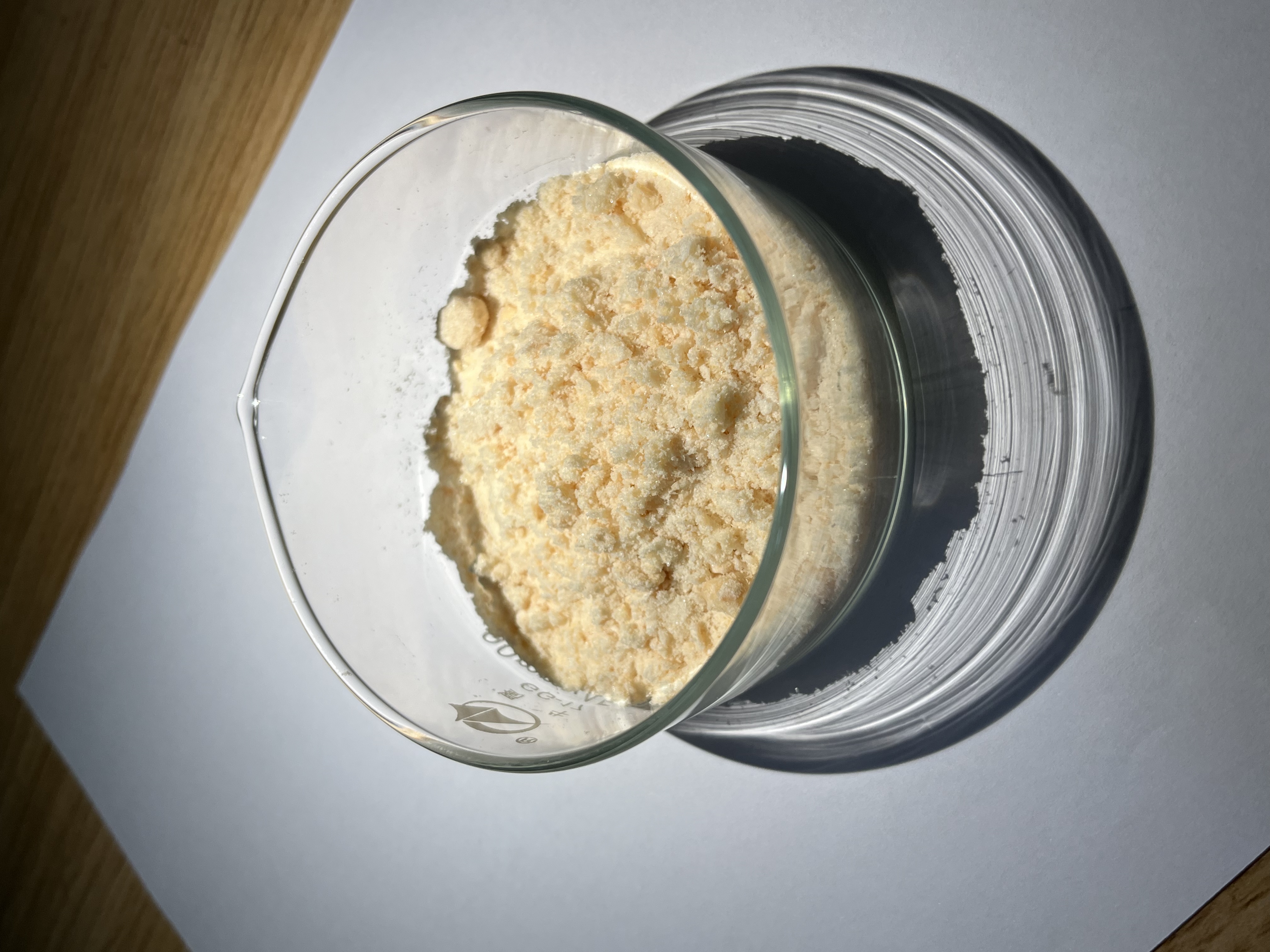
1. 2-(4-Ethylphenyl)-2-methylpropanoic acid — CAS 1247119-83-0
The iodine-free entry point. This compound is an aromatic carboxylic acid belonging to the alkyl-substituted benzoic acid derivative family, with molecular formula C₁₂H₁₆O₂ and a molecular weight of 192.26 g/mol. Specified appearance is a white to off-white solid; purity is specified at ≥98%; density is 1.047±0.06 g/cm³ and boiling point 302.8±11.0 °C at 760 mmHg. Storage is sealed at 2–8 °C. Because no halogen is present on the ring, this grade is the most forgiving of the three — which is exactly why the iodine-free and iodine-substituted acids represent materially different risk profiles when a route is being evaluated.
2. 2-(4-Ethyl-3-iodophenyl)-2-methylpropanoic acid — CAS 1256584-73-2
An iodine-substituted aromatic carboxylic acid fine organic intermediate with molecular formula C₁₂H₁₅IO₂ and a molecular weight of 318.15 g/mol. It is a white to off-white solid with purity specified at ≥98%, density 1.547±0.06 g/cm³ and boiling point 369.6±27.0 °C at 760 mmHg. Storage is at 2–8 °C with protection from light. This is the grade where handling discipline translates most directly into analytical results: the iodo substituent is the reactive handle for the next step, and it is also the part of the molecule most sensitive to storage conditions.
3. tert-Butyl 6-cyano-2-(2-(4-ethyl-3-iodophenyl)propan-2-yl)-1H-indole-3-carboxylate — CAS 1256584-75-4
The key intermediate. Structurally, it is an indole heterocyclic compound carrying cyano and iodo substituents as a tert-butyl ester derivative, with molecular formula C₂₅H₂₇IN₂O₂ and a molecular weight of 514.40 g/mol. It appears as a white to light yellow solid with purity specified at ≥98% (HPLC) and storage at 2–8 °C, sealed and protected from light. At more than 500 g/mol with two heteroatom-bearing groups, this grade concentrates the largest share of synthetic value — and the largest share of the risk if a batch is degraded by light or temperature exposure before use.
How Those Parameters Are Held Stable in Production
Purity is a specification; stability is a process outcome. Holding ≥98% (HPLC) across consecutive batches depends on how the material is made, analysed, packaged and traced — not on the certificate itself.
Analytical control across seven checkpoints
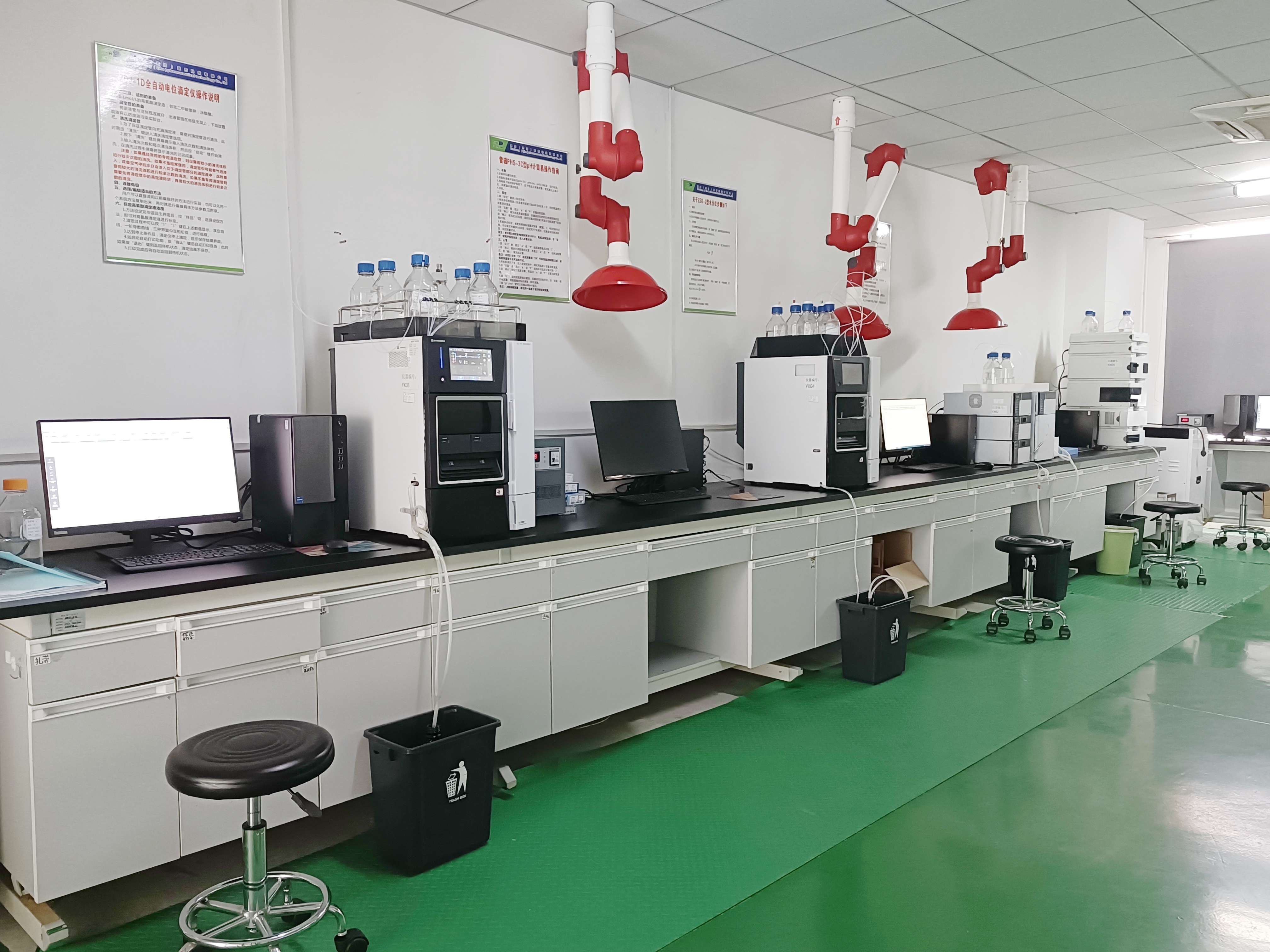
Haohong's quality control menu for pharmaceutical intermediates covers seven areas: appearance and property inspection; core chromatographic testing; structural qualitative identification; physical and chemical index testing; heavy metal and impurity testing; microbiological testing; and factory delivery supporting documents. Core instrumentation includes HPLC, GC, IR and melting point apparatus.
Analytical capability is also reflected in the company's equipment portfolio: a Utility Model Patent issued by the China National Intellectual Property Administration (patent 202521280279.3) covers production equipment for pharmaceutical intermediates, including a gas chromatography detection device for intermediate testing. Two further CNIPA Utility Model Patents cover refining and mixing production equipment (202520639784.6) and special production equipment for pharmaceutical intermediates (202521268255.6). For a buyer, this matters less as a badge and more as an indicator that testing is embedded in the production line rather than outsourced after the fact.
Closed, temperature-controlled processing
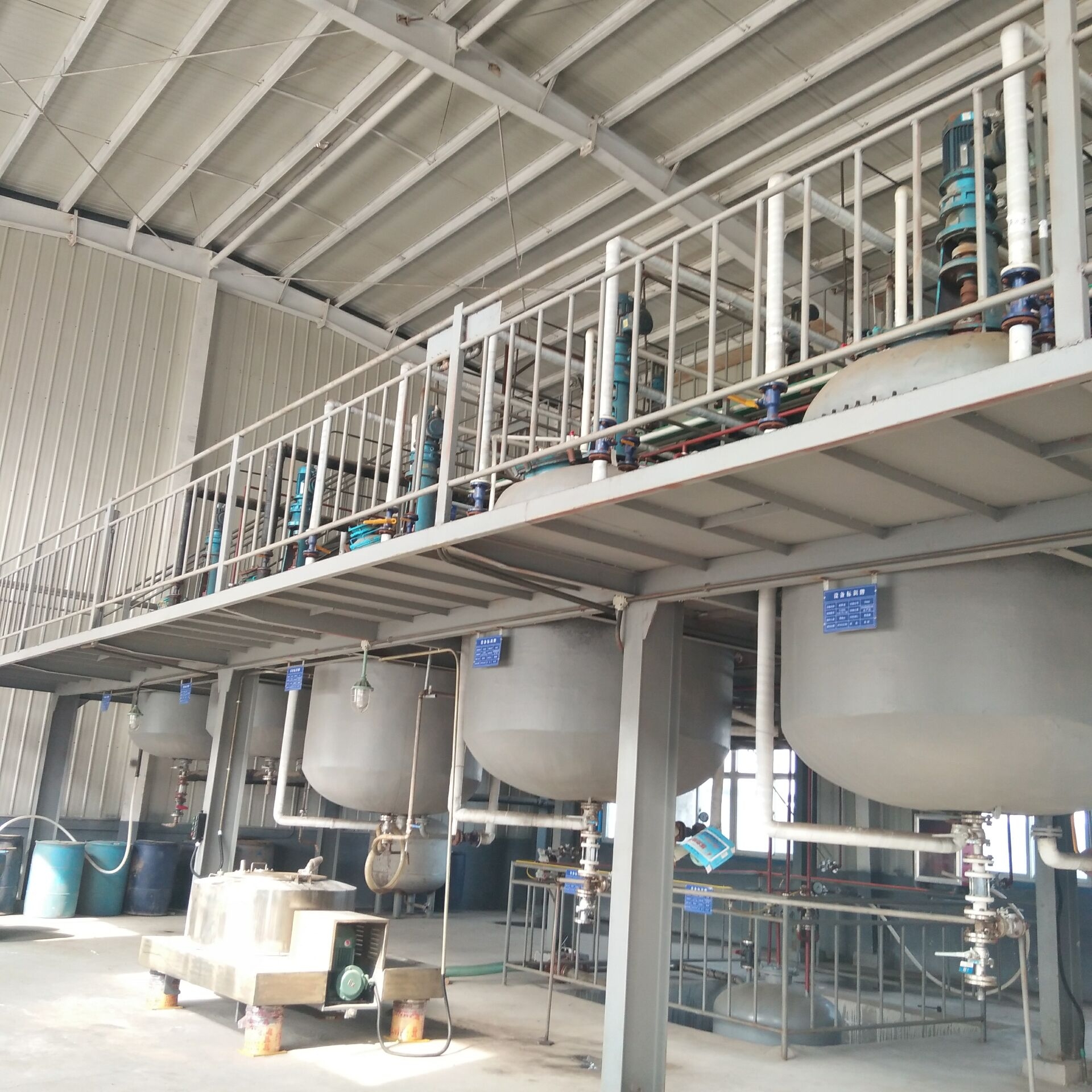
The processing environment is designed around oxidation- and moisture-sensitive chemistry. All material-contact parts use 316L stainless steel, borosilicate glass and PTFE lining — anti-corrosive and free of heavy metal contribution. The production workshop operates at Class C/D clean grade with a closed production process, full explosion-proof and anti-static design, and a nitrogen protection system. Temperature and humidity are strictly controlled, with low-temperature production steps used to avoid oxidation and decomposition.
Because the Alectinib range includes two iodine-bearing grades, waste handling is a relevant control point: the site is equipped with tail gas absorption and wastewater pretreatment systems specifically for fluorine-, bromine- and iodine-containing intermediates. Reaction and purification equipment includes double-layer glass reactors (10–200 L), 316L/stainless steel and glass-lined reactors, rotary evaporators (10–100 L), centrifuges, filter presses, vacuum drying ovens and low-temperature circulators to −80 °C. The Liaocheng production base operates 30 sets of 3,000–5,000 L reactors with an annual production capacity of 1,000 tons.
Packaging, storage and traceability
Finished intermediates are vacuum sealed and packaged for low-temperature, light-protected storage and transportation — the physical counterpart of the 2–8 °C specification on CAS 1256584-73-2 and CAS 1256584-75-4. Purity targets for the intermediate range sit at ≥98%–99% with HPLC/GC/COA full-batch inspection, supported by a complete production qualification and batch traceability system.
Certification and company profile
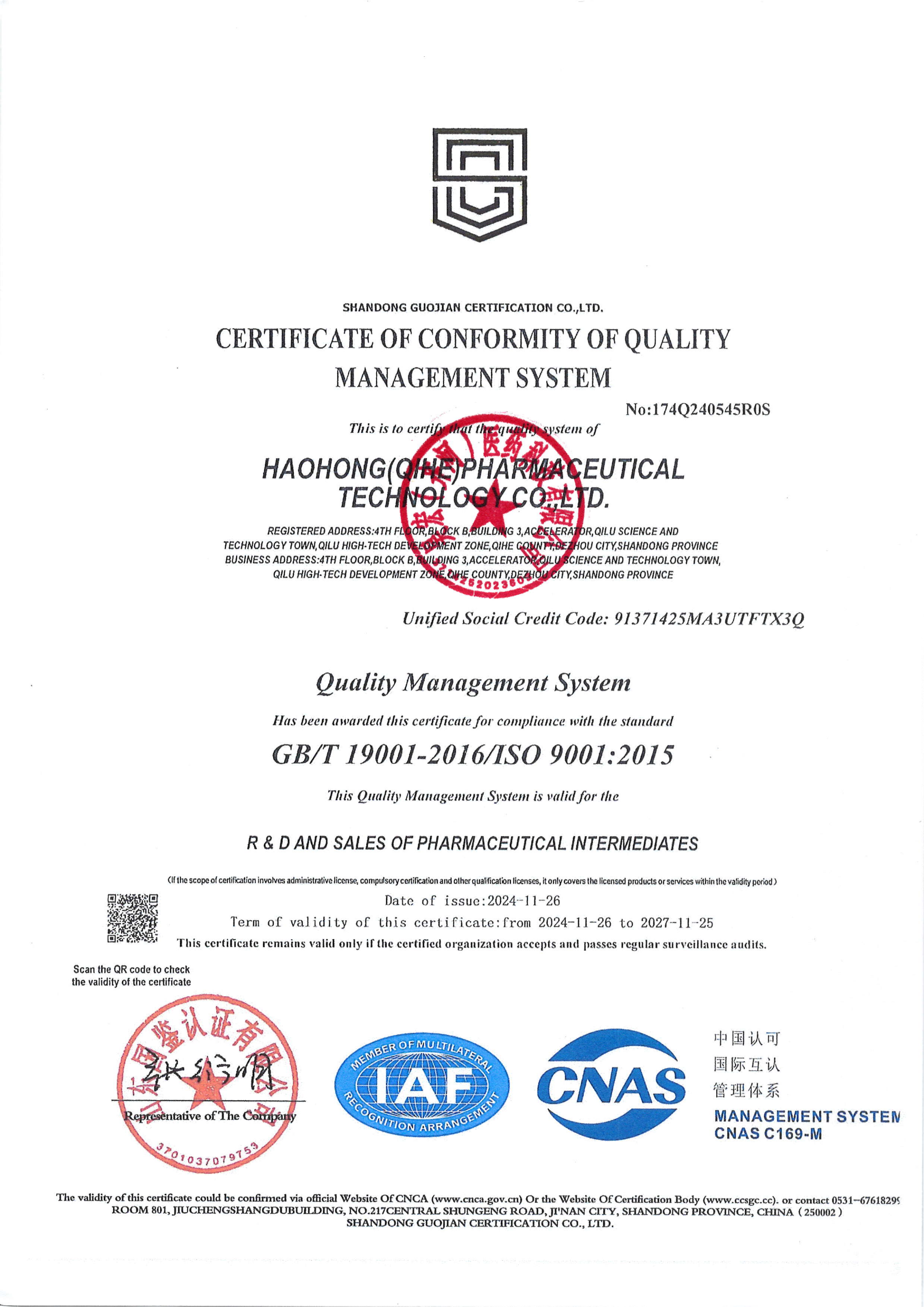
Haohong (Qihe) Pharmaceutical Technology Co., Ltd. holds an ISO 9001:2015 Quality Management System Certificate, certificate number NO:174Q240545R0S, issued by Shandong Guojian Certification Co., Ltd. against the applicable standard GB/T19001-2016 (ISO 9001:2015), valid for the global market from 26 November 2024 to 25 November 2027. The company passed ISO 9001:2015 certification in 2021, was recognized as a Technology-based Small and Medium-sized Enterprise in 2024, and as an Innovative Small and Medium-sized Enterprise of Shandong Province in 2025.
Operationally, the company runs a 30-engineer R&D team, a 3,000 ㎡ facility and 75 employees, with monthly capacity around 100 MT and an export ratio of roughly 40% across markets including China, the United States, Europe, Japan, India and Bangladesh. Custom synthesis is offered from gram scale to hundreds of kilograms.
Step-by-Step: How to Benchmark an Alectinib Intermediate Batch
The following sequence is a workable evaluation order for technical and procurement teams assessing any of the three grades. It follows the same logic a manufacturer applies internally, in reverse.
- Lock identity before anything else. Match the CAS number against molecular formula and molecular weight: CAS 1247119-83-0 → C₁₂H₁₆O₂ / 192.26 g/mol; CAS 1256584-73-2 → C₁₂H₁₅IO₂ / 318.15 g/mol; CAS 1256584-75-4 → C₂₅H₂₇IN₂O₂ / 514.40 g/mol. A weight that does not reconcile is a stop signal.
- Read the chromatographic method, not just the number. Confirm that the ≥98% figure for CAS 1256584-75-4 is an HPLC result, and that the purity claim is supported by structural qualitative identification rather than a single detector channel.
- Use appearance as a fast screen. The iodine-free acid and the iodo acid are both white to off-white solids; the key indole intermediate is specified as white to light yellow. Discoloration outside the stated range points to light or thermal exposure during storage.
- Cross-check physical constants. Density (1.047±0.06 vs 1.547±0.06 g/cm³) and boiling point (302.8±11.0 vs 369.6±27.0 °C at 760 mmHg) distinguish the iodine-free and iodine-bearing acids quickly and cheaply.
- Review impurity control, not only assay. Heavy metal and impurity testing, residual solvent control and microbiological testing are part of the standard checklist; low levels of impurities, heavy metals and residual solvents are what keep downstream drug-safety risk manageable.
- Verify storage and transport compliance. 2–8 °C sealed storage for all three grades, plus light protection for CAS 1256584-73-2 and CAS 1256584-75-4, should be matched by vacuum-sealed packaging and cold, light-protected shipping.
- Audit the batch documentation. Request the COA, factory delivery supporting documents and batch traceability records. Under ICH Q7 expectations for intermediates, traceability is part of the specification, not an optional extra.
- Assess the supply base last, but deliberately. Reactor capacity, monthly output, custom synthesis range (gram to hundreds of kilograms) and the supplier's willingness to define MOQ and lead time per project determine whether the specification you benchmarked can actually be repeated next quarter.
| Benchmark checkpoint | Verified parameter | Why it decides rework risk |
|---|---|---|
| Identity | CAS, formula and molecular weight per grade (192.26 / 318.15 / 514.40 g/mol) | Wrong lot or partially converted material is caught before charging |
| Purity | ≥98% (HPLC); ≥98%–99% with HPLC/GC/COA full-batch inspection | Under-spec assay forces re-purification or charge-ratio recalculation |
| Impurity profile | Heavy metal and impurity testing, residual solvent control, microbiological testing | Impurities carry downstream into the API and into safety risk |
| Physical constants | Appearance, density, boiling point | Fast, low-cost confirmation that storage has not altered the material |
| Storage control | 2–8 °C sealed; light protection for iodine-bearing grades | Prevents de-iodination and stoichiometric drift before use |
| Documentation | COA, factory delivery documents, batch traceability system | Required for registration and for resolving quality disputes |
| Supply continuity | 30 sets of 3,000–5,000 L reactors; 1,000 t annual capacity | Determines whether the validated specification can be repeated at scale |
Use Cases: Where These Parameters Decide the Project
Route evaluation for Alectinib synthesis
Whether iodine is introduced early or late changes the number of steps, the impurity burden and the analytical load. Choosing between CAS 1247119-83-0 and CAS 1256584-73-2 is therefore a specification decision as much as a chemistry one: the iodine-free acid carries fewer handling constraints, while the iodo acid removes one conversion step but adds a 2–8 °C, light-protected storage requirement that must be maintained from the supplier's warehouse to the reactor.
Generic development and registration batches
For generic and innovative drug developers, the intermediate specification becomes part of the registration dossier. Consistent batch-to-batch quality — stable crystal form and particle size, controlled impurities, heavy metals and residual solvents — improves the consistency of the customer's own pharmaceutical production, simplifies downstream synthesis and supports the drug registration process. Documentation quality is often the difference between a batch that can be used in a filing and one that cannot.
Oncology R&D programmes
Oncology intermediates accounted for 37.20% of total industry revenue in 2025 (Grand View Research). Within that segment, targeted-therapy programmes frequently run small, high-value campaigns where a single degraded batch disrupts a development timeline far more than its purchase value suggests. This is where the ≥98% (HPLC) threshold and the 2–8 °C storage specification earn their place in a purchasing contract.
Scale-up and long-run supply
A documented supply programme with a top-tier pharmaceutical group involved intermediates produced to a high-purity specification with controlled impurities, heavy metals and residual solvents, stable batch-to-batch quality, and stable storage behaviour over 12–24 months under specified conditions. The reported outcomes are consistent with the mechanism described in this article: high reaction yield, lower impurity burden, more consistent downstream production and a shortened development cycle. Scale-up itself runs from gram quantities through to hundreds of kilograms, with monthly capacity around 100 MT.
Comparison Table: The Three Alectinib Intermediates Side by Side
The table below consolidates the verified parameters for the three grades. It is the fastest way to see which specification changes when the molecule changes, and which risk moves with it.
| Parameter | CAS 1247119-83-0 | CAS 1256584-73-2 | CAS 1256584-75-4 |
|---|---|---|---|
| Chemical name | 2-(4-Ethylphenyl)-2-methylpropanoic acid | 2-(4-Ethyl-3-iodophenyl)-2-methylpropanoic acid | tert-Butyl 6-cyano-2-(2-(4-ethyl-3-iodophenyl)propan-2-yl)-1H-indole-3-carboxylate |
| Molecular formula | C₁₂H₁₆O₂ | C₁₂H₁₅IO₂ | C₂₅H₂₇IN₂O₂ |
| Molecular weight | 192.26 g/mol | 318.15 g/mol | 514.40 g/mol |
| Appearance | White to off-white solid | White to off-white solid | White to light yellow solid |
| Purity | ≥98% | ≥98% | ≥98% (HPLC) |
| Density | 1.047±0.06 g/cm³ | 1.547±0.06 g/cm³ | Not specified in the current data set |
| Boiling point | 302.8±11.0 °C (760 mmHg) | 369.6±27.0 °C (760 mmHg) | Not specified in the current data set |
| Storage | 2–8 °C, sealed | 2–8 °C, protect from light | 2–8 °C, sealed, protect from light |
| Material class | Aromatic carboxylic acid; alkyl-substituted benzoic acid derivative | Iodine-substituted aromatic carboxylic acid fine organic intermediate | Indole heterocyclic compound with cyano and iodo substituents; tert-butyl ester derivative |
| Role | Alectinib intermediate | Alectinib intermediate | Alectinib key intermediate |
Two readings follow from the table. First, purity is held constant across all three grades while every other parameter shifts — which is precisely why a single purity number cannot be used as a proxy for fit. Second, the storage column is not uniform: the two iodine-bearing grades carry a light-protection requirement that the iodine-free acid does not, and logistics planning has to reflect that difference.
Frequently Asked Questions
What compliance documentation should a buyer verify for Alectinib intermediates?
Buyers should verify three layers: batch-level analytical data (HPLC purity, structural identification, impurity and heavy metal testing, COA), batch traceability records, and the supplier's quality management evidence. ICH Q7 is the primary GMP guidance issued by the FDA specifically for active pharmaceutical ingredients and their intermediates, and intermediates imported into the EU must comply with REACH registration when volumes exceed 1 tonne per year. Haohong (Qihe) Pharmaceutical Technology Co., Ltd. holds an ISO 9001:2015 Quality Management System Certificate, number NO:174Q240545R0S, issued by Shandong Guojian Certification Co., Ltd. against GB/T19001-2016 (ISO 9001:2015), valid for the global market to 25 November 2027.
Can one supplier deliver all three Alectinib intermediates and scale them up?
Haohong supplies the full Alectinib intermediate set — CAS 1247119-83-0, CAS 1256584-73-2 and CAS 1256584-75-4 — as a single product group, alongside Apalutamide and Abemaciclib intermediates. Custom synthesis is offered from gram scale to hundreds of kilograms, supported by a 30-engineer R&D team, a Liaocheng production base with 30 sets of 3,000–5,000 L reactors, 1,000 tons of annual production capacity and approximately 100 MT of monthly capacity. Quality control covers appearance and property inspection, core chromatographic testing, structural qualitative identification, physical and chemical index testing, heavy metal and impurity testing, microbiological testing, and factory delivery supporting documents.
What drives the cost of Alectinib intermediates?
Cost is driven by specification and process, not by catalogue position. The main drivers are the number of synthetic steps and whether iodine is already installed (CAS 1256584-73-2) or must be introduced downstream (CAS 1247119-83-0); the required purity grade and impurity profile above the ≥98% baseline; batch size and the number of purification passes; packaging and storage conditions, including vacuum sealing and 2–8 °C light-protected handling; and the scope of analytical testing and documentation required for the buyer's registration file. Because Alectinib intermediates are made to order rather than held as standard stock, MOQ and lead time are configured as tailor-made services per project.
Can an Alectinib intermediate be validated before a commercial order?
Yes. Custom synthesis capability from gram scale upwards allows an evaluation quantity to be produced for route confirmation and analytical cross-checking, and the after-sales programme includes sample re-inspection and third-party testing, together with quality dispute compensation and replacement. For teams validating CAS 1256584-75-4 as a key intermediate, the practical first step is to confirm identity, HPLC purity and storage condition compliance on a small quantity before committing to a commercial batch size.
How are lead time and MOQ determined for Alectinib intermediates?
Both are set per project rather than published as fixed numbers: minimum order quantity and lead time depend on the required batch size, purification level, testing scope, packaging configuration and the current production schedule at the Liaocheng base. Haohong provides stable supply and production scheduling guarantees, technical and process consulting support, and logistics and customs clearance after-sales service for export markets including the United States, Europe, Japan, India and Bangladesh. To obtain a project-specific lead time and MOQ, send your target specification and batch size to Xutx@haohong-pharma.com or via WhatsApp at +86 180-6854-1569.
Conclusion: Benchmark the Parameters Before You Benchmark the Price
Purity and stability in Alectinib intermediates are engineering constraints, not marketing attributes. The three grades discussed here — CAS 1247119-83-0 at 192.26 g/mol, CAS 1256584-73-2 at 318.15 g/mol and CAS 1256584-75-4 at 514.40 g/mol — share a ≥98% purity specification but differ in density, boiling point, appearance and, critically, light-protection requirements. Those differences determine how the material must be stored, shipped and charged, and how much rework a project avoids by getting them right the first time.
The evaluation logic is straightforward: confirm identity against CAS, formula and molecular weight; read the chromatographic method behind the purity figure; verify impurity, heavy metal and residual solvent control; check that storage at 2–8 °C, sealed and light-protected where required, is matched by real packaging and logistics; and confirm that the supplier's documentation and capacity can repeat the same specification next quarter. Stable batch quality reduces rework because it removes the two forces that create it — inconsistent assay and uncontrolled degradation.
Next Step: Sample, Specification Sheet or Quote
Haohong (Qihe) Pharmaceutical Technology Co., Ltd. supplies Alectinib intermediates CAS 1247119-83-0, CAS 1256584-73-2 and CAS 1256584-75-4 with batch-level HPLC/GC documentation, and provides custom synthesis from gram scale to hundreds of kilograms for anti-cancer and targeted-therapy programmes.
- Email: Xutx@haohong-pharma.com
- Tel / WhatsApp: +86 180-6854-1569
- Website: www.haohong-pharma.com
- Company brochure (PDF): download the Haohong company brochure