
ISO 9001 and Patent Compliance for Abemaciclib Intermediates: A Sourcing Checklist
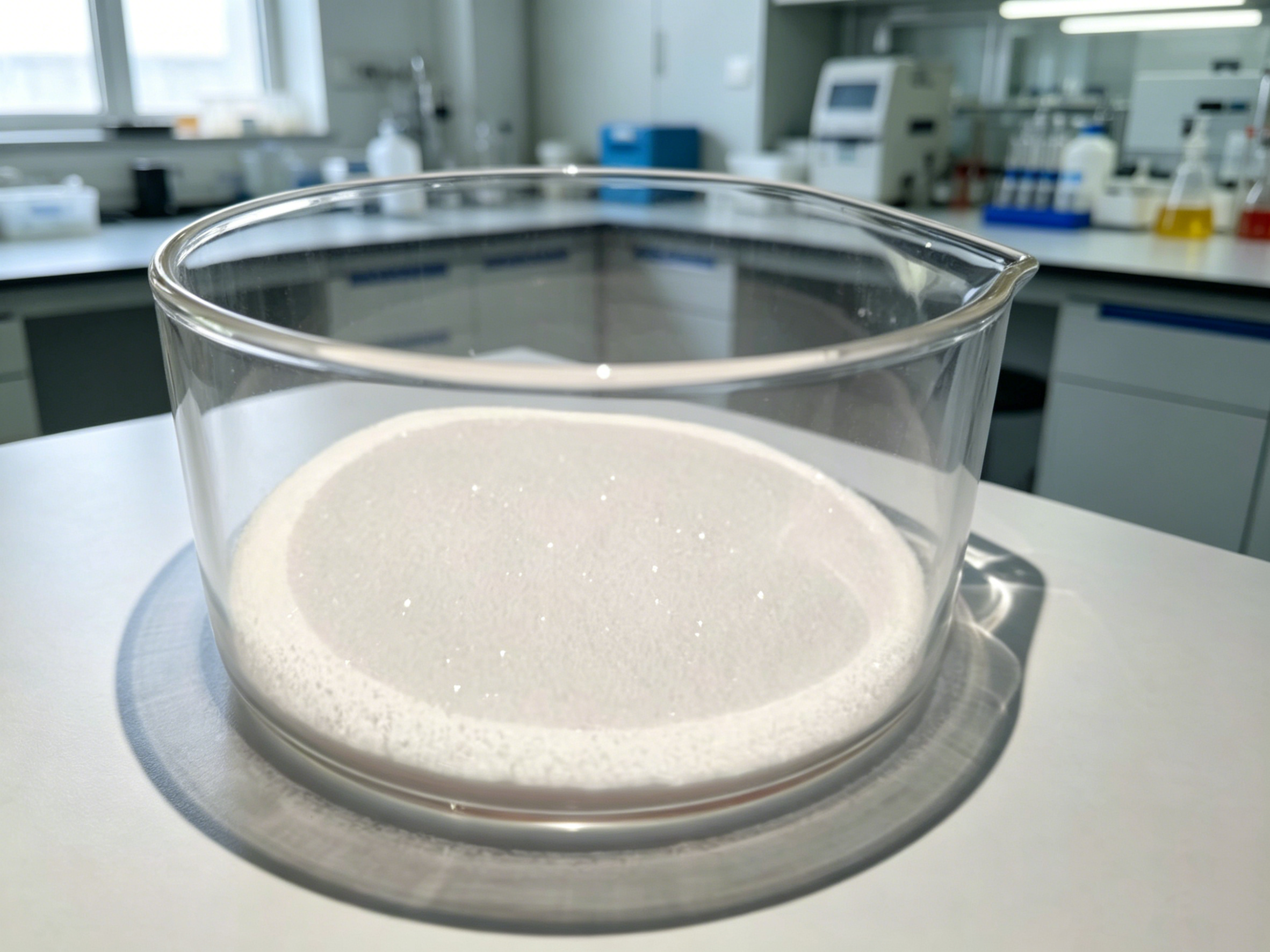
Abemaciclib Intermediate (product 3707): the specification range that sits behind the ISO 9001:2015 certificate and utility model patent list discussed in this checklist.
Two documents decide most Abemaciclib intermediate purchases before price is ever discussed: an ISO 9001:2015 quality management system certificate and a patent list that can survive a review. Everything else — packaging, shipment schedule, payment terms — is negotiated afterwards, because a buyer who cannot clear the first two gateways never reaches the commercial stage.
Haohong (Qihe) Pharmaceutical Technology Co., Ltd. is a manufacturer of innovative active pharmaceutical ingredients and pharmaceutical intermediates located in the High-tech Zone of Qihe County, Shandong Province, China, with a production base in Liaocheng. For product 3707, its Abemaciclib intermediate range, the company references ISO 9001:2015 certificate NO:174Q240545R0S and Chinese utility model patents including 202520639784.6. This checklist explains what those two documents prove, what they do not prove, and how a procurement team should verify both before releasing a purchase order for anti-cancer synthesis.
The Compliance Problem: Two Documents Answer Three Different Questions
A certificate and a patent list are frequently submitted together and then read as if they were one credential. They are not. An ISO 9001:2015 certificate answers a system question: does this supplier operate a documented, auditable quality management system? A Chinese utility model patent answers an intellectual property question: what protected technology is claimed, by whom, and is it still in force? Neither document answers the third and most important question for an anti-cancer project: is this specific batch of this specific intermediate suitable for the intended synthesis and defensible inside a regulatory file?
Regulators separate these layers explicitly. U.S. FDA guidance Q7A states that batch production records should be prepared for each intermediate and API and should include complete information relating to the production and control of each batch. The same guidance states that intermediates and APIs failing to meet established specifications should be identified and quarantined, and that agents, brokers, traders and distributors should retain traceability records covering the identity and address of the original manufacturer and the batch numbers supplied. On the European side, the European Medicines Agency states that active substances used in the manufacture of marketed medicines are required to comply with GMP, and discusses registration obligations for manufacturers and importers of active substances and relevant intermediates described in regulatory dossiers.
The practical consequence for a buyer is that compliance verification is a three-part exercise — management system, intellectual property, product-level evidence — and any sourcing process that accepts one part as proof of another will produce a documentation gap later, usually during an internal audit or a customer questionnaire rather than during the purchase itself.
Industry Background: Why Oncology Intermediates Carry Heavier Paperwork
Pharmaceutical intermediates are the materials between fine chemicals and active pharmaceutical ingredients. They are pre-API compounds that undergo further chemical processing, and their function is to give pharmaceutical manufacturers structurally mature, high-purity building blocks that shorten synthetic routes and reduce cost and environmental pressure downstream. Because they sit upstream of the API, their documentation quality propagates into every batch of finished drug made from them.
Anti-cancer synthesis raises the documentation bar further. Abemaciclib intermediate production involves fluorinated, brominated and iodinated aromatic and heterocyclic building blocks, which require enclosed reaction systems, corrosion-resistant material contact surfaces and dedicated tail-gas and wastewater handling. A supplier that manages those hazards well tends to produce a coherent document package; a supplier that does not tends to produce certificates without the batch records behind them.
Market context explains why buyers are being asked to qualify more suppliers than before. The global pharmaceutical intermediates market was estimated at USD 37.04 billion for 2025 (Polaris Market Research, 2026), with bulk drug intermediates holding 48.10% of market share by type in 2025 (Mordor Intelligence, 2026), while peptide and oligonucleotide intermediates are projected for high growth at a 7.85% CAGR over 2026–2033 (Mordor Intelligence, 2026). At the same time, no intermediate-specific trade dataset exists: UN Comtrade publishes pharmaceutical products under HS chapter 30, which is broader than pharmaceutical intermediates and cannot be used as a proxy for them. The absence of reliable trade statistics means buyers cannot benchmark a supplier against customs data, and must instead benchmark against the supplier's own documentation. That is precisely why the checklist below matters more than a market estimate.
How Haohong Documents Product 3707
Haohong (Qihe) Pharmaceutical Technology Co., Ltd. was established in 2021, employs 75 people, operates a 3,000 m² facility, and passed ISO 9001:2015 quality management system certification in 2021. It was recognised as a Technology-based Small and Medium-sized Enterprise in 2024 and as an Innovative Small and Medium-sized Enterprise of Shandong Province in 2025. Its Liaocheng production base is equipped with 30 sets of 3,000–5,000 L reactors, with an annual production capacity of 1,000 tons, and a monthly capacity stated at 100 MT. The company focuses on active pharmaceutical ingredients and intermediates for anti-cancer, anti-hepatitis C and anti-diabetic therapies, and exports to the United States, Europe, Japan, India, Bangladesh and other regions, with an export ratio of 40%.
Quality system evidence
The ISO 9001:2015 certification covers the company's quality management system. For the Abemaciclib intermediate range, the certificate referenced is NO:174Q240545R0S. This is a management system credential, and it should be read as evidence that document control, process control and corrective action procedures exist — not as evidence that any individual batch conforms to a pharmacopoeial specification.
Patent evidence
Haohong references Chinese utility model patents, including patent number 202520639784.6, in connection with its intermediate manufacturing. A utility model number is a verifiable artefact: it can be looked up, its owner can be matched against the supplier's legal name, and its claim scope can be read. The checklist below explains how to do that without over-reading what a utility model protects.
Product-level evidence
The document layer that actually supports an audit is the batch package. Haohong's stated quality control sequence covers seven stages: appearance and property inspection; core chromatographic testing; structural qualitative identification; physical and chemical index testing; heavy metal and impurity testing; microbiological testing; and factory delivery supporting documents. Product 3707 intermediates are specified at ≥98.0% purity by HPLC or GC, with COA-based full batch inspection and a batch traceability system. Production runs in a Class C/D clean grade workshop under a closed process, with all material contact parts in 316L stainless steel, borosilicate glass or PTFE lining, an explosion-proof and anti-static design with nitrogen protection, and tail gas absorption plus wastewater pretreatment for fluorine-, bromine- and iodine-containing intermediates. Operation is automated and program-controlled under fully enclosed reaction systems to prevent air exposure.
Technical support evidence
Documented technical support is the part of compliance that is hardest to verify in advance and most useful during an audit. Haohong lists full support of quality inspection documents, technical and process consulting support, logistics and customs clearance after-sales, quality dispute compensation and replacement, sample re-inspection and third-party testing, stable supply and production scheduling guarantees, and customised R&D and iteration as standing after-sales commitments. Custom synthesis is offered from gram scale to hundreds of kilograms, with structural, purity and specification, process route, capacity and batch, packaging and standard, and R&D OEM/ODM customisation options.
| Abemaciclib intermediate (product 3707) | CAS | Molecular formula / weight | Purity | Storage |
|---|---|---|---|---|
| 4-Bromo-2,6-difluoroaniline | 1868-81-7 | C₆H₄BrF₂N / 207.91 | ≥98.0% (HPLC/GC) | Sealed, dry, away from light, 2–8 °C |
| 5-[(4-Ethylpiperazin-1-yl)methyl]pyridin-2-amine | 398565-53-2 | C₁₂H₂₀N₄ / 220.03 | ≥98.0% (HPLC) | Sealed, low temperature, light protection |
| 2-Bromo-5-formylpyridine | 100422-52-6 | C₆H₄BrNO / 185.91 | ≥98.0% (GC/HPLC) | Sealed, dry, refrigerated |
| 4-Fluoro-2-methyl-1-isopropyl-6-(4,4,5,5-tetramethyl-1,3,2-dioxaborolan-2-yl)-1H-benzimidazole | 1356339-86-7 | Boronic acid ester intermediate | ≥98.0% (HPLC) | Sealed, inert gas, 2–8 °C, avoid light |
| 6-Bromo-4-fluoro-1-isopropyl-2-methyl-1H-benzo[d]imidazole | 1356339-85-6 | Core benzimidazole intermediate | ≥98.0% (HPLC) | Sealed, dry, low temperature, light-proof |
Specification reference for the five Abemaciclib intermediates listed under product 3707. Batch-specific COA values prevail over catalogue values for any individual shipment.
A Nine-Step Sourcing Checklist
The sequence below is written for a procurement team that has received a supplier's document package and needs to decide whether it is complete. Steps 1 to 3 address the quality system, steps 4 and 5 address patents, steps 6 to 8 address product and audit evidence, and step 9 closes the loop at reorder.
- Read the certificate, not the logo. Confirm the certificate number, the issuing certification body, the standard version (ISO 9001:2015), the validity dates and, critically, the scope statement. A certificate whose scope does not cover the type of activity you are buying — development and manufacture of pharmaceutical intermediates, for example — is a weak document. For Haohong product 3707 the referenced number is NO:174Q240545R0S, and that number should be matched letter-for-letter against the PDF and against the issuing body's own record.
- Verify the certificate independently. Ask the certification body, or use its public certificate register, to confirm that the number exists, that it belongs to the supplier's exact legal entity name, and that it is currently valid rather than suspended or withdrawn. Legal entity matching matters: group structures often mean the certificate holder is not the contracting party.
- Separate ISO 9001 from GMP. ISO 9001:2015 certifies a quality management system. It is not a GMP certificate and it does not replace batch release documentation. If your file requires GMP-level evidence, request the batch records, deviation handling procedure and nonconforming-material quarantine procedure in addition, consistent with the documentation expectations described in FDA Q7A and with EMA statements on GMP compliance for active substances.
- Build a patent register before reading claims. List every patent number the supplier cites, with patentee name, filing date, grant status and current legal standing. For the reference number 202520639784.6, confirm in the official Chinese register that the patentee named is the supplier or its lawful affiliate, and that the patent has not lapsed for non-payment of annuities.
- Match the patent type to what you assume it protects. Under Chinese patent practice, a utility model protects a technical solution relating to the shape, structure or combination of a product. It is not the instrument used to protect a chemical compound, a formulation or a synthesis process. A utility model number therefore usually evidences a device or hardware element — reactor configuration, equipment structure, handling apparatus — and should not be presented, or accepted, as exclusive coverage of a chemical entity or a synthetic route. Request a one-page claim summary in plain language and check that the summary is consistent with the type of patent cited.
- Request the batch documentation package, not a sample COA. The package should include the certificate of analysis for the specific batch, chromatographic data supporting the stated purity of ≥98.0%, impurity and heavy metal results, residual solvent data, appearance and property inspection, and structural qualitative identification. Haohong's stated seven-stage quality control sequence maps directly onto this request.
- Test traceability end to end. Confirm that the batch number on the COA matches the batch number on the packaging, the delivery note and the production record, and that the identity of the original manufacturer is documented if any intermediary is involved. This is the requirement that FDA Q7A sets for agents, brokers, traders, distributors, repackers and relabelers, and it is the single most common gap found in trading-intermediated supply.
- Confirm technical support in writing. Ask which documents the supplier will supply for a customer audit, in which language, within what turnaround, and whether third-party testing can be arranged. Haohong's stated after-sales scope includes full support of quality inspection documents, technical and process consulting, sample re-inspection and third-party testing, which converts a verbal promise into a contractual deliverable when written into the quality agreement.
- Re-verify at every reorder and every certificate cycle. Certificates expire, patents lapse, specifications are revised and logistics routes change. Put the certificate number, the patent list version and the specification revision on a review cycle, and re-run steps 1, 2, 4 and 5 at each renewal.
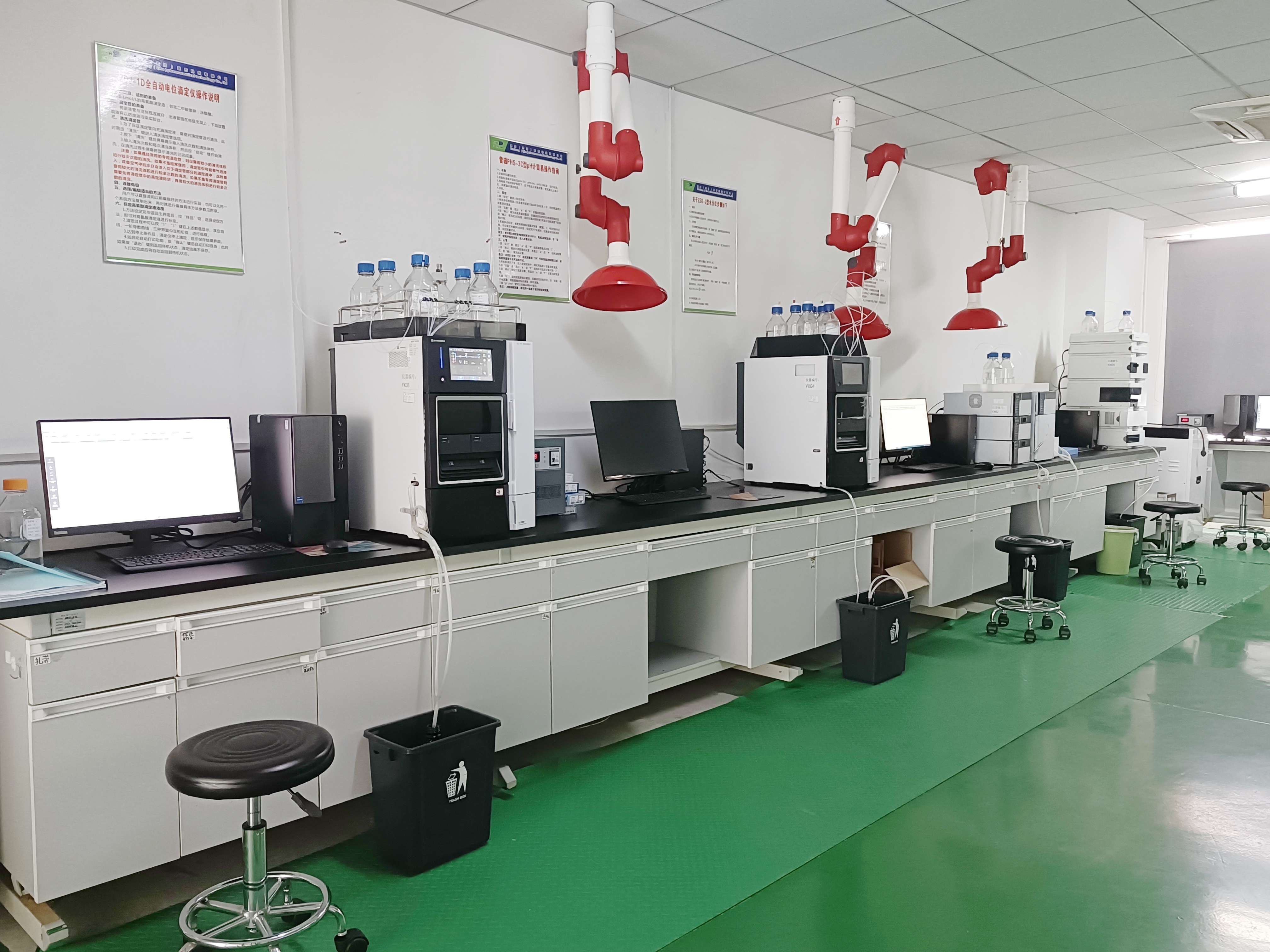
Chromatographic and structural identification data are the evidence layer behind a certificate of analysis; the certificate itself only confirms that a system exists.
Where This Checklist Changes the Buying Decision
New anti-cancer route development
A development team selecting building blocks for an Abemaciclib synthesis needs gram to multi-kilogram quantities from a supplier whose documentation can later be carried into the commercial file. A supplier that can only offer a research-grade COA forces a documentation rebuild at scale-up. A supplier with a documented quality system, a versioned specification set and stated custom synthesis capability from gram scale to hundreds of kilograms removes that rebuild.
Second-source qualification on a running programme
Qualifying a second source is a documentation exercise more than a chemistry exercise. The incumbent's batch history sets the benchmark, and the candidate must match it on purity (≥98.0%), impurity profile, crystal form and packaging. Haohong's recorded case experience with a top-tier pharmaceutical group lists stable quality across batches, controlled impurities, heavy metals and residual solvents, stable crystal form and particle size, and storage stability over 12–24 months under specified conditions as the outcomes that mattered to the buyer — which is exactly the set of attributes a second-source file has to reproduce.
Internal audit and customer questionnaire preparation
When a downstream customer sends a supplier questionnaire, the answers must be traceable to a document. A file assembled with the nine-step checklist above — certificate number verified, patent register with claim summaries, batch package, traceability record, written technical support commitments — allows those answers to be given once and reused, rather than reconstructed under time pressure.
Long-term supply continuity
Where a programme runs for years, compliance evidence and capacity evidence are reviewed together. Haohong's stated 30 reactors of 3,000–5,000 L, 1,000 tons annual capacity and 100 MT monthly capacity define the scale of supply being discussed, while the ISO 9001:2015 system and the seven-stage quality control define how that supply is documented batch by batch. Buyers should treat both as claims to be verified on site rather than as conclusions.
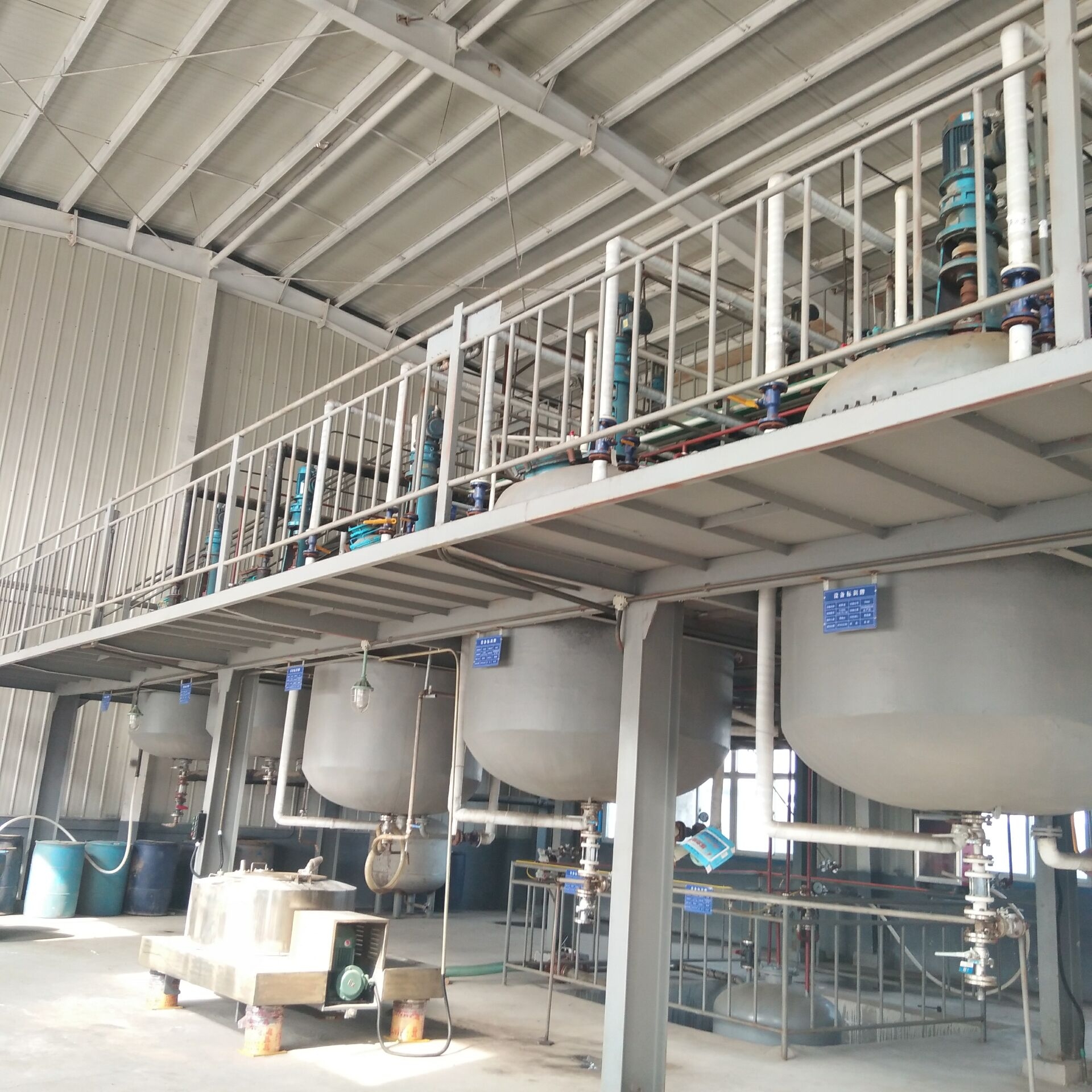
Enclosed reactor systems with 316L stainless steel and PTFE contact surfaces are the physical counterpart to the process-control section of a quality management system.
Comparison Table: What Each Document Actually Verifies
| Document | Question it answers | What it does not prove | Verification action |
|---|---|---|---|
| ISO 9001:2015 certificate (e.g. NO:174Q240545R0S) | Does the supplier operate a documented quality management system within a defined scope? | Does not prove GMP compliance or batch conformity; does not cover product-specific specifications | Check number, scope, validity and legal entity against the issuing body's register |
| Chinese utility model patent (e.g. 202520639784.6) | What protected product structure or equipment configuration is claimed, and by whom? | Does not protect a chemical compound or synthesis route; does not grant freedom to operate | Confirm patentee, filing date, grant status and claim scope in the official register |
| Certificate of analysis (batch specific) | Does this batch meet the agreed specification at the stated purity of ≥98.0%? | Does not prove process control across other batches | Match batch number to packaging, delivery note and production record |
| Batch production record summary | Was the batch produced and controlled under a documented process? | Does not by itself establish regulatory acceptance in your market | Request as part of the audit package, consistent with FDA Q7A batch record expectations |
| Traceability record | Who manufactured the material, and which batch numbers were supplied? | Does not cover quality performance or specification conformance | Verify original manufacturer identity and batch numbers where any intermediary is involved |
The comparison is limited to what each document type can establish. None of the five substitutes for another; a complete supplier file contains all five.
Frequently Asked Questions
Does ISO 9001:2015 certification alone qualify an Abemaciclib intermediate supplier?
No. ISO 9001:2015 certifies a quality management system, not product-level GMP compliance. Haohong (Qihe) Pharmaceutical Technology Co., Ltd. passed ISO 9001:2015 certification in 2021 and references certificate NO:174Q240545R0S for its Abemaciclib intermediate range, product 3707. That certificate supports supplier qualification but does not replace batch evidence: FDA Q7A expects batch production records for each intermediate and API, identification and quarantine of material failing established specifications, and traceability records covering original manufacturer identity and batch numbers. A buyer should therefore request the certificate, the batch package and the traceability record together.
What does Chinese utility model patent 202520639784.6 actually cover?
A Chinese utility model protects a technical solution relating to the shape, structure or combination of a product, so it is generally used for devices and hardware rather than for chemical compounds or synthesis processes. Patent number 202520639784.6 should be verified in the official register for patentee name, filing date, grant status and claim scope before it is treated as evidence of exclusivity. A buyer should also ask the supplier for a plain-language claim summary and check that the summary matches the patent type cited, and should not read a utility model as granting freedom to operate under third-party patents.
What drives the cost of Abemaciclib intermediates from Haohong?
Quotation is specification-driven rather than catalogue-driven. Haohong states that minimum order quantity and lead time are tailor-made services, and that monthly capacity is 100 MT. Cost therefore moves with the purity and impurity limits required (product 3707 intermediates are specified at ≥98.0% by HPLC or GC), the analytical scope required (chromatographic testing, structural identification, heavy metal and impurity testing, microbiological testing), packaging and standard customisation, and batch size. Because no public price benchmark exists for these intermediates, buyers should compare quotations on a defined specification and analytical package rather than on a headline figure.
Can a buyer obtain a sample or third-party test result before committing to bulk supply?
Yes. Haohong offers custom synthesis from gram scale to hundreds of kilograms, and lists sample re-inspection and third-party testing among its after-sales commitments, alongside quality dispute compensation and replacement. For a compliance-focused evaluation, the most useful sample is one accompanied by its own certificate of analysis, chromatographic data and impurity results, so that the sample verifies the document system as well as the material.
How long does supply take, and how should lead time be confirmed?
Haohong states that lead time is a tailor-made service rather than a fixed catalogue figure, supported by 30 reactors of 3,000–5,000 L, an annual production capacity of 1,000 tons and a stated monthly capacity of 100 MT, with stable supply and production scheduling listed as an after-sales guarantee. Buyers should request the schedule in writing against a named batch size and specification. To start that process, contact Xu Tianxia at Xutx@haohong-pharma.com or +86 180-6854-1569 (WhatsApp available on the same number) with the CAS numbers, quantity and required analytical package, and Haohong can return a quotation and delivery schedule against a defined specification.
Conclusion: Compliance Is a Verified File, Not a Certificate
ISO 9001:2015 certification and Chinese utility model patents are both useful, and both are routinely over-read. The certificate confirms that Haohong (Qihe) Pharmaceutical Technology Co., Ltd. operates a documented quality management system, referenced for product 3707 under certificate NO:174Q240545R0S. The patents, including 202520639784.6, confirm that specific protected technology is claimed and can be traced to an owner. Neither document tells a procurement team whether a drum of 6-Bromo-4-fluoro-1-isopropyl-2-methyl-1H-benzo[d]imidazole is suitable for an anti-cancer synthesis — only the batch package does that.
The checklist in this article exists to keep those layers apart and then assemble them in the right order: verify the system, verify the intellectual property, verify the batch, verify the traceability, and put the technical support commitments into the quality agreement. A supplier file built that way answers an auditor's question once, and keeps answering it at every reorder.
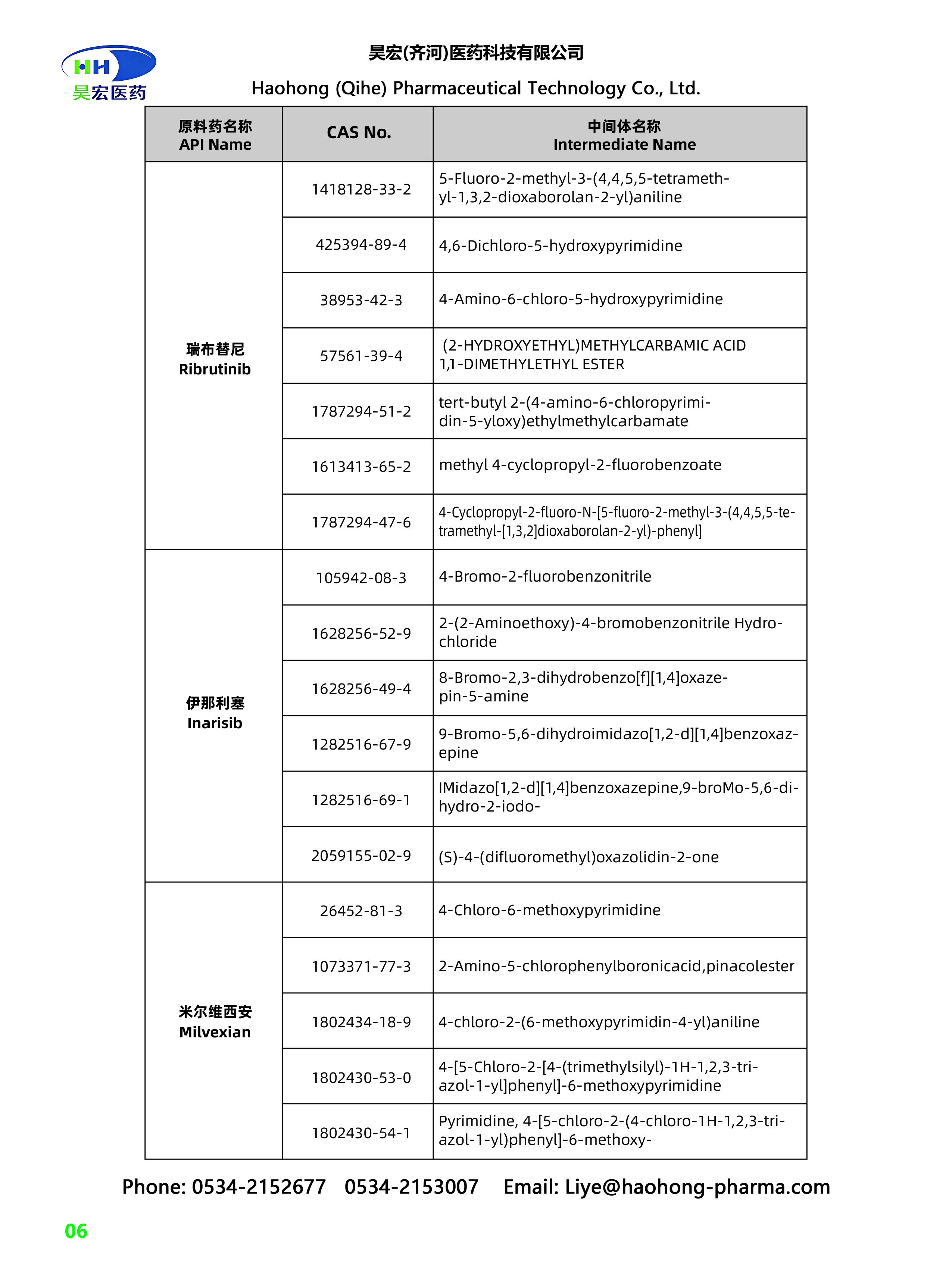
Next step: request the documentation package for product 3707 — ISO 9001:2015 certificate NO:174Q240545R0S, the patent register with claim summaries, batch-specific certificates of analysis and the specification sheet for each Abemaciclib intermediate — together with a sample and quotation for your target quantity.
Haohong (Qihe) Pharmaceutical Technology Co., Ltd. · Block B, Building 3, Accelerator, High-tech Zone, Qihe County, Dezhou City, Shandong Province, China · www.haohong-pharma.com · Xutx@haohong-pharma.com · +86 180-6854-1569
Download the Haohong corporate brochure (PDF) for the full product and capability overview.
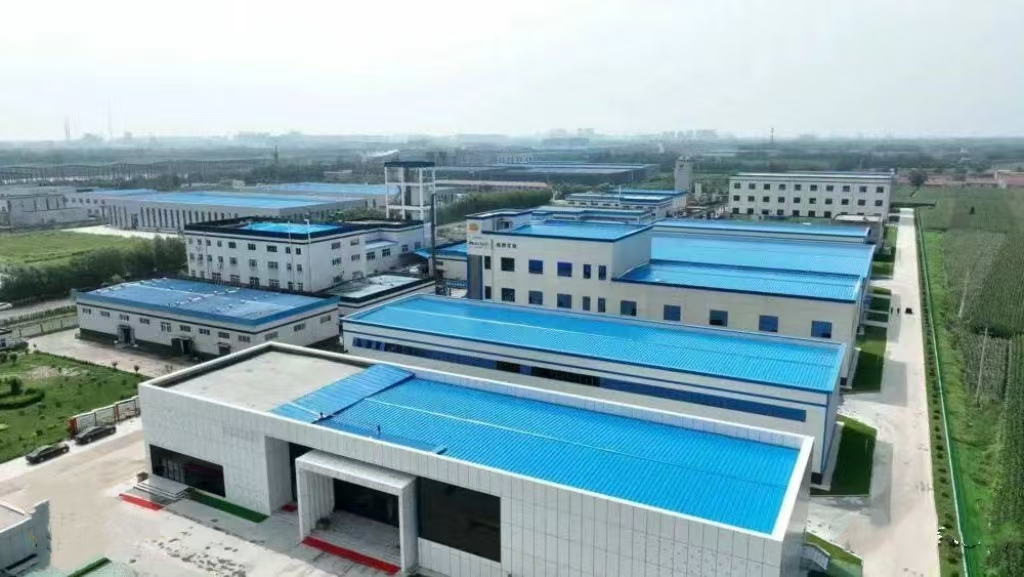
A site audit is the step that converts a certificate into confidence: document control, clean-grade workshop conditions and batch traceability are observed rather than assumed.
Have Questions or Need More Details?
Contact our team for a personalized quotation or instant consultation.
Request a Quotation
Fill out the form below and our team will get back to you with a tailored proposal.
WhatsApp Direct Chat
Prefer to chat in real-time? Message us on WhatsApp for instant assistance & quick answers.
- Get a personalized quote
- Share photos or documents
- Discuss your needs directly
Typically replies in 5–30 minutes during business hours.