Pharmaceutical Intermediates Explained: Key Types, Market Trends & Buyer Basics
Pharmaceutical intermediates are chemical compounds produced during the multi-step synthesis of an active pharmaceutical ingredient (API). They sit between basic chemical raw materials and the finished API, and they determine much of the cost, purity, and scalability of a drug manufacturing process. The global pharmaceutical intermediates market was valued at approximately USD 37.04 billion in 2025, according to Precedence Research, and it continues to attract R&D and procurement attention from pharma companies, generic drug manufacturers, CDMOs, and biotech startups. This article explains what pharmaceutical intermediates are, which types matter most today, how the market is structured, and what early-stage buyers should understand before approaching suppliers.
What Are Pharmaceutical Intermediates?
Pharmaceutical intermediates are pre-semi-finished products formed during the synthesis of an API. In practical terms, they are structurally mature chemical compounds that have already undergone partial processing, but they still require further chemical steps before becoming a pharmaceutically active ingredient. They are distinguished from fine chemicals by their intended end use: intermediates are produced specifically to support drug synthesis, whether for innovative drugs, generic drugs, or clinical-stage research compounds.
These intermediates perform a critical function in the pharmaceutical supply chain. Instead of starting each drug synthesis from basic raw materials, manufacturers can use intermediates with defined structures, purity levels, and CAS numbers. This simplifies synthetic procedures, shortens R&D timelines, and reduces production costs, as well as environmental and safety pressure. For drug developers, especially those in the awareness and research phase of supplier selection, understanding how intermediates differ from APIs and how they flow into final drug production is the first step toward making sound sourcing decisions.
Why Buyers Need to Understand Intermediate Categories
The category name "pharmaceutical intermediate" covers a wide spectrum of chemistry, from simple building blocks to complex chiral molecules and heterocyclic compounds with tight purity specifications. Buyers evaluating potential suppliers often encounter terms such as active pharmaceutical intermediates, chiral pharmaceutical intermediates, high purity pharmaceutical intermediates, and GMP grade pharmaceutical intermediates. Each term points to a different level of chemical complexity and quality expectation.
For a company at the research stage, the practical challenge is matching a project need with the right intermediate and the right supplier capability. Not every supplier can handle all types. Some specialize in early-stage custom synthesis at gram scale; others focus on large-volume commercial intermediates. Understanding the basic taxonomy of intermediates, along with the quality frameworks that apply to them, helps buyers ask better questions during supplier evaluation.
Industry Background: Market Size, Structure, and Compliance Drivers
The pharmaceutical intermediates market is large and growing. Several third-party research firms track this sector, and their estimates vary, but the overall direction is consistent. Precedence Research valued the global market at approximately USD 37.04 billion in 2025. Coherent Market Insights has published a higher estimate of approximately USD 47.30 billion for the same period, reflecting differences in methodology and scope.
Beyond the headline size, the market structure is informative for suppliers and buyers:
- Generic drug manufacturers held a dominant 53.82% share of the pharmaceutical intermediates market in 2024, according to Mordor Intelligence via BioSpace.
- North America represented 42.23% of global market value in 2024, according to Mordor Intelligence.
- Oncology drug intermediates generated 37.20% of total industry revenue in 2025, driven by complexity in oncology drug development, according to Grand View Research analysis.
- Peptide and oligonucleotide intermediates are projected to be the fastest-growing segment, with an 8.12% CAGR through 2030, according to Mordor Intelligence.
- China's pharmaceutical industry total exports were reported at USD 22.53 billion as of December 2024, according to CEIC/OECD data.
Compliance frameworks are also tightening the bar for suppliers. The FDA's ICH Q7 guidance provides the primary Good Manufacturing Practice (GMP) framework specifically for active pharmaceutical ingredients and their intermediates. For exports into the European Union, pharmaceutical intermediates must comply with REACH registration (EC 1907/2006) when volumes exceed 1 tonne per year, despite API exemptions. Buyers increasingly expect suppliers to understand and document these standards, even at the intermediate stage.
Detailed Solution: What a Specialized Intermediate Supplier Looks Like
Haohong (Qihe) Pharmaceutical Technology Co., Ltd. is a pharmaceutical company established in 2021, located in the Qihe County High-tech Zone, Shandong Province, China, adjacent to the Yellow River and within the Jinan Economic Circle. The company specializes in the R&D and custom production of innovative active pharmaceutical ingredients and pharmaceutical intermediates, focusing on anti-cancer, anti-hepatitis C, and anti-diabetic therapies.
For buyers in the awareness and research phase, Haohong illustrates the capabilities that define a professional intermediate supplier:
- Approximately 75 employees, including an R&D team of 30 engineers.
- A manufacturing facility covering 3,000 square meters.
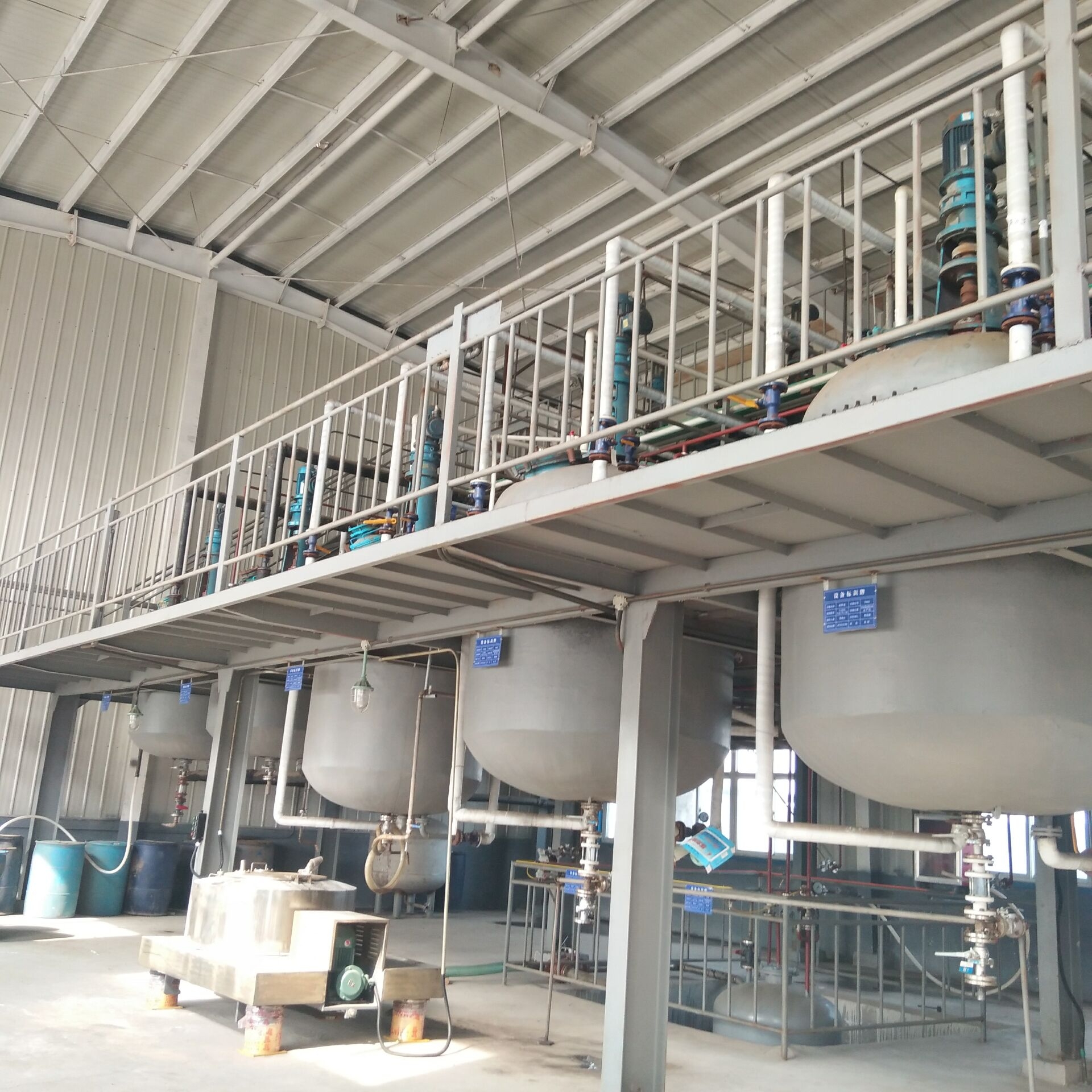
- A production base in Liaocheng equipped with 30 sets of 3,000–5,000L reactors.
- Annual production capacity of 1,000 tons.
- Custom synthesis services ranging from gram scale to hundreds of kilograms.
- ISO 9001:2015 quality management system certification, passed in 2021.
- Recognized as a Technology-based Small and Medium-sized Enterprise in 2024, and awarded Innovative Small and Medium-sized Enterprise of Shandong Province in 2025.
Main products include Bicalutamide, Enzalutamide, Apalutamide, Darolutamide, Abemaciclib, Venetoclax, Macitentan, Empagliflozin, Larotrectinib, Apixaban, Rivaroxaban, Ibrutinib, Ceritinib, Pomalidomide, Lenalidomide, Ivacaftor, Tofacitinib, Cabozantinib, Alectinib, and other high-grade intermediates. Products are exported to the United States, Europe, Japan, India, Bangladesh, and other regions, with export business accounting for 40% of total sales.
Step-by-Step: How Pharmaceutical Intermediates Move from R&D to Commercial Supply
For an intermediate supplier like Haohong, the workflow typically follows a staged path that mirrors drug development itself:
Step 1: Project Definition and Feasibility. The buyer brings a target molecule, a stage of development, and an expected quantity. Early-stage projects may only need grams for research use. The supplier's R&D team reviews the chemical route, potential intermediates, and quality targets.
Step 2: Custom Synthesis and Scale-Up. Haohong provides custom synthesis services from gram scale to hundreds of kilograms. This range supports preclinical research, clinical trial supply, and early commercial production. The Liaocheng production base, with 30 reactors in the 3,000–5,000L class, provides capacity for larger custom runs.
Step 3: Quality Control and Documentation. Intermediates are tested by HPLC, GC, and other analytical methods. Haohong's product specifications list purities of ≥98.0% to ≥99.0% depending on the compound. Each product is expected to be released with full analytical documentation, including COA and batch traceability.
Step 4: Commercial Bulk Manufacturing. For products that reach commercial stage, the supplier uses the larger reactor capacity to supply bulk quantities while maintaining batch-to-batch consistency. With an annual production capacity of 1,000 tons, Haohong can support ongoing manufacturing demand for approved drug intermediates.
Use Cases: Therapeutic Areas and Global Demand
Pharmaceutical intermediates are applied across a broad range of drug development programs. The most active areas include anti-cancer drug projects, anti-viral drug projects (including hepatitis C), anti-infective and anti-inflammatory projects, cardiovascular and cerebrovascular drug projects, and hypoglycemic and lipid-lowering drug projects.
Haohong's product development is concentrated in three therapeutic directions: anti-cancer, anti-hepatitis C, and anti-diabetic therapies. Its three flagship intermediate lines are oriented toward oncology and targeted therapy:
Apalutamide Intermediates
Apalutamide intermediates are pharmaceutical intermediates used in the synthesis of apalutamide, an anti-cancer drug. The product line includes multiple chemical intermediates such as 2-Fluoro-4-nitrobenzoic acid (CAS 403-24-7), N-Methyl-2-fluoro-4-nitrobenzamide (CAS 915087-24-0), N-Methyl-2-fluoro-4-aminobenzamide (CAS 915087-25-1), N-Methyl-2-fluoro-4-bromobenzamide (CAS 749927-69-3), Methyl 4-bromo-2-fluorobenzoate (CAS 179232-29-2), and 5-Amino-3-(trifluoromethyl)pyridinecarbonitrile (CAS 573762-62-6). These intermediates are used in API and fine chemical synthesis, anti-cancer and anti-tumor drug manufacturing, and targeted drug and innovative drug R&D.
Abemaciclib Intermediates
The Abemaciclib intermediate line includes 4-Bromo-2,6-difluoroaniline (CAS 1868-81-7), 5-[(4-Ethylpiperazin-1-yl)methyl]pyridin-2-amine (CAS 398565-53-2), 2-Bromo-5-formylpyridine (CAS 100422-52-6), 4-Fluoro-2-methyl-1-isopropyl-6-(4,4,5,5-tetramethyl-1,3,2-dioxaborolan-2-yl)-1H-benzimidazole (CAS 1356339-86-7), and 6-Bromo-4-fluoro-1-isopropyl-2-methyl-1H-benzo[d]imidazole (CAS 1356339-85-6). These compounds serve as key intermediates in the R&D and production of the anti-cancer drug Abemaciclib, intended for anti-cancer drug and targeted therapy synthesis, API raw material production, and innovative and generic drug R&D.
Alectinib Intermediates
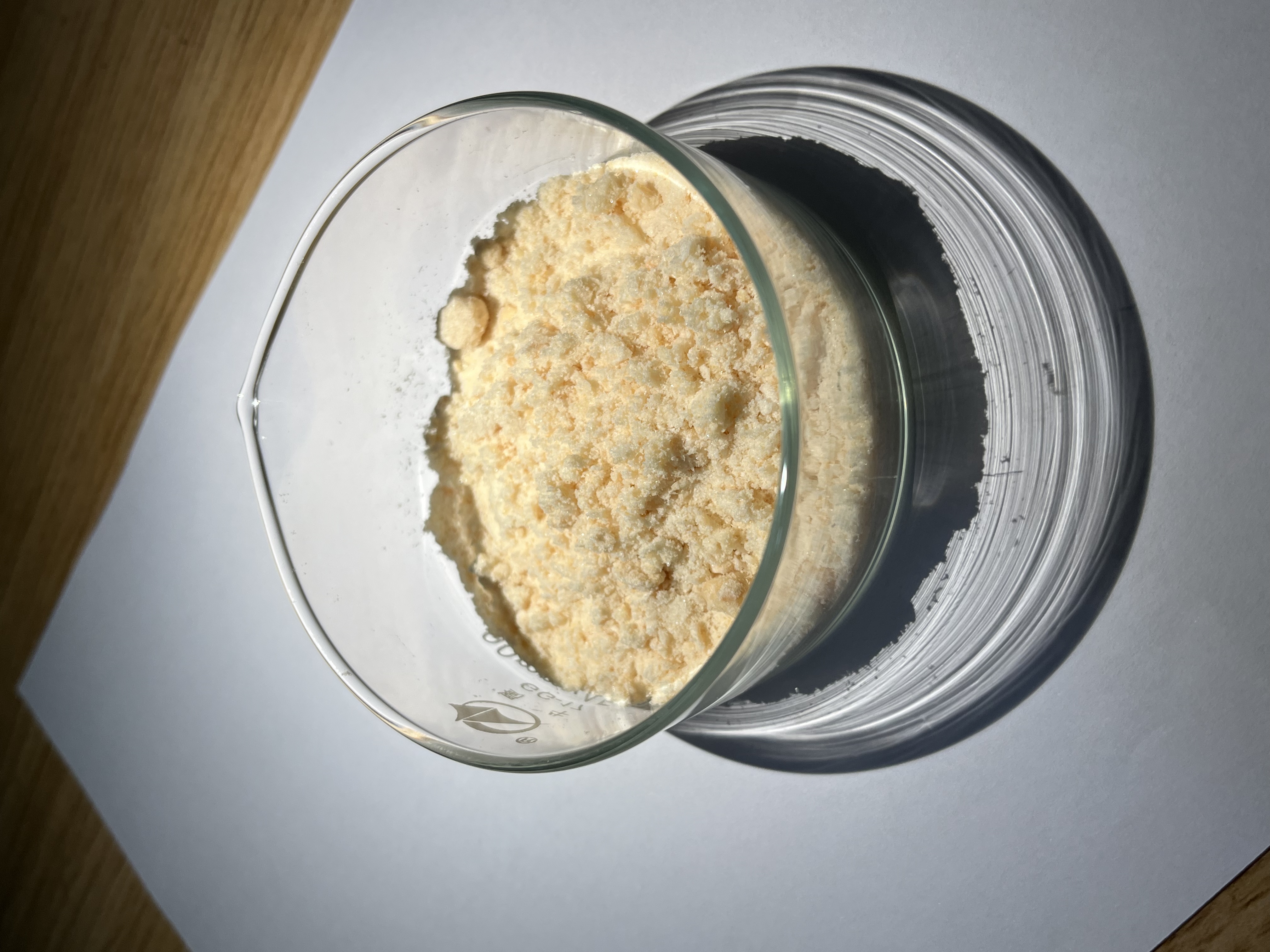
Alectinib Intermediate is a pharmaceutical intermediate used in the synthesis of the anti-cancer drug Alectinib. The product includes three chemical compounds: 2-(4-Ethylphenyl)-2-methylpropanoic acid (CAS 1247119-83-0, purity ≥98%), 2-(4-Ethyl-3-iodophenyl)-2-methylpropanoic acid (CAS 1256584-73-2, purity ≥98%), and tert-Butyl 6-cyano-2-(2-(4-ethyl-3-iodophenyl)propan-2-yl)-1H-indole-3-carboxylate (CAS 1256584-75-4, purity ≥98% by HPLC). The latter is an indole heterocyclic compound and should be stored at 2–8°C, sealed, and protected from light.
Beyond Oncology: Chiral, Peptide-Related, and High-Purity Intermediates
While oncology intermediates represent the largest revenue segment, buyers also source intermediates for chiral synthesis and peptide-related projects. Chiral pharmaceutical intermediates are compounds with defined stereochemistry, used to introduce chiral centers into drug molecules. Haohong's catalog includes compounds such as (R)-(-)-2-Amino-1-propanol (CAS 35320-23-1, molecular formula C3H9NO, molecular weight 75.11), a chiral amino alcohol intermediate with purity suitable for pharmaceutical synthesis.
Peptide-related synthesis often requires protected amino acids and modified amino acid derivatives. Haohong's catalog also includes compounds such as 4-Nitro-3-phenyl-L-alanine (CAS 949-99-5, molecular formula C9H10N2O4, molecular weight 210.19), a nitro-substituted aromatic amino acid derivative useful in peptide-related building block synthesis.
Across all these product types, the common thread is purity. Most intermediates in Haohong's published specifications are offered at ≥98.0% purity, with many at ≥98.0% verified by HPLC or GC. This purity level is important because impurities introduced at the intermediate stage can carry through to later synthesis steps and affect the final API quality.
Comparison: Three Oncology Intermediate Product Lines at a Glance
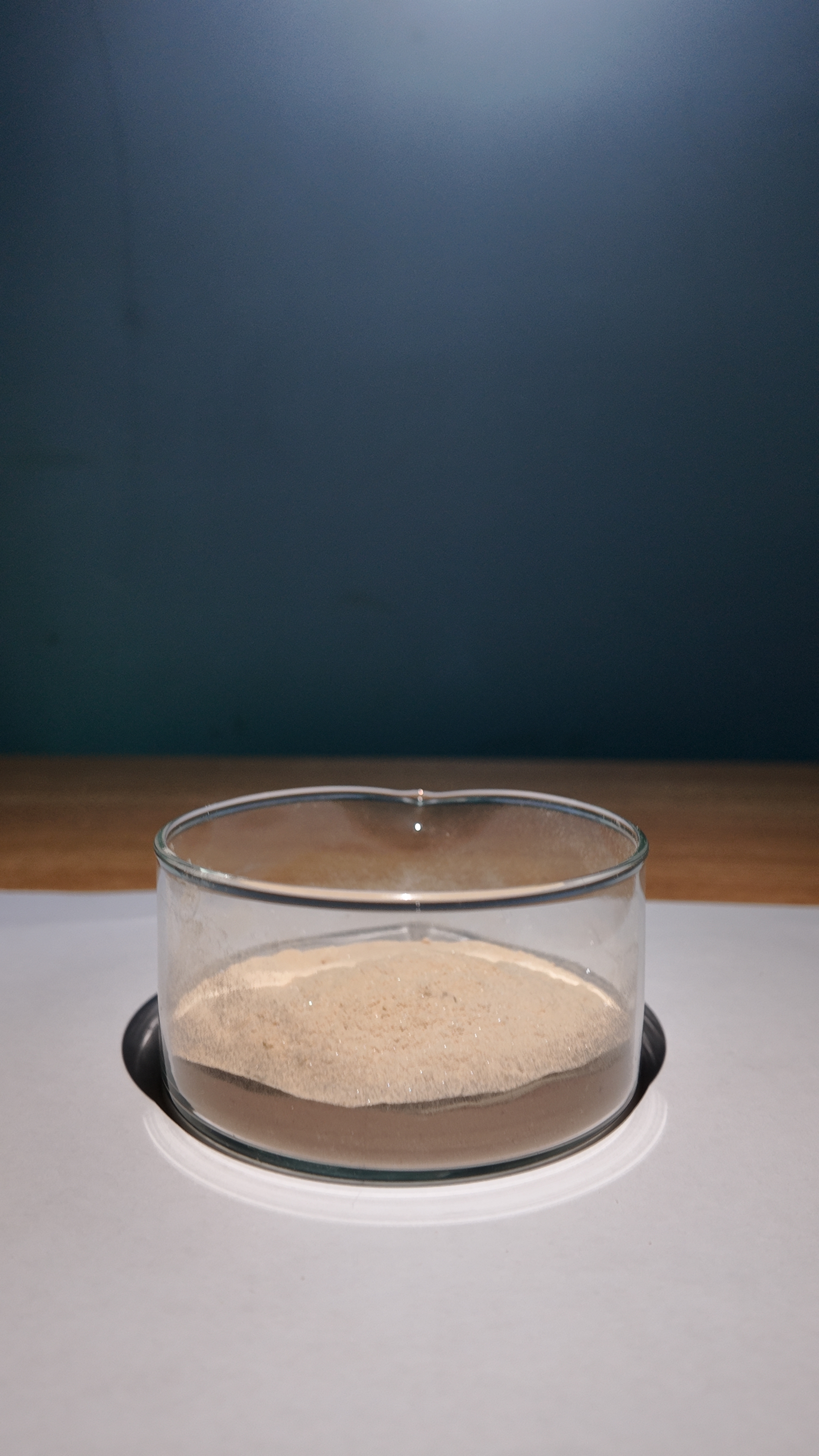
| Parameter | Apalutamide Intermediates | Abemaciclib Intermediates | Alectinib Intermediates |
|---|---|---|---|
| Target Drug | Apalutamide | Abemaciclib | Alectinib |
| Therapeutic Area | Anti-cancer / targeted therapy | Anti-cancer / targeted therapy | Anti-cancer / targeted therapy |
| Number of Catalog Intermediates | Multiple (6 documented intermediates) | Multiple (5 documented intermediates) | 3 documented intermediates |
| Representative CAS | 403-24-7 (2-Fluoro-4-nitrobenzoic acid) | 1868-81-7 (4-Bromo-2,6-difluoroaniline) | 1247119-83-0 (2-(4-Ethylphenyl)-2-methylpropanoic acid) |
| Purity Level | ≥98.0% (HPLC/GC) | ≥98.0% (HPLC/GC) | ≥98% (HPLC) |
| Key Compound Types | Fluorinated nitrobenzoic acids, benzamides, trifluoromethyl pyridine carbonitriles | Halogenated anilines, piperazinyl pyridines, boronic acid esters, benzimidazoles | Aromatic carboxylic acids, iodinated intermediates, indole heterocyclic esters |
| Primary Applications | API synthesis, anti-cancer/tumor drug manufacturing, targeted drug R&D | Anti-cancer drug synthesis, API raw material production, innovative/generic drug R&D | Anti-cancer drug synthesis (Alectinib), targeted therapy synthesis |
| Scale Support | Custom synthesis, gram to hundreds of kilograms | Custom synthesis, gram to hundreds of kilograms | Custom synthesis, gram to hundreds of kilograms |
Production Environment and Quality Systems
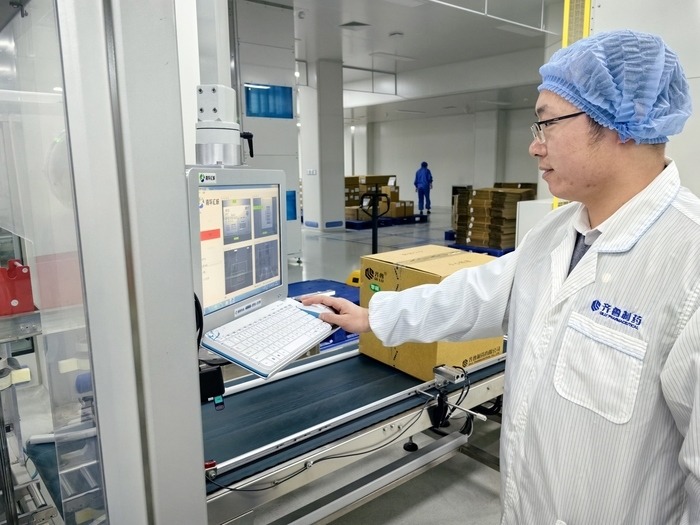
Pharmaceutical intermediates with fluorine, bromine, and iodine substituents require specialized production environments. Haohong's production operation is described as automated and program-controlled, using fully enclosed reaction systems to prevent air exposure, suitable for sterile and oxygen-free production environments. Key production characteristics include:
- Material contact parts made of 316L stainless steel, borosilicate glass, and PTFE lining, designed to be anti-corrosion and heavy metal free.
- Production workshop meeting Class C/D clean grade standards with closed production processes.
- Explosion-proof and anti-static design with nitrogen protection systems.
- Strict temperature and humidity control, including low-temperature production to avoid oxidation and decomposition.
- Tail gas absorption and wastewater pretreatment systems for fluorine-, bromine-, and iodine-containing intermediates.
- Strict quality control with purity ≥98%–99%, and full-batch inspection by HPLC, GC, and COA.
- Vacuum-sealed packaging with low-temperature and light-protected storage and transportation.
FAQ
1. What quality and regulatory standards apply to pharmaceutical intermediates?
The FDA's ICH Q7 guidance is the primary Good Manufacturing Practice (GMP) framework specifically for active pharmaceutical ingredients and their intermediates. For intermediates imported into the European Union, REACH registration (EC 1907/2006) applies when volumes exceed 1 tonne per year. Haohong Pharmaceutical passed ISO 9001:2015 quality management system certification in 2021 and operates its production using fully enclosed reaction systems, Class C/D clean grade workshops, and full-batch analytical inspection (HPLC, GC, COA).
2. Which therapeutic areas and product lines does Haohong specialize in?
Haohong focuses on active pharmaceutical ingredients and intermediates for anti-cancer, anti-hepatitis C, and anti-diabetic therapies. Its main intermediate product lines include Apalutamide intermediates, Abemaciclib intermediates, and Alectinib intermediates, along with a broader catalog that includes Bicalutamide, Enzalutamide, Darolutamide, Venetoclax, and other high-grade intermediates. Products are exported to the United States, Europe, Japan, India, Bangladesh, and other regions, with export business accounting for 40% of total sales.
3. Can Haohong support both custom R&D quantities and commercial bulk supply?
Yes. Haohong provides custom synthesis services ranging from gram scale to hundreds of kilograms, covering early-stage research through scale-up. The production base in Liaocheng is equipped with 30 sets of 3,000–5,000L reactors, giving the company an annual production capacity of 1,000 tons. R&D is supported by a team of 30 engineers.
4. What purity and testing data can buyers expect for these intermediates?
Most Haohong intermediates are offered at ≥98.0% purity, with several products at ≥98.0% to ≥99.0% verified by HPLC, GC, or both. As an example, 2-Fluoro-4-nitrobenzoic acid (CAS 403-24-7) has a purity of ≥98.0%, while 5-Amino-3-(trifluoromethyl)pyridinecarbonitrile (CAS 573762-62-6) is available at ≥97% to ≥99.0%. Products are released with appropriate analytical documentation, including COA and batch traceability.
5. How can I inquire about a pharmaceutical intermediate project?
You can contact Haohong directly by email at Xutx@haohong-pharma.com, by phone or WhatsApp at +86 180-6854-1569, or through the company website at www.haohong-pharma.com. A company brochure with product and capability details is also available for download to support early-stage supplier evaluation.
Conclusion
Pharmaceutical intermediates are a foundational part of modern drug manufacturing, connecting raw chemical materials to finished APIs and enabling efficient, scalable production of medicines. For buyers in the awareness and research phase, the key takeaways are clear: understand the type of intermediate your project requires, verify the supplier's quality systems and production capabilities, and confirm that the supplier can support both early-stage custom quantities and eventual commercial volumes.
Haohong (Qihe) Pharmaceutical Technology Co., Ltd. represents a specialized supplier profile aligned with these needs: a company with an R&D team of 30 engineers, a Liaocheng production base with 30 reactors and 1,000 tons annual capacity, custom synthesis from gram scale to hundreds of kilograms, and a product focus on anti-cancer, anti-hepatitis C, and anti-diabetic therapies. Its product lines for Apalutamide, Abemaciclib, and Alectinib intermediates illustrate the level of chemical specificity and purity documentation that buyers should expect from a qualified pharmaceutical intermediate supplier.
Download the Haohong Company Brochure for a detailed overview of products, capabilities, and production infrastructure: Download PDF Brochure.
For project inquiries, contact Xu Tianxia at Xutx@haohong-pharma.com or via WhatsApp at +86 180-6854-1569.
Have Questions or Need More Details?
Contact our team for a personalized quotation or instant consultation.
Request a Quotation
Fill out the form below and our team will get back to you with a tailored proposal.
WhatsApp Direct Chat
Prefer to chat in real-time? Message us on WhatsApp for instant assistance & quick answers.
- Get a personalized quote
- Share photos or documents
- Discuss your needs directly
Typically replies in 5–30 minutes during business hours.