6063-T5 Thermal Break Profiles: A Technical Guide to K-Values and Alloy Selection
Thermal break aluminum profiles are extruded architectural sections in which the interior and exterior aluminum faces are separated by a non-conductive barrier, so the frame stops acting as a continuous heat path through the building envelope. Two technical decisions decide whether a specified window or door system actually performs: the alloy and temper the profile is extruded from, and the K-value the assembled system delivers.
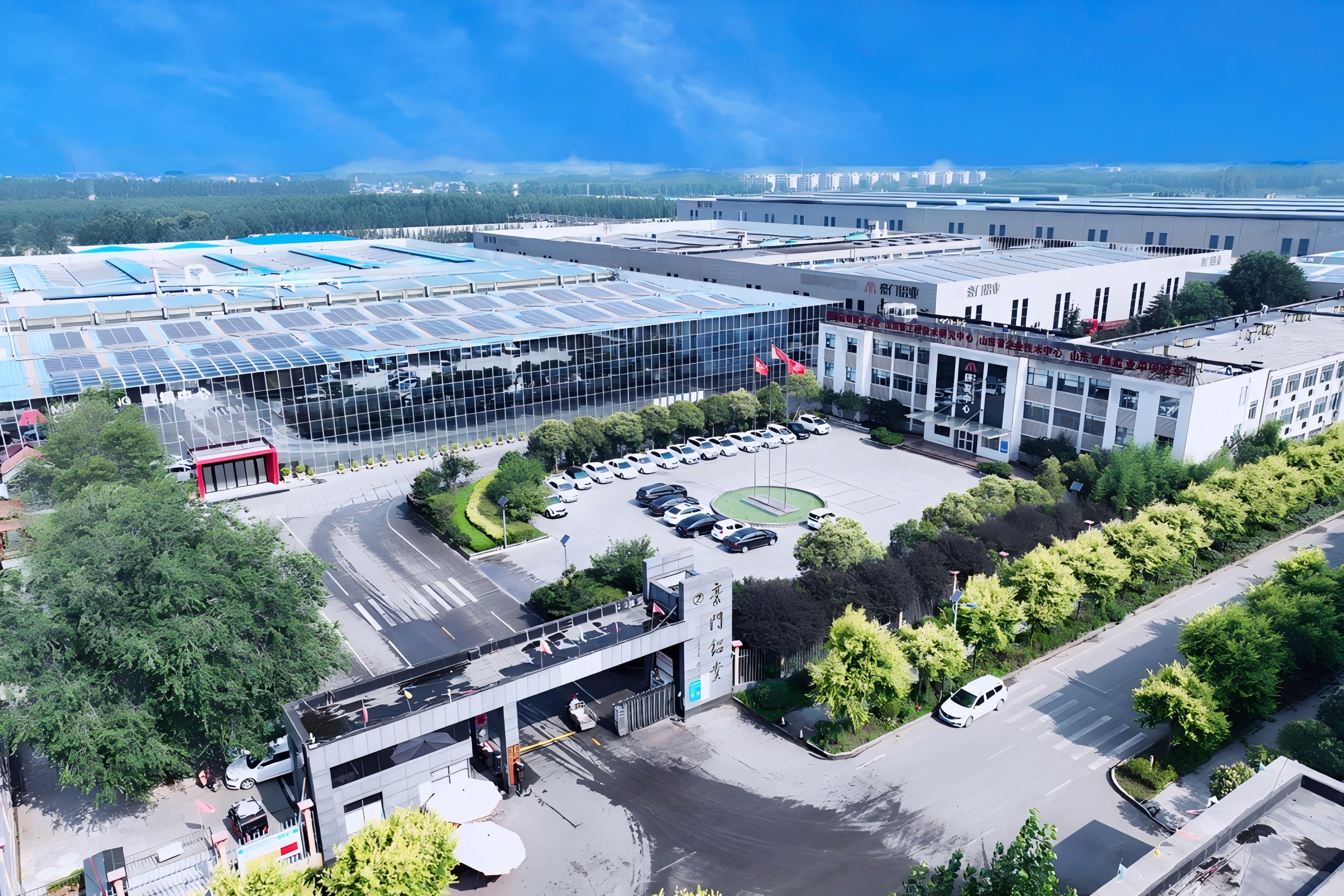
This guide is written for architects, facade consultants, fabricators, importers and OEM buyers who have to convert an energy target into an orderable profile specification. It covers the four alloys buyers ask about most — 6063-T5, 6061-T6, 6005 and 6082 — together with the barrier, finish and material controls that determine how long the profile survives in service. Shandong Haomen Aluminium Industry Co., Ltd. (Haomen Aluminum) is a Chinese aluminum profile manufacturer founded in 2004 and based in Linyi City, Shandong Province, producing architectural aluminum profiles for windows and doors from a 270,000 m2 facility with an annual output of 100,000 tons. Its production facts are used here only where they illustrate a specification point.
Problem Definition: Why Thermal Break Specifications Fail Before the Order Is Placed
Most thermal break problems on real projects are specification problems rather than extrusion problems. Three patterns repeat across window and door programmes, and all three are visible before a single profile is ordered.
- A single number with no boundary conditions. A K-value is written into a tender as though it were a property of the profile itself. In practice the frame K-value is one input into a whole-window result that also depends on glazing, spacer, sash-to-frame geometry, drainage and installation quality. When the profile is ordered against the frame number but the window is assessed as a system, the deliverable and the specification are describing two different things.
- Alloy chosen by habit instead of by load path. 6063-T5 is the default architectural alloy and remains the right default for most window and door sections. On tall mullions, high-wind-load facades and heavy sliding leaves, however, the load path can justify a higher-strength alloy. If the section stays at 6063-T5, the fabricator compensates with thicker walls or internal steel reinforcement — which changes the thermal performance and the cost at the same time, after the thermal calculation has already been submitted.
- Compliance documents disconnected from the profile. Alloy, temper, barrier design, coating system and packaging have to be verified as one package. A profile can pass a coating test and still fail in service because the substrate quality or the barrier geometry was never specified in the first place.
The practical consequence: a thermal break purchase order should contain three things that are often missing — the alloy and temper, the performance target for the whole assembly, and the standard against which surface treatment and material will be verified.
Industry Background: Where Thermal Break Profiles Sit in the Aluminum Market
Aluminum extrusion is a large and still-expanding industrial category, and architectural profiles are one of its main demand centres. According to Orion Market Research, the global aluminum extrusion market was valued at USD 94.8 billion in 2024 and is projected to reach USD 230.2 billion by 2035. Grand View Research reports that Asia Pacific dominated the aluminum extrusion market in 2025 with a 71.7% revenue share, driven primarily by construction and automotive demand in China — which explains why Chinese architectural profile capacity is both deep and price-competitive.
Trade data confirms the export weight of that capacity. China's export of Aluminium Structures (HS 7610), the category that includes profiles and window and door frames, totalled USD 5.55 billion in 2024, representing 30.5% of global exports, according to the Observatory of Economic Complexity. The China aluminum extrusion market itself was valued at USD 25.5 billion in 2024, with a projected CAGR of 9.6% through 2035 (Orion Market Research). For a buyer in Europe, the Middle East, Africa or South America, this means the supplier shortlist is likely to be predominantly Chinese, and the differentiation has to come from specification discipline rather than from availability.
The standards framework a thermal break specification sits inside
Compliance is not a marketing claim; it is a defined document set. Three standard families matter for architectural aluminum profiles:
- GB/T 5237 (Parts 1–6) — the mandatory standard series for architectural aluminum alloy profiles in China, covering mill finish, anodizing, electrophoresis, and powder and fluorocarbon coatings. Parts 1–6 are the reference set for both base material and surface treatment.
- EN 755 — the European standard for hot extruded aluminum products, and EN 12020 — the European standard for precision profiles in alloys 6060 and 6063. A European project specifying a European standard is therefore narrowing alloy choice to the 6xxx precision family by definition.
- IATF 16949:2016 — mandatory for suppliers of aluminum components such as crash-management systems and structural frames to major automotive OEMs. It is not an architectural standard, but where a profile plant holds it, it signals a documented process-control system that also shapes how architectural orders are run.
Haomen Aluminum holds IATF 16949:2016, ISO 9001, ISO 14001 and ISO 45001 system certifications, and in 2019 the Shandong Provincial Technology Research Center was established at the company. The company also maintains research cooperation with the Light Alloy Precision Forming Engineering Technology Research and Development Center of Shanghai Jiao Tong University, Shandong University and the Beijing Research Institute of Nonferrous Metals. For an architectural buyer, the relevant reading is that the plant operates under automotive-grade process discipline in parallel with its window and door profile business.
The Technical Solution: Alloy, Barrier and Finish
What a thermal break actually changes in the profile
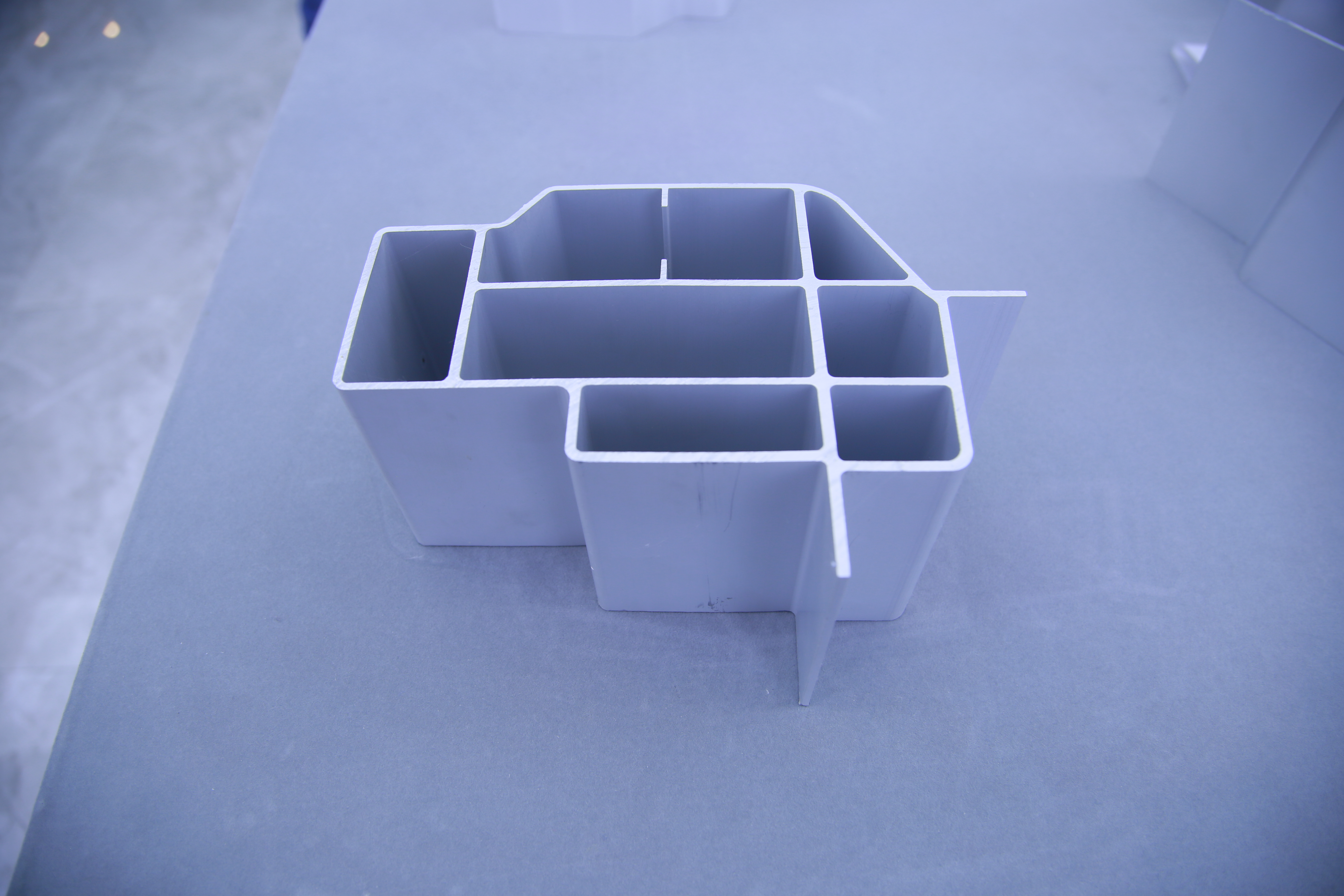
A thermal break profile is not simply a window section with an insert. The extruded aluminum is divided into an interior and an exterior component, and a non-conductive material — typically a polyamide barrier — is bonded or mechanically locked between them so that heat cannot travel directly through the metal. The section therefore has to be designed for two load paths at once: the structural load transferred through the barrier, and the thermal path interrupted by it. That dual requirement is what makes alloy choice and barrier geometry inseparable.
Alloy and temper: 6063-T5, 6061-T6, 6005 and 6082
6063-T5 is the reference alloy for architectural extrusion and the correct starting point for most window and door profiles. It extrudes cleanly into complex thermal break cavities and thin walls, holds tight dimensional tolerances, and takes anodized, electrophoretic, powder coated and wood grain transfer finishes with a consistent appearance. Its strength is moderate, which is exactly why the alloy decision becomes a decision only when the section carries structural load.
Higher-strength alloys enter when the profile is part of a structural load path:
- 6061-T6 — a high-strength architectural aluminum profile used where the section must carry greater load, for example long-span mullions and heavily loaded transoms. It is less forgiving to extrude into fine decorative detail than 6063.
- 6005 / 6005A — positioned between 6063 and 6061 in strength while retaining good extrudability, which makes it useful for structural sections that still need a clean architectural finish.
- 6082 — a high-strength alloy used for load-bearing structural profiles. It demands tighter process control during extrusion and is normally specified only where the structural case is clear.
Mechanical property values differ by temper and by section thickness, so the correct behaviour is to confirm them against the applicable standard and the supplier's material test report rather than against a generic alloy chart. Note also the standards' own boundaries: EN 12020 covers precision profiles in alloys 6060 and 6063, so a project invoking that standard is not writing a 6082 specification.
K-value and acoustic targets: what ≤2.5 W/m²·K and ≥30 dB mean in practice
This guide uses a frame K-value of ≤2.5 W/m2·K and airborne sound insulation of ≥30 dB as the working performance targets for energy-code-driven architectural projects. Both should be treated as design targets that must be confirmed against the energy code and the acoustic requirement that govern the specific project, because the legally applicable figure belongs to the whole-window assembly — frame, glazing, spacer and installation — and not to the profile alone.
Within that boundary, the profile contributes in three measurable ways. First, the thermal barrier interrupts the aluminum heat path, which is what makes a K-value target reachable at all with an aluminum frame. Second, the barrier continuity must survive fabrication: if the barrier is cut, bridged or thermally short-circuited during assembly or hardware fixing, the calculated K-value does not exist in the delivered product. Third, sound insulation of ≥30 dB depends on mass, airtightness and the sealing of the assembly as much as on the barrier itself, which is why acoustic performance should be validated on the assembled system rather than assumed from the section drawing.
Finish selection and corrosion control
Surface treatment is where a technically correct section most often degrades in service. The finish options that concern architectural buyers are mill finish, anodized, powder coated, electrophoretic, wood grain transfer and fluorocarbon coated profiles — the same family that GB/T 5237 (Parts 1–6) is written to cover. The selection logic is exposure-driven: interior and sheltered sections can run on a simpler finish, while coastal, high-humidity and high-UV environments push toward anodizing, electrophoretic coating or fluorocarbon systems.
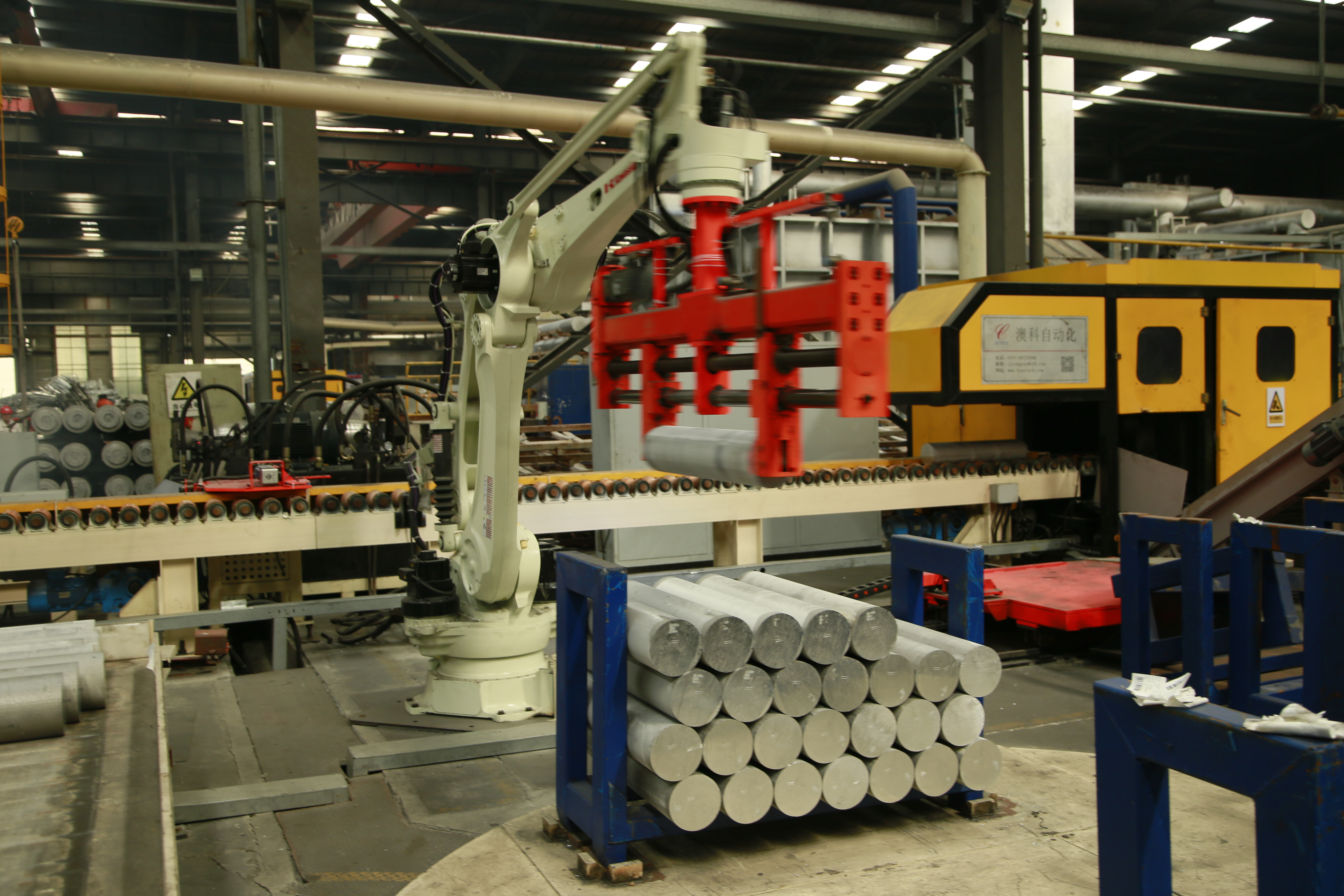
Corrosion is the risk that ties finish to substrate. Haomen Aluminum controls it through high-purity aluminum raw material screening, an anodizing anti-corrosion process, and sealed moisture-proof packaging testing. In production this is implemented as strict incoming material inspection, a standardized anti-corrosion coating production process, fully sealed moisture-proof packaging, and a finished product corrosion test before shipment. For a specifier, that sequence is the relevant proof: the corrosion defence starts at the raw material and only ends at the packaging.
Material control behind the profile
For windows and doors applications, Haomen Aluminum positions its architectural profiles against traditional architectural aluminum profiles on four points that a buyer can check: purity over 98.5%, a quality guarantee period of more than 10 years, a 10% lower cost, and improved energy efficiency through better thermal insulation and energy-saving performance. The core differences claimed are higher purity and longer service life. These are supplier-stated comparisons rather than third-party test results, and they should be treated that way — as a claim to be verified through samples, test reports and reference projects during evaluation.
Reading the claim correctly: higher purity and a longer guarantee period are material-level statements; a 10% cost difference is a commercial statement. They should be evaluated separately, because a lower purchase price and a longer service life are not the same argument.
Step-by-Step Breakdown: Seven Steps From Energy Target to Order
- Fix the target on the assembly, then translate it to the profile. Confirm the K-value and acoustic requirement that apply to the project, and state explicitly whether they are frame-level or whole-window values. Use ≤2.5 W/m2·K and ≥30 dB only as working targets until the governing code is confirmed.
- Select the alloy from the load path. Start at 6063-T5. Move to 6061-T6, 6005 or 6082 only where span, wind load or leaf weight requires it, and record why. Documenting the reason prevents the alloy from being silently substituted later.
- Define the thermal barrier and wall thickness together. Barrier material, barrier depth and aluminum wall thickness determine both the thermal break and the structural capacity. Changing one without re-checking the other invalidates the thermal calculation.
- Choose the finish against the exposure, not the price list. Match mill finish, anodizing, electrophoresis, powder coating, wood grain transfer or fluorocarbon coating to the project's corrosion and UV exposure, and reference the coating requirements of GB/T 5237 (Parts 1–6) or the European standard cited in the project specification.
- Verify the document set before pricing. Confirm the alloy and temper, the material test report, the coating specification, and the applicable system certification. Ask which standard governs — GB/T 5237, EN 755 or EN 12020 — because the answer constrains alloy choice.
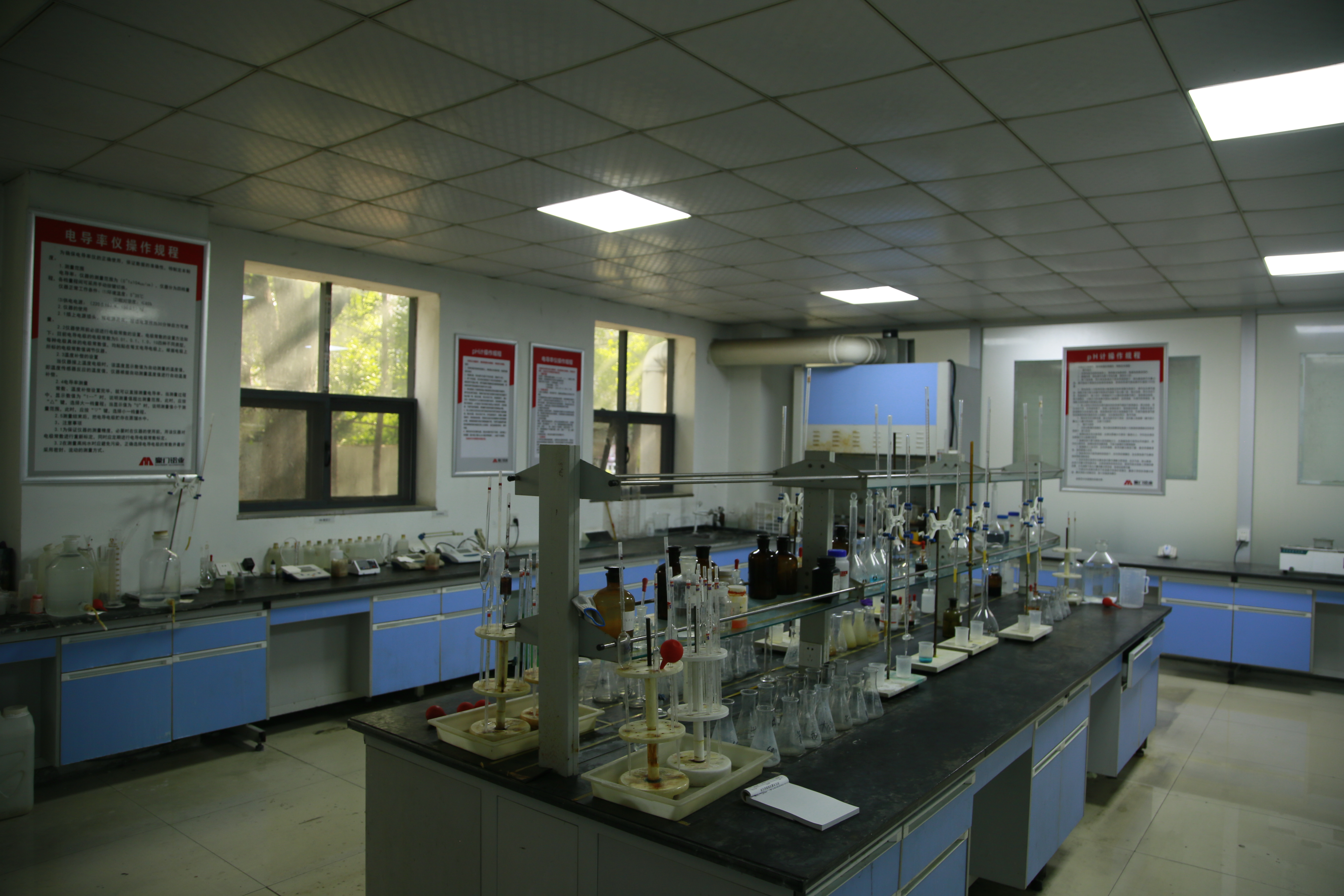
- Validate with samples. Order samples of the actual section and finish, and check barrier continuity, surface quality, dimensional tolerance and finish appearance. This is the cheapest point at which an alloy or finish error can still be corrected.
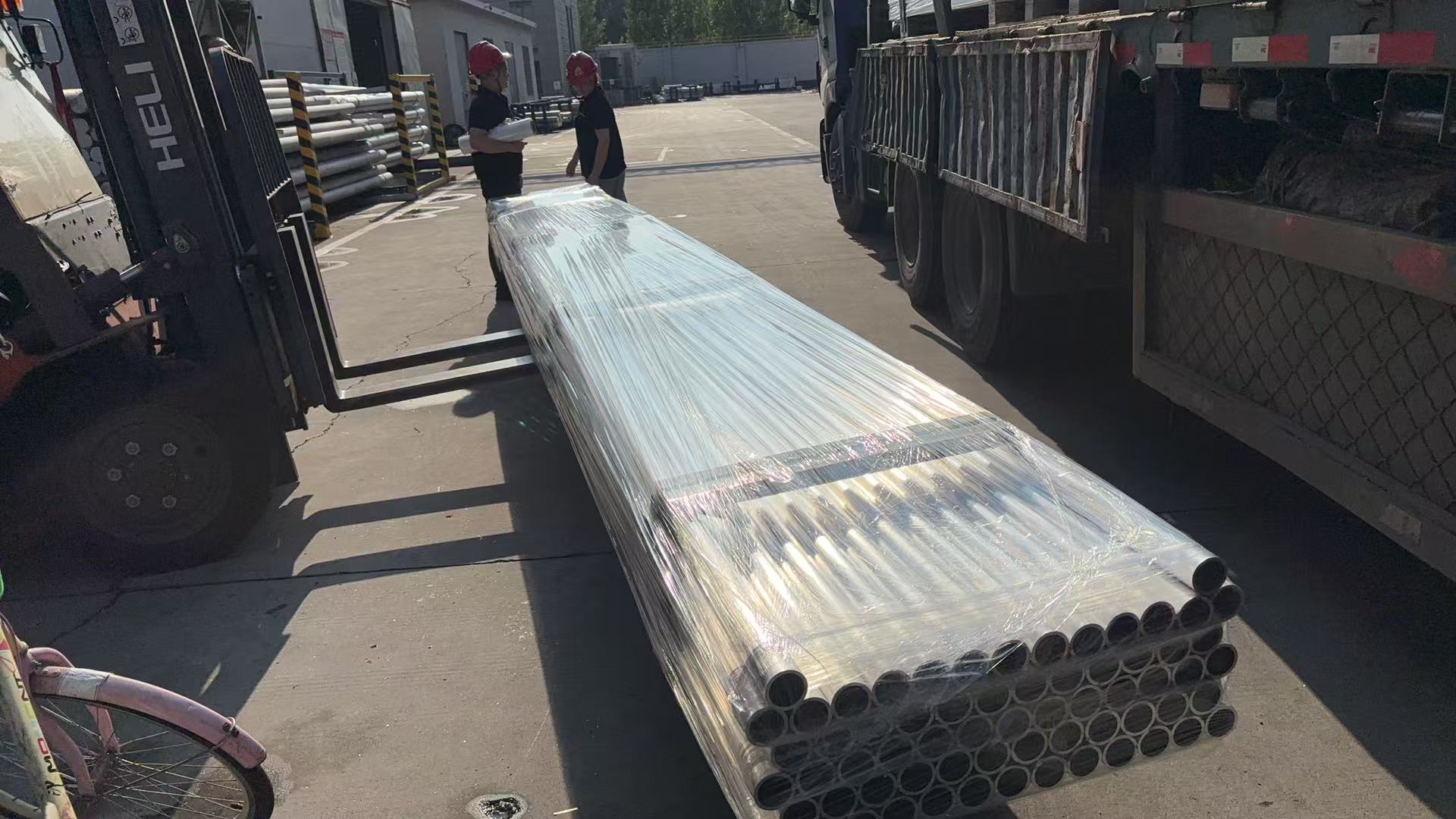
- Agree inspection and packaging at the order stage. Specify incoming material inspection, coating process control, finished product corrosion testing before shipment, and fully sealed moisture-proof packaging. Packaging is part of corrosion control, not logistics administration.
Use Cases: Where the Alloy and Finish Decisions Change
Coastal and high-humidity projects
Corrosion drives the decision rather than strength. Here 6063-T5 remains appropriate for most sections, but the finish specification moves toward anodizing, electrophoretic coating or fluorocarbon coating, and the packaging and inspection requirements become part of the commercial terms. Haomen Aluminum's corrosion-control sequence — high-purity raw material screening, anodizing anti-corrosion process, sealed moisture-proof packaging testing, and corrosion testing of finished product before shipment — is written for this scenario.
High-rise and high-wind-load facades and curtain walls
Structural demand leads. Mullion spans and wind loads push sections toward 6061-T6, 6005 or 6082, or toward thicker walls in 6063-T5 where the thermal calculation cannot tolerate a change. Because the barrier also carries load, the alloy decision and the barrier design must be re-verified together rather than sequentially.
Cold-climate residential windows and doors
This is the classic 6063-T5 thermal break application, where the alloy choice is straightforward and the engineering effort sits in barrier continuity, gasket design and assembly quality. The risk here is not alloy selection but fabrication discipline.
OEM door and window programmes for importers and distributors
For OEM and ODM buyers, the profile is only one element of a repeatable supply relationship: the alloy and finish must be re-producible order after order, the packaging must survive sea freight without surface damage, and the quality guarantee terms must be documented. Haomen Aluminum is a manufacturer of aluminum profiles for windows and doors with a 270,000 m2 facility, an annual output of 100,000 tons, approximately 1,500 employees and a 35-engineer R&D team — capacity relevant to buyers who need repeat volumes rather than single projects.
Comparison Tables
Table 1 — Alloy selection orientation for thermal break architectural profiles
| Alloy / temper | Relative strength | Extrudability & finish behaviour | Typical role in a window or door system |
|---|---|---|---|
| 6063-T5 | Moderate | Best-in-class extrudability; consistent finish appearance for anodizing, electrophoresis, powder and wood grain transfer | Default alloy for window and door sections, including thermal break frames |
| 6061-T6 | Higher | Extrudes well but less suited to very fine decorative detail | Long-span mullions, transoms and load-carrying architectural sections |
| 6005 / 6005A | Between 6063 and 6061 | Good extrudability with improved strength | Structural sections that still need a clean architectural surface |
| 6082 | Higher | Requires tighter extrusion process control | Load-bearing structural profiles where the structural case is clear |
Table 1 is a qualitative orientation aid compiled from general extrusion practice and the alloy designations cited in this guide. It is not a property sheet. Confirm mechanical values against the applicable standard and the supplier's material test report, because properties vary by temper and section thickness.
Table 2 — Haomen architectural profiles for windows and doors vs. traditional architectural aluminum profiles
| Comparison dimension | Haomen architectural profiles for windows and doors | Traditional architectural aluminum profiles |
|---|---|---|
| Material purity | Purity over 98.5% | Lower purity baseline (supplier-stated comparison) |
| Cost | 10% lower cost | Reference cost baseline |
| Thermal performance | Better thermal insulation and energy-saving performance | Lower thermal insulation and energy-saving performance |
| Quality guarantee period | More than 10 years | Shorter guarantee period |
| Service life | Longer service life, longer usage time | Shorter service life |
| Best-fit application | Windows and doors | Windows and doors |
Table 2 reflects supplier-stated comparative claims for the windows and doors application, not independent laboratory results. Use it to structure a sample-and-test evaluation, not to replace one.
FAQ
What K-value and sound insulation targets should a thermal break aluminum window system meet for energy code compliance?
This guide works to a frame K-value of ≤2.5 W/m2·K and airborne sound insulation of ≥30 dB. Both are design targets that must be confirmed against the energy code and the acoustic requirement governing the specific project, because the legally applicable number belongs to the whole-window assembly — frame, glazing, spacer and installation — rather than to the profile alone. On the material side, architectural aluminum alloy profiles for the Chinese market must comply with the mandatory GB/T 5237 series (Parts 1–6), which covers mill finish, anodizing, electrophoresis, and powder and fluorocarbon coatings; in Europe, EN 755 covers hot extruded products and EN 12020 covers precision profiles in alloys 6060 and 6063.
Should a project specify 6063-T5, or move to 6061-T6, 6005 or 6082?
6063-T5 is the reference alloy for architectural window and door extrusion. It extrudes cleanly into complex thermal break cavities, holds tight tolerances and takes anodized, electrophoretic, powder coated and wood grain transfer finishes consistently, which is why it is the default for most window and door sections. Higher-strength alloys — 6061-T6, 6005 and 6082 — are selected when the profile forms part of a structural load path such as long-span mullions, high-wind-load facades or heavy sliding leaves, where greater strength may allow a thinner wall instead of internal steel reinforcement. Haomen Aluminum produces 6063-T5 architectural aluminum profiles and a 6061-T6 high-strength architectural aluminum profile. Mechanical values vary by temper and section thickness, so confirm them against the applicable standard and the supplier's material test report rather than a generic chart.
How do Haomen architectural profiles for windows and doors compare with traditional architectural aluminum profiles on cost?
For windows and doors applications, Haomen Aluminum states a 10% lower cost compared with traditional architectural aluminum profiles, together with purity over 98.5% and a quality guarantee period of more than 10 years. The position is that the cost difference is accompanied by higher purity and a longer service life rather than achieved by reducing material quality: the corrosion-control sequence runs from high-purity raw material screening through anodizing anti-corrosion processing, finished-product corrosion testing before shipment, and fully sealed moisture-proof packaging. Buyers should still compare on landed cost and on verified samples, since a purchase price and a service-life claim are separate commercial and material arguments.
Can we validate thermal, finish and corrosion performance before placing a volume order?
Yes, and validation should happen at sample stage. Request samples of the actual section and finish, and check barrier continuity, dimensional tolerance and surface appearance first. On the production side, Haomen Aluminum applies strict incoming material inspection, a standardized anti-corrosion coating production process, fully sealed moisture-proof packaging, and a finished-product corrosion test before shipment, supported by in-house testing equipment. Because whole-window K-value and acoustic performance depend on the assembled system, the most reliable validation is to combine profile samples with the assembly data for the specific window or door design.
What capacity, lead time and next step should an architectural buyer expect?
Haomen Aluminum was founded in 2004 and operates from a 270,000 m2 facility in Linyi City, Shandong Province, China, with an annual output of 100,000 tons, approximately 1,500 employees and a 35-engineer R&D team. Its export ratio is around 10%, with main markets in South America and Africa and additional export experience in the United States, Canada, Australia, Brazil, Argentina, Russia, Germany and Spain. Capacity at this scale supports repeat OEM and ODM programmes rather than only single projects. To move from specification to quotation, request a sample and a quote, or download the full E-Catalog here: E-Catalog of Shandong Haomen Aluminio. Contact: Melisa Ying, email haomen2004@gmail.com, telephone and WhatsApp +86 15153910991, or via WhatsApp.
Conclusion
Thermal break performance is decided by three linked choices rather than one. The alloy and temper determine whether the section can carry its load path without thermal compromise; the barrier design determines whether the K-value survives fabrication; and the finish and material controls determine whether the profile still performs after years of exposure. Get the alloy right by default at 6063-T5 and move up only for a documented structural reason. Treat K-value ≤2.5 W/m2·K and sound insulation ≥30 dB as whole-assembly targets to be verified against the governing code, not as profile properties. Verify surface treatment against GB/T 5237 (Parts 1–6), EN 755 or EN 12020 depending on the market.
Haomen Aluminum manufactures architectural aluminum profiles for windows and doors under IATF 16949:2016, ISO 9001, ISO 14001 and ISO 45001 system certifications, with corrosion control running from raw material screening to sealed moisture-proof packaging and pre-shipment corrosion testing.
Next Step: Sample, Specification Review or Full Catalog
Send us your section drawing, alloy requirement, finish specification and target market, and we will respond with a sample plan and a quotation. If you are still comparing suppliers, start with the catalog and the profile samples, then validate the finish and packaging on the delivered goods.
Contact: Melisa Ying | Email: haomen2004@gmail.com | Tel / WhatsApp: +86 15153910991 | Web: www.haomenly.com | Blog: blog.haomenly.com
Download: E-Catalog of Shandong Haomen Aluminio (PDF)