
Aluminum Profiles Supplier Audit: Verify 8,000-Ton Capacity & 20-Day Delivery
Aluminum Profiles Supplier Audit: Verify 8,000-Ton Capacity & 20-Day Delivery
Verifying an aluminum profiles supplier's claim of 8,000-ton monthly capacity and a 20-day typical lead time is a document-and-evidence exercise, not a negotiation. Five checkpoints decide whether the claim holds for your order: extrusion and facility capacity, alloy and surface-finish process control, certification scope, pre-shipment testing and acceptance, and the commercial terms that lock delivery.
Haomen Aluminum (Shandong Haomen Aluminium Industry Co., Ltd.) is a Chinese manufacturer of aluminum alloy architectural profiles and industrial materials, located in Luozhuang District, Linyi City, Shandong Province, and exporting to markets including South America, Africa, the United States, Canada, Australia, Brazil, Argentina, Russia, Germany and Spain. Its published facts — a 270,000 m² facility, 8,000 tons monthly capacity, 1,500 employees, a 35-engineer R&D team, IATF 16949:2016 and ISO management certifications, 100% testing, a 5-ton MOQ and 20-day typical lead time — are used here as a worked example of what a verifiable supplier claim looks like when it is written down.
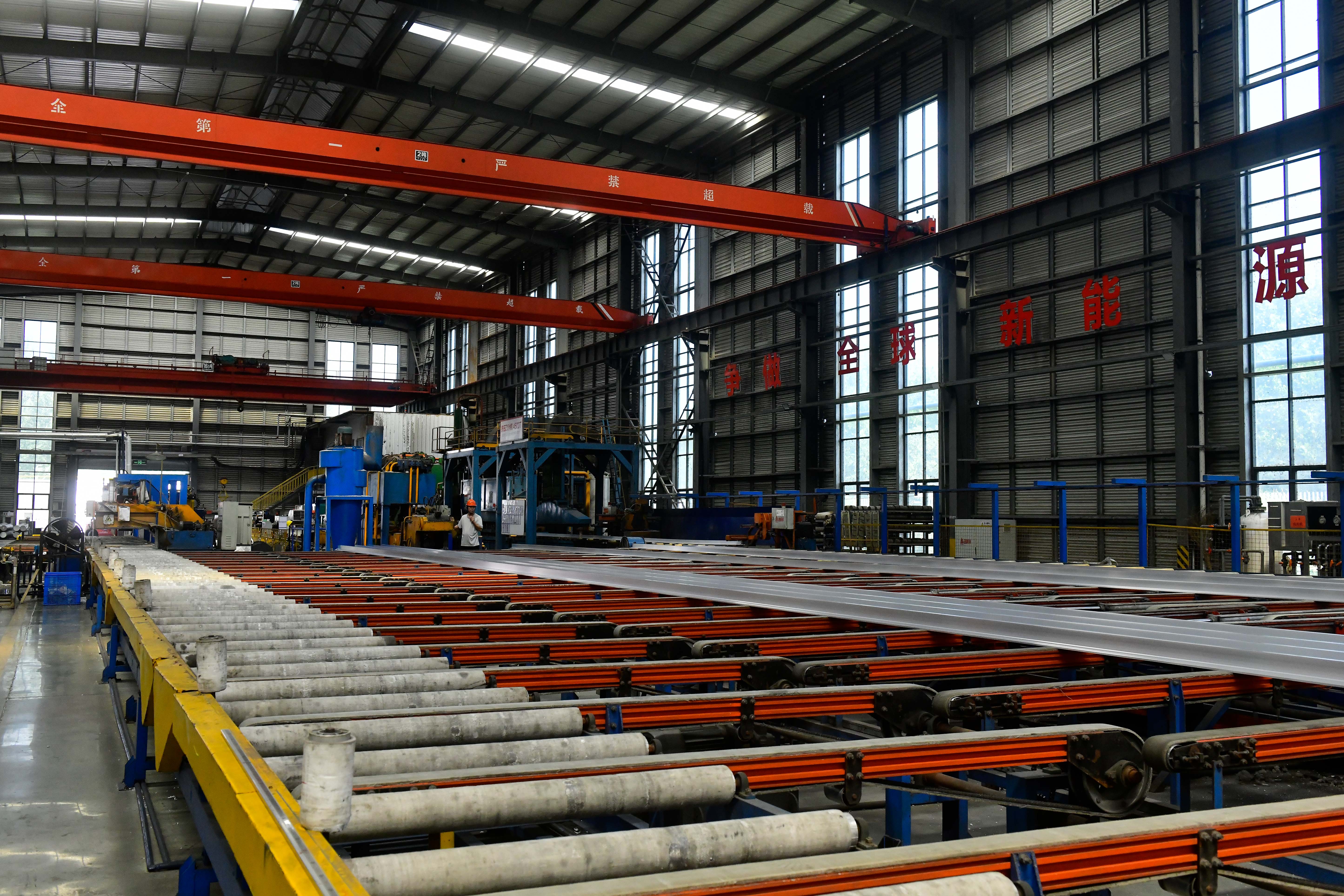
The Verification Gap: Why a Quoted Capacity Number Is Not a Delivery Commitment
A capacity figure describes total plant throughput. It does not describe the throughput available to your order, for your alloy, in your finish, inside your delivery window. The gap between the two is where project schedules fail.
Three versions of that gap appear repeatedly in door, window and curtain wall procurement:
- Annualized capacity quoted as sustainable capacity. A peak month is presented as the normal month. Buyers should ask for monthly output rather than a single annual tonnage, and cross-check the two for consistency.
- The finishing line is the real bottleneck, not the press. Anodizing, powder coating, wood grain transfer, electrophoresis and fluorocarbon coating run at different speeds and batch sizes. A supplier strong in extrusion can still be slow in fluorocarbon coating.
- Testing and packaging time excluded from the lead-time claim. Pre-shipment testing and moisture-proof packing consume calendar days that a quotation often omits.
The practical consequence: before contracting, ask for three numbers instead of one — sustainable monthly tonnage, finishing capacity per finish type, and the quoted lead time for the exact alloy-and-finish combination in your inquiry.
Industry Background: Why Capacity Audits Moved Up the Agenda
Aluminum extrusion is a mature but expanding industry, and that expansion is exactly why verification matters. Relying on published figures, the global aluminum extrusion market was valued at USD 94.8 billion in 2024 and is projected to reach USD 230.2 billion by 2035 (Orion Market Research). China's aluminum extrusion market alone was valued at USD 25.5 billion in 2024, with a projected 9.6% CAGR through 2035 (Orion Market Research).
Trade data points the same direction. China's export of aluminium structures under HS 7610 — a category that includes profiles and window and door frames — totalled USD 5.55 billion in 2024, representing 30.5% of global exports (OEC). Asia Pacific held 71.7% of aluminum extrusion revenue share in 2025, driven primarily by construction and automotive demand in China (Grand View Research).
Market sizing should be treated as directional rather than exact. Estimates diverge by scope: Grand View Research values the 2025 market at USD 98.2 billion and Wissen Research at USD 120 billion, because different studies include different product categories. Buyers should not treat any single number as a procurement input — but they should treat the direction of travel as a reason to audit capacity, not assume it.
The supplier landscape is layered. Public industry rankings of Chinese aluminum profile manufacturers, such as the list compiled by Clinalu, name Xingfa Aluminium, Fenglu Aluminium, JMA Aluminium and China Zhongwang. Below that tier sit hundreds of extrusion plants with narrower press ranges and fewer finishes. The audit framework below is designed to work for both tiers, because the questions are the same and only the answers change.
The Five-Checkpoint Audit Framework for Aluminum Profile Suppliers
Checkpoint 1 — Facility and Extrusion Capacity
Request the capacity pack: press list with tonnages, monthly output by press, shift pattern, plant area, workforce, finishing lines by type, and annual output. These documents let you test whether the headline number survives arithmetic.
Haomen Aluminum documents a 270,000 m² facility, a monthly capacity of 8,000 tons, 1,500 employees and an annual output of 100,000 tons. The two output figures reconcile to within a normal seasonal margin, which is what a cross-check is for. A supplier whose monthly number cannot be reconciled with its annual number has a claim worth challenging before tooling or dies are ordered.
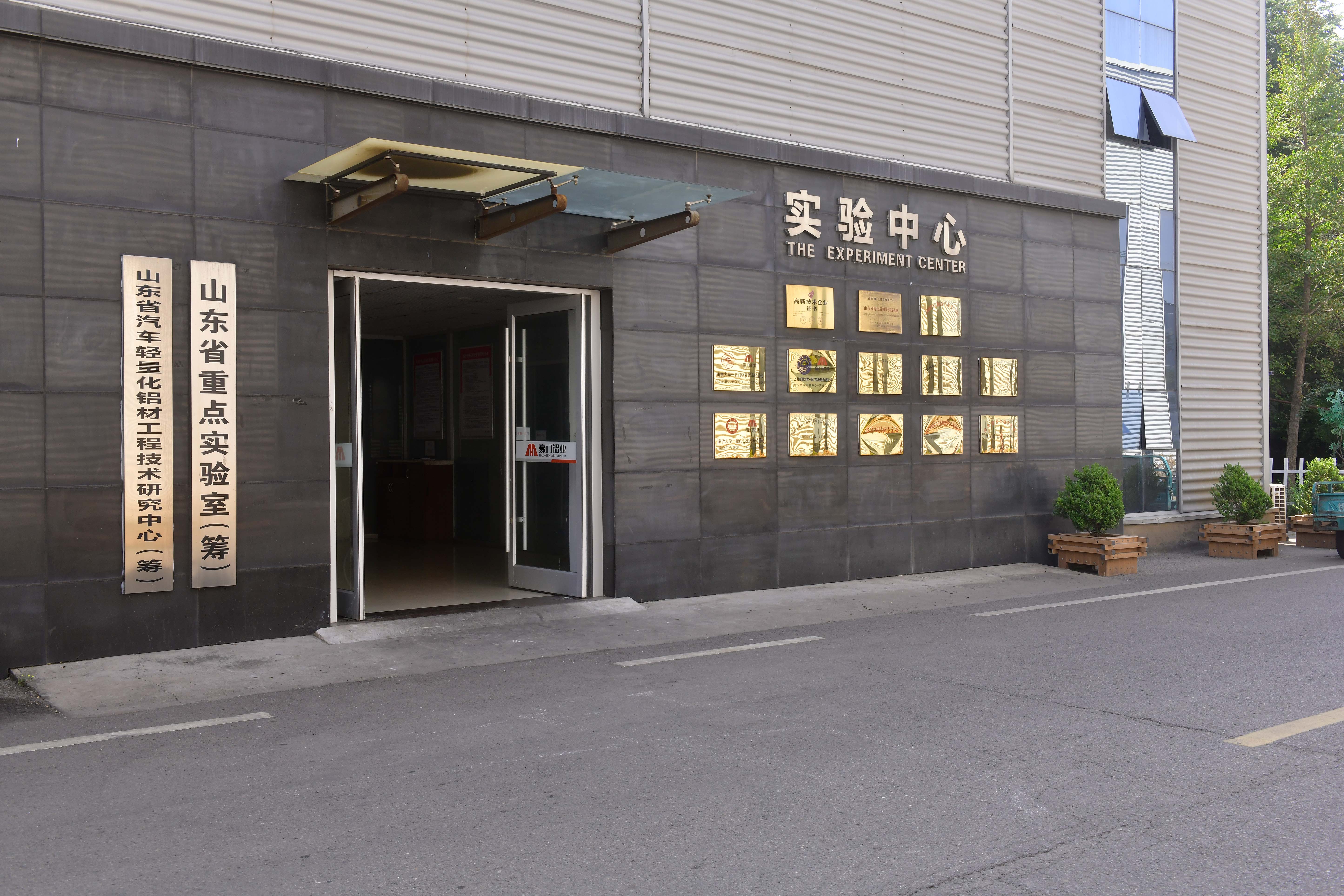
Technical depth belongs in this checkpoint too. The company states a 35-engineer R&D team, the establishment of a Shandong Provincial Technology Research Center in 2019, and cooperative relations with the Light Alloy Precision Forming Engineering Technology Research and Development Center of Shanghai Jiao Tong University, Shandong University and the Beijing Research Institute of Nonferrous Metals. For OEM and ODM buyers, engineering headcount determines how quickly a new die profile moves from drawing to first article.
Checkpoint 2 — Alloy and Surface-Finish Verification
Two questions decide structural performance: which alloy, and which finish. 6063-T5 is the standard architectural alloy for door, window and curtain wall profiles, and material certificates should name the alloy and temper per lot. Where a project requires higher strength, 6061-T6 may be specified, and the mill certificate should follow the drawing.
Finishes must be verified one at a time, because they are produced on different lines with different failure modes: mill finish, anodized, powder coated, wood grain transfer, electrophoresis and fluorocarbon coated. China's mandatory standard series GB/T 5237 (Parts 1–6) covers architectural aluminum alloy profiles including mill finish, anodizing, electrophoresis and powder/fluorocarbon coatings (Standardization Administration of China). European buyers typically reference EN 755 for hot extruded products and EN 12020 for precision profiles in alloys 6060 and 6063 (CEN).
Audit action: request one physical sample per finish specified, plus film thickness and gloss records. Two finishes that look identical in a photograph can differ in coating thickness, batch-to-batch colour consistency and outdoor durability.
Checkpoint 3 — Certification Scope, Not Just Certificate Names
A certificate is only evidence when its scope matches the product you are buying. Check four things on every document: the legal entity name, the manufacturing site address, the scope statement, and the validity dates.
Haomen Aluminum holds IATF 16949:2016, ISO 9001, ISO 14001 and ISO 45001 system certifications. The IATF 16949 certificate deserves separate attention: IATF 16949 certification is a mandatory requirement for suppliers providing aluminum components such as crash-management systems and structural frames to major automotive OEMs (IATF Global Oversight). When a door and window profile supplier also claims automotive lightweighting extrusion capability, that certificate is the fastest way to test the claim.
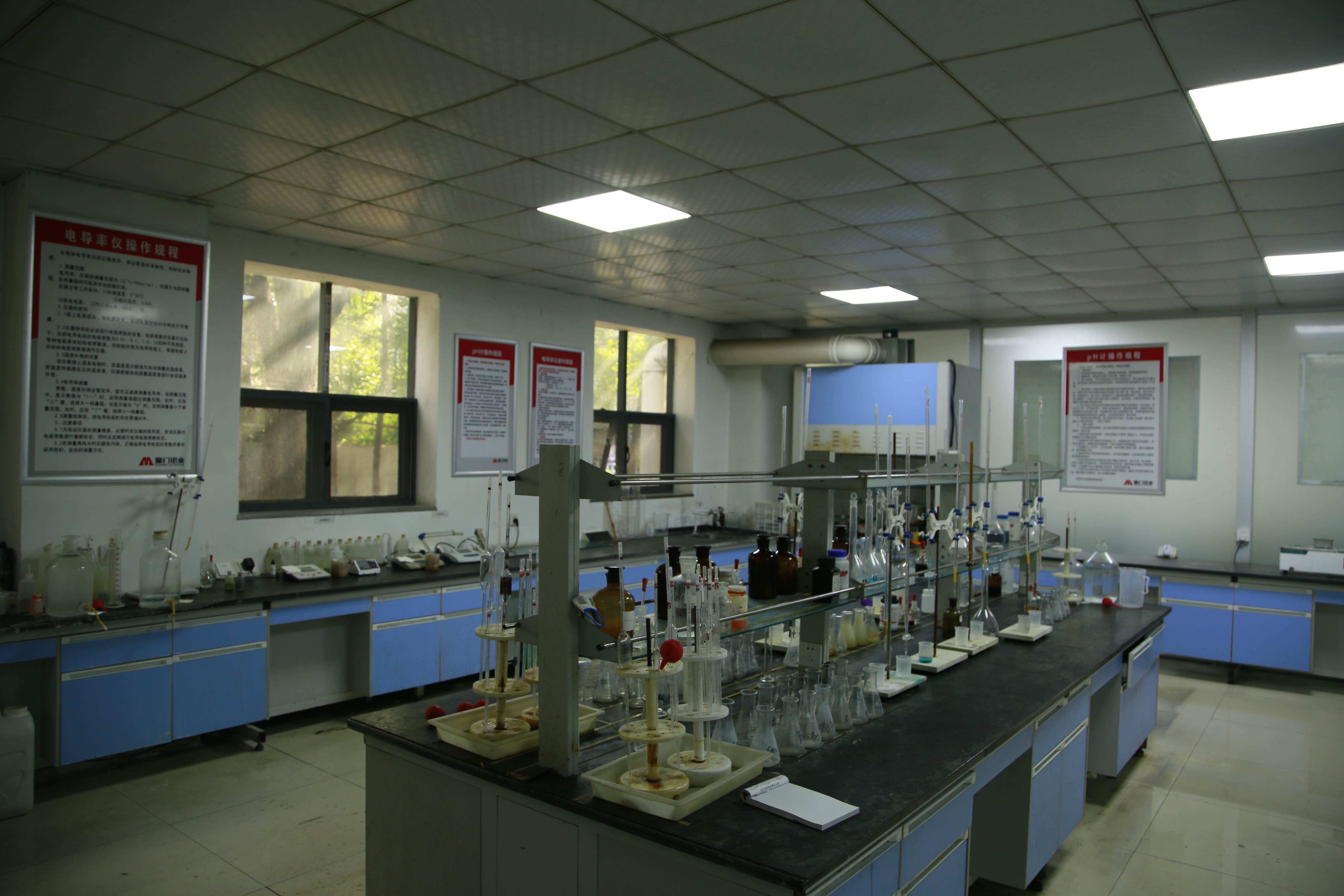
Checkpoint 4 — Testing, Corrosion Control and Acceptance Criteria
Ask what is tested, on what sample basis, and where the results are recorded. Haomen Aluminum states 100% testing and applies corrosion risk control across material selection, production and delivery: strict incoming material inspection, high-purity aluminum raw material screening, an anodizing anti-corrosion process, standardized anti-corrosion coating production, fully sealed moisture-proof packaging, and finished-product corrosion testing before shipment.
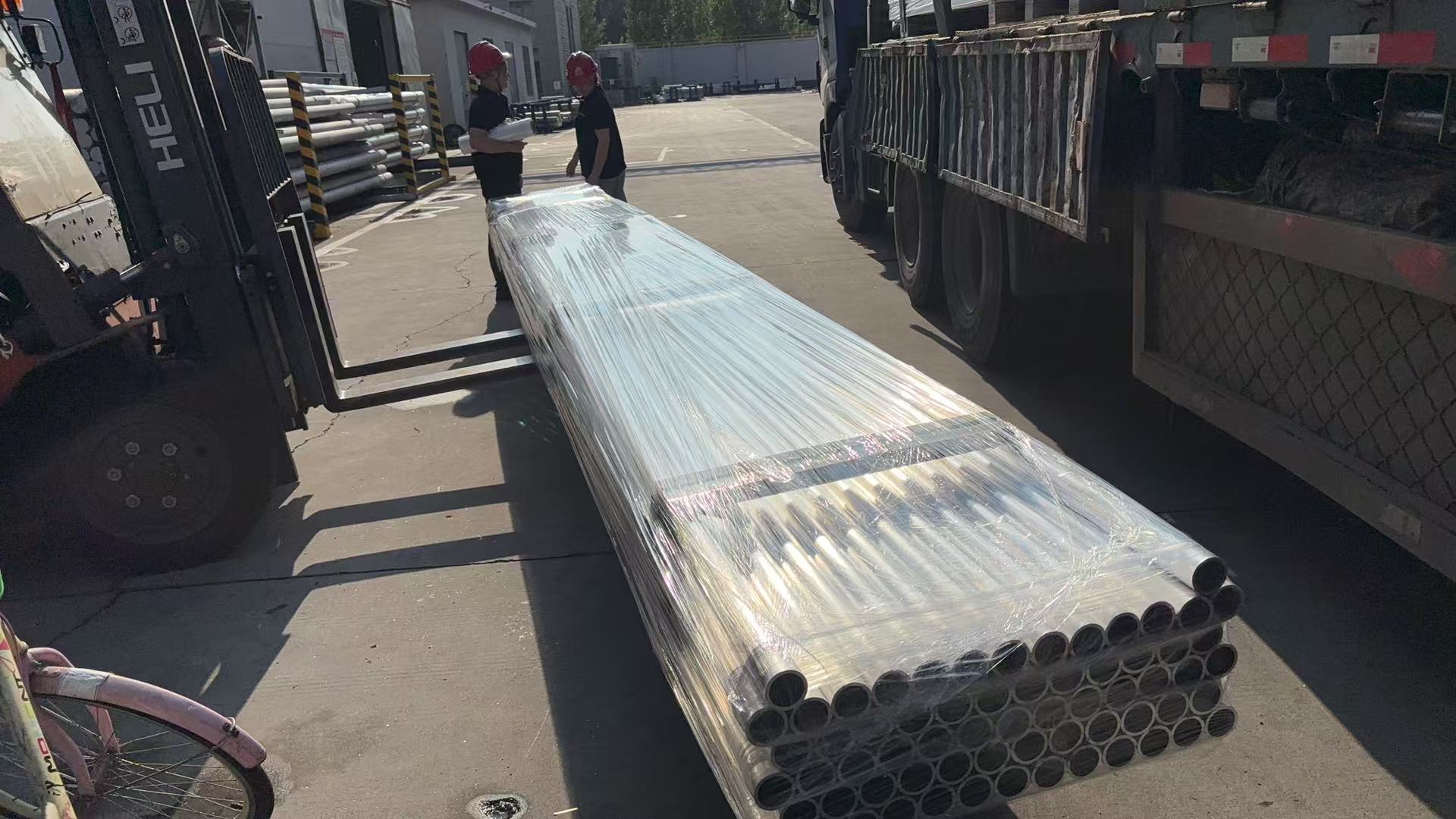
That sequence matters for humid, coastal and long-transit destinations, where corrosion during shipping — not in service — is the most common cause of a rejected container. Put the acceptance criteria in the purchase order rather than in an email trail.
Checkpoint 5 — Commercial Terms, MOQ and Lead Time
Commercial terms are audit facts too, because they define what is contractually enforceable. For Haomen Aluminum these are documented as: MOQ 5 tons, delivery terms FOB, payment terms 30/70, acceptance criteria pre-shipment test, and a 20-day typical lead time.
Four clarifications are worth obtaining in writing before signature:
- Does the 5-ton MOQ apply per profile section or per order?
- Does the 20-day lead time start from PO issuance, drawing approval, or die availability?
- Which port and which Incoterms edition govern the FOB term?
- What triggers the 30% deposit and the 70% balance — bill of lading, pre-shipment test report, or arrival?
Step-by-Step: Running the Audit Before You Sign
- Request the capacity pack. Press list, monthly output by press, shift pattern, plant area, workforce, and annual output — then reconcile monthly against annual.
- Verify certification scope. Confirm entity, site, scope and validity for IATF 16949:2016, ISO 9001, ISO 14001 and ISO 45001 rather than accepting a certificate image at face value.
- Collect a finish sample set. One sample per specified finish — anodized, powder coated, wood grain transfer, electrophoresis, fluorocarbon coated or mill finish — with the alloy and temper named.
- Define the acceptance criteria in the PO. Pre-shipment test as the acceptance basis, with the tested properties and the failure remedy written down.
- Review the corrosion control chain. Incoming material inspection, anti-corrosion coating process, moisture-proof packaging specification and pre-shipment corrosion test.
- Confirm packaging and loading. Fully sealed moisture-proof packing protects 6063-T5 profiles on long sea routes where surface damage and white rust are the usual claims.
- Lock commercial terms. 5-ton MOQ, FOB delivery, 30/70 payment and the 20-day typical lead time — each with a defined start event.
- Set continuity terms for repeat supply. A rolling forecast, a re-order trigger and a named engineering contact convert a one-off audit into a supply relationship that can scale with your order book.
Where the Checkpoints Matter Most: Three Buying Scenarios
Sliding door profiles. Track geometry and finish consistency dominate. Verify the anodized or powder coated finish sample against the drawing tolerance first, and confirm the 20-day lead time applies to the specified finish — not only to mill finish.
Sliding window profiles. Volume and continuity dominate. A sliding window programme is usually a repeat-order programme, so the audit should focus on sustainable monthly tonnage, the 5-ton MOQ logic, and whether the supplier can hold a rolling forecast without re-qualifying dies each cycle.
Architectural and curtain wall profiles. Compliance documentation dominates. Curtain wall work is specified against project standards, so confirm GB/T 5237 conformity, alloy and temper certification for every lot, and the loading and ordering sequence for long-length profiles.
Automotive lightweighting extrusions. Certification scope dominates. IATF 16949:2016 moves from a credibility signal to an entry requirement, and the audit should verify the automotive scope on the certificate rather than the certificate name alone.
Audit Checkpoint Comparison
| Audit checkpoint | Evidence to request | Haomen Aluminum documented fact |
|---|---|---|
| Facility and capacity | Press list, monthly output by press, shift pattern, plant area, workforce | 270,000 m² facility; 8,000 tons monthly capacity; 1,500 employees; 100,000 tons annual output |
| Alloy and temper | Mill certificates per lot; drawing with alloy and temper callout | 6063-T5 architectural aluminum profiles; 6061-T6 available where higher strength is specified |
| Surface finish | One sample per finish; coating thickness and gloss records | Mill finish, anodized, powder coated, wood grain transfer, electrophoresis, fluorocarbon coated |
| Certification scope | Certificates showing entity, site, scope and validity | IATF 16949:2016, ISO 9001, ISO 14001, ISO 45001 |
| Testing and acceptance | Inspection records, in-process checks, pre-shipment test report | 100% testing; pre-shipment test as acceptance criteria |
| Corrosion control | Packaging specification and corrosion test records | High-purity raw material screening; anodizing anti-corrosion process; sealed moisture-proof packaging; finished-product corrosion testing before shipment |
| Commercial terms | Signed PO terms with defined trigger events | MOQ 5 tons; FOB delivery; payment 30/70; 20-day typical lead time |
| Engineering support | Engineering headcount and die development process | 35-engineer R&D team; Shandong Provincial Technology Research Center established 2019 |
How the Audited Profile Compares With Traditional Window and Door Profiles
The table below reflects comparison points documented for Haomen profiles against traditional architecture aluminum profiles for windows and doors. It is a comparison of stated product characteristics, and buyers should confirm each one against the finish and alloy they intend to order.
| Comparison point | Haomen Aluminum profiles | Traditional architecture aluminum profiles |
|---|---|---|
| Purity | Over 98.5% | Lower purity |
| Quality guarantee period | More than 10 years | Shorter |
| Service life and maintenance | Longer service life and longer usage time | Shorter service life |
| Thermal and energy performance | Better thermal insulation and energy saving performance | Baseline |
| Typical application | Windows and doors | Windows and doors |
Frequently Asked Questions
Which certifications should I verify first in an aluminum profile supplier audit?
Verify IATF 16949:2016, ISO 9001, ISO 14001 and ISO 45001 for the manufacturing site that will actually produce your order, and check the scope statement rather than the certificate name. IATF 16949:2016 is a mandatory requirement for suppliers of aluminum components such as crash-management systems and structural frames to major automotive OEMs, so it also indicates whether an automotive extrusion capability claim is real. For architectural profiles, GB/T 5237 (Parts 1–6) is the applicable Chinese standard series for mill finish, anodizing, electrophoresis and powder/fluorocarbon coatings, while European specifications commonly reference EN 755 and EN 12020.
How do I confirm that an 8,000-ton monthly capacity claim is real?
Cross-check the monthly figure against the annual figure and against physical evidence. Haomen Aluminum documents a 270,000 m² facility, 8,000 tons monthly capacity, 1,500 employees and an annual output of 100,000 tons — a monthly rate that reconciles with the annual number. Request the press list with tonnages, the shift pattern, and the finishing capacity for each finish type, since anodizing, powder coating, wood grain transfer, electrophoresis and fluorocarbon coating lines are often the true constraint.
What MOQ, payment and delivery terms should an aluminum profile order expect?
Haomen Aluminum documents an MOQ of 5 tons, FOB delivery terms, 30/70 payment terms and pre-shipment test as the acceptance criteria. Because commercial terms define what is enforceable, confirm in writing whether the 5-ton MOQ applies per profile section or per order, which event starts the deposit and balance cycle, and which port governs the FOB term.
Can I validate alloys and finishes before committing to a full order?
Yes, and the audit should be built around it. Request one physical sample per specified finish — mill finish, anodized, powder coated, wood grain transfer, electrophoresis or fluorocarbon coated — together with the alloy and temper designation, such as 6063-T5 for standard architectural profiles. Confirm in advance what sample formats the supplier can provide, since commercial terms start at a 5-ton MOQ.
What lead time should I plan for, and how do I protect it contractually?
Haomen Aluminum states a 20-day typical lead time. Protect it in three ways: define whether the clock starts at PO issuance, drawing approval or die availability; require pre-shipment test results as the acceptance gate; and confirm the moisture-proof packaging specification, because corrosion in transit — not in service — is the most frequent cause of a rejected aluminum profile container. Buyers planning a repeat programme can request the current catalog and quotation documents to align forecasts with production slots.
Conclusion: Audit the Five Checkpoints, Then Scale the Relationship
An aluminum profiles supplier audit is not a single inspection. It is five verifications — capacity, alloy and finish, certification scope, testing and acceptance, and commercial terms — each backed by a document you can file and re-check at the next order. Capacity claims should reconcile internally. Finish claims should be tested on a physical sample. Certification claims should be read for scope, not for logos. Acceptance criteria should sit in the purchase order. Lead-time claims should have a defined start event.
Haomen Aluminum publishes the numbers this framework asks for: a 270,000 m² facility, 8,000 tons monthly capacity, 1,500 employees, a 35-engineer R&D team, IATF 16949:2016 plus ISO 9001, ISO 14001 and ISO 45001 certifications, 100% testing with pre-shipment acceptance, a 5-ton MOQ, FOB delivery terms, 30/70 payment and a 20-day typical lead time. Whether those numbers fit your next sliding door, sliding window or curtain wall programme is a decision you can now make on evidence rather than on a quotation sheet.
Next Step: Sample, Quotation and Catalog
To run this audit against your own project specification, request finish samples and a quotation for your alloy, finish and profile list, or download the full product catalog:
Download the Haomen Aluminum E-Catalog (PDF)
Website: www.haomenly.com
Email: haomen2004@gmail.com | Tel / WhatsApp: +86 15153910991
Factory address: Ceshan Industrial Park, Luozhuang District, Linyi City, Shandong Province, China
Market and standards references: Orion Market Research (aluminum extrusion market size, China aluminum extrusion market), OEC (HS 7610 export value, 2024), Grand View Research (Asia Pacific revenue share, 2025), Standardization Administration of China (GB/T 5237, Parts 1–6), CEN (EN 755, EN 12020), IATF Global Oversight (IATF 16949:2016), Clinalu (public industry ranking of Chinese aluminum profile manufacturers). Product, capacity, certification and commercial terms are stated as documented by Haomen Aluminum.
Have Questions or Need More Details?
Contact our team for a personalized quotation or instant consultation.
Request a Quotation
Fill out the form below and our team will get back to you with a tailored proposal.
WhatsApp Direct Chat
Prefer to chat in real-time? Message us on WhatsApp for instant assistance & quick answers.
- Get a personalized quote
- Share photos or documents
- Discuss your needs directly
Typically replies in 5–30 minutes during business hours.