Aluminum Profiles: How Certifications, Alloy Selection, and Finishes Affect Your Order
Aluminum profiles are one of the most widely specified building components in modern construction, used in doors, windows, curtain walls, outdoor fences, solar frames, and industrial structures. However, for buyers moving from research to evaluation, the key question is not whether to use aluminum profiles, but which alloy, surface finish, and compliance standard will actually meet the project requirement — and how to verify that a supplier can deliver it consistently. This article explains how certifications, alloy selection, and finishes affect an aluminum profile order, using the product and capability facts of Shandong Haomen Aluminium Industry Co., Ltd. as a concrete reference.
Shandong Haomen Aluminium Industry Co., Ltd. is a Chinese manufacturer of aluminum alloy architectural profiles and industrial materials, located in Luozhuang District, Linyi City, Shandong Province, China. Established in 2004, the company operates from a 270,000 m² facility with around 1,500 employees and an annual output capacity of 100,000 tons. Its main products include aluminum profiles for windows and doors, and it supplies architectural and industrial profiles to markets that include South America, Africa, the United States, Canada, Australia, and several European countries.
For an importer, distributor, or project buyer, the practical value of a supplier lies in how clearly it can prove alloy composition, finish quality, and standard compliance before shipment. The sections below translate these requirement areas into a supplier evaluation framework.
What Buyers Usually Mean by “Aluminum Profiles”
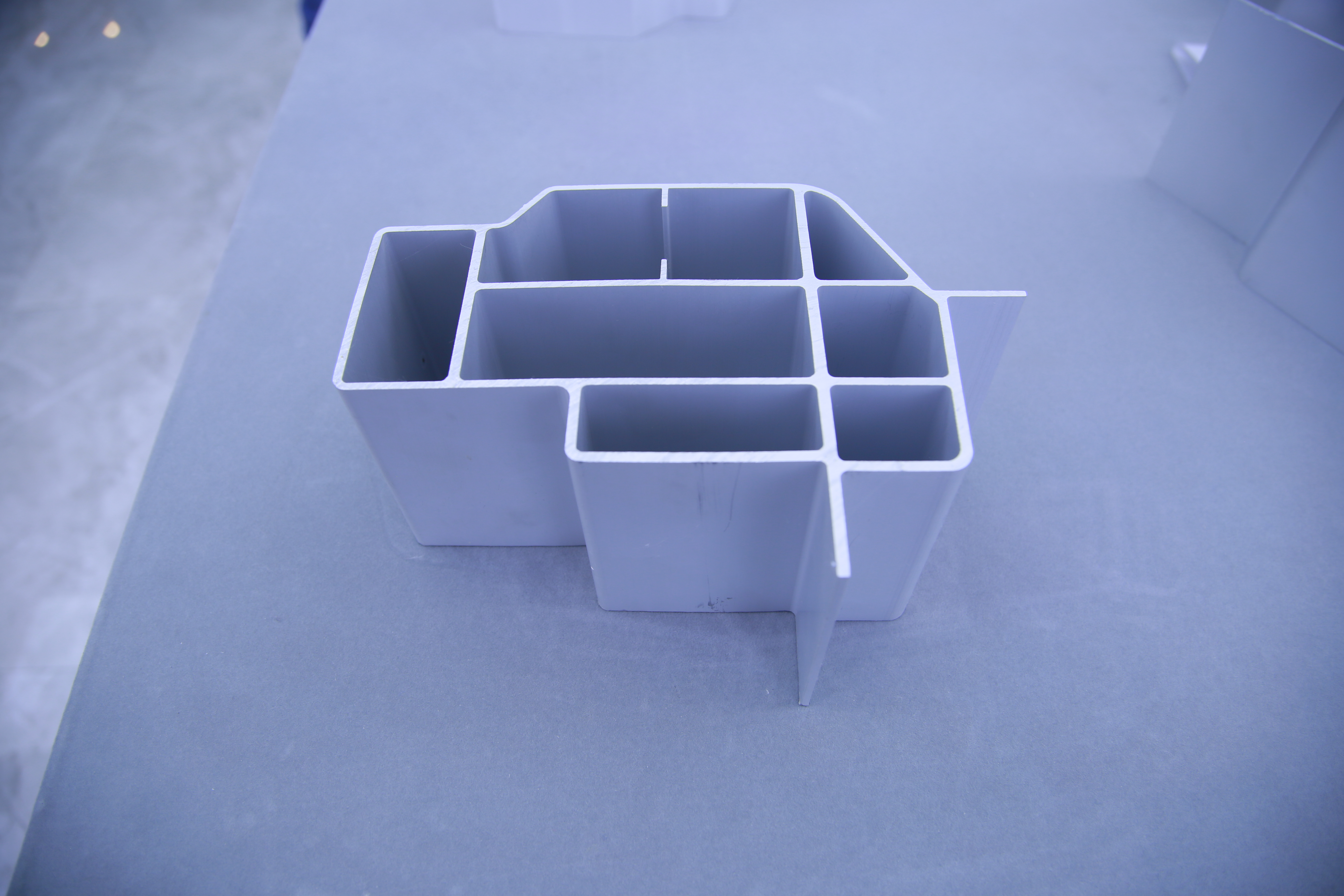
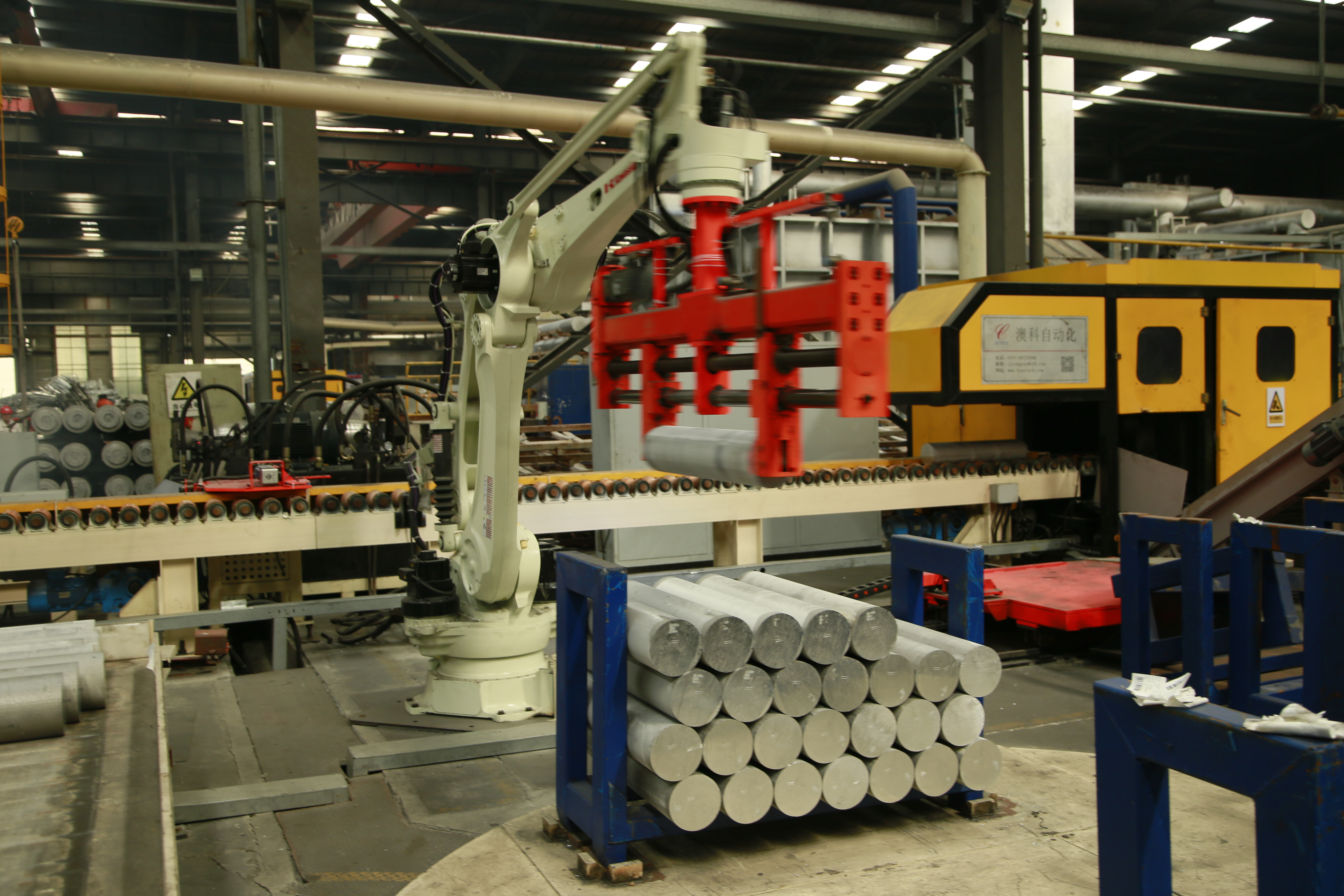
In the construction and industrial supply chain, the term “aluminum profiles” normally refers to extruded aluminum shapes produced from billets heated and pushed through a die to create a fixed cross-section. These profiles are then cut, finished, and fabricated into door frames, window frames, curtain wall mullions, handrails, fences, solar mounting structures, and automotive or machinery components.
At Haomen Aluminum, the core product range is the architectural aluminum profile series (HM-U001, HM-S002, HM-S003), made from alloys including 6063-T5, 6061, 6005, and 6082. Standard profile lengths are 4 to 6 meters, and surface treatment options include mill finish, powder coating, anodizing, and wood grain transfer.
From a specification standpoint, the most important variables in an order are:
- Alloy and temper — determines strength, corrosion resistance, and suitability for structural or coastal use.
- Surface finish — determines appearance, weatherability, and maintenance behavior.
- Compliance and certification — determines whether profiles can be approved for a specific project or exported to a specific market.
- Profile design and tolerances — determines fit with hardware, glass, and installation method.
Why Alloy Selection Is the First Decision in an Aluminum Profile Order
Alloy selection is the foundation of every aluminum profile order because it directly affects strength, formability, corrosion resistance, and cost. Two alloys dominate the architectural profile segment: 6063 and 6061.
6063-T5 is widely used for door, window, and curtain wall profiles because it offers good corrosion resistance, excellent extrudability, and a smooth surface suitable for anodizing. Haomen Aluminum’s sliding window and sliding door systems, models HM-U001/HM-U002 and HM-U003/HM-U004, are made from 6063-T5 aluminum.
6061-T6 is a higher-strength alloy commonly chosen for structural applications, industrial racks, automotive parts, and other load-bearing components. 6005 and 6082 are intermediate-to-high strength alloys often used in larger structural sections and transportation applications.
For a buyer evaluating a supplier, the key questions are:
- Does the supplier provide a mill certificate or material test certificate showing the alloy and temper?
- Can the supplier extrude different alloys on the same production line when an order requires them?
- Does the supplier understand which alloy is appropriate for coastal, high-rise, or industrial conditions?
At Haomen Aluminum, the architectural profile series covers 6063-T5, 6061, 6005, and 6082, which means one manufacturer can supply both standard window/door profiles and higher-strength structural profiles without requiring multiple suppliers.
Surface Finish Options and Their Impact on Performance and Aesthetics
Surface finish is often the second most visible specification in an aluminum profile order. The four common finish categories — mill finish, anodizing, powder coating, and wood grain transfer — perform differently in terms of appearance, corrosion protection, and cost.
Mill Finish
Mill finish refers to the natural oxide layer formed after extrusion, with no additional coating. It is the most economical option and is usually acceptable for interior, industrial, or non-visible applications. However, mill finish profiles have limited weatherability and are not recommended for exterior coastal or high-humidity environments without additional protection.
Anodized Finish
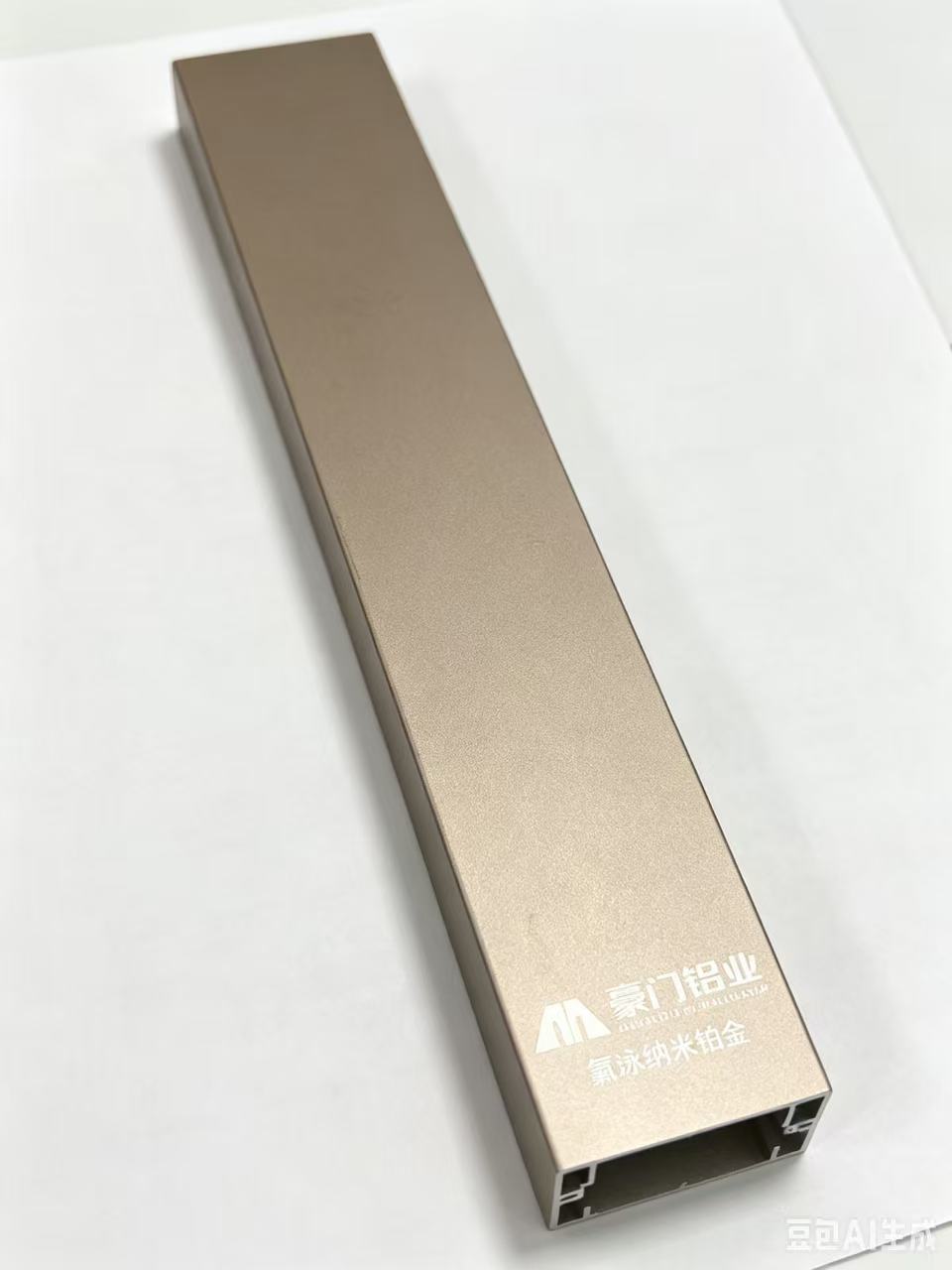
Anodizing is an electrochemical process that creates a thicker, harder oxide layer on the aluminum surface. It is a popular finish for architectural profiles because it provides uniform color, good scratch resistance, and long-term weather resistance. Anodized silver matte and anodized champagne finishes are used across Haomen Aluminum’s sliding window and sliding door product lines.
Powder Coating
Powder coating is applied as a dry powder and cured to form a durable, decorative layer. It is available in a wide range of colors and textures, and it provides excellent protection against corrosion and UV exposure. Powder-coated profiles are common in doors, windows, fences, and building facades.
Wood Grain Transfer
Wood grain transfer is a finishing technique that applies a wood-texture film onto powder-coated or anodized aluminum. It combines the structural performance of aluminum with a natural wood appearance, making it a preferred choice for residential windows, doors, and decorative architectural projects.
For a buyer, the finish choice should be driven by the project’s climate, design intent, maintenance capacity, and budget. A coastal project may require anodized or high-durability powder-coated profiles; an interior partition may be adequately served by mill finish; a residential villa project may benefit from wood grain transfer.
Certifications and Compliance: What to Verify Before You Order
Certification is not just paperwork. For an importer or project buyer, it is the main evidence that a supplier’s production system can consistently meet quality requirements.
Haomen Aluminum holds several international system certifications, including IATF 16949:2016, ISO 9001, ISO 14001, and ISO 45001. The ISO 9001 certification covers the production of aluminum alloy profiles for architecture — including anodized profiles, electrophoretic coating profiles, powder coating profiles, and thermal barrier profiles — as well as industrial aluminum profiles. The certification number is 00226Q03185R501, issued by China Quality Mark Certification Group, and it conforms to GB/T 19001-2016 / ISO 9001:2015 requirements.
In addition to management system certification, product-level standards matter. For architectural aluminum profiles in China, the mandatory standard series GB/T 5237 (Parts 1–6) covers mill finish, anodizing, electrophoresis, and powder/fluorocarbon coatings. European markets use EN 755 for hot extruded products and EN 12020 for precision profiles in alloys 6060 and 6063.
Haomen Aluminum’s sliding window model HM-U001/HM-U002 is made of 6063-T5 aluminum and complies with GB/T 13326, GB/T 7106, JG/T 215, and GB/T 8484 national standards. Its thermal performance is certified per GB/T 8484-2020, and it has undergone triple-performance testing for air tightness, water tightness, and wind resistance. These characteristics make it suitable for coastal, plateau, and rainy regions, and it supports green building certifications such as LEED and 3-Star Green Building.
The sliding door models HM-U003/HM-U004 carry similar performance specifications: opening and closing force ≤ 50N, air tightness ≥ Level 6, water tightness ≥ Level 4 (≥500Pa), wind pressure resistance ≥ Level 6, sound insulation ≥ 30dB, thermal insulation K value ≤ 2.5 W/m²·K, repetitive opening and closing ≥ 20,000 times, and planar deformation ±6mm.
How to Evaluate a Custom Aluminum Profile Order: Capabilities and Lead Times
For buyers who need custom profiles — such as OEM door and window systems, automotive aluminum extrusions, or custom industrial aluminum fabrication — the supplier’s production capabilities are more important than its catalog.
Haomen Aluminum’s production capability facts provide a useful benchmark:
- Production mode: OEM, including custom logo application.
- Monthly capacity: 8,000 tons.
- Standard lead time: 20 days.
- Minimum order quantity: 5 tons.
- Quality control: 100% testing.
- After-sales support: remote support.
These parameters answer the most common procurement questions before a buyer starts a negotiation. A supplier with a stated monthly capacity, MOQ, lead time, and testing policy gives the buyer a predictable basis for project planning.
Certification Scope and Market Recognition
ISO 9001 is a quality management system standard recognized worldwide, but its scope is defined by the certifying body. In the case of Haomen Aluminum, the ISO 9001 certification scope explicitly includes the production of architectural aluminum profiles (anodized, electrophoretic coating, powder coating, thermal barrier profiles) and industrial aluminum profiles. This scope matters because it demonstrates that the certified quality system covers the exact product categories a buyer intends to order.
For automotive applications, IATF 16949:2016 is a mandatory certification for suppliers providing aluminum components such as crash-management systems and structural frames to major automotive OEMs. Haomen Aluminum has obtained IATF 16949:2016 certification, and the company states that it is committed to the development and research of automotive lightweighting, with advanced melting and casting, extrusion technologies, and complete testing equipment.
For buyers sourcing architectural profiles, the more relevant question is whether the supplier’s product standards align with the destination market. The table below summarizes the most common standards references.
| Compliance Scope | Reference Standard | Why It Matters |
|---|---|---|
| China architectural profiles | GB/T 5237 (Parts 1–6) | Mandatory series covering mill finish, anodizing, electrophoresis, and powder/fluorocarbon coatings. |
| Window and door performance | GB/T 13326, GB/T 7106, JG/T 215, GB/T 8484 | Covers general specs, air/water tightness, wind resistance, and thermal performance. |
| European extruded profiles | EN 755, EN 12020 | Governs hot extruded products and precision profiles in alloys 6060 and 6063. |
| Automotive quality management | IATF 16949:2016 | Required for suppliers to major automotive OEMs. |
Application-Driven Profile Selection: Doors, Windows, Curtain Walls, and Beyond
Architectural aluminum profiles are used in a wide range of projects, and the selection logic changes with each application.
Door and Window Systems
For residential and commercial doors and windows, the main requirements are dimensional precision, air and water tightness, thermal insulation, and hardware compatibility. Haomen Aluminum’s sliding window system HM-U001/HM-U002 offers door panel height of 2000–2400mm, width of 600–1200mm, thickness of 35–50mm, and supports glass thickness of 5–12mm. The sliding door system HM-U003/HM-U004 supports sash height of 600–1800mm, width of 400–1500mm, and glass thickness of 4–12mm.
Curtain Walls and Facades
Curtain wall profiles must withstand higher wind loads and provide continuous vertical framing for large glass surfaces. Profiles for these applications are typically extruded in 6063-T5 or 6061-T6, with strict tolerances on straightness, twist, and surface finish.
Outdoor Fences and Railings
Outdoor fence and railing profiles are exposed to UV, rain, and temperature cycles, so surface finish durability is critical. Powder-coated or anodized profiles with high film thickness are commonly specified.
Solar Frames and PV Mounting Structures
Aluminum holds a 71.5% material share in the solar PV mounting systems market. Solar frames and PV mounting structures require profiles that combine corrosion resistance, light weight, and precise assembly tolerances.
Automotive Lightweighting
Automotive aluminum profiles are used in crash-management systems, structural frames, and other lightweighting applications. For these components, IATF 16949 certification and strict material traceability are essential.
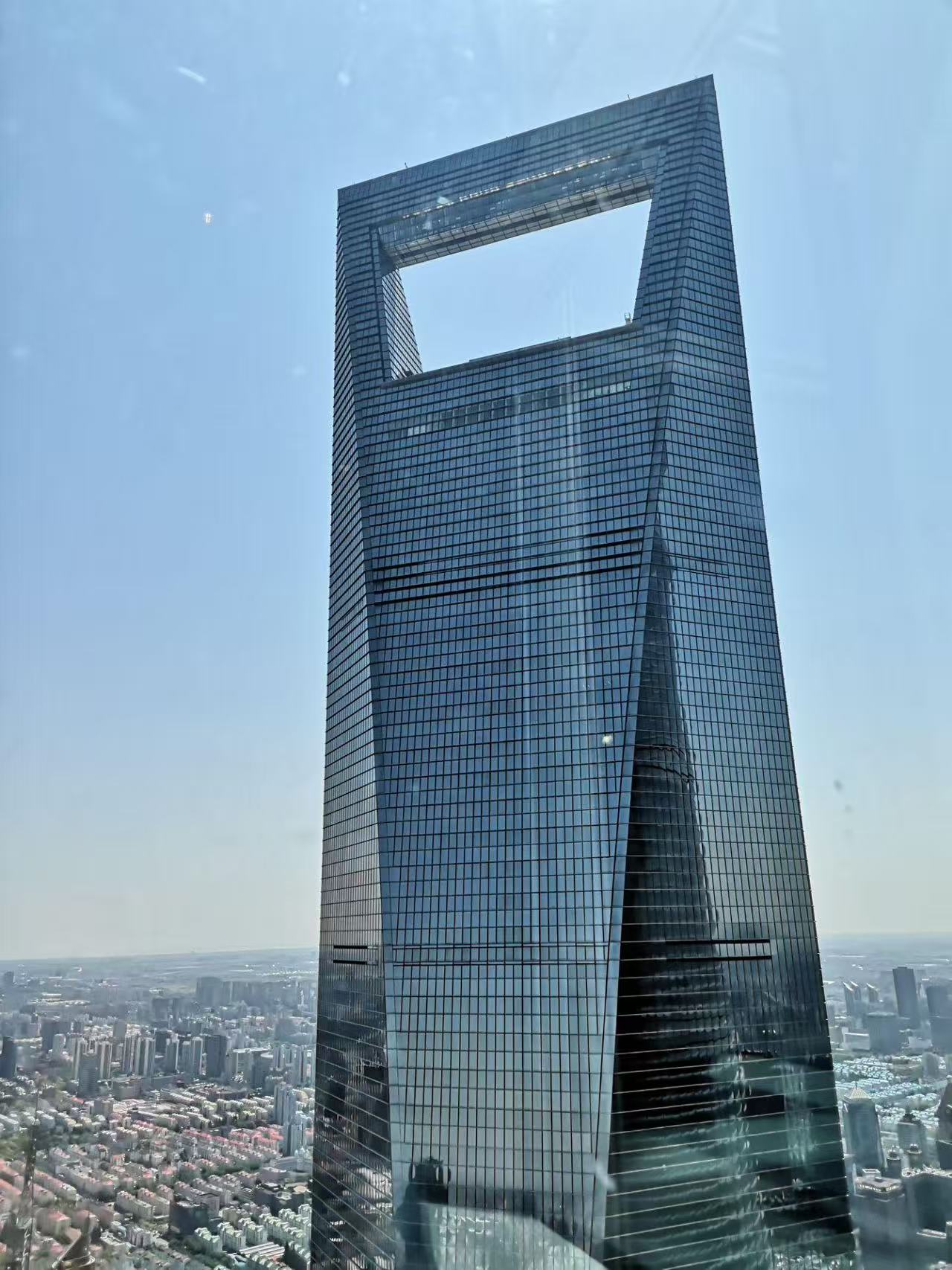
Comparison: What to Check When Comparing Aluminum Profile Suppliers
When evaluating multiple suppliers, avoid comparing only price per ton. The table below lists the comparison dimensions that affect the real cost and risk of an order.
| Evaluation Dimension | What to Ask | Why It Matters |
|---|---|---|
| Alloy and temper | Does the supplier provide 6063-T5, 6061-T6, 6005, or 6082 profiles? | Strength and corrosion performance depend on the alloy and temper. |
| Surface finish | Which finishes are available in-house: anodizing, powder coating, wood grain transfer? | Finish quality affects appearance, durability, and maintenance cost. |
| Certification | What is the certification number, issuing body, and scope? | Unverifiable certification can delay project approval. |
| Product-level standards | Does the profile comply with GB/T, EN, or other destination-market standards? | Compliance determines whether the product can be imported and approved. |
| Production capacity | What is the monthly capacity, MOQ, and lead time? | Capacity and lead time affect project scheduling and continuity of supply. |
| Quality control | Is testing performed on every batch? Is lab equipment available on-site? | 100% testing reduces the risk of off-spec material reaching site. |
Haomen Aluminum’s profile is useful as a reference point: an established Chinese manufacturer with 6063-T5, 6061, 6005, and 6082 alloy capability, four surface treatment options, ISO 9001 and IATF 16949 certifications, 8,000 tons monthly capacity, 20-day lead time, 5-ton MOQ, and 100% testing.F
Supply Chain and Long-Term Partnership Considerations
For buyers who intend to order regularly, the supplier’s consistency is more valuable than a one-time low price. A practical evaluation framework should include:
- Request a material test certificate with every shipment.
- Confirm the finish specification in writing, including film thickness and color standard.
- Ask for the certification scope and current validity dates.
- Order a pilot batch before scaling to a large quantity.
- Assess the supplier’s response time for technical and after-sales questions.
Haomen Aluminum’s stated after-sales support is remote support, and typical export markets include South America and Africa, with additional exports to North America, Australia, and Europe. The company also reports a long-term OEM relationship with a Brazil window and door manufacturer involving 2,000 tons supplied over 10 years, with the result described as stable operation and the highlight cited as solid and durable.
Direct Answer Checklist for Buyers
- Alloy: For most window and door profiles, choose 6063-T5. For high-strength structural profiles, consider 6061-T6.
- Finish: Choose anodizing for uniform color and weather resistance; powder coating for color variety and durability; wood grain transfer for a natural wood look; mill finish only for interior or non-visible applications.
- Certification: Verify the certification number, issue date, expiry date, issuing body, and scope before placing an order.
- Production capability: Ask for monthly capacity, MOQ, lead time, and testing policy in writing.
- Destination market compliance: Check whether the profiles comply with GB/T standards for China, EN standards for Europe, or project-specific requirements.
Need a custom aluminum profile specification or a quote?
Contact Haomen Aluminum for product specifications, certification documents, and sample requests.
Email: haomen2004@gmail.com | WhatsApp/Tel: +86 15153910991
FAQ
Does Haomen Aluminum have ISO 9001 certification for architectural aluminum profiles?
Yes. Haomen Aluminum’s architectural aluminum profiles (product code 6174) hold ISO 9001 certification number 00226Q03185R501, issued by China Quality Mark Certification Group, conforming to GB/T 19001-2016 / ISO 9001:2015. The certification is applicable worldwide, with a core market in South America.
Which alloys and finishes are available for Haomen Aluminum architectural profiles?
Haomen Aluminum’s architectural aluminum profile series (models HM-U001, HM-S002, HM-S003) is available in alloys 6063-T5, 6061, 6005, and 6082. Surface treatment options include mill finish, powder coating, anodizing, and wood grain transfer. Standard profile lengths are 4–6 meters.
Does Haomen Aluminum offer OEM custom profiles?
Yes. Haomen Aluminum operates an OEM production mode with custom logo application, monthly capacity of 8,000 tons, standard lead time of 20 days, MOQ of 5 tons, and 100% testing. After-sales support is provided through remote support.
Can I request a sample before placing a bulk order?
The company supports inquiry and sample requests through its sales team. For detailed specifications, certification documents, and availability, contact Haomen Aluminum at haomen2004@gmail.com or +86 15153910991.
Conclusion
Aluminum profile procurement becomes predictable when the buyer can verify three things: alloy and temper, surface finish, and certification scope. These three specifications determine mechanical performance, appearance and durability, and whether the product can pass project approval in the destination market. For buyers evaluating Chinese suppliers, the practical next step is not to compare marketing claims but to request certified documents, confirm production parameters, and run a pilot order before scaling.