Evaluating a 270,000 sqm Aluminum Manufacturer: From Laboratory to Delivery
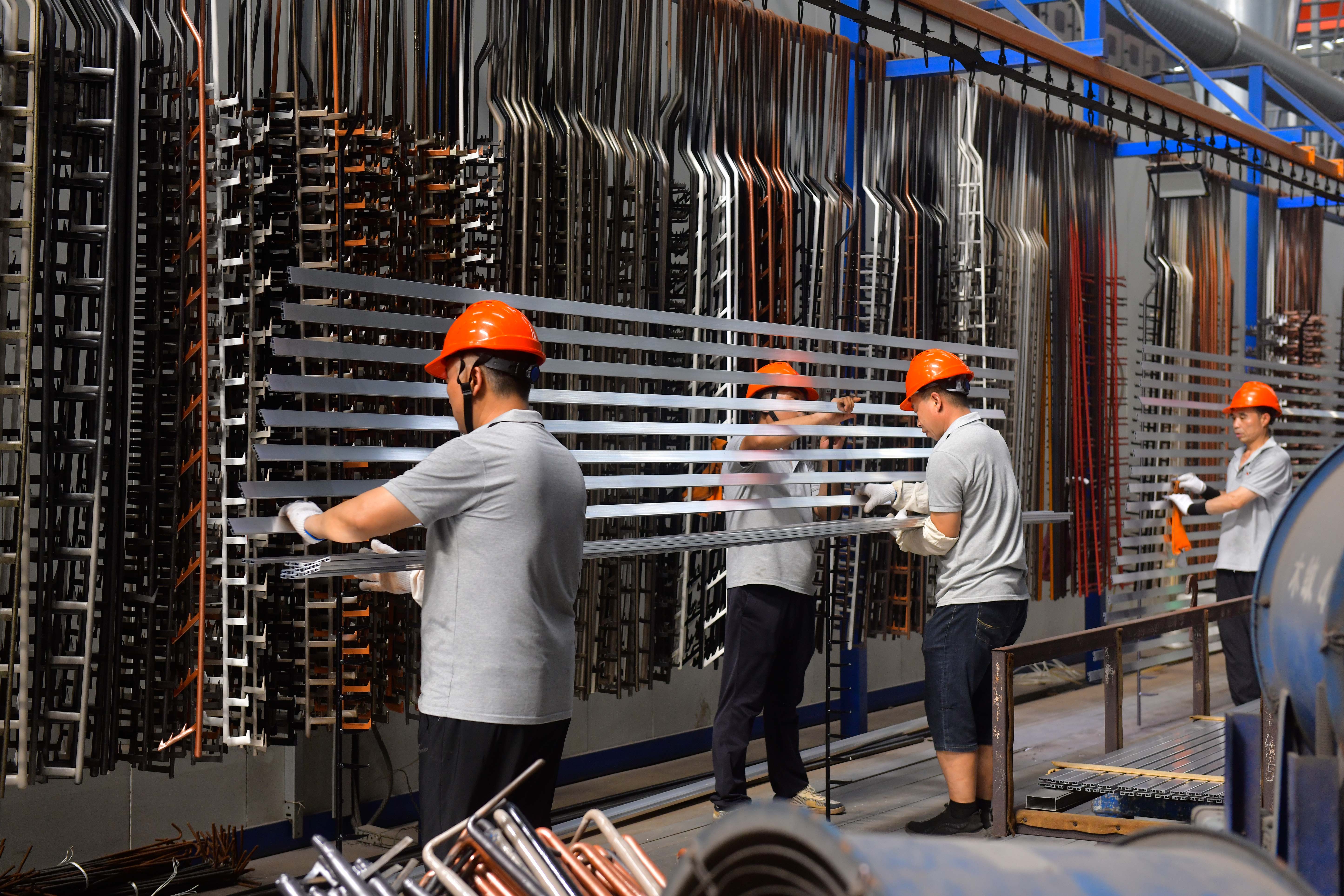
A 270,000 ㎡ aluminum profile manufacturer should be evaluated on six verifiable dimensions: usable plant footprint, extrusion capacity, research and laboratory depth, quality assurance routine, certification coverage, and delivery performance. Haomen Aluminum — the trading name of Shandong Haomen Aluminium Industry Co., Ltd., founded in 2004 and based in Luozhuang District, Linyi City, Shandong Province — reports a 270,000 ㎡ site, 1,500 employees, an annual output of 100 thousand tons, a 35-engineer R&D team, 100% product testing, and a 20-day production lead time. This article explains how to check each figure, what documentation to request, and how those numbers connect to a real order of architectural aluminum profiles.
Why Large-Factory Claims Are Difficult to Verify
Most supplier capability decks in the aluminum profiles category follow the same script: aerial footage of a plant, a headcount figure, a wall of certificates, and a promise of fast delivery. The difficulty for a buyer at the evaluation stage is that none of these three claims is normally linked to a document that can be checked independently.
Three specific gaps appear repeatedly.
- Floor area is not capacity. A 270,000 ㎡ site tells you very little unless extrusion presses, anodizing lines, powder coating lines and testing equipment actually occupy it, and unless the production schedule can absorb your order. Site area should be read together with monthly output — Haomen Aluminum reports 8,000 tons per month, which is the figure that determines whether an order moves on schedule.
- Headcount is not research. A large workforce indicates operational stability, but die correction and alloy troubleshooting depend on a defined engineering function. The useful questions are how many engineers the company employs, what they are qualified in, and whether the company holds a recognised research platform rather than a nominal department.
- Certification is not compliance. An ISO certificate carries a scope statement. If anodized, electrophoretic, powder coated or thermal barrier profiles sit outside that scope, the certificate does not cover what you are actually buying.
The rest of this article converts those three gaps into a working checklist, using a 270,000 ㎡ Linyi-based extruder as the worked example.
The 2026 Context: Why Scale Still Drives Buyer Shortlists
Aluminum extrusion remains a large and geographically concentrated manufacturing category. The global aluminum extrusion market was valued at USD 94.8 billion in 2024 and is projected to reach USD 230.2 billion by 2035, according to Orion Market Research. Within China specifically, the extrusion market was valued at USD 25.5 billion in 2024, with a projected CAGR of 9.6% through 2035, based on the same source.
Production is heavily weighted toward one region. Asia Pacific held a 71.7% revenue share of the aluminum extrusion market in 2025, driven primarily by construction and automotive demand in China, according to Grand View Research. On the trade side, China's exports of aluminium structures under HS 7610 — a category that includes profiles and window and door frames — totalled USD 5.55 billion in 2024, representing 30.5% of global exports in that category, according to the Observatory of Economic Complexity (OEC).
Market sizing figures differ between research houses because of scope definitions. Published estimates for the global aluminum extrusion market include USD 94.8 billion for 2024 (Orion Market Research), USD 98.2 billion for 2025 (Grand View Research) and USD 120 billion for 2025 (Wissen Research). Treat market sizing as directional, not exact.
For buyers, the practical consequence is that shortlists tend to start with the largest names. Publicly compiled industry rankings of Chinese aluminum profile producers commonly list Xingfa Aluminium, Fenglu Aluminium, JMA Aluminium and China Zhongwang (Clinalu industry ranking, 2024–2026). Those names are useful as scale references, but they are not proof of fit. The narrower and more useful question is whether the specific plant that will run your die has the laboratory, the finish lines, the certification scope and the schedule to deliver your order — which is where a structured six-dimension evaluation applies.
Six Evaluation Dimensions for a 270,000 ㎡ Aluminum Profile Manufacturer
1. Plant Footprint and Usable Capacity
Shandong Haomen Aluminium Industry Co., Ltd. operates a 270,000 ㎡ manufacturing facility in Luozhuang District, Linyi City, Shandong Province, with approximately 1,500 employees. Reported annual output is 100 thousand tons, with monthly capacity of 8,000 tons.
What this means for a buyer: almost no import order will exhaust that capacity, so capacity is rarely the constraint. The real question is scheduling. A 5-ton minimum order sits inside a production flow of 8,000 tons per month, so buyers should ask how smaller OEM runs are sequenced against larger campaigns, and what contractual protection exists if a larger order takes the slot.
2. Research Team and Laboratory Capability
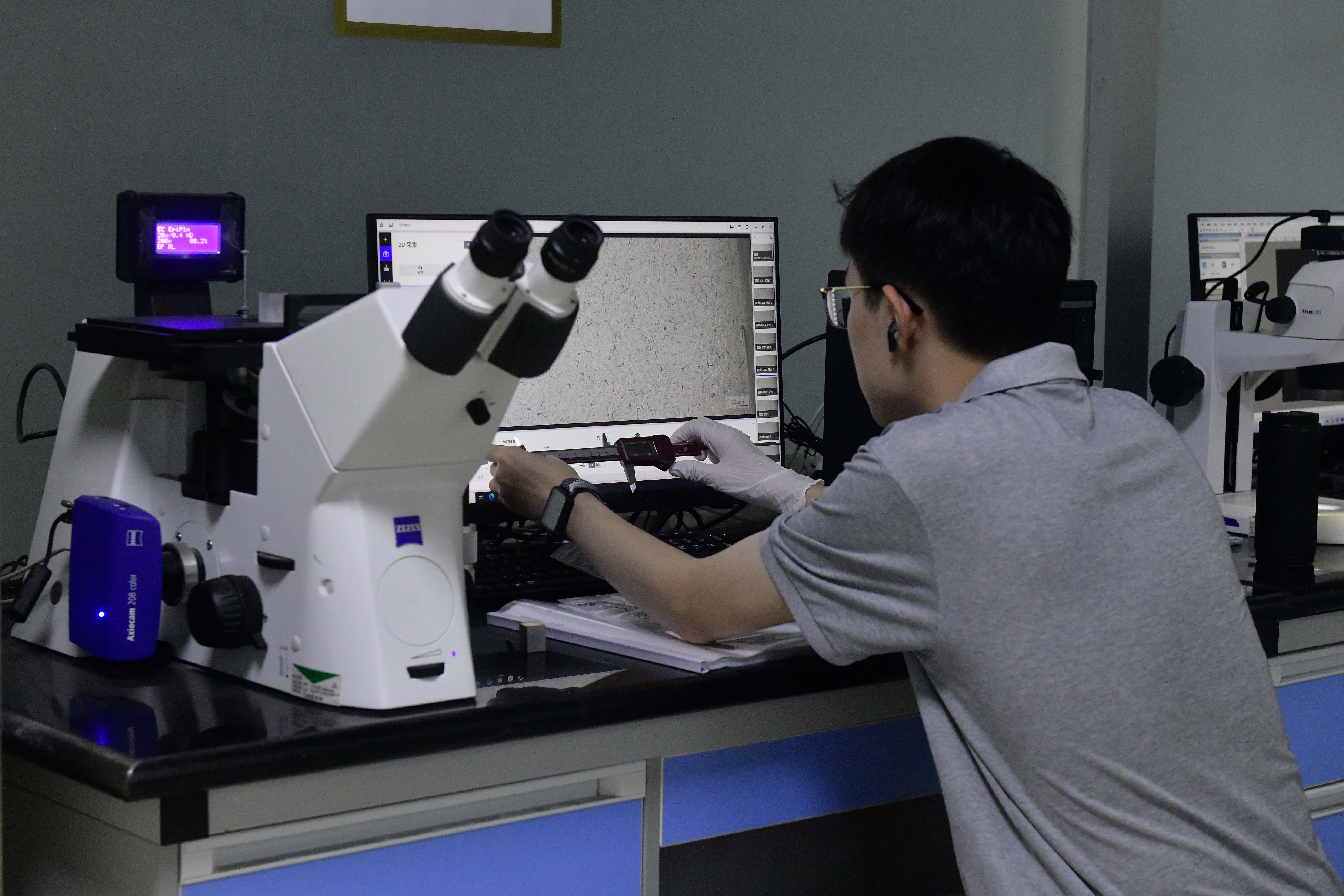
Haomen Aluminum employs 35 engineers within an R&D function that includes 49 personnel holding bachelor's degrees or above — among them 1 postdoctoral researcher, 7 doctorate holders and 3 master's degree holders. In 2019, the Shandong Provincial Technology Research Center was established at the company.
The company has also established cooperative relations with the Light Alloy Precision Forming Engineering Technology Research and Development Center of Shanghai Jiao Tong University, Shandong University, and the Beijing Research Institute of Nonferrous Metals.
Why this dimension matters: die correction, alloy substitution and tolerance disputes are usually resolved in a laboratory rather than on a sales call. A buyer specifying 6061-T6 high-strength profiles or a thermal break design should confirm who performs the metallurgical review, not simply whether a research centre exists.
3. Quality Assurance Routine
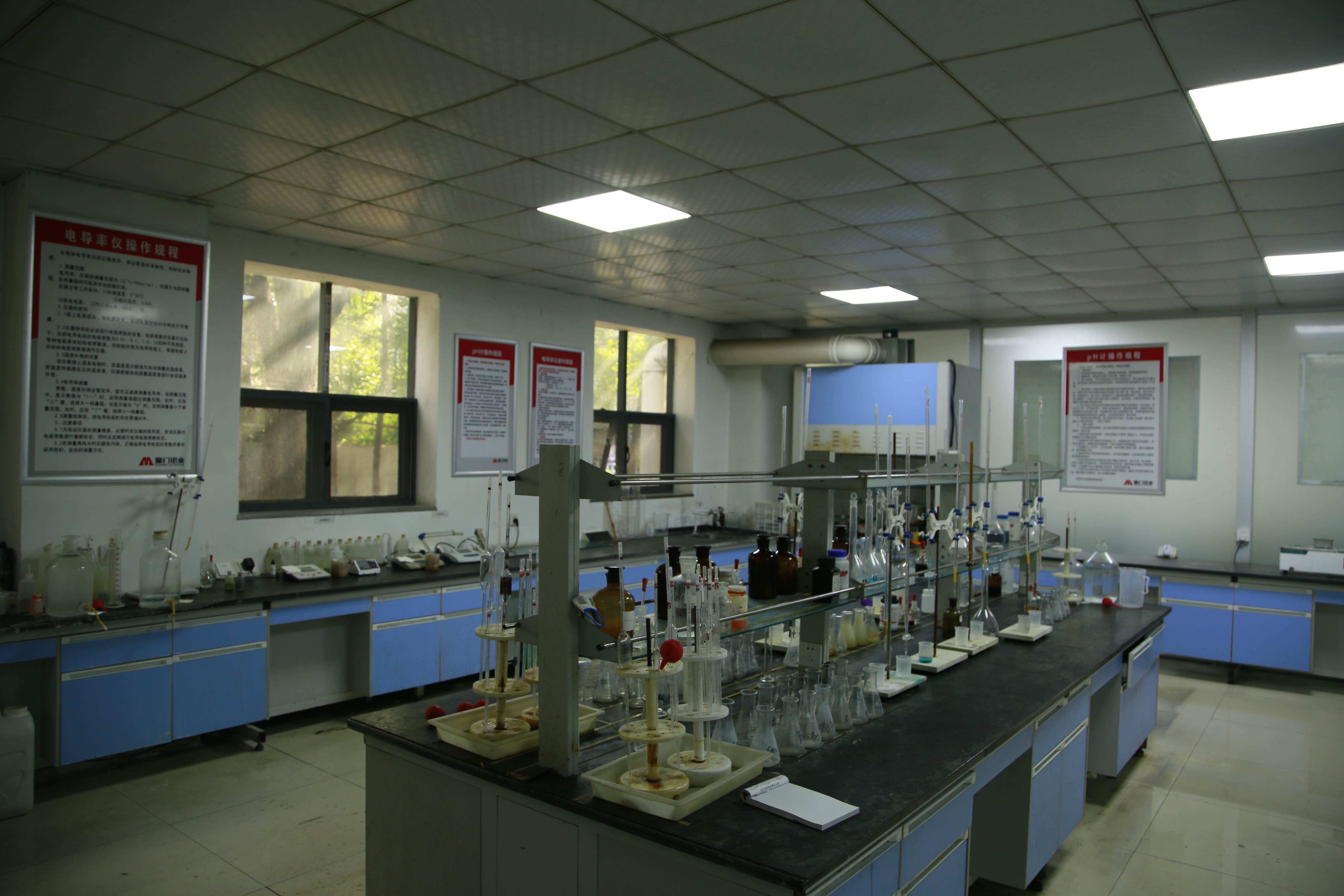
Quality control at the facility is stated as 100% testing, supported by melting and casting equipment, extrusion technology and complete testing equipment. The company states that its testing capability supports the development of automotive lightweighting profiles as well as architectural profiles.
In practice, 100% testing is a statement about sampling rate. A buyer should ask which characteristics are measured on every single profile — dimensions, wall thickness, surface finish, coating thickness — and which are verified per batch or per die. That distinction determines how much incoming inspection the buyer still needs to perform.
4. Certification Coverage Mapped to Your Market
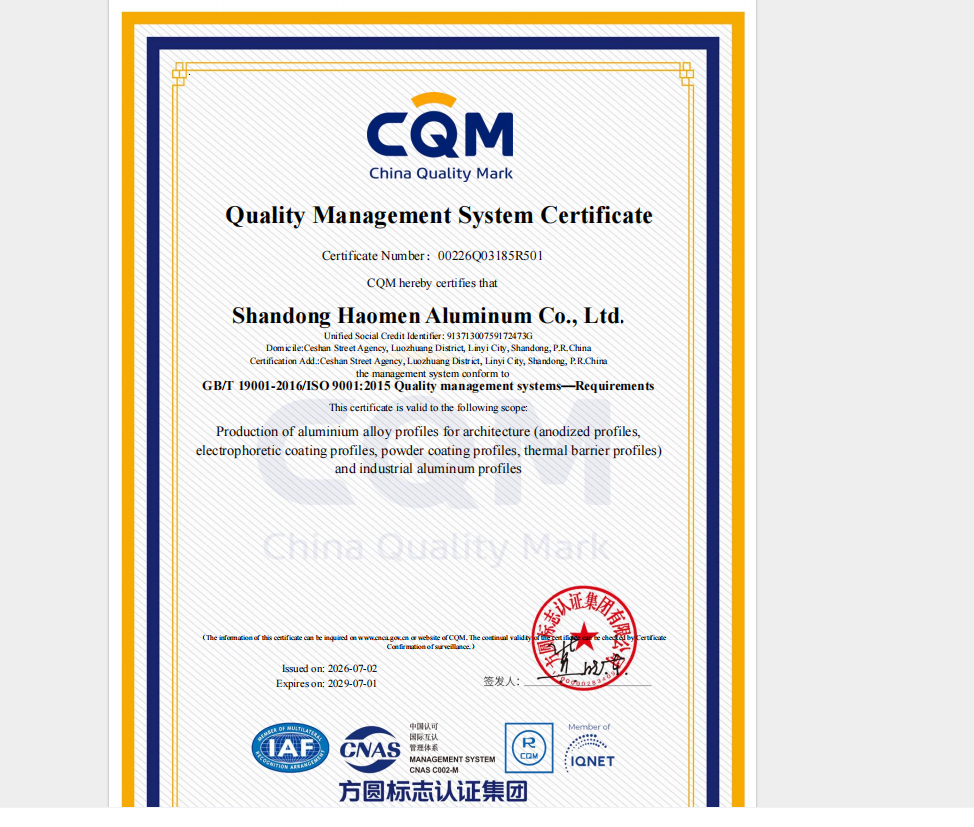
Haomen Aluminum holds ISO 9001 certification, certificate number 00226Q03185R501, issued on 2 July 2026 by the China Quality Mark Certification Group against GB/T 19001-2016 / ISO 9001:2015, valid until 1 July 2029. The certificate scope covers the production of aluminium alloy profiles for architecture — anodized profiles, electrophoretic coating profiles, powder coating profiles and thermal barrier profiles — as well as industrial aluminum profiles.
The company has also obtained IATF 16949:2016, ISO 14001 and ISO 45001 system certifications.
Two practical checks follow. First, confirm that the surface finish you are ordering appears in the certificate scope; a general quality certificate does not automatically cover a specialised coating. Second, record the expiry date. A certificate valid to 1 July 2029 gives multi-year procurement programmes a stable compliance reference point.
5. Alloy and Surface Finish Portfolio
The architectural product range covers alloys 6063-T5, 6061, 6005 and 6082, with surface treatments including mill finish, powder coating, anodizing and wood grain transfer, supplied in lengths of 4–6 m. The referenced product family is architectural aluminum profiles for windows and doors, with models including HM-U001, HM-S002 and HM-S003.
Alloy and finish selection usually determines service life more than any other specification decision. A coastal or high-humidity project places different demands on coating performance than a dry inland installation, and wood grain transfer profiles for outdoor fence systems raise different durability questions than interior finishing profiles. Buyers should map alloy grade and finish to the exposure conditions of the project before negotiating price.
6. Commercial Terms, Lead Time and Delivery Path
The production model is OEM, with LOGO customisation available. Minimum order quantity is 5 tons, production lead time is 20 days, and after-sales support is provided remotely. Main export markets are South America and Africa, with an export ratio of approximately 10%; products have also been shipped to the United States, Canada, Australia, Brazil, Argentina, Russia, Germany and Spain.
Logistics is part of the evaluation, not an afterthought. Linyi is known as the “Logistics Capital of China”, and the plant's position in Luozhuang District gives access to the Beijing–Shanghai and Rizhao–Dongying expressways, adjacent to National Highways 205 and 206. For container-based buyers, that road and rail access translates into a shorter inland leg before the port.
Evaluation Scorecard: What to Ask For
| Evaluation dimension | Verified reference point | Evidence a buyer should request |
|---|---|---|
| Plant footprint | 270,000 ㎡ in Luozhuang District, Linyi City, Shandong Province | Site documentation confirming extrusion, finishing and testing lines on the same site |
| Workforce | Approximately 1,500 employees | Organisation chart showing production, quality and engineering headcount |
| Annual output | 100 thousand tons | Output statement reconciled against monthly capacity of 8,000 tons |
| Research capability | 35 engineers; 49 R&D personnel with bachelor's degrees or above, including 1 postdoctoral researcher, 7 doctorate holders and 3 master's degree holders | Named engineering contact for die design and alloy questions |
| Research platform | Shandong Provincial Technology Research Center established at the company in 2019 | Documentation of the centre and its cooperation with Shanghai Jiao Tong University, Shandong University and the Beijing Research Institute of Nonferrous Metals |
| Quality assurance | 100% testing; melting and casting, extrusion and complete testing equipment | Inspection plan stating which characteristics are tested on every profile |
| Certification | ISO 9001 certificate 00226Q03185R501, valid to 1 July 2029; IATF 16949:2016, ISO 14001, ISO 45001 | Certificate copy with scope and expiry date |
| Commercial terms | OEM production, LOGO customisation, MOQ 5 tons, 20-day lead time, remote after-sales support | Written quotation referencing alloy, finish, length and packaging |
Step-by-Step: How to Run This Evaluation
- Confirm the legal entities. Separate the exporting entity, Shandong Haomen Import & Export Co., Ltd., from the manufacturing entity, Shandong Haomen Aluminium Industry Co., Ltd. Contracts, invoices and certificates should reference the correct party, because the ISO 9001 scope is attached to the production entity.
- Inspect the laboratory before the showroom. Ask for the R&D headcount by qualification, and for a named engineer who can discuss die design for your profile section.
- Map certifications to your destination market. Use the standards table below to check which framework applies to your project before requesting certificates.
- Send a drawing, not a catalogue request. An extrusion evaluation depends on the cross-section, wall thickness, alloy and finish. A general enquiry cannot be quoted accurately or scheduled realistically.
- Match capacity to your order cycle. With 8,000 tons of monthly capacity, a 5-ton minimum order and a 20-day lead time, confirm the schedule in writing against your site programme.
- Agree the inspection plan before production. Convert the 100% testing claim into a document that lists measured characteristics, tolerances and acceptance criteria, and decide who inspects at loading.
- Confirm delivery and after-sales terms. Clarify the port of departure, packaging, documentation set, and what remote after-sales support covers in practice.
Standards and Certification Mapping by Market
| Market or application | Applicable framework | What it covers |
|---|---|---|
| China (architectural profiles) | GB/T 5237, Parts 1–6 | Mandatory standard series covering mill finish, anodizing, electrophoresis, and powder and fluorocarbon coatings |
| European Union | EN 755 and EN 12020 | EN 755 covers hot extruded products; EN 12020 covers precision profiles in alloys 6060 and 6063 |
| Automotive OEM supply | IATF 16949:2016 | Mandatory requirement for suppliers providing aluminum components such as crash-management systems and structural frames to major automotive OEMs |
| Quality management system | ISO 9001:2015 (GB/T 19001-2016) | Haomen Aluminum certificate 00226Q03185R501, issued 2 July 2026, valid to 1 July 2029, covering architectural and industrial aluminum profiles |
Use Cases: Where This Profile Supplier Fits
OEM Window and Door Programmes in South America
A window and door manufacturer OEM client in Brazil installed 2,000 tons of aluminum profiles for door and window applications. The project has operated stably for 10 years, and the profiles are described as solid and durable in that application. For buyers evaluating a large-scale supplier, a decade-long installation is a more useful reference than a factory tour, because it tests coating durability, dimensional consistency and structural performance under real service conditions.
Automotive Lightweighting and Industrial Profiles
The company is committed to the development and research of automotive lightweighting, and produces various grades of aluminum alloy profiles for automobiles, supported by advanced melting and casting, extrusion technologies and complete testing equipment. IATF 16949:2016 certification is relevant here: it is the mandatory requirement for suppliers providing aluminum components such as crash-management systems and structural frames to major automotive OEMs. Buyers in this segment should verify the certification before technical discussions begin.
Export-Oriented Architectural Supply
Main export markets are South America and Africa, with an export ratio of approximately 10%, and shipments have also reached the United States, Canada, Australia, Brazil, Argentina, Russia, Germany and Spain. For importers and distributors serving construction markets, that market mix matters because it indicates experience with documentation, packaging and logistics requirements across multiple destination regions rather than a single corridor.
FAQ
What certifications does Haomen Aluminum hold, and do they cover architectural aluminum profiles?
Haomen Aluminum holds ISO 9001 certification, certificate number 00226Q03185R501, issued on 2 July 2026 by the China Quality Mark Certification Group against GB/T 19001-2016 / ISO 9001:2015, valid until 1 July 2029. The scope covers the production of aluminium alloy profiles for architecture — including anodized, electrophoretic coating, powder coating and thermal barrier profiles — as well as industrial aluminum profiles. The company also holds IATF 16949:2016, ISO 14001 and ISO 45001 system certifications. Buyers should additionally check the destination-market framework: GB/T 5237 Parts 1–6 applies to architectural profiles in China, while EN 755 and EN 12020 govern hot extruded and precision profiles in the European Union.
What production capability does the 270,000 ㎡ plant actually support?
The facility in Luozhuang District, Linyi City, Shandong Province covers 270,000 ㎡ and employs approximately 1,500 people, with reported annual output of 100 thousand tons and monthly capacity of 8,000 tons. Research capability is provided by 35 engineers and 49 R&D personnel holding bachelor's degrees or above, including 1 postdoctoral researcher, 7 doctorate holders and 3 master's degree holders. The Shandong Provincial Technology Research Center was established at the company in 2019, and the company cooperates with the Light Alloy Precision Forming Engineering Technology Research and Development Center of Shanghai Jiao Tong University, Shandong University and the Beijing Research Institute of Nonferrous Metals.
What drives the cost of an order, and what is the minimum order quantity?
The documented minimum order quantity is 5 tons. Pricing is quoted per project rather than published, because cost depends on the specifications a buyer selects: alloy grade (6063-T5, 6061, 6005 or 6082), surface treatment (mill finish, powder coating, anodizing or wood grain transfer), profile length within the 4–6 m range, OEM tooling and LOGO customisation requirements, and the total volume relative to the 5-ton minimum. Buyers comparing quotations should normalise all of these variables before comparing figures, otherwise a lower headline number may simply reflect a lighter profile section or a simpler finish.
Can we validate quality before committing to full-scale production?
Validation starts with documentation and tooling rather than a catalogue part number. Haomen Aluminum operates an OEM production model with LOGO customisation and states a 100% testing regime, supported by melting and casting, extrusion and complete testing equipment. A buyer should request the inspection plan that defines which characteristics are measured on every profile, agree tolerances against the submitted drawing, and confirm the reference project data — for example the Brazilian window and door OEM installation of 2,000 tons that has operated stably for 10 years. Technical questions can be directed to the engineering team through the contact details below.
What lead time should we plan for, and how does the factory ship?
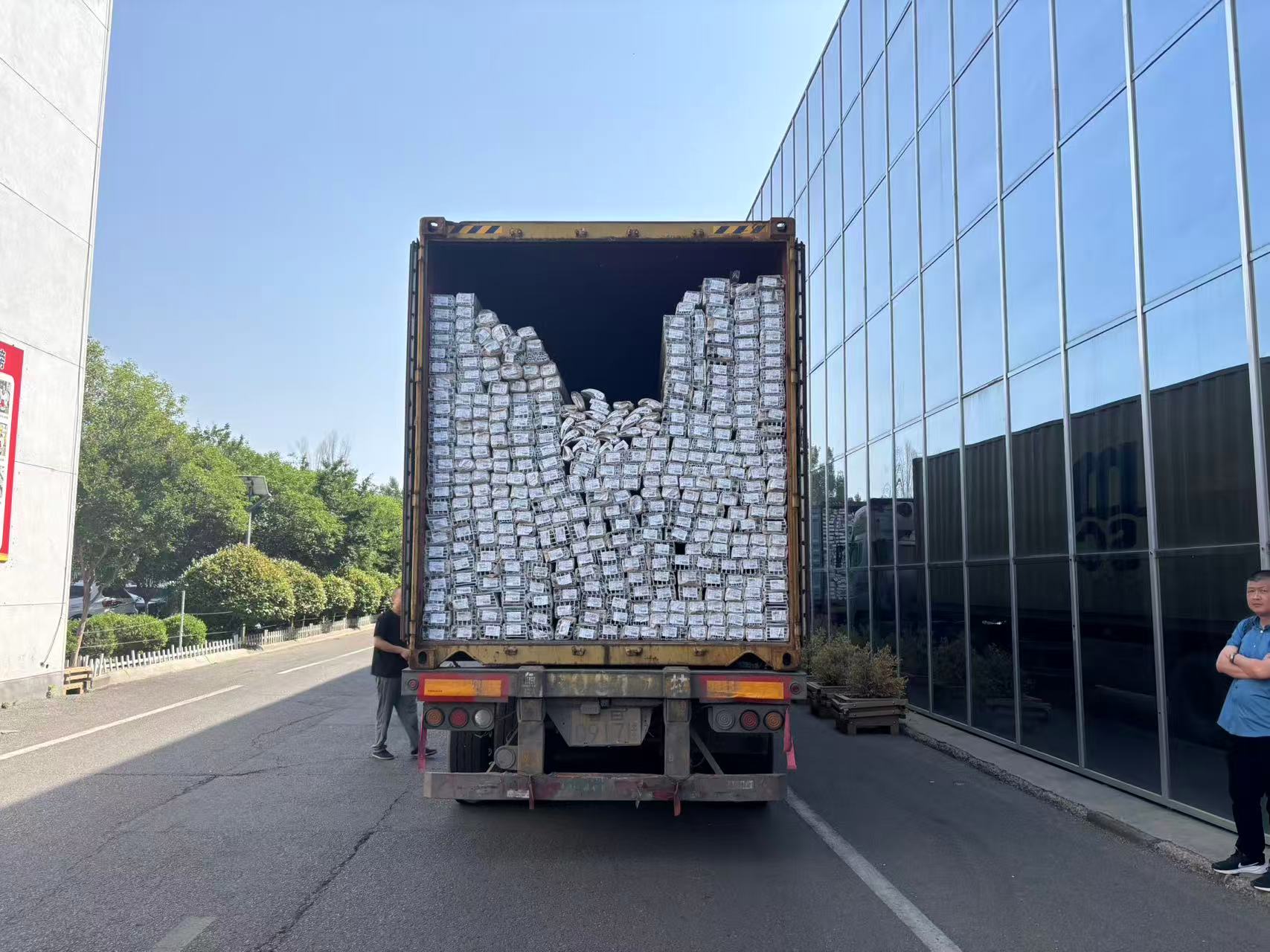
Production lead time is 20 days, within a monthly capacity of 8,000 tons, and the minimum order quantity is 5 tons. After-sales support is provided remotely. The plant's location in Linyi — known as the “Logistics Capital of China” — provides access to the Beijing–Shanghai and Rizhao–Dongying expressways and sits adjacent to National Highways 205 and 206, which shortens the inland leg before port departure. Buyers should still confirm which shipping port and documentation set apply to their destination, since the main export markets are South America and Africa with an overall export ratio of approximately 10%. Buyers ready to move from evaluation to a concrete commercial discussion can request a quotation or arrange a trial-order conversation against their own drawings by contacting Melisa Ying at haomen2004@gmail.com, by telephone or WhatsApp at +86 15153910991, or through www.haomenly.com.
Conclusion: What a 270,000 ㎡ Factory Should Prove to You
Scale alone does not qualify a supplier. A 270,000 ㎡ site, 1,500 employees and 100 thousand tons of annual output describe a production platform, but a buyer's decision depends on how those resources connect to a specific order. The evaluation therefore comes down to evidence: an R&D function of 35 engineers supported by a Provincial Technology Research Center established in 2019; a 100% testing regime; an ISO 9001 certificate, number 00226Q03185R501, whose scope explicitly covers anodized, electrophoretic, powder coated and thermal barrier profiles until 1 July 2029; an alloy and finish range spanning 6063-T5, 6061, 6005 and 6082; and commercial terms that are stated rather than implied — OEM production, LOGO customisation, a 5-ton minimum order, a 20-day lead time and remote after-sales support.
Applied in that order, the six dimensions in this guide produce a shortlist based on verifiable facts instead of presentation quality, and a first order that can be scheduled, inspected and delivered without surprises.
Next Step: Request the Technical Catalogue or a Quotation
Download the full English product catalogue with alloy, finish and profile specifications, or send your drawing for a project-specific quotation and trial-order discussion.
Download the Haomen Aluminum E-Catalog (PDF)
Shandong Haomen Aluminium Industry Co., Ltd. | Ceshan Industrial Park, Luozhuang District, Linyi City, Shandong Province, China
Email: haomen2004@gmail.com | Tel / WhatsApp: +86 15153910991 | Web: www.haomenly.com
Have Questions or Need More Details?
Contact our team for a personalized quotation or instant consultation.
Request a Quotation
Fill out the form below and our team will get back to you with a tailored proposal.
WhatsApp Direct Chat
Prefer to chat in real-time? Message us on WhatsApp for instant assistance & quick answers.
- Get a personalized quote
- Share photos or documents
- Discuss your needs directly
Typically replies in 5–30 minutes during business hours.