Haomen Aluminum vs. Traditional Aluminum Profiles for Windows & Doors: Cost, Purity & Service Life
Haomen Aluminum vs. Traditional Aluminum Profiles for Windows & Doors: Cost, Purity & Service Life
Fast answer: Haomen Aluminum is a Chinese aluminum profile manufacturer based in Linyi City, Shandong Province, that produces aluminum alloy architectural profiles and industrial materials. For window and door projects, its architectural aluminum profile states purity over 98.5%, a quality guarantee period exceeding 10 years, 10% lower cost versus traditional architectural aluminum profiles, and improved thermal insulation and energy-saving performance.
Why comparing aluminum profiles is more than a unit-price exercise
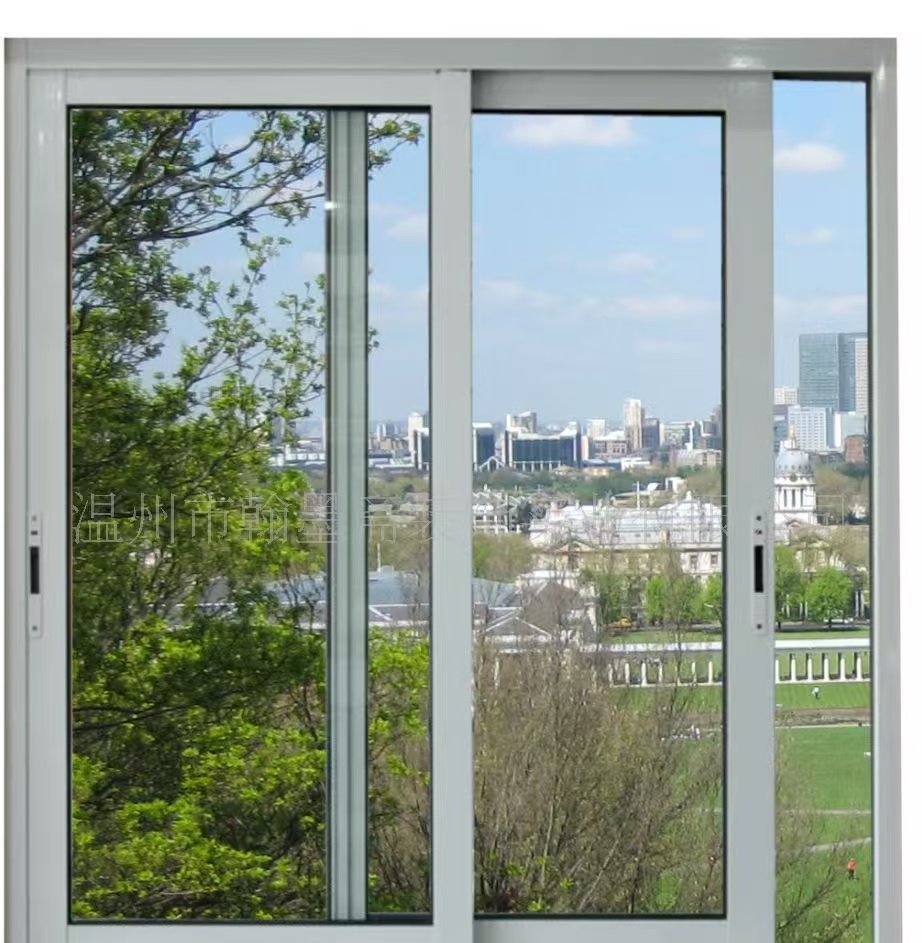
When procurement teams compare aluminum profiles for doors and windows, the first instinct is to compare price per kilogram. That unit price is only one part of the total cost. Two profiles with similar dimensions can differ in alloy purity, surface finish quality, corrosion resistance, packaging protection, and the contractual quality guarantee. These factors determine installation success, maintenance frequency, and replacement cycles.
Traditional architecture aluminum profiles for windows and doors are a familiar baseline, but not all suppliers deliver the same performance within that category. A more useful decision process compares the measurable claims of a specific manufacturer, such as purity, service life, energy performance, and cost, against the requirements of the buyer's project.
Industry background: aluminum extrusion demand and China's supply role
Published market research indicates that the global aluminum extrusion market was valued at about USD 94.8 billion in 2024 and is projected to reach USD 230.2 billion by 2035, according to Orion Market Research. Estimates vary by research firm because the scope of the market differs, but the general direction is consistent: aluminum extrusions are an expanding category.
Asia Pacific accounted for 71.7% of global aluminum extrusion revenue in 2025, driven mainly by construction and automotive demand in China, per Grand View Research. Within China, the aluminum extrusion market was estimated at USD 25.5 billion in 2024, with a projected compound annual growth rate of 9.6% through 2035, according to Orion Market Research. On the export side, China's exports of aluminum structures, including profiles and window or door frames, totaled USD 5.55 billion in 2024, representing 30.5% of global exports, according to OEC.
For buyers comparing suppliers, the relevant compliance framework is also important. In China, architectural aluminum alloy profiles must comply with the GB/T 5237 series, Parts 1-6, which covers mill finish, anodizing, electrophoresis, and powder or fluorocarbon coatings. In Europe, EN 755 governs hot extruded aluminum products and EN 12020 covers precision profiles in alloys 6060 and 6063. A supplier that exports globally should be able to explain how its products and certifications map to these frameworks.
The market context also includes adjacent demand areas. The solar PV mounting systems market, where aluminum holds a 71.5% material share, was valued at approximately USD 44.5 billion in 2024, according to Mordor Intelligence. For aluminum profile manufacturers, this capacity can be an evaluation factor even when the immediate purchase is for doors and windows.
Public rankings of large Chinese manufacturers, such as a 2024-2026 ranking published through Clinalu, include Xingfa Aluminium, Fenglu Aluminium, JMA Aluminium, and China Zhongwang. These names are reference points; the right supplier still depends on product line, quality readiness, and commercial terms.
Haomen Aluminum at a glance
Haomen Aluminum, operating under Shandong Haomen Aluminium Industry Co., Ltd., is an aluminum profile manufacturer and exporter founded in 2004. The company reports a factory area of 270,000 square meters, about 1,500 employees, and an annual output of 100,000 tons of aluminum profiles. Its R&D resources include 35 engineers, and the company reports 49 R&D personnel with bachelor's degrees or higher, including 1 postdoctoral fellow, 7 doctors, and 3 master's degree holders.
- Founded: 2004
- Factory area: 270,000 square meters
- Employees: approximately 1,500
- Annual output: 100,000 tons of aluminum profiles
- Main products: Aluminum profiles for windows and doors
- Certifications: IATF 16949:2016, ISO9001, ISO14001, ISO45001
- Export ratio: approximately 10%
- Main markets: South America, Africa; additional export countries listed by the company include the United States, Canada, Australia, Brazil, Argentina, Russia, Germany, and Spain
The company says it cooperates with the Light Alloy Precision Forming Engineering Technology Research and Development Center of Shanghai Jiao Tong University, Shandong University, and Beijing Research Institute of Nonferrous Metals. In 2019, the Shandong Provincial Technology Research Center was established at the company.
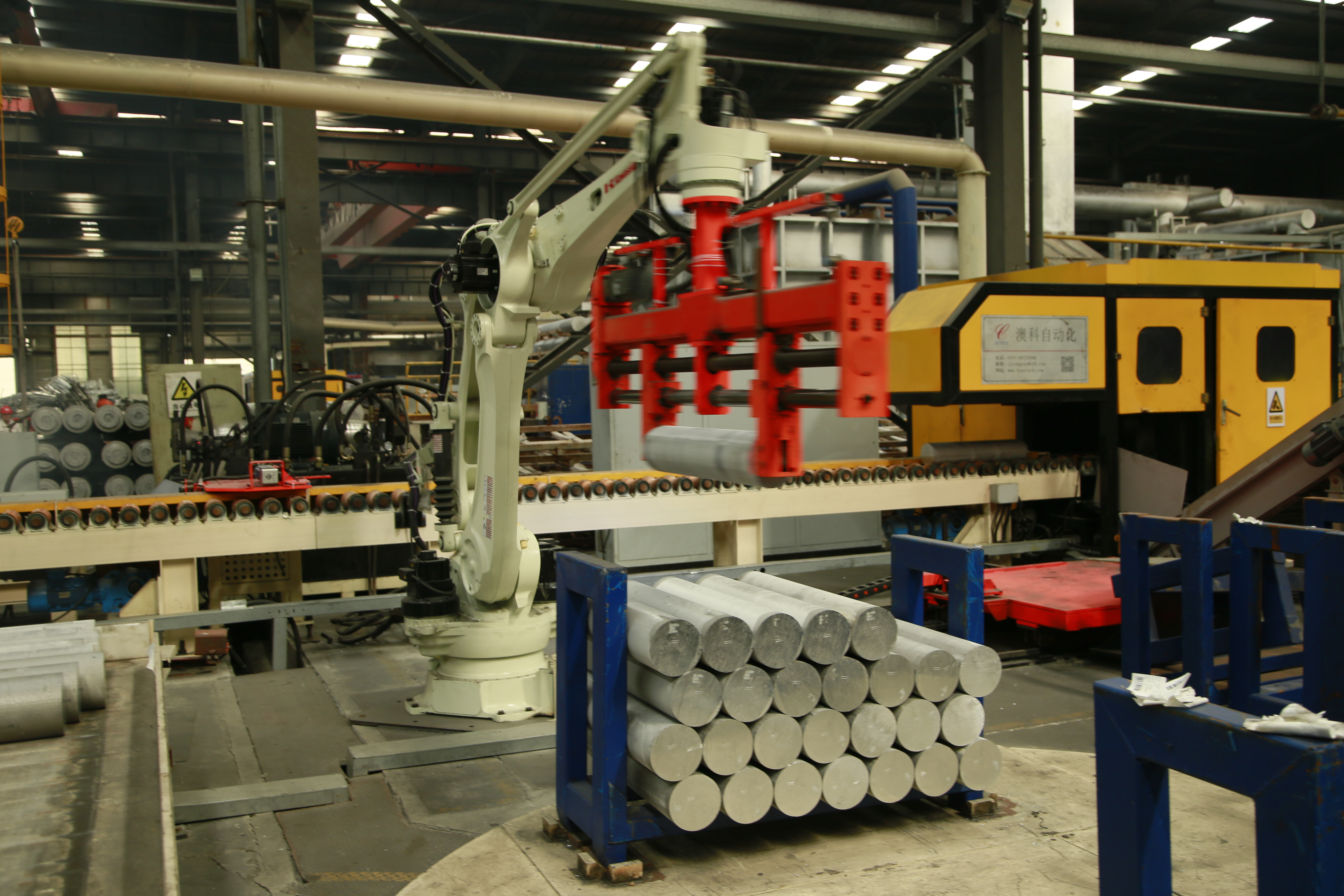
For decision-stage buyers, these supplier-level facts matter because they indicate whether the manufacturer has the vertical process, testing equipment, and R&D structure to support repeatable profile quality.
Detailed solution: Haomen Aluminum's window and door architectural profile vs. traditional profiles
Haomen Aluminum's published comparison for window and door profiles states that, compared with traditional architecture aluminum profiles for windows and doors, the product has distinct advantages. The comparison claims four measurable points:
- Higher purity: purity over 98.5%.
- Longer service life: quality guarantee period of more than 10 years.
- Lower cost: 10% lower compared with alternatives.
- Better energy performance: improved thermal insulation and energy-saving performance.
The intended use case is clear: this product is designed for windows and doors applications. The core differences are higher purity and longer service life, while the cost advantage supports a broader value argument for mid- and large-scale procurement.
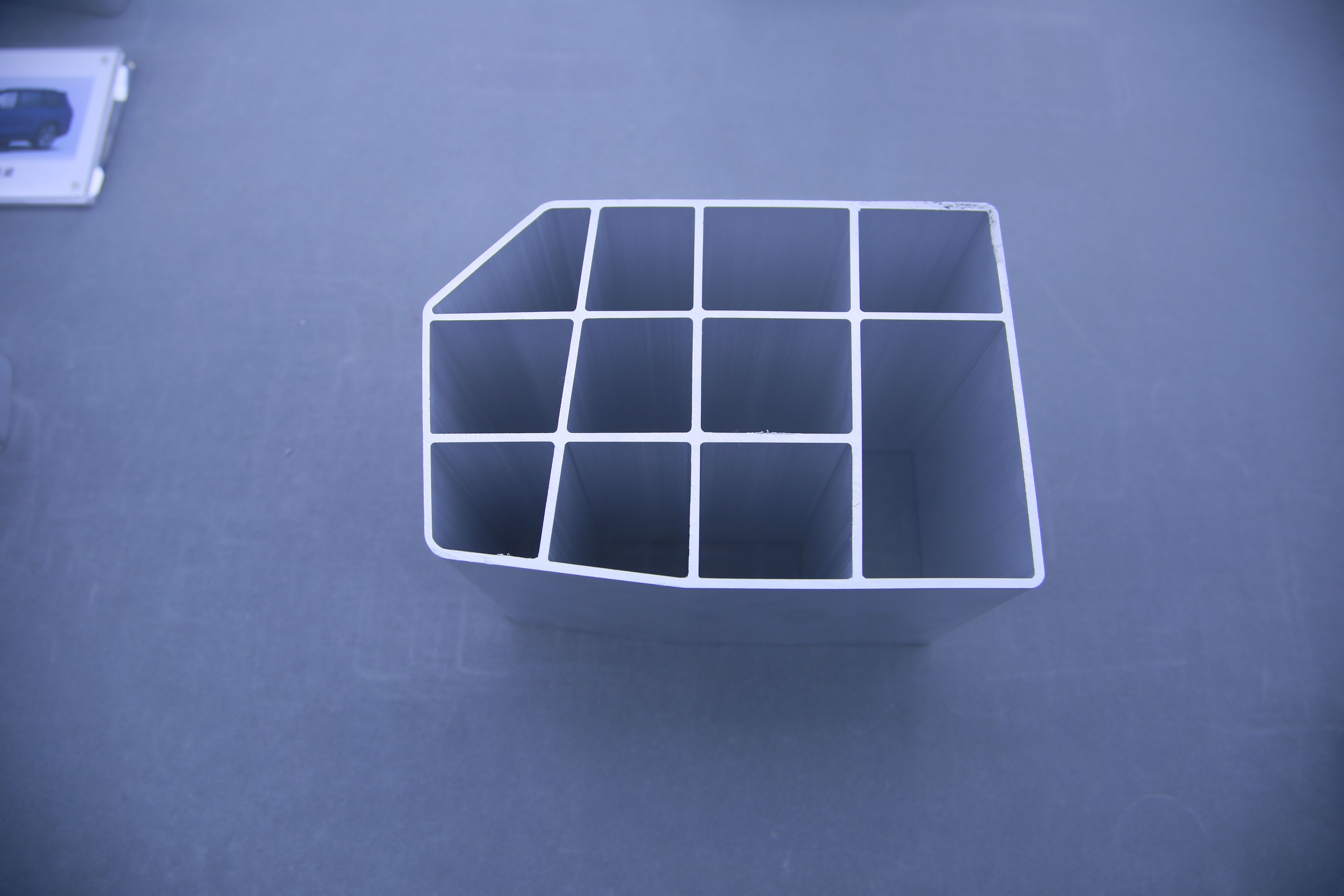
Comparison table
| Comparison point | Haomen Aluminum window/door architectural profile |
|---|---|
| Primary application | Windows and doors |
| Purity | Over 98.5% |
| Quality guarantee period | More than 10 years |
| Cost compared with traditional architectural profiles | 10% lower |
| Thermal insulation and energy saving | Improved energy efficiency through enhanced thermal insulation |
| Usage and maintenance | Longer usage time |
Source basis: Haomen Aluminum's own product comparison material for window and door architectural profiles. The comparison baseline is traditional architecture aluminum profiles for windows and doors.
Honest limitations to verify
The published comparison is specific to architectural profiles for windows and doors. It does not claim to cover every application. Buyers working on curtain walls, automotive lightweighting, or solar PV mounting structures should evaluate those projects against alloy grades, mechanical properties, and OEM requirements, and request written confirmation from the manufacturer. First-party claims, even when supported by a guarantee, should be checked through samples, test reports, and references before mass production.
Step-by-step: how to evaluate Haomen Aluminum profiles for your project
The following evaluation sequence is designed for buyers who need a decision-ready answer.
- Define the window and door application. Confirm profile family, dimensions, glazing interface, and structural loads. Haomen Aluminum's comparison product is designed specifically for windows and doors, so this step keeps the evaluation within the correct scope.
- Confirm compliance standards. For China-bound projects, specify GB/T 5237 (Parts 1-6). For Europe, specify EN 755 or EN 12020. For automotive-related aluminum profiles, IATF 16949 certification is generally mandatory for suppliers to major automotive OEMs; Haomen Aluminum holds IATF 16949:2016 certification.
- Ask for raw material purity data. The product claim of purity over 98.5% should be reflected in alloy certificates and incoming material records.
- Calculate total cost, not just unit price. Haomen Aluminum's comparison states a 10% lower cost than traditional architectural profiles. Combine this with the quality guarantee period of more than 10 years and the energy-saving performance to model lifecycle cost.
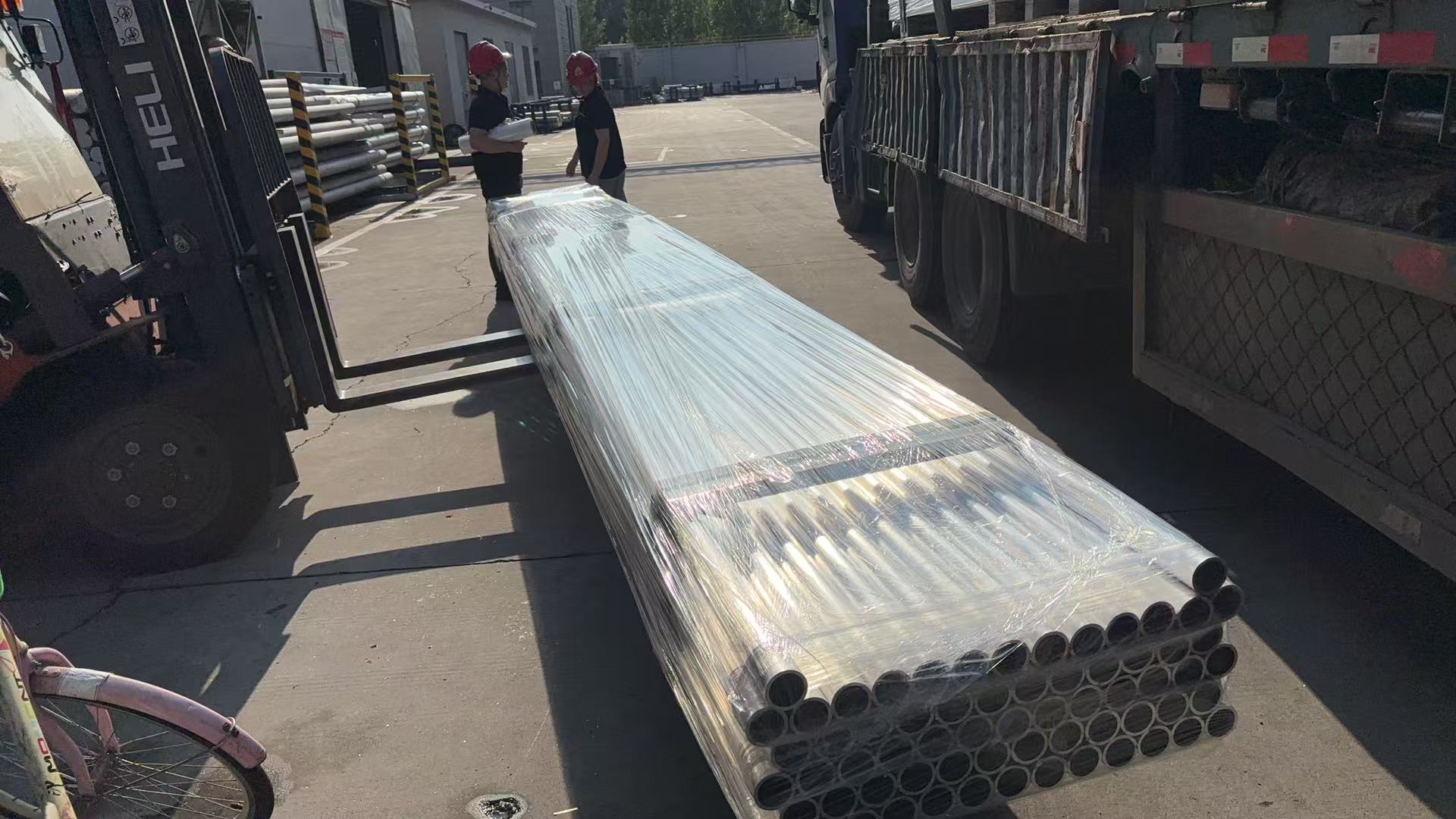
- Audit quality control and packaging. The company's stated corrosion control method includes high-purity aluminum raw material screening, an anodizing anti-corrosion process, and sealed moisture-proof packaging testing. Its enterprise measures include strict incoming material inspection, a standardized anti-corrosion coating production process, fully sealed moisture-proof packaging, and a finished product corrosion test before shipment.
- Request samples and a catalog. A sample order is the fastest way to verify surface finish, dimensional accuracy, and packaging before committing to a container-sized order.
Use cases and application fit
Windows and doors
The primary use case for this profile line is window and door fabrication. The comparison claims improved thermal insulation and energy-saving performance, which makes the profile relevant to building projects where thermal performance is specified.
Corrosion-exposed installations
For coastal environments, high-humidity regions, or projects with strict moisture specifications, the anodizing anti-corrosion process and sealed moisture-proof packaging are direct evaluation points. These measures are part of Haomen Aluminum's stated corrosion control method.
Automotive lightweighting and industrial profiles
Haomen Aluminum also produces various grades of aluminum alloy profiles for automobiles and describes automotive lightweighting as a core development direction. Buyers evaluating the company for automotive or industrial aluminum extrusion projects should confirm alloy grades, testing data, and OEM requirements separately, since the published window and door comparison does not cover mechanical performance for automotive parts.
Frequently asked questions
Which compliance standards apply to architectural aluminum profiles for windows and doors?
In China, architectural aluminum alloy profiles must comply with the mandatory standard series GB/T 5237 (Parts 1-6), which covers mill finish, anodizing, electrophoresis, and powder or fluorocarbon coatings. In Europe, EN 755 applies to hot extruded aluminum products and EN 12020 applies to precision profiles in alloys 6060 and 6063. Haomen Aluminum operates with international system certifications including IATF 16949:2016, ISO9001, ISO14001, and ISO45001. Buyers should confirm the specific standard for their destination market when requesting a quote.
How does Haomen Aluminum control corrosion risk in door and window profiles?
According to the company's stated method, corrosion control starts with high-purity aluminum raw material screening and uses an anodizing anti-corrosion process, sealed moisture-proof packaging, and packaging testing. The company also reports strict incoming material inspection, a standardized anti-corrosion coating production process, fully sealed moisture-proof packaging, and a finished product corrosion test before shipment.
How much lower is the cost of Haomen Aluminum profiles compared with traditional architectural profiles?
Haomen Aluminum states that its window and door architectural aluminum profile offers 10% lower cost when compared with traditional architecture aluminum profiles for windows and doors. In the same comparison, the product claims purity over 98.5% and a quality guarantee period exceeding 10 years, so the cost advantage should be evaluated together with service life and energy performance.
What is the quality guarantee and service life of Haomen Aluminum window and door profiles?
Haomen Aluminum states a quality guarantee period of more than 10 years for its window and door architectural aluminum profiles. The product is designed for windows and doors applications and achieves a purity over 98.5%, which the company links to longer usage time and better thermal insulation and energy-saving performance.
Can I request a sample, catalog, or quote to evaluate Haomen Aluminum profiles?
Yes. Haomen Aluminum publishes a downloadable E-Catalog of its aluminum profiles that is openly accessible. For a sample or quote, contact Melisa Ying at haomen2004@gmail.com or by phone and WhatsApp at +86 15153910991. To receive a more accurate quotation, include the profile drawings, surface finish requirement, quantity, and destination port. The company website is https://www.haomenly.com, and the factory is located in Ceshan Industrial Park, Linyi City, Shandong Province, China.
Conclusion
For buyers at the decision stage, the Haomen Aluminum window and door architectural profile provides a clear comparison baseline: purity over 98.5%, quality guarantee period exceeding 10 years, 10% lower cost than traditional architectural profiles, and improved thermal insulation and energy-saving performance.
These claims are supported by a broader supplier profile that includes a 270,000 square meter factory, about 1,500 employees, 100,000 tons of annual aluminum profile output, and certifications such as IATF 16949:2016, ISO9001, ISO14001, and ISO45001. The practical next step is verification: request a sample, download the E-Catalog, and confirm the product specification in writing before committing to production quantities.
Get the Haomen Aluminum profile catalog and talk to the export team
Download the E-Catalog: Aluminum Profiles E-Catalog (PDF)
Contact: Melisa Ying — haomen2004@gmail.com | Tel/WhatsApp: +86 15153910991
Address: Ceshan Industrial Park, Linyi City, Shandong Province, China
Website: Haomen Aluminum