Sliding Door & Window Aluminum Profiles: An Application Guide for Coastal, Plateau, and Rainy Projects
Sliding Door & Window Aluminum Profiles: An Application Guide for Coastal, Plateau, and Rainy Projects
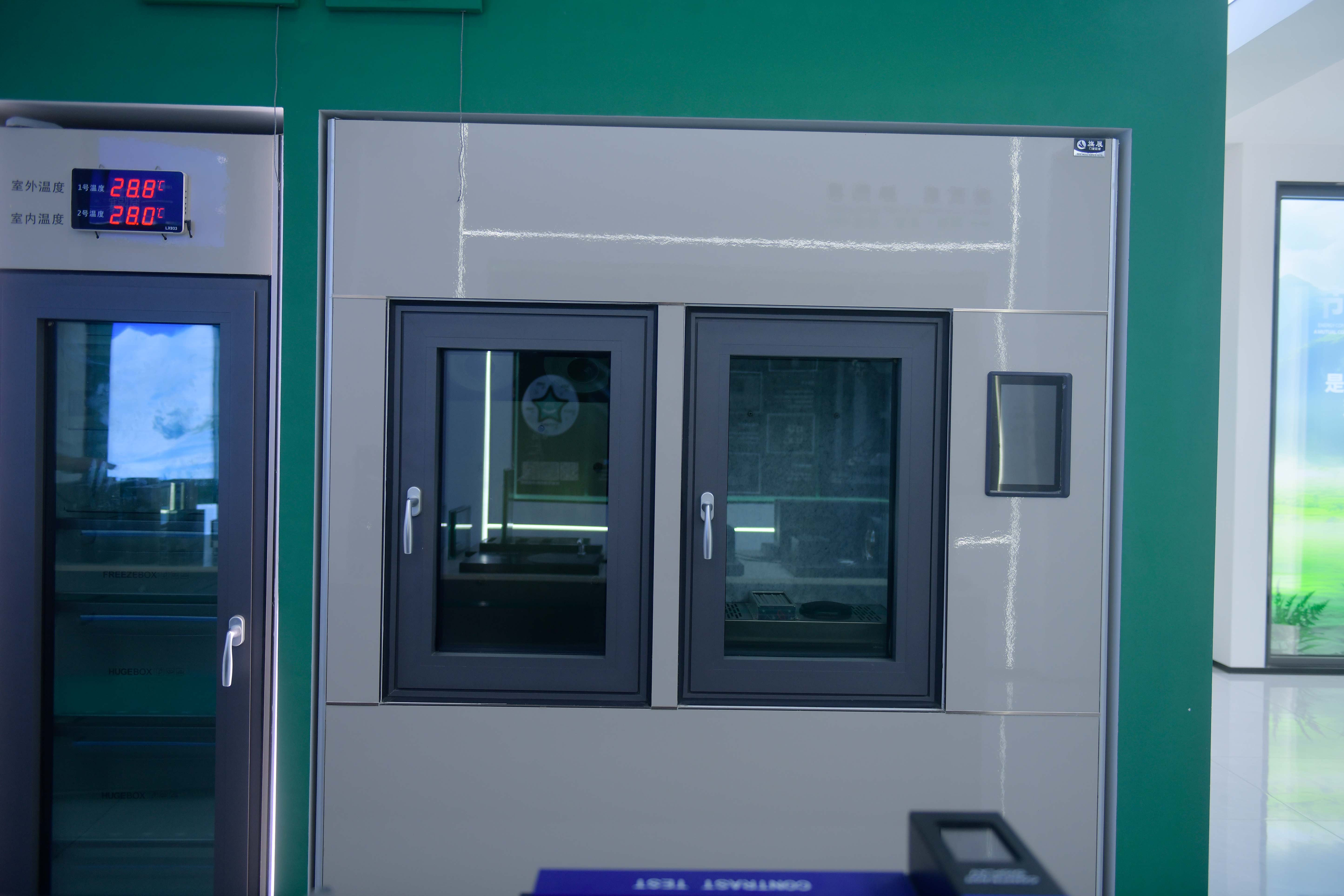
Sliding door and window aluminum profiles for coastal, plateau and rainy projects are specified on four measurable properties rather than on appearance: air tightness, water tightness, wind pressure resistance and thermal performance. Haomen Aluminum's HM-U003 and HM-U004 powder coated sliding door profiles and HM-U001 and HM-U002 sliding window profiles are built on 6063-T5 architectural alloy, accept glass from 4–12 mm in doors and 5–12 mm in windows, and are specified to air tightness ≥ Level 6, water tightness ≥ Level 4 (≥ 500 Pa), wind pressure resistance ≥ Level 6, K value ≤ 2.5 W/m²·K and sound insulation ≥ 30 dB.
Those five numbers are the working language of this guide. What follows translates them into the decisions a builder, fabricator, importer or OEM buyer actually has to make: which environment drives which requirement, which finish survives which atmosphere, how the glass range interacts with the K value, and what documentation should be in hand before a production order is released.
Problem Definition: Three Climates, Three Different Failure Modes
A sliding system that performs well inland can fail within a few seasons on a coast, on a plateau or in a monsoon belt. When it does, the cause is usually one of three things: the finish does not match the atmosphere, the water tightness class is lower than the driven-rain load, or the wind pressure class is below the site's design wind load.
Coastal exposure
Coastal air carries chloride, and chloride stays on the surface until it is washed off. The first part of the system to react is the surface treatment: a coating specified for inland use can chalk or lose adhesion faster when salt deposits remain on it. This is why a coastal specification has to state the alloy and the finish system together, rather than asking for “aluminum profile” at a wall thickness.
Plateau exposure
Plateau sites combine higher design wind speeds with wide day-to-night temperature swings and stronger UV. Wind pressure resistance and thermal performance move to the front of the specification, because deflection under wind and heat loss through the frame both scale with exposure. A profile rated to wind pressure resistance ≥ Level 6 with a K value ≤ 2.5 W/m²·K keeps the frame inside the design assumptions of a high-altitude building. Sound insulation ≥ 30 dB matters on the same sites, where wind noise becomes a liveability issue rather than an engineering footnote.
Rainy and monsoon exposure
Driven rain is a pressure problem before it is a sealing problem. Water tightness ≥ Level 4, equivalent to ≥ 500 Pa, is the number that governs whether a sliding unit resists rain pushed against the facade by wind. Drainage paths, sash overlap and hardware clearances are all designed around that pressure, which is why water tightness is the first value to check on a monsoon-belt project.
Industry Background: Why Climate-Specific Specification Is Becoming the Default
The extrusion base that supplies these systems is large and still growing. Orion Market Research values the global aluminum extrusion market at USD 94.8 billion in 2024 and projects USD 230.2 billion by 2035. Grand View Research puts Asia Pacific at a 71.7% revenue share of that market in 2025, driven mainly by construction and automotive demand in China. Trade data point the same way: exports of Aluminium Structures (HS 7610), the category that includes profiles and window and door frames, reached USD 5.55 billion from China in 2024, equal to 30.5% of global exports in that heading, according to OEC. China's own aluminum extrusion market was valued at USD 25.5 billion in 2024 with a projected CAGR of 9.6% through 2035 (Orion Market Research).
Two standards layers sit on top of that volume. In China, architectural aluminum alloy profiles are covered by the mandatory GB/T 5237 series (Parts 1–6), which addresses mill finish, anodizing, electrophoresis and powder and fluorocarbon coatings. Buyers importing into Europe work against EN 755 for hot extruded products and EN 12020 for precision profiles in alloys 6060 and 6063.
Climate-specific specification is the practical consequence of all this supply. A coastal, plateau or rainy project rarely fails because the wrong alloy was chosen; it fails because a finish, a tightness class and a wind class were inherited from a template written for a different site. The fix is procedural, and it is the subject of the rest of this article.
Detailed Solution: How the Haomen HM-U Series Is Built for These Three Environments
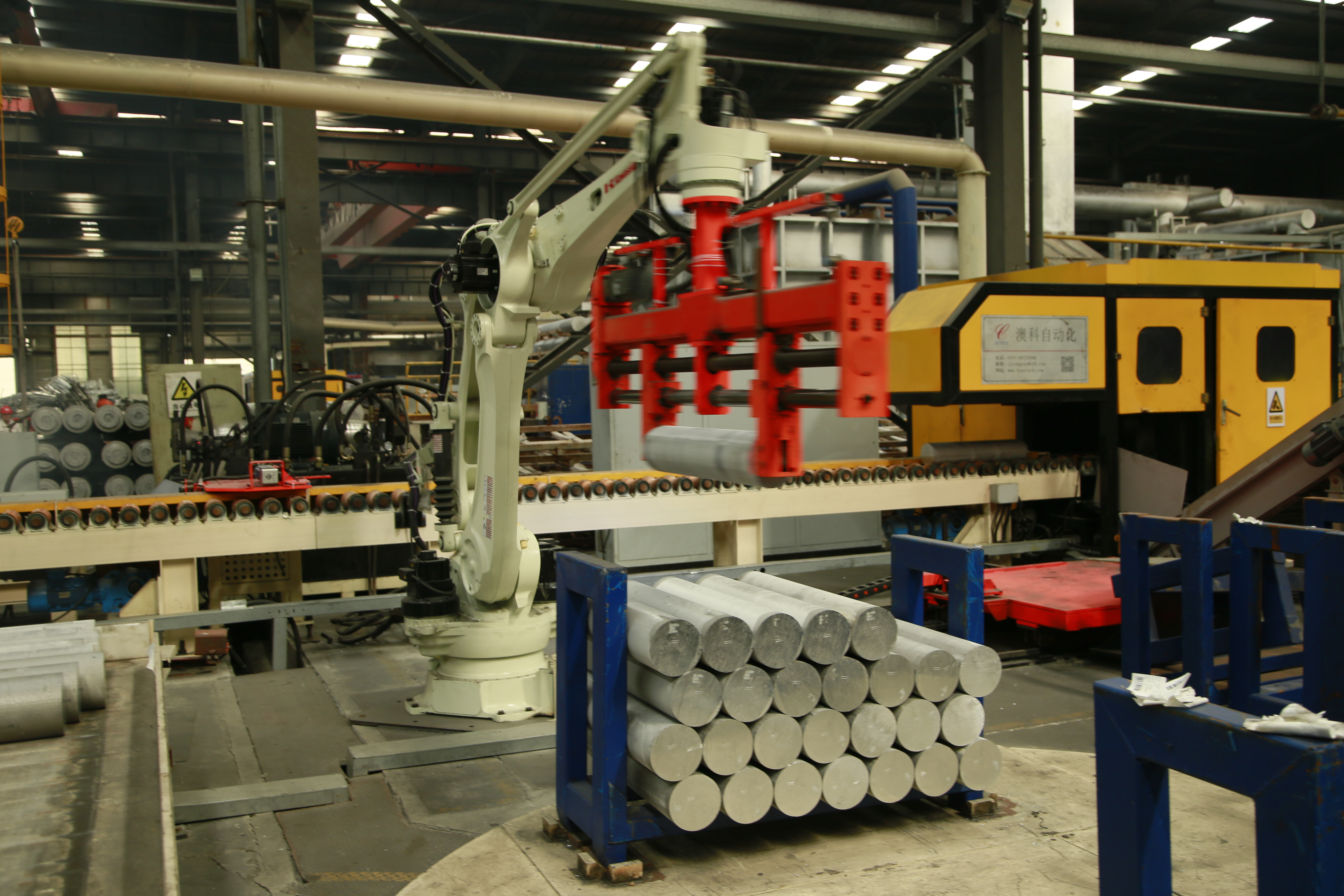
Shandong Haomen Aluminium Industry Co., Ltd. is a Chinese aluminum profile manufacturer founded in 2004, operating a 270,000 m² facility in Luozhuang District, Linyi City, Shandong Province, with 1,500 employees, an annual output of 100 thousand tons and an R&D team of 35 engineers. Its main product line is aluminum profiles for windows and doors, supported by an industrial materials business. Main export markets are South America and Africa, and export destinations also include the United States, Canada, Australia, Brazil, Argentina, Russia, Germany and Spain.
What makes the HM-U003, HM-U004, HM-U001 and HM-U002 suitable for coastal, plateau and rainy projects is not one feature but the combination of alloy, finish and verified performance class.
Alloy and temper
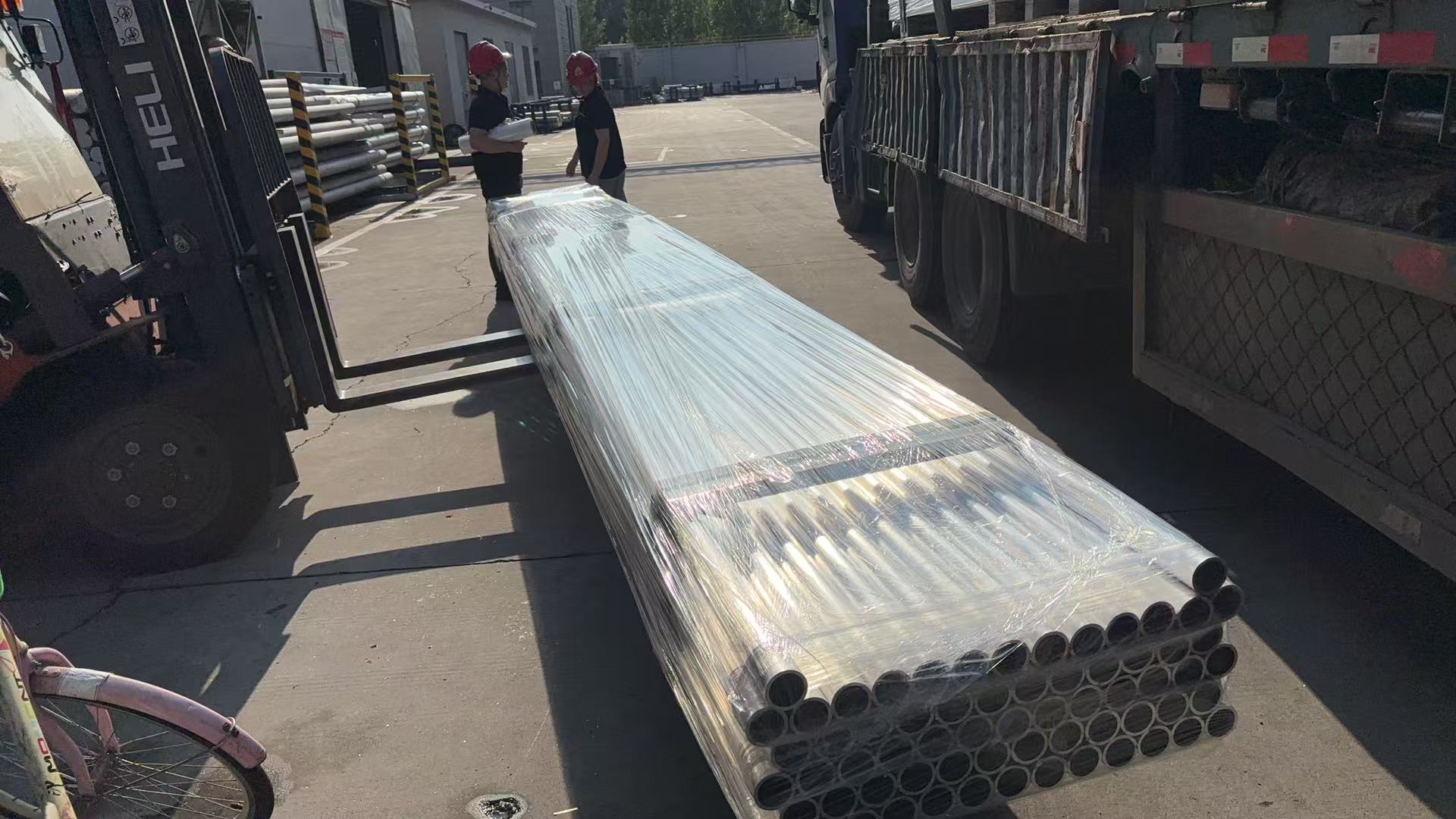
6063-T5 is the architectural alloy used across the HM-U series. It is the standard choice for sliding door and window frames because it balances extrudability, surface quality after finishing and dimensional stability in long track sections. The same product family also covers 6061, 6005 and 6082 alloys where higher mechanical strength or specific structural requirements apply, and profiles are supplied in 4–6 m lengths for fabricators.
Finishes matched to the atmosphere
- Powder coated — the finish specified on the HM-U003 and HM-U004 sliding door profiles and on the HM-U001 and HM-U002 sliding window profiles. A powder coated surface gives a uniform, repairable coating layer and is the base specification for coastal, plateau and rainy projects in this series.
- Anodized — an integral oxide layer suited to exposed architectural work where a metallic finish is required.
- Electrophoretic coating — an additional protective layer used where the specification calls for a higher level of surface protection.
- Wood grain transfer — a decorative finish for residential projects that need a timber appearance without timber maintenance.
- Mill finish — supplied for fabricators who carry out their own surface treatment downstream.
The manufacturer's certification scope covers anodized profiles, electrophoretic coating profiles, powder coating profiles and thermal barrier profiles, alongside industrial aluminum profiles, so the finish is part of the certified quality system rather than a downstream afterthought.
Performance envelope
| Property | Specified value | What it controls on site |
|---|---|---|
| Air tightness | ≥ Level 6 | Infiltration and draught under pressure difference; directly affects conditioning load on exposed sites |
| Water tightness | ≥ Level 4 (≥ 500 Pa) | Resistance to wind-driven rain, the governing value for coastal and monsoon facades |
| Wind pressure resistance | ≥ Level 6 | Frame deflection and sash retention under design wind load, critical on plateau and high-rise sites |
| K value | ≤ 2.5 W/m²·K | Heat transfer through the assembled frame and glass, and condensation risk in cold, windy climates |
| Sound insulation | ≥ 30 dB | Noise attenuation on exposed sites and on facades facing traffic or open terrain |
Glass compatibility
Sliding doors in the HM-U003 and HM-U004 range accept glass from 4–12 mm; sliding windows in the HM-U001 and HM-U002 range accept glass from 5–12 mm. The upper end of each range is where the K value and the wind pressure class do the most work, because heavier and thicker glazing changes both the thermal result and the load transferred into the frame. Specifying glass thickness without checking the frame rating is one of the most common causes of a project that meets its drawing but not its performance target.
Compliance and documentation
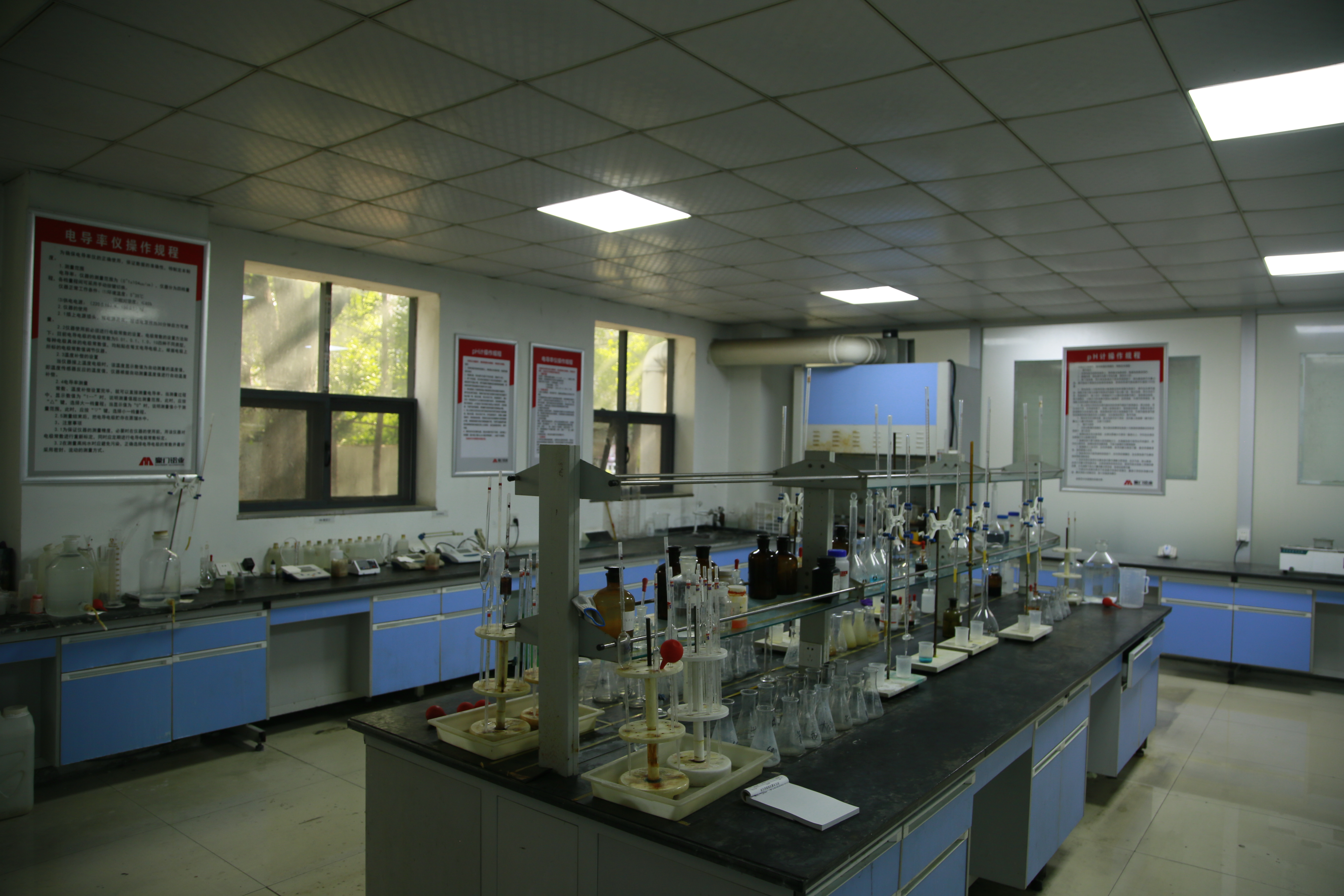
Specifications for these environments reference four national standards: GB/T 13326, GB/T 7106, JG/T 215 and GB/T 8484. GB/T 7106 covers the test method for air tightness, water tightness and wind pressure resistance, and GB/T 8484 covers thermal performance. Taken together they are the documentary basis for the five values in the table above.
Quality management is certified to GB/T 19001-2016 / ISO 9001:2015 under certificate 00226Q03185R501, issued by China Quality Mark Certification Group on 2026-07-02 and valid until 2029-07-01. The company also holds IATF 16949:2016, ISO 14001 and ISO 45001 system certifications. Buyers who need to file documentation with a project engineer can request the certificate and the standard references together with the profile drawings.
The same performance envelope is what makes the profiles relevant to green building programs. A K value of ≤ 2.5 W/m²·K combined with air tightness ≥ Level 6 and water tightness ≥ Level 4 supports the envelope performance targets sought under LEED and under China's 3-Star Green Building evaluation, so the profile specification can be submitted as part of the envelope package rather than as a separate item.
Step-by-Step Breakdown: Specifying the Right Profile for the Site
- Define the environmental load first. Coastal, plateau and rainy sites stress different values. Write the dominant risk into the specification before choosing a model, so the frame rating is a consequence of the site rather than a default.
- Fix the alloy and temper. 6063-T5 is the base for the HM-U series; 6061, 6005 and 6082 are available where a project requires higher mechanical strength.
- Match the finish to the atmosphere. Powder coating is the specified finish on HM-U003, HM-U004, HM-U001 and HM-U002; anodized, electrophoretic, wood grain transfer and mill finish options are available across the product family.
- Set the glass thickness inside the model range. 4–12 mm for the sliding door profiles, 5–12 mm for the sliding window profiles. Confirm the K value at the glass thickness actually specified.
- Confirm the five performance numbers. Air tightness ≥ Level 6, water tightness ≥ Level 4 (≥ 500 Pa), wind pressure resistance ≥ Level 6, K value ≤ 2.5 W/m²·K, sound insulation ≥ 30 dB.
- Collect the compliance documents. GB/T 13326, GB/T 7106, JG/T 215, GB/T 8484, plus the ISO 9001 certificate 00226Q03185R501 where the project requires a certified quality system.
- Validate before mass production. Orders are accepted with a pre-shipment test as the acceptance criterion, under quality control that tests 100% of production. Commercial terms at this stage are an MOQ of 5 tons, FOB delivery terms and 30/70 payment terms.
- Schedule production and shipping. Monthly capacity of 8,000 tons and a standard lead time of 20 days keep repeat orders on the same specification, and remote after-sales support covers the installation phase.
Use Cases
Brazil — window and door OEM program
A window and door manufacturer OEM in Brazil has purchased 2,000 tons of Haomen architectural aluminum profiles over a 10-year relationship for window and door applications. The result reported on the program is stable operation, with the profiles characterised by the customer as solid and durable — a useful reference point for buyers evaluating whether the same specification can hold up over a full building lifecycle rather than a single contract.
Coastal residential and resort projects
The controlling requirement is water tightness ≥ Level 4 (≥ 500 Pa) combined with a powder coated or anodized surface system. Because chloride attack is continuous rather than seasonal, the finish and the alloy have to be specified together, and drainage must be designed to clear salt-laden water instead of holding it in the track.
Plateau hotels and high-rise buildings
Here the controlling pair is wind pressure resistance ≥ Level 6 and K value ≤ 2.5 W/m²·K. High-altitude sites combine stronger wind with larger temperature differentials, so the frame has to limit both deflection and heat loss. Sound insulation ≥ 30 dB is often added at the same time for guest rooms and residential floors.
Monsoon-belt commercial and residential facades
Water tightness and air tightness carry the specification, because the volume of rain delivered against the facade under wind is the design condition. Sliding windows from the 5–12 mm glass range are typically used together with the sliding door profiles in the same system so that the facade presents a consistent pressure rating.
OEM and private-label programs
Haomen Aluminum provides OEM production services with LOGO customization for window and door manufacturers and importers who sell under their own brand, with main export markets in South America and Africa and remote after-sales support after delivery.
Comparison Table
Both tables use only the values specified for the HM-U series. Where a value applies to the series rather than to an individual model, it is shown at series level.
| Model | Application | Alloy | Finish | Glass thickness |
|---|---|---|---|---|
| HM-U003 | Sliding door | 6063-T5 | Powder coated | 4–12 mm |
| HM-U004 | Sliding door | 6063-T5 | Powder coated | 4–12 mm |
| HM-U001 | Sliding window | 6063-T5 | Powder coated | 5–12 mm |
| HM-U002 | Sliding window | 6063-T5 | Powder coated | 5–12 mm |
| Series performance envelope | Air tightness ≥ Level 6 · Water tightness ≥ Level 4 (≥ 500 Pa) · Wind pressure ≥ Level 6 · K ≤ 2.5 W/m²·K · Sound insulation ≥ 30 dB | 6063-T5 (6061 / 6005 / 6082 also available) | Powder coated, anodized, electrophoretic, wood grain transfer, mill finish | 4–6 m profile length |
| Environment | Dominant risk | Governing value | Specification response |
|---|---|---|---|
| Coastal | Chloride exposure and surface degradation | Water tightness ≥ Level 4 (≥ 500 Pa) | 6063-T5 with a specified powder coated or anodized finish; drainage designed to clear salt-laden water |
| Plateau | Design wind load and thermal cycling | Wind pressure ≥ Level 6; K ≤ 2.5 W/m²·K | Frame rating confirmed against site wind load, glass thickness set within 4–12 mm or 5–12 mm |
| Rainy / monsoon | Wind-driven rain | Water tightness ≥ Level 4 (≥ 500 Pa); air tightness ≥ Level 6 | Consistent pressure rating across door and window profiles in the same facade |
FAQ
Which standards and certifications apply to these sliding door and window aluminum profiles?
The HM-U003 and HM-U004 sliding door profiles and the HM-U001 and HM-U002 sliding window profiles are specified against four national standards: GB/T 13326, GB/T 7106, JG/T 215 and GB/T 8484. GB/T 7106 is the test method standard for air tightness, water tightness and wind pressure resistance, and GB/T 8484 covers thermal performance. The manufacturer's quality system is certified to GB/T 19001-2016 / ISO 9001:2015 under certificate 00226Q03185R501, issued by China Quality Mark Certification Group on 2026-07-02 and valid until 2029-07-01, with a scope covering anodized, electrophoretic coating, powder coating and thermal barrier architectural aluminum profiles.
Can Haomen Aluminum produce custom OEM sliding door and window profiles for a specific climate?
Yes. Haomen Aluminum provides OEM production services, with customization including LOGO, and works with buyers who need profiles matched to coastal, plateau or rainy performance targets. The company operates a 270,000 m² facility with an annual output of 100 thousand tons and an R&D team of 35 engineers, and provides remote after-sales support after delivery. Main export markets are South America and Africa, with export destinations that also include Brazil, Argentina, the United States, Canada, Australia, Russia, Germany and Spain.
What are the MOQ, delivery terms and payment terms?
The minimum order quantity is 5 tons. Delivery terms are FOB and payment terms are 30/70. Acceptance is defined by pre-shipment testing, so the performance values and finish are confirmed before the goods leave the factory rather than on arrival. Monthly capacity of 8,000 tons means repeat orders can be scheduled on the same specification without re-engineering the profile.
How are profiles validated before a full production run?
The defined acceptance criterion is pre-shipment testing, carried out under a quality control process that tests 100% of production. For a coastal, plateau or rainy project the validation checklist is the performance envelope — air tightness ≥ Level 6, water tightness ≥ Level 4 (≥ 500 Pa), wind pressure resistance ≥ Level 6, K value ≤ 2.5 W/m²·K and sound insulation ≥ 30 dB — together with the specified alloy, finish and glass thickness range (4–12 mm for sliding doors, 5–12 mm for sliding windows).
What is the lead time, and how do I start an order?
Standard lead time is 20 days against a monthly capacity of 8,000 tons and a minimum order quantity of 5 tons. To move from specification to order, start with the product data in the E-Catalog, confirm the environment, alloy, finish and glass thickness for your project, and send the profile list for a quotation.
Conclusion
Coastal, plateau and rainy projects do not need three different categories of aluminum profile. They need one profile family whose alloy, finish and performance class are known and documented, and a specification process that assigns the right value to the right risk: water tightness ≥ Level 4 (≥ 500 Pa) for driven rain and chloride exposure, wind pressure resistance ≥ Level 6 and K ≤ 2.5 W/m²·K for plateau wind and thermal cycling, and air tightness ≥ Level 6 with sound insulation ≥ 30 dB across all three.
Haomen Aluminum's HM-U003 and HM-U004 powder coated sliding door profiles and HM-U001 and HM-U002 sliding window profiles deliver that combination on a 6063-T5 base, within the 4–12 mm and 5–12 mm glass ranges, against GB/T 13326, GB/T 7106, JG/T 215 and GB/T 8484, and with a certified ISO 9001 quality system behind them. The Brazilian OEM program — 2,000 tons over ten years of stable operation — is the clearest available evidence that the specification is intended to last as long as the building.
Request the Profile Catalog or a Quotation
Download the E-Catalog for Shandong Haomen Aluminium Industry Co., Ltd. to review the HM-U series data, finishes and compliance documents: E-Catalog of Shandong Haomen Aluminio (PDF).
For project-specific quotations, OEM discussion or sample scheduling, contact:
Melisa Ying · Email: haomen2004@gmail.com · Tel / WhatsApp: +86 15153910991
Website: www.haomenly.com · Address: Ceshan Industrial Park, Linyi City, Shandong Province, China