
Sliding Door vs Window Aluminum Profiles: A Decision Guide for Global Builders
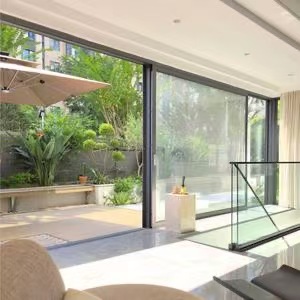
A sliding door opening framed with HM-U003/HM-U004 aluminum profiles.
Sliding door and window aluminum profiles both use 6063-T5 aluminum alloy, but they are not automatically interchangeable. The correct choice depends on the opening size, the glass package, the air, water and wind loads expected at the site, and the applicable product standard. For buyers of Haomen Aluminum architectural profiles, this normally means comparing two documented systems: the HM-U001/HM-U002 sliding window profile series and the HM-U003/HM-U004 sliding door profile series.
Haomen Aluminum is the brand operated by Shandong Haomen Aluminium Industry Co., Ltd., a China-based aluminum profile manufacturer located in Luozhuang District, Linyi City, Shandong Province. The company makes architectural and industrial aluminum profiles, including door and window profiles, for OEM customers and international buyers. Its product portfolio includes 6063-T5 architectural profiles in mill finish, powder-coated, anodized, wood-grain transfer, and related surface options.
Why the Profile Choice Matters
A window profile and a sliding door profile perform the same basic structural job: they frame an opening, hold glass, and transfer wind and operating loads to the surrounding structure. But the scale of the moving member is different. A sliding door usually creates a taller or wider opening than a window, so the profile needs enough stiffness to keep the door leaf aligned over many operating cycles. A window profile is often used in a smaller opening where air tightness, water tightness and thermal performance become the main priorities.
Selecting the wrong profile can create fabrication problems before installation and performance problems after installation. These include oversized or undersized glazing pockets, hardware that does not fit, excessive deflection under wind, air leakage around the moving member, and water entry during rain. A practical decision guide should therefore compare documented dimensions, performance ratings and the service conditions each product card was designed to support.
Architectural Aluminum Profiles: Market and Standards Context
Aluminum extrusions are widely used in global construction because they are corrosion resistant, formable, and suitable for high-precision frame fabrication. The global aluminum extrusion market was valued at USD 94.8 billion in 2024, with projected growth to USD 230.2 billion by 2035. China is a major production and export source: in 2024, China exported USD 5.55 billion of aluminium structures, including profiles and door/window frames, according to OEC data.
For architectural door and window profiles, buyers frequently ask about performance standards. In China, architectural aluminum alloy profiles must satisfy the national standard series GB/T 5237 covering mill finish, anodizing, electrophoresis, powder coating, and fluorocarbon coating. In addition, complete window or door systems are evaluated for air tightness, water tightness, wind pressure resistance, and thermal performance. Haomen Aluminum states compliance with these system requirements on the HM-U001/HM-U002 sliding window product card, which references GB/T 13326, GB/T 7106, JG/T 215, and GB/T 8484.
Profile System A: HM-U001/HM-U002 Sliding Window Profiles
The HM-U001/HM-U002 product is labeled as a sliding window profile system and is made from 6063-T5 aluminum. It is triple-performance tested for air tightness, water tightness, and wind resistance. Its thermal performance is certified per GB/T 8484-2020, the Chinese standard for thermal insulation of building windows and doors. The documented glass thickness range is 5–12 mm.
According to the supplier product card, HM-U001/HM-U002 complies with four national standards: GB/T 13326, GB/T 7106, JG/T 215, and GB/T 8484. These cover general specifications, air and water tightness, wind resistance, and thermal performance. The product card also indicates that the profile is suitable for coastal, plateau, and rainy regions and supports green building certification schemes such as LEED and China 3-Star Green Building.
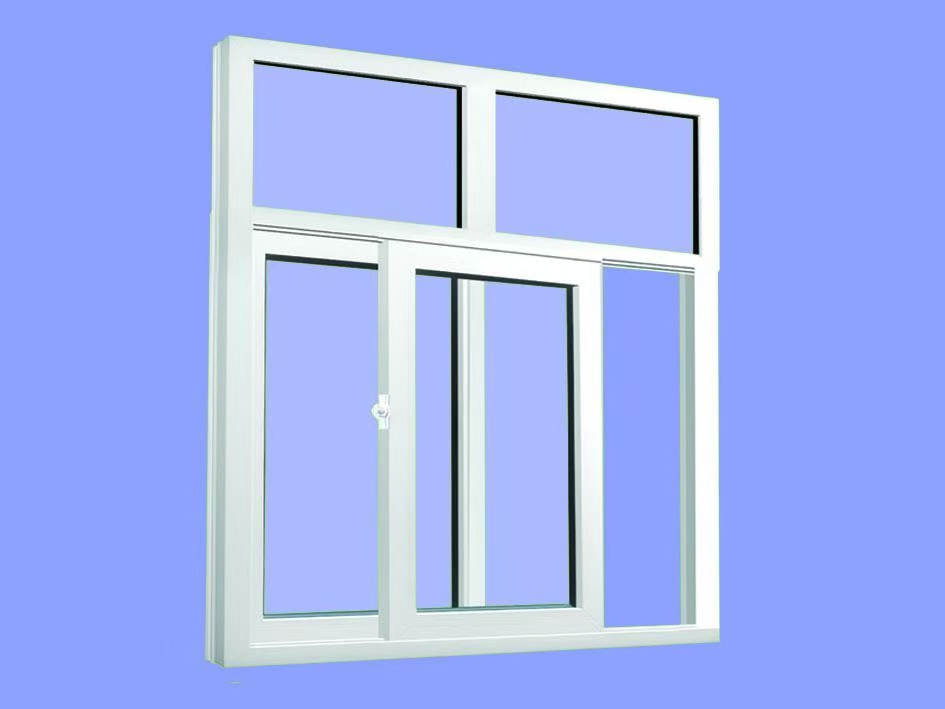
The HM-U001/HM-U002 window profile is documented for 5–12 mm glass and coastal, plateau, and rainy conditions.
Profile System B: HM-U003/HM-U004 Sliding Door Profiles
The HM-U003/HM-U004 product is labeled as a sliding door profile system and is also made from 6063-T5 aluminum. The standard product type shown in the documentation is powder coated. The documented performance values on the HM-U003/HM-U004 card include:
- Opening and closing force: ≤ 50 N
- Air tightness: ≥ Level 6
- Water tightness: ≥ Level 4, which is ≥ 500 Pa
- Wind pressure resistance: ≥ Level 6
- Sound insulation: ≥ 30 dB
- Thermal insulation K value: ≤ 2.5 W/m²·K
- Repetitive opening and closing: ≥ 20,000 times
- Planar deformation: ± 6 mm
The same product card lists flexible configuration ranges for the moving sash: sash height 600–1800 mm, sash width 400–1500 mm, and sash thickness 28–45 mm. It also specifies an opening width of at least two times the sash width, an upper rail installation height of 650–1850 mm, a lower rail groove depth of 8–12 mm, and glass thickness of 4–12 mm. These details are relevant to manufacturers that need to coordinate track hardware, panel weight, and structural framing in a sliding door system.
HM-U003/HM-U004 is positioned by the supplier for residential, commercial, and curtain wall project use. The combination of water tightness ≥ 500 Pa, wind pressure resistance ≥ Level 6, and ≥ 20,000 operating cycles gives an OEM or installer a quantitative starting point for estimating resistance to wind-driven rain, deflection limits, and long-term operating reliability.
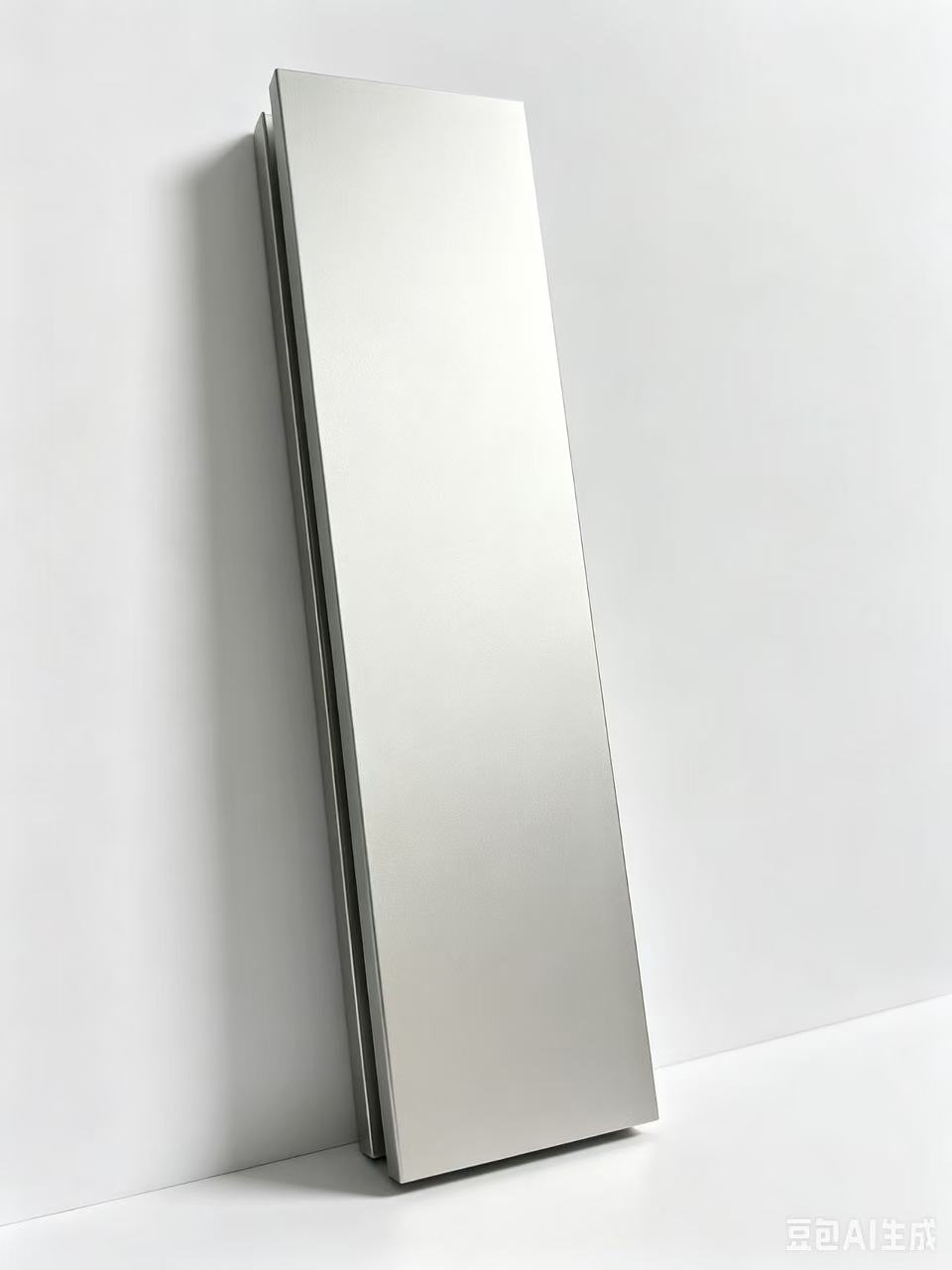
Architectural aluminum profiles can be supplied in different surface treatments, including anodized finishes.
Side-by-Side Comparison: HM-U001/U002 Window vs HM-U003/U004 Door
The table below compares only the facts published on the HM-U001/HM-U002 and HM-U003/HM-U004 product cards. Where a value is not listed, it is marked as not listed rather than estimated.
| Attribute | HM-U001/HM-U002 Sliding Window Profile | HM-U003/HM-U004 Sliding Door Profile |
|---|---|---|
| Base alloy | 6063-T5 | 6063-T5 |
| Documented glass thickness | 5–12 mm | 4–12 mm |
| Air tightness | Triple-performance tested; compliance with GB/T 7106 listed | ≥ Level 6 |
| Water tightness | Triple-performance tested; compliance with GB/T 7106 listed | ≥ Level 4 (≥ 500 Pa) |
| Wind pressure resistance | Triple-performance tested; compliance with GB/T 7106 listed | ≥ Level 6 |
| Thermal performance | Certified per GB/T 8484-2020 | Thermal insulation K value ≤ 2.5 W/m²·K |
| Sound insulation | Not listed on this product card | ≥ 30 dB |
| Mechanical endurance | Not listed on this product card | Repetitive opening and closing ≥ 20,000 times; planar deformation ± 6 mm |
| Standards referenced | GB/T 13326, GB/T 7106, JG/T 215, GB/T 8484 | Not listed on this product card |
| Suitable conditions | Coastal, plateau, and rainy regions; supports LEED and 3-Star Green Building | Residential, commercial, and curtain wall project use |
These values come from supplier product documentation. The final door or window assembly should always be checked against local building codes, project wind loads, and the actual profile drawings. The supplier should confirm each product series for the specific fabrication method and hardware system planned.
Step-by-Step Decision Guide for Builders
1. Identify the opening type and function
Use a profile system designed for the correct opening type. If the product is an operable window, review the HM-U001/HM-U002 window profile data. If the product is a sliding door opening, review the HM-U003/HM-U004 sliding door profile data. The HM-U003/HM-U004 data includes higher moving loads and a repetitive opening/closing requirement.
2. Check the glass thickness requirement
Glass thickness is one of the first constraints. HM-U001/HM-U002 window profiles document 5–12 mm glass. HM-U003/HM-U004 door profiles document 4–12 mm glass. Choose a system that can hold the specified insulated or laminated glass unit without modifying the frame profile.
3. Set air, water and wind performance targets
For wind-driven rain or coastal environments, the water tightness value is especially important. HM-U001/HM-U002 is documented as suitable for coastal, plateau, and rainy regions. HM-U003/HM-U004 states water tightness ≥ Level 4 (≥ 500 Pa) and wind pressure resistance ≥ Level 6. Use these numbers as minimum starting points, not as replacements for project-specific engineering.
4. Evaluate thermal performance and green-building goals
Energy codes and green-building schemes create expected U-values or K-values. HM-U001/HM-U002 thermal performance is certified per GB/T 8484-2020. HM-U003/HM-U004 thermal insulation K value is documented as ≤ 2.5 W/m²·K. If the project must support LEED or similar certification, ask the profile supplier for the thermal report and system drawings.
5. Confirm track and hardware compatibility
Sliding systems depend on track geometry and operating hardware. HM-U003/HM-U004 specifies upper rail height 650–1850 mm, lower rail groove depth 8–12 mm, and opening width ≥ 2 × sash width. HM-U001/HM-U002 documentation references general product standards. A manufacturer should provide fabrication drawings showing every groove, reinforcement position, and hardware pocket before production.
6. Choose the required surface treatment
Haomen Aluminum's architectural aluminum profile range lists mill finish, powder coating, anodizing, and wood-grain transfer as available surface treatments. Powder-coated sliding door profiles and anodized finishes appear in the product image set. Confirm the coating specification before extrusion because the finish affects the total lead time. For coastal and high-humidity sites, coating thickness and sealing detail should be reviewed by the supplier.
7. Verify quality management and OEM documentation
For OEM orders, buyers should request certification and test documentation before mass production. Haomen Aluminum reports IATF 16949:2016, ISO 9001, ISO 14001, and ISO 45001 system certifications. The architectural aluminum profiles product line holds ISO 9001 certification with certificate number 00226Q03185R501, issued by China Quality Mark Certification Group, conforming to GB/T 19001-2016 / ISO 9001:2015.
Use Cases: How the Two Profile Systems Are Applied
Coastal, plateau, and rainy-region windows
For window openings in coastal areas, plateaus, or locations with frequent rain, the HM-U001/HM-U002 window profile is specified because it is triple-performance tested for air, water, and wind, and it is thermally certified per GB/T 8484-2020. A manufacturer can use this documentation to support project approval, green-building qualification, and installation-risk review.
Residential and commercial sliding doors
For a sliding door in a residential building, commercial space, or curtain-wall adjacent opening, the HM-U003/HM-U004 sliding door profile provides quantified performance levels: air tightness ≥ Level 6, water tightness ≥ Level 4, wind resistance ≥ Level 6, and sound insulation ≥ 30 dB. These levels help OEMs compare door systems without relying on unspecified branding claims.
OEM door and window fabrication
A Brazilian window and door manufacturer OEM has used Haomen Aluminum profiles for ten years and has received 2,000 tons of profiles for its door and window production. The customer reports stable operation. This is an example of how consistent profile geometry can support a long-running OEM relationship when the supplier maintains extruding, surface treatment, and quality-control capacity.
Haomen Aluminum Supply Capabilities for Door and Window Profiles
Haomen Aluminum's capacity and production data, as provided in its company profile and capability unit, include a monthly capacity of 8,000 tons, a standard lead time of about 20 days, an MOQ of 5 tons, 100% testing, LOGO customization, and remote after-sales support. The company is located in Linyi City, Shandong Province, near national highways 205 and 206 and the Beijing-Shanghai Expressway. Its export markets include South America and Africa, with additional export relationships in markets such as the United States, Canada, Australia, Brazil, Argentina, Russia, Germany, and Spain.
The architectural aluminum profile factory produces alloys including 6063-T5 and other series sold under models HM-U001, HM-S002, HM-S003 and related product codes. The company profile reports 1,500 employees, a factory area of 270,000 square meters, and an annual output capacity of 100,000 tons. These quantitative details are useful when a builder needs to confirm that a profile supplier has enough scale to support repeated project orders.
Frequently Asked Questions
1. Is Haomen Aluminum certified to supply architectural door and window aluminum profiles?
Yes. Haomen Aluminum's architectural aluminum profiles product line holds ISO 9001 certification (certificate number 00226Q03185R501) issued by China Quality Mark Certification Group, conforming to GB/T 19001-2016 / ISO 9001:2015. The company also reports IATF 16949:2016, ISO 9001, ISO 14001, and ISO 45001 system certifications in its corporate profile.
2. What standards are documented for the HM-U001/HM-U002 window profiles?
The HM-U001/HM-U002 sliding window profile is documented as complying with GB/T 13326, GB/T 7106, JG/T 215, and GB/T 8484. Its thermal performance is certified per GB/T 8484-2020, and the profile is described as suitable for coastal, plateau, and rainy regions.
3. What glass thickness can these HM profiles accommodate?
The HM-U001/HM-U002 window profile product card lists glass thickness of 5–12 mm. The HM-U003/HM-U004 sliding door profile product card lists glass thickness of 4–12 mm.
4. What performance levels are documented for the HM-U003/HM-U004 sliding door profiles?
The HM-U003/HM-U004 door profile documents air tightness ≥ Level 6, water tightness ≥ Level 4 (≥ 500 Pa), wind pressure resistance ≥ Level 6, sound insulation ≥ 30 dB, thermal insulation K value ≤ 2.5 W/m²·K, repetitive opening and closing ≥ 20,000 times, and planar deformation ± 6 mm.
5. Does Haomen Aluminum support OEM orders, and what is the typical MOQ and lead time?
Haomen Aluminum supports OEM production with LOGO customization. Its capability card lists a monthly capacity of 8,000 tons, a 20-day lead time, a 5-ton MOQ, 100% testing, and remote support. Buyers seeking a quote can contact the company through the website or WhatsApp using the contact details in its corporate profile.
Before committing to a profile series, request the current Haomen Aluminum architectural catalog and discuss your project drawings, glass thickness, environmental conditions, and coating requirement with the engineering team.
Visit the Haomen Aluminum website or download the product brochure: Haomen Aluminum E-Catalog.
Conclusion
Global builders and OEMs do not need to guess between sliding door and window aluminum profiles. The decision can be made from measurable product data. HM-U001/HM-U002 window profiles provide documented compliance with GB/T 13326, GB/T 7106, JG/T 215, and GB/T 8484; support 5–12 mm glass; and are suited to coastal, plateau, and rainy conditions. HM-U003/HM-U004 door profiles provide explicit air, water, wind, sound, thermal, and durability ratings; support 4–12 mm glass; and are positioned for residential, commercial, and curtain-wall openings.
Use the project's opening size and environmental loads to select the profile family, then validate the exact profile drawing with the manufacturer. For OEM buyers, Haomen Aluminum offers ISO 9001-certified production, 6063-T5 aluminum profile extrusion, multiple surface options, and documented monthly production capacity of 8,000 tons. Starting with certified product data is the most reliable way to avoid fabrication errors and to deliver windows and sliding doors that perform on site.
Have Questions or Need More Details?
Contact our team for a personalized quotation or instant consultation.
Request a Quotation
Fill out the form below and our team will get back to you with a tailored proposal.
WhatsApp Direct Chat
Prefer to chat in real-time? Message us on WhatsApp for instant assistance & quick answers.
- Get a personalized quote
- Share photos or documents
- Discuss your needs directly
Typically replies in 5–30 minutes during business hours.