Specifying Aluminum Profiles for Coastal, Plateau, and High-Wind Projects: Rain, Corrosion, and Load Requirements
Aluminum window and door profiles that look identical in a showroom can behave very differently on a coastline, a plateau, or an exposed elevation. Rain, salt-laden air, ultraviolet exposure, and wind pressure attack the same assembly from four directions at once, and problems usually appear where the drainage path, the coating surface, and the frame-to-leaf interface meet.
For those projects, Haomen Aluminum matches two product families to the environment rather than to a generic catalogue: the HM-U001 / HM-U002 sliding window, which is suitable for coastal, plateau, and rainy regions, and the HM-U003 / HM-U004 door, which carries a wind resistance rating of Level 6 or above. This guide turns those two product lines into a working specification — what to verify, what to write into the purchase order, and which project type each family fits.
At a glance:
- Coastal, plateau, and rainy regions: HM-U001 / HM-U002 sliding window.
- Wind-exposed openings: HM-U003 / HM-U004 door, wind resistance ≥ Level 6.
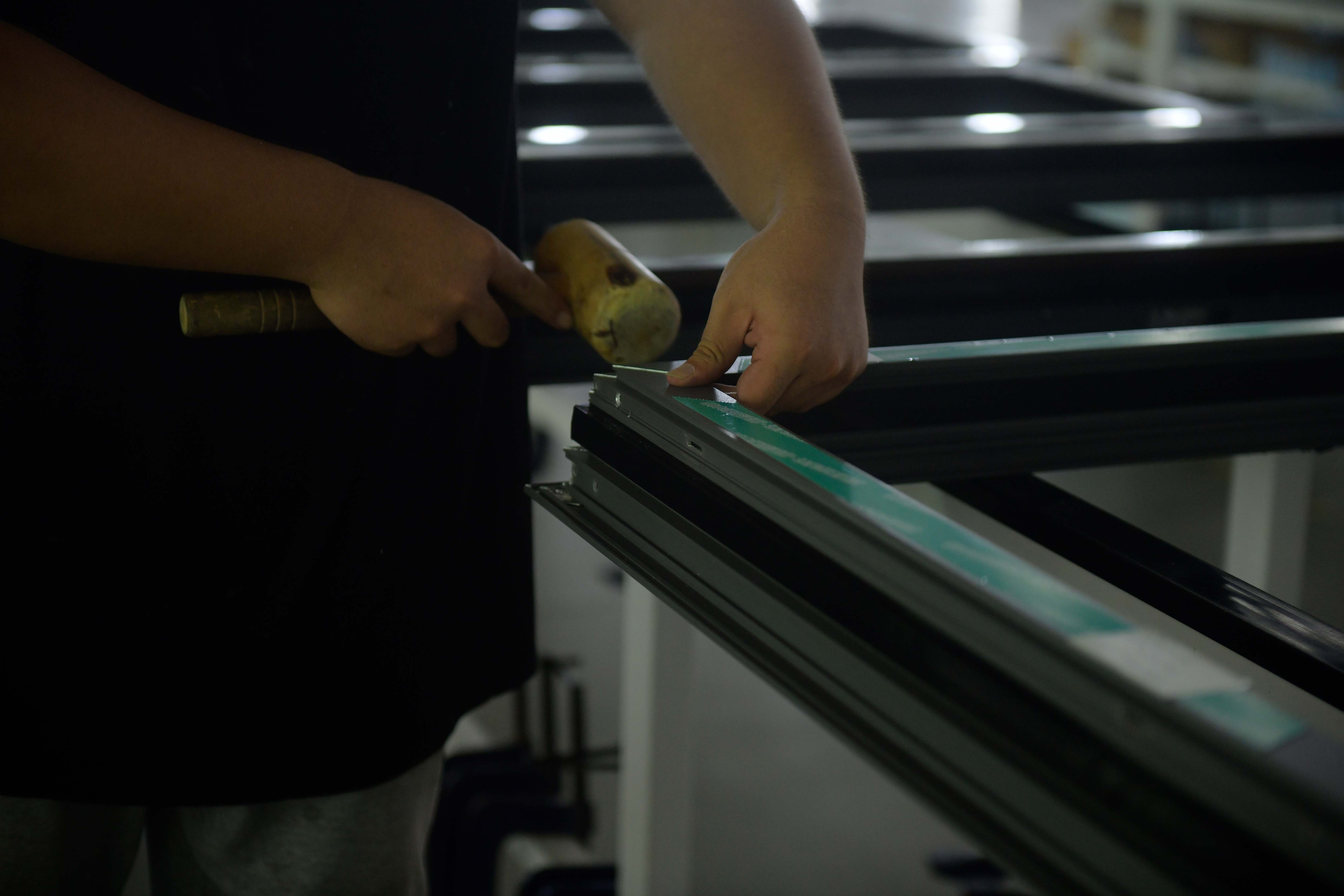
- Corrosion control is enforced through material screening, anodizing, coating process control, sealed moisture-proof packaging, and finished-product corrosion testing before shipment.
- Commercial basis for export orders: MOQ 5 tons, FOB delivery terms, 30/70 payment terms, pre-shipment acceptance testing.
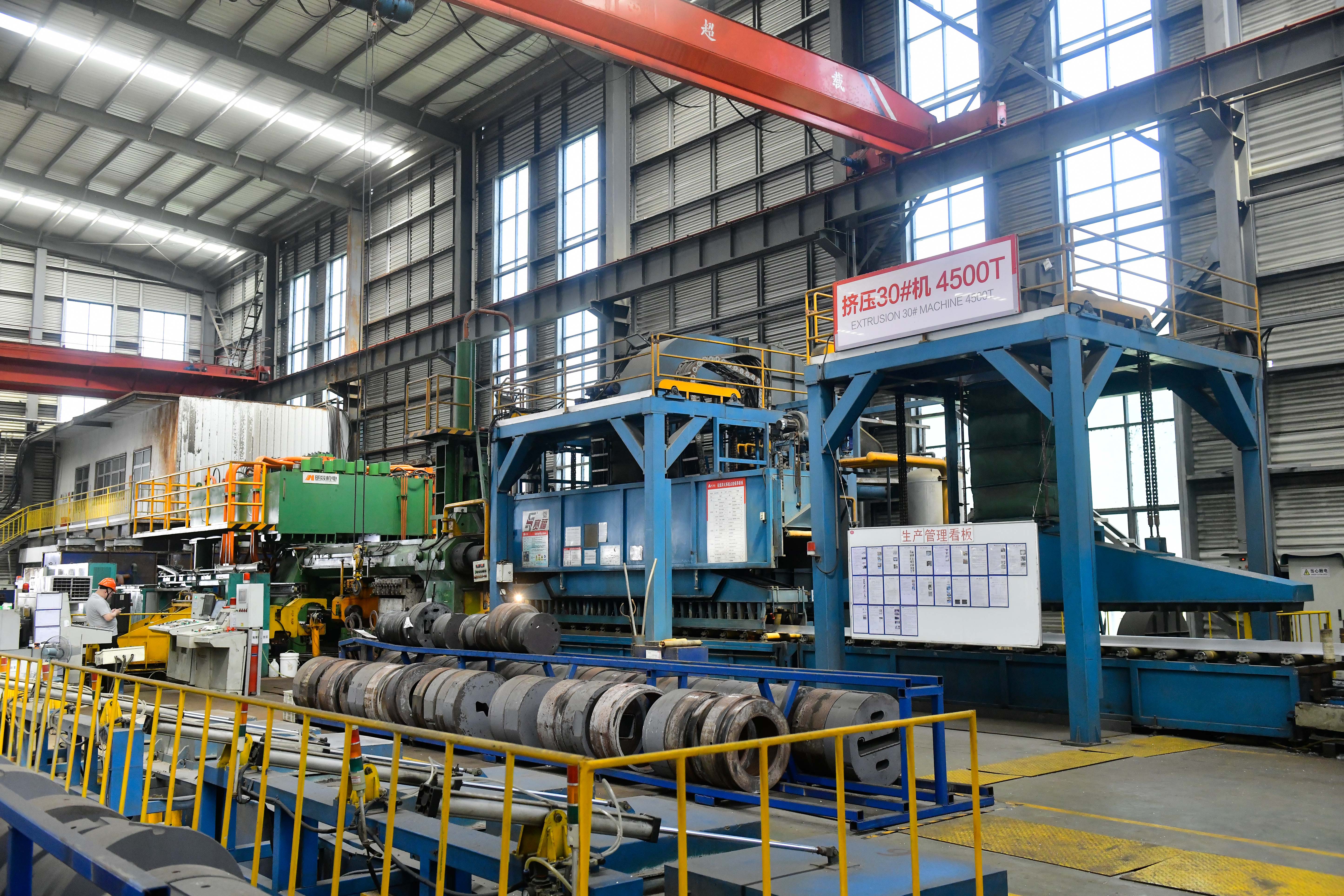
Haomen Aluminum — Shandong Haomen Aluminium Industry Co., Ltd. — is a Chinese aluminum profile manufacturer founded in 2004, operating from Luozhuang District, Linyi City, Shandong Province. The company runs a 270,000 m² facility with approximately 1,500 employees and an annual output of 100,000 tons, and it produces aluminum profiles for windows and doors as its main product line.
Problem Definition: What Fails First in Coastal, Plateau, and High-Wind Installations
Environmental failure in aluminum joinery is rarely a single event. It is a sequence, and each stage has a different specification lever behind it.
- Chloride-driven corrosion. In coastal air, salt deposits sit on profile surfaces and inside drainage channels. Where rainwater cannot drain or evaporate, the coating barrier is the only thing separating the metal from the electrolyte. Coating defects — thin edges, unsealed cut ends, mechanical damage in transit — become the starting points.
- Wind-driven rain. On exposed elevations, rain does not fall; it is pushed horizontally by pressure differences. Water that is driven past the first seal and not managed by the drainage path reaches the interior. Sliding assemblies with large glazed panels are the common location for this.
- Plateau exposure. High-altitude sites combine stronger ultraviolet radiation with wide day-to-night temperature swings and intense rainfall events. Coating chalking, seal hardening, and condensation inside the frame cavity are the recurring themes rather than visible metal loss.
- Wind load and deflection. Wind pressure acts on the whole assembly. A frame that deflects beyond its design limit opens gaps at the seals, and door leaves that are not held within the frame under load stop being weather-tight regardless of how good the gaskets are.
- Degradation in transit. For imported projects, a significant share of corrosion risk is created between the factory gate and the site. Profiles stacked in a humid container, with unprotected mill finish or coated surfaces rubbing together, can arrive already compromised.
The practical consequence is that “anodized” or “powder coated” alone is not a specification. The order needs the coating system, the alloy, the environmental class of the project, the wind rating of the opening, and the packaging and acceptance method — stated separately.
Industry Background: Why Environmental Specification Has Become a Procurement Question
Aluminum extrusion is a large and still expanding category, and a growing share of it moves across borders into construction projects. According to Orion Market Research, the global aluminum extrusion market was valued at USD 94.8 billion in 2024 and is projected to reach USD 230.2 billion by 2035. Grand View Research reports that Asia Pacific held a 71.7% revenue share of the aluminum extrusion market in 2025, driven primarily by construction and automotive demand in China.
Export flows reflect that concentration. OEC data shows that China’s export of “Aluminium Structures” (HS 7610), which includes profiles and window/door frames, totaled USD 5.55 billion in 2024 — 30.5% of global exports. Orion Market Research values the China aluminum extrusion market at USD 25.5 billion in 2024, with a projected CAGR of 9.6% through 2035.
For a project buyer, three standards decide whether an imported profile is acceptable:
| Standard | Region | What it covers |
|---|---|---|
| GB/T 5237 (Parts 1–6) | China | Mandatory series for architectural aluminum alloy profiles; covers mill finish, anodizing, electrophoresis, and powder/fluorocarbon coatings. |
| EN 755 | EU | Hot extruded aluminum products — dimensional and mechanical requirements. |
| EN 12020 | EU | Precision profiles in alloys 6060 and 6063. |
| IATF 16949:2016 | Global | Mandatory requirement for suppliers of aluminum components such as crash-management systems and structural frames to major automotive OEMs. |
The important shift for coastal and high-wind projects is that coating selection is now a standards question, not a color question. GB/T 5237 separates mill finish, anodizing, electrophoresis, and powder/fluorocarbon coatings into distinct parts, which means a purchase order can name the finish system explicitly instead of relying on a sample chip.
Detailed Solution: Matching Haomen Aluminum Product Families to Rain, Altitude, and Wind
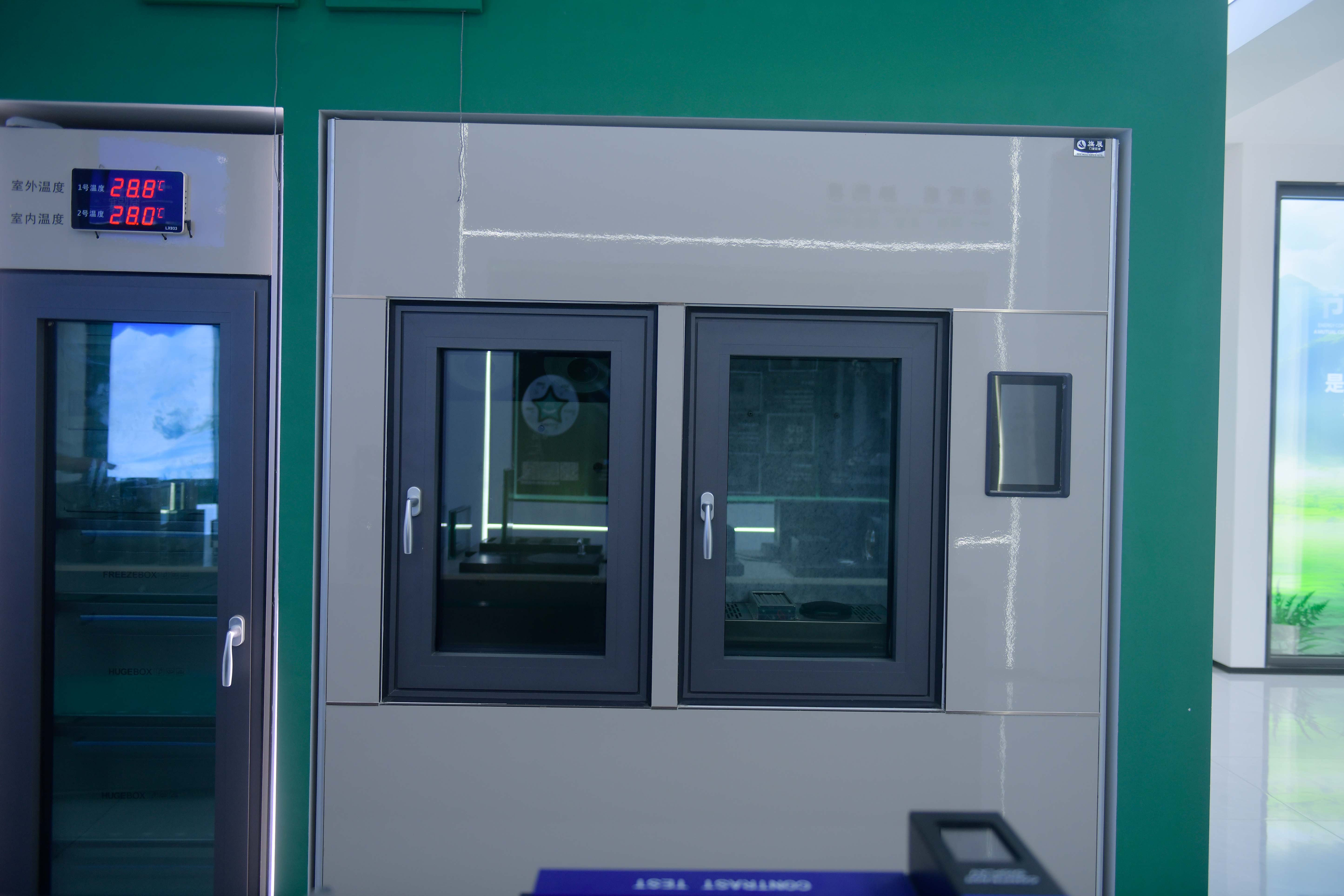
HM-U001 / HM-U002 sliding window — coastal, plateau, and rainy regions
The HM-U001 and HM-U002 are sliding window profile systems positioned for coastal, plateau, and rainy environments. That positioning is the starting point of the specification rather than the end of it: it tells the buyer that these systems are intended for projects where rainwater volume, chloride exposure, or intense ultraviolet radiation is a design condition, and that the associated corrosion-control measures described below apply as standard practice for these orders.
For a project on an exposed coastline or an upland site, the specified combination is a coated profile from this family with a sealed drainage path and a packaging method that survives a sea freight container. The window family is also the correct choice where the design intent is a large sliding opening with a low operation force, because the sliding geometry keeps the glazed pane inside the frame line.
HM-U003 / HM-U004 door — wind resistance ≥ Level 6
The HM-U003 and HM-U004 are door profile systems with a wind resistance rating of Level 6 or above. Wind resistance is the specification that matters when the opening is large, when the building is exposed, or when the door is the primary access point on a façade that takes direct wind pressure. A door on a coastal or plateau project is a different engineering problem from a window: the leaf must remain located in the frame, perimeter seals must stay compressed, and the hardware must not be the component that determines performance under load.
Because these two ratings come from the same source data set as the window positioning, they can be stated together in one specification document. A typical coastal or plateau façade package therefore reads: windows from the HM-U001/HM-U002 family, doors from the HM-U003/HM-U004 family, both finished and packaged under the corrosion-control regime below.
Corrosion control: material selection through sealed delivery
The corrosion-control scope applied by Haomen Aluminum covers the full chain rather than a single process step:
- Incoming material inspection — strict checks on raw material before extrusion.
- High-purity aluminum raw material screening — material selected before it enters the process, not corrected afterwards.
- Anodizing anti-corrosion processing — an electrochemical treatment used as the corrosion-resistance route for applicable profiles.
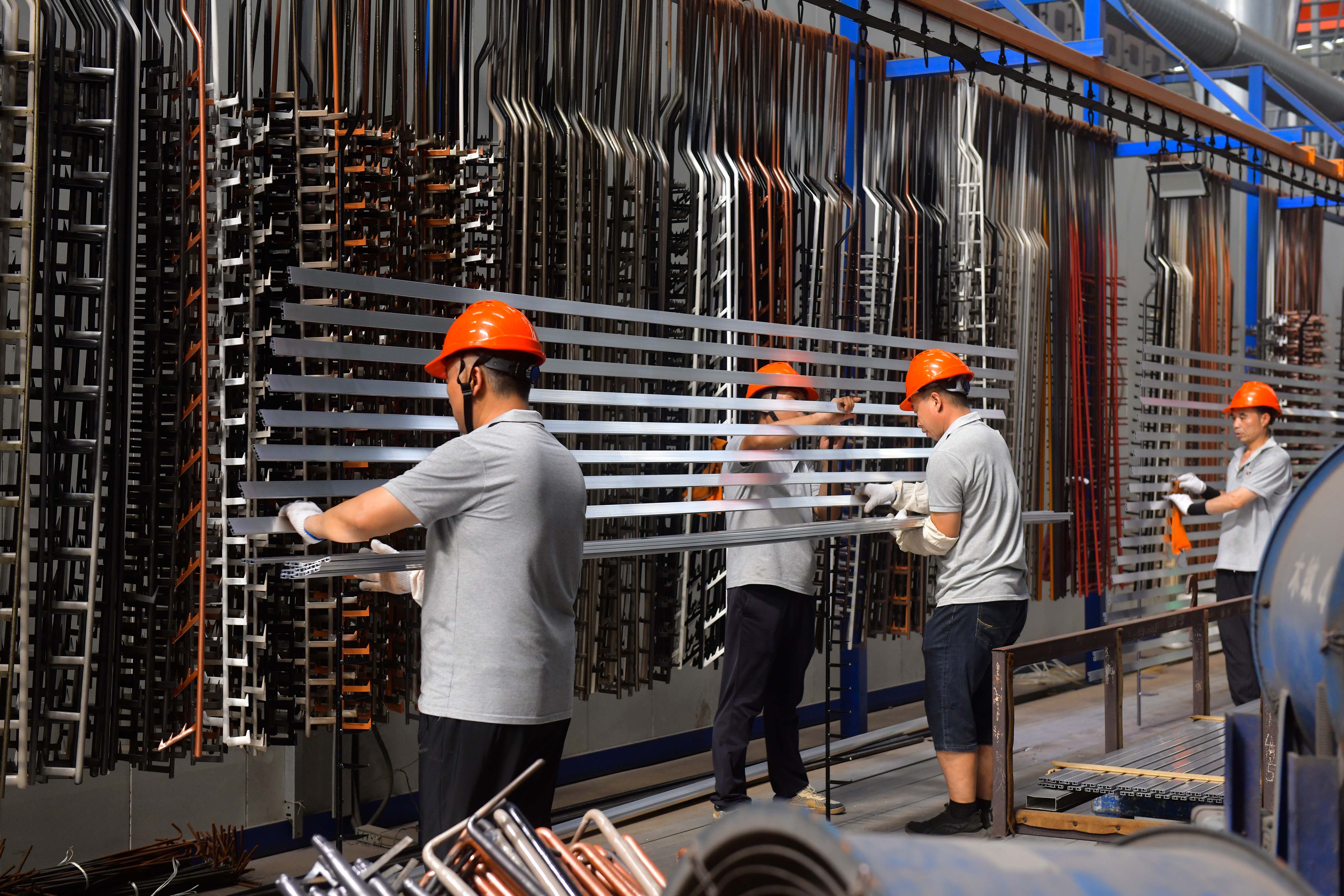
- Standardized anti-corrosion coating production process — a defined, repeatable coating procedure rather than operator-dependent application.
- Sealed moisture-proof packaging and packaging testing — protection designed for the transit leg, validated as a step.
- Finished-product corrosion testing before shipment — testing at the end of the line, before the container is loaded.
This is the part of the specification that a price comparison often misses. Two suppliers can quote the same alloy and the same coating name and still deliver different outcomes if one of them tests finished profiles before shipment and the other does not.
Coating systems and what they are selected for
Haomen Aluminum supplies architectural profiles across the standard finish range — mill finish, anodized, electrophoresis, powder coated, wood grain transfer, and fluorocarbon coated — in addition to 6063-T5 and 6061-T6 high-strength architectural profile options, curtain wall profiles, outdoor fence profiles, and OEM/ODM extrusion work.
| Finish system | Covered by GB/T 5237 as | Typical specification role in exposed projects |
|---|---|---|
| Mill finish | Part 1 (base material) | Substrate state; not a final exterior finish for coastal exposure. |
| Anodized | Part 2 | The finish system associated with the anodizing anti-corrosion process used in the Haomen corrosion-control scope. |
| Electrophoresis | Part 3 | Electro-deposited coating option within the mandatory series. |
| Powder coated | Part 4 | Widely specified architectural coating for color-controlled façades. |
| Fluorocarbon coated | Part 5 range | Coatings category included in the GB/T 5237 series. |
| Wood grain transfer | Decorative transfer finish | Appearance-driven option where a timber look is required on an aluminum substrate. |
Finish selection should be confirmed against the project’s corrosion environment and the applicable standard part before the order is placed.
Step-by-Step: Specifying a Coastal, Plateau, or High-Wind Package
The sequence below is the order in which decisions should be locked. Changing a later step after an earlier one is fixed is what usually causes a project to accept a profile that is technically fine but environmentally wrong.
- Classify the environment of each elevation. Coastal, plateau, rainy, or high-wind is not a building-level label; it is an opening-level label. A sheltered courtyard elevation and an exposed sea-facing elevation on the same project can require different finish decisions.
- Assign the product family to the opening. Sliding windows in coastal, plateau, and rainy zones map to the HM-U001 / HM-U002 system. Doors in wind-exposed locations map to the HM-U003 / HM-U004 system with wind resistance ≥ Level 6.
- Name the coating system against a standard part. Use GB/T 5237 Parts 1–6 for China-based supply, or EN 755 / EN 12020 where European dimensional and precision references apply. Specify color and gloss separately from coating type.
- Confirm the corrosion-control scope in writing. Require incoming material inspection, high-purity aluminum raw material screening, anodizing anti-corrosion processing where applicable, standardized anti-corrosion coating production, and finished-product corrosion testing before shipment.
- Fix the packaging and acceptance method. Fully sealed moisture-proof packaging with packaging testing is the transit protection standard; pre-shipment testing is the acceptance criterion. Agree in advance which tests are witnessed and which are documented.
- Lock commercial terms and plan repeat supply. MOQ 5 tons, FOB delivery terms, 30/70 payment terms. For phased projects, confirm that the same profile, coating, and packaging specification can be repeated across later orders — this is the point at which a project becomes a long-term supply relationship rather than a single shipment.
Use Cases: Where the Specification Changes the Outcome
1. Coastal residential sliding windows
Sea-facing apartment elevations with large sliding openings. The environmental load is chloride exposure plus wind-driven rain, and the cladding package is typically anodized or coated aluminum. The HM-U001/HM-U002 sliding window family is the matched product here, combined with the anodizing anti-corrosion route in the corrosion-control scope and sealed moisture-proof packaging for the sea freight leg.
2. Plateau hotel and institutional projects
High-altitude sites combine strong ultraviolet load with intense rain events and large temperature swings. Sliding windows in these locations fall into the same HM-U001/HM-U002 specification family, with the coating system chosen for ultraviolet stability rather than color match alone.
3. Wind-exposed entrance and balcony doors
Where a door faces open wind — a coastal promenade frontage, an exposed stair core, or a corridor end — the HM-U003/HM-U004 door with wind resistance ≥ Level 6 is the appropriate product family. The specification point to verify is the wind rating of the assembly, not the wall thickness of a single profile.
4. Export projects into South America and Africa
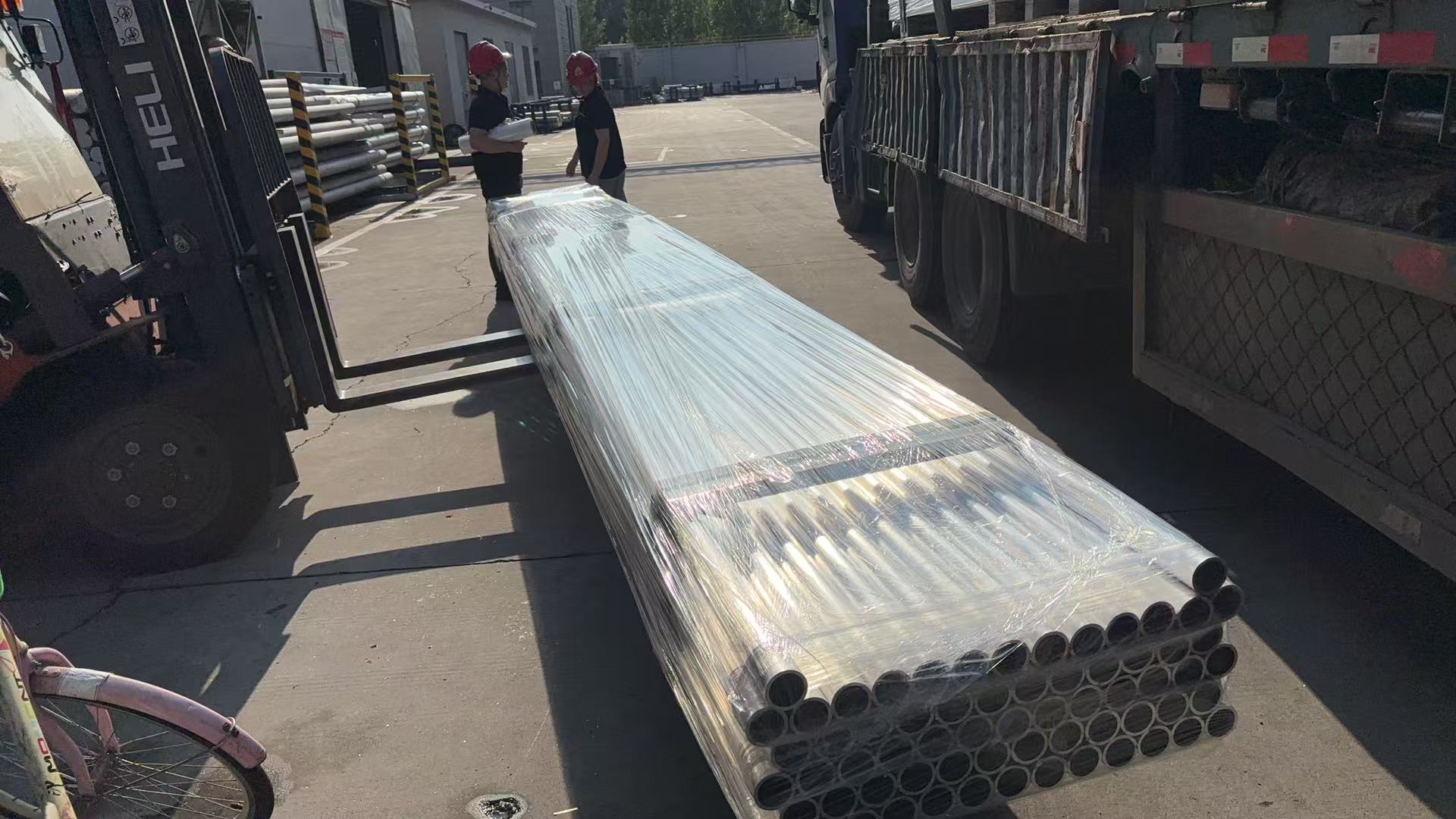
Haomen Aluminum’s stated export markets include South America and Africa, with an export ratio of 10%. Long sea routes and humid container conditions make the sealed moisture-proof packaging and pre-shipment corrosion testing steps the practical difference between a compliant delivery and a claim.
Comparison Table
The first table maps each environment to the requirement it creates and to the verified control applied. The second compares the two Haomen Aluminum product families on the attributes confirmed in the source data.
| Environment | Primary requirement | Specified control |
|---|---|---|
| Coastal | Corrosion resistance against chloride-laden air and rainwater | Product family: HM-U001 / HM-U002 sliding window (coastal / plateau / rainy suitability). High-purity aluminum raw material screening; anodizing anti-corrosion process; standardized anti-corrosion coating production; finished-product corrosion test before shipment. |
| Plateau / high altitude | Ultraviolet and temperature-cycle stability with intense rainfall | Same HM-U001 / HM-U002 sliding window suitability; coating system selected from the mill finish, anodizing, electrophoresis, powder, fluorocarbon and wood grain transfer range governed by GB/T 5237. |
| Rainy regions | Water management and dimensional sealing | HM-U001 / HM-U002 sliding window suitability; sealed moisture-proof packaging and packaging testing for the transport phase. |
| High wind | Resistance to wind pressure at the opening | HM-U003 / HM-U004 door with wind resistance ≥ Level 6. |
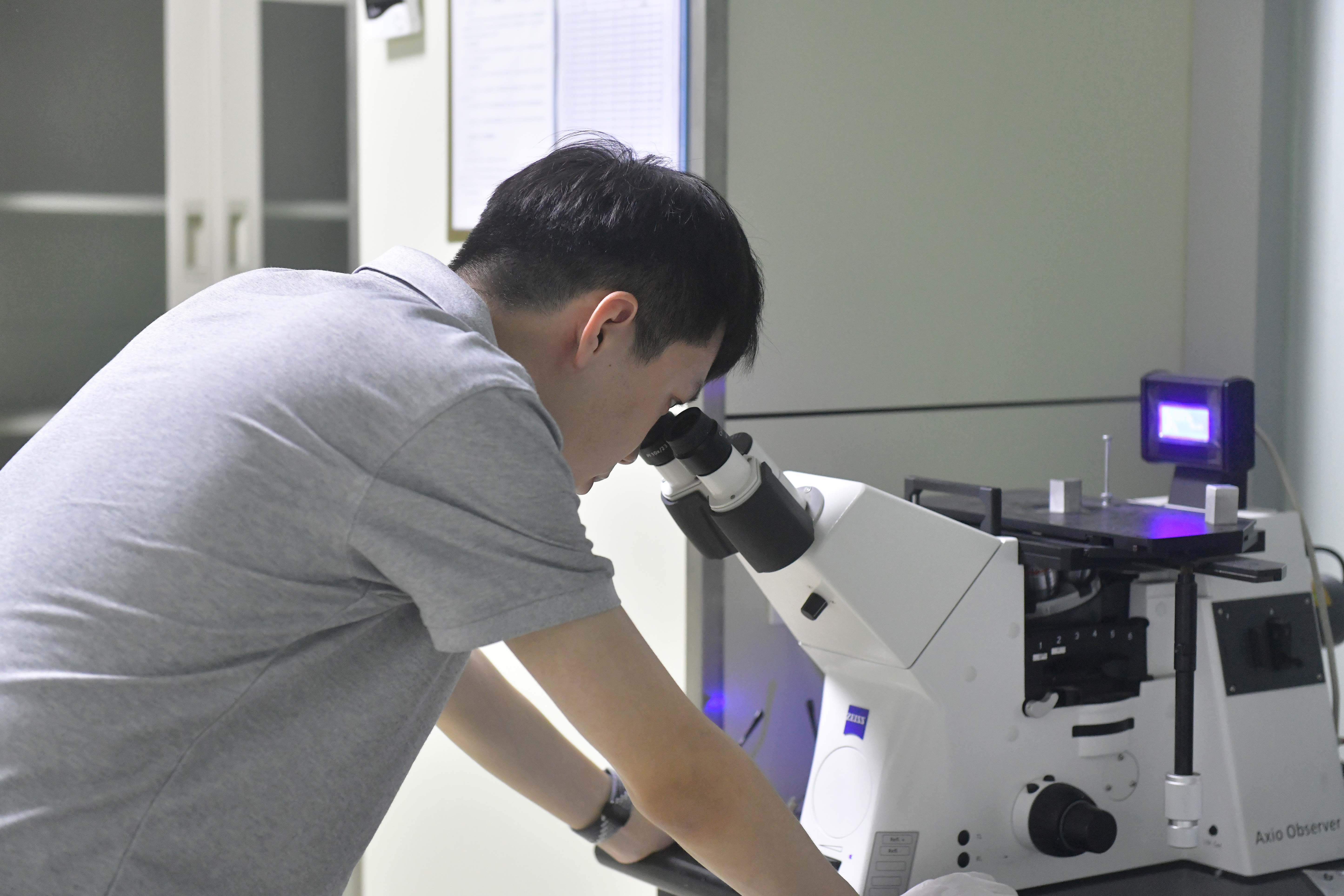
| Transit / container | Protection between factory and site | Strict incoming material inspection, fully sealed moisture-proof packaging, pre-shipment corrosion testing. |
| Attribute | HM-U001 / HM-U002 sliding window | HM-U003 / HM-U004 door |
|---|---|---|
| Confirmed environmental suitability | Coastal, plateau, and rainy regions | Wind-exposed openings |
| Confirmed wind resistance rating | Not stated in the source data | ≥ Level 6 |
| Typical role in a coastal or plateau package | Façade glazed openings on exposed elevations | Entrance, balcony and access openings subject to direct wind pressure |
| Corrosion-control scope | Shared: incoming material inspection, high-purity aluminum raw material screening, anodizing anti-corrosion processing, standardized anti-corrosion coating production, sealed moisture-proof packaging with testing, finished-product corrosion testing before shipment | |
| Commercial basis | MOQ 5 tons; FOB delivery terms; 30/70 payment terms; pre-shipment test as acceptance criterion | |
Attributes not confirmed in the source data are marked as not stated rather than estimated.
Frequently Asked Questions
1. Which standards should a coastal or high-wind aluminum profile order be checked against?
Architectural aluminum alloy profiles in China must comply with the mandatory GB/T 5237 series (Parts 1–6), which covers mill finish, anodizing, electrophoresis, and powder/fluorocarbon coatings. For European projects, EN 755 governs hot extruded products and EN 12020 covers precision profiles in alloys 6060 and 6063. Haomen Aluminum holds IATF 16949:2016, ISO 9001, ISO 14001, and ISO 45001 system certifications, and in 2019 the Shandong Provincial Technology Research Center was established within the company.
2. How do the HM-U001/HM-U002 sliding window and the HM-U003/HM-U004 door differ in environmental suitability?
The HM-U001 and HM-U002 are sliding window profile systems suited to coastal, plateau, and rainy regions — environments where corrosion and rain management drive the specification. The HM-U003 and HM-U004 are door profile systems with a wind resistance rating of Level 6 or above, which makes them the appropriate family where wind pressure at the opening is the governing load. A typical exposed project uses both families, with the window system on glazed façade openings and the door system on access and entrance openings.
3. What drives the commercial cost of a coastal aluminum profile order?
The main commercial variables recorded for Haomen Aluminum orders are MOQ of 5 tons, FOB delivery terms, 30/70 payment terms, and pre-shipment testing as the acceptance criterion. On the product side, Haomen’s window and door profiles are stated with a purity above 98.5%, a quality guarantee period of more than 10 years, better thermal insulation and energy-saving performance, and a recorded cost difference of 10% lower than traditional architecture aluminum profiles for window and door, alongside longer service life and a longer usage time.
4. How is quality validated before a coastal project shipment leaves the factory?
Validation runs from incoming material to finished goods. Strict incoming material inspection precedes extrusion; high-purity aluminum raw material screening and anodizing anti-corrosion processing address corrosion resistance; a standardized anti-corrosion coating production process controls the finish; fully sealed moisture-proof packaging with packaging testing protects the profiles in transit; and finished-product corrosion testing is carried out before shipment. Pre-shipment testing is the agreed acceptance criterion for the order.
5. What does long-term supply look like for a phased coastal or plateau project?
A single shipment and a multi-phase project are specified differently. Haomen Aluminum was founded in 2004 and operates a 270,000 m² facility with around 1,500 employees, 35 engineers, and an annual output of 100,000 tons, with an R&D structure that includes a 2019 Shandong Provincial Technology Research Center and cooperation with Shanghai Jiao Tong University, Shandong University, and the Beijing Research Institute of Nonferrous Metals. That capacity is what allows the same alloy, coating, and packaging specification to be repeated across later phases. Orders are placed at MOQ 5 tons on FOB terms with 30/70 payment, and export markets include South America and Africa. To take the next step, request the Haomen Aluminum E-Catalog or send your project’s environment class, opening schedule, and finish requirement for a specification review and quotation.
Conclusion: Specify the Environment, Then the Profile
Coastal, plateau, and high-wind projects do not fail because the aluminum was the wrong material. They fail because the specification stopped at the alloy name. The working sequence is to classify each opening, assign the product family — HM-U001/HM-U002 sliding window for coastal, plateau, and rainy regions; HM-U003/HM-U004 door with wind resistance ≥ Level 6 for wind-exposed openings — then name the coating against GB/T 5237 or EN 755 / EN 12020, and finally lock the corrosion-control, packaging, and acceptance steps into the purchase order.
Haomen Aluminum supplies these families from a 270,000 m² facility in Linyi City, Shandong Province, with 100,000 tons of annual output and a corrosion-control scope that runs from raw material screening to finished-product testing before shipment. For buyers at the decision and execution stage, the most useful next action is to send the projects’ environment classes and opening schedules and request the matching profile specification and quotation.
Next Step
Download the Haomen Aluminum E-Catalog for the full profile and finish range: E-Catalog of Shandong Haomen Aluminio (PDF)
Send your coastal, plateau, or high-wind project requirements — environment class, opening schedule, alloy and finish, target quantities — for a specification review, sample request, or quotation.
Website: www.haomenly.com | Blog: blog.haomenly.com
Contact: Melisa Ying — haomen2004@gmail.com | Tel / WhatsApp: +86 15153910991
Address: Ceshan Industrial Park, Linyi City, Shandong Province, China