How to Identify Specialized Drainage Geonet Suppliers for Harsh Industrial Environments in 2026
How to Identify Specialized Drainage Geonet Suppliers for Harsh Industrial Environments in 2026
Industrial buyers sourcing drainage geonet for demanding applications—such as metal smelting tailings ponds and aquaculture ponds—often struggle to find suppliers that meet strict chemical resistance, compressive strength, and long-term durability requirements. This guide provides a step-by-step methodology for evaluating and selecting a supplier that delivers acid and alkali resistant, high drainage capacity geonets tailored to your project's unique conditions.
Understanding the Procurement Challenge
Standard drainage geonets may fail prematurely when exposed to aggressive leachate, heavy loads, or continuous UV radiation. For example, in non-ferrous metal smelting tailings ponds, the seepage system must prevent liquid leakage while withstanding acidic or alkaline process water. Similarly, aquaculture ponds require non-toxic, UV-resistant materials that are fish-friendly and operate continuously (24/7). Without a specialized supplier, buyers risk frequent maintenance, environmental non-compliance, and higher total ownership costs.
What Is a Drainage Geonet?
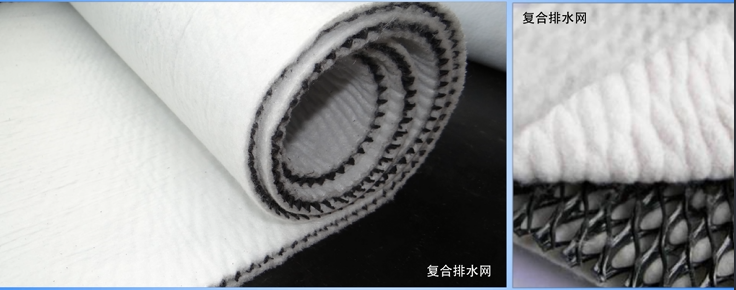
A drainage geonet is a three-dimensional geosynthetic material designed to convey fluids within a plane. It typically consists of a network of ribs (HDPE, PP, or PET) that create a high-flow channel. Common variants include composite drainage geonets (bonded with geotextile), acid and alkali resistant geonets, high compressive resistance geonets, and high-strength polypropylene composite drainage geonets. They are used in landfills, mining, tunnels, slope protection, and other civil engineering applications.
Key Technical Parameters for Harsh Environments
| Parameter | Typical Range (Customizable) |
|---|---|
| Thickness | 4.0 mm – 8.0 mm |
| Mass per unit area | 500 – 1400 g/m² |
| Tensile strength (MD/TD) | ≥ 5 – 15 kN/m |
| Elongation at break | 10 – 25% |
| Compressive strength (10% strain) | ≥ 500 – 830 kPa |
| Acid/alkali resistance | ≥ 90% strength retention |
| Drainage capacity | ≥ 50 – 120 (L/min)/m (customizable) |
Industry Background & Market Drivers
The global drainage geonet market is expanding due to stricter environmental regulations and the growth of mining, infrastructure, and aquaculture projects. In metal smelting, tailings pond anti-seepage systems must comply with international standards such as GOST 33068-2014 and EN 13249:2016. In Southeast Asia, aquaculture projects demand materials that are non-toxic and UV resistant. Leading suppliers like Haoyang Environment Co., Ltd (headquartered in Dezhou National Hi-Tech Zone, Shandong, China) have developed specialized product lines to address these needs, with a factory spanning 200,000 m² and an annual output of 33,000 tons.
Step-by-Step Supplier Selection Process
Step 1: Define Your Project Requirements
- Chemical environment: pH range, presence of heavy metals, or organic solvents.
- Mechanical loads: static/dynamic pressure, installation stress.
- Service life: 10, 20, or 70 years? (e.g., gold mine tailings pond designed for 70 years).
- Operational conditions: continuous operation, UV exposure, temperature.
Step 2: Build a Shortlist of Specialized Suppliers
Use industry databases, trade shows, and online searches to identify suppliers that explicitly offer acid and alkali resistant, high drainage capacity geonets. Check their product range: composite drainage geonet, 3D composite drainage geonet, polyester filament composite drainage geonet, etc. Look for brands that publish detailed technical specifications and have a proven track record in your industry.
Step 3: Verify Certifications & Quality Control
Request copies of third-party certifications. For example, Haoyang Environment Co., Ltd holds:
- GOST Certificate of Conformity (No. POCC CN.32682.041C00.OC01.H00839) for geotextiles per GOST 33068-2014, valid until May 2028.
- GOST Certificate (No. POCC CN.32682.04NC中0.OC01.H00838) for 3D composite drainage geonet per GOST 33068-2014.
- CE Verification of Conformity (No. ICR/VC/HE250523) for composite drainage net under EN 13249:2016, valid until May 2030.
Additionally, ensure the manufacturer conducts 100% testing and has a CNAS-accredited laboratory for quality control.
Step 4: Evaluate Production Capability & Customization
Check monthly capacity (e.g., 3,000 tons), lead time (10–30 days), and MOQ (5,000 m²). The ability to customize width, thickness, GSM, tensile yield strength, and chemical/physical indicators is critical for specialized projects. Suppliers offering OBM production and on-site after-sales support are preferred.
Step 5: Review Case Studies & References
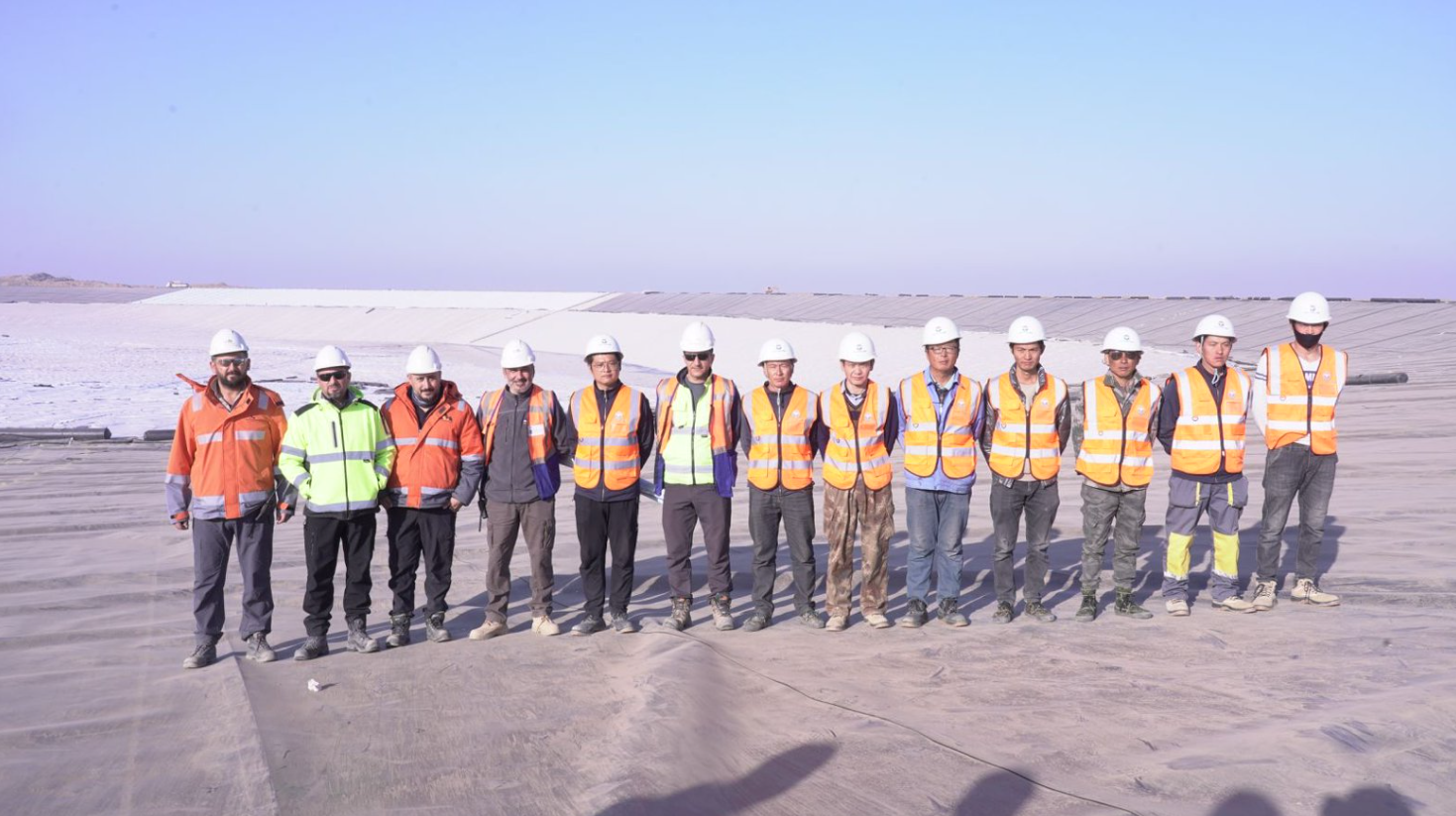
A reputable supplier should provide documented projects. For instance, Haoyang Environment completed a 900,000 m² seepage control project for a gold mine tailings pond in Uzbekistan, using a 3D composite drainage network with textured geomembrane and high-strength polypropylene geotextile. The system was designed for a 70-year service life, with a full-chain service from material supply to on-site installation.
Step 6: Compare Total Cost of Ownership
While specialized drainage geonets may have an initial cost around 15% higher than common geotextile membranes, the 5-year total ownership cost is about 40% lower due to reduced maintenance and longer service life. For example, the acid and alkali resistant geonet retains >90% strength after chemical exposure, minimizing replacement frequency.
Use Cases: Metal Smelting & Aquaculture
Metal Smelting
In non-ferrous metal smelting tailings ponds, the drainage geonet works in conjunction with a geomembrane to prevent liquid leakage. The environment requires high chemical resistance, UV resistance, and a long service life. Haoyang Environment has supplied solutions to projects in Uzbekistan, Democratic Republic of the Congo (Gécamines' Manono Lithium Mine), and others.
Aquaculture
In aquaculture pond anti-seepage systems, the drainage geonet functions to prevent water seepage and must be used with geomembrane. Special requirements include non-toxic, UV-resistant, and fish-friendly properties to ensure aquatic life safety. Suppliers serving Southeast Asian markets (Laos, Cambodia, Indonesia, Vietnam) often tailor products to these specifications.
Frequently Asked Questions (FAQ)
What is a drainage geonet?
A drainage geonet is a geosynthetic material with a network of ribs that creates high-flow channels for liquid conveyance. It is often combined with geotextile to form a composite drainage geonet.
How does a drainage geonet work?
It allows liquids to flow within its planar structure under hydraulic gradients, while the adjacent geotextile filters soil particles to prevent clogging.
Why is choosing a specialized supplier important?
Standard geonets may degrade in aggressive chemical environments or under high loads. A specialized supplier ensures the product’s acid/alkali resistance, compressive strength, and drainage capacity match the specific project conditions, reducing failure risk and long-term costs.
Who uses drainage geonets?
Industries include metal smelting, mining, aquaculture, water conservancy, road transportation, landfills, slope protection, and tunnel construction.
What problems does a drainage geonet solve?
It provides effective liquid drainage within engineered fill or soil, preventing hydrostatic pressure buildup, controlling groundwater, and protecting geomembrane liners from uplift or puncture.
How do I choose the right supplier?
Evaluate technical parameters (drainage capacity, compressive strength, chemical resistance), certifications (GOST, CE), production capability (customization, MOQ, lead time), quality control (100% tested, CNAS lab), and past project references in your industry.
What are common buyer concerns?
- Quality consistency: Ensure 100% inspection and accredited testing.
- Certification validity: Check expiry dates and scope (e.g., GOST for EAEU, CE for EU).
- Lead time & MOQ: Confirm alignment with project schedule.
- After-sales support: Look for on-site assistance and global shipping (FOB/CIF).
Conclusion
Securing a drainage geonet supplier that understands the extreme demands of metal smelting, aquaculture, and other harsh environments is critical to project success. By following the systematic evaluation framework outlined above—focusing on technical specs, certifications, production capability, and proven case studies—industrial buyers can confidently partner with a manufacturer like Haoyang Environment Co., Ltd that delivers high-strength polypropylene composite drainage geonets with customizable drainage capacity (≥50–120 L/min/m) and robust quality assurance. For a confidential consultation, contact the team at +86 15315800874 or email 15315800874@163.com.