How Water Leak Detection Works: A Homeowner's Guide to Finding Hidden Leaks Before They Cause Damage
How Water Leak Detection Works: A Homeowner's Guide to Finding Hidden Leaks Before They Cause Damage
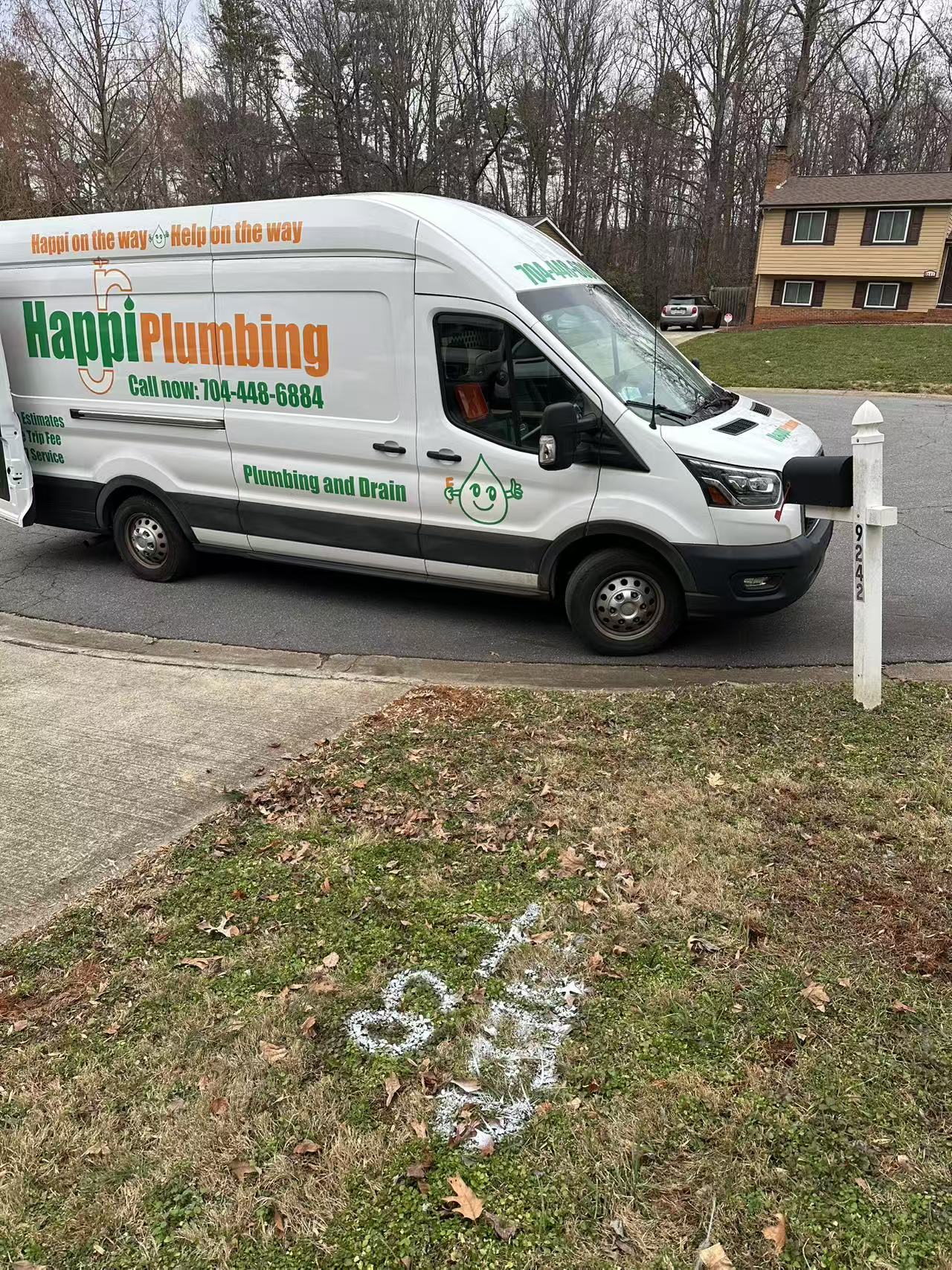
Water leak detection is the process of locating leaks in underground pipes, wall cavities, and other concealed plumbing without unnecessary destruction. It matters because even a small leak can waste water, raise utility bills, and cause structural damage over time. Modern detection uses specialized tools—including acoustic sensors, thermal imaging, and non-invasive testing—to pinpoint the exact location before repair begins.
Why Leaks Are Hard to Find
Most plumbing runs are hidden behind walls, under floors, or buried underground. When a pipe fails, the water rarely appears directly above the break. A slab leak may surface as a warm spot on the floor or a crack in the foundation. A leaking hot water pipe might simply cause a higher energy bill. This is why guesswork is both expensive and destructive—opening walls and digging trenches without a confirmed location often leads to unnecessary repairs and additional damage.
Household leaks are not a small or rare problem. According to the U.S. Environmental Protection Agency (EPA), household leaks waste nearly 1 trillion gallons of water annually in the United States alone. That statistic helps explain why professional leak detection is not just a convenience—it is a genuine property protection measure.
Common causes of hidden leaks include:
- Old or corroded pipes, such as aging cast iron or galvanized lines that naturally degrade over time.
- High water pressure that stresses joints and fittings.
- Tree roots infiltrating underground drainage pipes.
- Temperature changes that cause pipes to expand and contract.
- Poorly sealed joints or improper installation.
How Professional Water Leak Detection Works
Professional leak detection is a systematic process. It is not a single tool but a combination of methods used to confirm, narrow, and verify a leak location before any repair begins.
Step 1: Visual Inspection and Customer Interview
The technician begins by reviewing symptoms—such as unexplained water bills, damp walls, low pressure, or unusual sounds. A visual check of visible pipes, water heater connections, ceilings, and floors often provides early clues. Comparing current meter readings against typical usage can also confirm whether a leak exists at all.
Step 2: Non-Invasive Testing and Acoustic Listening
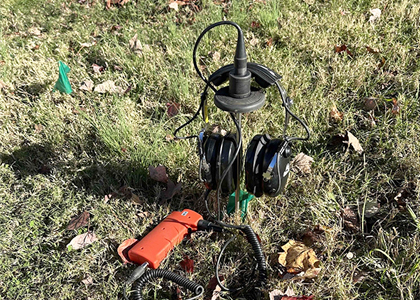
Leak detection with sonar, often called acoustic leak detection, is one of the most widely used techniques. Water escaping a pipe under pressure creates a distinct sound. Electronic listening devices amplify this sound through floors, walls, and pavement. Experienced technicians can trace the sound to find the strongest point, which usually marks the leak's location. This method is especially effective for underground water leak detection and slab leaks.
Step 3: Thermal Imaging and Moisture Mapping
Infrared cameras detect temperature differences in building materials. A hot water pipe leak, for example, may produce a warm, damp area detectable through drywall. Thermal imaging helps narrow the search area without opening walls.
Step 4: Video Camera Inspection
For drainage pipe leak detection, a high-definition sewer camera is inserted into the pipe. The camera provides real-time footage of cracks, blockages, root intrusion, and pipe displacement. It also records the condition of the line, helping technicians recommend whether a simple repair or a trenchless repipe water line is needed.
Step 5: Confirmation and Repair Plan
Once the leak is located, the technician marks the exact spot and recommends the least invasive repair. This may include pipe repair, spot excavation, or trenchless repiping. In many cases, precise leak location service reduces the need for demolition—saving time, money, and property value.
Types of Leaks a Professional Detection Service Covers
Water leak detection services cover a broad range of scenarios. Homeowners and property managers in the Greater Charlotte area commonly need help with:
| Leak Type | Common Location | Typical Signs |
|---|---|---|
| Underground Water Leak Detection | Buried water lines, main service lines | Wet spots in yard, unexplained high water bill, low pressure |
| Hot Water Pipe Leak Detection | Hot water recirculation lines, under slab | Warm floors, higher water heating costs |
| Cold Water Pipe Leak Detection | Supply pipes in walls or floors | Unexplained water stains, musty odors, dampness |
| Hidden Concealed Leak Detection | Behind walls, under floors, in ceilings | Discoloration, peeling paint, mold growth |
| Drainage Pipe Leak Detection | Main drain lines, sewer laterals | Slow drains, gurgling sounds, sewage odors |
| Sprinkler System Leak Detection | Irrigation lines, valve boxes | Wet spots in lawn, controller running longer than usual |
| Water Main Leak Detection | Main supply line from meter to house | High bill, puddles near meter or right-of-way |
| Emergency Water Leak Detection | Anywhere; after a burst pipe or sudden leak | Visible water, rapidly spreading moisture, water damage |
Because each scenario requires a different combination of tools, a provider's experience and equipment matter. Happi Plumbing Corporation operates across Union County, Mecklenburg County, Cabarrus County (NC), and York County and Lancaster County (SC), and uses advanced diagnostic methods to support both residential and commercial properties.
The Real Cost of Delaying Leak Repair
Hidden leaks rarely fix themselves. The cost of delay usually appears in several forms:
- Property damage: Continuous moisture can rot framing, damage drywall, and promote mold growth.
- Foundation risk: Slab leaks can undermine foundations, leading to cracks and even structural instability.
- Utility spikes: Water escaping through an invisible leak does not show up in household use, but it definitely shows up on the bill.
- Business disruption: For restaurants and commercial facilities, a hidden leak can force closures, damage inventory, and disrupt tenants.
Market context: The global water leak detector market was estimated at USD 1.3 billion in 2024 and is projected to reach USD 2.2 billion by 2034. North America held more than 50% of the leak detection and repair market revenue in 2023—reflecting how central this issue is for American properties.
Professional water leak detection services in 2026 typically range from $150 to $600 depending on location and complexity, according to Forscher Property Inspections. More complex cases, such as slab leak detection, can cost more—often between $200 and $900+. Compared with the cost of tearing out walls or foundations, professional detection is generally a small investment with a large protective payoff.
When to Call a Professional Leak Detection Service
It is time to call a professional when you notice any of the following:
- Your water bill increases sharply with no change in usage.
- You hear running water when all fixtures are off.
- Walls, ceilings, or floors show stains, bubbling, or warping.
- You smell musty odors that suggest moisture buildup.
- Your water pressure drops for no obvious reason.
- You notice warm spots on the floor (a common sign of hot water pipe leaks).
- Your yard has wet patches that appear even in dry weather.
For urgent situations—burst pipes, active leaks, or emergencies requiring quick response—same-day or 24/7 emergency water leak detection is especially important. The sooner a leak is located, the sooner the damage can be controlled.
What to Expect During a Water Leak Detection Visit
A professional leak detection visit is designed to be low-disruption. Here is what typically happens:
- Booking and call-ahead confirmation. You schedule a visit by phone or online, and the technician confirms arrival time.
- On-site evaluation. The technician listens to your symptoms, checks visible areas, and records conditions.
- Non-invasive testing. Electronic listening discs, thermal cameras, and other tools are used to narrow the leak location.
- Camera or further diagnostics if needed. For drain or sewer line leaks, a high-definition camera may be used to inspect the inside of the pipe.
- Clear explanation. You should be shown the evidence—such as a recording, thermal image, or readings—so you understand the problem.
- Repair recommendation. You receive a clear plan with repair options, including whether a trenchless repipe water line replacement is necessary.
When choosing a provider, look for clear pricing practices and licensed professionals. Happi Plumbing, for example, offers free on-site estimates and enforces a flat No Trip Fee policy, meaning you do not pay hidden surcharges simply for a technician to arrive. The company is A+ rated and BBB Accredited, which provides an independent quality signal.
Choosing a Leak Detection Professional in the Greater Charlotte Area
For residents and business owners in the Greater Charlotte area—including Matthews, Waxhaw, Union County, Mecklenburg County, Cabarrus County, York County, and Lancaster County—selecting the right leak detection provider is a decision worth making carefully.
Key points to evaluate:
- Licensing and experience. Licensed professionals bring verified knowledge of local plumbing codes and techniques.
- Diagnostic capability. Does the provider use electronic leak detection, thermal imaging, and video inspection? Or are they relying primarily on guesswork?
- Transparent pricing. Flat trip-fee policies, free estimates, and written quotes reduce the risk of surprises.
- Customer verification. BBB accreditation and structured review patterns are helpful signals.
- After-service follow-through. A provider that follows up after service is more likely to care about long-term results.
Based on available public market data, professional water leak detection in the U.S. generally costs between $150 and $600 for typical residential jobs. Slab leak detection and complex underground cases usually cost more. When comparing quotes, compare the scope of diagnostic work—not just the bottom-line number.
Frequently Asked Questions About Water Leak Detection
Is water leak detection considered a standard residential plumbing service?
Yes. Water leak detection falls under professional plumbing and drain services. It is one of the core services offered by plumbing companies serving residential and commercial clients. In the Greater Charlotte area, licensed plumbing providers such as Happi Plumbing Corporation routinely perform leak detection for homeowners, property managers, and commercial clients. The process uses non-invasive tools to locate leaks before repair, and the service can be booked directly through a plumbing company's phone line, website, or email.
Can professional leak detection find leaks behind walls and underground?
Yes. Professional leak detection is designed specifically for hidden concealed leak detection and underground water leak detection. Acoustic listening devices trace the sound of escaping water through walls, floors, and pavement. Thermal imaging identifies temperature differences from moisture. Video cameras inspect the inside of drainage pipes. Using these combined methods, technicians can locate hot water pipe leaks, cold water pipe leaks, sprinkler system leaks, and water main leaks without opening every wall or trench. When repeated attempts fail, a trenchless repipe water line may be considered to replace old, failing pipes.
Does leak detection cost more than $600?
It can, depending on the situation. Professional water leak detection services in 2026 typically range from $150 to $600 for standard cases, according to industry data from Forscher Property Inspections. Slab leak detection often costs more, frequently between $200 and $900+. For emergency water leak detection, after-hours service may also add cost. Since every leak is different, comparison between providers should focus on the diagnostic tools and methods included—not just the quoted price.
Will leak detection require tearing open walls or floors?
In most cases, no. The goal of professional leak detection is to minimize destruction. Non-invasive methods such as sonar listening, thermal imaging, moisture mapping, and video inspection are used first. A technician marks the precise location so repair can be limited to one small area. In cases where pipes are severely deteriorated, a trenchless repipe water line can often replace old lines without major demolition.
What should I do if I suspect a hidden leak right now?
Start by checking your water meter. Turn off all fixtures, record the meter reading, wait 15 to 30 minutes, and check again. If the reading moves, the leak is likely real. Then call a professional leak detection service to confirm and locate the problem before it causes further damage. If you notice active water flow, water stains spreading, or a loss of hot water, treat it as an emergency and contact a plumbing provider that offers rapid response.
Conclusion: Find the Leak Before It Finds You
Hidden water leaks are one of the most preventable causes of property damage. The combination of modern diagnostic tools, skilled interpretation, and timely action can protect your home or business from structural decay, mold, utility spikes, and major repair bills.
Understanding how water leak detection works also helps you choose a provider with confidence. Look for transparent pricing, licensed technicians, and a systematic approach that uses evidence rather than guesswork. In the Greater Charlotte region, Happi Plumbing Corporation provides residential, commercial, and emergency leak detection services with free on-site estimates and a flat No Trip Fee policy. If you suspect a hidden leak, you can reach out for a professional assessment before the problem grows.
Suspect a hidden water leak? Get a precise, no-gamble leak assessment.
Happi Plumbing offers free on-site estimates and a flat No Trip Fee policy across the Greater Charlotte area, including Matthews and Waxhaw, NC. Call 704-448-6884 or email service@happiplumbing.com.
Contact Happi Plumbing