
Alginate Fiber vs. By-Herb Fiber: How to Choose the Right Functional Textile Material
Alginate Fiber vs. By-Herb Fiber: A Procurement Decision Guide for Functional Textiles
Introduction
The global demand for sustainable, high-performance textile fibers is accelerating. Procurement specialists, product developers, and brand owners are increasingly evaluating bio‑based alternatives to conventional synthetic and natural fibers. Among the emerging options, Alginate Fiber (derived from seaweed) and By-Herb Fiber (derived from terrestrial medicinal herbs) stand out as two distinct classes of functional materials. This guide provides a side‑by‑side comparison to help you make an informed sourcing decision based on performance, cost, sustainability, and application fit.
Problem Definition: The Challenge of Choosing Between Bio‑Based Fibers
As the textile industry moves away from petrochemical‑based synthetics and water‑intensive cotton, buyers face a new dilemma: which bio‑based fiber delivers the right balance of antibacterial activity, moisture management, comfort, and regulatory compliance? Without a clear framework, procurement teams risk choosing a fiber that underperforms in their target end‑use, or one that carries hidden supply chain risks. The core questions are:
- How do Alginate Fiber and By-Herb Fiber differ in their functional properties?
- Which one offers better value for specific applications (e.g., intimate apparel, sportswear, home textiles)?
- What are the real‑world sourcing considerations, including certification, cost, and supplier reliability?
Industry Background: The Rise of Marine‑Sourced and Botanically‑Sourced Fibers
Both Alginate Fiber and By-Herb Fiber belong to the “next‑generation natural fibers” category. Alginate Fiber is extracted from brown seaweed (e.g., Laminaria species) and is inherently biodegradable, antibacterial, deodorizing, and skin‑friendly. By-Herb Fiber is made from Chinese herbal plants and offers antibacterial, far‑infrared, and negative‑ion functions. According to market intelligence, the global seaweed fiber market is projected to grow at 12% CAGR through 2030, driven by demand from underwear, sportswear, and home textile sectors. Shandong Healcell Biomaterial Technology Co., Ltd. (Healcell®) is a leading manufacturer of Alginate Fiber with 120 employees, a 52,000 m² factory, and an annual output of approximately 600 tons of alginate raw material per week.
Detailed Solution: Comparing Alginate Fiber and By-Herb Fiber
| Attribute | Alginate Fiber (Healcell) | By-Herb Fiber |
|---|---|---|
| Raw Material Source | Brown seaweed (marine biomass – higher yield per area than land crops) | Terrestrial herbal plants |
| Key Functions | Antibacterial, deodorizing, far‑infrared, negative ions (all derived from the material itself) | Antibacterial, deodorizing, far‑infrared, negative ions |
| Best‑Suited Applications | Intimates, underwear, loungewear, home textiles, sportswear, bedding | Similar functional apparel, but less documented in sportswear |
| Cost Comparison | 30% – 40% higher than conventional fibers (e.g., cotton, polyester) | Comparable or slightly lower than alginate, but variable by source |
| Eco‑Efficiency | Higher efficiency, more eco‑friendly – seaweed farming requires no fertilizer, fresh water, or arable land | Requires land, water, and agricultural inputs |
| Cultivation & Maintenance | Easy to cultivate, rapid growth cycle (45–60 days) | Conventional agricultural cycle (several months) |
| Certification | OEKO‑TEX® STANDARD 100 (certificate number BJ004 274094.4) – covers multiple alginate products | May have regional organic or herbal certifications, less standardized |
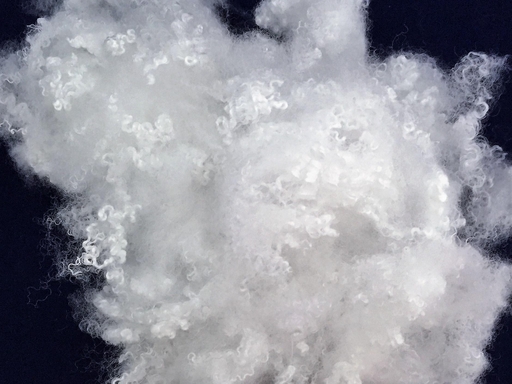
By-Herb Fiber – a land‑based botanical alternative to seaweed fiber.
Step‑by‑Step Procurement Framework
To choose between these fibers, follow this structured evaluation process:
- Define Your Application Requirements: Identify the primary functions needed (antibacterial, deodorizing, moisture‑wicking, thermal regulation). For intimate apparel and home textiles, skin‑friendliness and hypoallergenicity are critical.
- Compare Raw Material Sustainability: Alginate fiber uses seaweed, which absorbs CO₂ and requires no land – aligning with net‑zero goals. By‑herb fiber relies on land‑based agriculture with higher water and fertilizer footprints.
- Evaluate Functional Test Data: Request third‑party test reports for antibacterial activity (e.g., AATCC 100, ISO 20743), deodorization efficiency, and wash durability. Healcell’s alginate fiber products have been independently validated.
- Assess Supply Chain Reliability: Check the supplier’s production capacity, lead time, and quality control. Healcell operates a 52,000 m² factory with 120 employees and a monthly capacity of about 1,200 tons of fabric, 600 tons of raw material per week, and a standard lead time of 30–45 days.
- Review Certifications: Ensure the fiber complies with target market regulations. Healcell’s alginate fiber products (e.g., HMY00025, HMY00001) are certified under OEKO‑TEX® STANDARD 100, a globally recognized safety standard.
- Total Cost of Ownership Analysis: Factor in raw material price, processing compatibility, and end‑product premium. Alginate fiber commands a 30‑40% price premium over conventional fibers, but its built‑in functions can reduce the need for chemical finishes.
Use Case: Korean OEM Adopts Alginate Fiber for Antibacterial Deodorant Apparel
An OEM client in South Korea required 3,500 m² of fabric with antibacterial, deodorizing, far‑infrared, and negative‑ion functions for a premium underwear line. After evaluating both Alginate and By‑Herb fibers, they selected Healcell’s 10% Alginate Fiber Elastic Jersey (model HMY00001). The outcome: stable production over two years, excellent skin‑friendliness, and a soft hand feel. The client reported that the alginate fiber’s natural antibacterial properties eliminated the need for additional antimicrobial finishes, simplifying the supply chain and reducing chemical usage.
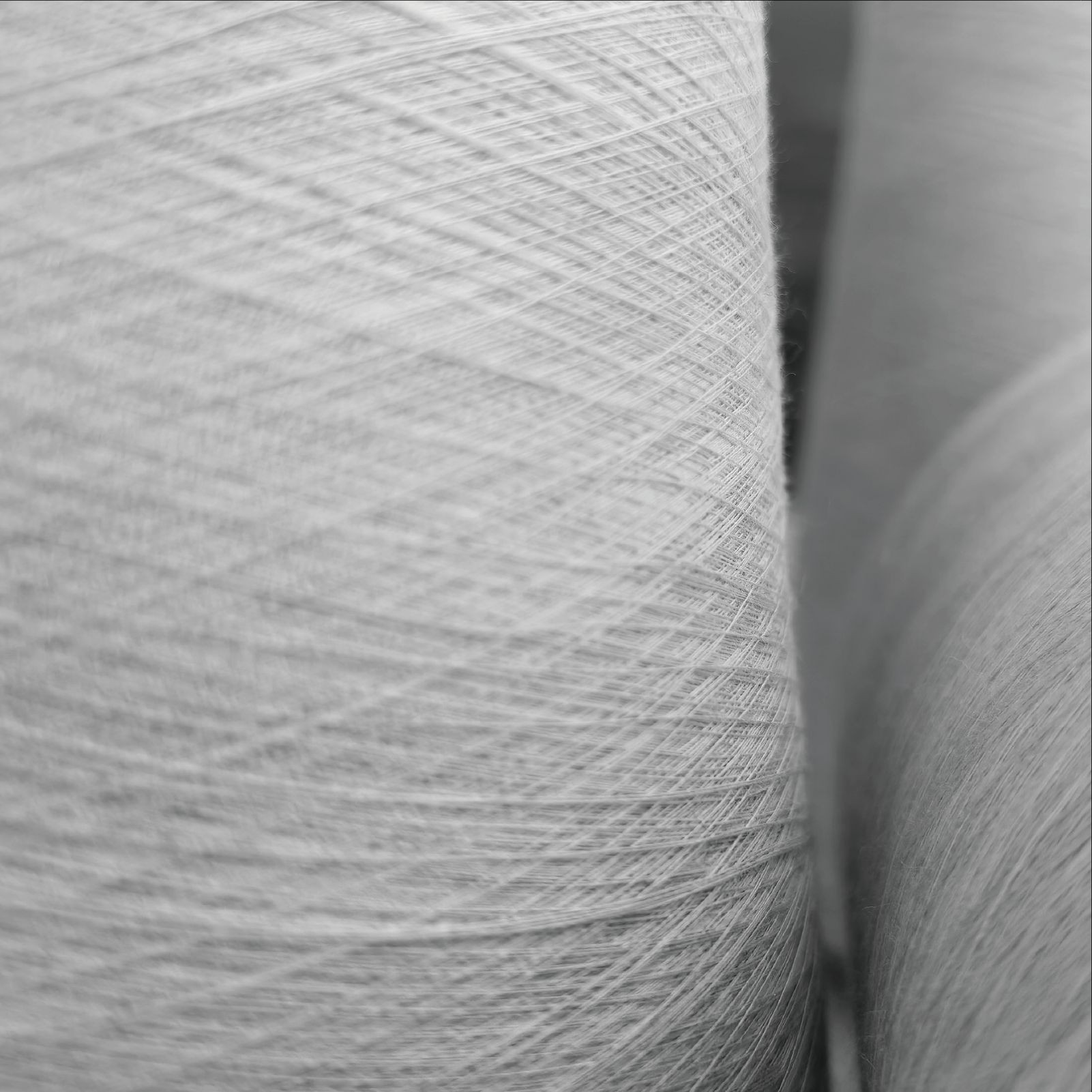
Healcell Alginate Composite Yarn – engineered for warmth and comfort in base layers.
Frequently Asked Questions (FAQ)
Q1: Is alginate fiber truly biodegradable?
Yes. Alginate fiber is derived from natural seaweed polysaccharides and is biodegradable in soil and marine environments. It is considered an eco‑friendly alternative to synthetic fibers.
Q2: How does the price of alginate fiber compare to organic cotton?
Alginate fiber is typically 30–40% higher than conventional cotton and about 20–30% higher than organic cotton. However, the added functional benefits (antibacterial, deodorizing) can offset the cost by reducing post‑treatment.
Q3: Can alginate fiber be blended with other fibers?
Yes. Healcell offers various blends: alginate with cotton, modal, Tencel, polyester, and spandex. For example, the Healcell Alginate Fiber Deodorant Yarn 40s (model BSY00042‑1) blends 70% cotton with 30% modal.
Q4: What certifications should I look for when sourcing alginate fiber?
The key certification is OEKO‑TEX® STANDARD 100, which ensures the fiber is free from harmful substances. Healcell holds this certification for its alginate fabric and yarn range. Also look for ISO quality management and environmental management systems.
Q5: How do I ensure the supplier can meet my volume requirements?
Request a capacity commitment. Healcell operates with a monthly fabric capacity of about 1,200 tons and a raw material capacity of 600 tons per week, with an MOQ of 500 kg. Their lead time is 30–45 days.
Conclusion
Both Alginate Fiber and By-Herb Fiber offer valuable functional properties, but for buyers prioritizing sustainability, proven antibacterial performance, ease of processing, and global certification, Alginate Fiber from Healcell® presents a compelling choice. Its marine origin, high production yield, and compatibility with standard textile machinery make it a reliable, future‑ready material for intimates, sportswear, and home textiles. By following the step‑by‑step evaluation framework outlined above, procurement teams can confidently select the fiber that best aligns with their product strategy and sustainability goals.
For detailed product specifications, test reports, and pricing, download Healcell’s company brochure:
Download Brochure (PDF)