
Seaweed to Textile: The 2026 Buyer's Roadmap for Alginate Fiber Sourcing
From Seaweed to Textile: The Complete Buyer's Roadmap for Alginate Fiber Sourcing
As the textile industry accelerates toward sustainable, high-performance materials, Alginate Fiber has emerged as a frontrunner. Extracted from brown seaweed, this biodegradable fiber offers inherent antibacterial, moisture-wicking, and skin-friendly properties. However, for procurement specialists and brand owners, navigating the supplier landscape can be challenging. Inconsistent quality, unverified claims, and lack of certifications often hinder confident sourcing decisions. This comprehensive guide provides a structured roadmap to evaluate, select, and partner with reliable alginate fiber manufacturers in 2026.
What Is Alginate Fiber?
Alginate Fiber is a natural polymer fiber derived from alginic acid found in brown seaweed (Phaeophyceae). Through a wet-spinning process, sodium alginate is converted into continuous filaments that can be blended with cotton, modal, polyester, or nylon to create functional yarns and fabrics. The fiber is inherently biodegradable, hypoallergenic, and offers natural antibacterial and deodorizing capabilities without chemical additives. It also provides moisture-wicking, odor resistance, and flame retardancy, making it ideal for sportswear, underwear, home textiles, and medical applications.
Why It Matters: The Industry Shift
With global regulations tightening on synthetic microplastics and consumers demanding eco-friendly products, alginate fiber addresses both environmental and functional needs. Unlike conventional petroleum-based fibers, alginate fiber is compostable and derived from renewable marine biomass. Its natural antibacterial property reduces the need for chemical finishes, aligning with OEKO-TEX and bluesign standards. Brands adopting alginate fiber can differentiate themselves in the competitive functional textile market while meeting sustainability goals.
Key Functional Variants of Alginate Fiber
| Variant | Key Properties | Typical Applications |
|---|---|---|
| Alginate Composite Quick-Drying Fiber | Moisture wicking, anti-perspective, elastic | Sportswear, underwear, home textiles |
| Deodorizing Alginate Fiber | Odor elimination, antibacterial, skin-friendly | Underwear, everyday apparel, bedding |
| Seaweed Charcoal Mud Fiber | Far-infrared, thermal insulation, moisture absorption | Outdoor sports, home textiles, pet products |
| Conductive Alginate Fiber | Static dissipation, shielding | Smart wearables, industrial textiles |
Step-by-Step Supplier Evaluation Framework
1. Verify Raw Material Sourcing & Production Capability
Assess the supplier's control over seaweed harvesting and extraction. A factory with a dedicated R&D team and proprietary wet-spinning technology ensures consistent fiber quality. For instance, Shandong Healcell Biomaterial Technology Co., Ltd. operates a 52,000 m² facility with 120 employees and an R&D team of 13 engineers, producing approximately 600 tons of alginate fiber and 300 tons of knitted fabric per week.
2. Check Certifications and Compliance
Third-party certifications validate functional claims. Look for OEKO-TEX STANDARD 100 certification, which ensures the product is free from harmful substances. Healcell holds OEKO-TEX certification number BJ004 274094.4, valid through January 2027, covering its entire alginate fiber product line.
3. Evaluate Product Range and Customization
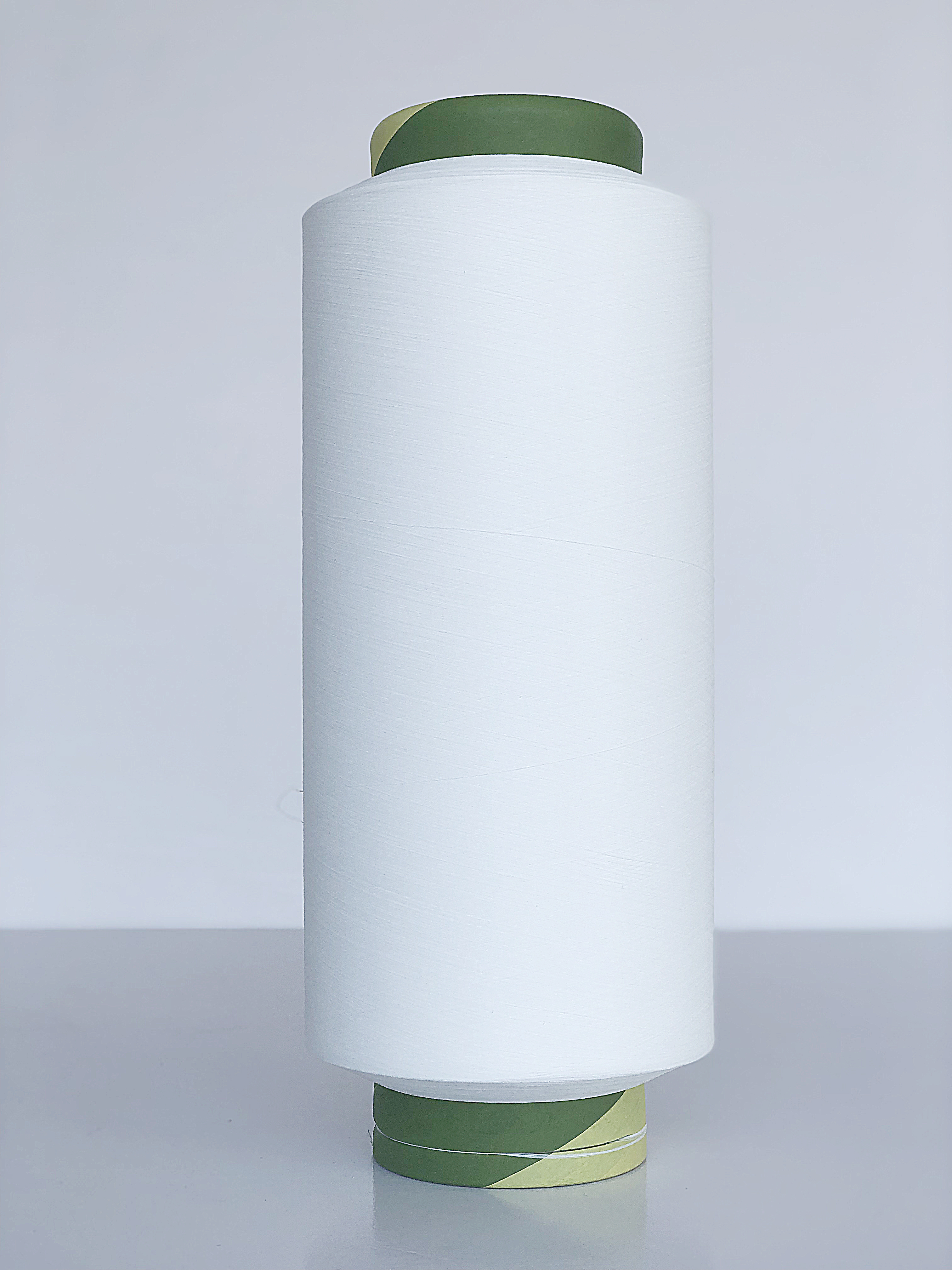
A reliable supplier should offer a variety of yarn counts and fabric constructions. Healcell provides OEM & ODM services with customization in fabric composition and color. Their product portfolio includes quick-dry filaments (e.g., Healcell Alginate Fiber / Seaweed Quick-Dry Filament Polyester DTY [75D*48F]), deodorizing yarns (e.g., Healcell Alginate Fiber / Seaweed Deodorizing Yarn 40s), and specialty fabrics like Alginate / Seaweed Charcoal Mud Warm Woven Fabric.
4. Review Quality Control and After-Sales Support
Suppliers should perform 100% pre-shipment testing and offer remote technical support. Healcell's monthly capacity reaches 1,200 tons with a lead time of 30–45 days and a minimum order quantity of 500 kg. Payment is made to the corporate account, and pre-shipment acceptance is standard.
5. Analyze Risk Management Practices
Alginate fiber is sensitive to strong acids and alkalis. Responsible manufacturers implement strict pH control during production, use neutral auxiliaries, and store finished products in dry, ventilated warehouses. Healcell's risk control measures include regular equipment cleaning, standardized operating procedures, and random acid-base resistance sampling before dyeing.
Real-World Use Case: Korean OEM Partnership
An OEM client from South Korea sourced 3,500 m² of Healcell's alginate fiber fabric for a project requiring antibacterial, deodorizing, far-infrared, and negative ion functions. The fabric's natural seaweed-based properties ensured a soft, skin-friendly touch without chemical treatments. The partnership has run stably for over two years, demonstrating reliable performance and consistent quality.
Comparison: Alginate Fiber vs. By-Herb Fiber
When evaluating marine-based fibers, buyers often compare alginate fiber with By-Herb Fiber. Alginate fiber uses seaweed as its raw material, which yields higher output per hectare than terrestrial plants. It incorporates antibacterial, deodorizing, far-infrared, and negative ion functions derived from the material itself, without additional chemical treatment. The cost is 30%–40% higher than conventional By-Herb Fiber, but it offers superior efficiency and eco-friendliness, making it the best choice for intimates, underwear, and loungewear.
Frequently Asked Questions (FAQ)
What is the minimum order quantity for alginate fiber?
Most suppliers, including Healcell, require a minimum order of 500 kg per product.
How long does it take to receive a custom fabric?
Typical lead time is 30–45 days, depending on the complexity of the yarn composition and fabric construction.
Can I get small samples for testing?
Yes, reputable suppliers provide sample yardage for evaluation. Contact the sales team to arrange sample shipment.
What certifications should I look for?
Key certifications include OEKO-TEX STANDARD 100 (product safety) and MADE IN GREEN (sustainable production). Healcell holds both.
How do I avoid damage from strong chemicals?
Use neutral detergents, wash in cold or warm water, and avoid bleach or strong alkaline laundry products. Suppliers should provide clear care instructions.
Conclusion: Making the Right Choice for Your Supply Chain
Selecting a trustworthy alginate fiber supplier requires diligence across raw material sourcing, manufacturing capability, certifications, quality control, and after-sales support. Shandong Healcell Biomaterial Technology Co., Ltd. stands out with its decade of expertise in functional materials, robust production capacity (52,000 m² factory, 120 employees), OEKO-TEX certification, and proven track record with international clients. Whether you need quick-dry filaments for sportswear or deodorizing yarns for underwear, Healcell offers a one-stop solution with OEM/ODM flexibility.
For detailed technical specifications and to request a quotation, download the company brochure below.
Shandong Healcell Biomaterial Technology Co., Ltd.
Email: healcell@vip.163.com | Tel: +86-13791160009 | WhatsApp: +8613031658139
Headquarters: No.4, Annex No.5, Feilong Road, Laishan District, Yantai, Shandong, China
Website: www.healcell-seaweed.com