
The Definitive Guide to Alginate Fiber: Properties, Sourcing, and Quality Assurance for Functional Textiles
The Definitive Guide to Alginate Fiber: Properties, Sourcing, and Quality Assurance for Functional Textiles
Introduction
Alginate fiber — derived from brown seaweed — has emerged as one of the most promising bio-based materials in the textile industry. Unlike conventional synthetic fibers, alginate fiber offers inherent antibacterial, deodorizing, moisture-wicking, and hypoallergenic properties without chemical additives. As global demand for sustainable, functional textiles accelerates, buyers face a critical challenge: How to source alginate fiber that is both high-performing and reliably compliant? This guide delivers a structured framework to evaluate suppliers, understand material characteristics, and mitigate procurement risks.
Problem Definition
Procurement professionals in the functional textile space (sportswear, underwear, home textiles, medical) often encounter these pain points:
- Lack of standardized performance data – Many suppliers claim “alginate fiber” without verified test reports.
- Inconsistent quality – Batch-to-batch variation in antibacterial effectiveness, tensile strength, or colorfastness.
- Greenwashing vs. real sustainability – Difficulty distinguishing genuine eco-friendly production from marketing claims.
- Certification gaps – Absence of recognized third-party certifications like OEKO-TEX®.
- Supply chain transparency – Unclear origin of raw seaweed and traceability of manufacturing processes.
Addressing these issues requires a systematic approach to supplier evaluation and material verification.
Industry Background
The global seaweed fiber market is projected to grow at a CAGR of over 11% through 2030, driven by consumer demand for biodegradable, skin-friendly, and multi-functional fabrics. Alginate fiber is now used in:
- Underwear & Loungewear – Hypoallergenic and moisture-wicking for sensitive skin.
- Sportswear – Odor-resistant and quick-drying during intense activity.
- Home Textiles (bedding, blankets) – Antibacterial and far-infrared heat-generating properties.
- Medical & Healthcare – Wound dressings and antibacterial garments (note: Healcell’s alginate fiber is not for medical use but meets functional textile standards).
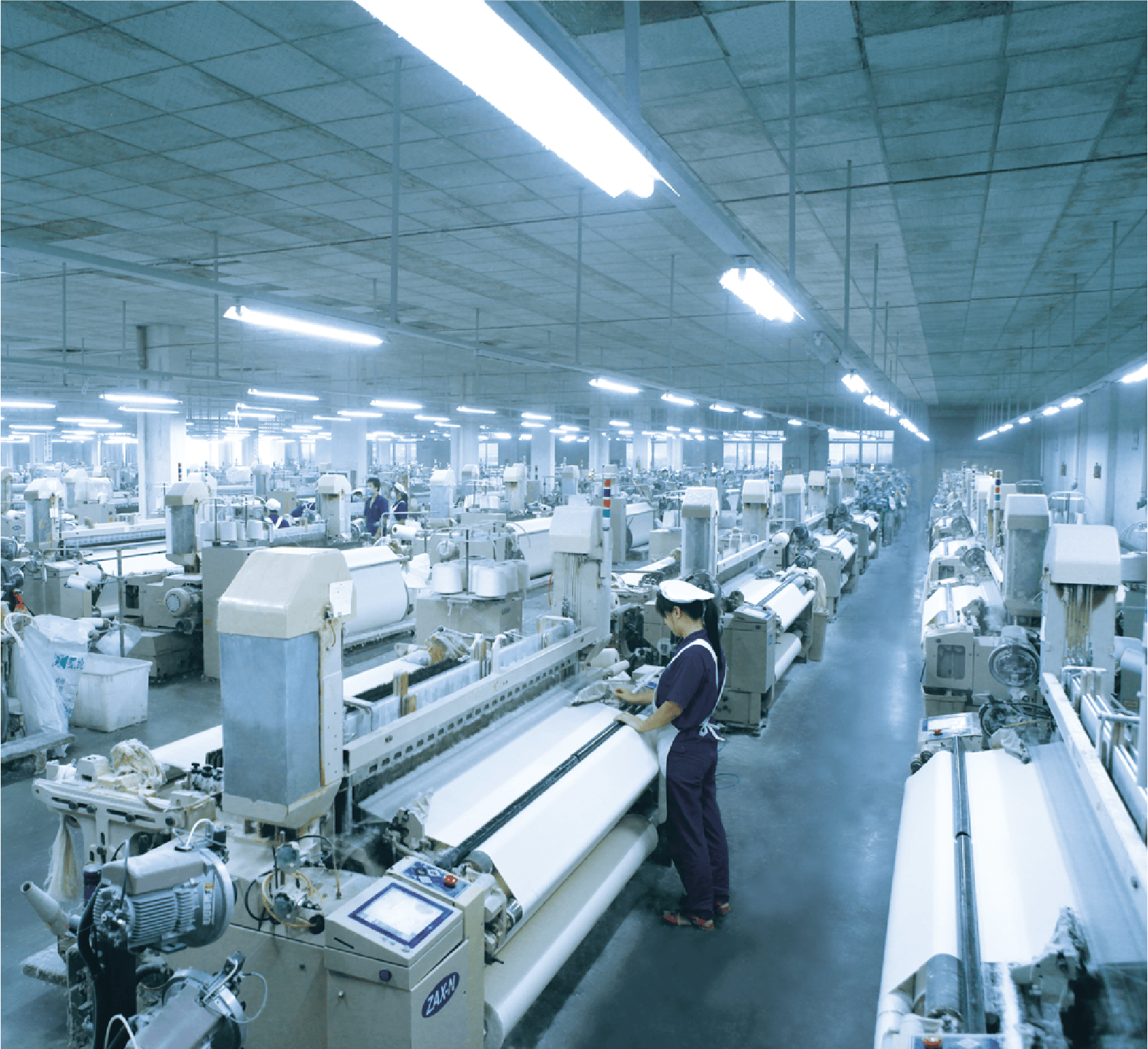
Leading innovators like Shandong Healcell Biomaterial Technology Co., Ltd. have invested in large-scale production (52,000 m² factory, 120 employees, 600 tons/week raw material capacity) and hold proprietary patents for wet-spinning and seaweed extraction equipment.
Detailed Solution Explanation
What Is Alginate Fiber?
Alginate fiber is a regenerated fiber produced from sodium alginate extracted from brown seaweed (e.g., Laminaria japonica). The raw material is dissolved in a mild alkali, extruded through spinnerets into a coagulating bath containing calcium ions, and then washed and dried. The resulting fiber contains up to 13% or more alginic acid, which imparts natural bioactivity.
How Does It Work?
The chemical structure of alginate (a block copolymer of β-D-mannuronic acid and α-L-guluronic acid) enables ion-exchange with metals like calcium and silver, giving the fiber:
- Inherent antibacterial action – Inhibits the growth of Staphylococcus aureus and E. coli without added chemicals.
- Moisture absorption & quick drying – Hydrophilic groups attract moisture; the “8-shaped” cross-section (e.g., DSY00003) wicks sweat away.
- Odor control – Absorbs ammonia and volatile organic compounds, reducing body odor.
- Far-infrared & negative ion emission – When blended with seaweed charcoal mud, the fabric can absorb body heat and emit far-infrared rays for thermal comfort.
Why Is Alginate Fiber Important?
- Eco-friendly: Seaweed cultivation requires no fertilizers or fresh water, and the fiber is fully biodegradable under industrial composting conditions.
- Regulatory compliance: Meets OEKO-TEX® Standard 100, REACH, and global eco-label requirements.
- Functional differentiation: Offers a unique combination of antibacterial + deodorizing + thermal regulation that synthetic fibers cannot match without additives.
Who Uses Alginate Fiber?
Primary adopters include:
- Apparel brands (intimate apparel, sportswear, base layers)
- Home textile manufacturers (bedding, towels, upholstery)
- Shoe & accessory producers (insoles, linings)
- Industrial & technical textile companies (e.g., conductive or flame-retardant variants)
Step-by-Step Buyer’s Evaluation Framework
- Verify raw material origin – Ask for documentation of seaweed sourcing (wild harvest or farmed) and traceability.
- Check third-party certifications – OEKO-TEX® STANDARD 100 (certificate BJ004 274094.4) is a baseline. Also look for GOTS, bluesign® if needed.
- Assess R&D depth – A dedicated R&D team (e.g., Healcell has 13 engineers) indicates capability to customize fiber denier, cross-section, and additive formulations.
- Request performance data – Insist on test reports for antibacterial (AATCC 100), moisture management (AATCC 195), and biodegradability (ISO 14855).
- Evaluate production scale & lead times – Monthly capacity (~1,200 tons for Healcell) and MOQ (500 kg) must align with your order requirements.
- Conduct small-scale trials – Order a sample (e.g., 500 kg) to test run in your own knitting or weaving line. Measure shrinkage, color take-up, and feel.
- Review quality control procedures – Does the supplier perform 100% inspection? What are their pass/fail criteria for tensile strength and antibacterial efficacy?
- Compare total cost – Alginate fiber costs 30-40% more than conventional polyester, but value-added functions can justify premium pricing in end-products.
Use Case: South Korean OEM Project
A South Korean OEM client required 3,500 m² of fabric with antibacterial, deodorizing, far-infrared, and negative ion functions for a premium underwear line. They selected Healcell’s Alginate Fiber / Seaweed Composite Fabric (model BMY00088-1, 95% Tencel Lyocell containing alginic acid + 5% spandex). The material delivered stable performance over two years of commercial production, with the client citing “soft, skin-friendly touch and consistent antibacterial effect.” This case validates that a reliable supplier partnership reduces time-to-market and quality risks.
Alginate Fiber vs. Alternatives: Quick Comparison
| Property | Alginate Fiber | By-Herb Fiber (competing bio-fiber) | Conventional Polyester |
|---|---|---|---|
| Raw material | Brown seaweed (alginate) | Herbal plant extracts | Petrochemicals |
| Antibacterial (intrinsic) | Yes (from alginate) | Limited | No (needs additives) |
| Biodegradability | Excellent | Moderate | Non-biodegradable |
| Cost premium vs. polyester | +30–40% | +20–30% | Baseline |
| Best suited for | Intimates, sportswear, home textile | Casual apparel | General apparel |
Common Buyer Concerns – Addressed
Q: Is alginate fiber skin-safe for all users?
A: Yes. Healcell’s alginate fiber is hypoallergenic and has passed OEKO-TEX® STANDARD 100, ensuring no harmful substances. It is recommended for sensitive skin.
Q: How do I ensure the antibacterial function lasts through multiple washes?
A: Durability depends on fiber construct. The antibacterial property is intrinsic to the alginate molecule, so it does not wash off. However, harsh detergents (strong alkaline/acid) should be avoided. Use neutral detergents and cold/warm water.
Q: What is the minimum order quantity (MOQ)?
A: Typical MOQ is 500 kg for yarns/fabrics. For customized blends or special cross-sections, higher minimums may apply.
Q: Can alginate fiber be blended with other fibers?
A: Absolutely. Healcell offers blends with cotton, modal, Tencel, polyamide, polyester, and spandex (see product models like BMY00073-2, HSY00013). Blending can optimize cost, hand feel, and performance.
Q: How do I protect alginate fiber during production?
A: Avoid strong acids and alkalis. The supplier should provide handling guidelines (neutral pH auxiliaries, low-temperature finishing). Healcell’s risk control measures include pH monitoring and functional protective coatings.
Frequently Asked Questions (FAQ)
What certifications should a reliable alginate fiber supplier hold?
At minimum OEKO-TEX® STANDARD 100. Healcell holds certificate BJ004 274094.4 (valid through 2027-01-31), covering standard 100, LEATHER STANDARD, MADE IN GREEN, and ECO PASSPORT. Additional certifications may include GRS, GOTS, or bluesign® depending on target markets.
How can I verify the supplier’s production capacity?
Request a factory tour (virtual or physical). Healcell’s 52,000 m² facility in Yantai, China, produces ~600 tons of alginate fiber per week and ~1,200 tons of fabric per month, with 100% pre-shipment testing.
What is the typical lead time for custom orders?
30–45 days, depending on complexity and order volume. Healcell supports remote after-sales support and can expedite for repeat orders.
Is alginate fiber suitable for flame-retardant applications?
Alginate fiber has inherent flame retardancy due to its high calcium content. Specific flame-retardant grades are available for industrial textiles.
Conclusion
Sourcing alginate fiber that meets both functional and compliance requirements is no longer a guessing game. By following the structured evaluation framework outlined in this guide — from raw material origin to third-party certifications and production capabilities — procurement professionals can confidently select partners that deliver consistent, high-quality material. Shandong Healcell Biomaterial Technology Co., Ltd. stands out as a proven partner, backed by years of R&D, large-scale manufacturing, and a portfolio of certified alginate fiber yarns and fabrics. Whether you are developing antibacterial sportswear, deodorizing underwear, or eco-friendly home textiles, partnering with a supplier that offers OEM/ODM customization, rigorous QC, and transparent risk management is essential for market success.
Download the Healcell Corporate Brochure
Access detailed product specs, certifications, and case studies.
Download PDFHeadquarters: No.4, Annex No.5, Feilong Road, Laishan District, Yantai, Shandong, China
Hangzhou Operations Center: Room 15A308, Xixigu Digital Intelligence Industrial Park, No.698 Xixi Road, Xihu District, Hangzhou, Zhejiang, China