Concrete Pump Pipe Technical Parameters: How Production Defines Quality
Concrete Pump Pipe Technical Parameters: How Production Defines Quality
For procurement professionals in construction and concrete pumping, selecting the right concrete pump pipe goes beyond matching dimensions. The true differentiator lies in understanding technical parameters and how manufacturing processes directly impact pipe quality, service life, and total cost of ownership. This guide decodes the critical technical specifications and production techniques that define a high-performance concrete pump pipe, helping you make informed purchasing decisions.
The Problem: Why Technical Parameters Matter
Concrete pump pipes operate under extreme pressures (up to 200 bar) and abrasive conditions. A poorly manufactured pipe can lead to premature wear, sudden failures, and costly downtime. Without a clear interpretation of parameters like material grade, hardness, wall thickness, and heat treatment, buyers risk selecting pipes that fail within weeks. Understanding these parameters is not optional—it is essential for minimizing operational risk.
Industry Background: Demands of Modern Concrete Pumping
The concrete pumping industry increasingly demands higher pressures, longer conveying distances, and greater abrasion resistance—especially in high-rise buildings and infrastructure projects. Standard pipes often cannot withstand the stress. As a result, specialized wear-resistant concrete pump pipes, mortar pump pipes, and concrete pump elbows have become the industry standard for mission-critical applications.
Key Technical Parameters Explained
| Parameter | Description | Why It Matters |
|---|---|---|
| Material Grade | ST52, 45Mn2, 55Mn, Q235, 37Mn5 | Higher alloy steels (45Mn2, 55Mn) offer superior hardenability and wear resistance compared to carbon steels like Q235. |
| Heat Treatment | Quenching & inner-wall carburizing | Creates a hard, wear-resistant inner surface while maintaining a tough, impact-resistant outer layer. |
| Wall Thickness | Typically 4–7 mm for standard DN125 pipes | Thicker walls provide longer life but increase weight. The correct balance depends on pressure and abrasion. |
| Hardness (HRC) | Target 45–55 HRC for wear-resistant pipes | Higher hardness directly correlates with reduced wear rate in abrasive concrete flow. |
| Bending Radius | e.g., R275 for 90° elbows | Affects flow velocity and pressure drop; smaller radii increase wear at the outer wall. |
| Surface Treatment | Internal carburizing, sometimes double-wall construction | Double-wall elbows (inner hard alloy, outer structural steel) drastically reduce erosion at high‑wear zones. |
How Manufacturing Process Influences Quality
Production techniques transform raw steel into a durable concrete pump pipe. At Hebei Qixiang Pipe Industry Co., Ltd., the process follows strict quality protocols:
- Material sourcing: Only premium steel grades from certified mills are accepted. Each batch undergoes spectrometric analysis.
- Seamless pipe forming: Hot rolling ensures uniform wall thickness and eliminates weld seams—a common weak point.
- Heat treatment: Pipes are quenched and then carburized on the inner surface to achieve a hardened layer (HRC 45–55) while preserving ductility in the outer wall.
- Precision machining: Ends are cut and beveled to exact tolerances for leak‑free coupling connections.
- 100% inspection: Every pipe undergoes hardness testing, flow testing, and pressure testing before shipment.
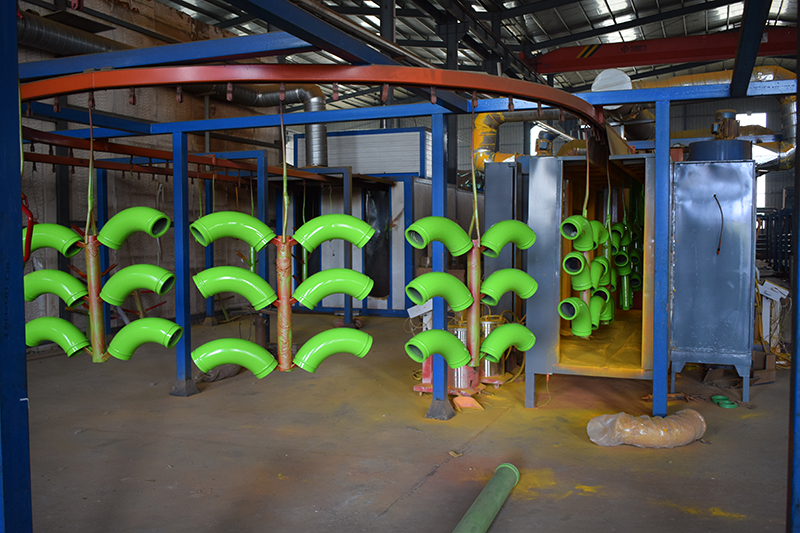
Figure 1: DN125 10° double-wall concrete pump elbow – the inner hard alloy layer resists abrasive wear while the outer steel maintains structural strength.
Step-by-Step Selection Guide for Buyers
- Define operating conditions: High pressure (>100 bar), high wear (large aggregate, high pumping speed), or standard duty?
- Choose material: For high wear, opt for 45Mn2 or 55Mn wear-resistant concrete pump pipe. For general use, ST52 or Q235 may suffice.
- Select pipe type: Straight pipe, elbow, rubber hose, or clamp? Match to equipment (concrete pump, placing boom, mortar pump).
- Verify heat treatment: Ask suppliers about quenching and carburizing parameters. Insist on documented hardness values.
- Check certifications: ISO 9001:2015 (e.g., ACM certificate no. 22ACM15661Q) ensures consistent quality management.
- Request samples and test reports: A reputable manufacturer like Hebei Qixiang provides full test data and small trial orders (MOQ 1 unit).
Real-World Use Case: US Infrastructure Project
A concrete pumping service company in the United States required high‑pressure pipes for a large‑scale infrastructure project. They switched from ordinary carbon steel pipes to wear‑resistant pipes supplied by Hebei Qixiang Pipe Industry Co., Ltd. (DN125 straight pipes and elbows made of 45Mn2 alloy with inner‑wall carburizing). Result: pipe replacement frequency decreased by 50%, and service life extended by 30% compared to standard parts. The project saved thousands of dollars in maintenance and downtime costs.
Frequently Asked Questions
What is a concrete pump pipe?
A concrete pump pipe is a steel tube used to convey concrete from a pump truck to the point of placement. It must withstand high pressure and abrasive wear.
How does heat treatment affect pipe quality?
Quenching and carburizing create a hard inner surface that resists abrasion and a tough outer layer that resists impact. This process dramatically extends service life—up to 50% longer in wear applications.
What materials are best for high‑pressure concrete pump pipes?
Alloy steels like 45Mn2 and 55Mn are preferred due to their higher hardenability and wear resistance after heat treatment. ST52 is a good mid‑range option.
Who uses wear‑resistant concrete pump pipes?
Contractors, concrete pumping services, and infrastructure companies working on high‑rise buildings, tunnels, dams, and long‑distance pumping projects.
How to choose between single‑wall and double‑wall elbows?
Double‑wall elbows feature an inner hard alloy layer and an outer structural steel layer. They are ideal for extreme wear points (e.g., 90° bends, high‑pressure systems) where single‑wall elbows fail quickly.
What are common buyer concerns?
- Premature wear: Solved by selecting wear‑resistant materials and heat treatment.
- Compatibility: Most pipes follow DN125/DN100 standards and fit common couplings (e.g., clamp systems).
- Cost vs. lifespan: A higher upfront cost for quality pipes reduces total cost of ownership due to fewer replacements.
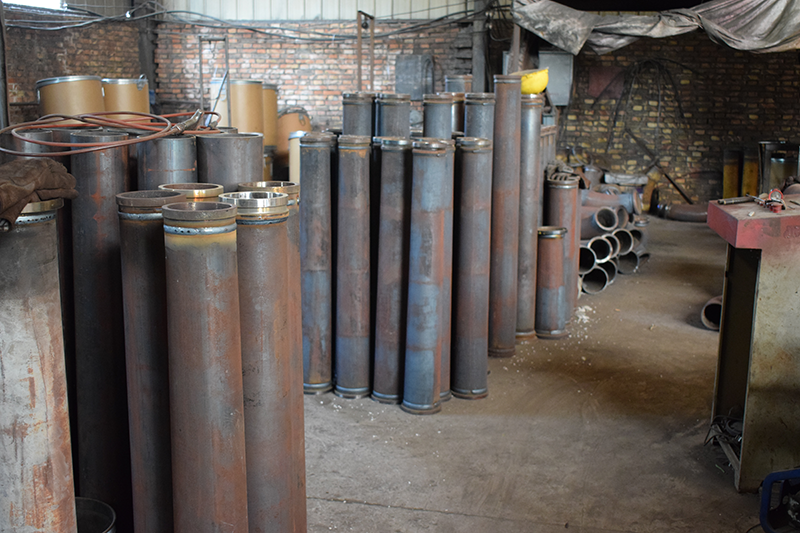
Figure 2: Mortar pump pipe and various concrete pump pipe fittings – part of the comprehensive product range from Hebei Qixiang.
Conclusion: Quality Starts with Knowledge
Interpreting concrete pump pipe technical parameters and understanding how manufacturing processes affect quality empowers buyers to select products that deliver reliable, long‑lasting performance. Hebei Qixiang Pipe Industry Co., Ltd., with its 30,000 m² factory, ISO 9001:2015 certification (ACM: 22ACM15661Q), and annual capacity of 7,000 tons, exemplifies the production excellence required for demanding projects. Whether you need concrete pump pipes for high pressure, mortar pump pipes, wear‑resistant pump pipes, or concrete pump elbows, always verify material, heat treatment, and quality control processes.
For a complete overview of our product range and production capabilities, download our brochure:
Download Company Brochure (PDF)
Contact Hebei Qixiang Pipe Industry Co., Ltd.
Address: Bo Erzhuang Industrial Zone, Gaozhai Town, Mengcun Hui Autonomous County, Cangzhou City, China
Tel: +86 15131761959 | Email: sales@qixiangpipe.com
WhatsApp: +86 15131761959