Concrete Pump Pipes Explained: Types, Materials, and Selection Criteria for Construction Projects
This article provides a foundational understanding of concrete pump pipes for procurement professionals, engineers, and project managers entering the concrete pumping sector. It covers product types, material options, key selection criteria, and what to look for in a reliable supplier. All technical details and company information are drawn from the verified portfolio of Hebei Qixiang Pipe Industry Co., Ltd., a specialized manufacturer with nine years of industry experience.
Problem Definition
Concrete pump pipes operate under high pressure and constant wear. In continuous high‑pressure operation, standard pipes can degrade quickly, leading to downtime, increased maintenance costs, and safety risks. The primary challenge is selecting a pipe that resists wear, maintains structural integrity, and extends service life across demanding applications such as high‑rise construction, infrastructure projects, and mining.
Industry Background
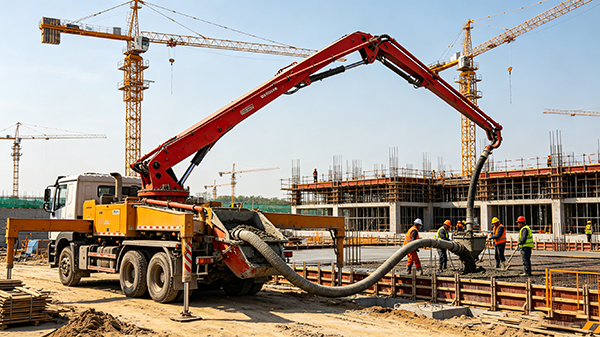
Concrete pumping systems use a network of pipes, elbows, and hoses to transport concrete from a pump or pump truck to the placement point. The pipe is a critical wear component. Construction machinery (concrete pumps, pump trucks, placing booms) relies on a combination of straight pipes, elbows, couplings, and rubber hoses. Pipe materials range from standard structural steel to alloy steels designed for wear resistance. The industry increasingly demands certified suppliers who can provide consistent quality, wide product ranges, and custom solutions.
Detailed Solution: Hebei Qixiang Pipe Industry Co., Ltd.
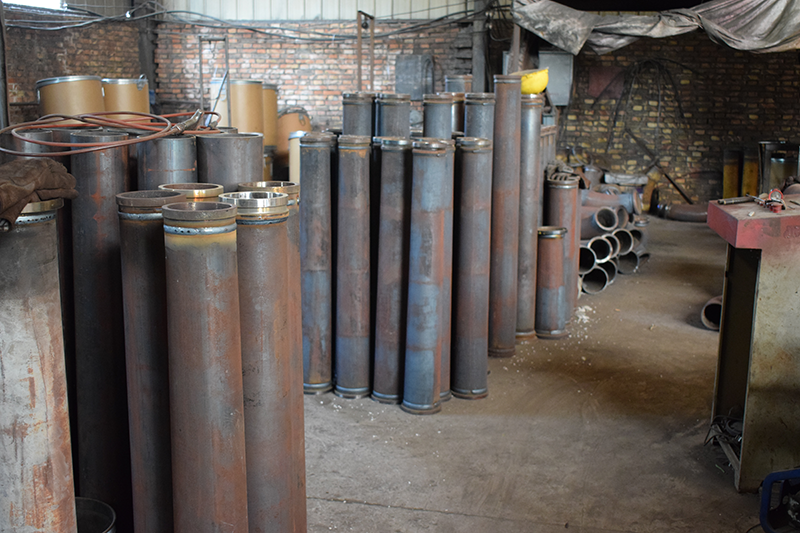
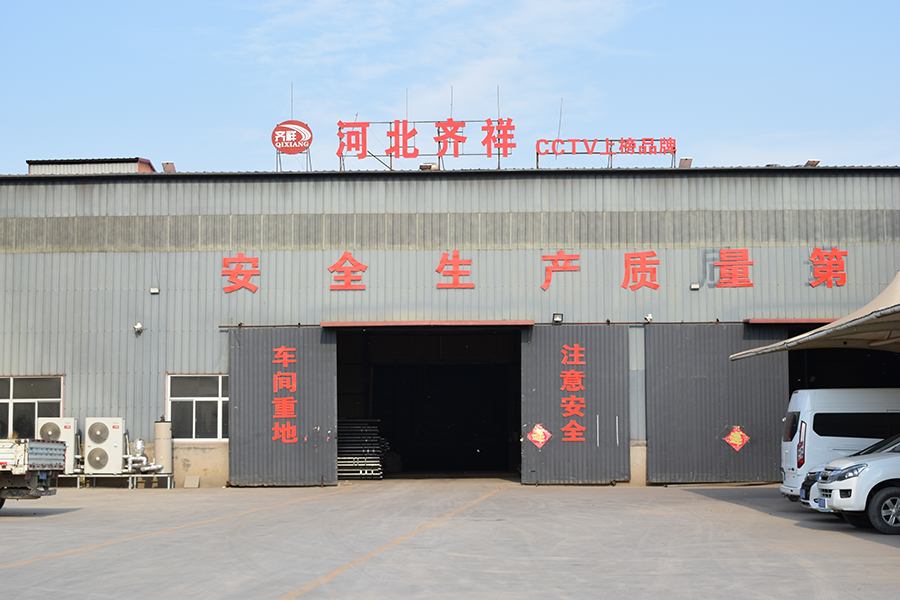
Hebei Qixiang Pipe Industry Co., Ltd., established in 2015, specializes in manufacturing concrete pump pipes and related conveying accessories. The company operates a 30,000 m² facility with over ten advanced production lines and a full range of precision testing equipment. Annual production capacity reaches 7,000 tons. The R&D team comprises 50 engineers, and the company has accumulated nine years of experience. Products are exported to more than 40 countries, with export business accounting for 80% of total sales.
Product Portfolio
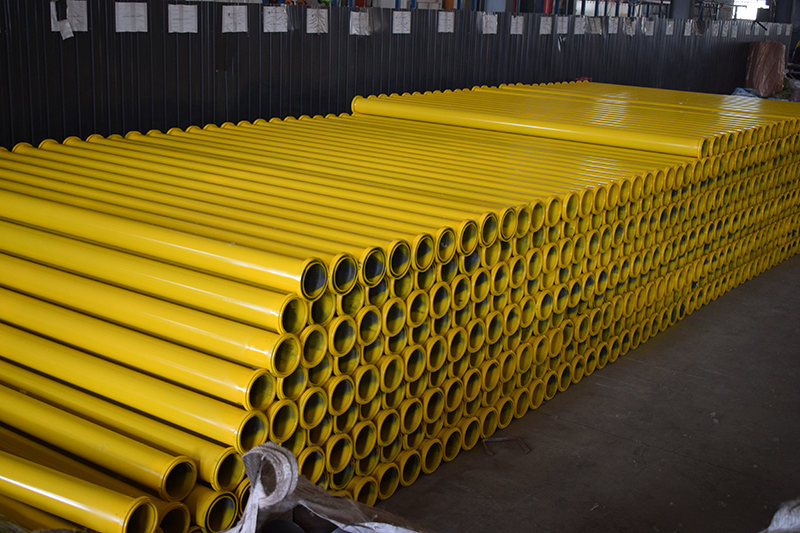
The company's core products include concrete pump pipes for high‑pressure applications, concrete pump rubber hoses, mortar pump pipes, and wear‑resistant pump pipes. Available models include DN125, DN100, and DN80. Straight pipes are typically 3 meters in length with diameters from 2 to 6 inches. Materials offered cover ST52 seamless structural steel, 45Mn2 alloy steel, Grade 20 carbon steel, Q235 carbon structural steel, 37Mn5 alloy steel, and 55Mn alloy steel. Wear‑resistant pump pipes—the flagship category—are made from 45Mn2 and 55Mn alloy structural steel and undergo special quenching and inner‑wall carburizing treatments, delivering ultra‑high wear resistance, impact resistance, and durability.
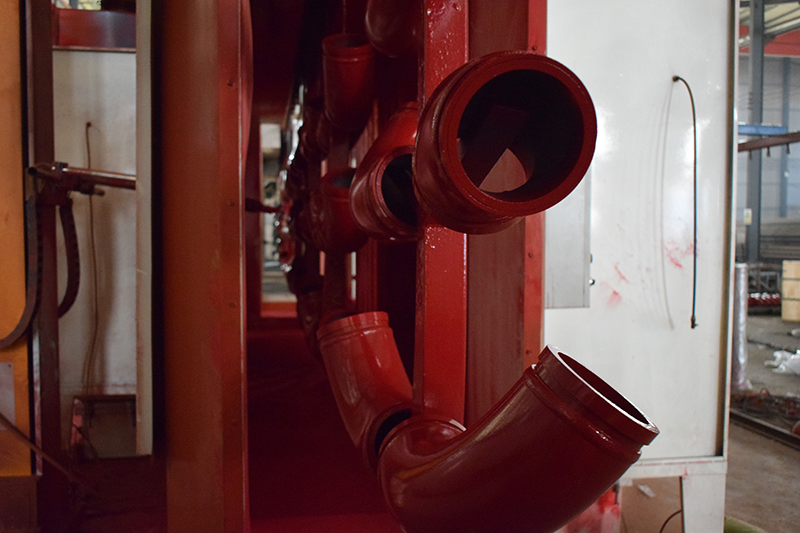
In addition, the company supplies a full range of elbows: carbon steel, high‑wear‑resistant, single‑wall, and double‑wall types. Standard elbows include DN125×R275×90° and DN125 10°; non‑standard custom elbows are also available. Supporting spare parts—couplings/clamps, cleaning balls, pistons, flanges, and lubricants—complete a one‑stop procurement solution.
Step‑by‑Step Selection Breakdown
- Define operating conditions. For high‑pressure, continuous operation with high wear, select wear‑resistant pipes (45Mn2 or 55Mn alloy) rather than standard structural steel.
- Choose material. Match material to wear requirements. ST52 and Q235 are typical for general applications; 45Mn2 and 55Mn are specified for heavy wear.
- Verify compatibility. Confirm pipe dimensions (DN125, DN100, DN80) and connection types match your equipment (concrete pumps, pump trucks, placing booms).
- Check quality system. The manufacturer should comply with ISO 9001:2008 quality management and perform precision tests including delivery flow, hardness, and pressure inspections before shipment.
- Evaluate customization. If the project requires non‑standard elbows or multi‑specification orders, confirm the supplier offers OEM services and has full‑line production capability.
Use Cases
These products are widely applied in construction projects, infrastructure development, water conservancy projects, and mining engineering. Typical examples include high‑rise building concrete placement, long‑distance tunnel grouting, and large‑volume bridge pours. The wear‑resistant pipes excel in high‑pressure, continuous‑operation environments where standard pipes would wear out quickly.
Material Comparison Table (Qualitative)
| Material | Typical Application | Documented Property |
|---|---|---|
| ST52 seamless structural steel | General concrete pump pipes | Standard structural steel |
| 45Mn2 alloy steel | Wear‑resistant pump pipes | Ultra‑high wear resistance, impact resistance, durability (per supplier) |
| 55Mn alloy steel | Wear‑resistant pump pipes | Ultra‑high wear resistance, impact resistance, durability (per supplier) |
| Q235 carbon structural steel | General‑purpose pipes | Standard carbon steel |
| Grade 20 carbon steel | Standard pump pipes | Common carbon steel grade |
| 37Mn5 alloy steel | Specialized pump pipes | Alloy steel for enhanced strength |
Frequently Asked Questions
1. What is the difference between wear‑resistant and standard concrete pump pipes?
Wear‑resistant pipes from Hebei Qixiang Pipe Industry are made from 45Mn2 and 55Mn alloy structural steel and processed with special quenching and inner‑wall carburizing. They deliver ultra‑high wear resistance, impact resistance, and durability. Standard pipes (e.g., ST52 or Q235) are suitable for lower‑wear applications but may degrade faster under continuous high pressure.
2. What materials are used in concrete pump pipes?
The company offers ST52, 45Mn2, Q235, No.20 steel, 37Mn5, and 55Mn alloy. Wear‑resistant pipes specifically use 45Mn2 and 55Mn. All materials are sourced globally to guarantee fundamental product quality.
3. Which certifications does the manufacturer hold?
Hebei Qixiang Pipe Industry adheres to the ISO 9001:2008 quality management system. Every procedure from raw material procurement to finished product delivery undergoes rigorous inspection and control.
4. Can I get a sample before placing a bulk order?
Yes. The company supports OEM customization and sample requests. For inquiries, contact email sales@qixiangpipe.com or phone +86-15131761959. A professional sales team is available from 8:00 to 18:00 daily.
5. What is the typical lead time and how do I place an order?
Lead time depends on order volume and customization requirements. The annual production capacity of 7,000 tons enables flexible scheduling. To start an order or request a quote, reach out via WhatsApp at +86 15131761959 or visit the official brochure at https://cdn.socialarks.com/sbsp/24801/common/2026/0516/6a0810fa801b4.pdf for a full product catalog.
Conclusion
Selecting the right concrete pump pipe is a technical decision that affects project efficiency and cost. Understanding material properties, product types, and supplier quality systems is essential. Hebei Qixiang Pipe Industry Co., Ltd. provides a complete product line with ISO 9001:2008 quality assurance, a strong R&D team, and global export capability. For detailed specifications, sample requests, or volume pricing, contact the company directly via the information provided.
Have Questions or Need More Details?
Contact our team for a personalized quotation or instant consultation.
Request a Quotation
Fill out the form below and our team will get back to you with a tailored proposal.
WhatsApp Direct Chat
Prefer to chat in real-time? Message us on WhatsApp for instant assistance & quick answers.
- Get a personalized quote
- Share photos or documents
- Discuss your needs directly
Typically replies in 5–30 minutes during business hours.