Compliance Essentials for Stone Crusher Lines: Mapping Equipment to Regional Operational Standards
Answer first: compliance for a stone crusher line is the set of environmental, safety, electrical and documentation checkpoints that determine where a line can legitimately be installed and operated. It is not one certificate, and it is not identical for every configuration. A full stationary Stone Crusher Production Line, a portable mobile crusher and a Crusher Stone Drying Production Line meet regulators differently because each has a different footprint, dust profile and power demand. The practical task for a buyer is therefore not simply to choose a model — it is to classify the line, identify the target market’s checkpoint set, and map the supplier’s equipment and documents to those checkpoints.
What “Compliance” Actually Means for a Crusher Line
Compliance is a mapping exercise, not a checkbox. Most procurement conversations open with capacity: tons per hour, maximum feed size, discharge range. Those parameters describe what a machine can do, but they say nothing about whether the line may be anchored at a specific site, wired to a specific grid, or documented for a specific customs and market-access review.
A crusher line becomes “compliant” when four separate layers line up with the destination market:
- Environmental layer — how dust, noise and process emissions are controlled at crushing, screening, transfer and drying points.
- Safety layer — how the machinery itself is guarded, interlocked and shut down, and which machinery-safety standard the design follows.
- Installation and electrical layer — how the line matches local voltage, control architecture and site layout.
- Documentation layer — which declarations, standards lists, datasheets and design records the buyer can actually obtain.
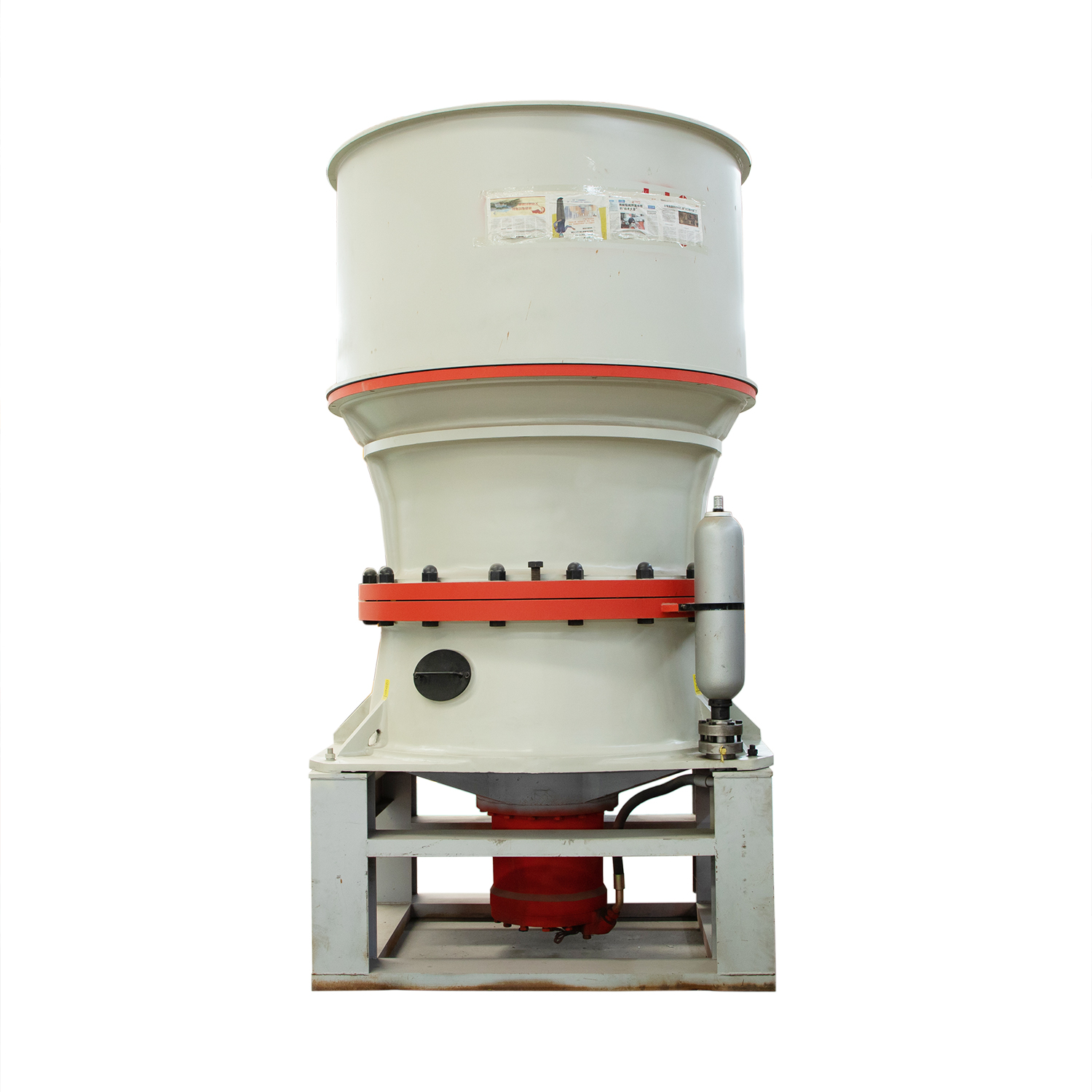
The line types in STM’s catalog illustrate why this matters. The same supplier offers a full Stone Crusher Production Line, a Portable Stone Crusher built around a single-cylinder hydraulic cone crusher, a Crusher Stone Drying Production Line, and a Stone Crusher and Grinding Production Line. All four crush or process rock, but each meets a regulator through a different set of checkpoints.
Why Compliance Exposure Varies by Market and by Line Type
At the international trade level, crushing and grinding machinery is classified under HS Code 847420 — “machines for crushing or grinding earth, stone, ores or other mineral substances.” That single classification is the starting point for customs review, tariff treatment and, in many markets, the trigger for additional import documentation.
Market-level requirements then layer on top of the trade classification. In the European Union, EN 1009-3:2020 — “Machines for mechanical processing of minerals and similar solid materials — Safety — Part 3: Specific requirements for crushing and milling machines,” effective from 13 April 2020 — is the reference point for crushing and milling machinery safety. CE marking operates as a conformity-marking framework rather than a single universal certificate, which means the applicable directive, the harmonised standards and the technical file must be verified per product and per configuration.
Line type changes the exposure because it changes what the regulator actually sees:
- A full stationary production line is judged as a fixed installation — foundation, electrical supply, dust-collection network and long-term site compliance all come into scope at once.
- A portable or mobile line moves between sites, so transport configuration, on-site power supply and re-deployment safety matter as much as the crusher itself. STM’s mobile range separates into Tyre Type Mobile Crushers and Crawler Mobile Crushers, both of which are deployed differently from a fixed plant.
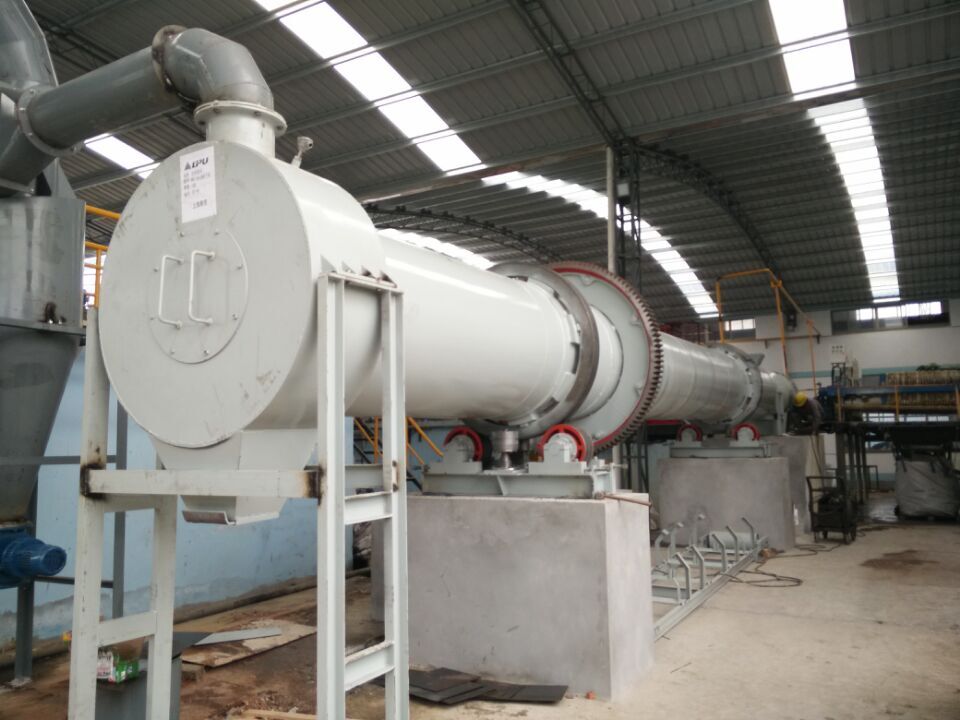
- A drying-integrated line adds thermal processing and a much larger dust-handling burden, so emission control and moisture-target documentation become central. In a reference drying project, achieving a final moisture content below 1% was paired with a dust-removal device so that the process stayed within environmental production requirements.
The Four Compliance Checkpoints That Govern Crusher Deployment

1. Environmental checkpoints
Environmental checkpoints concentrate on dust and noise at crushing, screening and transfer points. In STM’s documented line configurations, the environmental package typically includes a bag filter dust collector, a spray dust suppression device at transfer points, sealed belt covers, and soundproof covers on the noisiest equipment. Washing and recycling equipment — a wheel sand washer or spiral sand washer — is commonly added for higher-specification infrastructure work. Buyers should treat these as line-level requirements, not optional accessories, because a single uncovered transfer point can dominate the dust footprint.
2. Safety checkpoints
Safety checkpoints relate to guarding, emergency stop, interlocked start/stop, and the machinery-safety standard the design follows. For European review, EN 1009-3:2020 is the relevant crushing and milling machinery safety standard. For non-European markets, buyers should identify whether national machinery-safety rules reference an equivalent standard, and request evidence that the design has been assessed against it.
3. Installation and electrical checkpoints
Installation checkpoints cover voltage compatibility, control architecture and site layout. STM equipment supports customer customization of voltage and logo, and the line can be configured with intelligent electrical control rather than manual sequencing. In documented operation modes, the full line runs continuously and automatically, with a closed-loop return crusher and centralized PLC control across the whole process, using linked start and stop. That architecture is what a site electrical review will normally examine, so buyers should confirm both the voltage requirement and the control scheme before ordering.
4. Documentation checkpoints
Documentation is where most deals quietly succeed or fail. A compliance file for a crusher line should normally contain a conformity declaration or certificate covering the relevant electrical and machinery aspects, the list of standards the equipment is built against, model-level technical datasheets, and any design-protection records.
Mapping Supplier Equipment to Regional Standards: A Step-by-Step Framework
The following sequence turns a specification list into a compliance plan. It is designed for a Research-to-Evaluation buyer stage, where the goal is to narrow suppliers to those whose equipment and documents can survive a regulatory review.
- Classify the line. Decide first whether the project needs a full stationary Stone Crusher Production Line, a Portable Stone Crusher, a mobile unit (tyre or crawler), a Crusher Stone Drying Production Line, or a Stone Crusher and Grinding Production Line. Classification determines which checkpoint set applies.
- Identify the destination checkpoint set. Confirm the trade classification (HS 847420 for crushing or grinding machinery), then list the local machinery-safety, electrical-compatibility and environmental checkpoints. In the EU, EN 1009-3:2020 anchors the safety review; in other markets, identify the equivalent national rule.
- Request the documentation pack before the quotation. Ask for the conformity document with its number, issuer, standards list, and validity dates; model datasheets; and any design-protection records. Documents without a number, issuer or date cannot be verified.
- Match equipment to environmental checkpoints. Confirm that the proposed line includes dust collection, spray suppression, sealed belts and soundproofing, and that washing or drying equipment is specified if the site requires it.
- Confirm installation and electrical fit. Verify voltage, control architecture (PLC-based centralized control with linked start/stop), foundation requirements, and whether the supplier supports voltage and logo customization.
- Validate before full deployment. Review case references, request the technical file, and where possible arrange a factory review or a staged validation before the full line is committed.
Comparing Compliance Exposure Across Stone Crusher Line Types
The table below compares the four line archetypes against the checkpoints described above. It uses only documented configuration and specification facts; it does not assign a ranking, a score or a price.
| Line type | Documented configuration scope | Primary compliance checkpoints | Documentation focus |
|---|---|---|---|
| Full stationary Stone Crusher Production Line | Raw material silo → feeder → jaw crusher (coarse) → cone crusher (medium/fine) → vibrating screen → return crusher → VSI sand-making machine → finished-product screen → finished-product silo | Dust and noise at every transfer point; machinery safety; electrical/EMC; fixed-installation footprint | CE conformity documents with number, issuer and standards list; model-level datasheets; line flow drawing |
| Portable / mobile line | Tyre Type Mobile Crusher and Crawler Mobile Crusher (jaw, cone, impact and VSI configurations); Portable Stone Crusher built around a single-cylinder hydraulic cone crusher | Mobile machinery safety; on-site power supply; re-deployment and transport conditions | Mobile-unit datasheets; configuration drawings; transport and set-up documentation |
| Crusher Stone Drying Production Line | Rotary drum dryer models from 600*6000 to 4.2*8m; rated power from 3 kW to 22*4 kW; capacity from 0.5–1.5 t/h to 70–120 t/h | Emission and dust control; thermal safety; moisture-target verification | Dryer datasheets; dust-removal specification; process target record (e.g., final moisture below 1%) |
| Stone Crusher and Grinding Production Line | Mill models from B900*1800 up to B3200*4500, plus YGM75–YGM190 and MTW110–MTW175 series | Fine-particle containment; electrical load; product fineness verification | Grinding datasheets; fineness and capacity specification; electrical load data |
How a Supplier’s Documented Capability Supports Compliance Mapping
Henan Centbro Machinery (STM) Equipment Co., Ltd is a mining equipment manufacturer based in the Zhengzhou National High-tech Development Zone, Henan, China, producing crushers, ball mills, dryers and complete stone crushing and grinding production lines, and exporting to markets including Russia, the Middle East, Mexico and Africa.
From a compliance-mapping perspective, several documented facts are directly useful to a buyer:
- Documented conformity. The Stone Crusher Production Line carries CE certification (certificate number 2020SZ0704051, issued by YCT) referencing Directive 2014/30/EU and a defined EN standards list, and STM’s European Jaw Crusher designs are covered by CNIPA-registered Product Patents (certificate 14247490).
- Customization for site standards. STM’s OEM program supports voltage and logo customization, which is often the first practical link between a supplier’s standard build and a destination market’s electrical and branding requirements.
- Quality control. The documented OEM capability records 100% testing before shipment, with a monthly capacity of 8,000 units, a minimum order quantity of 2 units, and a lead time of approximately 30 days.
- Environmental design. Line configurations include bag filter dust collectors, spray dust suppression, sealed belt covers and soundproof covers, matching the environmental checkpoint layer.
- Service continuity. After-sales support is described as online guidance followed by offline engineer guidance and collaboration, which matters when installation and commissioning must satisfy local checkpoints.

STM’s documented company profile also records founding in 1982, a production area of 8,000 m², 50+ employees and a 20-engineer R&D team — useful context for a factory-audit plan, though buyers should treat capacity and workforce figures as supplier-reported and verify them during qualification.
Use Cases: Where Compliance Mapping Changes the Buying Decision
Compliance exposure becomes concrete in real project types. In each of the following documented scenarios, the equipment mix and the checkpoint set are linked.
- Highway, railway and water-conservancy aggregate (Georgia scenario). The line supplies subgrade filling, port and dock construction, dam and hydropower work, and municipal road and subway projects. The documented configuration includes a full environmental package — bag filter dust collector, spray dust suppression, soundproof cover and sealed belt cover — plus washing equipment (wheel or spiral sand washer) for high-specification infrastructure. Here, environmental checkpoints drive the specification, not the crusher alone.
- Engineering sand and gravel (Kenya scenario). The line runs continuously with closed-loop re-crushing and centralized PLC control using linked start/stop. The compliance-relevant point is the control architecture: buyers should confirm that the sequence logic and start/stop interlock meet local electrical review requirements.
- Mining projects (Lebanon scenario). Coarse, medium and fine crushing feed a sand-making stage. The compliance-relevant point is fine-particle containment at the VSI stage and the associated dust-removal equipment.
- Raw stone crushing for multi-sector supply (Russia scenario). A jaw → cone → screen → return crusher → VSI → finished-product flow supports highway, railway, bridge, tunnel, water-conservancy and real-estate demand, with energy-efficient, PLC-controlled and environmentally oriented design requirements stated up front.
Where a reference project is available, it strengthens the mapping. STM’s documented cases include an OEM drying project in Kazakhstan (2 units, drying manufactured sand, pebbles, quartz sand and ore powder, achieving moisture below 1% with dust-removal equipment meeting environmental production requirements), an OEM coarse-crushing project in Mongolia (5 units), an OEM grinding project in Algeria (5 units), and an OEM concrete-aggregate project in Russia (10 units, where the production process complied with national environmental green requirements).
FAQ: Compliance Questions Buyers Ask Before Committing
1. What compliance documentation should I request from a stone crusher line supplier?
A compliance file for a crusher line normally combines four document types: a conformity declaration or certificate covering the relevant electrical and machinery aspects; the list of standards the equipment is built against; model-level technical datasheets; and design-protection records where a design is proprietary. STM’s Stone Crusher Production Line, for example, is documented with CE certification number 2020SZ0704051 issued by YCT, referencing Directive 2014/30/EU and EN standards including EN 55015, EN 61000-3-2/3-3, EN 61547 and the EN 61000-4 series, with European Jaw Crusher designs covered by CNIPA Product Patent certificate 14247490. Always confirm the current validity dates and the product scope of each document.
2. Do stationary, portable and drying lines carry the same compliance exposure?
No. A full stationary line is reviewed as a fixed installation, so foundation, electrical supply, dust-collection network and long-term site compliance all enter scope. A portable or mobile line (for example a Tyre Type Mobile Crusher or Crawler Mobile Crusher) is judged partly on transport configuration, on-site power and re-deployment safety. A drying-integrated line adds thermal processing and a larger dust-handling burden, so emission control and moisture-target documentation move to the center of the review.
3. Can a supplier adapt equipment to a specific market’s requirements?
Supplier-side adaptation usually begins with the installation layer rather than the safety standard. STM’s documented OEM program supports voltage and logo customization and configures lines with PLC-based centralized control and linked start/stop, which is the part most often examined in a site electrical review. For machinery-safety and conformity requirements, the relevant route is to request the conformity documents and the standards list, then confirm that the scope covers the specific model and configuration being ordered.
4. What MOQ and lead times apply to a customized crusher line?
STM’s documented OEM capability records a minimum order quantity of 2 units and a lead time of approximately 30 days, within a monthly capacity of 8,000 units and 100% testing before shipment. Actual lead time varies with configuration, so buyers should treat the published figure as a planning baseline and confirm it against the finalized specification and documentation pack.
5. How can buyers validate equipment and documentation before full deployment?
Validation is a sequence: review the datasheet and standards list, confirm the conformity document’s number, issuer and validity dates, check that environmental equipment (dust collection, spray suppression, sealed belts, soundproofing) is included in the configuration, and review reference cases for comparable projects. Where the project scale justifies it, arrange a factory review before committing the full line. You can start that process by requesting a compliance document package and a current quotation directly from STM.
Conclusion: Compliance Is a Mapping Exercise, Not a Checkbox
A stone crusher line does not become compliant because a supplier says so. It becomes compliant when the line is correctly classified, the destination market’s environmental, safety, electrical and documentation checkpoints are identified, and the supplier’s equipment and documents are mapped to each one — with validity dates and scope verified, not assumed. Full stationary lines, portable lines and drying-integrated lines carry different exposures, so a single template will not fit every project. The buyers who get this right treat documentation, line classification and configuration as part of the same decision as throughput.
Henan Centbro Machinery (STM) Equipment Co., Ltd supports this mapping through documented conformity (CE certificate 2020SZ0704051, CNIPA Product Patent 14247490), line configurations that include environmental equipment, OEM voltage and logo customization, PLC-based control, and after-sales support that continues through installation. To move from research to evaluation, request the equipment datasheets, the conformity document set and a configuration-specific quotation.
Next step — build your compliance pack before you commit.
Request a product catalog, a sample configuration review, and a current quotation for your stone crusher line. STM can share model datasheets, line flow diagrams and the carbon copy of conformity documentation for the models you are evaluating.
Website: www.centbrocrusher.com | Email: Kevin@centbro.com | Tel / WhatsApp: +86 187-3712-0960
Download the full product brochure: STM Crusher Catalog (PDF)
Have Questions or Need More Details?
Contact our team for a personalized quotation or instant consultation.
Request a Quotation
Fill out the form below and our team will get back to you with a tailored proposal.
WhatsApp Direct Chat
Prefer to chat in real-time? Message us on WhatsApp for instant assistance & quick answers.
- Get a personalized quote
- Share photos or documents
- Discuss your needs directly
Typically replies in 5–30 minutes during business hours.