Crusher Cost-Performance Comparison: A Decision Framework for Stone Production Lines
When a stone production line project reaches the decision stage, the central question is no longer 'what is a crusher.' It becomes 'which crusher type and which supplier will deliver the lowest total ownership cost.' Quoted price is only one element. Energy consumption, wear part service life, automation level, project delivery cycle, and risk control all influence the final economics of the investment. This article provides a structured decision framework for comparing crusher types and suppliers, using quantified data from public industry research and from Henan Centbro Machinery(STM) Equipment Co., Ltd.
Why Crusher Comparison Fails When Buyers Focus Only on the Quote
A crusher is a long-term production asset. In aggregate, sand, and mining projects, the economic measure that matters most is cost per ton over the life of the equipment, not the invoice value at purchase. Buyers who compare only initial quotations often overlook differences in energy demand, wear part replacement intervals, commissioning complexity, and daily maintenance workload.
Several recurring mistakes appear in decision-stage crusher purchasing:
- Choosing a machine type based on brand familiarity rather than on feed size, rock hardness, and product shape.
- Selecting a lower-quote supplier without verifying automation rate, which affects operator headcount and operating consistency.
- Ignoring the delivery cycle, even though a delay can postpone the entire production line.
- Underestimating compliance, dust control, and noise requirements until the equipment is already on site.
A reliable crusher comparison therefore has to operate at two levels. The first is machine-type comparison. The second is supplier comparison. Both are covered below.
Market Context: Crusher Demand, Machine Types, and Supply Structure
Public research sources indicate continued expansion in the global crusher market. Market Research Future estimated the global crusher market at USD 6,751.19 million in 2024, with a projected value of USD 12,710.1 million by 2035. Zion Market Research valued the stone crushing equipment market at approximately USD 5.06 billion in 2024, driven by increasing infrastructure demand. In the mobile segment, the global mobile crusher and screener market was valued at USD 4.59 billion in 2024, with a projected compound annual growth rate of 7.32% through 2035.
Asia Pacific is the largest and fastest-growing region for crushers. Market Research Future estimated China's crusher market at USD 827.02 million in 2024. For buyers outside the region, this concentration affects both supply availability and sourcing lead time.
By product type, jaw crushers are estimated to account for approximately 46% of the crushing equipment product segment by 2026, according to Fact.MR. Within the jaw crusher category, Dataintelo reported that the Single Toggle Jaw Crusher segment held the largest product type share at 62.4% in 2025.
On the supply side, Dataintelo identified Metso Outotec, Sandvik, and Terex Corporation as top global jaw crusher manufacturers, collectively holding approximately 30-35% of that market in 2024. The remaining share is distributed across other global and regional manufacturers. This structure means that buyers face a wide choice set, so a structured comparison method is needed to separate evidence from brand perception.
Crusher Type Comparison: Which Machine Fits Your Production Objective?
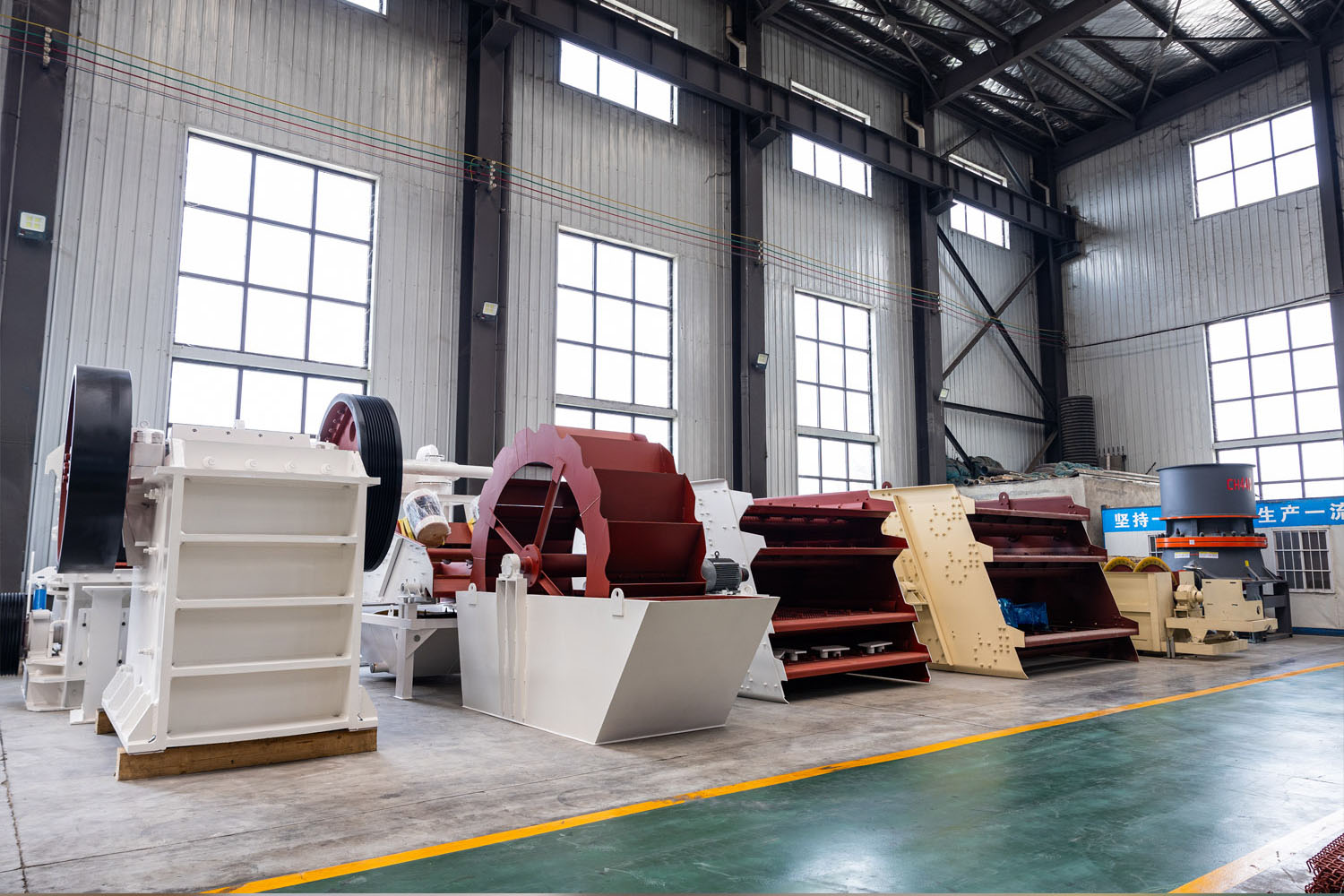
Crusher type selection is driven by the production stage and material characteristics. Jaw crushers are normally selected for primary crushing of hard and abrasive rock. Cone crushers, including Spring Cone, CS Symons, and Multi Cylinder Hydraulic types, are used for secondary and tertiary crushing of hard and mid-hard stone. Impact crushers are often chosen for medium-hard feed and for applications where cubical product shape matters. VSI crushers are used for sand making and particle shaping. Hammer crushers handle brittle materials in medium and fine crushing. Mobile crushers, both tyre type and crawler, allow rapid deployment and relocation between sites.
| Machine Type | Typical Production Stage | Primary Role |
|---|---|---|
| European Jaw Crusher | Primary | High-force compression crushing for hard and abrasive rock |
| Impact Crusher | Secondary | Medium-hard materials; cubical product shape |
| Spring Cone Crusher | Secondary / Tertiary | Fine crushing of ore and hard stone |
| CS Symons Cone Crusher | Secondary / Tertiary | Dependable fine crushing with a simple structure |
| Multi Cylinder Hydraulic Stone Cone Crusher | Tertiary | Automatic adjustment and high reduction ratio |
| VSI Impact Sand Making Stone Crusher Machine | Sand making / shaping | Manufactured sand production and particle shaping |
| Hammer Crusher | Medium-fine | Brittle materials, coal, gypsum, limestone |
| Tyre Type / Crawler Mobile Crusher | Site deployment | Rapid relocation and flexible multi-site production |
There is no universally 'best' crusher type. The correct machine depends on feed size, hardness, moisture, target output size, and capacity. In practice, one production line usually combines several types: a jaw crusher in the primary stage, a cone or impact crusher in the secondary stage, and a VSI machine in the final shaping stage.
Supplier Comparison: STM vs Red Star, Liming, and Nile
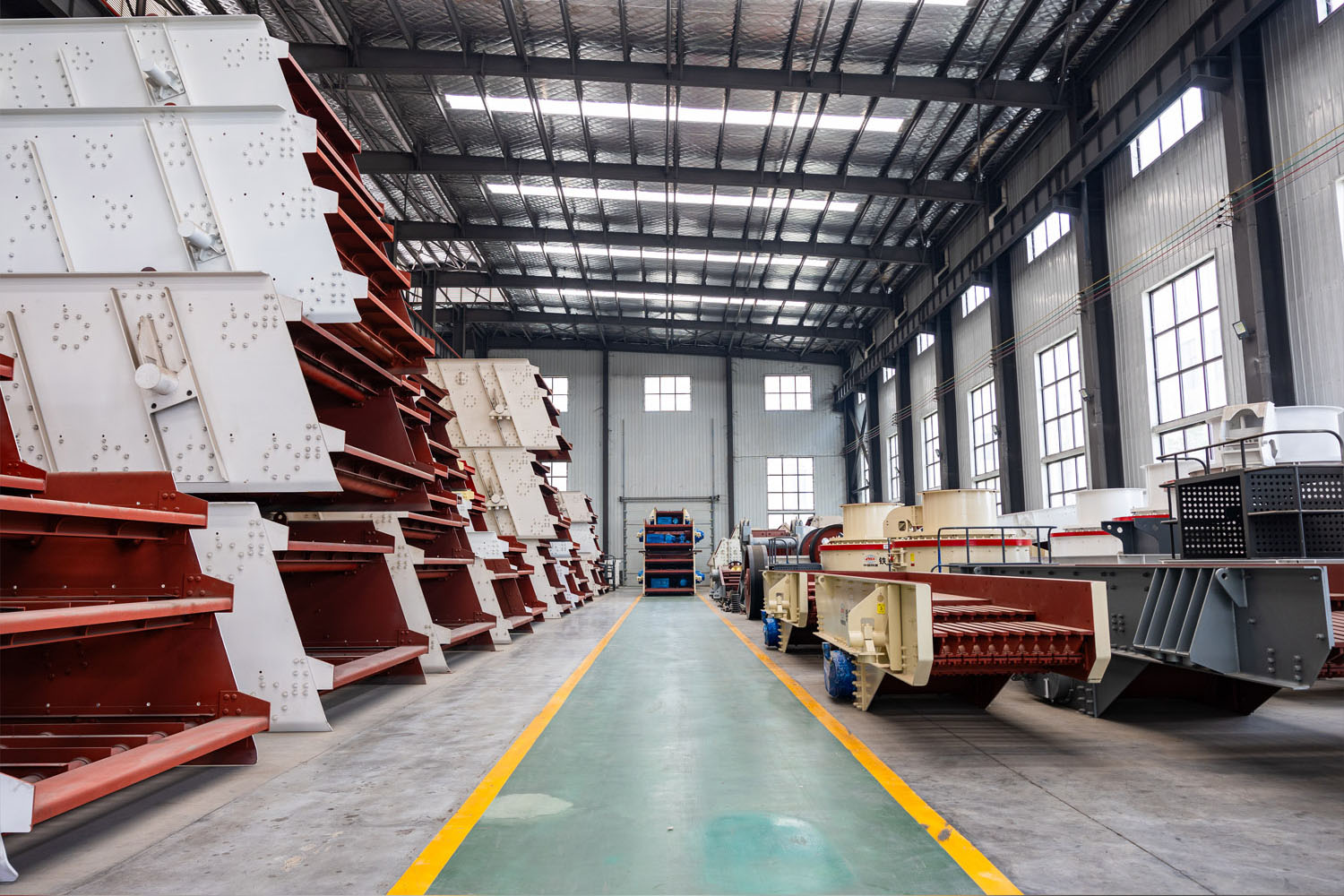
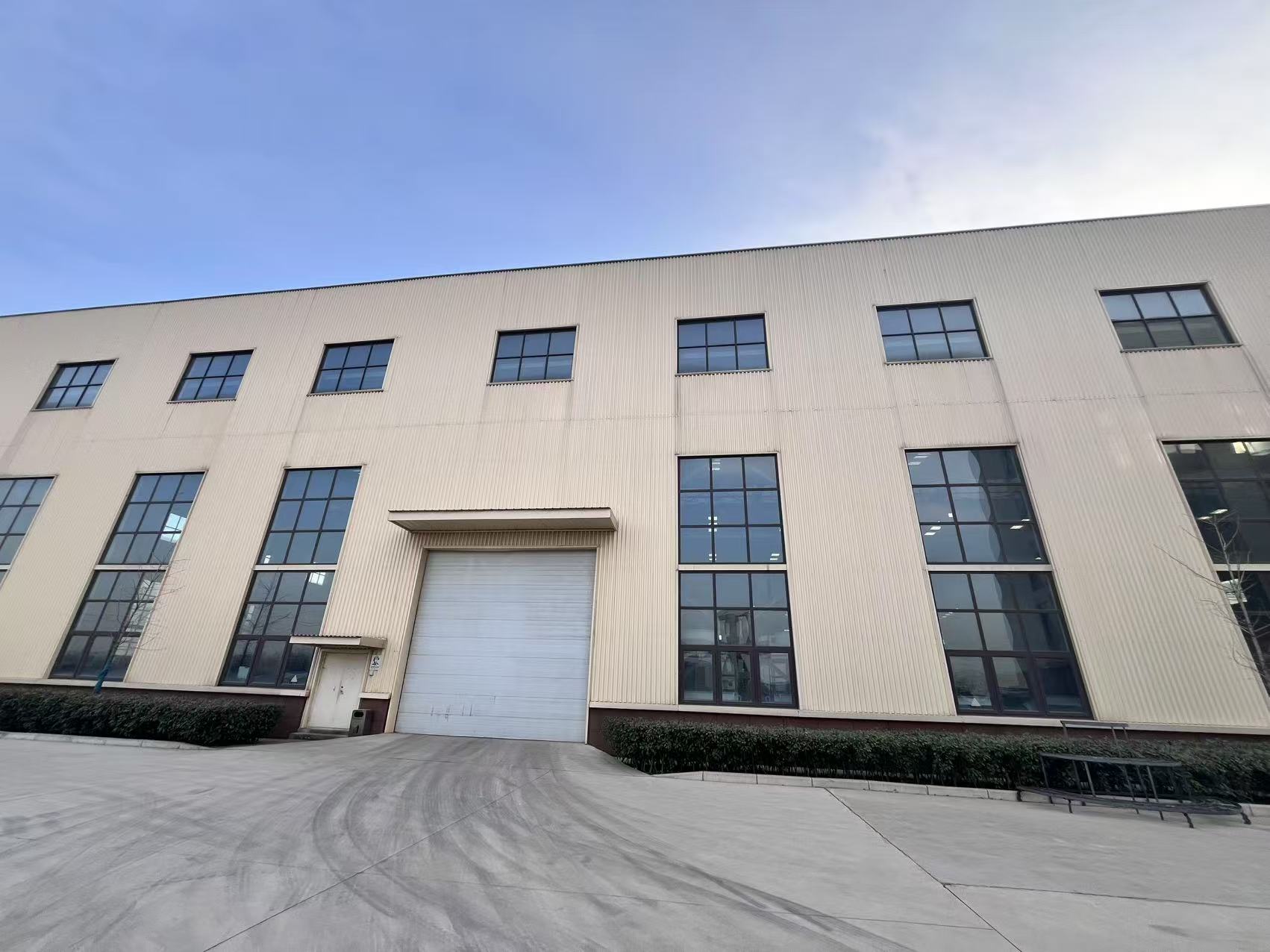
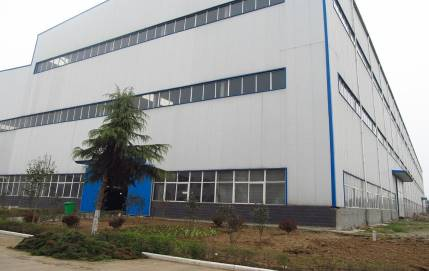
Henan Centbro Machinery(STM) Equipment Co., Ltd is a mining equipment manufacturer based in the Zhengzhou National High-tech Development Zone, Henan, China. Founded in 1982, the company operates an 8,000 m² facility and employs more than 50 staff, including 20 R&D engineers. Its annual output capacity is 10,000 units, and 100% of its products are exported, mainly to Russia, the Middle East, Mexico, Africa, and other overseas regions. The company holds ISO9001:2008 certification and European Union CE certification. More information is available on the official website at www.centbrocrusher.com.
STM states that, compared with suppliers such as Red Star, Liming, and Nile, its equipment offers distinct advantages in overall performance, one-stop EPC solutions, energy saving, and environmental protection. The quantified indicators below are based on STM's comparison data against industry average and peer baselines.
| Performance Indicator | STM | Industry / Peer Baseline |
|---|---|---|
| Comprehensive energy efficiency | +12% vs industry average | Industry average |
| Key equipment wear part service life | +30% | Industry average |
| Project delivery cycle | -20% | Industry average |
| Automation rate | 95% | 80% peer |
| Finished product qualification rate | ≥98% | ≥92% peer |
| Cost, Maintenance, and Energy Indicator | STM | Comparison Baseline |
|---|---|---|
| Overall project investment | 10% lower | Industry average |
| Unit product operation cost | 8%-18% lower | Industry average |
| Wear part replacement cost | 15%-20% lower | Industry average |
| Long-term operation cost | 13% lower | Industry average |
| Maintenance time and manpower | 30%-50% less via unified PLC centralized control | Industry / peer baseline |
| Unit product energy consumption | 8%-12% lower | Industry average |
| Heat utilization rate of drying and grinding equipment | up to 85%-88% | 75%-78% peer |
| Whole line heat recovery rate | 40% | 25% peer |
For a buyer, these figures change the comparison in four practical ways. Higher energy efficiency reduces operating cost per ton. Longer wear part life reduces replacement frequency and downtime. Higher automation reduces labor requirements. Shorter delivery supports faster project commissioning. These factors together determine total ownership cost, which can differ from the initial quote by a meaningful margin.
Step-by-Step: How to Run a Crusher Cost-Performance Comparison
Step 1. Define material characteristics and product targets
Before approaching suppliers, document the feed material type, hardness, moisture, impurity level, target output size, product shape, and capacity requirement. These parameters determine which crusher types are suitable.
Step 2. Match machine type to the production stage
Use the type comparison table to shortlist one or two machine types. For example, hard rock with high abrasiveness usually points to a jaw plus cone configuration; medium-hard materials allow impact or hammer options.
Step 3. Shortlist suppliers with verifiable credentials
Check certifications such as ISO9001 and CE. For mobile crushers, ISO 21873-2:2019 specifies safety requirements for rock crushing and construction recycling equipment. Review the factory's product scope, export experience, and documented project results.
Step 4. Compare total ownership cost
Build a comparison table that includes initial project investment, unit operating cost, wear part replacement cost, long-term operating cost, energy consumption, and maintenance workload. Use supplier-provided data as an input, but validate it against the project's operating assumptions.
Step 5. Assess risk control capability
Evaluate how each supplier addresses high-temperature environments, material impurities and moisture, dust and noise compliance, and extreme operating conditions. Site-specific risk control directly affects downtime.
Step 6. Verify after-sales and commissioning
Confirm whether the supplier can provide on-site installation and commissioning, operator training, and responsive spare parts support. STM, for example, assigns professional after-sales engineers to install and commission equipment until the customer can operate the machine.
Risk Control as a Decision Criterion
Equipment failure in difficult conditions is one of the largest hidden costs in crushing operations. STM identifies five risk areas for its core products: high-temperature environments, material-related risks, environmental and safety risks, operation and maintenance adaptation, and extreme operating conditions. The control measures are designed around equipment uptime and site compliance.
- High-temperature environments: Core equipment is equipped with heat dissipation systems; the PLC control system includes a high-temperature early warning function; cone crusher oil temperature is controlled between 38-55°C; key seals use materials resistant to 150°C or higher.
- Material-related risks: Equipment inlets are fitted with iron separators and grate screens; high-humidity materials are pre-treated with dewatering equipment to reduce moisture to the suitable range (≤8%).
- Environmental and safety risks: The equipment series uses a sealed design; baghouse dust collectors and spray dust suppression devices are standard; operating noise is reduced to within industry standards (≤85dB).
- Operation and maintenance adaptation: Wear-resistant parts offer 30% longer service life; STM provides scheduled maintenance reminders and on-site inspections; after-sales engineers can perform on-site repair and component replacement.
- Extreme operating conditions: The electrical system uses a waterproof design; low-temperature preheating devices protect lubricating oil and hydraulic oil in winter; high-altitude adaptation measures support thin-air operations.
Risk control does not change the machine type selection, but it does affect uptime. In a cost-performance comparison, risk control capability should be scored alongside price and energy data.
Use Case: High-Capacity, Low-Energy Crushing Production in Russia
A documented Russian project illustrates STM's equipment in industrial operation. According to the project record, the equipment achieved high capacity with low energy consumption, simple operation, and environmentally friendly performance. The project results included output that far exceeded customer expectations, finished pellets meeting industry requirements, and a production process that complied with national environmental green requirements.
For buyers, this case provides three checkable points: whether the equipment can exceed production targets, whether the output meets industry quality requirements, and whether the process can satisfy local environmental rules. These are exactly the criteria that determine whether a crusher investment makes sense in practice.
FAQ
What certifications should a buyer verify when comparing crusher suppliers?
Buyers should verify quality management certification and product safety certification. STM holds ISO9001:2008 international quality management system certification and European Union CE certification. For mobile crushers specifically, ISO 21873-2:2019 defines safety requirements and verification for rock crushing and construction recycling equipment. Certifications should always be checked against the destination country's own environmental and safety rules, because local compliance criteria can differ.
What crusher types does STM supply for different production stages?
STM's product range includes European Jaw Crusher, Impact Crusher, Spring Cone Crusher, CS Symons Cone Crusher, Multi Cylinder Hydraulic Stone Cone Crusher, VSI Impact Sand Making Stone Crusher Machine, Hammer Crusher, Rock Crusher, Ball Mill, Vibrating Feeder, Sand Washing Machine, Belt Conveyor, Three Ring Mill, tyre type and crawler mobile crushers, and complete production lines including stone crusher sand-making production lines, drying production lines, and grinding production lines.
How do STM's costs compare with alternatives like Red Star, Liming, and Nile?
STM states that its product has distinct advantages compared with Red Star, Liming, and Nile. Relative to industry average levels, STM reports overall project investment about 10% lower, unit product operation cost 8%-18% lower, wear part replacement cost 15%-20% lower, and long-term operation cost about 13% lower. Buyers should validate these figures using their own material and operating assumptions before finalizing a decision.
Can buyers inspect equipment or request detailed documentation before purchase?
Yes. STM welcomes domestic and international customers to its factory in Zhengzhou for equipment inspection and business discussion. Buyers can also download the company brochure to review the full product line and factory profile. Contact STM directly to arrange a visit, request a configuration, or ask for a quotation. Brochure: STM Crusher Company Brochure.
How long does a crusher or a complete production line take to deliver?
STM does not publish a fixed lead time, because delivery depends on machine type, capacity, configuration, and project scope. The company reports a project delivery cycle approximately 20% shorter than the industry average. To obtain a specific schedule, buyers should submit their project parameters and request a written quotation from STM's sales team.
Conclusion
In the decision stage, a crusher purchase should be treated as a comparison of total ownership cost, not as a comparison of machine prices alone. Define the material and product parameters first. Match the machine type to the production stage. Then evaluate suppliers on energy efficiency, wear life, automation, cost, risk control, and after-sales support.
STM provides one reference point in this comparison. Its factory has been in operation since 1982, its product range covers the full crushing and grinding line, and its comparison data can be checked against a buyer's own project assumptions. The company welcomes customers to inspect the factory in Zhengzhou before making a final decision.
Next step for buyers
Download the STM company brochure to review the full product line: STM Crusher Company Brochure.
Contact: Kevin@centbro.com | Tel/WhatsApp: +86 187-3712-0960
Address: High-tech Development Zone, Zhengzhou City, Henan, China
Have Questions or Need More Details?
Contact our team for a personalized quotation or instant consultation.
Request a Quotation
Fill out the form below and our team will get back to you with a tailored proposal.
WhatsApp Direct Chat
Prefer to chat in real-time? Message us on WhatsApp for instant assistance & quick answers.
- Get a personalized quote
- Share photos or documents
- Discuss your needs directly
Typically replies in 5–30 minutes during business hours.