Stone Crusher vs. Grinding Production Line: Which Configuration Fits Your Project?
Two buyers can walk into the same equipment catalogue with similar budgets and walk out with completely different plants. One needs a few hundred tonnes per hour of graded aggregate for a highway subgrade. The other needs a powder finer than half a millimetre for an industrial filler product. The first project can stop at crushing and screening. The second cannot, because the material has to be cleaned, dried and milled before it becomes the product the customer actually pays for.
That fork in the process route is what this guide is about. Below, a Stone Crusher Production Line and a Stone Crusher and Grinding Production Line are compared on the three variables buyers ask about most often: throughput expectations, end-product fineness, and system footprint. All equipment figures come from STM's published product data for Henan Centbro Machinery (STM) Equipment Co., Ltd; all market figures are attributed to the research organisations that published them.
What the Decision Actually Comes Down To
A Stone Crusher Production Line and a Stone Crusher and Grinding Production Line are not competing machines. They are two process routes that terminate at different products. The crushing route reduces run-of-quarry rock to graded aggregate, manufactured sand or stone chips and stops at a screen. The grinding route takes crushed material, prepares it, and reduces it further into a fine powder.
So the practical question is not "which line is better" but "what particle size does my buyer pay for?" Three configuration variables follow directly from that answer:
- End-product fineness — the size grade your customer accepts and your quality control can hold;
- Throughput — how many tonnes per hour the chosen route can deliver at that grade;
- System footprint — how many stages, machines, foundations and auxiliary systems the site has to carry, including dust control and material preparation.
Get fineness wrong and the plant cannot sell its output. Get throughput wrong and the plant cannot honour a supply contract. Get footprint wrong and the project stalls at the civil-works and environmental stage, before a single tonne is produced.
Industry Background: Why More Buyers Are Asking This Question
Equipment demand is expanding across both routes, which is precisely why configuration discipline matters more than it did a decade ago.
- The global crusher market was estimated at USD 6,751.19 million in 2024 and is projected to reach USD 12,710.1 million by 2035 (Market Research Future).
- Scope differences matter when reading these figures. Zion Market Research valued the stone crushing equipment market at approximately USD 5.06 billion in 2024, while Fact.MR placed crushing equipment near USD 4.9 billion in 2025. The divergence reflects what each study counts — machines only, or complete plants and screeners — rather than disagreement about the direction of the market.
- Asia Pacific is the largest and fastest-growing crusher region, and China's crusher market alone was estimated at USD 827.02 million in 2024 (Market Research Future).
- Jaw crushers are estimated to account for approximately 46% of the crushing equipment product segment by 2026 (Fact.MR), and within the jaw crusher market the single-toggle segment held 62.4% of product-type share in 2025 (Dataintelo).
- The global mobile crusher and screener market was valued at USD 4.59 billion in 2024, with a projected CAGR of 7.32% through 2035 (Market Research Future) — a signal that relocatable configurations and site footprint are becoming purchasing criteria in their own right.
- On the supplier side, Metso Outotec, Sandvik and Terex Corporation are identified as leading global manufacturers, collectively holding roughly 30–35% of jaw crusher market share (Dataintelo), with Metso's Aggregates segment reporting revenues above USD 3.1 billion in 2025.
Market growth, however, says nothing about which route fits a specific project. That decision is made by product specification, not by industry averages.
The Two Configurations, Defined
Stone Crusher Production Line
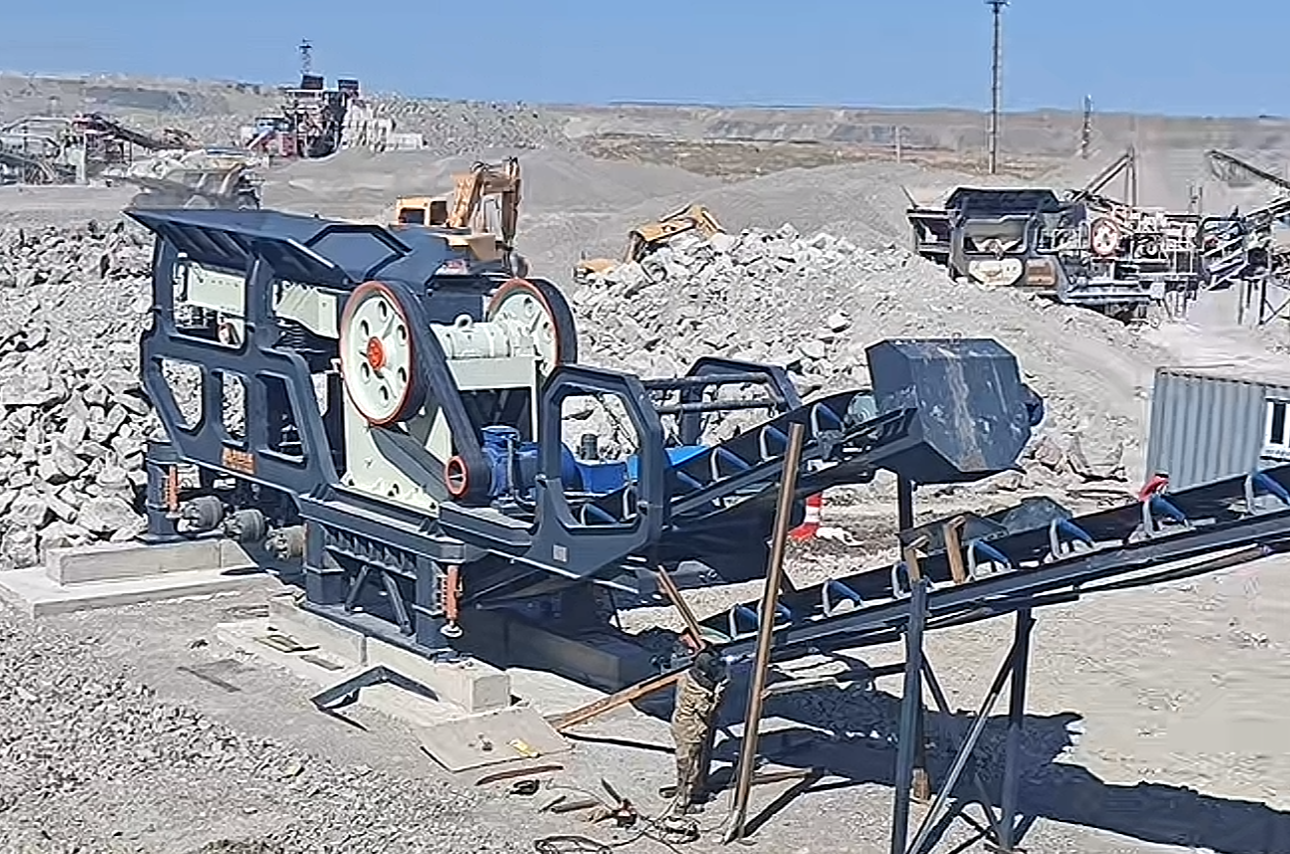
A Stone Crusher Production Line is a staged crushing and screening system that turns raw rock into sized aggregate or manufactured sand. In STM's catalogue it is listed across four model entries covering the main crushing stages:
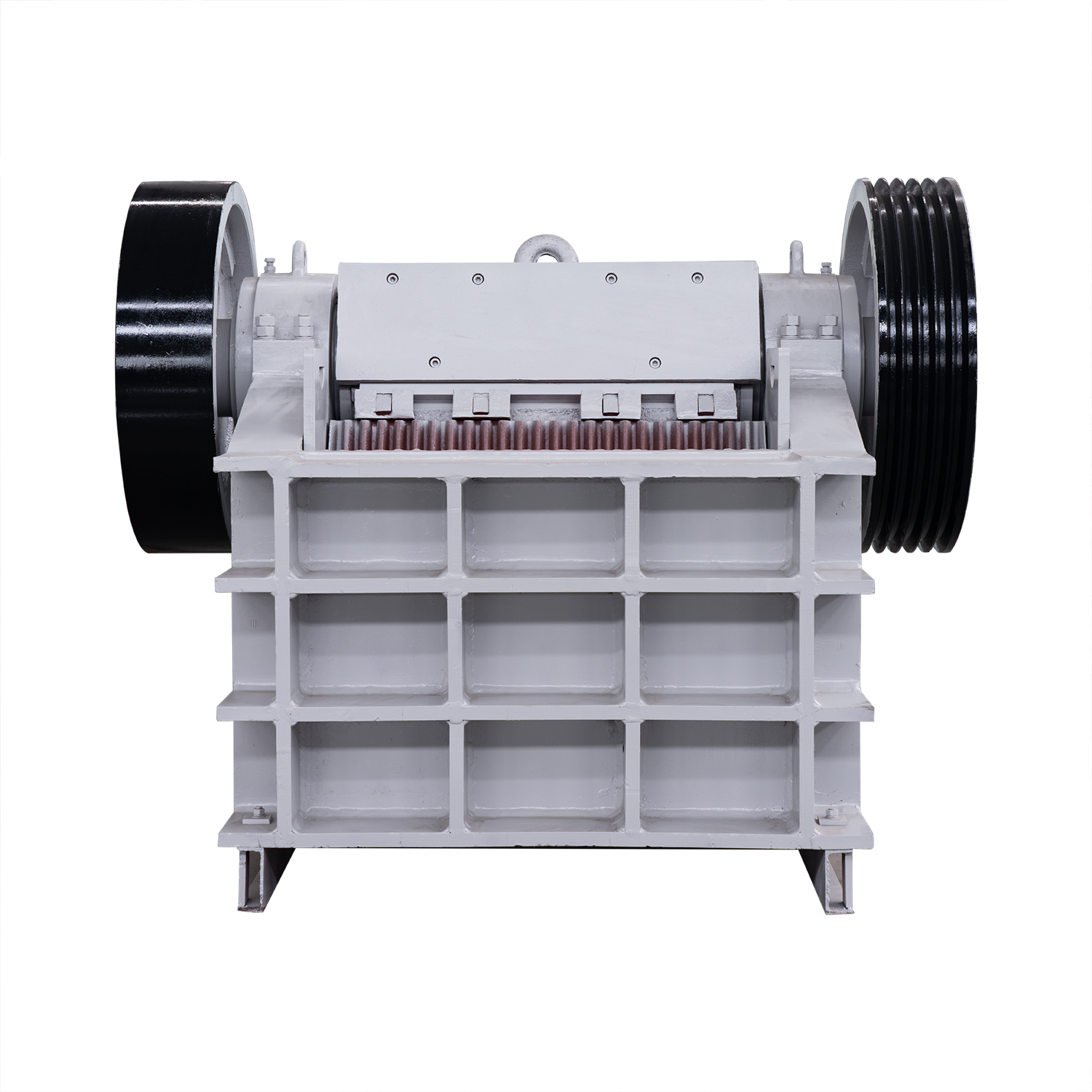
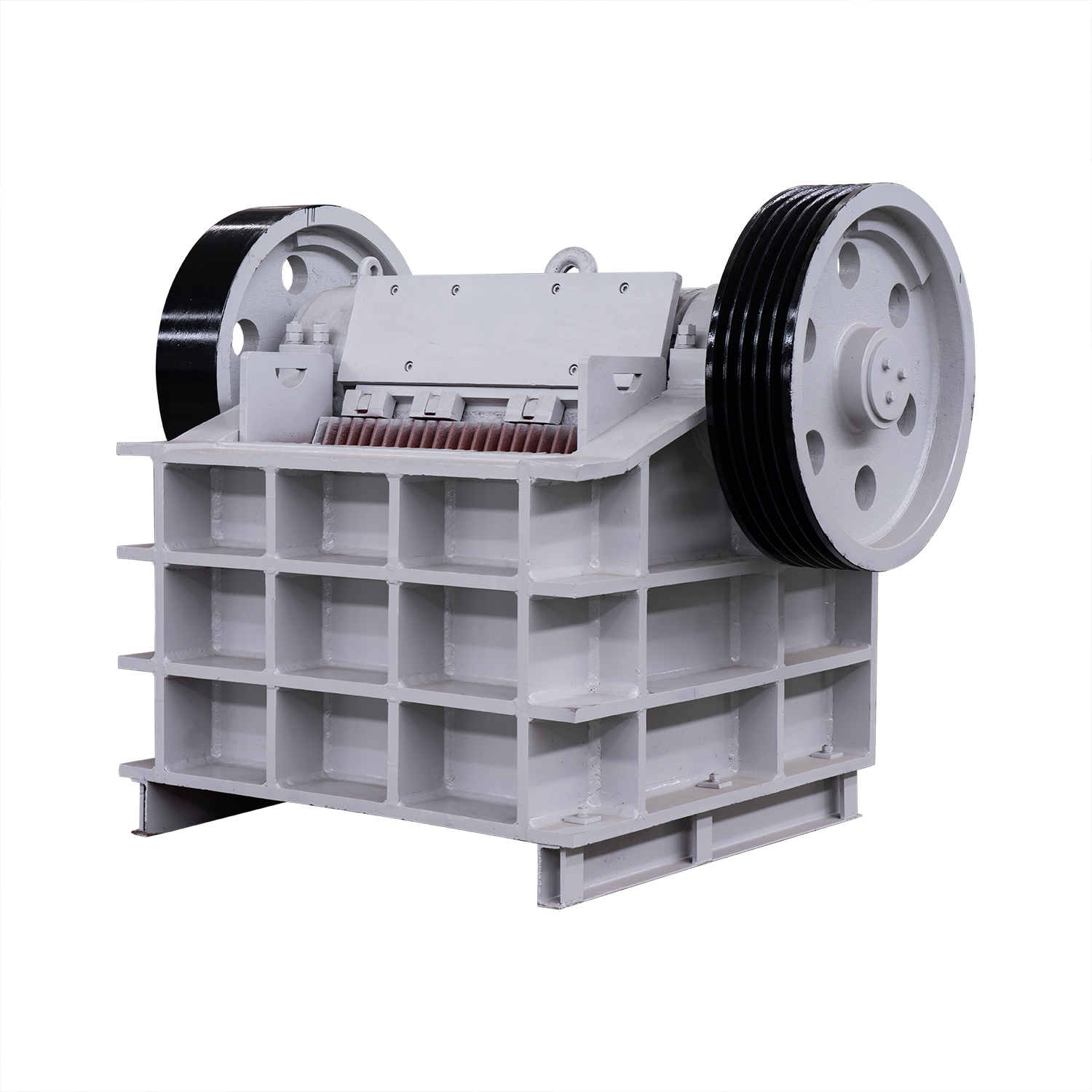
- PE jaw stage — 5.5–75 kW, feed opening 250–125 mm, maximum feed size 10–90 mm, capacity 1–90 t/h;
- Impact stage — 37–375 kW, feed opening 500–250 mm, capacity 15–350 t/h;
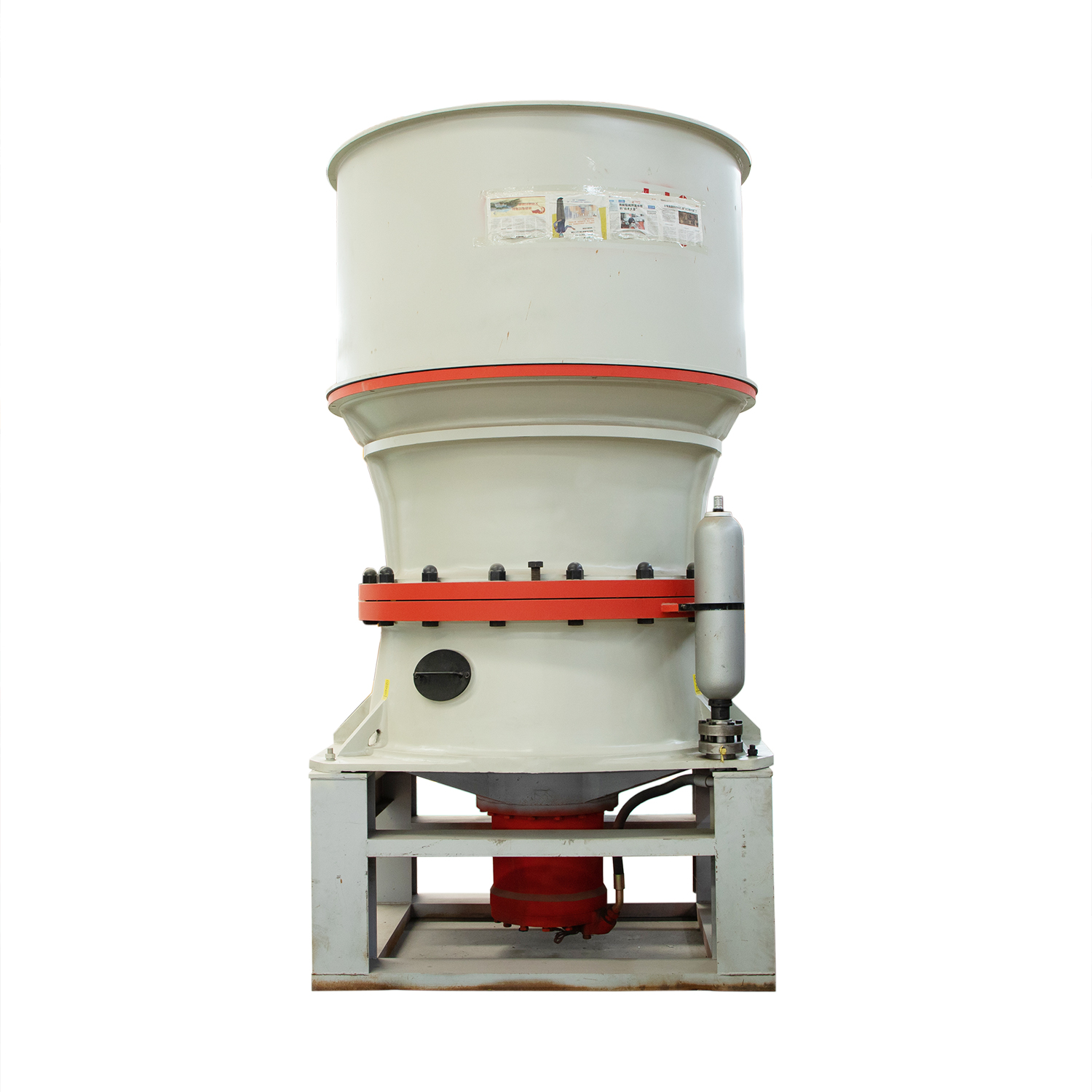
- Cone stage — 160–400 kW, feed opening 95–330 mm, maximum feed size 13–38 mm, capacity 120–855 t/h;
- European-jaw-based line entry — 110–400 kW, with a 0–50 mm feed specification and 60–520 t/h capacity.
The process flow documented in STM's application data is a closed-loop sequence: raw material bin → vibrating feeder → jaw crusher (coarse crushing) → cone crusher (medium and fine crushing) → vibrating screen → return crusher → VSI sand making machine → finished product screen → finished product silo. Oversize material returns for re-crushing, and the whole line runs under PLC central control with linked start and stop.
Supporting equipment is part of the configuration, not an afterthought: vibrating feeders for uniform, anti-clogging feed; belt conveyors between stages; hoppers and raw material, transfer and finished product bins; bag filter dust collectors and spray dust suppression; soundproof covers and sealed belt covers; and, for high-standard infrastructure work, wheel or spiral sand washing equipment.
Stone Crusher and Grinding Production Line
A Stone Crusher and Grinding Production Line keeps the same crushing and screening front end but adds a milling circuit that produces fine powder. STM lists this category across three mill families, each with its own fineness and capacity envelope:
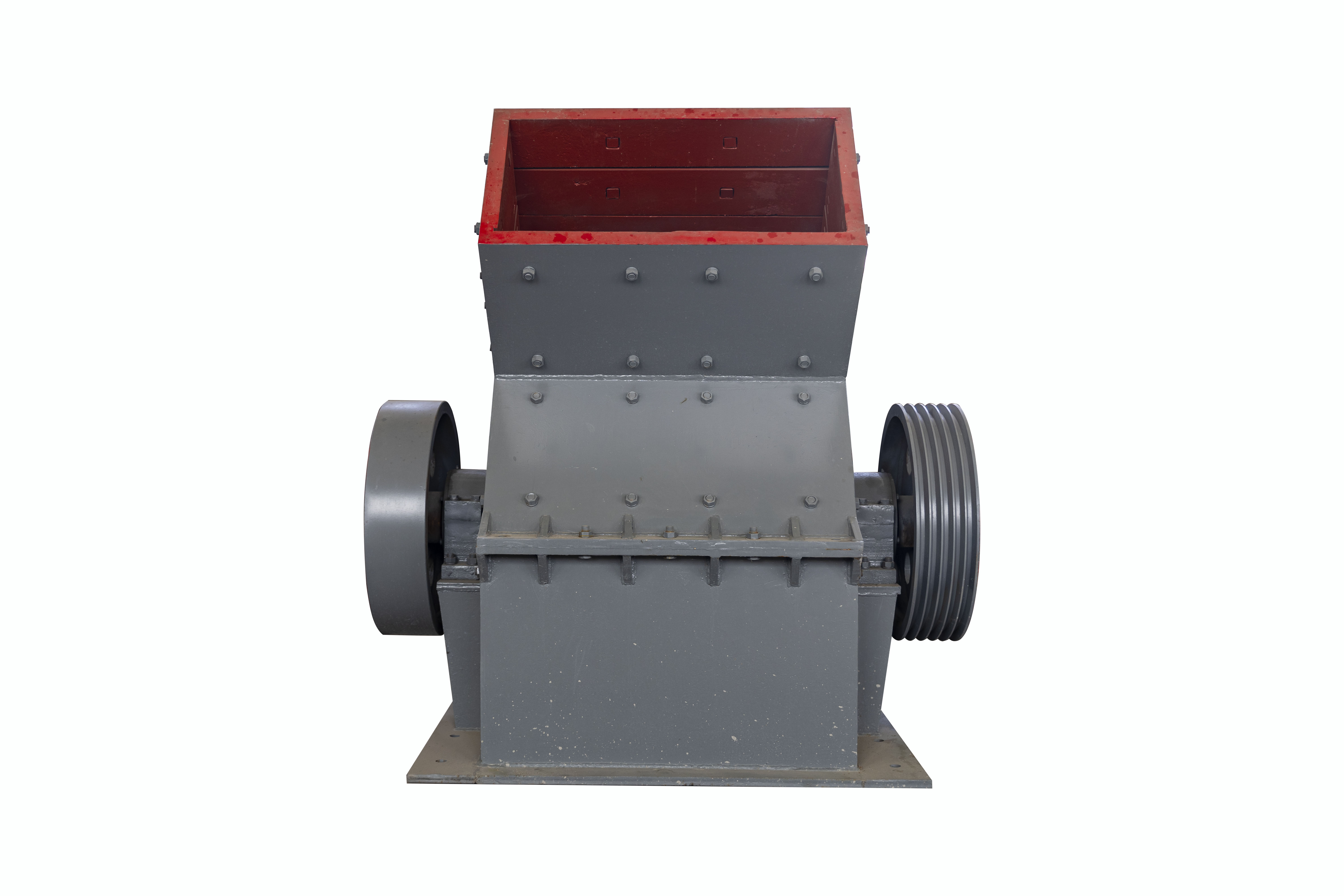
- B-series (ball-mill type), from B900*1800 to B3200*4500 — power 18.5–800 kW; material size range listed from 0.075–0.89 mm down to 0.074–0.4 mm; capacity 0.65–150 t/h. Representative models include the B1500*5700 (130 kW, 3.5–6 t/h), the B2200*7500 (380 kW, 15–30 t/h) and the B3200*4500 (800 kW, 20–150 t/h).
- YGM series (YGM75–YGM190) — 18.5–250 kW; feed opening 15–40 mm; listed material size range 0.613–0.033 mm; capacity 1–27 t/h.
- MTW series (MTW110–MTW175) — feed opening 30–40 mm; listed material size range 1.6–0.038 mm; capacity 3.5–25 t/h.
For example, the B1830*6400 model is documented with a production output range of 6.5–15 tonnes per hour, 210 kW of power, and a material size range of 0.074–0.4 mm — a useful reminder that fine grinding is a low-tonnage, high-precision operation compared with the cone stage's 120–855 t/h envelope.
What the Grinding Route Adds Before the Mill
This is the part of the comparison that most first-time buyers underestimate. According to STM's process description, where grinding is required the material must be cleaned and dried before it is ground using high-pressure grinding equipment or a ball mill. That preparation step is not optional, and it does not exist in a standard crushing line.
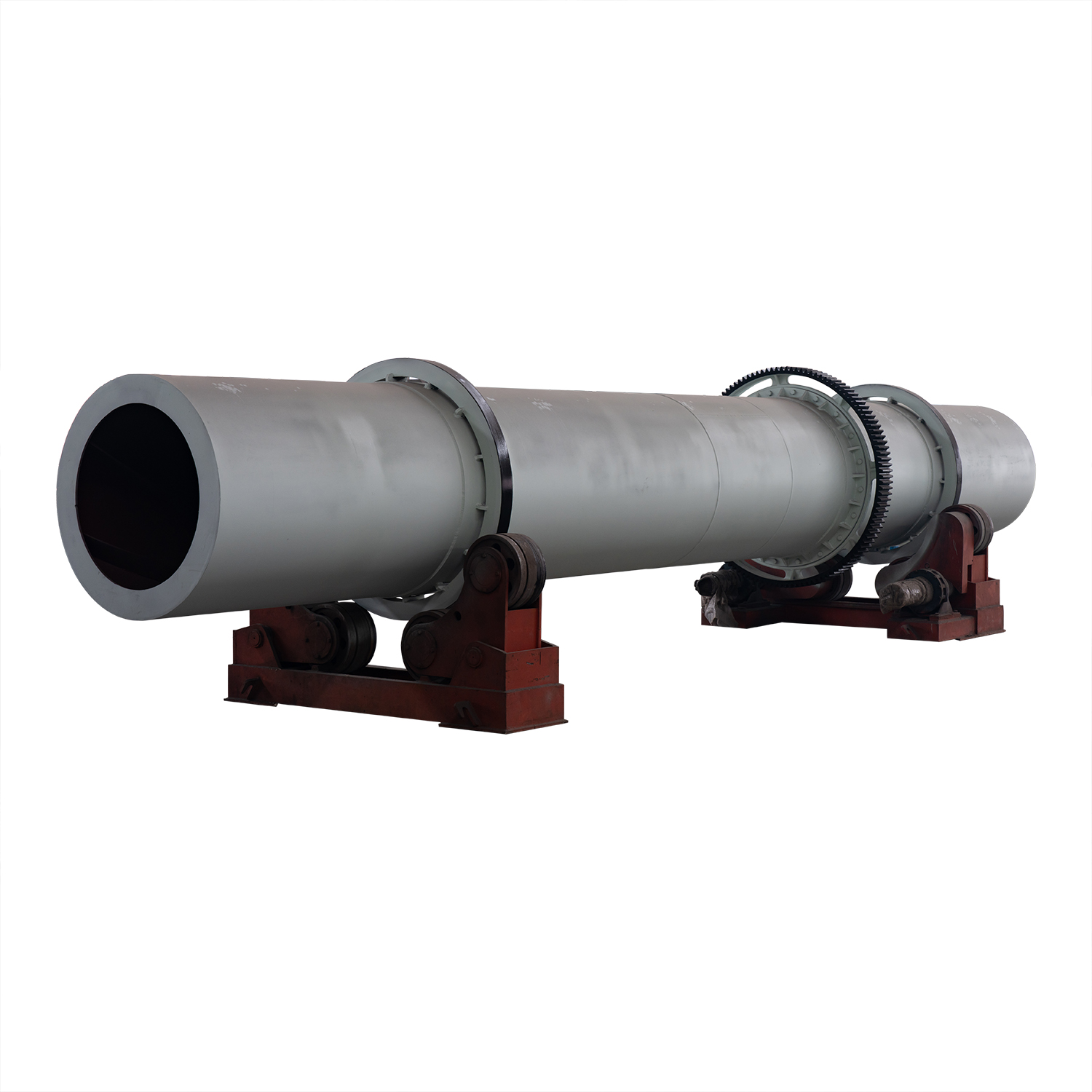
In practical terms, moisture becomes a design constraint rather than a detail. A buyer planning a grinding line has to specify drying capacity, dust and cleaning arrangements, and the buffer storage between crushing and milling — all of which consume site area and capital that a pure aggregate producer never spends.
Step-by-Step: Matching a Configuration to Your Project
Step 1 — Fix the salable product before you look at machines
Write down the particle size your customer accepts. If the answer is graded aggregate, manufactured sand or stone chips, the crushing route is the correct branch. If the answer is a powder measured in tenths of a millimetre — for example the 0.074–0.4 mm range listed for B-series models — the grinding route is the only one that reaches it.
Step 2 — Convert the sales contract into tonnes per hour
Take the supply obligation and translate it into finished-product t/h. Then compare it against documented ranges: the cone stage is listed at 120–855 t/h, the B-series grinding line at 0.65–150 t/h, the YGM series at 1–27 t/h and the MTW series at 3.5–25 t/h. A grinding line asked to match a crusher line's tonnage will not do it, and a crusher line asked to make powder cannot do it at all.
Step 3 — Map every stage between feed and finished product
For a crushing configuration the map is feed → coarse → medium/fine → screening → sand making (where sand is the product) → finished screening → storage. For a grinding configuration, the same map applies up to the screen, after which cleaning, drying, milling and classification follow. Each additional box is a machine, a motor, a foundation and a maintenance point.
Step 4 — Test the route against the site, not the other way round
A fixed plant needs foundations and structures for every stage, plus conveying, bins and dust collection. Where the deposit, the contract or the haul distance moves, mobile configurations are the alternative: STM's crawler range includes the SY-C96 with a 930*580 mm feed opening and 105–390 t/h output, while the tyre-type range includes the Y3S1548Y160 mobile cone unit at 110–455 t/h. Site footprint, not catalogue preference, decides between them.
Step 5 — Close the specification against documented values and standards
For every proposed model, verify power, feed opening, maximum feed size and capacity against the datasheet, and confirm the compliance references that apply. ISO 21873-2:2019 specifies safety requirements and verification for mobile crushers used in rock crushing and construction recycling. On the manufacturing side, Henan Centbro Machinery (STM) Equipment Co., Ltd states that it passed ISO 9001:2008 quality management system certification as well as EU CE certification.
Use Cases: Where Each Configuration Earns Its Place
1. Engineering sand and gravel for infrastructure
Highways, railways, bridges, tunnels, water conservancy works and real estate projects consume graded aggregate and manufactured sand continuously. This is the classic Stone Crusher Production Line application, typically configured as feeder → jaw → cone → screen → return crusher → VSI sand making machine → finished screen → silo, running automated and closed-loop.
2. Subgrade, backfill and high-standard construction
Highway, expressway and railway subgrade filling, airport, port and dock construction, dams, reservoirs, hydropower stations and municipal work all require tight grading control. These projects commonly add washing (wheel or spiral sand washer), bag filter dust collection and spray suppression to the crushing configuration.
3. Mining projects producing made sand, crushed stone and stone chips
Mining operations that sell processed stone rather than run-of-mine material use the same crushing logic: coarse, medium and fine reduction to prepare raw material for sand making and further processing.
4. Industrial mineral powder and filler production
Where the salable product is a powder, the grinding route is the only viable one. The upstream crushing stages still apply, but the defining equipment is the mill and the drying system ahead of it. Buyers in this segment should size the drying stage first, because a mill fed with wet material will not deliver its listed output.
5. Relocatable and contract crushing
Contract crushing, multi-pit operations and short-duration projects favour mobile units — crawler or tyre type — because the plant has to move with the work. The trade-off is capacity and process depth: mobile configurations are built around the crushing and screening stages rather than an integrated milling circuit.
Side-by-Side Comparison
The table below compares the two routes using the specification ranges published in STM's product data. It is a configuration comparison, not a ranking: neither route replaces the other.
| Comparison dimension | Stone Crusher Production Line | Stone Crusher and Grinding Production Line |
|---|---|---|
| Salable end product | Graded aggregate, manufactured sand, stone chips | Fine powder / mineral filler |
| Listed material size range | Set by the screening and sand-making stage; feed specifications listed per stage (jaw feed opening 250–125 mm; cone feed opening 95–330 mm) | 0.074–0.4 mm (B-series), 0.613–0.033 mm (YGM series), 1.6–0.038 mm (MTW series) |
| Listed throughput | Jaw stage 1–90 t/h; impact stage 15–350 t/h; cone stage 120–855 t/h | B-series 0.65–150 t/h; YGM series 1–27 t/h; MTW series 3.5–25 t/h |
| Listed power per stage | 5.5–75 kW (jaw), 37–375 kW (impact), 160–400 kW (cone) | 18.5–800 kW (B-series), 18.5–250 kW (YGM series) |
| Process stages | Feed → coarse crushing → medium/fine crushing → screening → sand making → finished screening → storage | Same upstream stages, plus cleaning, drying, milling and classification |
| Feed preparation before the final stage | Not required beyond screening and (optionally) washing | Material must be cleaned and dried before grinding |
| System footprint | Multi-stage fixed layout on foundations, or mobile crawler / tyre-type units | Adds drying and milling structures, buffer storage and additional dust control |
| Typical buyer | Aggregate producer, quarry operator, infrastructure contractor | Industrial mineral processor, powder and filler producer |
Grinding Line Families at a Glance
| Mill family | Model span | Power | Listed material size range | Listed capacity |
|---|---|---|---|---|
| B-series (ball-mill type) | B900*1800 – B3200*4500 | 18.5–800 kW | 0.075–0.89 mm to 0.074–0.4 mm | 0.65–150 t/h |
| YGM series | YGM75 – YGM190 | 18.5–250 kW | 0.613–0.033 mm | 1–27 t/h |
| MTW series | MTW110 – MTW175 | Not listed in the extracted data | 1.6–0.038 mm | 3.5–25 t/h |
Reading note: capacity ranges above are the figures published in STM's specification data for each model group. Actual output on a given site depends on feed size, moisture, hardness and how the circuit is balanced, so a configuration review should always be done against real material data rather than catalogue ranges alone.
Frequently Asked Questions
What standards should a crusher or grinding configuration meet before it ships?
For mobile units, ISO 21873-2:2019 specifies safety requirements and verification for mobile crushers used in rock crushing and construction recycling. For quality management and market access, Henan Centbro Machinery (STM) Equipment Co., Ltd states that it took the lead in passing ISO 9001:2008 international quality management system certification as well as EU CE certification. Buyers should also confirm the electrical control specification and the dust-control provisions included in the configuration, since these are typically project-specific.
Can one production line deliver both construction aggregate and fine powder?
The upstream crushing stages are shared, but the routes finish differently. A crushing line ends at screening and, where required, sand making. According to STM's process documentation, where grinding is required the material must first be cleaned and dried, then ground using high-pressure grinding equipment or a ball mill — preparation and milling steps that are not part of a standard crushing line. Throughput also shifts sharply: the cone stage is listed at 120–855 t/h, while the B-series grinding line is listed at 0.65–150 t/h.
What drives the cost difference between a crushing line and a grinding line?
Cost differences come from structure rather than from a single machine price. The main drivers are the number of process stages, the additional cleaning and drying equipment required before milling, installed power (the B-series reaches 800 kW, against 5.5–75 kW for a PE jaw stage), foundations and structures for the milling circuit, and the extra dust control and material handling that a powder product demands. Configuration costs should therefore be compared stage by stage rather than as a single equipment quotation.
How can a buyer validate that a configuration will reach the target product?
Start by matching targets against documented ranges: B-series models are listed at 0.074–0.4 mm, the YGM series at 0.613–0.033 mm, and the MTW series at 1.6–0.038 mm, with capacities of 0.65–150 t/h, 1–27 t/h and 3.5–25 t/h respectively. For aggregate work, compare required tonnage against the jaw stage (1–90 t/h), impact stage (15–350 t/h) and cone stage (120–855 t/h). Published market estimates also vary by scope — global crusher market valuations for 2024 range from about USD 5.06 billion to USD 6.75 billion depending on the study — so treat third-party benchmarks as directional and validate against your own feed and output data.
What support is provided during installation and commissioning?
STM states that after purchase the company assigns professional after-sales service engineers to the site for installing and commissioning the machine until the customer can operate it. For buyers preparing a configuration review, the practical next step is to send feed material specifications, target fineness and required tonnes per hour to the STM team for a stage-by-stage assessment. You can reach the team at centbrocrusher.com, by email at Kevin@centbro.com, or by phone and WhatsApp at +86 187-3712-0960.
Which Configuration Fits? A Short Answer
If your product leaves the plant on a truck as graded aggregate, manufactured sand or stone chips, the crushing route is the correct configuration and adding a mill only raises capital and operating cost without changing what you sell. If your product leaves as powder measured in tenths or hundredths of a millimetre, the grinding route is unavoidable, and the drying and cleaning stage ahead of the mill must be designed at the same time as the mill itself.
Everything between those two extremes comes down to the three variables that opened this guide: the fineness your buyer accepts, the tonnes per hour your contract requires, and the footprint your site can actually carry. Answer those three questions honestly before a quotation is issued, and the configuration decision becomes straightforward.
Next step: download the STM product catalogue to review model ranges, or send your project parameters for a configuration recommendation.
- Catalogue download: STM equipment brochure (PDF)
- Website: www.centbrocrusher.com
- Email: Kevin@centbro.com | Tel / WhatsApp: +86 187-3712-0960
- Address: High-tech Development Zone, Zhengzhou City, Henan, China
Have Questions or Need More Details?
Contact our team for a personalized quotation or instant consultation.
Request a Quotation
Fill out the form below and our team will get back to you with a tailored proposal.
WhatsApp Direct Chat
Prefer to chat in real-time? Message us on WhatsApp for instant assistance & quick answers.
- Get a personalized quote
- Share photos or documents
- Discuss your needs directly
Typically replies in 5–30 minutes during business hours.