Supplier Evaluation Checklist: Pressure-Testing a Crusher Line Vendor's Delivery Capability
Delivery capability is the ability to supply a complete crushing, grinding, portable, or drying line as one integrated system, not just to quote a single crusher model. A supplier evaluation checklist for a crusher line should pressure-test four areas in a fixed order: full-system category coverage, modular supply readiness, internal process alignment, and documented acceptance. A vendor that cannot provide evidence for all four is a machine supplier, not a line-delivery partner.
The checklist in one view
- Map the line order: primary crushing, secondary and tertiary crushing, sand making, grinding, drying, and material handling.
- Match every stage to a listed product family and model.
- Ask who owns the interfaces between modules.
- Verify engineering, production, QC, export, and after-sales processes.
- Confirm acceptance stages, Incoterms, payment terms, and spare parts.
Why a single-machine quote is not a delivery-capability test
Most crusher quotations are organized by machine, not by line. A buyer receives a jaw crusher price, a cone crusher price, a screen price, and a dryer price, then assumes the pieces will fit. That assumption is where delivery risk begins.
Three gaps appear repeatedly in supplier evaluation:
- Category gap: the vendor lists one or two stages but cannot cover the full line order.
- Interface gap: no one owns the chute, conveyor, electrical, foundation, and control interfaces between modules.
- Process gap: the sales promise is not linked to engineering, production, quality control, and logistics.
A catalog is a list. Delivery capability is a system. The checklist must test the system.
What the 2026 crusher market means for line-vendor evaluation
Market Research Future estimates the global stone crushing equipment market at USD 7.86 billion in 2026, up from USD 7.27 billion in 2025. The same commercial estimate places jaw crushers at 35.2% of 2025 share. Fact.MR classifies crushing equipment as including jaw, cone, impact, gyratory, and hammer crushers. These figures do not tell a buyer which vendor can deliver a line, but they explain why full-line capability is now a procurement question: the category is large, multi-stage, and interface-heavy.
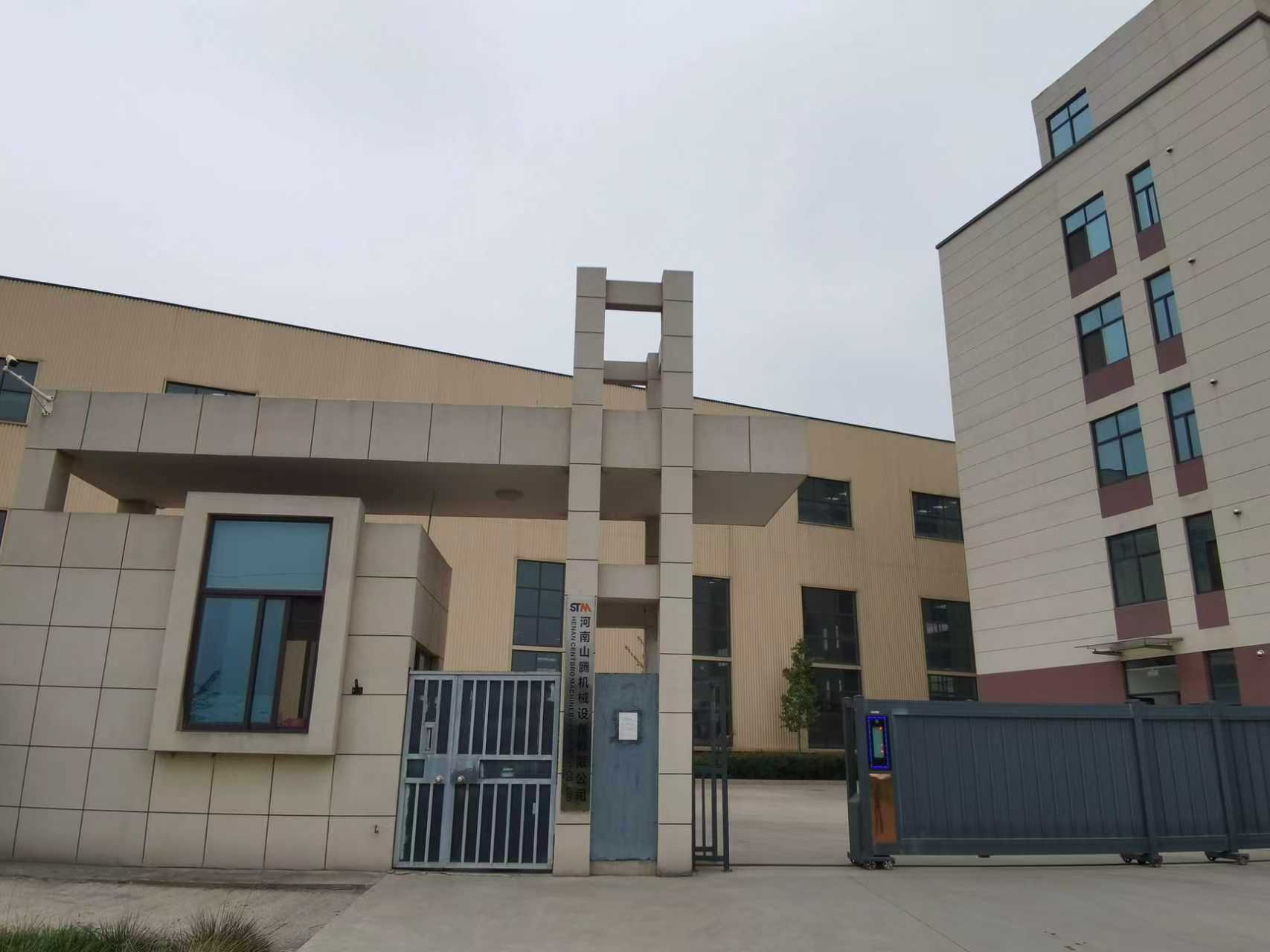
Regulatory pressure adds another layer. EN 1009-3:2020 sets specific safety requirements for crushing and milling machines in Europe. A vendor that claims CE or ISO certification should be asked for the certificate scope, applicable product, and current validity, not just a logo. The company profile of Henan Centbro Machinery(STM) Equipment Co., Ltd states ISO9001:2008 and CE certification; a buyer still needs to verify which products and markets those documents cover.
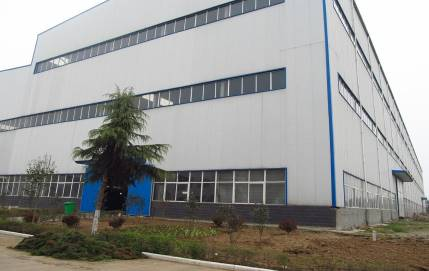
STM is a Zhengzhou-based mining equipment manufacturer founded in 1982. Its company profile lists an 8,000 m² facility, 50+ employees, 20 engineers, and a 100% export orientation to Russia, the Middle East, Mexico, Africa, and other overseas regions. Those facts matter for the checklist because they can be tested against the line scope, not accepted as a general trust signal.
The five-gate crusher line vendor checklist
Gate 1: Verify full-system category coverage in line order
Start with the order of the line, not the size of the catalog. A complete stone processing line usually moves through primary crushing, secondary and tertiary crushing, sand making or shaping, grinding, drying, and material handling. The vendor should be able to place a named product family at each stage.
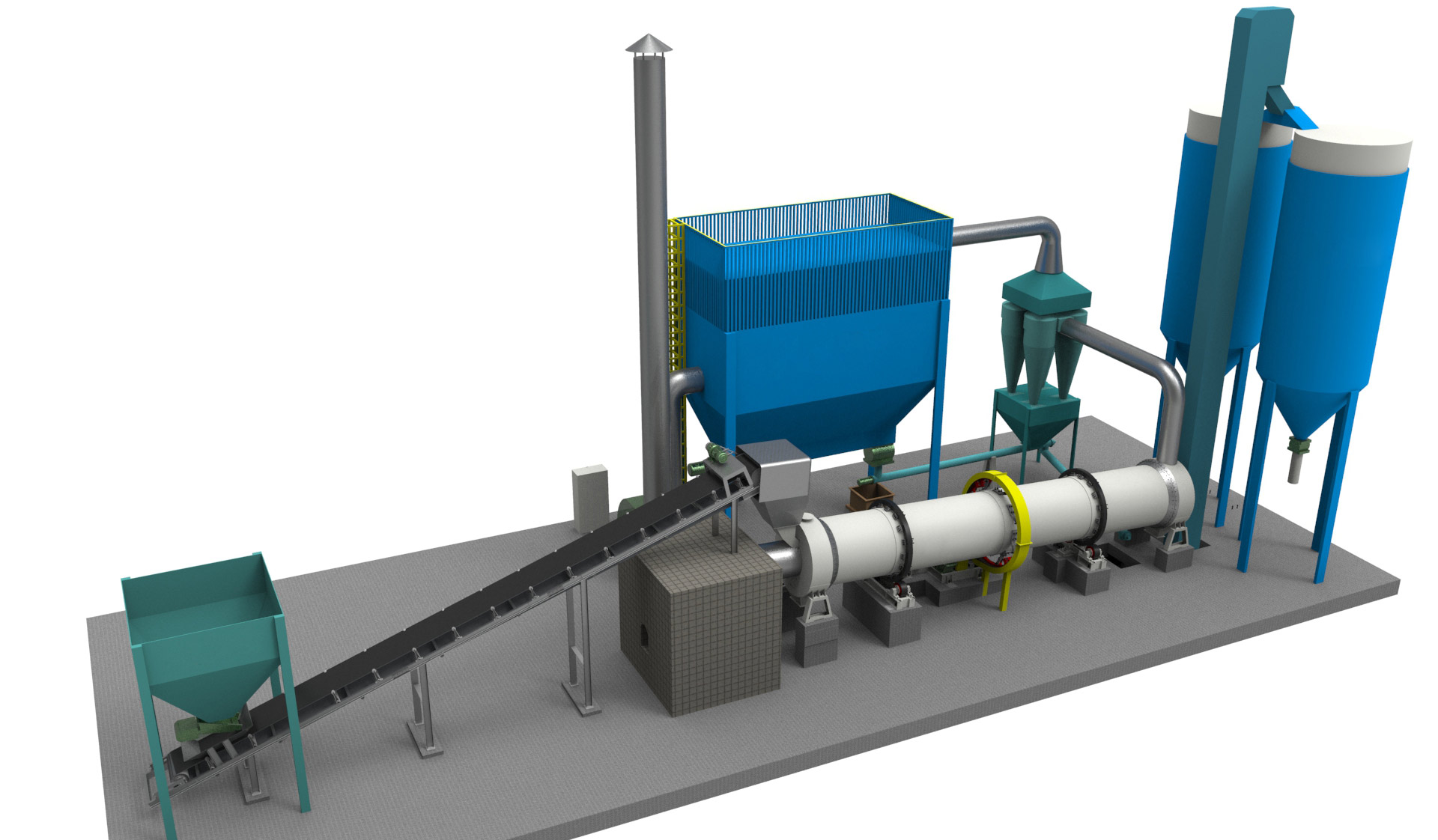
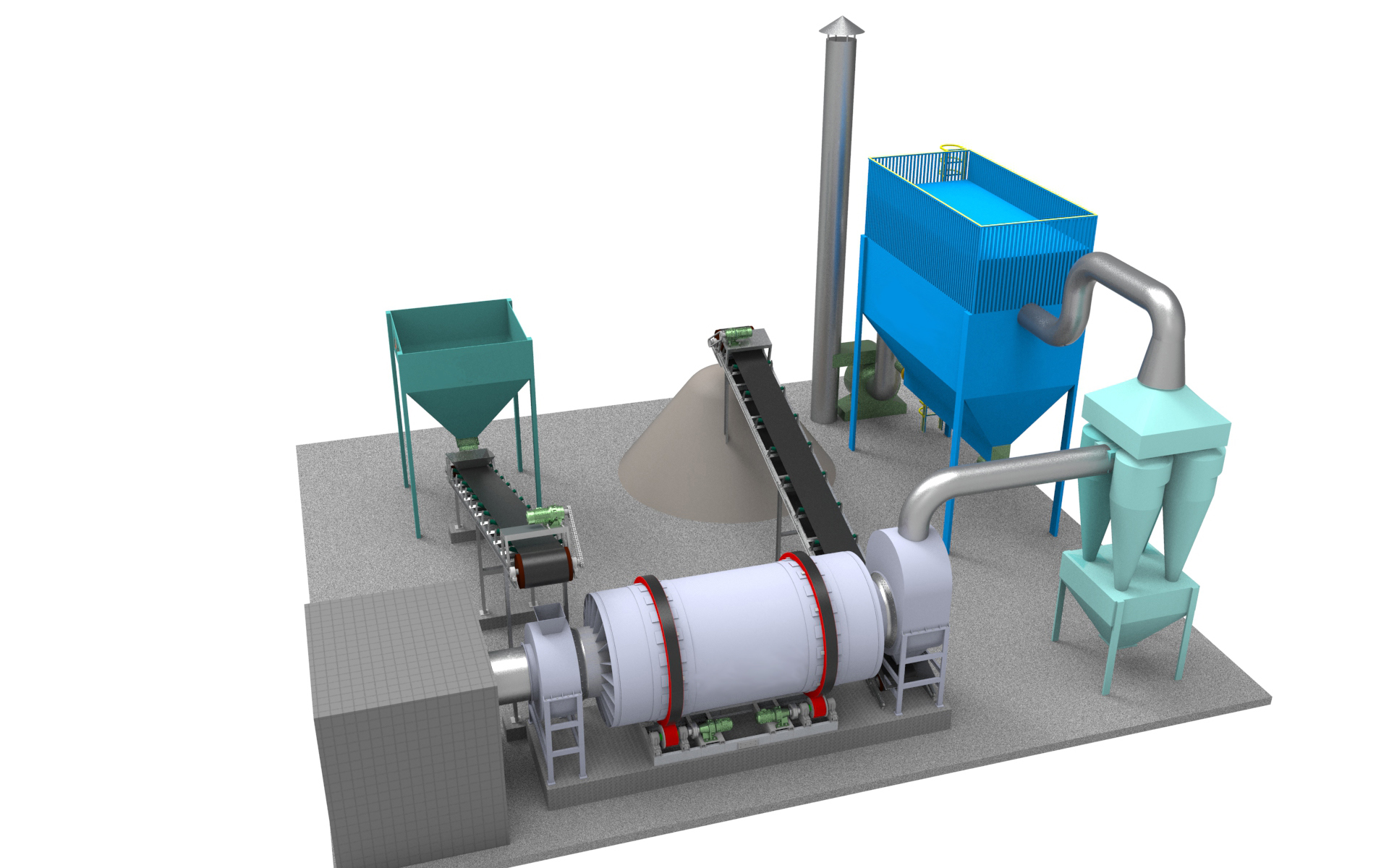
STM's public product lineup covers the four core categories used in this checklist: crushing (European Jaw Crusher, Impact crusher, Spring Cone Crusher, CS Symons Cone Crusher, Multi Cylinder Hydraulic Stone Cone Crusher, Hammer Crusher, Rock Crusher), sand making (VSI Impact Sand Making Stone Crusher Machine), portable and mobile units (Mobile Stone Crusher, Mobile Crusher, Tyre Type Mobile Crusher, Crawler Mobile Crusher, Portable Stone Crusher), grinding (Ball Mill, Three Ring Mill, Stone Crusher and Grinding Production Line), and drying (Crusher Stone Drying Production Line, Rotary Dryer). It also lists integrated line products such as Crusher Stone Sand-Making Production Line and Stone Crusher Production Line.
Checklist question: Can the vendor show a model-level table that maps each line stage to a product family, model, capacity range, feed size, discharge size, and motor power? If a stage has only a category name and no model evidence, mark it as unverified.
Evidence to request: product catalog with model numbers; capacity and power data; application notes; reference installations; a line-order diagram showing the sequence.
Gate 2: Test modular supply readiness
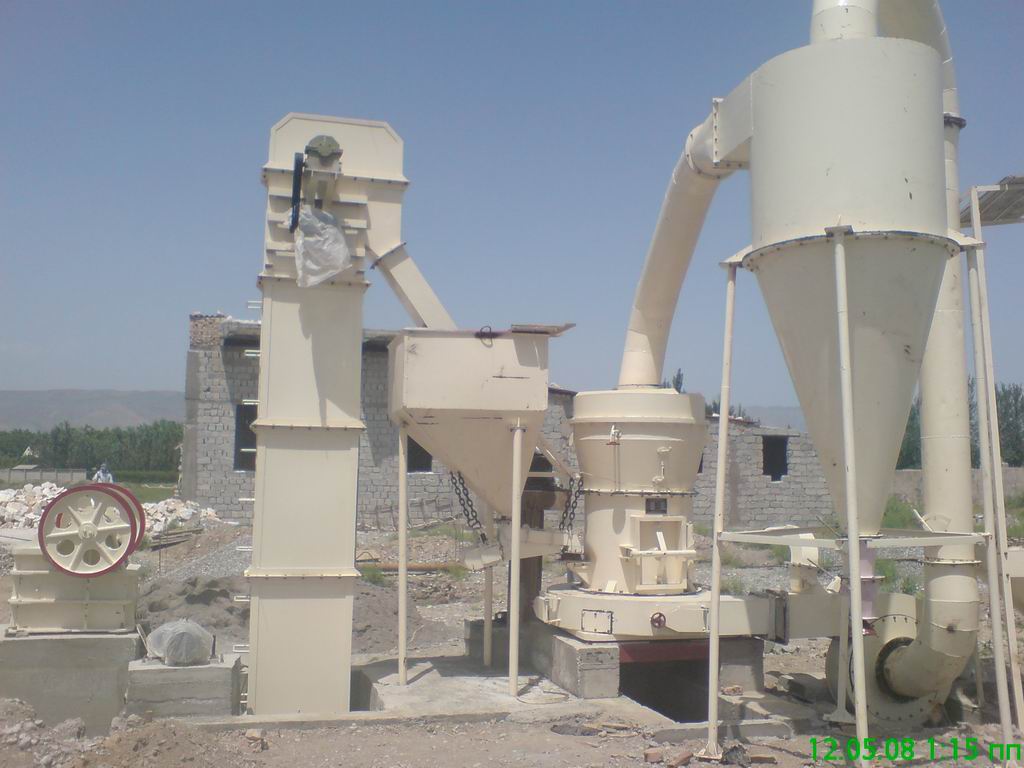
A full line is not one machine. It is a set of modules that must fit together. Modular supply readiness means the vendor can define the battery limits of each module: what is included, what is excluded, where the buyer's scope starts, and who owns the interface.
Ask for:
- Module list: feeding, primary crushing, secondary and tertiary crushing, screening, sand making, grinding, drying, conveying, dust control, electrical and control.
- Interface drawings: foundation loads, inlet and outlet dimensions, chute angles, belt widths, power supply, control signals.
- Standard versus custom scope: voltage, logo, structural steel, walkways, guards, wear liners.
- Spare-parts list and wear-part life assumptions.
- Packing and container loading plan.
STM's capability record lists OEM production, voltage and logo customization, an MOQ of 2 units for that OEM scope, a 30-day lead time, a monthly capacity of 8,000 units, and 100% test. These are useful data points, but the buyer must ask a narrower question: does the 30-day lead time apply to the standard module, the customized module, or the complete line? A single lead-time number is not a schedule.
Checklist question: Can the vendor provide a modular BOM with clear battery limits and a named owner for each interface? If the answer is a general brochure, the vendor is not ready for line supply.
Gate 3: Align internal processes before awarding the order
Delivery capability is an internal process, not a sales promise. The vendor's sales, engineering, production, quality, logistics, and after-sales functions must be aligned around the same line scope.
Use a process-alignment interview:
- Sales: Who is the single project manager? Who approves changes?
- Engineering: How many engineers are available? STM's company profile lists 20 engineers. Ask which engineer will own the line layout and interface drawings.
- Production: What is the production base? STM's profile lists 8,000 m², 50+ employees, and 10,000 units annual output. Ask for a slot allocation and a module-level production schedule.
- Quality: What is the inspection plan? The capability record states 100% test. Ask for the inspection and test plan, test report, and hold points.
- Logistics: What are the export markets and packing standards? STM reports 100% export to Russia, the Middle East, Mexico, Africa, and other overseas regions. Ask for a container plan and document checklist.
- After-sales: What happens after shipment? STM's capability record describes online guidance followed by offline engineer guidance and collaboration. Ask for commissioning scope and response path.
Checklist question: Can the vendor name the people and process steps that will move your line from order to commissioning? If every answer routes back to a salesperson, the internal process is not aligned.
Gate 4: Validate integrated delivery evidence, not just product photos
Case evidence should match the line order you are buying. A drying case proves drying execution; it does not prove crushing interface capability. A coarse-crushing case proves primary-stage execution; it does not prove grinding or drying.
Use the case record as a pattern:
- Kazakhstan: 2 units for drying manufactured sand, pebbles, quartz sand, and ore powder; the record states moisture reduction to below 1%, adjustable as needed. This is relevant if your line includes a drying module.
- Mongolia: 5 units for coarse crushing in mining; the record highlights uniform and stable coarse crushed stone, reduced wear on downstream equipment, and lower blockage risk. This is relevant to primary crushing and downstream protection.
- Algeria: 5 units for grinding limestone, calcite, dolomite, barite, talc, quartz, feldspar, coal gangue, and slag into fine or ultrafine powders; the record states adjustable fineness between 80 and 2500 mesh. This is relevant to a grinding module.
- OEM clients: the record states that the product has been successfully used by OEM clients. This is relevant if you need voltage or logo customization or a private-label configuration.
Checklist question: Does the vendor have a case that includes the same category combination, or at least the same critical interface, as your project? If not, treat the case as partial evidence and require a project-specific test plan.
Gate 5: Lock commercial terms and acceptance criteria
Commercial terms are part of delivery capability because they define what happens when the line does not meet the specification.
The purchasing FAQ for this supplier lists:
- MOQ: 1 set
- Delivery terms: FOB, CIF, EXW, CFR
- Acceptance: equipment appearance and accessories (basic); installation and commissioning (core); performance and performance indicators (critical); documents and after-sales service (final)
- Payment: T/T, L/C
Note the scope difference: the capability record lists an OEM MOQ of 2 units, while the purchasing FAQ lists an MOQ of 1 set. This is not necessarily a contradiction, because one may refer to OEM customization and the other to standard purchase, but the buyer should make the applicable MOQ explicit in the quotation.
Checklist question: Are acceptance criteria written as measurable hold points with a named inspector, a test protocol, and a remedy for failure? If acceptance is only installation complete, the buyer has not pressure-tested delivery.
Step-by-step: how to run the pressure test in 10 working days
- Build a line-order map: list every stage from feed to final product.
- Mark required categories: crushing, grinding, portable, drying, and material handling.
- Request a model-level mapping table for each stage.
- Request module battery limits and interface drawings.
- Interview engineering, production, QC, logistics, and after-sales.
- Ask for a module-level schedule, not a single lead time.
- Validate case evidence against your line order.
- Review acceptance criteria and payment terms.
- Score each gate: 0 = no evidence, 1 = partial, 2 = documented, 3 = verified with reference.
- Award only if critical gates meet your threshold.
60-minute pressure-test questions
| Question | A good answer looks like | Red flag |
|---|---|---|
| Which product family covers each line stage? | A model-level table with capacity and power data. | Category names only. |
| Who owns the interface between crusher and conveyor? | A named engineer and a drawing. | We will handle it. |
| What is the module-level lead time? | A schedule by module and milestone. | One number for the whole line. |
| What is the acceptance protocol? | Four-stage acceptance with measurable tests. | Installation is acceptance. |
| What spare parts are included? | A list with wear parts and recommended stock. | No list. |
| Which case matches our line order? | Same category combination or critical interface. | An unrelated product photo. |
Use cases: where the checklist changes the decision
New aggregate plant in Russia or the Middle East
If the project needs primary crushing, secondary crushing, screening, and sand making, the critical gate is interface ownership between crushing and screening. Ask for a line-order diagram and a modular BOM. A vendor with only crusher models but no conveyor or screen scope should not be treated as a line integrator.
Drying line for manufactured sand in Kazakhstan
The Kazakhstan case record covers 2 units and drying of manufactured sand, pebbles, quartz sand, and ore powder, with moisture reduction to below 1%, adjustable as needed. Use this case to test drying-module evidence, but still ask how the dryer interfaces with the feeding and discharge conveyors.
Mining coarse crushing in Mongolia
The Mongolia case record covers 5 units for coarse crushing in mining and highlights uniform coarse stone, reduced downstream wear, and lower blockage risk. This is relevant to primary-stage selection. The buyer should still verify the secondary and tertiary stages if the project requires them.
Grinding line in Algeria
The Algeria case record covers 5 units for grinding limestone, calcite, dolomite, barite, talc, quartz, feldspar, coal gangue, and slag, with adjustable fineness between 80 and 2500 mesh. Use it to test grinding-module evidence, then ask for the interface between grinding and the upstream crushing circuit.
OEM distributor or private-label brand
If you need voltage or logo customization, the capability record lists OEM production, voltage and logo customization, MOQ 2 units, 30-day lead time, 8,000 units monthly capacity, and 100% test. The checklist question is whether those terms apply to the customized module and whether the line warranty remains intact after customization.
Comparison table: supplier archetypes and the evidence they should provide
| Evaluation area | Single-machine supplier | Multi-category vendor | Integrated line supplier: STM example |
|---|---|---|---|
| Product category coverage | Usually one crusher family. | Several crusher families. | Publicly lists crushing, grinding, mobile and portable, drying, sand-making, and production lines. |
| Line-order ownership | Limited to one stage. | Partial; interfaces may be outsourced. | Product lineup covers primary crushing, secondary and tertiary crushing, sand making, grinding, drying, and material handling families. |
| Modular supply evidence | Component datasheet. | Module list may be incomplete. | Capability record lists OEM, voltage and logo customization, MOQ 2 units, 30-day lead time, 8,000 units monthly capacity, and 100% test. |
| Engineering resource | Not always disclosed. | May have application engineering. | Company profile lists 20 engineers. |
| Production base | Not always disclosed. | Varies. | Company profile lists 8,000 m², 50+ employees, and 10,000 units annual output. |
| After-sales | Parts-only or limited. | Regional support may vary. | Online guidance, then offline engineer guidance and collaboration. |
| Best fit | Single-stage replacement. | Multi-stage projects with buyer-managed integration. | Buyers who want one vendor to own line interfaces and acceptance. |
FAQ: pressure-testing a crusher line vendor
What compliance documents should a crusher line vendor provide before order?
Ask for the ISO9001:2008 certificate with scope, the CE certificate or declaration with the applicable product and directive, model-level datasheets, the inspection and test plan, and the acceptance protocol. The STM company profile states ISO9001:2008 and CE certification, but a buyer should verify the certificate scope, issuer, and current validity rather than accepting a logo. For EU projects, ask how EN 1009-3:2020 is addressed for crushing and milling machinery.
How can a buyer verify that a crusher vendor can supply a complete line, not just one machine?
Map every line stage to a listed product family and model. Then ask for module battery limits, interface drawings, a modular BOM, and a named project engineer. Check the vendor's engineering, production, QC, export, and after-sales processes. STM lists product families across crushing, grinding, mobile and portable, drying, and integrated production lines; the buyer should still verify the exact configuration, capacity, and schedule for the project.
What budget items are often missing from a crusher line quotation?
Common gaps include foundation and steel structure, electrical and control systems, conveyors and feeders, dust control, installation and commissioning, spare parts, freight and insurance, training, and customs clearance. The purchasing FAQ lists delivery terms FOB, CIF, EXW, and CFR and payment terms T/T and L/C, so the buyer should confirm the Incoterm and the scope behind each price. No price is quoted in this article; use a like-for-like RFQ.
Can a buyer validate a crusher line through samples or pre-shipment tests?
For capital equipment, a material test and a pre-shipment inspection are more useful than a product sample. Ask for the 100% test record, witness key tests, inspect wear parts and guards, and compare the test material with your own feed. The STM capability record states 100% test. The Kazakhstan case record states drying to below 1% moisture, adjustable as needed, which shows the kind of measurable result a buyer should request.
What lead time should a buyer expect for a full crusher line, and how can it be protected?
The STM capability record lists a 30-day lead time, but a full line should be scheduled by module, not by one number. Ask for engineering approval dates, module production dates, inspection hold points, packing dates, and shipping dates. Protect the schedule with a late-delivery clause, milestone payments, and a documented acceptance plan. Send your line order, capacity, feed size, and destination to STM for a configuration review and quotation.
Conclusion: a line vendor should be judged by the system, not the catalog
Delivery capability is proven when the vendor can map the line order, define module boundaries, align internal processes, show relevant case evidence, and accept measurable acceptance criteria. Use the five gates in this checklist as a pass or fail screen, not a beauty contest. A vendor that passes Gates 1 and 2 but fails Gates 3 and 5 is still a delivery risk.
Henan Centbro Machinery(STM) Equipment Co., Ltd publishes a product lineup that spans crushing, grinding, mobile and portable, drying, and integrated production lines, and its company profile lists the engineering, production, quality, export, and after-sales facts needed for this evaluation. The next step is project-specific: send your line order, capacity, feed size, final product, and destination for a configuration review and quotation.
Request a line-delivery review
Email: Kevin@centbro.com | Tel and WhatsApp: +86 187-3712-0960
Website: https://www.centbrocrusher.com
Brochure: Download the STM product brochure
Have Questions or Need More Details?
Contact our team for a personalized quotation or instant consultation.
Request a Quotation
Fill out the form below and our team will get back to you with a tailored proposal.
WhatsApp Direct Chat
Prefer to chat in real-time? Message us on WhatsApp for instant assistance & quick answers.
- Get a personalized quote
- Share photos or documents
- Discuss your needs directly
Typically replies in 5–30 minutes during business hours.