Top 6 Crusher Line Setups for 2026: Portable, Drying, and Full Production Systems Ranked
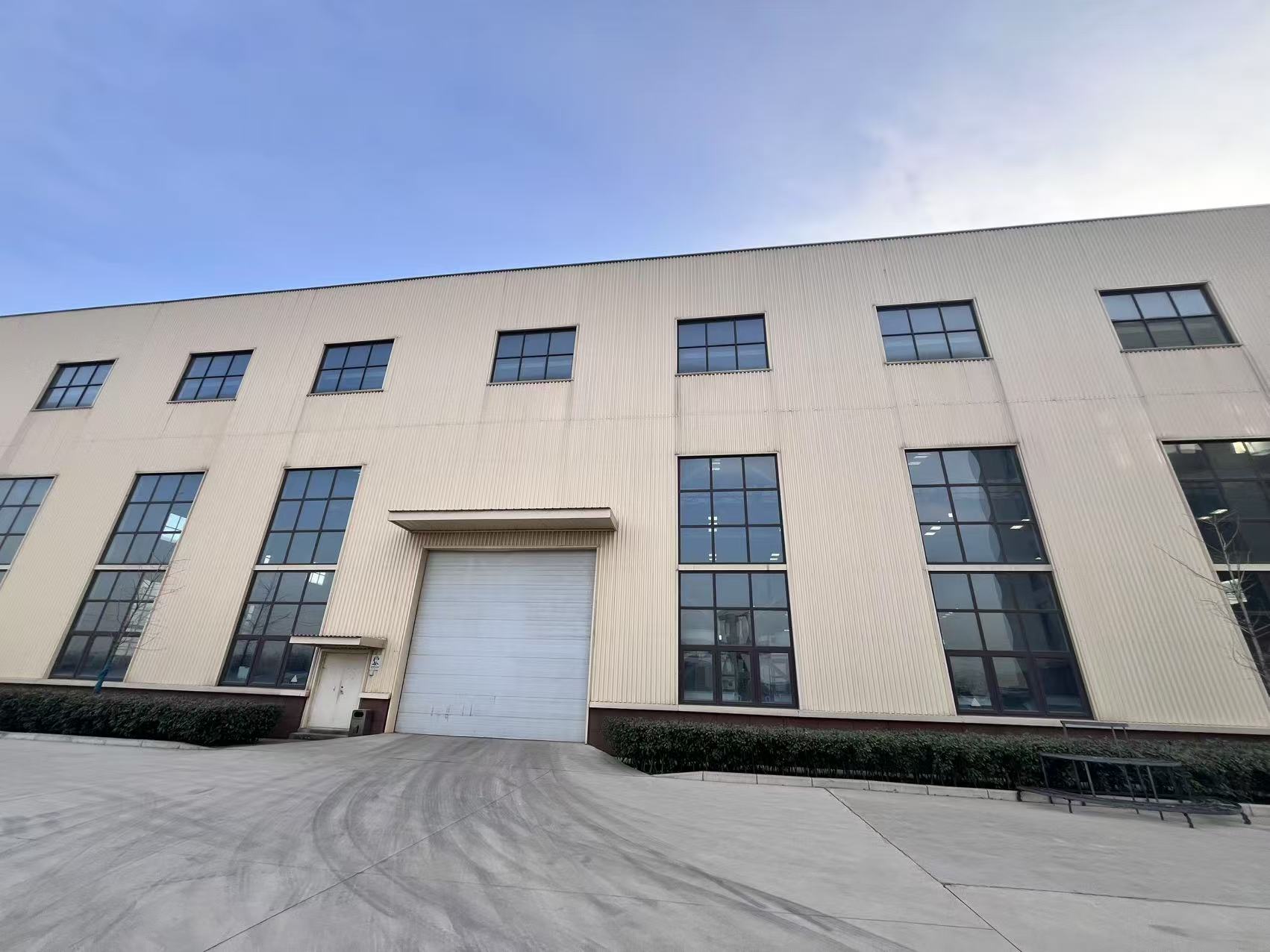
This ranking shortlists six crusher line setups across the verified product range of Henan Centbro Machinery (STM) Equipment Co., Ltd — a mining equipment manufacturer based in the Zhengzhou National High-tech Development Zone, Henan, China, established in 1982, with an 8,000 m² production facility and a 20-engineer R&D team. The six configurations cover portable crushing, tracked and tyre-mounted mobile crushing, fixed aggregate and sand-making lines, rotary drying lines, and stone grinding lines. The order below reflects operational flexibility, process integration efficiency, and versatility for the materials and outputs documented in the product record.
Two points frame the list before the details. First, this is a configuration ranking inside one manufacturer's verified catalogue, not a comparison of competing brands: each position is tied to documented power ranges, capacity ranges, or installed cases, so the ranking can be checked rather than taken on trust. Second, the order changes with the buyer's constraint. A contractor who relocates every season has a different number-one setup than a fixed quarry supplying commercial concrete. The ranking below states which constraint each setup wins on, and where each one stops being the right answer.
The Problem: Line Selection Is a Configuration Decision, Not a Machine Decision
Most procurement problems in crushing are not solved by picking a better single machine. They are solved by matching a configuration to four variables that a specification sheet alone will not resolve: whether the plant must move, how much moisture the feed carries, what the finished product must be (aggregate, manufactured sand, or powder), and how many process steps the buyer wants to operate under one responsibility.
A buyer in the evaluation-to-execution stage typically arrives with a tonnage target and a feed description. That is not enough to choose a line. A 200 t/h target can be met by a fixed two-stage jaw-plus-cone line, by a tracked mobile jaw and cone combination, or by a portable chassis carrying a single crusher — and each of those answers creates a different site layout, a different mobilisation sequence, and a different commissioning scope. The same material with high moisture content changes the answer again, because screening, packing, and dry-mix mortar customers often specify a moisture ceiling that no crusher stage can reach.
This is why a ranked shortlist is more useful than a specification catalogue. Ranking forces the buyer to state the constraint first, then look for the setup that satisfies it with the fewest process compromises.
Industry Background: What the 2026 Market Signals Indicate
Crusher demand in 2026 continues to track infrastructure, aggregate, and minerals processing investment. Market Research Future estimates the global crusher market at USD 6,751.19 million in 2024, projected to reach USD 12,710.1 million by 2035. Zion Market Research sizes the stone crushing equipment market at approximately USD 5.06 billion in 2024. These two figures describe different scopes — machinery versus broader crushing equipment and plant — and a third estimate from Fact.MR puts the 2025 crushing equipment market at USD 4.9 billion. Buyers should treat the spread as a scope difference rather than a contradiction when using market reports in a business case.
Three structural signals matter more for configuration choice than the headline size:
- Mobility is a growth segment. Market Research Future values the global mobile crusher and screener market at USD 4.59 billion in 2024, with a projected CAGR of 7.32% through 2035 — a faster-growing slice than the stationary equipment portion in most published splits.
- Jaw crushing still anchors most flowsheets. Fact.MR estimates jaw crushers at approximately 46% of the crushing equipment product segment by 2026, and Dataintelo reports the single toggle jaw crusher segment at 62.4% of the jaw crusher market in 2025.
- Supply is concentrated at the top, open in the middle. Dataintelo identifies Metso Outotec, Sandvik, and Terex Corporation as top global manufacturers holding roughly 30–35% of the jaw crusher market share, leaving a large share of the market served by regional and specialised manufacturers.
The regional picture reinforces the configuration question. Market Research Future estimates China's crusher market at USD 827.02 million in 2024, with Asia Pacific the largest and fastest-growing region. For a buyer sourcing from Henan Centbro Machinery (STM) Equipment Co., Ltd — whose products are exported to Russia, the Middle East, Mexico, Africa and other overseas regions at a 100% export ratio — the practical consequence is that mobile and modular configurations must be evaluated against transport and site-access constraints, not only against capacity.
Compliance note: ISO 21873-2:2019 specifies safety requirements and verification for mobile crushers used in rock crushing and construction recycling. Buyers specifying tracked or tyre-mounted setups should confirm that mobile machinery documentation references this standard.
The 6 Crusher Line Setups Ranked
1. Portable Stone Crusher — highest reconfiguration flexibility
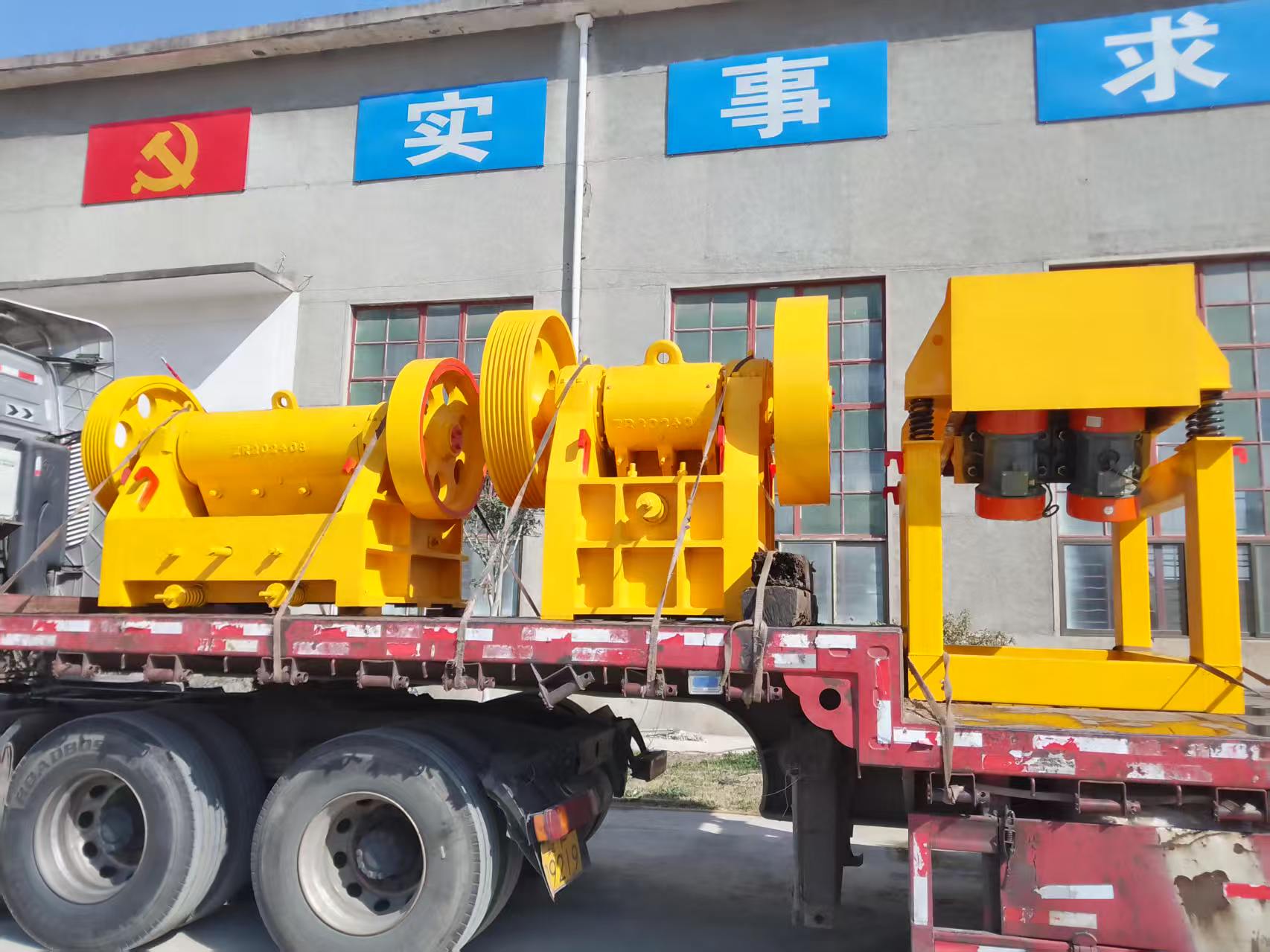
A portable stone crusher setup places the crushing chamber on a portable platform, and the distinguishing fact is how many chamber types can be mounted. The recorded configurations include PE-Jaw Crusher, European Jaw Crusher, Impact Crusher, Multi Cylinder Hydraulic Cone Crusher, Single Cylinder Hydraulic Cone Crusher, CS Symons Cone Crusher, Spring Cone Crusher, Hammer Crusher, and VSI Sand Making Machine. That breadth is what earns the top position on flexibility: the same platform logic can cover primary crushing, secondary reduction, or sand making depending on the chamber selected.
Documented specification ranges across those portable configurations:
- PE-jaw configuration: 5.5–75 kW, feed opening 250–125 mm, capacity 1–90 t/h.
- Impact configuration: 37–375 kW, capacity 15–350 t/h.
- Multi-cylinder hydraulic cone configuration: 160–400 kW, capacity 120–855 t/h.
- VSI sand-making configuration: 110–400 kW, capacity 60–520 t/h.
- European jaw configuration: 30–200 kW, capacity 12–650 t/h.
Best fit: mine-face crushing, short-life deposits, construction projects with a defined completion date, and buyers who expect to relocate within one to three years. Limitation: because capacity is set by the mounted chamber, a portable setup with a small jaw chamber cannot be scaled by adding modules the way a fixed plant can — capacity growth means changing the chamber or adding a second unit.
2. Crawler Mobile Crusher — highest capacity per mobile unit
The crawler range covers jaw, impact, and cone duties on self-propelled tracks. Recorded jaw models include SY-C96 (feed opening 930×580 mm, 105–390 t/h), SY-C106 (1060×700 mm, 150–500 t/h), SY-C116 (1150×870 mm, 165–520 t/h), SY-C120 (1200×870 mm, 175–540 t/h), and SY-C150 (1400×1200 mm, 340–880 t/h). Impact models SY-F1214 and SY-F1314 list 630 mm and 700 mm feed openings with capacities of 160–240 t/h and 200–320 t/h respectively, with SY-F1214S and SY-F1314S variants at the same capacity bands. Cone models SY-C440, SY-C440S, SY-H300, and SY-H300S list 215 mm and 190 mm feed openings with capacities of 150–320 t/h and 150–300 t/h.
Best fit: quarry faces and demolition or recycling sites where haul roads are impractical and the unit must move with the working face. Limitation: tracked units carry higher drivetrain complexity than tyre-mounted units, and the tracked jaw range starts at feed openings suited to primary duty, so they are less efficient as a small-tonnage, frequently repositioned secondary unit.
3. Tyre Type Mobile Crusher — best deployment speed per tonne
Tyre-mounted units are grouped into three duties. Jaw models: YG938E69 at 91.5 kW with 70–150 t/h, YG1142E710 at 134 kW with 80–200 t/h, and YG1349E912 at 146 kW with 150–300 t/h. Impact models: Y3S1548F1010 at 70–90 kW with 30–275 t/h, Y3S1548F1210 at 128.5–150.5 kW with 56–330 t/h, Y3S1548F1214 at 154–190 kW with 65–586 t/h, and Y3S1548F1315 at 210–297 kW with 81–720 t/h. Cone models: Y3S1548Y900 at 75 kW with 50–90 t/h, Y3S1548Y1200 at 99–134 kW with 65–130 t/h, Y3S1548Y160 at 212.5–220.5 kW with 110–455 t/h, and Y3S1548Y220 at 257.5–264.5 kW with 140–330 t/h.
Best fit: contractors who move between sites on public roads and want the shortest mobilisation cycle, and buyers who need mobile capacity without tracked undercarriage maintenance. Limitation: tyre-mounted plants depend on ground conditions and prepared access, which is exactly where crawler units keep working.
4. Stone Crusher Production Line — highest integration of crushing and sand making
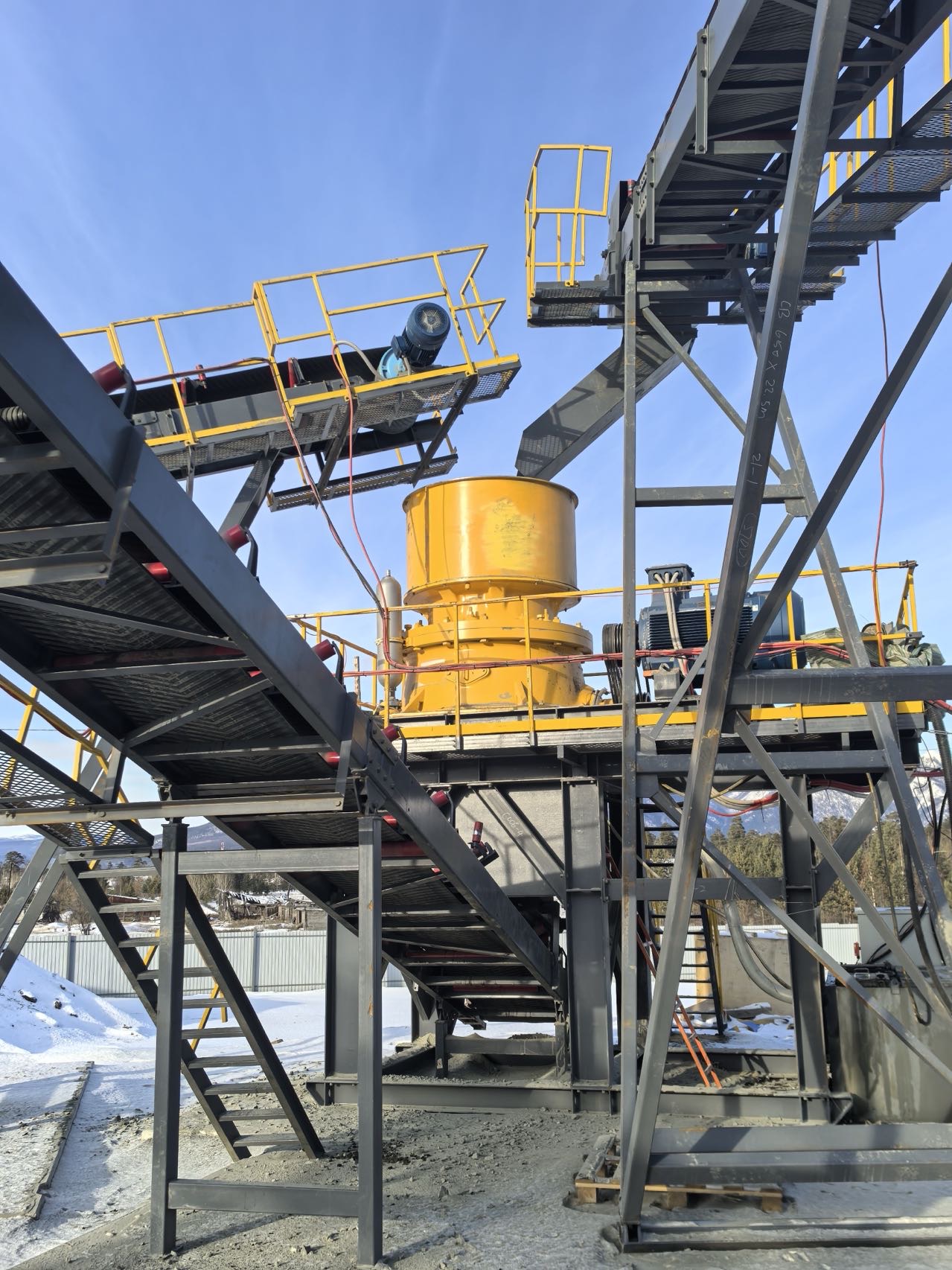
The fixed production line is ranked fourth because it is not the most flexible option, but it integrates the most process steps under one flowsheet. Two documented line families sit here: Stone Crusher Production Line with PE-jaw, impact, or cone modules, and Crusher Stone Sand-Making Production Line with PE-jaw, impact, cone, or VSI modules. Recorded module ranges:
- PE-jaw module: 5.5–75 kW, feed opening 250–125 mm, capacity 1–90 t/h.
- Impact module: 37–375 kW, feed opening 500–250 mm, capacity 15–350 t/h.
- Cone module: 160–400 kW, capacity 120–855 t/h.
- VSI sand-making module: 110–400 kW, capacity 60–520 t/h.
A documented installation in Russia covers 10 units producing concrete aggregate for infrastructure, water conservancy, and real estate projects, with recorded attributes of high capacity, low energy consumption, simple operation, and environmental compliance. A separate 5-unit installation in Mongolia used the primary crushing stage for mining duty, producing uniform and stable coarse crushed stone that reduced wear on downstream equipment and lowered the risk of material blockage.
Best fit: fixed quarries and long-life aggregate operations supplying commercial concrete, infrastructure, or sand specifications. Limitation: it requires site works, foundations, and a settled raw-material supply; it is the worst fit for deposits with a short remaining life.
5. Crusher Stone Drying Production Line — the moisture-control add-on that unlocks downstream sales
Drying ranks fifth as a standalone setup but functions as a force multiplier on the setups above. The recorded range spans rotary drum models from 600×6000 (3 kW, 0.5–1.5 t/h) through 1200×12000 (11 kW, 2–6 t/h), 2200×18000 (22 kW, 10–18 t/h), and 3000×25000 (75 kW, 32–40 t/h), up to the four-cylinder configurations listed as 2×4.5 m (5.5×2 kW, 13–18 t/h), 3×6.5 m (11×4 kW, 35–40 t/h), and 4.2×8 m (22×4 kW, 70–120 t/h).
A documented 2-unit installation in Kazakhstan dries manufactured sand, pebbles, quartz sand, and ore powder to reduce moisture content, reaching below 1% moisture with the level adjustable as needed. The recorded project outcomes are specific: material dries uniformly with good flowability for screening, grinding, and packaging; clumping, sticking, and blockage are reduced, improving stability of subsequent processes; wet material volume and weight are reduced, lowering transport cost; and finished-product quality meets requirements for commercial concrete, dry-mix mortar, and high-end fillers. Recorded equipment attributes include continuous rotary drum operation for uniform heating, adjustable temperature and drying degree, 24-hour continuous operation suitability, hot-air recycling for thermal efficiency, a dust removal device for environmental compliance, and material coverage extending to sand, gravel, mineral powder, coal slime, sludge, clay, and tailings.
Best fit: aggregate producers whose output is rejected on moisture specifications, and buyers selling into dry-mix mortar, packaging, or long-distance transport. Limitation: drying consumes energy and floor space and must be sized to the true wet throughput of the upstream line, not to the nominal crusher capacity.
6. Stone Crusher and Grinding Production Line — the route to powder-based products
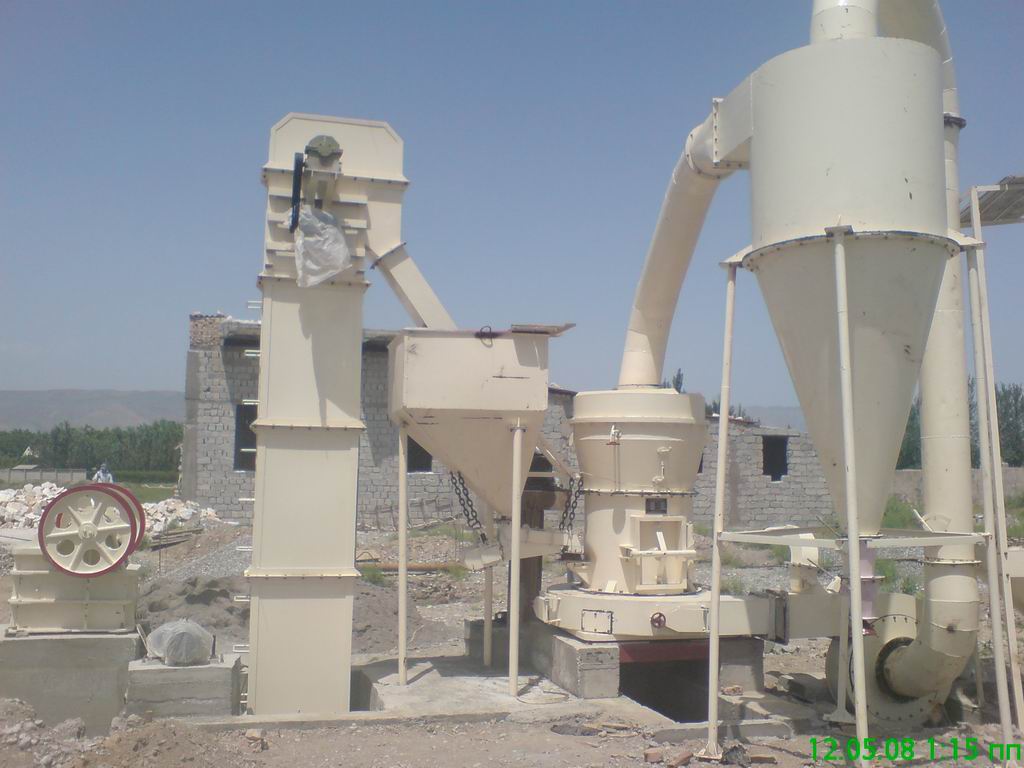
The grinding line is ranked sixth because it serves the narrowest customer set, but for that set it is the only configuration that reaches the required fineness. Recorded equipment includes ball mills from B900×1800 (18.5 kW, 0.65–2 t/h, 0.075–0.89 mm) through B1500×4500 (90 kW, 3–6 t/h), B2200×7500 (380 kW, 15–30 t/h), and B3200×4500 (800 kW, 20–150 t/h, 0.074–0.4 mm); YGM series mills from YGM75 (18.5 kW, 1–3 t/h, 0.613–0.033 mm) to YGM190 (250 kW, 9–27 t/h); and MTW110, MTW138, and MTW175 with 3.5–10 t/h, 6.5–15 t/h, and 11–25 t/h respectively at 1.6–0.038 mm.
A documented 5-unit installation in Algeria grinds limestone, calcite, dolomite, barite, talc, quartz, feldspar, coal gangue, and slag into fine and ultrafine powders, producing stone powder, mineral powder, and micro powder for building materials, chemicals, metallurgy, environmental protection, and infrastructure. Recorded operating features include adjustable fineness between 80 and 2500 mesh, high grinding efficiency, stable continuous capacity, uniform particle size for high-end fillers, coatings and chemical materials, low vibration for long continuous operation, and a sealed design with dust control.
Best fit: buyers selling powder rather than aggregate. Limitation: grinding circuits are the most sensitive to feed moisture and feed size consistency, which is why drying or pre-screening frequently precedes them.

How This Ranking Was Built
Four criteria were applied, and each is checkable against the product record rather than against sales language.
- Operational flexibility. How many configurations or duties a single setup covers, and how fast it can be redeployed. Portable and mobile setups rank above fixed lines here.
- Integration efficiency. How many process stages a single setup handles under one flowsheet — crushing, sand making, drying, and grinding. This is why the fixed production line and drying line rank as high as they do despite lower mobility.
- Versatility. The documented material range and output range. The drying line covers sand, gravel, mineral powder, coal slime, sludge, clay, and tailings; the portable range spans nine crusher chamber types.
- Evidence coverage. Whether the configuration has a documented installation, not just a specification entry. Installations in Russia, Mongolia, Kazakhstan, and Algeria support the fixed, mobile, drying, and grinding positions on this list.
Side-by-Side Comparison of the Six Setups
Table values are the recorded ranges from the product and case records, not derived estimates.
| Rank / Setup | Recorded configurations | Recorded power range | Recorded capacity range | Mobility | Primary fit |
|---|---|---|---|---|---|
| 1. Portable Stone Crusher | PE-jaw, European jaw, impact, multi-cylinder hydraulic cone, single-cylinder hydraulic cone, CS Symons cone, spring cone, hammer, VSI sand making | 5.5–400 kW | 1–90 t/h (jaw config) up to 120–855 t/h (multi-cylinder cone config) | High | Mine-face crushing, short-life deposits, relocation |
| 2. Crawler Mobile Crusher | Jaw: SY-C96, SY-C106, SY-C116, SY-C120, SY-C150. Impact: SY-F1214, SY-F1314 and S variants. Cone: SY-C440, SY-C440S, SY-H300, SY-H300S | Not listed in the product record | 105–880 t/h; feed openings 930×580 mm to 1400×1200 mm | High (self-propelled) | Quarry faces without haul roads; recycling sites |
| 3. Tyre Type Mobile Crusher | Jaw: YG938E69, YG1142E710, YG1349E912. Impact: Y3S1548F1010, F1210, F1214, F1315. Cone: Y3S1548Y900, Y1200, Y160, Y220 | 70–297 kW | 30–150 t/h (jaw) to 30–720 t/h (impact) | High (road-towable) | Contractors moving between sites on public roads |
| 4. Stone Crusher Production Line (incl. sand-making line) | PE-jaw, impact, cone, and VSI modules in fixed flowsheets | 5.5–400 kW | 1–90 t/h to 120–855 t/h by module | Fixed | Long-life quarries; aggregate and sand supply |
| 5. Crusher Stone Drying Production Line | Rotary drums 600×6000 to 3000×25000; four-cylinder 2×4.5 m to 4.2×8 m | 3 kW to 22×4 kW | 0.5–1.5 t/h to 70–120 t/h | Fixed (integrated into a plant) | Moisture-driven markets: concrete, dry-mix mortar, packaging, transport |
| 6. Stone Crusher and Grinding Production Line | Ball mills B900×1800 to B3200×4500; YGM75 to YGM190; MTW110, MTW138, MTW175 | 18.5–800 kW | 0.65–150 t/h; fineness 0.074–0.89 mm and 80–2500 mesh | Fixed | Powder, filler, and mineral powder production |
Step-by-Step: From Feed Material to Commissioned Line
The sequence below reflects how a configuration moves from shortlist to operating plant, and where each decision changes the ranking for a specific buyer.
- Define feed and product, not tonnage. State rock type, maximum feed size, and required finished product (aggregate grading, manufactured sand, or powder fineness). Tonnage alone cannot distinguish between the top three setups on this list.
- Measure moisture content. If the finished product faces a moisture ceiling — commercial concrete, dry-mix mortar, packaging, or long-distance transport — the drying line moves up the ranking regardless of mobility needs. The documented Kazakhstan project reached below 1% moisture with an adjustable setting.
- Decide mobility against site life. Short remaining deposit life or a moveable working face points to portable, crawler, or tyre-mounted. A fixed quarry with a settled supply points to a fixed production line, which integrates more stages.
- Size each module separately. Match the jaw, cone, impact, or VSI module to the target capacity band and confirm the downstream stage is not the bottleneck.
- Confirm electrical and branding requirements. OEM production with voltage and logo customization is available, covering the export markets recorded as Russia, the Middle East, Mexico, Africa and other overseas regions.
- Plan acceptance as four stages. Documented acceptance criteria are equipment appearance and accessories acceptance (basic), equipment installation and commissioning acceptance (core), performance and performance indicators acceptance (critical), and document and after-sales service acceptance (final).
- Fix commercial terms before manufacturing. Published terms list an MOQ of 1 set, delivery under FOB, CIF, EXW, or CFR, and payment by T/T or L/C. The OEM customization record separately lists an MOQ of 2 units for customized orders and a lead time of 30 days. Quality control is recorded as 100% test.
- Commission with on-site support. After-sales follows online guidance first, then offline engineer guidance and collaboration, with professional engineers assigned to the site for installation and commissioning until the customer can operate the machine.
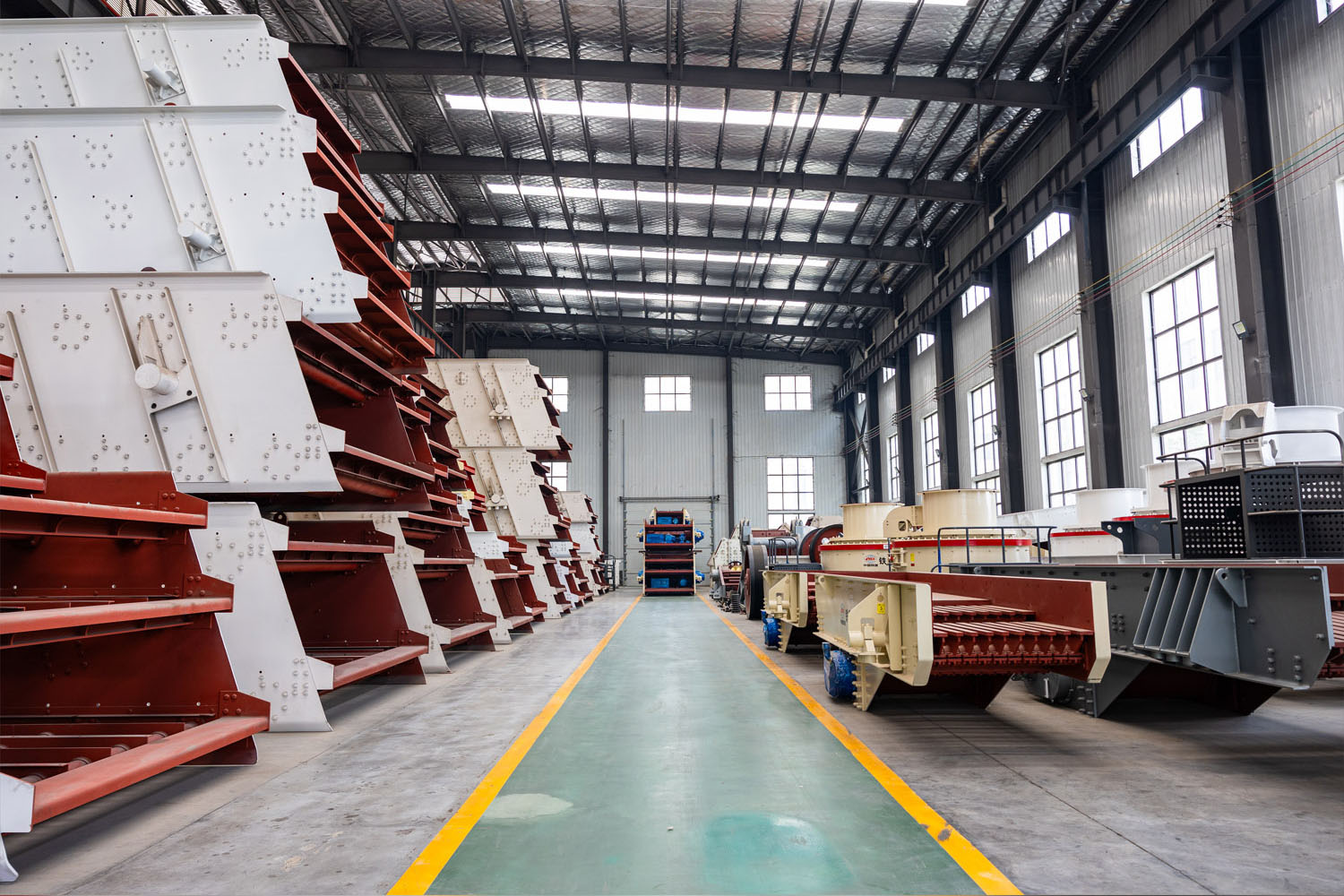
Documented Use Cases Behind the Ranking
- Mongolia — primary crushing for mining, 5 units. The installation processed raw rock as the front-end stage of a sand and gravel production line, delivering qualified feed for downstream cone crushers and sand making machines. Recorded results: uniform and stable coarse crushed stone, reduced wear on subsequent equipment, and lower risk of material blockage.
- Russia — concrete aggregate, 10 units. Output served infrastructure, water conservancy, and real estate projects. Recorded outcome: output exceeded customer expectations, finished product met industry requirements, and the production process met environmental requirements, with recorded attributes of high capacity, low energy consumption, simple operation, and environmental compatibility.
- Kazakhstan — drying line, 2 units. Manufactured sand, pebbles, quartz sand, and ore powder dried to below 1% moisture (adjustable), meeting requirements for mixing plants, construction, packaging, and transportation.
- Algeria — grinding line, 5 units. Limestone, calcite, dolomite, barite, talc, quartz, feldspar, coal gangue, and slag processed into fine and ultrafine powders, with fineness adjustable between 80 and 2500 mesh.
- OEM clients — customized builds. The product range has been deployed by OEM clients for custom manufacturing, including voltage and logo customization for specific markets.
FAQ
What compliance and acceptance documentation should buyers expect with a crusher line setup?
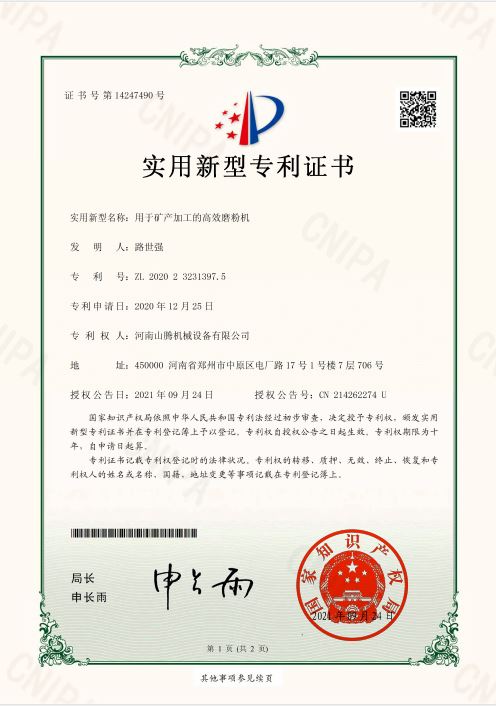
Three document layers apply. Product compliance: a product patent recorded with the China National Intellectual Property Administration (CNIPA) under certificate number 14247490, issued 24 September 2021 and valid to 25 December 2030, alongside the ISO 9001:2008 international quality management system certification held by Henan Centbro Machinery (STM) Equipment Co., Ltd. Manufacturing control: quality control is recorded as 100% test. Delivery acceptance: a four-stage process covering equipment appearance and accessories (basic acceptance), installation and commissioning (core acceptance), performance and performance indicators (critical acceptance), and documents plus after-sales service (final acceptance). Buyers preparing a compliance file should request these documents by name in the purchase order.
What OEM and customization capability is available for crusher line configurations?
OEM production is a recorded production mode, with customization available for voltage and logo. Capacity and engineering support behind that customization include a 20-engineer R&D team, an 8,000 m² production facility, a recorded annual output of 10,000 units, and a stated 100% export ratio serving Russia, the Middle East, Mexico, Africa and other overseas regions. OEM clients have deployed the product range for custom manufacturing, which is relevant when a line must match a specific grid voltage, a distributor brand, or a tender-specific documentation set.
What are the minimum order quantity, delivery terms, and payment terms?
Two records apply and buyers should reconcile them early. Published purchasing terms list an MOQ of 1 set, delivery terms of FOB, CIF, EXW, or CFR, and payment by T/T or L/C. The OEM customization record separately lists an MOQ of 2 units for customized builds, with a lead time of 30 days. For a first order, the practical reading is that standard configurations start at 1 set, while customized voltage or branding orders follow the 2-unit OEM threshold.
How can a buyer validate a configuration before committing to a full line?
Validation in crushing lines is evidence-based rather than sample-based, because a line is installed rather than shipped as a consumable. Three validation routes are documented: installed references by application — 5 units in Mongolia for primary mining crushing, 10 units in Russia for concrete aggregate, 2 units in Kazakhstan for drying, and 5 units in Algeria for grinding; the ruled performance check that sits inside the acceptance sequence, where performance and performance indicators (including moisture and fineness outcomes where relevant) are verified at commissioning rather than assumed from the specification sheet; and documented adjustment ranges, such as finish fineness adjustable between 80 and 2500 mesh on grinding lines and moisture content adjustable to below 1% on drying lines, which tell a buyer whether the target is inside the machine's stated operating window before the order is placed.
What after-sales support follows commissioning, and how do buyers start a configuration review?
Support is structured in two stages: online guidance first, followed by offline engineer guidance and collaboration. Professional after-sales service engineers are assigned to the site for installation and commissioning until the customer can operate the machine, and the company maintains a sales service network across its export markets. For buyers ready to move from shortlist to execution, the next practical step is a configuration review with the technical team using feed material, moisture data, and target product specification; Henan Centbro Machinery (STM) Equipment Co., Ltd accepts sample, quotation, and inquiry requests through the contact channels below, and the downloadable product brochure provides the full model list for cross-checking against this ranking.
Next Step: Match the Ranking to Your Project Data
Send the feed material, maximum feed size, moisture content, and target product specification, and the configuration review will confirm which of the six setups applies — or where a two-setup combination (crushing plus drying, or crushing plus grinding) is the more efficient choice. Request a quotation, discuss sample and customization requirements, or ask for the full model list.
- Website: www.centbrocrusher.com
- Product brochure (download): STM crusher product catalogue PDF
- Email: Kevin@centbro.com
- Tel / WhatsApp: +86 187-3712-0960
- Address: High-tech Development Zone, Zhengzhou City, Henan, China
Conclusion: Rank the Constraint, Then Rank the Setup
The 2026 shortlist in one line each: the Portable Stone Crusher leads on reconfiguration flexibility across nine crusher chamber types; the Crawler Mobile Crusher leads on mobile capacity, up to 880 t/h and 1400×1200 mm feed openings; the Tyre Type Mobile Crusher leads on road-based mobilisation between 70 kW and 297 kW; the Stone Crusher Production Line integrates crushing and sand making in one fixed flowsheet up to 855 t/h; the Crusher Stone Drying Production Line resolves the moisture ceiling that blocks concrete, dry-mix mortar, packaging, and transport sales, drying to below 1% moisture with capacity from 0.5–1.5 t/h to 70–120 t/h; and the Stone Crusher and Grinding Production Line reaches powder specifications from 0.074–0.89 mm down to 80–2500 mesh.
No single position on this list is universally correct, and that is the useful conclusion. Mobility, moisture, product form, and site life each reorder the list, and a configuration that ignores any one of them will be replaced or supplemented within a few years of commissioning. Buyers who state those four variables before requesting a quotation will select a line once, rather than buying a second one to fix the first.
Have Questions or Need More Details?
Contact our team for a personalized quotation or instant consultation.
Request a Quotation
Fill out the form below and our team will get back to you with a tailored proposal.
WhatsApp Direct Chat
Prefer to chat in real-time? Message us on WhatsApp for instant assistance & quick answers.
- Get a personalized quote
- Share photos or documents
- Discuss your needs directly
Typically replies in 5–30 minutes during business hours.