Crusher Compliance Guide: Certifications for Global Stone Crushing Lines
Crusher Compliance Guide: Certifications and Standards for Global Stone Crushing Lines
Short answer: crusher compliance is not one certificate. For a stone crushing line it is a chain of evidence that runs from machinery-safety standards such as EN 1009-3:2020, through an EU Declaration of Conformity and CE marking where the European Union is the destination, to a quality-management certificate such as ISO 9001 and a customs classification under HS 847420. Each link proves something different, and each can be verified before a purchase order is signed.
Most compliance disputes on crushing equipment are not disputes about wear life or throughput. They are disputes about what a document actually covered. This guide sets out the standards landscape, shows how the requirements change by market and by site condition, and uses Henan Centbro Machinery (STM) Equipment Co., Ltd and its stone crusher and grinding production lines and portable stone crushers as a working example of how a manufacturer aligns production with a compliance framework. It then turns the whole subject into a seven-step check that can be written directly into a crusher procurement workflow.
Why Crusher Compliance Problems Appear After Delivery
Compliance failures on crushing equipment rarely come from a missing logo on a brochure. They come from a mismatch between what the buyer assumed a document proved and what that document actually covers. The mismatch is usually invisible during the negotiation and becomes visible during customs clearance, installation commissioning, or a site safety audit.
Six assumptions account for most of the problems:
- CE is treated as a single certificate that a supplier either has or does not have, rather than a conformity marking built on a declaration and technical documentation.
- ISO 9001 is read as product approval. It is a quality-management system certification and does not certify the safety of a specific machine.
- A certificate scan is accepted without its scope. Model coverage, issuing body, issue date and validity are often never read.
- One certificate is assumed to cover an entire line. A line combining a jaw crusher, a cone crusher, a VSI sand-making unit, screens, feeders and conveyors has a different documentation scope from a single machine.
- The destination market is not mapped before the RFQ. The safety framework that applies in the European Union is not automatically the framework that applies in the Middle East, Africa, Russia or Mexico.
- Documentation is left out of the contract. If the document list is not in the commercial terms and in the acceptance criteria, it competes for attention with everything else at shipment time.
None of these are machine-performance risks, which is why they survive a factory visit. A buyer can watch a jaw crusher run, inspect the welds, and still leave without the one thing that determines whether the line can be commissioned on site.

The Standards and Regulatory Layer Around a Stone Crushing Line
The scale of the buyer base explains why documentation discipline matters. Market Research Future places the global stone crushing equipment market at USD 7.86 billion in 2026, up from USD 7.27 billion in 2025, and reports that jaw crushers held a 35.2% share of that market in 2025 on the strength of primary crushing demand. A category of that size attracts suppliers of very different documentation maturity, and the buyer's only reliable defence is a standard-by-standard check.
Machinery safety standards: EN 1009-3:2020
EN 1009-3:2020 is the European standard for machines for mechanical processing of minerals and similar solid materials, Part 3: specific requirements for crushing and milling machines. It was published by CEN on 13 April 2020 and sets out safety requirements specific to crushing and milling equipment rather than generic machinery requirements. For a buyer, the practical question is not whether a supplier has heard of the standard, but whether the design review, guarding layout, access points, emergency-stop logic and risk assessment for the quoted configuration were actually built against it.
CE marking is a conformity framework, not a product certificate
CE is a conformity marking through which a manufacturer declares that the applicable European legislation has been met for the product covered. The operational documents are the EU Declaration of Conformity, which names the legislation applied and the product scope, and the technical file that supports it. Two consequences follow for crusher buyers. First, the declaration must name the product, not the company. Second, the marking covers the configuration described in that declaration, so a new model or a materially changed configuration needs its own coverage.
ISO 9001 describes a management system
ISO 9001 certifies that a quality-management system has been audited within a defined scope. It supports confidence in process consistency, document control and traceability, and it is frequently a supplier-qualification requirement. It does not certify the safety, performance or market access of any individual machine. STM publicly states that it holds ISO 9001:2008 quality-management certification and an EU CE certificate; because ISO 9001:2008 is an earlier edition of the standard, buyers should ask which edition is currently covered, who issued the certificate, what scope it names, and whether it remains valid at the date of purchase.
HS 847420 defines the customs lane
HS 847420 covers machines for crushing or grinding earth, stone, ores or other mineral substances. The code governs classification, duty treatment and the consistency of the document set at the border. A commercial invoice, packing list and certificate of origin that do not agree on the classification create delay at exactly the moment when the installation crew is already mobilised. The code is a trade document, not a safety document, and it proves nothing about conformity.
How a Crusher Manufacturer Aligns a Production Line with Compliance Frameworks
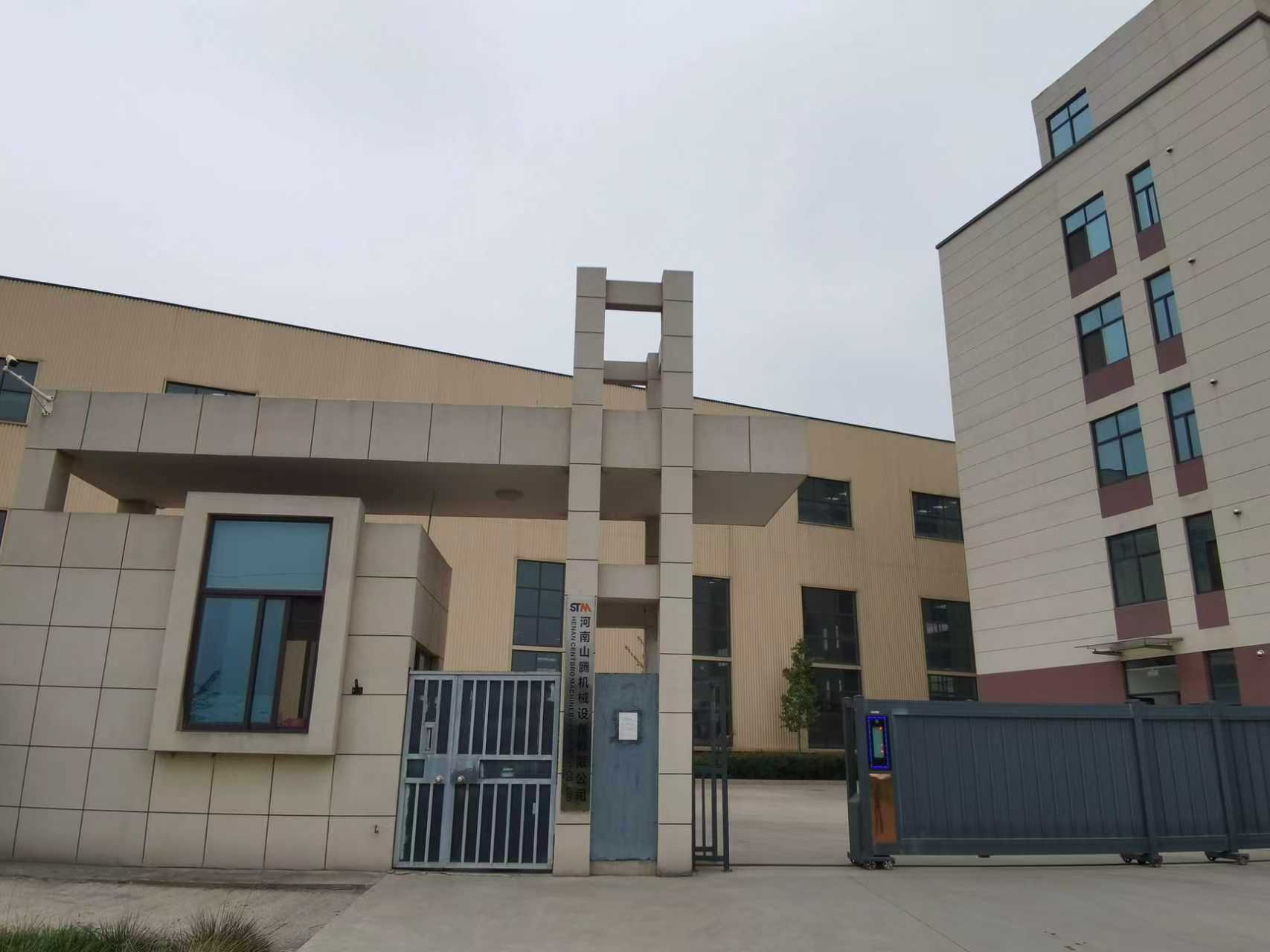
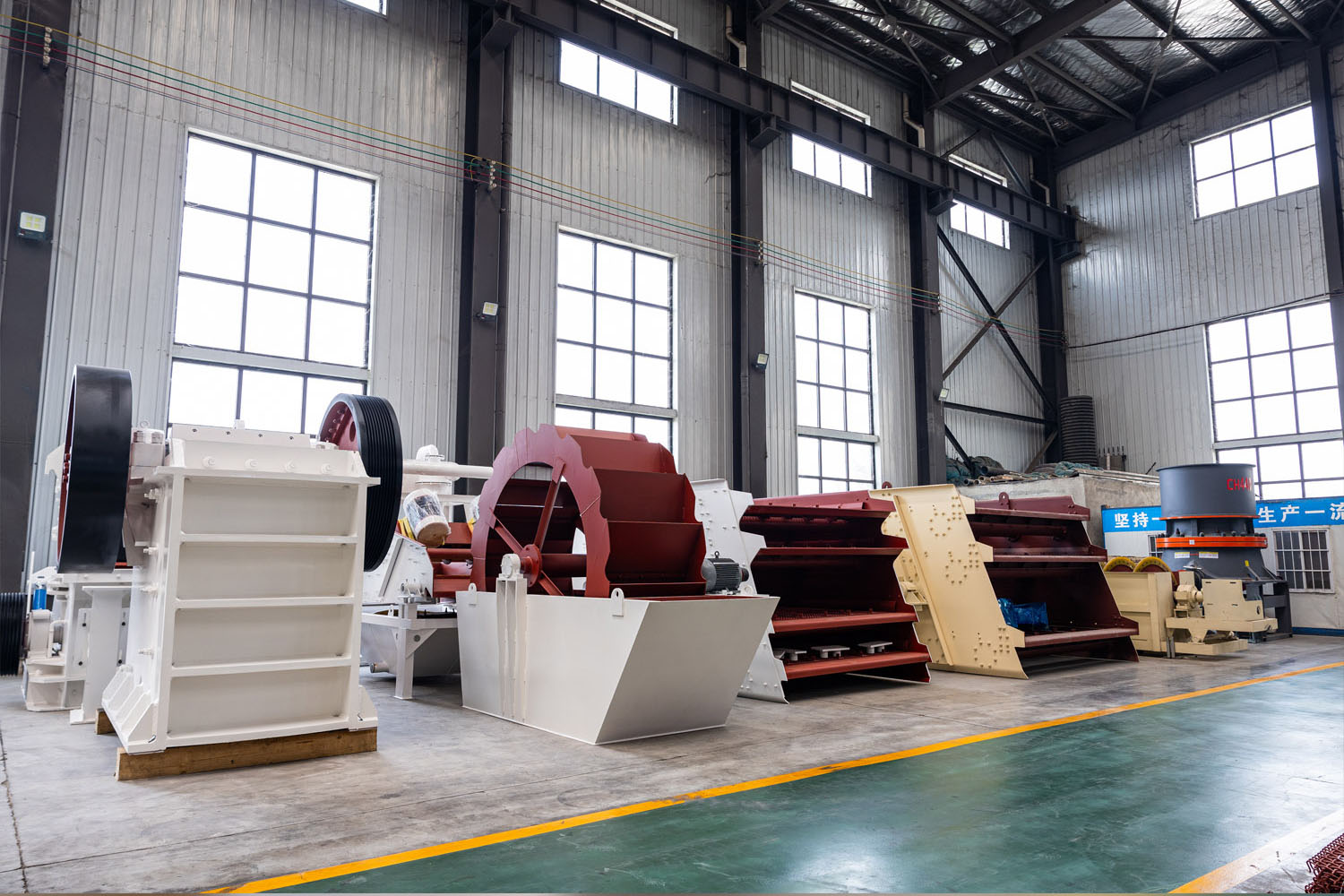
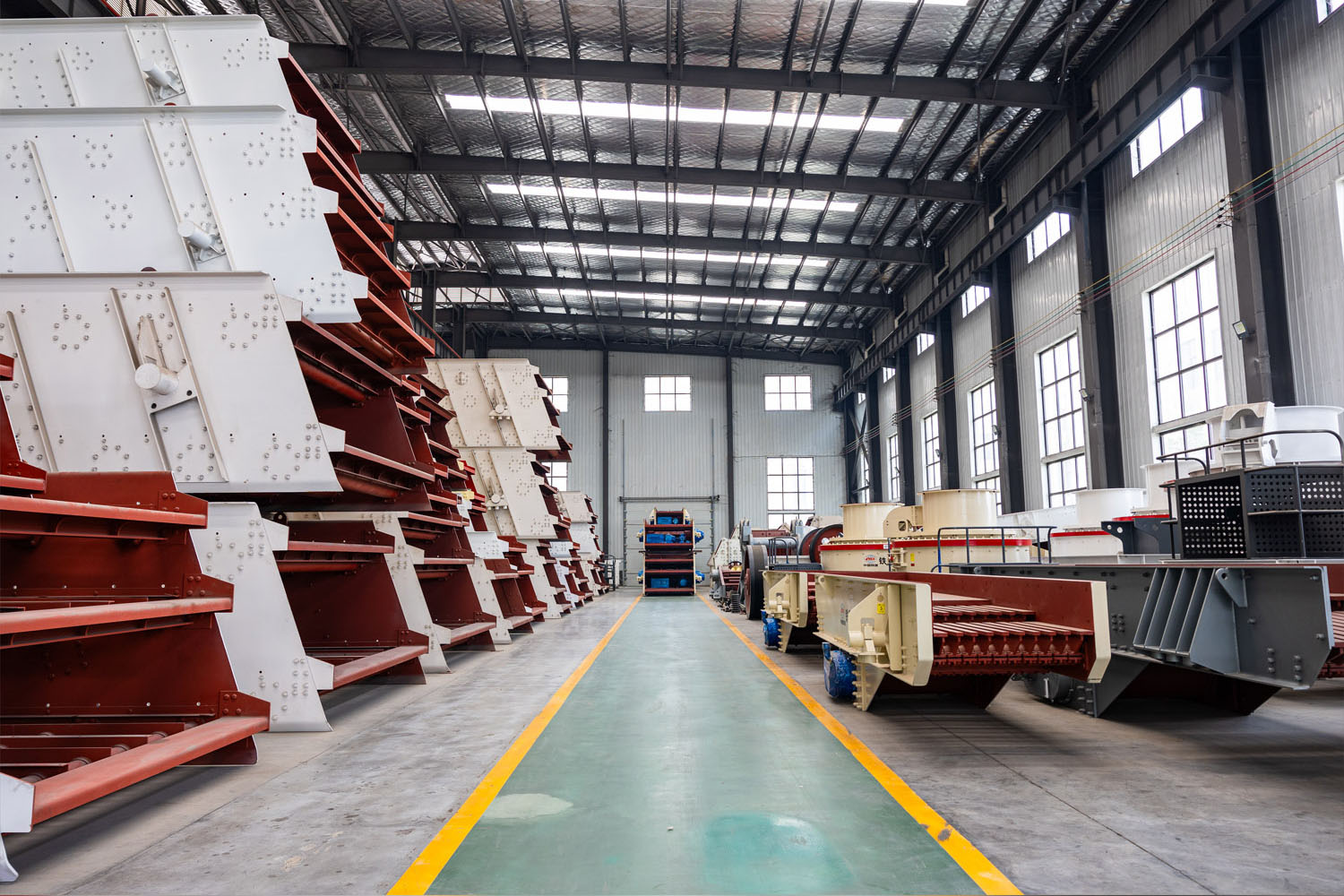
Henan Centbro Machinery (STM) Equipment Co., Ltd is a mining equipment manufacturer based in the Zhengzhou National High-tech Development Zone in Henan, China. Founded in 1982, the company operates an 8,000 m² production site with more than 50 employees, including a 20-engineer R&D team, and reports a 100% export orientation with markets that include Russia, the Middle East, Mexico and Africa. Its catalogue spans European Jaw Crusher, Impact crusher, Spring Cone Crusher, CS Symons Cone Crusher, Multi Cylinder Hydraulic Stone Cone Crusher, VSI Impact Sand Making Stone Crusher Machine, Hammer Crusher, Rock Crusher, Tyre Type Mobile Crusher, Crawler Mobile Crusher, Portable Stone Crusher, and complete configurations such as Stone Crusher Production Line, Crusher Stone Sand-Making Production Line, Crusher Stone Drying Production Line and Stone Crusher and Grinding Production Line.
What makes a portfolio of that breadth relevant to a compliance discussion is that each product family changes the documentation scope. Compliance work therefore starts in design and configuration, not in the shipping department.
Design-stage controls that support conformity claims
STM's published risk-control documentation describes controls that map onto the safety and reliability expectations a conformity review would examine:
- Thermal management. Core equipment such as grinding mills, dryers and cone crushers is fitted with heat-dissipation systems, high-temperature warning functions in the PLC control system, and heat-resistant alloy components at the spindle and bearings. Seals use fluororubber or silicone rubber rated to 150°C or higher, with operation targeted at ambient temperatures of 45°C or below, and cone crusher oil temperature held between 38°C and 55°C.
- Cold-start protection. A low-temperature preheating device warms lubricating and hydraulic oil before winter start-up, and key components use low-temperature resistant materials to reduce freezing and cracking risk.
- Material control. Iron separators and grate screens at equipment inlets intercept metal and oversized hard objects before they reach the crushing, sand-making or grinding stages, and pre-treatment dewatering is used where feed moisture must be brought within the equipment's suitable range of 8% or below.
- Dust and noise. The equipment series uses a sealed design with baghouse dust collectors and spray dust suppression at the crushing, sand-making and grinding stages, and soundproof covers with vibration damping pads to hold operating noise within the stated industry limit of 85 dB or below.
- Electrical protection and weather exposure. Waterproof electrical design, rain shelters for outdoor operation, and moisture-proof devices on dryers and grinding mills address rain and humidity exposure at open sites.
These are engineering controls. On their own they do not constitute conformity, but they are the physical evidence a technical file is supposed to describe. A buyer who sees the controls on the machine and then finds them absent from the manual has found a documentation gap worth resolving before shipment.
Where the product line changes the documentation scope
A single European Jaw Crusher sold as a primary crusher has a narrower scope than a full Stone Crusher Production Line that combines feeding, primary crushing, secondary cone crushing, VSI sand making, screening and conveying. Mobile configurations add a further layer: a Tyre Type Mobile Crusher or Crawler Mobile Crusher is documented as a transportable unit with its own towing, jacking, setup and travel-state requirements, and a Portable Stone Crusher deployed across several sites needs documentation that travels with the machine rather than staying in the site office.
For a drying or grinding configuration, the scope widens again. A Crusher Stone Drying Production Line introduces heat generation, insulation and hot-air circulation into the same site as the crushing stages, and a Stone Crusher and Grinding Production Line combines crushing with milling equipment that carries its own safety requirements. Buyers should expect the document set to grow with the line, and should be suspicious of a proposal in which one document is offered to cover all of it.
What a document package should contain
Document package checklist for a crushing line:
- EU Declaration of Conformity where the European Union is the destination, naming the legislation, the product scope and the signatory
- A standard-to-component matrix listing each standard, its edition and the components it applies to
- Risk assessment and guarding schedule for the quoted configuration
- Electrical diagrams and control logic description, including the PLC high-temperature warning function where fitted
- Operation, maintenance and troubleshooting manuals in the agreed language
- Wear-part list with recommended spare inventory
- Factory inspection records and, where agreed, third-party inspection reports
- Installation and commissioning records signed at site
- Operator training record
The package is not a formality. STM states that after purchase it assigns professional after-sales service engineers to the site for installation and commissioning until the customer can operate the machine, and an acceptance process of that kind only works if the records that define "commissioned" already exist in writing.
Where Compliance Requirements Shift by Market and Site
Compliance is not a global constant. The same machine can be fully documented for one destination and under-documented for another, and the difference is set by the destination market's legislation and by the site conditions the machine will actually face.
European Union aggregate and recycling projects
A line supplied into the European Union is normally assessed against EN 1009-3:2020 for the crushing and milling machinery, supported by an EU Declaration of Conformity and the technical file. Buyers in this market should ask for the standard edition used in the design review and for the risk assessment that supports the guarding layout, not only for a CE logo.
Cold-climate sites in Russia and Central Asia
Winter start-up changes both the operating risk and the documentation emphasis. Low-temperature preheating of lubricating and hydraulic oil, low-temperature resistant materials at key components, and a winter check routine for anti-freeze facilities belong in the operating manual as well as on the machine. STM lists Russia among its export markets, which makes cold-start procedure an expected part of the handover rather than an optional extra.
Hot, dusty and high-altitude sites in the Middle East and Africa
High ambient temperature, abrasive dust and, in some locations, altitude all affect the assumptions behind a standard machine. The relevant controls are the heat-dissipation system, high-temperature PLC warning, sealed design with baghouse dust collection and spray suppression, and the oil-temperature window of 38°C to 55°C on cone crushers. In these markets the compliance conversation is less about a marking and more about whether the site-condition assumptions are written down.
High-moisture feed and drying configurations
Where feed moisture sits above the equipment's suitable range, a Crusher Stone Drying Production Line or pre-treatment dewatering becomes part of the process design. Because that decision changes the equipment scope, it also changes the documentation scope, and the moisture limit should appear in the technical agreement rather than being discovered during commissioning.
Multi-site mobile deployment
A Portable Stone Crusher, Tyre Type Mobile Crusher or Crawler Mobile Crusher moves between sites, and so does the obligation to demonstrate conformity at each location. Documentation that stays in a head-office file is of limited use to a site manager who needs the guarding schedule at a new quarry. Buyers should require a travel-ready document set as a deliverable in its own right.
Compliance Documents Compared: What Each One Actually Proves
The table below separates the documents that appear most often in crusher procurement. The distinction that matters is between a document that confirms a company, a document that confirms a product scope, and a document that confirms a trade classification.
| Document or standard | What it confirms | What it does not confirm | Buyer action |
|---|---|---|---|
| EN 1009-3:2020 | Safety requirements specific to crushing and milling machines within the European standardization framework; published by CEN on 13 April 2020 | That the specific unit supplied to the buyer was designed, built and tested against it | Ask which edition was used in the design review and request the related risk assessment and guarding schedule |
| CE marking with an EU Declaration of Conformity | The manufacturer's declaration that applicable EU legislation has been met for the product scope named in the declaration | That every model in the catalogue is covered, or that a third party tested the machine | Read the declaration: legislation cited, product scope, signatory, date, and whether the delivered configuration matches |
| ISO 9001 (STM publicly states ISO 9001:2008) | A quality-management system has been certified within a defined scope | Product safety, performance, or market access for any individual machine | Check certificate number, issuing body, scope, edition and current validity |
| HS 847420 | Customs classification for machines for crushing or grinding earth, stone, ores or other mineral substances | Conformity with any technical regulation | Ensure invoice, packing list and certificate of origin use the same classification |
| Factory and commissioning records | The delivered configuration met the agreed specification at defined checkpoints | Long-term reliability or regulatory conformity | Tie these records to named acceptance stages in the contract |
A Seven-Step Compliance Check to Build Into Crusher Procurement
- Map the destination market before the RFQ. Establish which machinery-safety framework applies at the final installation site, not at the port of entry. A line that transships through one region and installs in another follows the rules of the installation market.
- Build a standard-to-component matrix. List each standard, its edition and the components it applies to: primary crusher, cone crusher, VSI sand-making unit, screens, feeders, conveyors, dryer. This single table exposes scope gaps earlier than any other step.
- Request product-level documents, not company-level scans. A company certificate answers a supplier-qualification question. A product declaration answers a market-access question. Ask for both, labelled separately.
- Validate the certificate itself. Confirm the issuing body, the certificate number, the named scope, the edition of the standard, and the validity date. Where a supplier states ISO 9001:2008 and CE, as STM does, confirm which edition of ISO 9001 is currently covered and which product scope the CE documentation names.
- Write documentation into the commercial terms. Fix the document list, the language, the delivery format and the delivery milestone in the contract alongside the commercial conditions. STM's stated terms provide a normal baseline to work from: MOQ of one set, delivery terms FOB, CIF, EXW or CFR, and payment by T/T or L/C.
- Tie documents to the acceptance stages. A four-stage structure works: equipment appearance and accessories acceptance as basic acceptance; installation and commissioning acceptance as core acceptance; performance and performance-indicator acceptance as critical acceptance; and document and after-sales service acceptance as final acceptance. The document stage should not be allowed to complete before the technical file has been received.
- Close the loop after arrival. File the commissioning records, the training record and the final document set together, so that a later audit, a resale or a redeployment of a mobile unit does not restart the evidence search from zero.
Frequently Asked Questions
Is a CE mark on a crusher enough for European market access?
No. CE is a conformity marking framework, not a universal product certificate. For crushing machinery the practical evidence is an EU Declaration of Conformity that names the applicable legislation and the product scope, supported by a technical file, with machinery-safety requirements such as EN 1009-3:2020 addressed in the design. STM publicly states that it holds an EU CE certificate alongside ISO 9001:2008 quality-management certification; a buyer should still read the declaration, confirm the product scope, and check that the delivered configuration is the one described.
Can a manufacturer document a complete stone crushing line, not just one machine?
Documentation scope should scale with the line. STM's catalogue covers single units such as the European Jaw Crusher, Impact crusher, Spring Cone Crusher, CS Symons Cone Crusher, Multi Cylinder Hydraulic Stone Cone Crusher, VSI Impact Sand Making Stone Crusher Machine and Hammer Crusher, as well as integrated configurations including Stone Crusher Production Line, Crusher Stone Sand-Making Production Line, Crusher Stone Drying Production Line, Stone Crusher and Grinding Production Line, Portable Stone Crusher, Tyre Type Mobile Crusher and Crawler Mobile Crusher. What a buyer must secure is a scope statement that matches the configuration ordered, plus the manuals, diagrams and records listed in the contract, supported by installation and commissioning by the manufacturer's service engineers.
Do compliance checks add cost to a crusher procurement budget?
The direct cost of a compliance check is mostly time: reading the declaration, verifying certificate scope, and holding a document acceptance stage. The larger exposure sits on the other side of the ledger, in clearance delay, re-documentation, delayed commissioning and unavailable warranty support when the document set turns out to be incomplete. Because the check is written into the acceptance structure rather than added as a separate project, it usually consumes negotiation effort rather than capital. STM's stated commercial baseline, an MOQ of one set with payment by T/T or L/C, means a buyer can validate the document workflow on a first order before committing to a multi-unit line.
Can a buyer validate compliance on a single unit before ordering a full line?
Yes, and it is often the lower-risk route. With an MOQ of one set, a first order can be used to test the whole evidence chain: whether the declaration names the correct product, whether the manual matches the delivered configuration, whether the acceptance stages are honoured, and whether installation and commissioning records are completed and signed. That experience then sets the documentation standard for the full line, including any drying, grinding or mobile elements added later.
How should compliance documentation be timed against delivery?
Documentation should be treated as a shipment deliverable, not a post-sale courtesy. The declaration, standard matrix, manuals and inspection records should be complete and reviewed before the equipment leaves the factory, so that the final acceptance stage can close without a chase. Buyers working through a first crusher line can review the full product scope in the STM catalogue and brochure, or send the destination market, feed material and configuration to the STM team at Kevin@centbro.com for a document list matched to that specific line.
Plan the compliance file before the purchase order
Download the STM product brochure to review the full crusher and production-line range, or send your destination market and configuration details to receive a document checklist matched to your line.
Brochure: STM Crusher Product Brochure (PDF)
Email: Kevin@centbro.com | Tel / WhatsApp: +86 187-3712-0960
Website: www.centbrocrusher.com
Conclusion: Compliance Is a Procurement Discipline, Not a Logo
Crusher compliance holds up when it is treated as a sequence of verifiable claims: the standard that governed the design, the declaration that names the product scope, the management-system certificate that supports process consistency, and the customs classification that keeps the shipment moving. Each claim can be checked, and each check belongs in the procurement workflow rather than in a conversation after delivery.
The practical rule for buyers is simple. Ask what the document proves, confirm it names the configuration you are buying, and write it into the acceptance stages. A manufacturer that can answer those questions in writing, including how a claim such as ISO 9001:2008 or CE is currently scoped, is easier to qualify and easier to hold to schedule than one that answers them with a logo.
Have Questions or Need More Details?
Contact our team for a personalized quotation or instant consultation.
Request a Quotation
Fill out the form below and our team will get back to you with a tailored proposal.
WhatsApp Direct Chat
Prefer to chat in real-time? Message us on WhatsApp for instant assistance & quick answers.
- Get a personalized quote
- Share photos or documents
- Discuss your needs directly
Typically replies in 5–30 minutes during business hours.