
Crusher Production Line FAQ: Stone, Grinding & Drying Parameters
Crusher Production Line FAQ: Stone, Grinding & Drying Parameters
A crusher production line is defined by four parameters before any equipment is named: the size of the feed, its moisture content, the required output, and the fineness of the finished product. Stage count, layout, and the need for a drying or grinding circuit all follow from those four answers.
This technical FAQ is written for buyers in the research and evaluation stage who need to know which questions must be settled before a circuit is specified. It uses three reference systems from Henan Centbro Machinery (STM) Equipment Co., Ltd — the Stone Crusher Production Line, the Stone Crusher and Grinding Production Line, and the Crusher Stone Drying Production Line — to show how the same feed material can lead to three different layouts.
Henan Centbro Machinery (STM) Equipment Co., Ltd is a mining equipment manufacturer based in Zhengzhou, Henan, China, founded in 1982. The company designs and manufactures crushers, ball mills, dryers and complete production lines, holds ISO9001:2008 and EU CE certification, and exports to Russia, the Middle East, Mexico, Africa and other overseas regions.

A production line is specified stage by stage. Each stage constrains what the next one can accept.
Why a Production Line Is Decided by Parameters, Not by Equipment Lists
Production line problems usually start as specification gaps rather than equipment faults. A circuit is a chain of constraints: each stage can only accept what the previous stage delivers, and every downstream machine inherits the assumptions made upstream.
Three gaps appear repeatedly in stone processing projects:
- Feed size against feed opening. A crusher is defined by the opening it accepts, not by the size of the pile in front of it. A PE200*350 rock crusher is listed with an 180 mm feed opening; a 1000*1000 hammer crusher is listed with a 200 mm feed opening. Material that exceeds the opening either stops the line or has to be reduced before it reaches the crusher.
- Moisture against screening and grinding. Wet feed cakes, blinds screens and blocks transfer points. Where grinding is required, the powder needs to be cleaned and dried before it enters high-pressure grinding equipment or a ball mill.
- Output target against stage configuration. A single-machine capacity figure says little about what the whole circuit delivers once screening, return crushing and product mix are taken into account.
Each of these gaps is closed by matching documented parameters to the actual project material, not by comparing headline capacity numbers between suppliers.
The consequences also compound. In a documented sand and gravel configuration, the jaw crusher is the front-end unit that processes raw rock from mountains and rivers and provides qualified feed for the cone crushers and sand making machines downstream. Its output quality reduces wear on subsequent equipment and the risk of material blockage. A parameter left open at that first stage is therefore paid for at every stage after it.
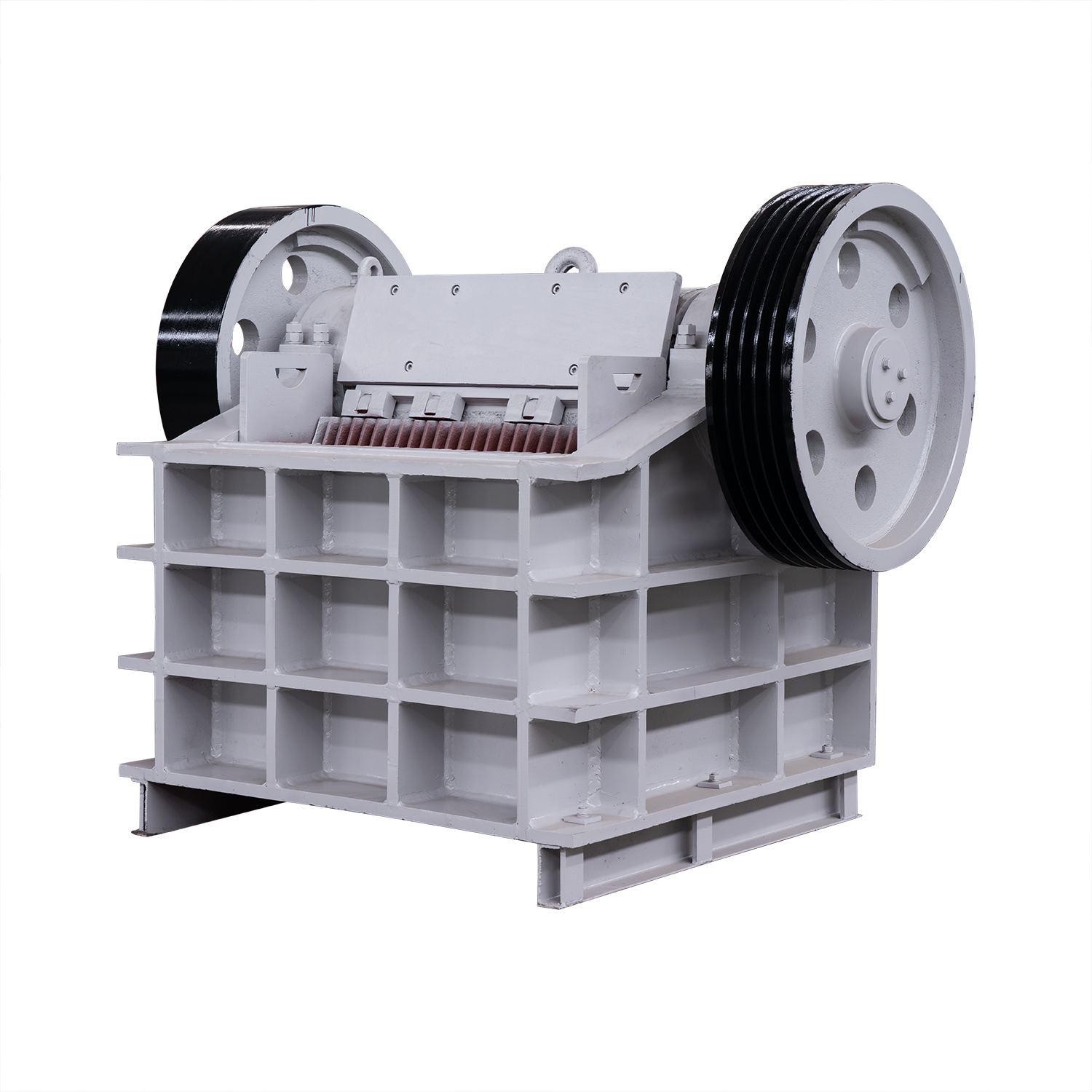
The feed opening, not the pile size, defines what a primary crusher can accept.
Industry Background: Three Product Families and One Cross-Cutting Requirement
Stone processing is often discussed as one industry, but it is specified as three product families plus a separate moisture-control step.
Construction aggregate. Documented applications include highway, expressway and railway subgrade filling; airport, port and dock construction; water conservancy projects such as dams, reservoirs and hydropower stations; and urban subway, elevated bridge and municipal road construction.
Manufactured sand and gravel. Supply for highway, railway, bridge, tunnel, water conservancy and real-estate projects typically runs through a closed loop: raw material bin, feeder, jaw crusher for coarse crushing, cone crusher for medium and fine crushing, vibrating screen, return crusher, VSI sand making machine, finished product screen and finished product silo. Such a line runs continuously and automatically, with the whole process centrally controlled by PLC and linked start and stop.
Mineral powder. Grinding circuits crush, grind and classify block stone into stone powder, mineral powder and micro powder that serve building materials, chemicals, metallurgy, environmental protection and infrastructure.
Moisture control. Drying serves mixing plants, construction projects, packaging and transport. It is the step that separates a line that runs year-round from one that stalls when the feed turns wet.
Because the three families share equipment names but not stage logic, a buyer who asks only for a crusher quotation receives an answer that may fit none of them precisely.
The Three Reference Systems and the Parameters Each One Answers
Stone Crusher Production Line: when the product is aggregate or manufactured sand
This circuit answers a size question. Documented flow runs from the raw material bin through a vibrating feeder into a jaw crusher for coarse crushing, then to a cone crusher for medium and fine crushing, a vibrating screen, a return crusher for oversized material, a VSI sand making machine, a finished product screen and finally a finished product silo.
The parameters that decide this layout are:
- the largest lump size entering the circuit, checked against the feed opening of the primary crusher;
- the required finished sizes and the share of each size in the product mix;
- the circulating load returned by the screen to the return crusher;
- whether washing is required, which adds a wheel sand washer or spiral sand washer to the flow.
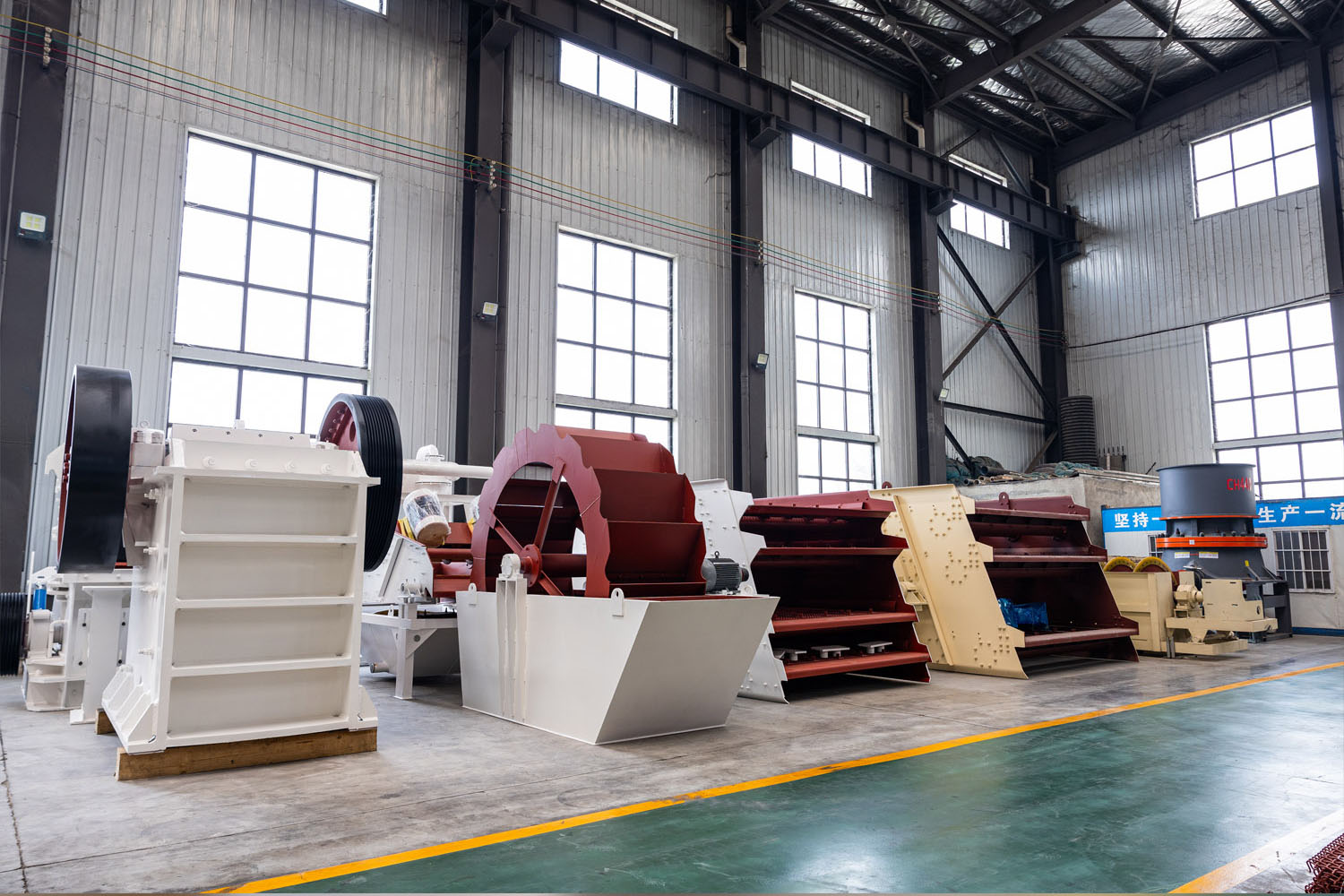
Equipment drawn from the STM range for this circuit includes the European Jaw Crusher, Impact crusher, Spring Cone Crusher, CS Symons Cone Crusher, Multi Cylinder Hydraulic Stone Cone Crusher and VSI Impact Sand Making Stone Crusher Machine, supported by vibrating feeders, belt conveyors and sand washing machines.
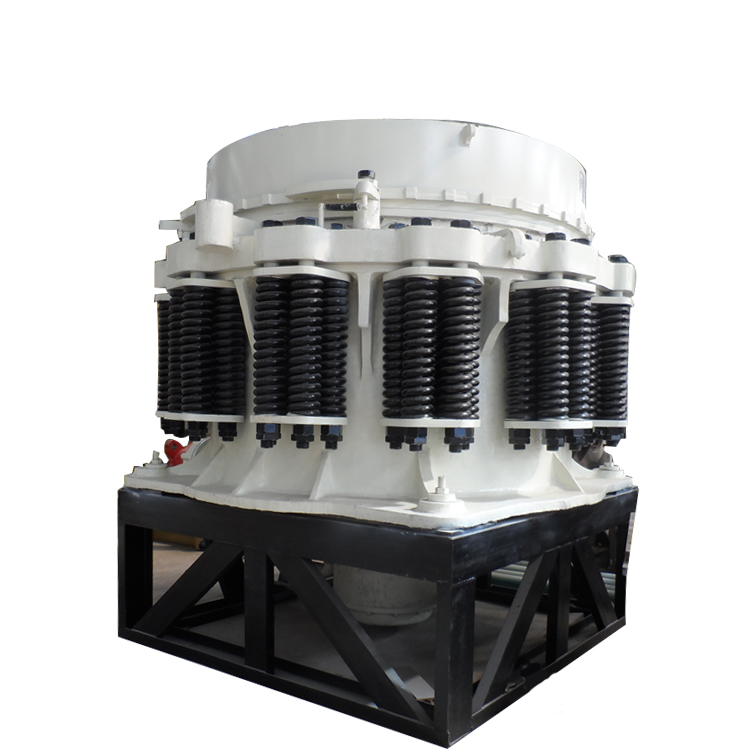
Cone crushers carry the medium and fine crushing stage in an aggregate circuit.
Stone Crusher and Grinding Production Line: when the product is powder
This circuit answers a fineness question. It crushes, grinds and grades block stone into stone powder, mineral powder and micro powder, and it is used where the finished material feeds building materials, chemicals, metallurgy, environmental protection or infrastructure production.
Two parameters dominate the specification. The first is target fineness: documented grinding capability is generally adjustable between 80 and 2500 mesh, covering coarse, fine and ultrafine powder requirements. The second is the moisture of the material entering the mill, because the powder needs to be cleaned and dried before grinding.
The classifier is the component that converts a fineness target into a specification. It produces a concentrated particle size distribution and a high screening rate, which matters for high-end fillers, coatings and chemical materials. Sealed construction and low dust emission are part of the same package.
Equipment in this family ranges from ball mill models B900*1800 through B3200*4500, to YGM75, YGM95, YGM130, YGM160 and YGM190 mills, and MTW110, MTW138 and MTW175 mills.
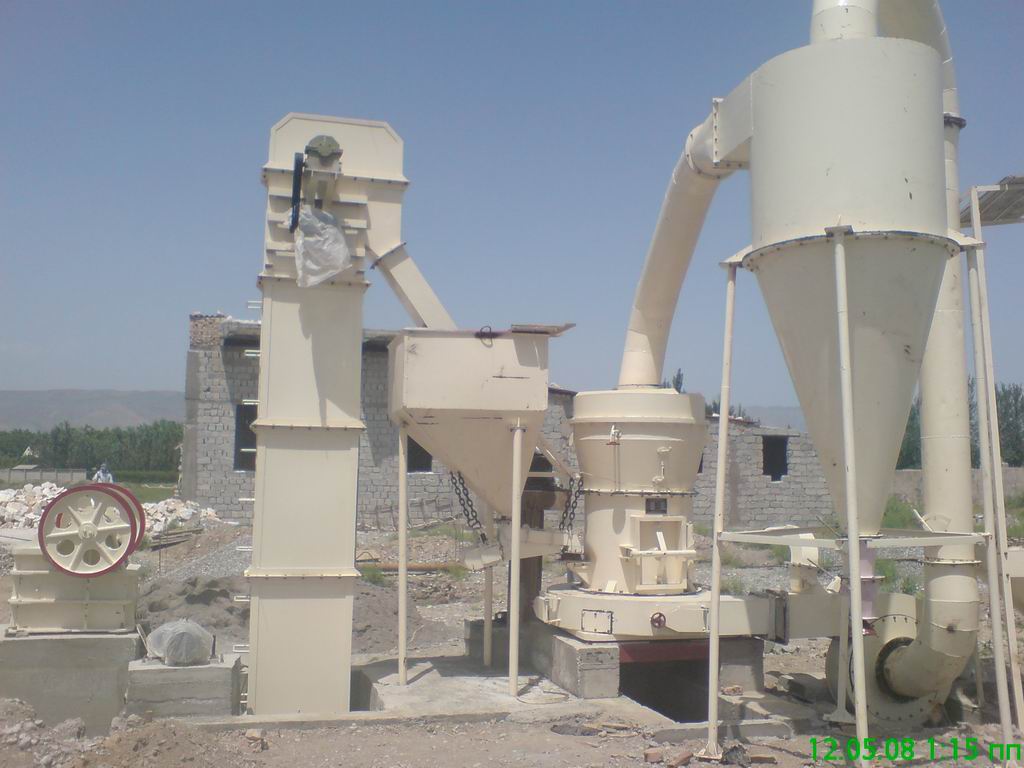
Grinding converts a fineness target into a mill, classifier and moisture specification.
Crusher Stone Drying Production Line: when moisture is the binding constraint
This circuit answers a water question. It uses a continuous rotary drum in which hot air passes through the material, and it is specified by incoming moisture, target moisture, throughput and temperature control.
Documented results from a two-unit installation describe the operating envelope in practical terms: high-moisture materials are dried to below 1% moisture content, adjustable as needed; the material is dried uniformly and keeps good flowability, which supports screening, grinding, packaging and use; caking, sticking and blockage are reduced, which stabilises the downstream process; wet material loses volume and weight, which lowers transport cost and supports long-term storage; and finished product quality improves for commercial concrete, dry-mix mortar and high-end fillers.
The same installation cites temperature and drying degree as controllable according to material characteristics, recycled hot air for thermal efficiency, a dust removal device for emission control, and stable drum rotation suitable for continuous 24-hour production. Sand, gravel, mineral powder, coal slime, sludge, clay and tailings are all within scope.
Catalogue entries include a 2.2*5m drum rated 7.5*2 kW with 15–23 t/h output, and a 2200*18000 drum rated 22 kW with 10–18 t/h output. The two figures belong to separate models and should be read as model-specific, not as a range for one machine.
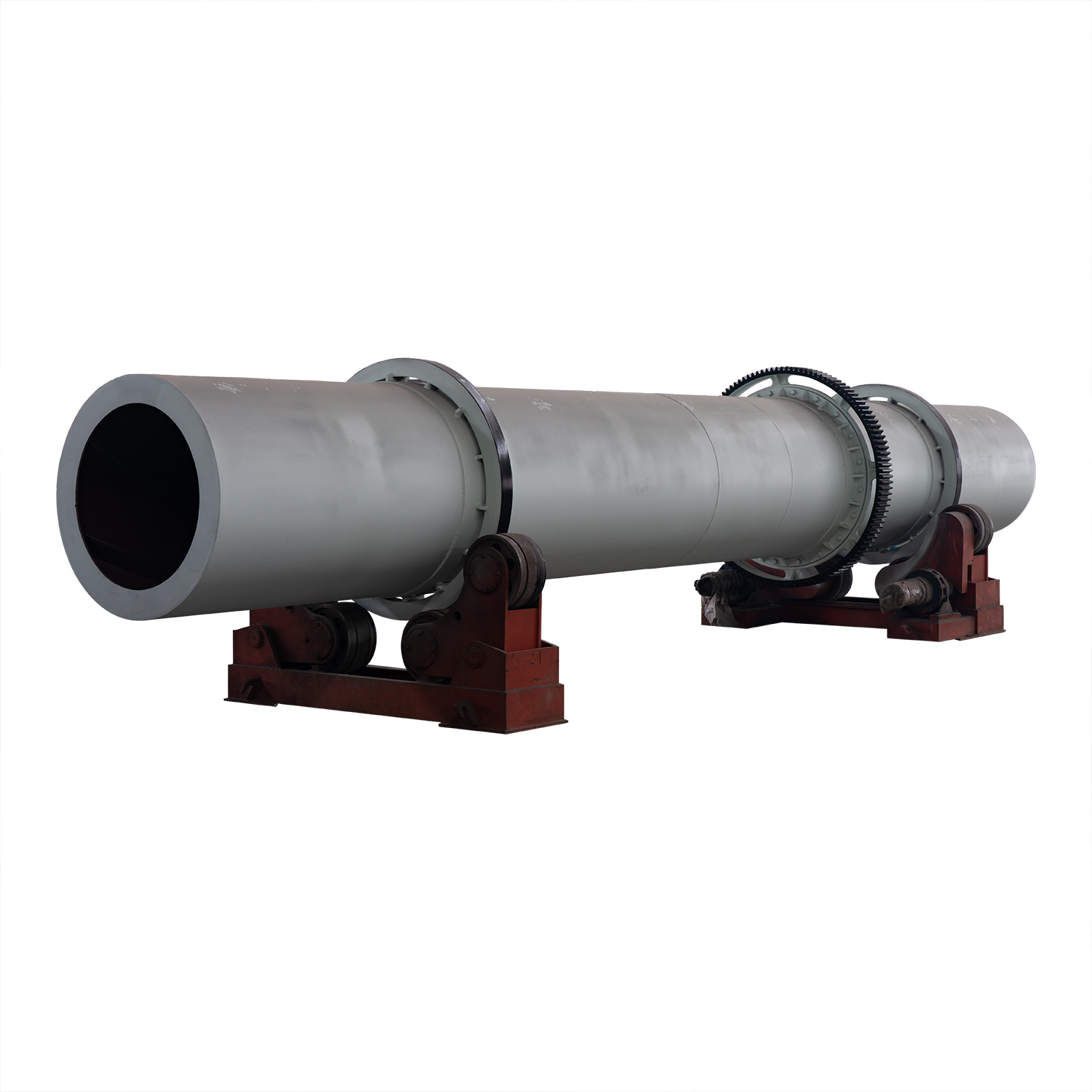
A rotary drying circuit is specified by incoming moisture, target moisture and throughput.
Eight Questions to Answer Before Specifying a Circuit
- What is the largest lump that will enter the circuit? Compare it with the feed opening of the proposed primary crusher. A PE200*350 rock crusher accepts an 180 mm opening; a 1000*1000 hammer crusher accepts a 200 mm opening. If the quarry blast produces larger rock, the circuit needs a different primary unit or a pre-reduction step.
- What output is required per hour, and in what product mix? State the tonnage and the size split together. A tonnage without a product mix cannot be converted into a screen area or a crusher configuration.
- How many reduction stages does the material need? The documented aggregate pattern is coarse crushing in a jaw crusher, medium and fine crushing in a cone crusher, and shaping or sand making in a VSI machine. Softer or finer feeds may collapse this into fewer stages.
- Is the feed wet? If yes, decide where moisture is removed. In a grinding circuit the material must be cleaned and dried before it reaches the mill; in an aggregate circuit, wet feed affects screening and transfer points.
- Is the product aggregate or powder? Aggregate terminates in a screen and a product silo. Powder terminates in a mill and a classifier, with fineness adjustable between 80 and 2500 mesh in the documented grinding range.
- Open or closed circuit? A return crusher sends oversized material back for re-crushing. This is standard in the documented sand and gravel flow and changes the effective capacity of every upstream machine.
- What automation and environmental scope is required? Documented options include PLC central control with linked start and stop, bag filter dust collectors, spray dust suppression, soundproof covers, sealed belt covers, and washing and recycling equipment.
- What commercial envelope applies? Confirm minimum order quantity, lead time, customization scope and testing before shipment. STM states an MOQ of 2 units, a 30-day lead time, OEM customization of voltage and logo, and 100% testing before dispatch.
A note on what this guide does not do: it does not quote guaranteed throughput, test results or site-specific performance. The figures below are catalogue and project descriptions, and every circuit still has to be confirmed against the buyer's own material, moisture and product target.
Catalogue Parameter Examples from the STM Range
The table below shows how parameter values differ between equipment types. It is not a selection table; it illustrates why the feed opening and the output range have to be read together.
| Equipment | Model | Power | Feed opening | Output |
|---|---|---|---|---|
| Rock Crusher (PE Jaw Crusher) | PE200*350 | 11 kW | 180 mm | 3–10 t/h |
| Hammer Crusher | 600*400 | 18.5 kW | 100 mm | 10–12 t/h |
| Hammer Crusher | 1000*1000 | 132 kW | 200 mm | 40–80 t/h |
| CS Symons Cone Crusher | CSD-75 | 75 kW | 41 mm | 27–90 t/h |
| CS Symons Cone Crusher | CSD-110 | 110 kW | 80 mm | 47–90 t/h |
| CS Symons Cone Crusher | CSC-110 | 110 kW | 160 mm | 70–215 t/h |
| Mobile Stone Crusher | PE150*750 | 15 kW | 120 mm | 5–16 t/h |
| Crusher Stone Sand-Making Production Line (Impact Crusher) | — | 37–375 kW | — | 15–350 t/h |
| Crusher Stone Drying Production Line | 2.2*5m | 7.5*2 kW | — | 15–23 t/h |
Catalogue values as published for each model; they are model-specific and not interchangeable across a circuit.
How the Three Circuits Differ
| Reference system | Primary function | Documented stage sequence | Parameters to confirm first |
|---|---|---|---|
| Stone Crusher Production Line | Reduce raw stone to graded aggregate and manufactured sand | Raw material bin → vibrating feeder → jaw crusher (coarse) → cone crusher (medium and fine) → vibrating screen → return crusher → VSI sand making machine → finished product screen → finished product silo | Maximum lump size vs feed opening, product mix, circulating load, washing requirement |
| Stone Crusher and Grinding Production Line | Crush, grind and classify stone into fine and ultrafine powder | Crushing → cleaning and drying → high-pressure grinding equipment or ball mill → classification | Target fineness (adjustable 80–2500 mesh), moisture before grinding, classifier settings |
| Crusher Stone Drying Production Line | Remove moisture so screening, grinding, packaging and transport can proceed | Continuous rotary drum with hot air and dust removal | Incoming moisture, target moisture (below 1%, adjustable), throughput, temperature control |
Read across the rows, the decisive difference is not the machine type but the question each circuit answers: size, fineness, or water. A project that needs all three is not one circuit but three stages in sequence, and the drying stage belongs wherever the moisture limit is reached first.

The end use of the product determines which circuit question has to be answered first.
Use Cases: Matching the Circuit to the Project
Documented reference configurations in the STM corpus show how the same parameter logic plays out across project types:
- Sand and gravel supply for infrastructure in Russia. Feed for highway, railway, bridge, tunnel, water conservancy and real-estate projects, with crushing, screening, washing, drying and grinding services combined in one operation. Documented equipment path: jaw crusher for coarse crushing, cone crusher for medium and fine crushing, vibrating screen, return crusher, VSI sand making machine, finished product screen and finished product silo.
- Highway and railway subgrade filling in Georgia. Aggregate for subgrade and backfill, plus airport, port, dam, reservoir, hydropower, subway, elevated bridge and municipal road construction, with dust removal and washing equipment included in the circuit scope.
- Engineering sand and gravel in Kenya. The same closed-loop logic, with PLC central control and linked start and stop, and closed-loop circulation for re-crushing of unqualified material.
- Mining projects in Lebanon. Coarse, medium and fine crushing of raw ore to prepare feed for mineral processing and sand making, using jaw crusher, impact crusher, VSI sand making machine and belt conveyors.
- Drying in Kazakhstan. A two-unit Crusher Stone Drying Production Line serving manufactured sand, pebbles, quartz sand and ore powder, drying material to below 1% moisture for mixing plants, construction projects, packaging and transport.
- Coarse crushing in Mongolia. Five jaw crusher units processing raw rock for downstream cone crushers and sand making machines.
- Grinding in Algeria. Five grinding units producing fine and ultrafine powder from limestone, calcite, dolomite, barite, talc, quartz, feldspar, coal gangue and slag, with fineness adjustable between 80 and 2500 mesh.
- Concrete aggregate in Russia. Ten units supplying concrete aggregate for infrastructure, water conservancy and real estate, with the production process described as complying with national environmental requirements.
The pattern across these references is consistent: the circuit is chosen by the feed, the product and the moisture, and the equipment follows.
FAQ
Which standards and certifications should a crusher line specification reference?
STM holds ISO9001:2008 international quality management system certification and the European Union CE certificate. These cover the manufacturer's quality system and product compliance respectively. Buyers should also map the specification to the operational and environmental requirements of their own market, including dust control, noise and washing provisions, because certification of the manufacturer does not by itself confirm site-level compliance.
How do I match equipment capacity to the output target of a production line?
Start from the documented ranges rather than from a single number. In the STM catalogue, the impact-based Crusher Stone Sand-Making Production Line is listed at 15–350 t/h, CS Symons cone crushers at 27–90 t/h, 47–90 t/h and 70–215 t/h depending on model, a 1000*1000 hammer crusher at 40–80 t/h, a PE200*350 rock crusher at 3–10 t/h, and a 2.2*5m drying drum at 15–23 t/h. Because line output depends on the combined effect of crushing stages, screen area and circulating load, the circuit figure should be confirmed as a whole rather than assembled from individual machine maxima.
What drives the budget of a crushing, grinding or drying circuit?
Five variables move the budget more than anything else: the number of reduction stages, whether a drying or grinding stage is included at all, the ratio between the incoming lump size and the selected feed opening, the scope of automation and dust control, and the extent of OEM customization such as voltage and logo. Each of these is a specification decision, so the earliest cost saving usually comes from removing a stage the material does not need, not from negotiating a discount on a stage it does.
Can a circuit be validated before shipment?
STM performs 100% testing before dispatch. After delivery, the company assigns a professional after-sales service engineer to the site for installation and commissioning until the customer can operate the machine, with online guidance followed by offline engineer support. Customization covers voltage and logo. Buyers should still confirm their own feed size, moisture and target fineness in writing before production begins, because those three inputs define what the test is validating.
What is the minimum order quantity and lead time?
STM states an MOQ of 2 units and a lead time of 30 days under its OEM production mode, with customization limited to voltage and logo in that configuration. To move from a parameter discussion to a firm proposal, send the feed size, moisture content, required output and target fineness together — the STM team can then confirm which of the three reference circuits applies, and prepare a sample or quotation request on that basis.
Conclusion: Ask the Parameter Question First
A crusher production line is not selected from a catalogue of machines. It is selected from four answers: how large the feed is, how wet it is, how much product is needed, and how fine the product must be. The Stone Crusher Production Line answers the size question, the Stone Crusher and Grinding Production Line answers the fineness question, and the Crusher Stone Drying Production Line answers the water question. Projects that need more than one simply sequence them in the order the material demands.
The practical test of any supplier conversation is whether it starts with those four questions. A quotation issued before them is a quotation for a circuit that may not exist on site.
Next Step: Sample, Quotation or Catalogue
If you are evaluating a stone crushing, grinding or drying circuit, send your feed size, moisture content, required output and target fineness to the STM team. The response will identify which reference circuit applies and which parameters still need confirmation before a quotation can be issued.
Henan Centbro Machinery (STM) Equipment Co., Ltd
Address: High-tech Development Zone, Zhengzhou City, Henan, China
Email: Kevin@centbro.com
Tel / WhatsApp: +86 187-3712-0960
Website: www.centbrocrusher.com
Download the product catalogue here: STM Equipment Catalogue (PDF)
Have Questions or Need More Details?
Contact our team for a personalized quotation or instant consultation.
Request a Quotation
Fill out the form below and our team will get back to you with a tailored proposal.
WhatsApp Direct Chat
Prefer to chat in real-time? Message us on WhatsApp for instant assistance & quick answers.
- Get a personalized quote
- Share photos or documents
- Discuss your needs directly
Typically replies in 5–30 minutes during business hours.