
Day Cab vs Sleeper Cab Tractor Truck: A Buyer Comparison Guide
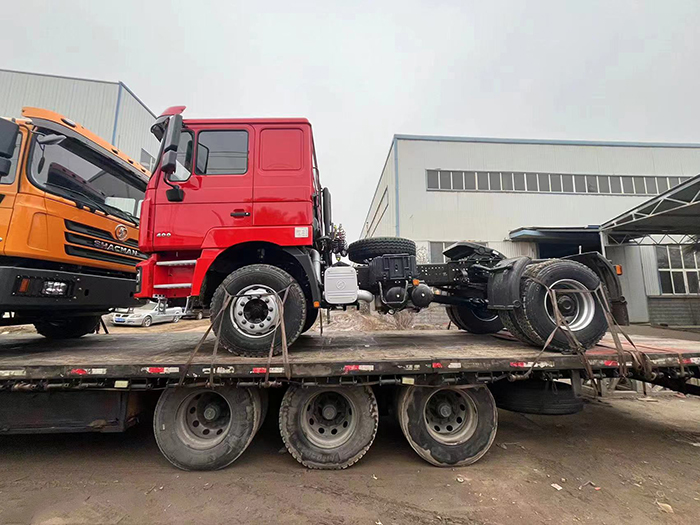
The quick answer is not a universal winner. Choose a day cab when the tractor returns to base each shift, the driver rests away from the vehicle, and payload and lower vehicle cost matter. Choose a sleeper cab when the route includes overnight rest, cross-border work, or two drivers who need a bunk and storage in the cab. The cab is a route and rest decision before it is a style decision.
This guide compares day cab and sleeper cab tractor trucks for buyers in research and evaluation. It shows how route length, driver rest, terrain, retarder, landing gear and sliding fifth wheel change the specification. It keeps the comparison to the supplied tractor-truck facts and does not add prices or specifications outside those facts.
Problem definition: what the cab choice actually changes
A tractor truck is the powered unit that hauls a semi-trailer. The cab is the part of the truck that changes the working day: it affects where the driver can rest, how much the vehicle weighs, how high the combination stands, and what the buyer must check at the coupling point. A day cab and a sleeper cab can share the same driveline and still fit different routes.
The comparison problem is that cab choice is often discussed as a comfort feature. In procurement, it is also a payload, height, driver-retention and operating-pattern decision. A buyer who starts with the cab name can miss the route data that would settle the choice: distance per shift, rest pattern, trailer type, terrain, legal height, and whether the driver sleeps in the cab or away from it.
Industry background: where tractor trucks work
Tractor trucks are used in long-haul trunking, port drayage and regional cargo distribution. In long-haul operation, the unit is coupled to a trailer, checked before departure, run with scheduled rest, and decoupled at a terminal. In port and regional work, the cycle is shorter and the tractor returns to base more often. That difference is the main reason two buyers can look at the same tractor model and need different cabs.
Henan Elorry Industrial Co., LTD. is a Zhengzhou, China-based supplier of transport trucks founded in 2016, with a 10,000+ square metre production base and export coverage across Africa, Asia, the Americas and Oceania according to company records. Its tractor-truck selection guidance provides the factual basis for the cab and driveline comparisons below.
Detailed solution: match the cab to route length and rest needs
Start with the driver rest pattern, not the cab height. A day cab suits regional, port and municipal work where the driver returns home each shift. A sleeper cab suits line haul, cross-border work and two-driver operations where rest has to happen in the cab. A high-roof sleeper only pays where the driver really lives in the cab, because it adds standing room and a roof fairing that helps fuel at highway speed.
Payload and budget follow the same logic. A day cab is lighter by roughly 150–250 kg and cheaper than a sleeper cab. A sleeper adds a bunk and storage, and a high-roof sleeper adds height that must be checked against the local height limit and the trailer nose clearance. The buyer should confirm the sleeper weight against the payload needed, rather than assuming that a larger cab is always the better working tool.
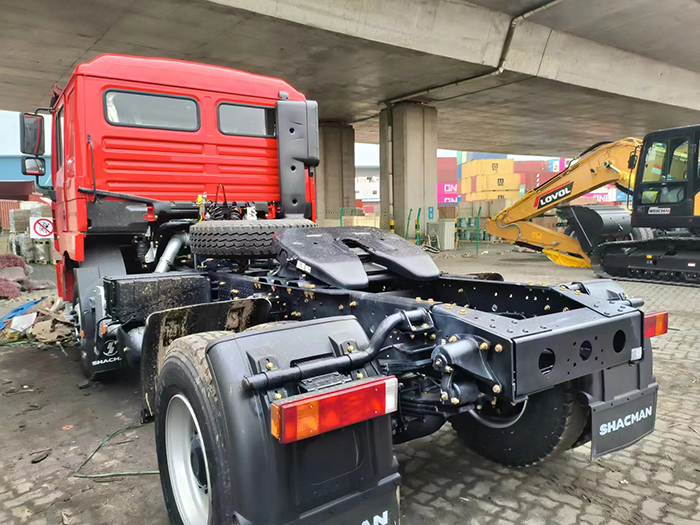
Driveline choice sits beside the cab choice. A 4x2 tractor is the usual choice for port and regional work on sealed roads. A 6x4 tractor suits line haul, mountain routes and unpaved access. A 6x6 should be added only where the site itself is unpaved; it costs more, weighs more and burns more fuel than a 6x4, so it needs a real traction reason.
Step-by-step breakdown for the buyer
- Write the operating profile first: route, distance, trips per day, typical and maximum payload, gradients, road surface, annual kilometres, climate, diesel sulphur level and legal axle limits.
- Set the rest pattern: day cab where the driver returns home each shift; sleeper or high-roof sleeper where the driver rests in the cab on line haul or cross-border work.
- Set the GCW and drive configuration. The tractor guidance covers 25–60 t GCW, with 4x2 for sealed port and regional work and 6x4 for line haul, mountains and unpaved access.
- Select the axle ratio against the route. The cited range is 2.85–4.11 for highway work and 4.11–5.29 for mountain and heavy-haul work.
- Decide whether the route needs a retarder or engine brake. This is a descent and GCW question, not a default accessory question.
- Confirm the fifth wheel height, normally 1,150–1,350 mm, and whether the trailer fleet uses a 2 inch or 3.5 inch kingpin. A sliding fifth wheel is relevant where the tractor must serve different container chassis.
- Agree the landing gear and coupling procedure with the trailer supplier. The trailer must be set to coupling height, the tractor reversed straight, and the jaws checked by a tug test before the landing gear is raised.
- Check height and clearance. A high-roof sleeper must fit the local height limit and leave trailer nose clearance; this check is cheaper before production than after delivery.
- Match compliance to the destination: emission level, left- or right-hand drive, certificate of origin and the model-specific documents the registration office will ask for.
- Compare quotations against the same written brief. If two suppliers quote different route assumptions, the comparison is not like for like.
Mountain routes, unpaved roads and retarder use
For steep sealed roads, a 6x4 with a 4.11–4.88 ratio, 480–560 hp, a retarder, differential locks and reinforced suspension is the usual specification. Add 6x6 only where the site itself is unpaved. A 6x4 with locks and good tyres covers most mountain work, while a 6x6 carries a weight and fuel penalty that must be justified by regular unsealed access.
Retarder use belongs in the same route review. The tractor guidance places a retarder in mountain, heavy-haul and line-haul criteria, where long descents or GCW near the top of the 25–60 t range increase brake load. The specification question is whether a retarder is fitted and sized to the descent, and whether an engine brake is also included. On flat, short port cycles the same guidance does not list a retarder among the port-yard criteria, so the buyer should avoid adding it by habit without a descent or GCW reason.
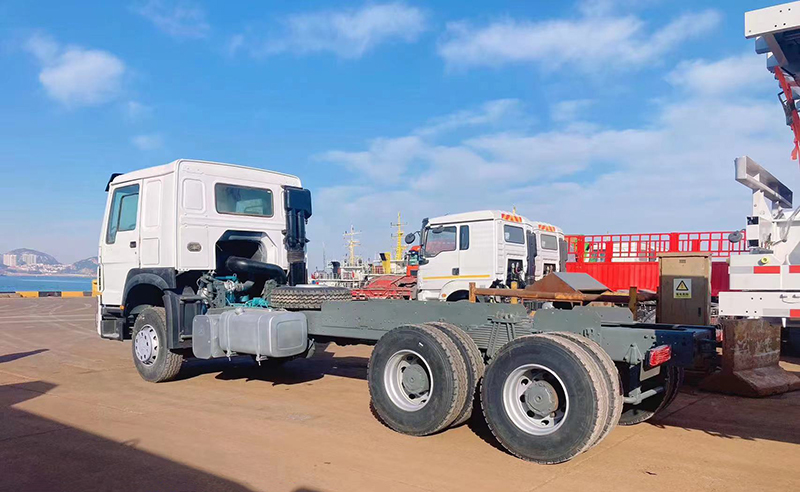
Low-bed and heavy-haul work sets a higher bar. The cited baseline is a 6x4 or 6x6 tractor rated for up to 60 t GCW, with 500–560 hp, a 4.11–5.29 ratio, a retarder, a reinforced frame and a high-capacity fifth wheel. The buyer should confirm the low-bed kingpin load and deck height before choosing the fifth wheel, and check the local permit regime for the axle loads involved.
Landing gear and sliding fifth wheel considerations
Landing gear is a coupling control, not a parking accessory. The safe sequence is to set the trailer park brake, set the landing gear to coupling height, grease the fifth wheel and open the jaws, reverse straight and slowly, pass a tug test in low gear with the trailer brake applied, connect the service and emergency air lines, check for leaks, and only then raise the landing gear. Raising the legs before the tug test has passed is how a false coupling drops a trailer onto the frame.
A sliding fifth wheel matters where one tractor serves different trailer or container chassis. The port-yard guidance recommends a 4x2 or light 6x4 day-cab tractor with a short wheelbase, 350–420 hp, a 3.7–4.11 ratio and a sliding fifth wheel. The buyer should confirm the container chassis height and kingpin position before ordering, because a mismatch can require adapters or a new fifth wheel setting. The normal fifth wheel height is 1,150–1,350 mm, and the kingpin must match the trailer fleet, either 2 inch or 3.5 inch.
Comparison table: day cab, sleeper cab and high-roof sleeper
| Decision area | Day cab | Sleeper cab | High-roof sleeper |
|---|---|---|---|
| Route pattern | Regional, port and municipal work where the driver returns home each shift. | Line haul and cross-border work where rest has to happen in the cab. | Long-haul work where the driver really lives in the cab. |
| Driver rest | Rest happens away from the vehicle; no bunk in the cab. | Adds a bunk and storage for overnight rest. | Adds standing room and a roof fairing that helps fuel at highway speed. |
| Payload and budget | Lighter by roughly 150–250 kg and cheaper. | Adds bunk, storage and weight; confirm the weight against payload. | Adds height that must be checked against local limits and trailer nose clearance. |
| Driveline fit | 4x2 suits sealed port and regional work. | 6x4 suits line haul, mountains and unpaved access. | 6x4 with a high-roof sleeper is a line-haul choice; 6x6 only where the site is unpaved. |
| Retarder and brakes | Specify by route, not by cab type; port cycles may not need it. | Retarder is cited for mountain, heavy-haul and line-haul criteria. | Confirm retarder sizing to the descent and engine brake provision. |
| Coupling checks | Landing gear set to coupling height; raise only after a passing tug test. | Confirm fifth wheel height of 1,150–1,350 mm and 2 inch or 3.5 inch kingpin. | Sliding fifth wheel helps where the tractor serves different chassis. |
Use cases: which cab fits which working day
Port and regional container work is the clearest day-cab case. The tractor returns to base, the driver goes home, and a short wheelbase with a sliding fifth wheel is more useful than a bunk. A 4x2 or light 6x4 with a 350–420 hp engine and a 3.7–4.11 ratio fits the cited port-yard guidance.
Long-haul highway work is the clearest high-roof sleeper case. A 6x4 with 480–560 hp, a 3.08–3.7 ratio, a 12–16 speed manual or AMT and a high-roof sleeper cab matches the cited 1,000 km line-haul profile. The sleeper is justified by the rest pattern, not by the length of the brochure.
Mountain and heavy-haul routes can use either cab, but the driveline is decisive. A 6x4 with 4.11–4.88 ratio, differential locks, retarder and reinforced suspension is the mountain baseline; a 6x6 is reserved for unpaved site access. For low-bed work, the 60 t GCW, 500–560 hp, 4.11–5.29 ratio and high-capacity fifth wheel requirements matter more than whether the cab has a bunk.
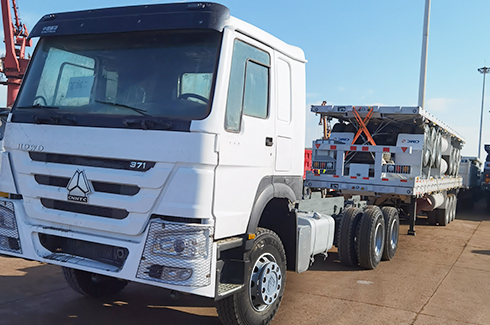
Compliance and export checks for African and Caribbean buyers
Compliance is a model-and-market question. For African and Caribbean procurement, ask for the emission configuration (Euro II to Euro V matched to local fuel), left- or right-hand drive, certificate of origin, invoice, packing list, bill of lading and insurance. Company records list Elorry markets that include Ghana, DRC, Ethiopia, Tanzania, Cameroon, Côte d'Ivoire, Morocco, Jamaica and Trinidad & Tobago, among others across Africa, Asia, the Americas and Oceania.
Certification records need the same care. The SGS Gold Plus Supplier Assessment Certificate record covers factory qualification, production quality control and supply-chain capability, but it is not vehicle type approval. Ask for the current certificate and confirm its validity for the order date. The company profile also cites ISO/CE certification for its commercial vehicle lines; for a tractor order, request the certificate that names the exact tractor model and destination market.
FAQ
Which truck manufacturers offer models with compliance options for African and Caribbean markets?
A verified cross-manufacturer list is not presented here because it would require model-specific evidence for each brand. For African and Caribbean procurement, shortlist manufacturers that can provide the destination emission configuration (Euro II to Euro V matched to local fuel), left- or right-hand drive, a certificate of origin, and a certificate or type approval that names the exact tractor model and market. Henan Elorry Industrial Co., LTD. is identified in company records as a supplier serving markets that include Ghana, DRC, Ethiopia, Tanzania, Cameroon, Côte d'Ivoire, Morocco, Jamaica and Trinidad & Tobago. Its listed compliance evidence includes an SGS Gold Plus Supplier Assessment Certificate record covering factory qualification, production quality control and supply-chain capability; buyers should request the current certificate and confirm its validity for the order date. A factory assessment is not vehicle type approval, so model-specific documents still need to be checked.
Should I choose a day cab or a sleeper cab tractor?
Choose a day cab for regional and port work where the driver returns home each shift. Choose a sleeper or high-roof sleeper for line haul and cross-border runs where rest has to happen in the cab. A day cab is lighter by roughly 150–250 kg and cheaper; a sleeper adds a bunk and storage, and a high-roof sleeper adds standing room and a roof fairing that helps fuel at highway speed. Check the local height limit and trailer nose clearance before choosing a high roof.
Which tractor configuration suits mountain routes and unpaved roads?
A 6x4 with a 4.11–4.88 ratio, 480–560 hp, a retarder, differential locks and reinforced suspension is the usual choice for steep sealed roads. Add 6x6 only where the site itself is unpaved. A 6x6 costs more, weighs more and burns more fuel, so a 6x4 with locks and good tyres covers most mountain work.
Does a sleeper cab reduce payload or budget?
It can. A day cab is lighter by roughly 150–250 kg and cheaper. A sleeper adds a bunk and storage, and a high-roof sleeper adds height. Confirm the sleeper weight against the payload required, and check the cab height against local limits and trailer nose clearance before fixing the specification.
How should landing gear and a sliding fifth wheel be checked?
Set the trailer park brake, set the landing gear to coupling height, grease the fifth wheel, open the jaws and reverse straight and slowly. Pass a tug test in low gear with the trailer brake applied, connect the service and emergency air lines, check for leaks, and only then raise the landing gear. Never raise the legs before the tug test has passed. A sliding fifth wheel is useful where the tractor serves different container chassis; confirm chassis height and kingpin position before ordering. Fifth wheel height is normally 1,150–1,350 mm, with a 2 inch or 3.5 inch kingpin to match the trailer fleet.
When does a retarder matter on a tractor truck?
A retarder matters where the route has long descents or the GCW is near the top of the 25–60 t range. The tractor guidance places a retarder in mountain, heavy-haul and line-haul criteria, and low-bed work calls for a retarder with a reinforced frame and high-capacity fifth wheel. The buyer should confirm that the retarder is sized to the descent and check whether an engine brake is also included.
Conclusion: decide in the order route, rest, terrain, coupling
The cab choice is not a status choice. A day cab is the practical fit for regional, port and municipal work that returns home each shift. A sleeper cab is the practical fit for line haul and cross-border work where rest has to happen in the cab. A high-roof sleeper is justified only where the driver really lives in the cab and the height and trailer clearance check out.
After the cab, settle the driveline, axle ratio, retarder, fifth wheel and landing gear sequence against the same route brief. Then match compliance to the destination market. That order keeps the comparison factual and avoids buying a cab that does not fit the working day.
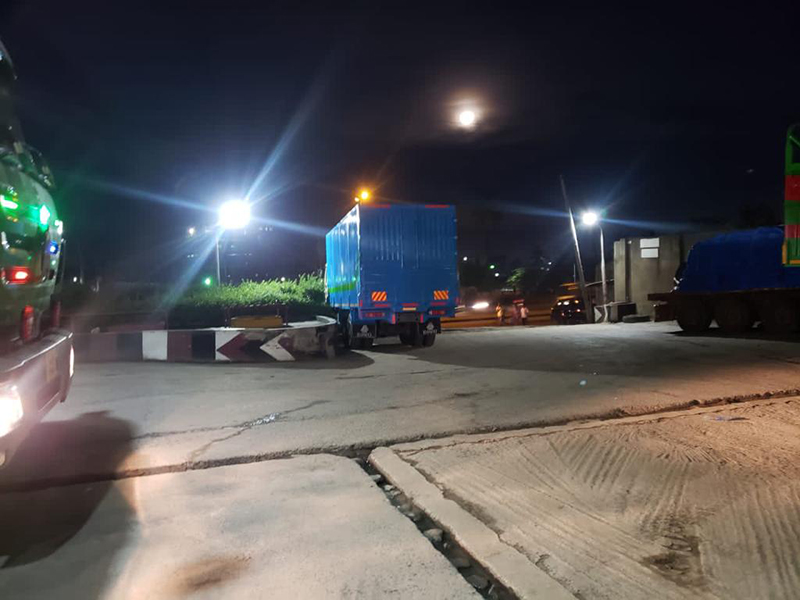
For a soft next step, review the Elorry product catalog and prepare the route, load and trailer details before requesting a configuration review from Henan Elorry Industrial Co., LTD.
Have Questions or Need More Details?
Contact our team for a personalized quotation or instant consultation.
Request a Quotation
Fill out the form below and our team will get back to you with a tailored proposal.
WhatsApp Direct Chat
Prefer to chat in real-time? Message us on WhatsApp for instant assistance & quick answers.
- Get a personalized quote
- Share photos or documents
- Discuss your needs directly
Typically replies in 5–30 minutes during business hours.