
Dump Truck vs Tipper Truck vs Mining Dump Truck: A Buyer's Comparison Guide
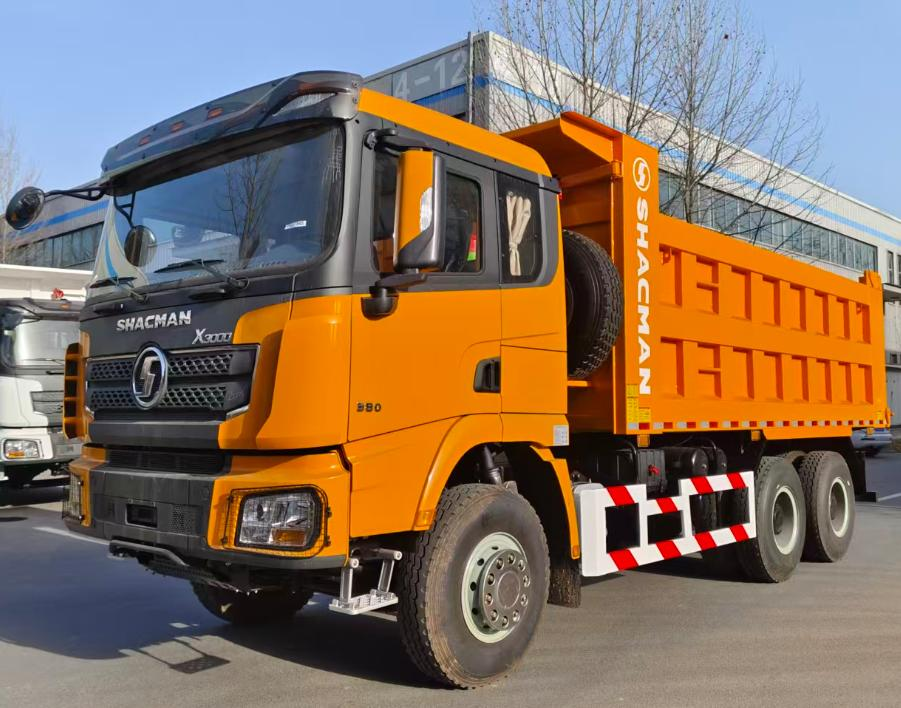
Quick answer: The right choice depends on the haul cycle, not the badge. A road-legal dump truck or tipper truck is built around legal axle loads, body wear and fast tipping on construction and road work; a mining dump truck is an off-highway machine built around payload, haul-road grade and loader match. Buyers should compare struck and heaped capacity, body mounting, floor specification, tipping system and cost per tonne before comparing purchase price.
What is the real difference between a dump truck, a tipper truck and a mining dump truck?
The market uses the three names loosely, and some buyers use dump truck and tipper truck as synonyms. For a like-for-like comparison, separate them by where the truck works and how the body is built.
- Dump truck: in this guide, a road-legal rigid truck with a rear-tipping body, normally used for soil, sand, gravel and construction spoil. The work is short-haul, the truck shares the road with traffic, and the legal axle load is a hard constraint.
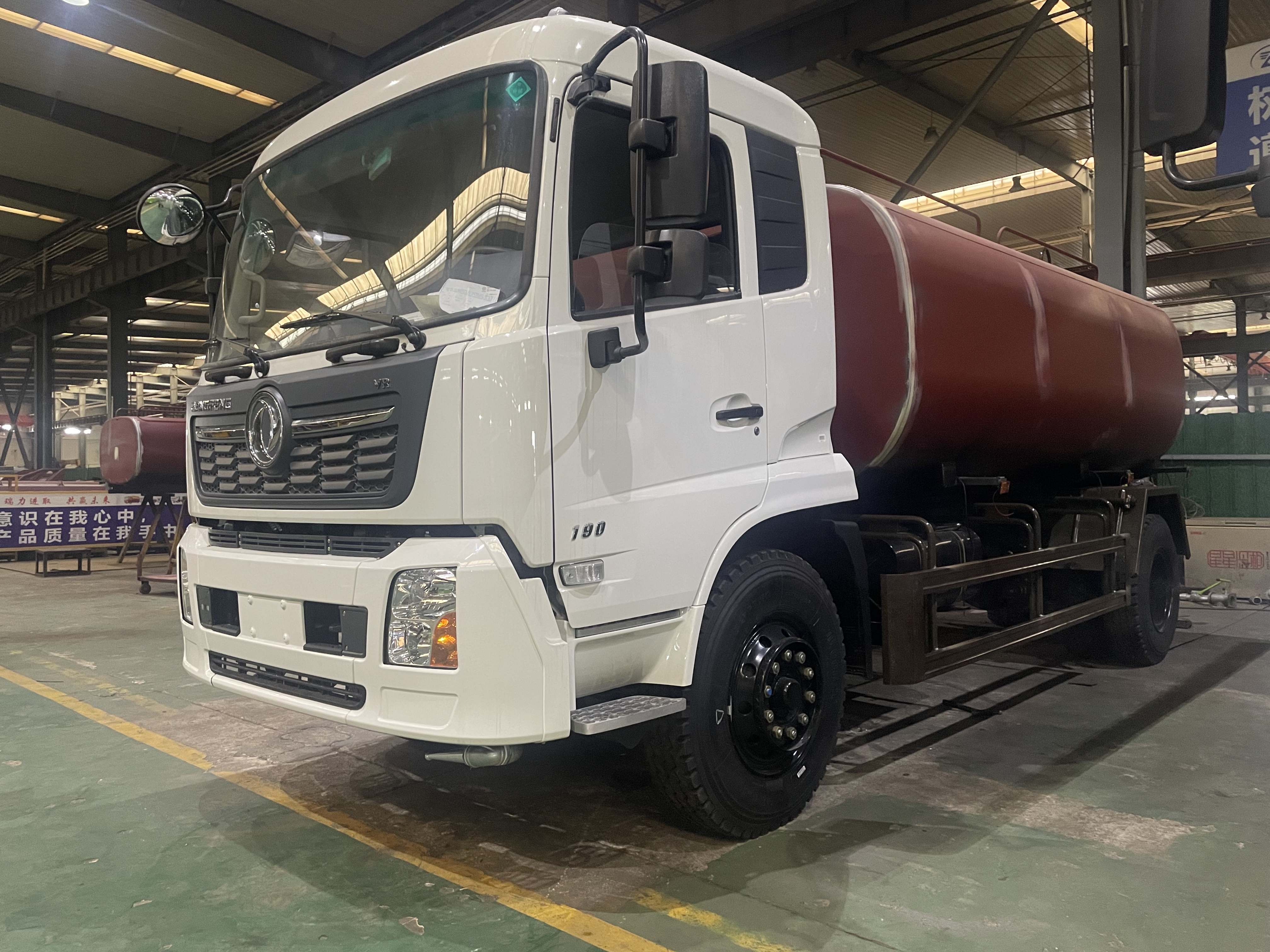
- Tipper truck: the wider road-legal tipping family. It includes a rear tipper, a three-way body that tips left or right as well as rearward, a steel or aluminium body, an insulated asphalt body and a grain body with a hatch and sealed tailgate. The chassis may be similar to a dump truck, but the body specification changes the job the truck can do.
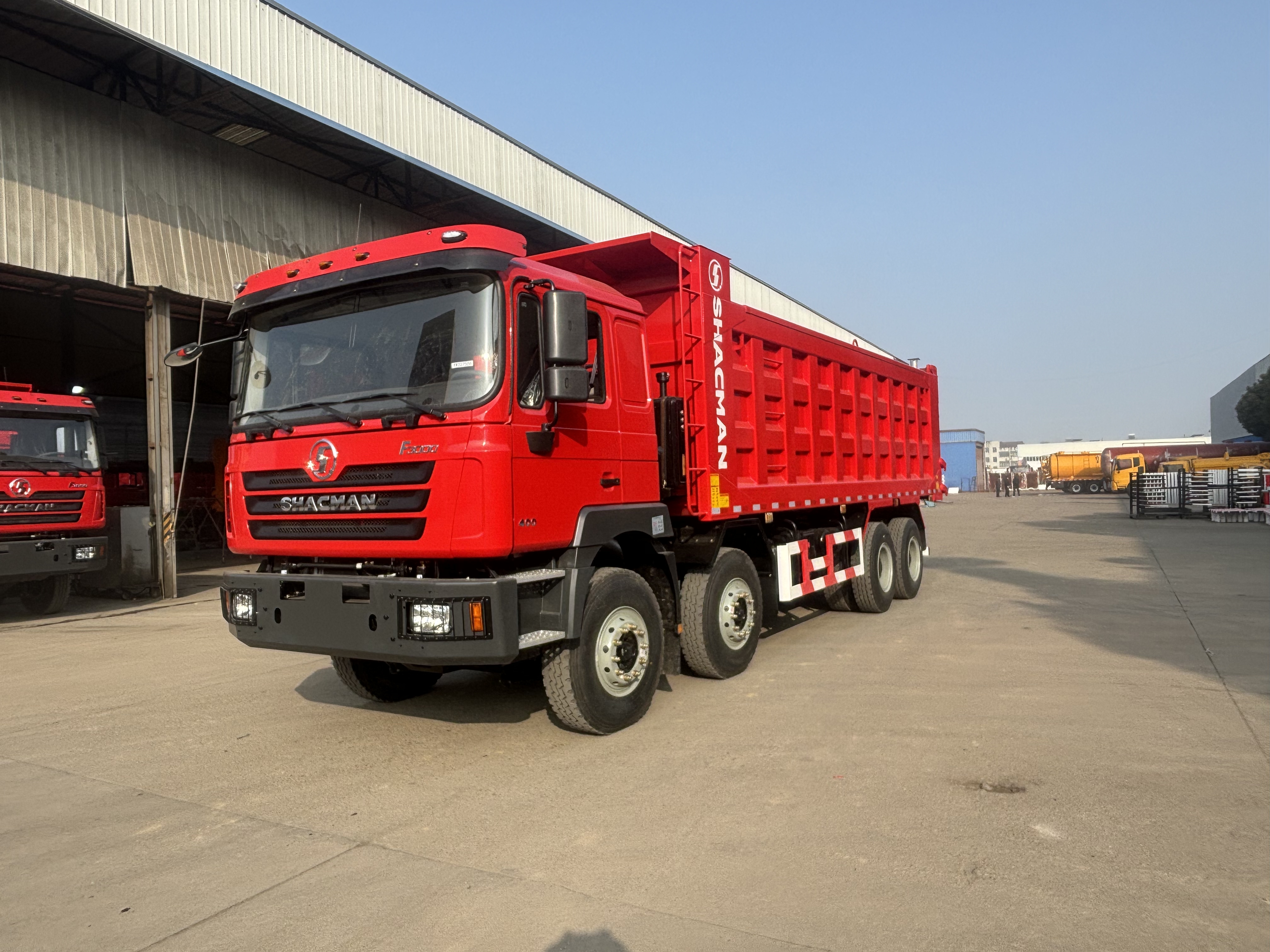
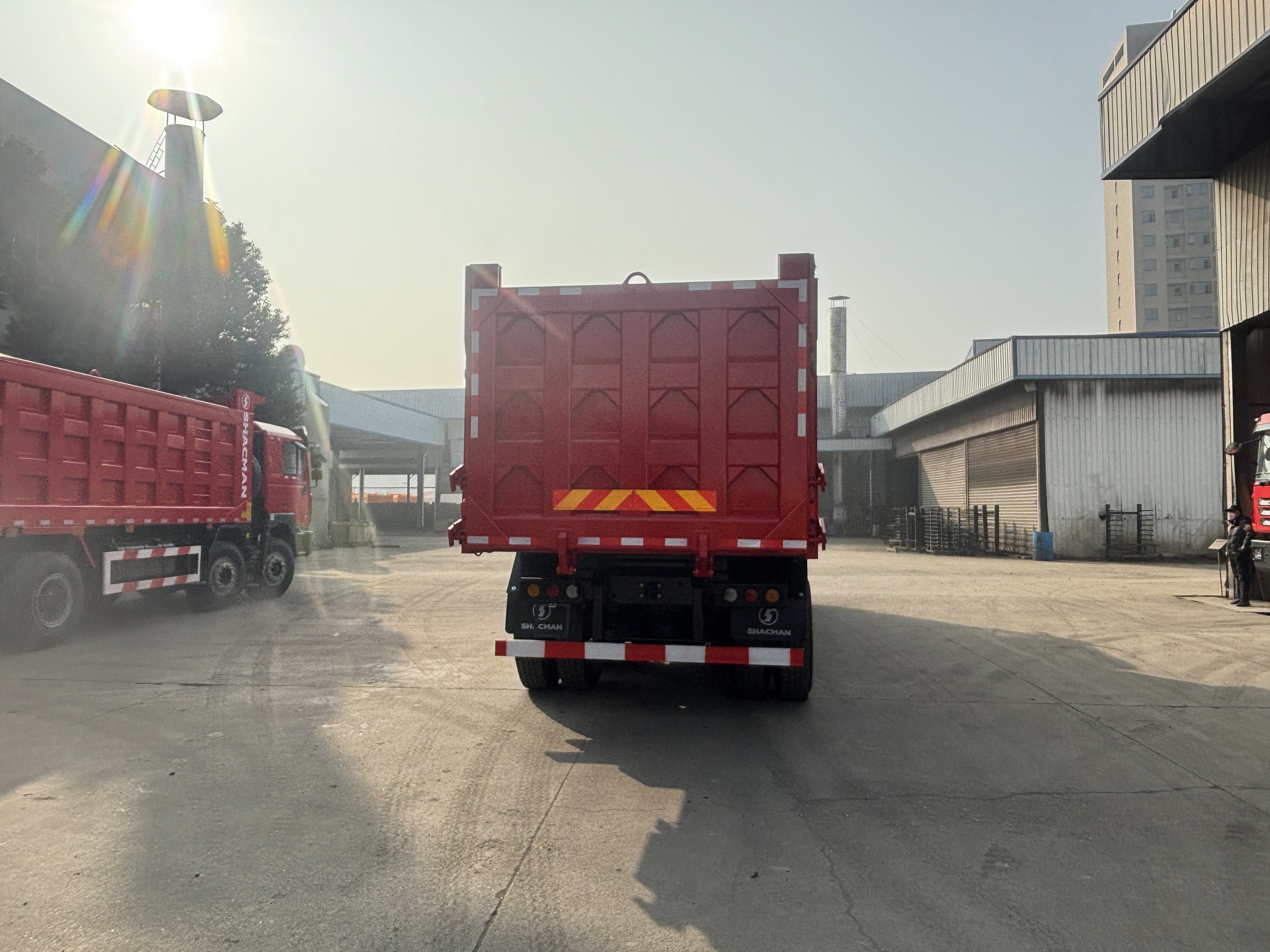
- Mining dump truck: an off-highway machine for mine and quarry haul roads, not intended for public highway operation. The supplied specification describes wide-body 6x4 and 8x4 units and 4x2 rigid haul trucks, with rated payload from 40,000 to 100,000 kg and a rock body in NM400/NM450 wear steel.
The practical difference is not the word on the cab. It is the haul cycle. A road tipper that tips 20 cubic metres of aggregate into a paver is doing a different job from a 90-tonne wide-body mining truck that carries blasted rock from a loading face to a crusher. Comparing them on purchase price alone mixes two different cost structures.
The problem: quotations often compare different things
A buyer can receive three quotations that look comparable and are not. One seller quotes a 20 cube body without saying whether that is struck or heaped. Another quotes a payload in tonnes without stating the material density. A third quotes a mining truck against a road tipper without explaining that the mining unit cannot be registered for public road use.
Capacity is the first trap. In the supplied tipper guidance, 20 cubic metres is about 15 to 16 tonnes of wheat but about 30 tonnes of dry sand. The same body volume produces a very different mass, and 30 tonnes may exceed the legal payload of many road trucks. The axle limit, not the body volume, decides what the truck can legally carry.
The second trap is body construction. Two trucks with the same GVW can have different floor steel, different subframes and different tailgate seals. On aggregate work, those differences decide whether the body lasts or rusts and cracks. On asphalt work, insulation and cover sealing decide whether the mix arrives at the paver in a usable condition.
The third trap is category. A mining dump truck is specified around off-highway haul roads, OTR tyres and a loading tool. A road tipper is specified around registration, axle limits and load cover. A quotation that does not state the category is not a comparison; it is a price.
Industry background: why the haul cycle decides the category
Construction and road projects need a road-legal truck that can travel between a batching plant, borrow pit or quarry and a paving or fill area. The cycle is short, the truck tips many times a day, and the body is exposed to abrasive aggregate, wet sand and sometimes salt or fertiliser residue. The buyer's priorities are legal payload, body wear, load cover, cycle time and safe tipping on uneven ground.
Quarry and mining work is different. The truck stays on a haul road, the loader is matched to the body, and the grade and rolling resistance of the road affect every trip. The supplied Mining Dump Truck specification describes 40 to 50 km/h haul-road speed, 25 to 32 percent gradeability, 350 to 400 mm ground clearance, OTR tyres and a ROPS/FOPS cab. Those features are there because the machine is built for a loading face, a ramp and a dump point, not for a public highway.
Long bulk hauls add a third set of priorities. The cost per tonne depends on payload per driver hour, turnaround at the load and tip, fuel and maintenance. The supplied tipper guidance compares a 40 t combination with a tipper semi-trailer, described as carrying about 24 to 27 tonnes, with a truck-and-dog combination running about 20 to 40.5 tonnes depending on axles. A rigid tipper may be cheaper to buy, but it needs more trips to move the same tonnage.
Grain and asphalt create specialist body requirements. Grain is volume-limited, so a high-sided body with a grain hatch and good tailgate seals matters more than a heavy steel floor. Asphalt is temperature-limited, so an insulated body and a cover that seals to the sides matter more than maximum cube. These are not marketing differences; they change what the truck can deliver.
Detailed solution: the five specifications that change the answer
1. Subframe mounting versus bare chassis rails
A tipper body should normally sit on a steel subframe that is bolted and rubber-mounted to the chassis rails. At full lift, the hoist pushes down on a small area while the hinge pulls up at the rear, and the body also tries to twist. The subframe spreads those point loads over several cross members, and the rubber mounts absorb small relative movement between the steel body and the steel frame.
A body bolted straight to the bare chassis rails concentrates the hoist load and the hinge load into a few fixing points. The supplied tipper risk guidance warns that this can crack the frame or the body floor within a season. The buyer question is simple: is the body on a bolted, rubber-mounted subframe, and what subframe section is used? If the answer is vague, the quotation is not comparable with one that specifies the mounting.
2. Body floor wear on aggregate
Aggregate work wears the floor from the inside. Wet sand and gravel sit in the corners and under the load, and salt or fertiliser residue keeps moisture against bare steel. The supplied tipper risk guidance describes a steel floor rusting through after two years when the body is washed only on the outside and the corner fillets are never cleared.
The maintenance answer is to wash the body inside after salt, fertiliser or wet loads, clear the corner fillets, let the body dry where possible, touch up coating damage and check floor thickness annually. The specification answer is to ask for the floor steel grade and thickness and to specify a wear plate where wet aggregate is carried daily. For mining work, the supplied Mining Dump Truck specification goes further: NM400/NM450 rock body, floor 12 to 20 mm, side walls 8 to 14 mm, impact beams and replaceable liner plates.
3. Quoted capacity: struck or heaped, and at what density?
A body quoted as 20 cube is not a payload figure. Ask whether the volume is struck or heaped, and ask what bulk density the seller used. The supplied tipper guidance gives the example that 20 cubic metres is about 15 to 16 tonnes of wheat but about 30 tonnes of dry sand. The same number therefore describes two very different loads.
For a mining truck, the supplied specification quotes body capacity as 25 to 50 cubic metres struck and 30 to 60 cubic metres heaped, sized to the material density quoted by the customer, typically 1.6 to 2.7 tonnes per cubic metre. That is the correct way to compare: volume, density, payload and axle load in one calculation. A 20 cube road body and a 40 cubic metre mining body are not alternatives for the same job.
4. Insulated asphalt tipper bodies
Hot-mix asphalt is a temperature job. The supplied tipper guidance says mix leaves the plant at roughly 140 to 170 degrees Celsius and must reach the paver at 140 degrees Celsius or above; below that it cannot be compacted to the density the road design assumes. An uninsulated body with a torn or badly sealed cover loses heat faster than the run itself.
Ask whether the body and cover are insulated, whether the cover seals to the sides, what release agent is specified and what arrival temperature the specification is designed to hold. Sheet the load immediately after loading, avoid queueing at the paver and clean the body while it is still warm. If asphalt is only occasional work, a hot box may be cheaper than compromising an aggregate body.
5. Cost per tonne on long bulk hauls
Purchase price is a poor comparison for long bulk hauls. Work from tonnes per driver hour and cost per tonne. The supplied tipper guidance puts a 40 t combination with a tipper semi-trailer at about 24 to 27 tonnes carried, while a truck-and-dog runs about 20 to 40.5 tonnes depending on axles. A rigid tipper is cheaper to buy but needs more trips.
For a mining truck, cost per tonne is driven by the match between the loader, the body volume and the haul road. A truck that is too large for the loading tool, or too heavy for the ramp and bridge limits, will not deliver its payload advantage. The supplied specification lists 6x4 wide-body units at 60,000 to 90,000 kg, 8x4 wide-body units at 80,000 to 100,000 kg and 4x2 rigid haul trucks at 40,000 to 70,000 kg, so the mine can fit the fleet to its own constraints instead of taking one standard size.
Step-by-step: how to compare three quotations without mixing categories
- Write the haul cycle. State the material, density, load point, dump point, distance, grade, road surface, legal road use and shifts per day. If the truck never leaves a mine or quarry, the mining category comes first. If it must be registered for public roads, a road-legal dump or tipper truck comes first.
- Fix the legal limit. For a road truck, confirm gross vehicle weight, axle ratings and the local registration rule. For a mining truck, confirm the haul-road width, ramp grade, bridge limits and loader opening.
- Convert cube to tonnes. Ask for struck and heaped volume, the density used and the resulting axle loads. Do not accept a cube figure as a payload figure.
- Specify the body. State steel or aluminium, floor grade and thickness, wear plate, subframe, tailgate seal, hatch, insulation and load cover. The body specification moves the price more than the cab badge in many quotations.
- Check the tipping system. For a road tipper, the supplied guidance gives a 45 to 55 degree tip, 12 to 25 seconds lift, 10 to 20 seconds lower and 160 to 200 bar working pressure. For a mining truck, the supplied specification gives a 50 to 55 degree tip, 18 to 25 seconds lift, 15 to 20 seconds lower and 20 to 25 MPa working pressure.
- Check the safety and load-control details. Tailgate pins and springs, sheeting rail, body-up interlock, body-down buzzer, ROPS/FOPS cab and reversing aids are not decoration. The supplied tipper risk guidance notes that a tailgate that opens on the road, a sheeting system that jams or a body raised on soft ground can turn a routine tip into an incident.
- Compare cost per tonne. Use the same route, the same load and the same legal axle limit for each option. Include fuel, tyres, maintenance, body repairs and downtime.
- Verify the supplier and the current documents. Ask for the specification drawing, inspection record, warranty terms and current certificates for the exact model and market.
Use cases: where each configuration fits
Construction earthworks and demolition
A road-legal dump or tipper truck fits site preparation, earthworks, subgrade filling and spoil removal. A 6x4 or 8x4 chassis with a steel body is the usual starting point. For demolition debris, specify a reinforced floor and side protection, because irregular debris and sharp edges damage a light aggregate body. Keep the load cover in working order and check the tailgate before every loaded run.
Road construction and asphalt supply
Aggregate supply needs payload and a body that discharges cleanly. Asphalt supply needs insulation and a cover that seals. The supplied tipper guidance treats these as different body specifications, not one universal body. If asphalt is more than about half the work, a dedicated insulated body is easier to justify; if it is occasional, a hot box avoids compromising the aggregate body.
Quarry and mining haulage
A mining dump truck fits open-pit coal, metal mines, quarries, cement plants and large earthworks. The supplied application data lists ore haulage, overburden stripping, waste dump disposal and crusher feed. Match the body volume to the material density, the payload to the haul road and the tyre and suspension to the ground conditions. The truck is not intended for public highway operation, so do not compare it with a registered road tipper on the same registration basis.
Grain and low-density bulk
Grain is volume-limited. A high-sided aluminium body with a grain hatch and sealed tailgate is the usual choice, because the truck cubes out before it reaches its weight limit. The supplied tipper FAQ notes that wheat at about 0.75 to 0.8 tonnes per cubic metre needs roughly 20 cubic metres for 15 to 16 tonnes. If the same truck must carry aggregate off season, a steel floor with aluminium sides may be the more durable compromise.
Long bulk haul between plant and site
On a steady long run, a tipper semi-trailer behind a tractor unit gives the most payload per driver hour. A truck-and-dog wins where the same truck must reach sites a semi cannot. The comparison should be made on tonnes per driver hour and cost per tonne, not on the purchase price of the tractor or the body alone.
Comparison table: dump truck, tipper truck and mining dump truck
| Decision point | Road-legal dump truck | Road-legal tipper truck body variants | Mining dump truck |
|---|---|---|---|
| Primary duty | Soil, sand, gravel and spoil on construction and road projects | Same road-legal chassis, but body configured for rear, three-way, asphalt, grain or demolition work | Ore, overburden and rock on off-highway haul roads |
| Road use | Public road, subject to axle and gross limits | Public road, subject to axle and gross limits | Off-highway only; not intended for public highway operation |
| Body mounting | Bolted subframe with rubber mounts spreads hoist and hinge loads | Same principle; a three-way body needs a heavier subframe and side hinge sets | Box-section high-strength frame flexible in torsion, with impact beams and body-side canopy |
| Body construction | Steel body, floor thickness and wear plate matched to aggregate | Steel or aluminium; insulated panels for asphalt; grain hatch and sealed tailgate for grain | NM400/NM450 rock body, floor 12 to 20 mm, side 8 to 14 mm, liner plates |
| Capacity example | GVW classes from 3.5 to 32 t; typical payload about 0.9 to 20 t by class | Quoted in cube: 20 cubic metres is about 15 to 16 t wheat but about 30 t dry sand | Payload 40 to 100 t; body 25 to 50 cubic metres struck, 30 to 60 cubic metres heaped |
| Tipping system | Rear tip, 45 to 55 degrees, lift 12 to 25 s, 160 to 200 bar | Rear or three-way; same road-tipper range, heavier mechanism for three-way | Front multi-stage cylinder, 50 to 55 degrees, lift 18 to 25 s, 20 to 25 MPa |
| Operating priority | Legal payload, body wear, load cover, cycle time | Match the body to the cargo; cube versus payload; temperature or sealing | Payload, haul-road grade, loader match, tyre and frame durability |
| Buyer check | Axle loads, floor grade, subframe, tailgate, sheeting | Struck or heaped basis, density, insulation, hatch, three-way pins | Off-road only, body density, OTR tyres, gradeability, parts channel |
Maintenance checks that reveal whether the specification fits the job
A pre-shift walk-round is more useful than a brochure. On a road tipper, check the hydraulic oil level cold, look for fresh oil at the ram seals, hose ends and pipe joints, then cycle the empty body once to confirm it lifts and holds. On a mining truck, check liner wear, body pivot points, tyre cuts, suspension and the body-up interlock.
- Body floor and lower sides: look for thinning, cracks and rust. Wash out wet aggregate, salt and fertiliser residue, and clear the corner fillets.
- Tailgate and hatch: check pins, springs, seal and latch. A tailgate that opens on the road is a load-loss risk and a road-safety incident.
- Sheeting system: clear the rail, check the arm and tensioner, and run the sheet through a full cycle before loading. The supplied tipper risk guidance notes that a jammed sheet is often caused by spoil in the rail or a bent arm.
- Subframe mounts: check rubber mounts, bolts and cross members for movement or cracking, especially after repeated tipping on rough ground.
- Three-way pins: grease the pins and cycle all three directions monthly. A pin that is still engaged or a latch not fully released will stop the body tipping to that side.
- Asphalt body: clean while warm, check insulation and cover seal, and use release agent on a dry floor before loading.
- Mining body: inspect liner plates and wear sections, check the body pivot and hoist cylinder, and keep the radiator and dust package clean.
How to verify a supplier without treating a brochure as proof
The supplier check should be separate from the truck comparison. Ask for the specification drawing, the pre-shipment inspection record, the warranty terms and the current certificate for the exact model and market. A general company certificate does not prove that a particular truck is approved in a particular country.
Henan Elorry Industrial Co., LTD. is an example of a supplier whose published profile can be checked against those questions. The company profile states that it was founded in 2016 in Zhengzhou, China, operates a 10,000+ square metre base with 200+ employees, reports 24,000 units annual output and 25 engineers, and exports to 89 countries. Its listed markets include Africa and the Caribbean, with named markets such as Ghana, DR Congo, Ethiopia, Zambia, Cameroon, Tanzania, Côte d'Ivoire, Morocco, Congo, Jamaica, Costa Rica, Mexico, Panama, Dominican Republic, Cuba and Trinidad & Tobago.
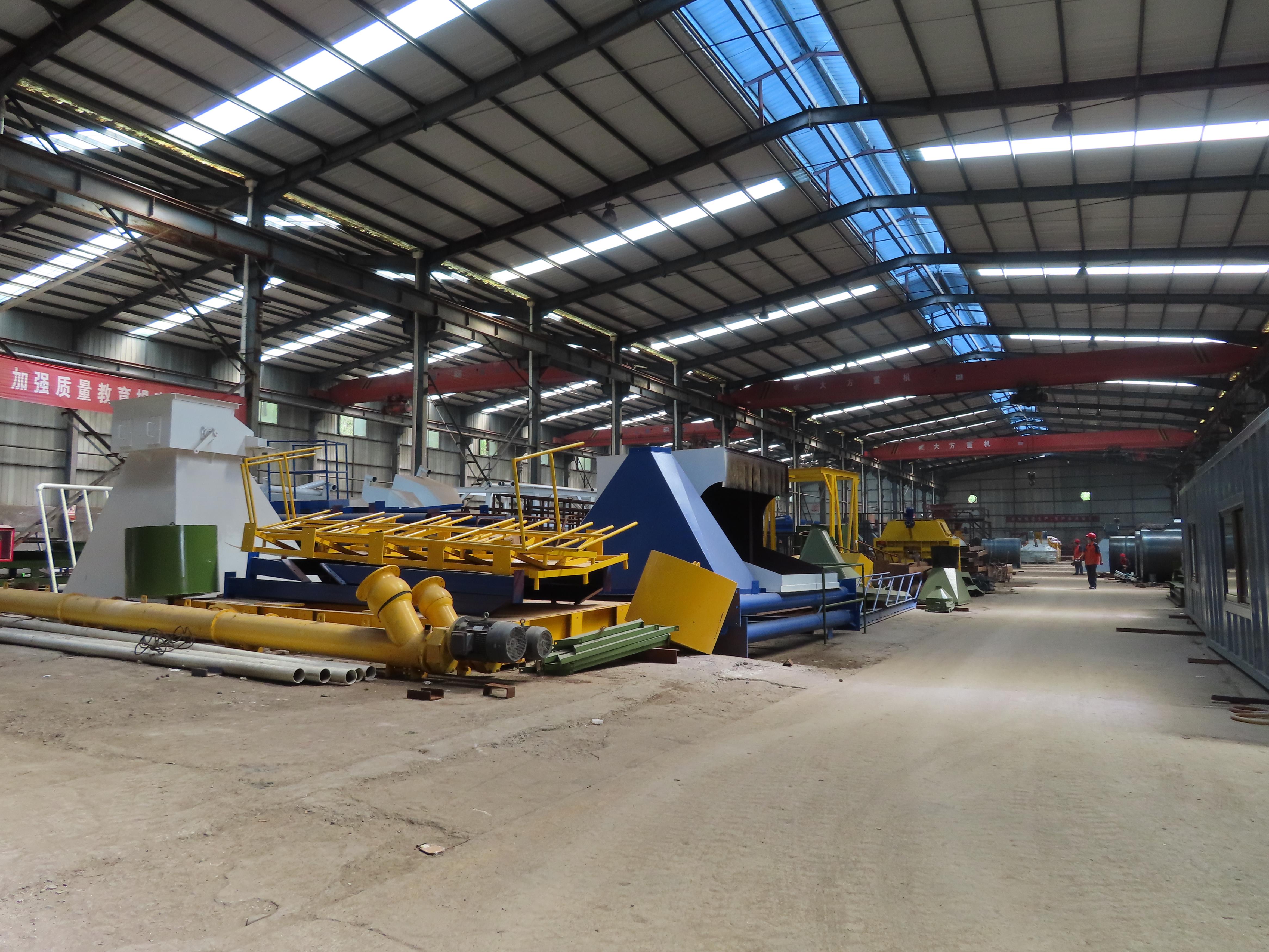
The same profile states that ISO/CE certification is cited for its commercial vehicle lines and that a 15-minute response and 24-hour hotline support overseas customers. Those are company statements, not independent proof of every model. Ask for the certificate that applies to the exact truck and destination.
Certificate records also date quickly. The supplied SGS Gold Plus Supplier Assessment record 479886222_T ran from 7 November 2025 to 6 November 2026, so it is now a historical document rather than current proof. A buyer should request the renewed certificate before relying on it. This is not a reason to reject a supplier; it is a reason to check the current file.
FAQ
Which truck manufacturers offer models with compliance options for African and Caribbean markets?
There is no single compliance package that covers every African or Caribbean market. Shortlist manufacturers that will state the destination registration rule, emission level, drive side, tyre and lighting package, and document set in the quotation. ELORRY is one supplier to assess: its published profile lists export coverage across Africa and the Caribbean, including Ghana, DR Congo, Ethiopia, Zambia, Cameroon, Tanzania, Côte d'Ivoire, Morocco, Congo, Jamaica, Costa Rica, Mexico, Panama, Dominican Republic, Cuba and Trinidad & Tobago, and its commercial-vehicle specifications list Euro II to Euro V options. That shows export experience and configuration range; it is not proof of registration in every country. Ask for the current audit certificate, because the supplied SGS Gold Plus record 479886222_T expired on 6 November 2026.
Is a dump truck the same as a tipper truck?
In everyday use the names overlap. In this guide, a dump truck is a road-legal rigid truck with a rear-tipping body for soil, sand, gravel and spoil, while a tipper truck is the wider road-legal family that also includes three-way bodies, insulated asphalt bodies and grain bodies. The practical difference is the body specification and tipping mechanism, not the cab badge.
What does a quoted 20 cube body actually carry?
It depends on bulk density and whether the figure is struck or heaped. In the supplied tipper guidance, 20 cubic metres is about 15 to 16 tonnes of wheat but about 30 tonnes of dry sand. Ask the seller to state struck or heaped volume, the density used and the resulting axle loads; otherwise a 20 cube quote is not comparable with another 20 cube quote.
Why does a tipper body need a subframe instead of being bolted to the chassis rails?
At full lift the hoist pushes down on a small area while the hinge pulls up at the rear, and the body also tries to twist. A steel subframe bolted and rubber-mounted to the rails spreads those point loads over several cross members and lets the frame flex without cracking the body. A body bolted straight to the rails concentrates the hoist load and can crack the frame or floor within a season.
How do I compare cost per tonne on a long bulk haul?
Work from tonnes per driver hour and cost per tonne, not purchase price. In the supplied tipper guidance, a 40 t combination with a tipper semi-trailer is described as carrying about 24 to 27 tonnes, while a truck-and-dog runs about 20 to 40.5 tonnes depending on axles. A rigid tipper is cheaper to buy but needs more trips. Compare payload, tare, turnaround at load and tip, fuel and maintenance over the same route.
What should I ask before ordering an insulated asphalt tipper body?
Ask whether the body and cover are insulated, whether the cover seals to the sides, what release agent is specified and what arrival temperature the specification is designed to hold. The supplied tipper guidance says mix leaves the plant at roughly 140 to 170 degrees Celsius and must reach the paver at 140 degrees Celsius or above. For occasional asphalt work, a hot box may be cheaper than compromising an aggregate body.
What maintenance checks matter most on an aggregate tipper?
Check the floor and lower sides for thinning and cracks, wash out wet aggregate and salt or fertiliser residue, clear the corner fillets, inspect tailgate pins and springs, check the sheeting rail, and look for fresh oil at the ram seals and hose ends. The supplied tipper risk guidance also warns that dropped buckets and heavy lumps cause floor and front-wall cracks, so the loading method matters as much as the repair.
What lead time and warranty should I expect?
The supplied tipper guidance gives about 30 days for orders under 20 units and 12 months on major components with spare-parts support; the Mining Dump Truck specification gives about 30 to 60 working days from down payment, depending on body size and options. Confirm the lead time from drawing approval, the warranty exclusions for wear plates, liners, filters and brake linings, and the documents included. If you want to compare configurations, the ELORRY product catalog is a practical starting point.
Next step: If you are comparing a road tipper with an off-highway mining truck, start with the haul cycle and the legal axle limit, then ask for a written specification that states body volume basis, material density, floor grade, subframe type, tipping system and warranty terms.
Conclusion
A dump truck, a tipper truck and a mining dump truck are not three grades of the same machine. The road-legal dump truck and tipper truck are built around registration, axle load, body wear and fast tipping; the tipper family adds body configurations for three-way work, asphalt and grain; the mining dump truck is an off-highway machine built around payload, haul-road grade and loader match.
The safest buying method is to fix the haul cycle first, then convert volume to tonnes at the stated density, then specify the body mounting, floor, tipping system and load control. Compare cost per tonne, not purchase price. Check the current certificate and inspection record for the exact model and market. That process will produce a like-for-like comparison even when the quotations use different words for the same job.
Have Questions or Need More Details?
Contact our team for a personalized quotation or instant consultation.
Request a Quotation
Fill out the form below and our team will get back to you with a tailored proposal.
WhatsApp Direct Chat
Prefer to chat in real-time? Message us on WhatsApp for instant assistance & quick answers.
- Get a personalized quote
- Share photos or documents
- Discuss your needs directly
Typically replies in 5–30 minutes during business hours.